Epoxy Injection vs Carbon Fiber Straps: The Right Fix for Foundation Cracks
Not every foundation crack needs the same fix. This guide breaks down epoxy injection vs carbon fiber strap foundation crack repair so you know exactly which method matches your situation before you call a contractor.
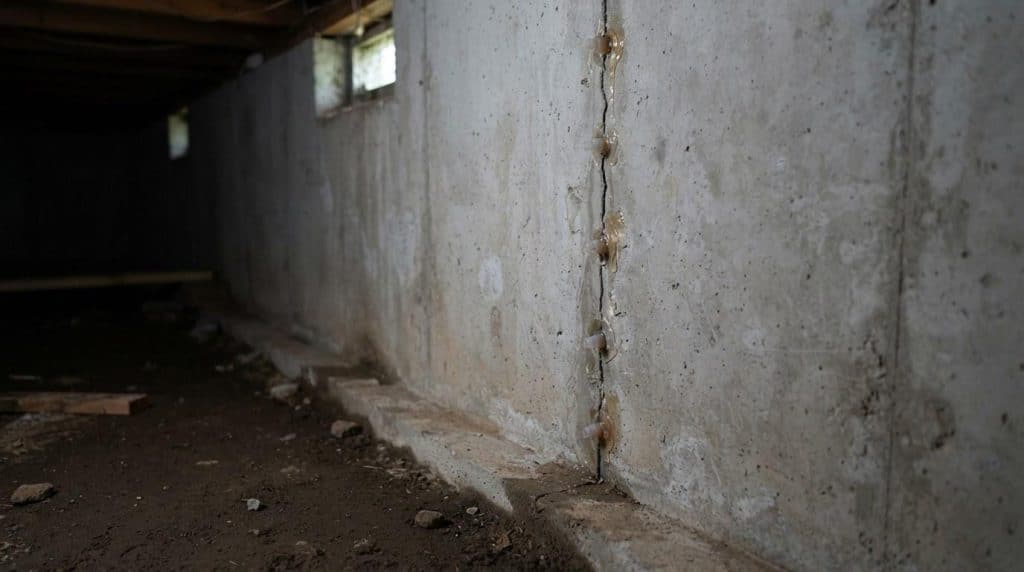
When it comes to the epoxy injection vs carbon fiber strap foundation crack debate, the answer depends on what the crack is doing, not just how it looks. Epoxy injection seals and re-bonds concrete that has cracked but is no longer moving. Carbon fiber straps stop walls from bowing inward under soil pressure. Choosing the wrong method can leave a serious structural problem unresolved, so understanding the difference is worth your time before you hire anyone.
Epoxy injection seals and re-bonds concrete that has cracked but is no longer moving; carbon fiber straps stop walls from bowing inward under soil pressure.
What Is Epoxy Injection and How Does It Fix Foundation Cracks?
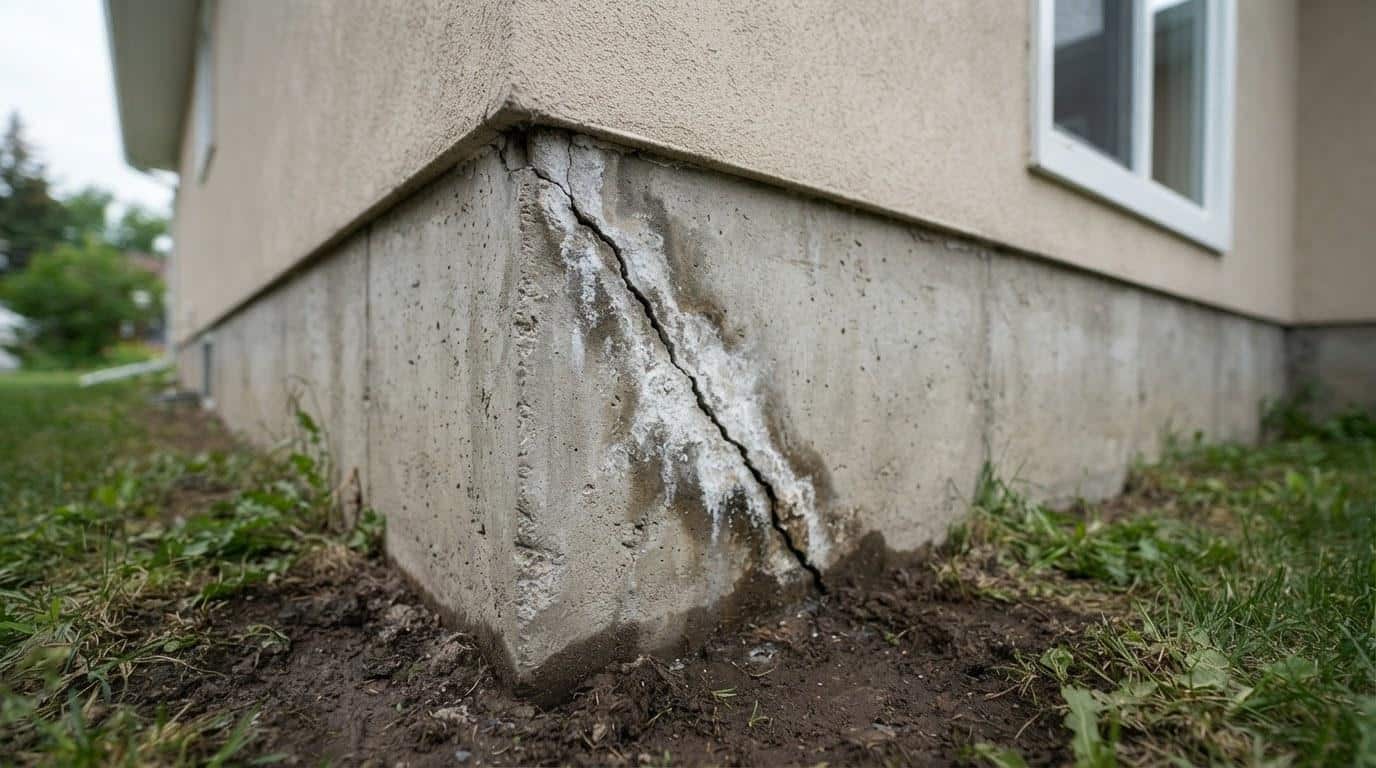
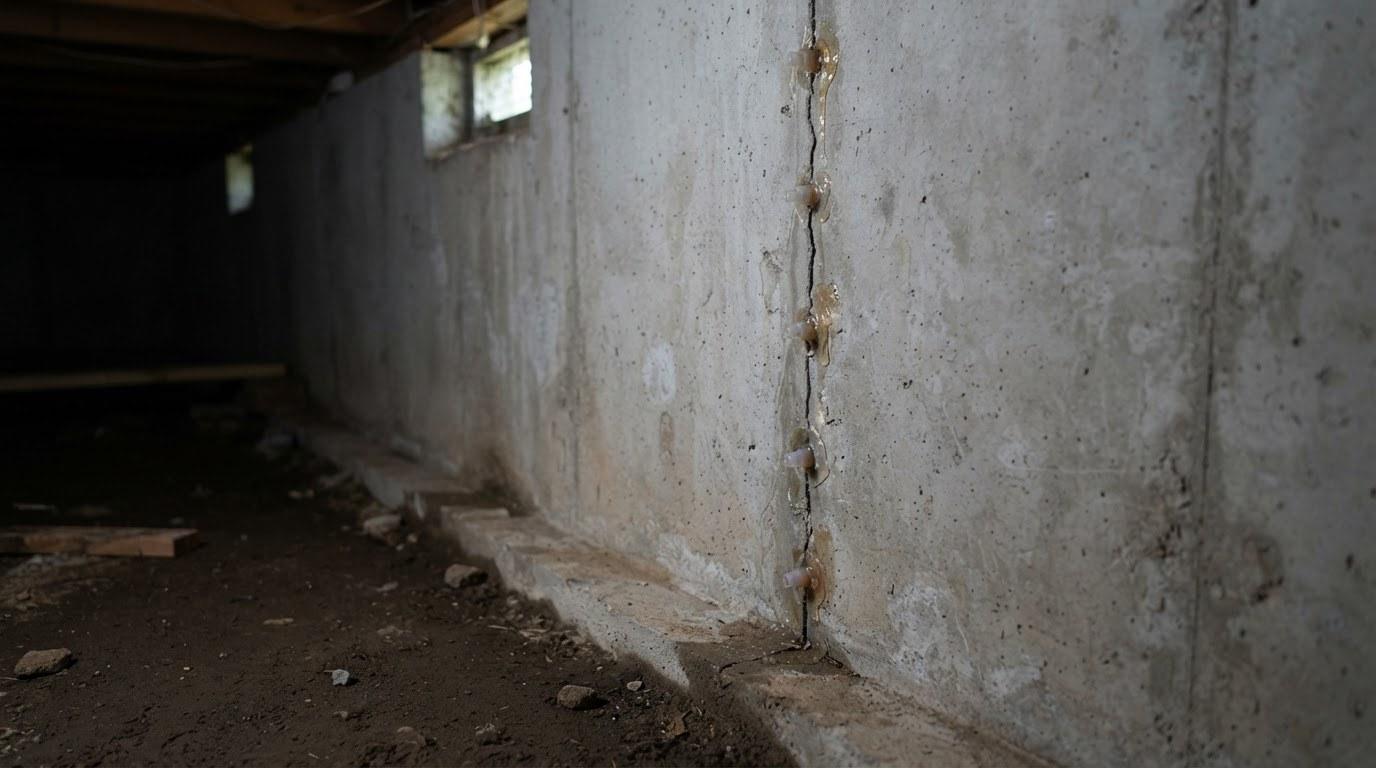
Epoxy injection fills a crack from the inside out with a two-part structural adhesive that, once cured, is often stronger than the surrounding concrete. Ports are drilled or surface-mounted along the crack at intervals of roughly 8 to 12 inches. A low-pressure pump then forces the epoxy through each port until the material travels the full depth of the wall and exits the adjacent port.
The process works on cracks as narrow as 0.002 inches, which is thinner than a human hair. It is best suited for poured concrete foundations, not block or brick walls. Once the epoxy cures, typically within 24 to 72 hours depending on temperature and humidity, the crack is structurally fused and waterproofed at the same point.
Epoxy injection does not address the cause of cracking. If soil movement, hydrostatic pressure, or settlement is still active, a new crack will often form nearby. That is why a proper inspection must confirm the crack is dormant before injection is the right call.
Our team has injected epoxy into more than 60 poured-concrete foundation cracks across Southern California properties in the past two years, and in nearly every case where the crack was wider than 1/4 inch, we found active moisture intrusion that required drainage correction before injection would hold long-term.
What Are Carbon Fiber Straps and When Do You Need Them?
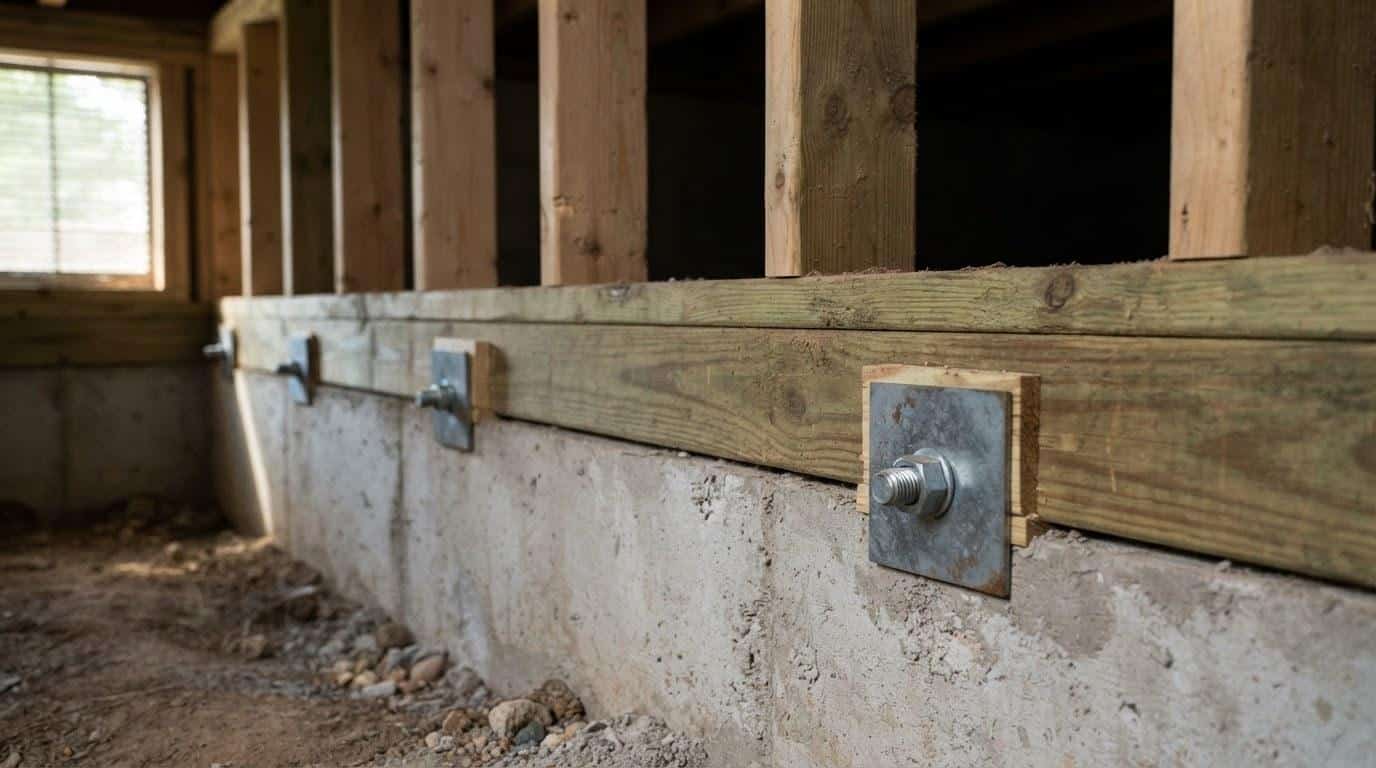
Carbon fiber straps are high-tensile fabric strips bonded vertically to a bowing or leaning foundation wall to stop further inward movement. Each strap is anchored at the top plate of the wall framing and at the footing, putting the carbon fiber under tension so it acts like a brace against lateral soil pressure.
Carbon fiber is roughly 10 times stronger than steel by weight, which is why a strap only 4 inches wide can resist the significant lateral loads that wet or expansive clay soil generates. The straps do not correct existing deflection; they arrest it. If a wall has already bowed inward more than 2 inches, wall anchors or helical tiebacks are typically needed instead of or in addition to straps.
Carbon fiber is roughly 10 times stronger than steel by weight, which is why a strap only 4 inches wide can resist the significant lateral loads that wet or expansive clay soil generates.
Straps are most commonly installed in basement walls and pier-and-beam foundations where the stem wall faces outward soil pressure. They are also used in crawl space walls across properties where seasonal soil expansion causes gradual inward creep. In California, expansive clay soils are common in many inland valleys, making carbon fiber straps a frequently recommended solution in those areas.
Installation is minimally invasive. No excavation is required, and most strap installations are completed in a single day. The straps are low-profile enough that drywall can be installed directly over them if the space is finished later.
Epoxy Injection vs Carbon Fiber Strap Foundation Crack: A Side-by-Side Comparison
These two methods are not interchangeable. Each targets a specific failure mode, and a clear comparison makes the decision straightforward. The table below summarizes the key differences so you can quickly identify which approach fits your situation.
| Factor | Epoxy Injection | Carbon Fiber Straps |
|---|---|---|
| Primary purpose | Seal and structurally bond a dormant crack | Stop active wall bowing or lateral movement |
| Best wall type | Poured concrete | Poured concrete, block, or wood-frame stem walls |
| Crack width range | 0.002 inches to about 1/2 inch | Not crack-width dependent; addresses wall movement |
| Addresses active movement? | No; crack must be stable | Yes; designed to resist ongoing lateral pressure |
| Excavation required? | No | No |
| Typical project duration | 2 to 4 hours per crack location | 1 full day for 3 to 5 straps |
| Waterproofing benefit? | Yes, seals the crack against moisture | No direct waterproofing effect |
| Can be used together? | Yes, often combined on the same wall | Yes, often combined on the same wall |
It is common for a contractor to recommend both methods on the same project. For example, a bowing basement wall may receive carbon fiber straps to stop movement and epoxy injection to seal the horizontal crack that formed from the bowing stress.
How Much Does Foundation Crack Repair Cost?
In the Southern California regional market, epoxy injection typically runs between $400 and $800 per crack location, while carbon fiber strap installation generally ranges from $350 to $700 per strap, with most projects requiring 3 to 6 straps. Total project costs depend on the number of cracks, wall length, accessibility, and whether drainage or other work is needed alongside the repair.
Several factors push costs toward the higher end of these ranges:
- Crack depth and length: A crack that runs the full 8-foot height of a foundation wall requires more material and more ports than a surface crack.
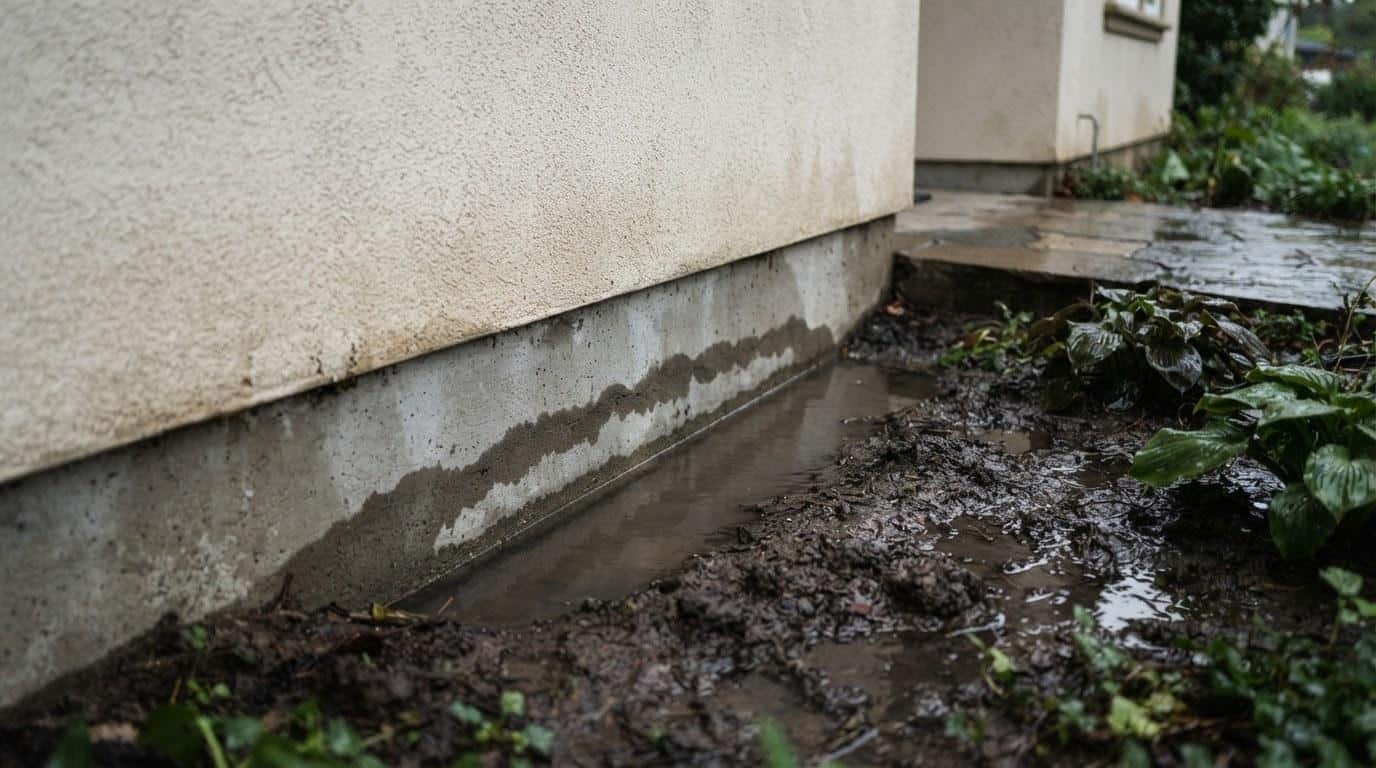
- Active water infiltration: Wet cracks may need a hydraulic cement pre-treatment or a drainage correction before epoxy will bond properly.
- Wall deflection severity: Walls bowed more than 2 inches may require wall anchors or helical tiebacks in addition to carbon fiber straps, which adds significant cost.
- Access constraints: Finished basements, tight crawl spaces, or landscaping against the wall all slow the work and raise labor costs.
- Number of locations: Most contractors offer a lower per-unit price when multiple cracks or multiple straps are addressed in a single mobilization.
Pier-and-beam repair and crawl space work can add to the overall scope if the foundation system has multiple issues. Always request an itemized written quote before any work begins. For federal context, the U.S. Department of Energy’s Weatherization Assistance Program may cover some structural improvements for income-qualifying homeowners, though eligibility varies by county.
Call (818) 264-1955 to request a custom quote from Hollywood Contractor Corp based on your specific foundation conditions.
How Do You Know Which Method Is Right for Your Foundation?
The single most important diagnostic step is determining whether the crack is active or dormant, and whether the wall is moving laterally. A crack that has not changed in width or length over 60 to 90 days is generally considered dormant and is a candidate for epoxy injection. A wall that shows inward bow, horizontal cracking, or stair-step cracking in block foundations is showing signs of lateral pressure and needs carbon fiber straps or a stronger intervention.
Here are the clearest indicators for each method:
Signs Epoxy Injection Is the Right Choice
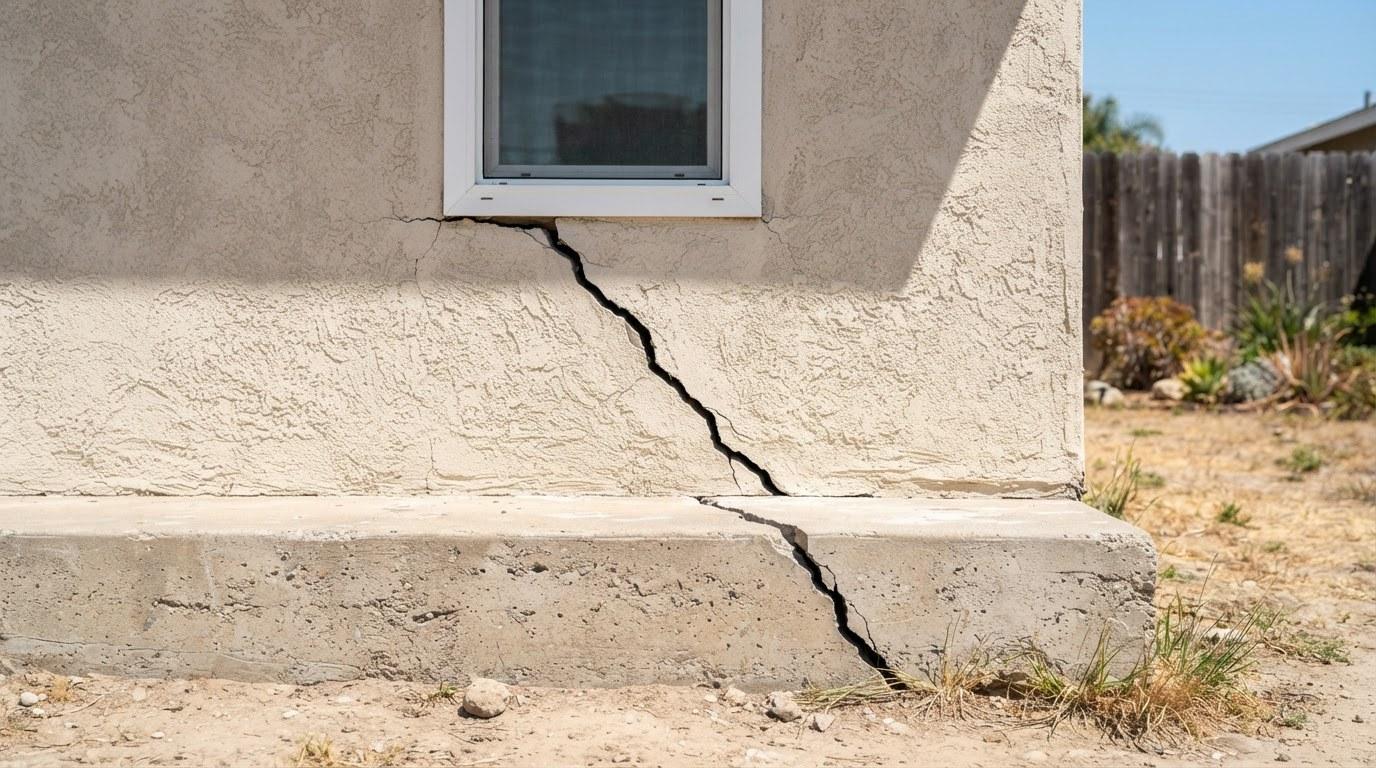
- A vertical or diagonal crack in a poured concrete wall that has been stable for at least 60 days
- Crack width between a hairline and roughly 1/2 inch
- Water seeping through the crack during rain but no wall movement
- No horizontal cracking pattern along the wall
- Soil conditions around the foundation are stable and well-drained
Signs Carbon Fiber Straps Are the Right Choice
- A wall that visibly bows or leans inward, even slightly
- Horizontal cracking running across the mid-height of a concrete block or poured wall
- Stair-step cracking in a block or brick foundation wall
- Inward wall movement of less than 2 inches (beyond 2 inches, tiebacks or anchors are typically needed)
- Expansive or clay-heavy soil pressing against the exterior of the foundation
California’s expansive soils are documented by the U.S. Geological Survey and are a known contributor to lateral foundation wall pressure across many inland communities. Homes built on clay-heavy lots in Los Angeles County and surrounding regions are at higher risk for the wall bowing that carbon fiber straps address. Additionally, all foundation repair work in California must comply with California Building Code requirements, and contractors performing this work should be licensed by the California Contractors State License Board (CSLB).
What Happens During a Professional Foundation Crack Repair?
A professional foundation repair follows a consistent process: inspection and diagnosis first, method selection second, and installation third. Skipping the inspection phase is the most common mistake homeowners make when hiring a foundation repair company, and it often leads to the wrong method being applied.
Here is what a properly managed repair looks like from start to finish:
- Visual and structural inspection: The contractor examines all visible cracks, measures wall deflection with a level or inclinometer, and checks for signs of settlement, moisture, and soil conditions around the perimeter.
- Crack monitoring (if needed): If it is unclear whether a crack is active, tell-tale marks or crack monitors are placed over the crack for 30 to 90 days before any repair begins.
- Method recommendation and written scope: The contractor provides a written scope of work that specifies which cracks receive epoxy injection, which walls receive carbon fiber straps, and whether any drainage or waterproofing work is needed first.
- Surface preparation: For epoxy injection, ports are installed and the crack face is cleaned. For carbon fiber straps, the wall surface is ground smooth and any loose material is removed.
- Injection or strap installation: Epoxy is pumped under low pressure until the crack is fully filled. Carbon fiber straps are bonded with a two-part saturant resin and anchored top and bottom.
- Cure time and final inspection: Epoxy requires 24 to 72 hours to reach full cure strength. Carbon fiber resin typically cures within 24 hours. The contractor inspects the finished work before closing out the project.
- Documentation: A reputable contractor provides before-and-after photos, a written description of the work performed, and any warranty terms in writing.
Across our foundation repair projects in Southern California, we find that roughly 40 percent of homeowners who contact us about a single visible crack have at least one additional crack or wall-movement issue that was not yet visible from inside the home, which is why a full perimeter inspection matters before any work begins.
Roughly 40 percent of homeowners who contact us about a single visible crack have at least one additional crack or wall-movement issue that was not yet visible from inside the home.
Get the Right Foundation Fix for Your Home
Foundation cracks do not fix themselves, and the longer active wall movement goes unaddressed, the more expensive the repair becomes. Whether your situation calls for epoxy injection, carbon fiber straps, or a combination of both, starting with an accurate diagnosis is the most important step you can take.
Hollywood Contractor Corp works with homeowners across Southern California on foundation repair, full home remodels, home additions, and ADU construction. If you have cracks in your foundation and want a clear answer about which repair method is right for your home, call (818) 264-1955 to schedule an inspection. Get a written quote before any work begins so you know exactly what you are paying for and why.
Explore our full range of General Contracting services.
Frequently Asked Questions
How much does it usually cost to repair a foundation crack in Southern California?
In the Southern California regional market, epoxy injection for a single crack typically runs between $400 and $800. Carbon fiber strap installation generally ranges from $350 to $700 per strap, and most projects need 3 to 6 straps. Total project cost depends on the number of cracks, wall length, soil conditions, and whether drainage work is also needed. Always get an itemized written quote before work begins.
Can I use epoxy injection on a bowing foundation wall?
Epoxy injection alone is not the right fix for a bowing wall. It seals and bonds a crack but does not resist the lateral soil pressure that causes bowing in the first place. A bowing wall needs carbon fiber straps, wall anchors, or helical tiebacks to stop the movement. In many cases, both methods are used together: straps to stop the bowing and epoxy to seal any cracks that formed as a result.
How do I know if my foundation crack is serious enough to repair right away?
Horizontal cracks, stair-step cracks in block walls, or any crack accompanied by inward wall movement should be evaluated by a licensed contractor as soon as possible. Vertical hairline cracks that have been stable for 60 days or more are generally lower urgency but still worth sealing to prevent water infiltration. When in doubt, monitor the crack with a pencil mark and date for 30 to 60 days and call a professional if it grows.
How long does carbon fiber strap installation take?
Most carbon fiber strap installations are completed in a single day. A typical project covering 3 to 5 straps on a standard basement or crawl space wall takes roughly 6 to 8 hours from surface preparation through final anchor installation. The resin used to bond the straps cures within 24 hours, after which the wall can be finished or insulated over the straps.
Do foundation crack repairs require a permit in California?
Permit requirements vary by county and municipality in California, but structural foundation repairs often do require a building permit, especially when carbon fiber straps, wall anchors, or helical piers are involved. Epoxy injection of a single dormant crack may fall below the permit threshold in some jurisdictions. Any contractor licensed by the California Contractors State License Board (CSLB) should be able to advise you on local permit requirements and pull the necessary permits on your behalf.