

ADU Builder & Home Additions in Los Angeles
Hollywood Contractor Corp is an ADU builder in Los Angeles and a licensed design-build general contractor (CSLB #1092628). California ADU law has made it far easier to add a legal, rentable unit to a property you already own, and we build detached ADUs, junior ADUs, garage conversions, and home additions across Los Angeles, from North Hollywood and Burbank to Glendale, Pasadena, La Crescenta, and Silver Lake. We check feasibility for your specific lot first (setbacks, lot coverage, utilities, and what your jurisdiction will actually approve), then handle plans, structural engineering, permits, and construction under one roof.
ADU Construction and Home Additions in Los Angeles
Accessory Dwelling Units (ADUs) and home additions are two of the most practical ways to add space and value to a Los Angeles property. Whether you want a rental income stream, room for family, a detached backyard home, or a room or second-story addition, the right project adds flexibility and long-term value. As a licensed design-build general contractor and ADU contractor (CSLB #1092628), Hollywood Contractor Corp handles every step, from design and engineering to permits and construction, so the process stays organized from start to finish.
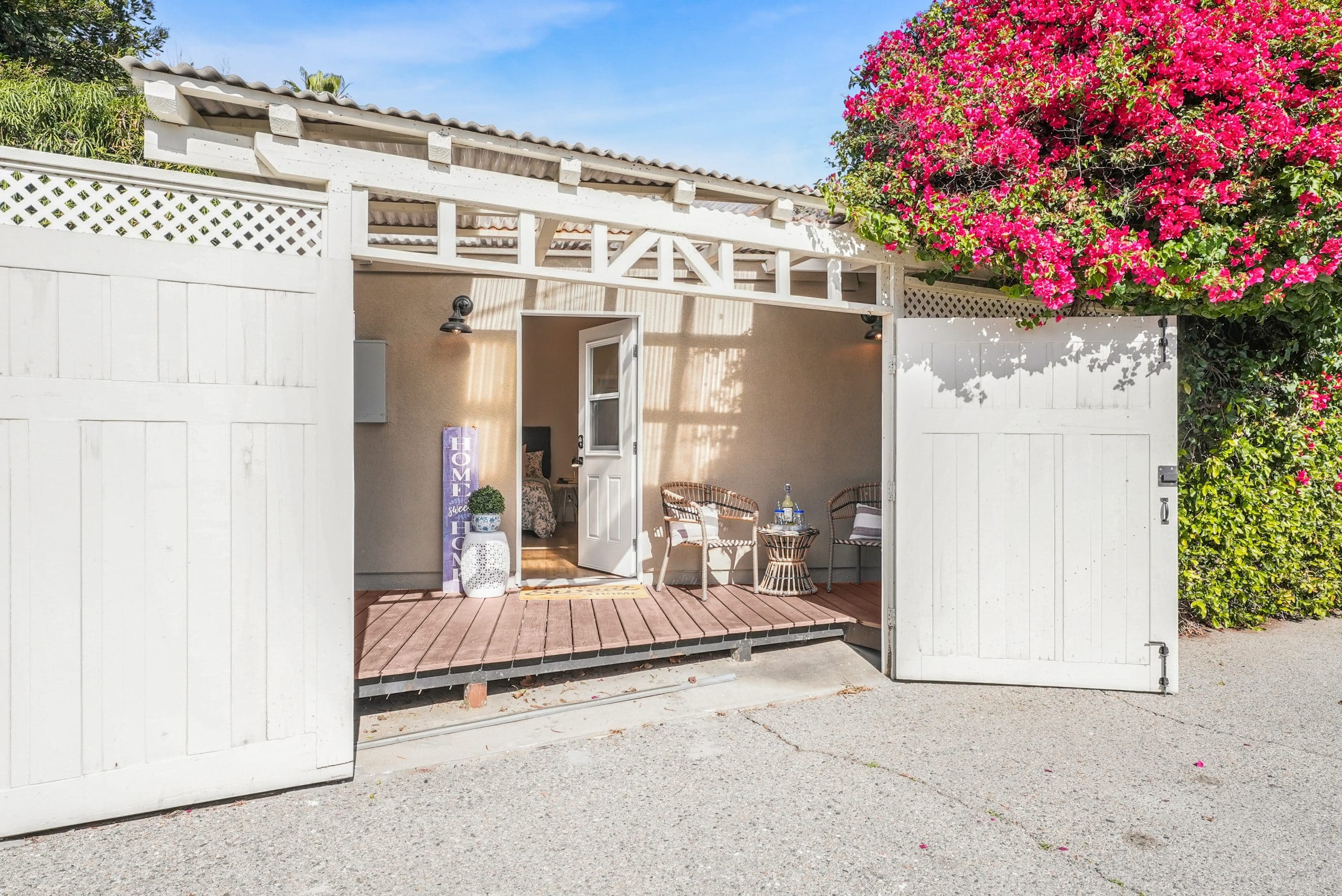
What Is an ADU?
An ADU (Accessory Dwelling Unit) is a self-contained secondary home built on the same lot as your primary residence. The most common types are detached backyard homes, garage conversions, attached units, and junior ADUs (JADUs). Every ADU is a complete living space with its own kitchen, bathroom, and private entrance — ideal for rental income, multigenerational living, or a private home office.
Types of ADUs We Build
Benefits of Building an ADU
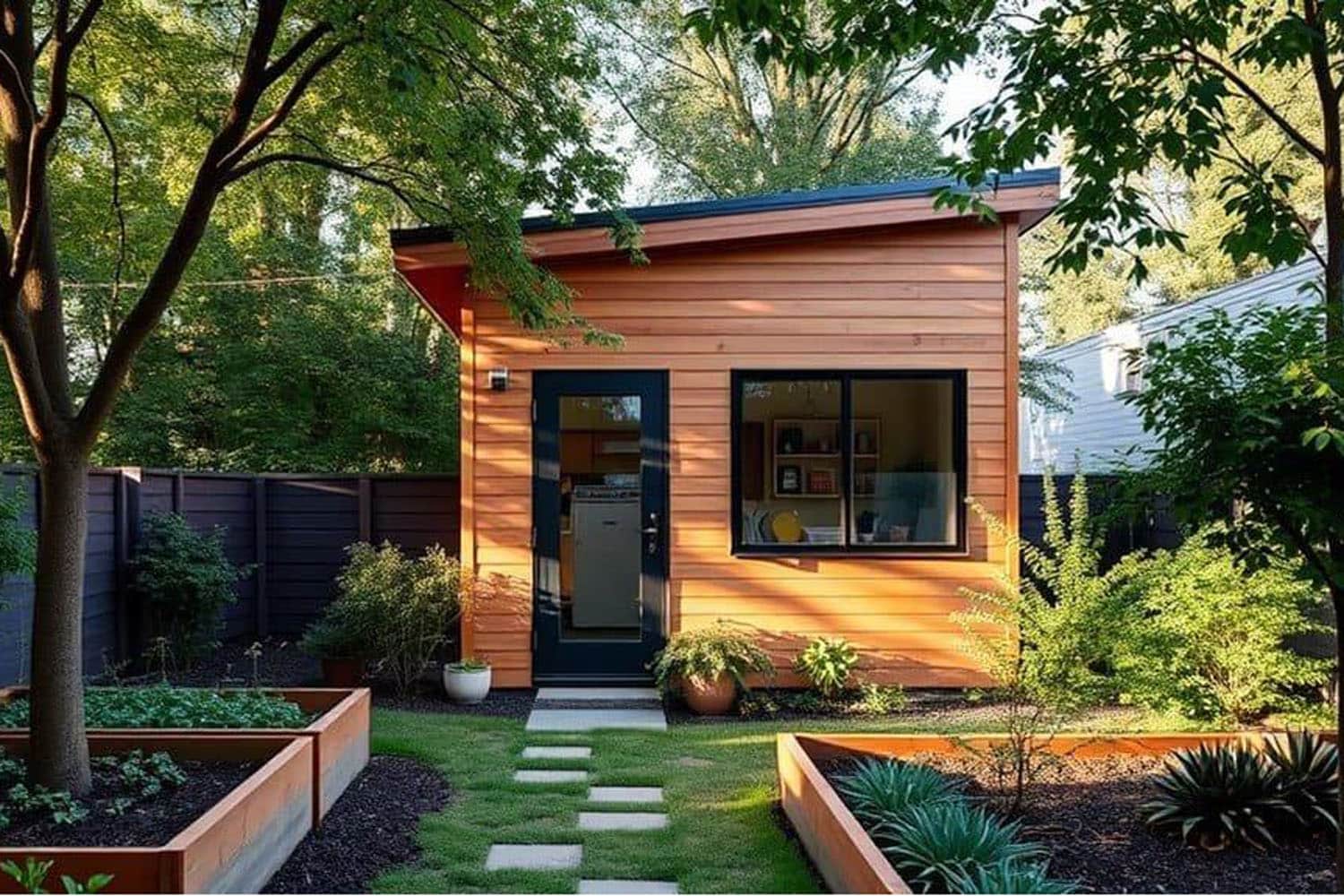
Our Process

1. Consultation & Planning
We assess your property, goals, and budget to recommend the best ADU or addition for your lot.

Design & Permits
Our team prepares architectural plans, structural engineering, and Title 24, then manages your local permits.

Construction
We build your ADU or addition with quality materials, licensed crews, and expert craftsmanship.

Final Walkthrough
We complete a final walkthrough and inspection so your space is move-in ready and fully code-compliant.
Why Choose Hollywood
Contractor Corp?
ADU Cost & ROI
ADUs typically range from about $150,000 to $400,000 depending on size, type, and finishes, while garage conversions are usually the most affordable option. With strong rental demand, many homeowners recover much of that cost through monthly rental income and a higher resale value — making an ADU one of the highest-return improvements you can make to your property.
ADU Permits, Timelines & California Rules
Building an Accessory Dwelling Unit is more attainable than ever thanks to California’s pro-ADU laws — but the details still matter. Most ADUs cost between roughly $150,000 and $400,000 and take about four to eight months to complete, and the right decisions up front can save you months of time and thousands of dollars. As a licensed design-build general contractor (CSLB #1092628), we manage architecture, structural engineering, Title 24 energy compliance, permitting, and construction under one roof so nothing falls through the cracks.
California ADU rules every LA homeowner should know
- Size limits: Detached ADUs can generally be up to 1,200 sq ft, and cities must allow at least 800 sq ft. Junior ADUs (JADUs) are capped at 500 sq ft within the existing home.
- 60-day approval: Cities are required to approve or deny a complete ADU application within 60 days.
- Setbacks: New detached ADUs need as little as 4-foot side and rear setbacks.
- Parking: No additional parking is required within a half-mile of public transit or for garage conversions — which covers most local lots.
- Owner occupancy: Standard ADUs generally don’t require you to live on site; JADUs do.
- Rental income: ADUs can be rented long-term, making them one of the strongest returns on investment available to LA homeowners.
A solid foundation and proper drainage are essential to a long-lasting ADU, especially on the hillside and clay-soil lots common. Explore our foundation services and our guide to ADU foundation, soil & drainage solutions to learn more.
Home Additions
Not every project calls for a separate unit. If you want more space integrated into your current home, a room addition, bump-out, or second-story addition may be the better fit. We build additions that match your home’s existing architecture and roofline — expanding kitchens, primary suites, family rooms, and home offices — and handle the structural, electrical, and permitting work just as we do for new construction. Pair an addition with a kitchen remodel, or explore our full new construction services to start planning.
FAQ Most ADUs cost between roughly $150,000 and $400,000 depending on the type, size, and finishes. Garage conversions are usually the most affordable option, detached new-build ADUs cost more, and site conditions such as utility connections and grading affect the final price. We provide a free consultation and a clear, written estimate before any work begins. A typical ADU takes about 4 to 8 months from design to completion — roughly 2 to 4 months for design and permitting and another 3 to 6 months for construction, depending on size and complexity. California law requires cities to approve or deny a complete ADU application within 60 days, which helps keep timelines predictable. Yes. Every ADU requires building permits, and most also involve plumbing, electrical, and mechanical permits. We handle the entire process for you — architectural drawings, structural engineering, Title 24 energy compliance, and city plan check — so your ADU is fully permitted and code-compliant. Under state law, detached ADUs can generally be up to 1,200 square feet. Attached ADUs are limited to 50% of the primary home’s size, but cities must allow at least 800 square feet regardless of that limit. Junior ADUs (JADUs) are capped at 500 square feet and must be built within the existing home. We confirm the exact limits for your lot during planning. Yes. ADUs are legal rental units throughout California and are a popular way to generate income in today’s high-demand rental market. Long-term rentals are allowed everywhere; short-term rentals (under 30 days) are restricted in many LA jurisdictions, so we review the local rules with you. Often not. California ADU law waives additional parking requirements when the ADU is within half a mile of public transit, is part of the existing home, or is a garage conversion — which covers most local properties. We confirm whether any parking requirement applies to your specific project. An ADU (Accessory Dwelling Unit) is a separate living unit — detached, attached, or a garage conversion — up to 1,200 sq ft with its own kitchen, bathroom, and entrance. A JADU (Junior ADU) is up to 500 sq ft, built within the existing home’s footprint, may share a bathroom, and requires owner occupancy. JADUs are typically faster and less expensive to build. Standard ADUs generally do not require the owner to live on the property, while junior ADUs (JADUs) do require owner occupancy. ADU rules change over time, so we confirm the current state and local requirements for your project during the consultation. Yes. ADUs add significant value by creating rentable square footage and additional usable living space. Many homeowners offset construction costs through rental income, and appraisers increasingly recognize a permitted ADU as a value-adding feature when you sell or refinance. Absolutely. Along with ADUs, we build room additions, second-story additions, and bump-outs that expand your existing home — ideal when you want more space integrated under one roof rather than a separate unit. We help you weigh an addition versus an ADU based on your goals, lot, and budget.
Frequently Asked Questions — ADUs & Home Additions
How much does it cost to build an ADU?
How long does it take to build an ADU?
Do I need a permit to build an ADU?
How big can an ADU be in California?
Can I rent out my ADU?
Do I need extra parking for an ADU?
What is the difference between an ADU and a JADU?
Is there an owner-occupancy requirement for an ADU?
Does an ADU add value to my property?
Can you build a home addition instead of an ADU?
BACKED BY 5-STAR REVIEWS
Our clients' satisfaction is our top priority. Read what homeowners and property owners have to say about their experience working with Hollywood Contractor Corp and the quality of our construction and remodeling services.
More Adu And Jadu Construction Guides
- ADU vs. JADU: What's the Difference and Which Is Right for Your Property?
- Top ADU & Home Addition Trends Reshaping Construction in 2026
- ADU vs. Home Addition: Which Adds More Value to Your Southern California Property?
- ADU vs. Home Addition: Which Is the Better Investment?
Other Services We Offer
ADUs / Additions Across Los Angeles County
Local crews, local permit knowledge. These communities have a dedicated page covering the work we do there.
We serve 34 cities across the greater Los Angeles area. View all service areas →