California Foundation Repair Permits: What Homeowners Are Required to Pull
Most foundation repair in California requires a building permit, and skipping that step can cost you far more than the permit itself. This guide walks through exactly what triggers a permit, how the process works, and how to stay compliant.

Most foundation repair in California requires a building permit, and the requirement is not optional. Under California Building Code (CBC) Section 1800, any work that alters, repairs, or replaces a foundation element is generally subject to permit and inspection. This foundation repair permit requirements california guide breaks down exactly which jobs need a permit, how to apply for one, what it costs, and what you risk by skipping the process.
Does Foundation Repair in California Always Require a Permit?
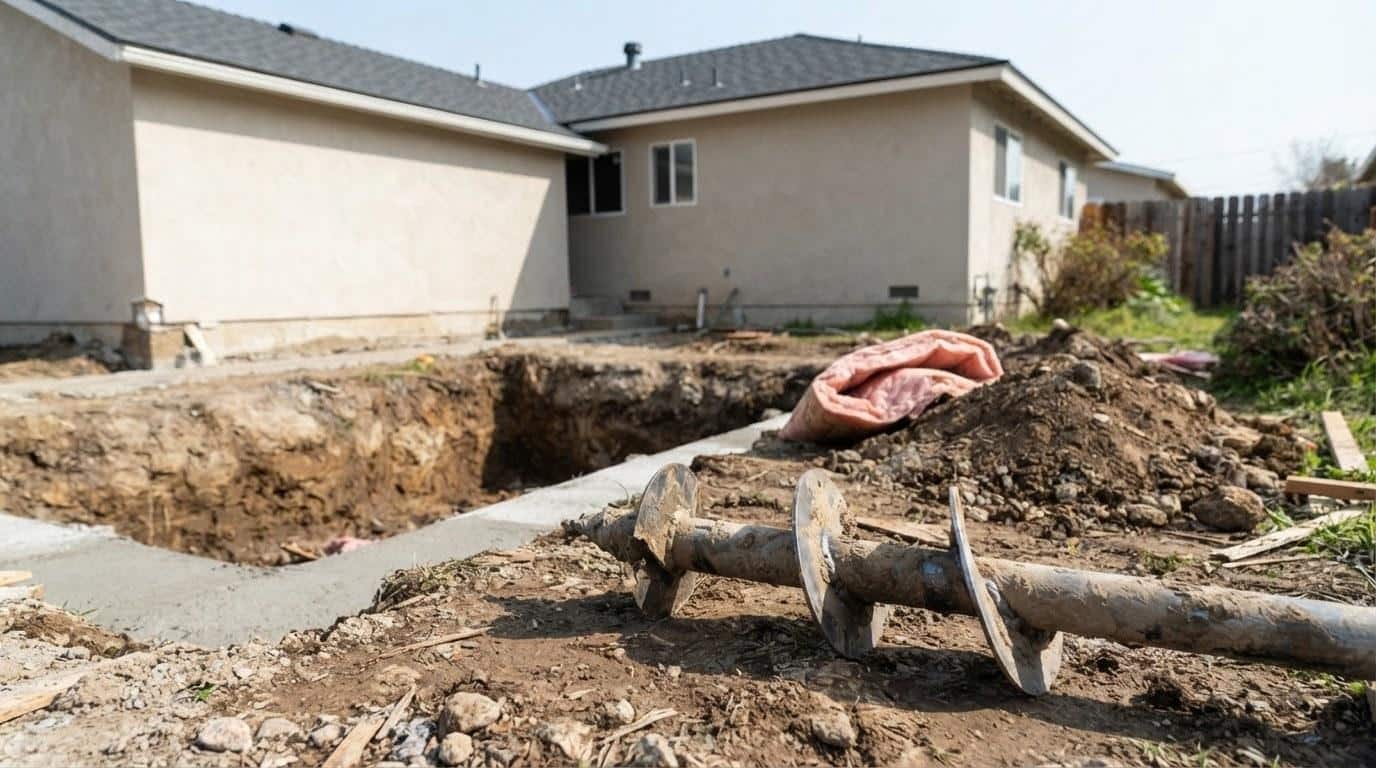
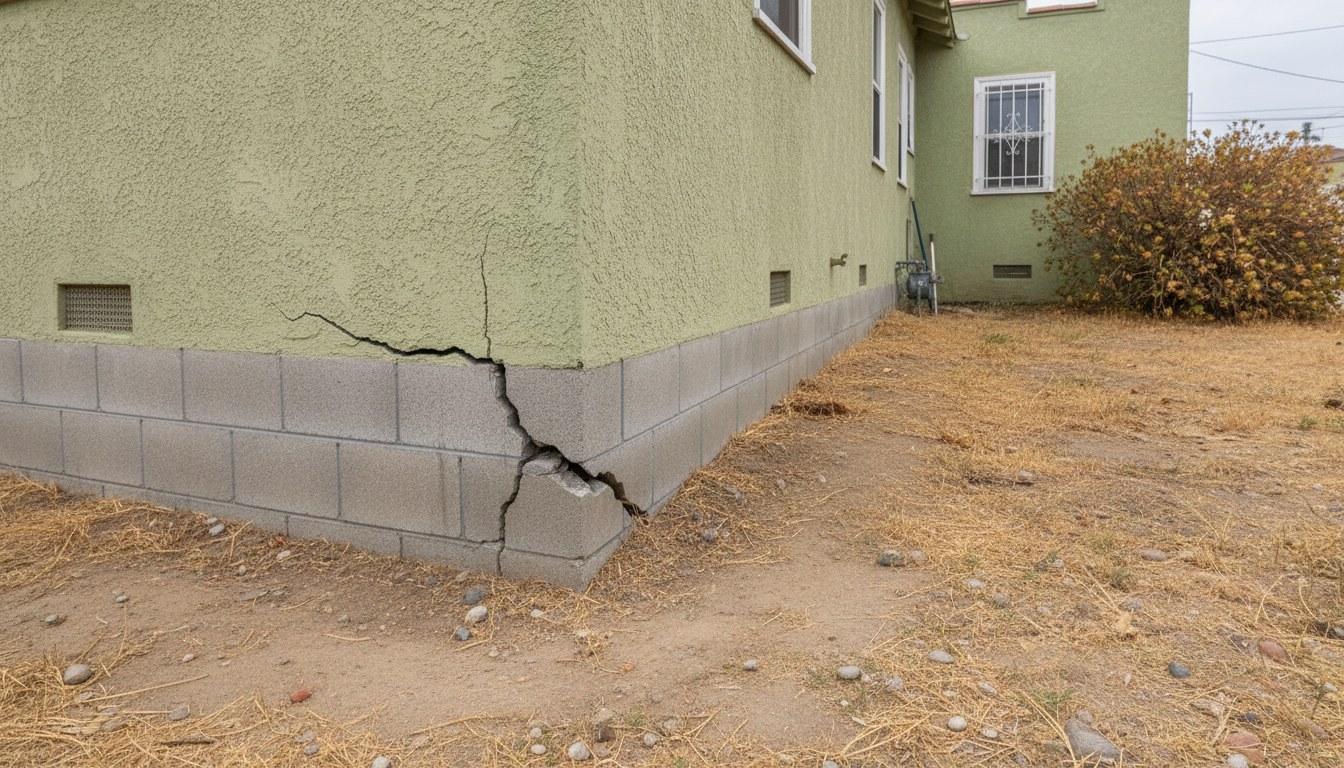
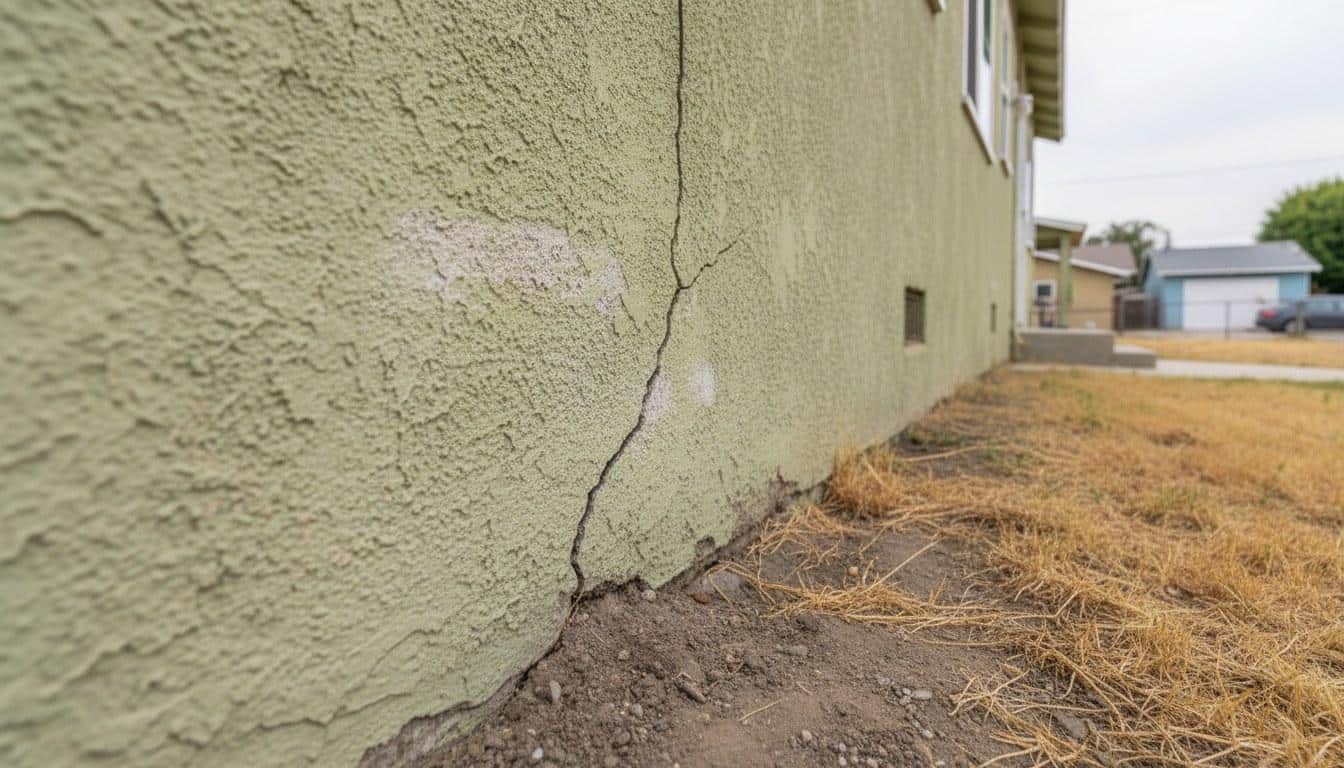
No, but the exceptions are narrow. The vast majority of structural foundation work in California does require a building permit. The only repairs that typically fall outside the permit requirement are minor, cosmetic fixes: filling a hairline crack with epoxy injection where no structural movement has occurred, for example. The moment work becomes structural, such as replacing a footing, adding piers, or reinforcing a stem wall, a permit is required.
California operates under a statewide building code framework, but local jurisdictions (counties and cities) adopt and sometimes amend that code. What triggers a permit in Los Angeles County may have a slightly different local amendment than what applies in San Bernardino County. Always confirm with your local building department before assuming an exemption applies.
As a general rule, if the repair changes, replaces, or strengthens any load-bearing element of the foundation, a permit is required. When in doubt, assume you need one.

What Does CBC Section 1800 Actually Say?
CBC Section 1800 governs soils and foundations for all buildings in California. It sets the design, investigation, and construction standards that permitted foundation work must meet. The section requires that foundation systems be designed to safely transmit loads to the soil, and it mandates that any alteration to an existing foundation comply with those same engineering standards.
The California Building Standards Commission publishes the full CBC, which California adopts on a three-year cycle. As of 2024, the 2022 CBC is the governing edition across most of the state. Local jurisdictions had until January 1, 2023 to adopt it, so that edition is now in effect statewide.
Section 1800 works alongside other CBC chapters that cover structural loads, seismic design, and concrete. Foundation repair contractors must comply with all applicable chapters, not just Section 1800 in isolation. This is one reason permit inspections matter: a licensed inspector verifies that the work meets the full code package, not just one section.
California also sits in one of the highest seismic hazard zones in the United States. The California Geological Survey maps seismic hazard zones across the state, and foundation work in those zones often requires a geotechnical report in addition to the standard permit application. That report, sometimes called a soils report, documents the soil conditions and supports the engineering design.
Which Foundation Repair Methods Trigger a Permit in California?
Any repair that is structural in nature triggers a permit. That covers the most common foundation repair methods used in California. The table below summarizes the most frequently encountered repair types and their typical permit status.
| Repair Method | Typical Permit Required? | Why |
|---|---|---|
| Push pier or helical pier installation | Yes | Alters the load path of the foundation |
| Stem wall repair or replacement | Yes | Structural element replacement |
| Slab repair (lifting, releveling) | Yes in most jurisdictions | Structural modification to the slab system |
| Mudjacking or polyurethane foam lifting | Yes in most jurisdictions | Alters soil support under structural slab |
| Seismic retrofit (cripple wall bolting, anchor bolts) | Yes | Required by California’s voluntary and mandatory retrofit programs |
| Pier and beam repair (post replacement, beam sistering) | Yes | Structural framing connected to foundation |
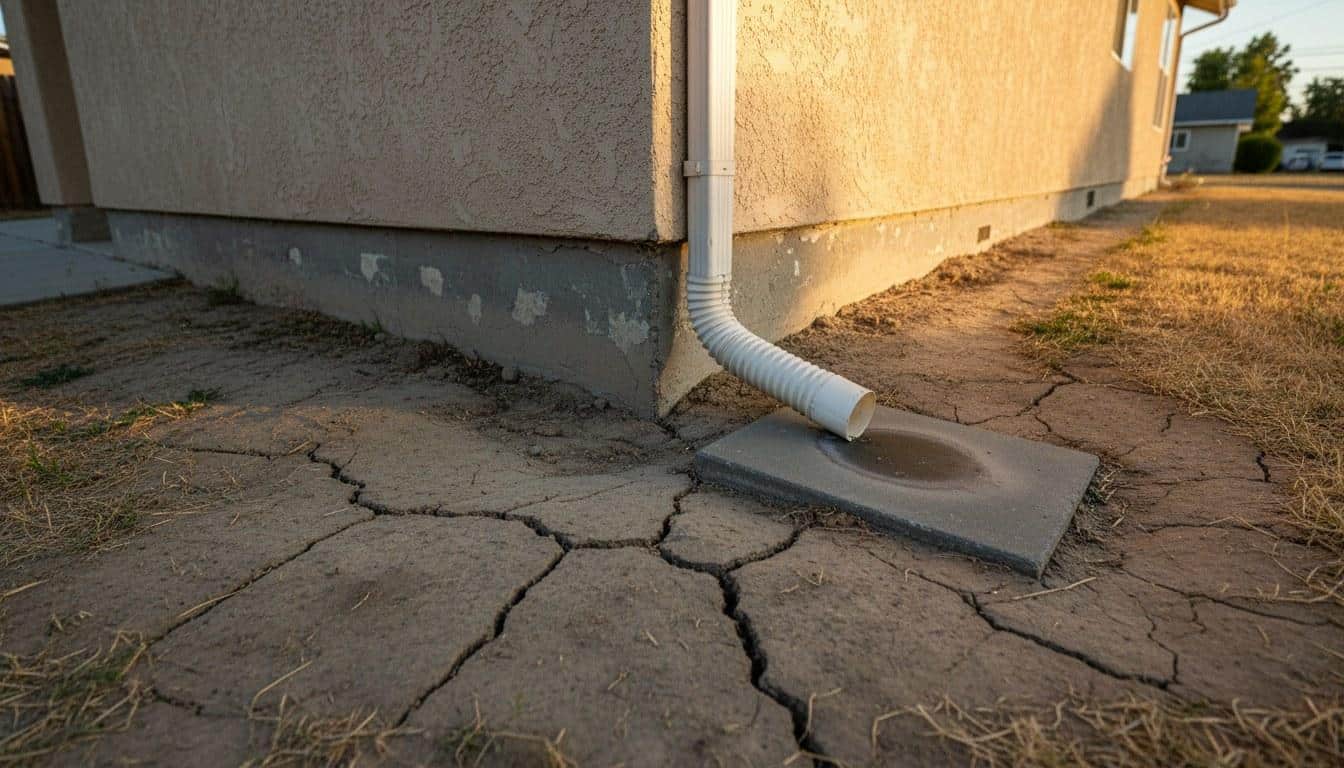
| Drainage correction (French drain, grading) | Sometimes | Depends on scope; grading over a certain volume requires a grading permit |
| Epoxy crack injection (cosmetic, no movement) | Generally no | Non-structural cosmetic repair only |
Pier and beam repair deserves special attention in California because a large share of the pre-1950 housing stock uses this foundation type. Replacing deteriorated wood posts, sistering beams, or re-leveling girders all require permits because they are structural repairs. Our technicians see this on roughly 3 out of every 5 older foundation calls across the region, particularly in homes built before 1960 where original redwood posts have rotted at grade.
Seismic retrofitting is another major permit trigger. California’s Earthquake Brace and Bolt program and similar local programs require a permit as a condition of participation. You cannot receive a rebate or program credit without a finaled permit.

How Do You Pull a Foundation Repair Permit in California?
In California, either the homeowner or a licensed contractor can pull a building permit for foundation work. Most homeowners hire a licensed contractor to handle the permit as part of the project. Here is the typical sequence:
- Hire a licensed contractor: Confirm the contractor holds a valid C-8 (Concrete) or A (General Engineering) license, or a B (General Building) license with demonstrated foundation experience. You can verify any license through the California Contractors State License Board (CSLB) online lookup tool.
- Get a site assessment and engineering plans: Most jurisdictions require stamped engineering drawings for structural foundation repairs. A licensed structural engineer prepares these. For seismic-zone work, a soils report may also be required.
- Submit the permit application: The contractor or homeowner submits the application, plans, and fees to the local building department. Many California jurisdictions now accept online submissions.
- Wait for plan check: Plan check times vary widely. Simple repairs may be approved over the counter in one visit. Complex structural repairs can take 2 to 6 weeks for plan review in busy jurisdictions.
- Post the permit on site: Once approved, the permit card must be posted visibly at the job site before work begins.
- Schedule inspections: The building department will require at least one inspection, often more. Common inspection stages include pre-pour (before concrete is placed), in-progress (for pier installation), and final.
- Receive a final sign-off: After the final inspection passes, the permit is finaled and the work is recorded as compliant.
Owner-builder permits are allowed in California, meaning a homeowner can pull their own permit without a contractor. However, owner-builder status comes with significant restrictions. You must occupy the home, you cannot sell it within one year of completion without disclosing the owner-builder work, and you take on personal liability for code compliance. For foundation work, which is structural and often seismic-critical, most homeowners are better served by a licensed contractor who carries the permit.
What Does Foundation Repair Cost in California, and How Do Permits Affect That?
Foundation repair projects in California typically range from around $3,000 for minor pier and beam work to $30,000 or more for full perimeter pier systems or slab replacement. Permit fees add to that total but are a small fraction of the overall project cost.
The factors that drive foundation repair costs in California include:
- Foundation type: Slab, pier and beam, raised, and crawl space foundations each have different repair approaches and labor demands.
- Number of piers: Pier systems are priced per pier. A typical residential project may require 8 to 20 piers depending on the footprint and severity of settlement.
- Soil conditions: Expansive clay soils common in Southern California require deeper piers and more engineering work than stable sandy soils.
- Engineering and soils reports: A structural engineer’s drawings typically cost $800 to $3,000 depending on complexity. A geotechnical report can add another $1,500 to $4,000.
- Permit fees: California building permit fees are set by each local jurisdiction. For foundation work, fees generally range from $200 to $1,500 depending on the valuation of the work and the jurisdiction’s fee schedule.
- Seismic zone requirements: Homes in high seismic hazard zones often require additional engineering analysis, which adds cost.
Across our service calls in Southern California, we consistently see homeowners underestimate the engineering and plan-check costs. On a $15,000 pier installation, engineering and permit fees together often add $1,500 to $2,500, which is roughly 10 to 17 percent of the project total. That is money well spent: it is the documentation that protects your home’s resale value and your insurance coverage.
On a $15,000 pier installation, engineering and permit fees together often add $1,500 to $2,500, roughly 10 to 17 percent of the project total.
For the most accurate cost estimate for your specific situation, request a custom quote. Project scope, soil type, and local jurisdiction fees all affect the final number significantly.

What Happens If You Skip the Permit?
Skipping a required permit for foundation repair in California creates serious legal, financial, and safety risks. The consequences can be far more expensive than the permit itself.
Here is what can happen when unpermitted foundation work is discovered:
- Stop-work orders: If a neighbor reports the work or an inspector notices it, the building department can issue a stop-work order immediately. All work halts until the permit situation is resolved.
- Retroactive permit and re-inspection fees: Many jurisdictions charge double or triple the standard permit fee for after-the-fact permits. You may also have to expose completed work for inspection, which means demolishing finished surfaces.
- Failed home sale: A real estate transaction in California requires disclosure of all unpermitted work. Buyers, lenders, and title companies routinely flag unpermitted foundation repairs. A deal can fall apart over this, or you may be forced to remediate before closing.
- Insurance claim denial: If a future structural failure is traced to unpermitted foundation work, your homeowner’s insurance may deny the claim. The insurer can argue the work was not code-compliant.
- Personal liability: If unpermitted foundation work contributes to an injury or property damage, the homeowner can be held personally liable.
- Lender complications: Refinancing or taking out a home equity line of credit can be blocked if unpermitted work is discovered during the appraisal process.
California law also requires sellers to disclose known material defects and unpermitted work on the standard Transfer Disclosure Statement (TDS). Concealing known unpermitted foundation work from a buyer is grounds for legal action after the sale closes.
The permit process exists to protect you, not just to generate revenue for the city. An independent inspector verifying that your foundation repair meets CBC Section 1800 and seismic standards is the only third-party confirmation you have that the work was done correctly.
Ready to Start Your Foundation Repair the Right Way?
Foundation repair is one of the most consequential projects a homeowner can undertake. Doing it with the proper permits protects your investment, your safety, and your ability to sell or refinance the home later.
Hollywood Contractor Corp handles foundation repair projects across Southern California with full permit management from start to finish. That means pulling the permit, coordinating engineering plans, scheduling inspections, and delivering a finaled permit at project completion. You do not have to navigate the building department on your own.
If you have questions about what your specific repair requires, or if you want a written estimate before any work begins, call Hollywood Contractor Corp at (818) 264-1955. A licensed contractor who is familiar with California’s permit requirements and CBC Section 1800 will walk you through exactly what your project needs.
Explore our full range of General Contracting services.
Frequently Asked Questions
How much does foundation repair usually cost in California?
Foundation repair in California typically ranges from about $3,000 for minor pier and beam work to $30,000 or more for full perimeter pier systems or slab replacement. The biggest cost drivers are the foundation type, the number of piers needed, soil conditions, and whether engineering drawings and a soils report are required. Permit fees generally add $200 to $1,500 depending on the local jurisdiction. Request a custom quote from Hollywood Contractor Corp at (818) 264-1955 for an accurate estimate based on your specific situation.
Do I need a permit to repair a crack in my foundation?
It depends on the type of crack and the repair method. Filling a hairline, non-structural crack with epoxy injection generally does not require a permit. However, if the crack indicates structural movement, or if the repair involves replacing or reinforcing any load-bearing element, a building permit is required under CBC Section 1800. When in doubt, contact your local building department before starting any work.
Can I do my own foundation repair in California without hiring a contractor?
California allows homeowner owner-builder permits for work on a home you occupy. However, foundation repair is structural work that typically requires stamped engineering drawings and multiple inspections. Taking on that liability yourself is a significant risk. Most homeowners benefit from hiring a contractor licensed by the California Contractors State License Board (CSLB) who can manage the permit, engineering coordination, and inspections as part of the project.
How long does it take to get a foundation repair permit in California?
Permit timelines vary by jurisdiction. Simple repairs may be approved over the counter in a single visit at some building departments. More complex structural repairs that require plan check can take 2 to 6 weeks in busier California counties. Your contractor can often give you a realistic timeline based on the local building department's current workload.
What happens if I sell my house and the foundation repair was never permitted?
California requires sellers to disclose unpermitted work on the Transfer Disclosure Statement. Buyers, lenders, and title companies frequently flag unpermitted foundation repairs, which can delay or kill a sale. You may be required to pull a retroactive permit, which often costs double the standard fee and may require exposing completed work for inspection. It is far less expensive to permit the work correctly before it starts.