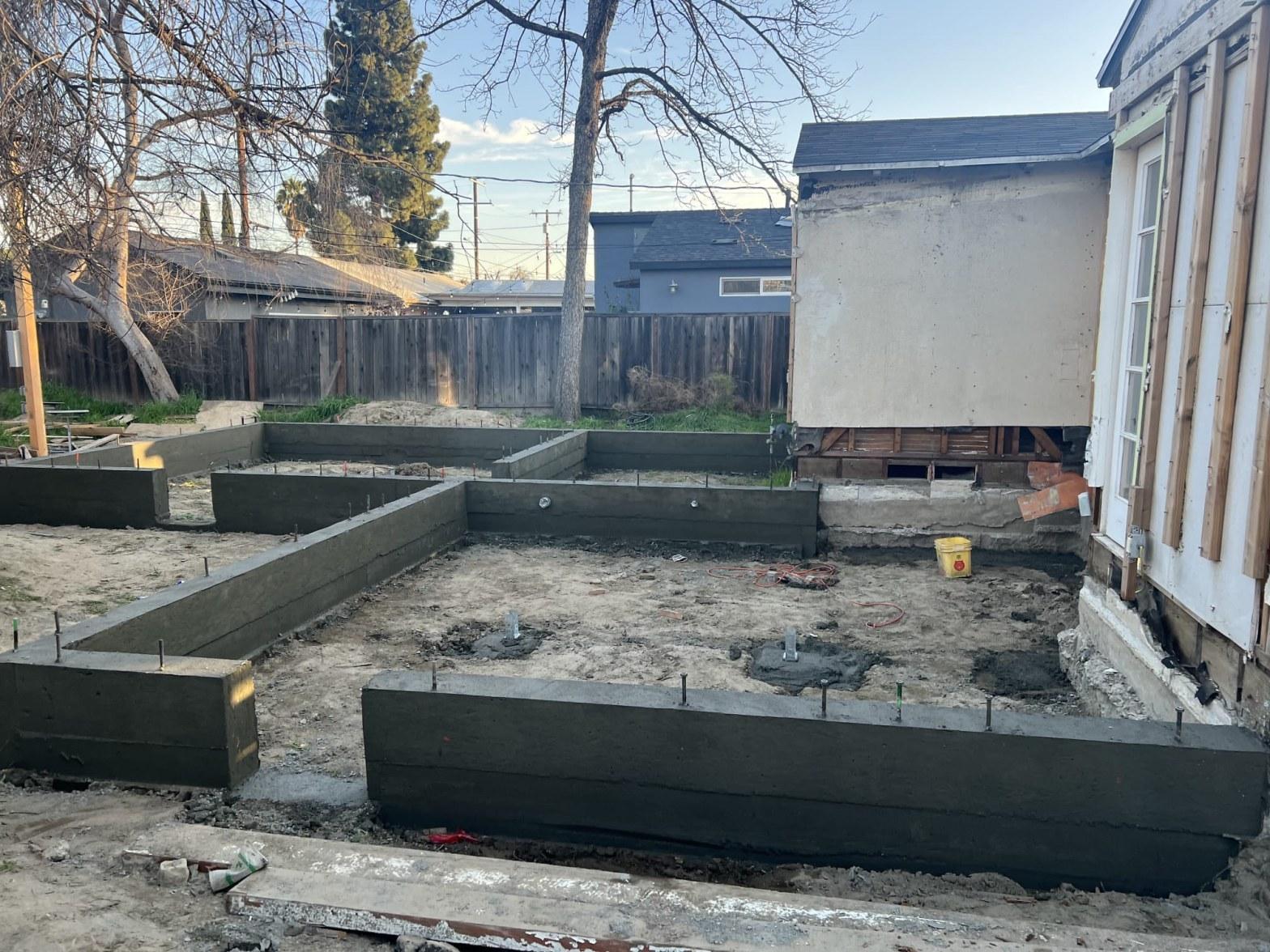
Foundation cracks in California homes range from cosmetic hairlines to serious structural failures. This guide covers causes, repair costs, DIY limits, and when to call a licensed pro.
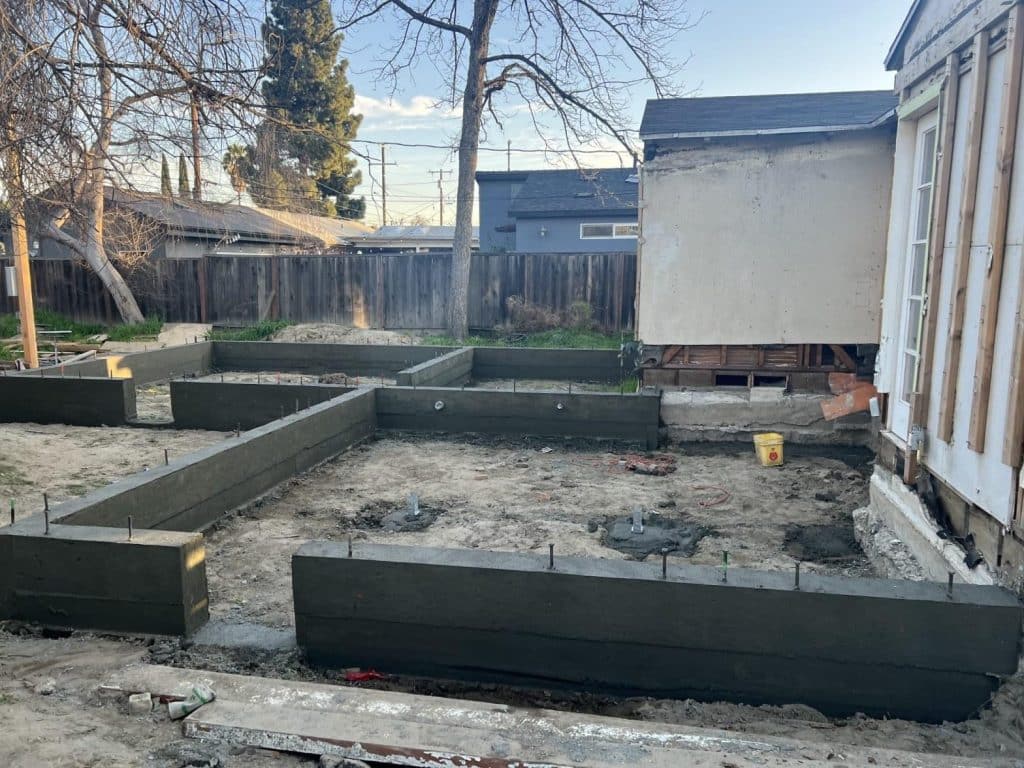
Why Do California Foundations Crack?
California’s soil conditions, seismic activity, and seasonal drought cycles put more stress on foundations than nearly any other state. Most cracks form because the ground beneath the slab or stem wall shifts, shrinks, or swells — and the concrete cannot flex with it.
The state’s expansive clay soils are a leading culprit. According to the USGS, Southern California experiences thousands of small earthquakes every year, many of which go unfelt but still transmit stress into concrete footings over time.
Seasonal cycles make things worse. California’s wet winters saturate soil, causing it to expand. Summer drought then dries and shrinks the same soil, pulling support away from the slab. This repeated expansion-and-contraction cycle is one of the most common drivers of foundation movement in Los Angeles County and across the region.
Common causes of foundation cracks in California include:
- Expansive clay soil: Swells when wet, shrinks when dry, creating uneven pressure beneath the footing.
- Seismic movement: Even minor tremors can open hairline cracks that widen over years.
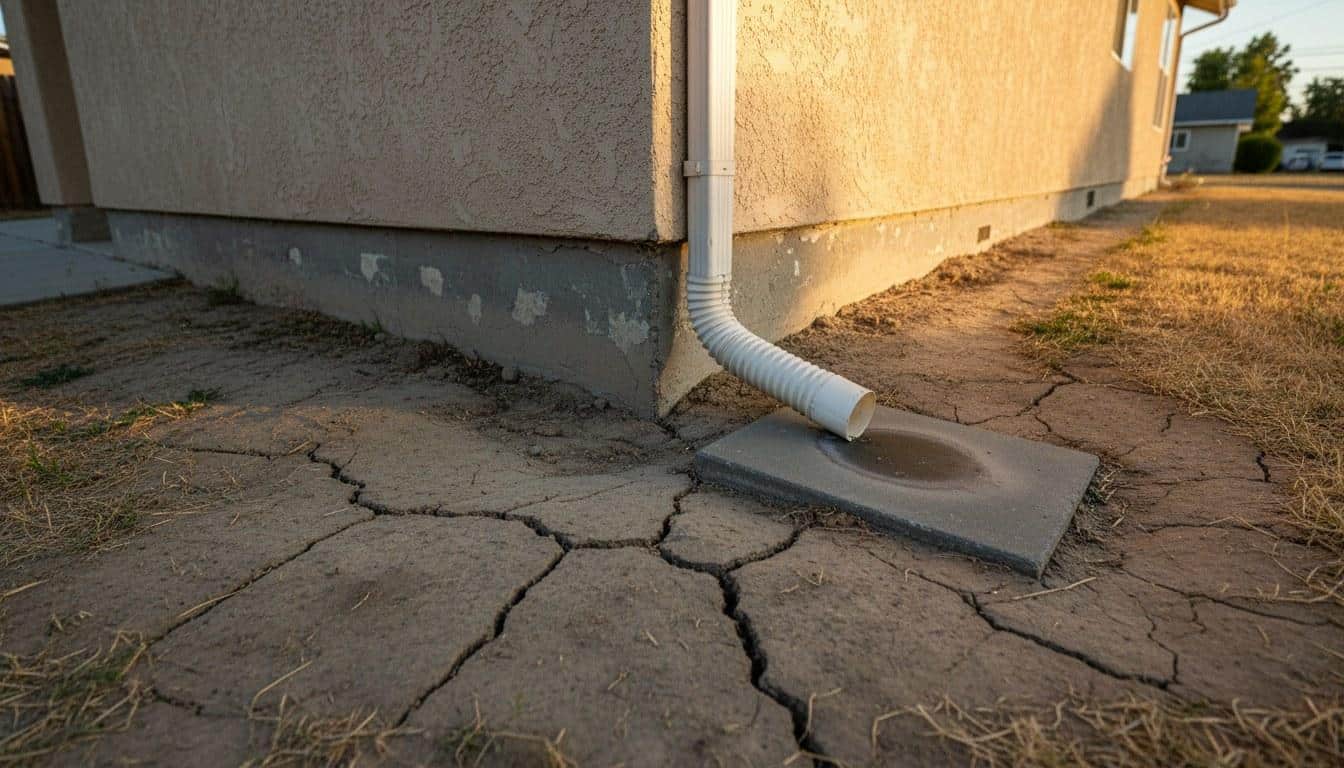
- Poor drainage: Water pooling against the foundation softens soil and increases hydrostatic pressure.
- Tree roots: Roots from large trees can grow under a slab and lift or crack it.
- Settlement: Poorly compacted fill soil under a newer home can compress unevenly after construction.
- Aging concrete: Homes built before 1980 often used lower-grade concrete mixes that become brittle over time.
- Plumbing leaks: A slow slab leak can erode soil beneath the concrete, creating voids that lead to cracking.
Our technicians respond to roughly 3 times more foundation-related calls in the spring than any other season — almost always tied to homes where winter rain saturated the soil and then a dry stretch caused rapid shrinkage beneath the slab.
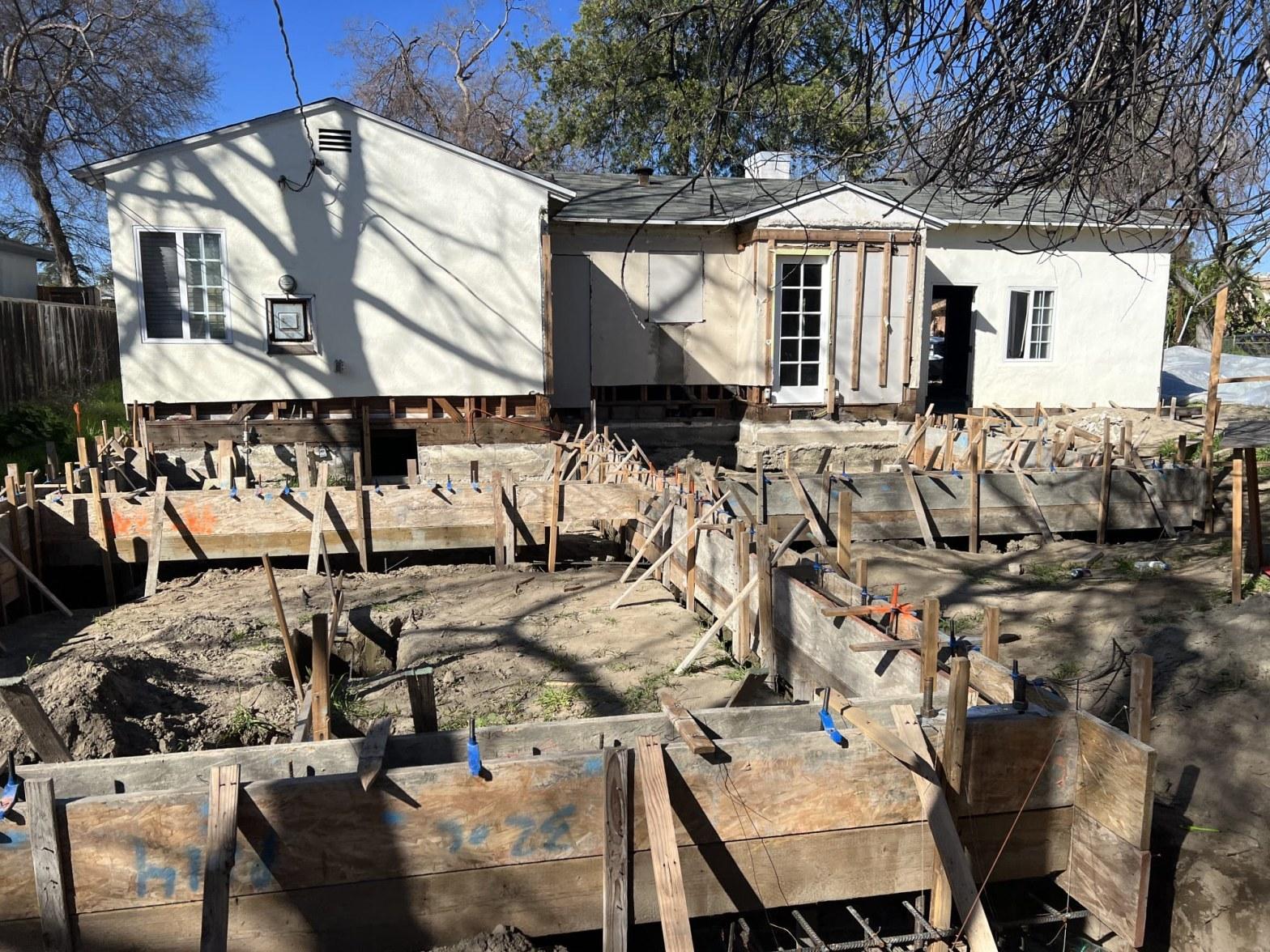
What Are the Warning Signs Your Foundation Needs Attention?
The earliest warning signs of a foundation problem are rarely in the foundation itself — they show up in doors, windows, and walls first. By the time a crack is visible on the exterior, movement has usually been happening for months or longer.
Watch for these symptoms:
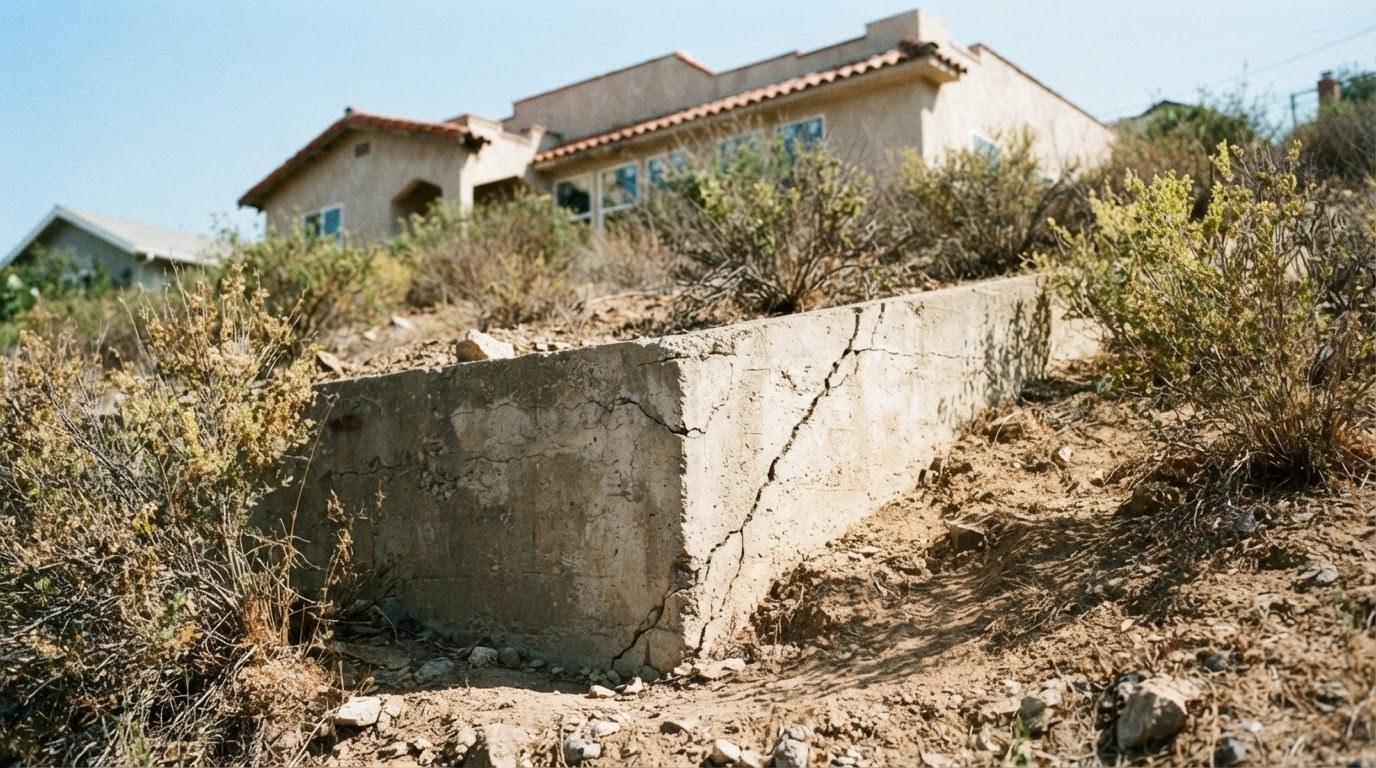
- Diagonal cracks at window or door corners: A 45-degree crack radiating from a corner almost always signals differential settlement beneath that section of the home.
- Sticking doors or windows: Frames rack out of square when the foundation shifts even a fraction of an inch.
- Horizontal cracks in a basement or stem wall: These are the most serious type — they indicate lateral soil pressure pushing the wall inward.
- Stair-step cracks in brick or block: Follow the mortar joints in a stair pattern and point to settlement along one section of the footing.
- Vertical cracks wider than 1/4 inch: Hairline vertical cracks are common and often benign, but anything wider than a quarter-inch deserves professional evaluation.
- Cracks that are wider at the top than the bottom: This pattern suggests the footing is sinking on one end — a structural concern.
- Water intrusion through cracks: Any crack that lets moisture into a crawlspace or basement needs sealing immediately to prevent soil erosion and mold.
- Uneven or sloping floors: A floor that slopes more than 1 inch over 15 feet is a red flag for significant foundation movement.
What Does Foundation Crack Repair Cost in California?
Foundation crack repair cost in California typically falls between $250 and $15,000, with most residential repairs landing in the $500 to $3,500 range. The wide spread reflects how differently a hairline cosmetic crack is treated versus a structural wall failure requiring underpinning or carbon-fiber reinforcement.
Several factors push costs up or down:
- Crack type and severity: A hairline crack in a slab costs far less to inject than a horizontal crack in a stem wall requiring carbon-fiber straps.
- Crack length and count: Contractors typically price per linear foot or per crack. More cracks mean higher totals.
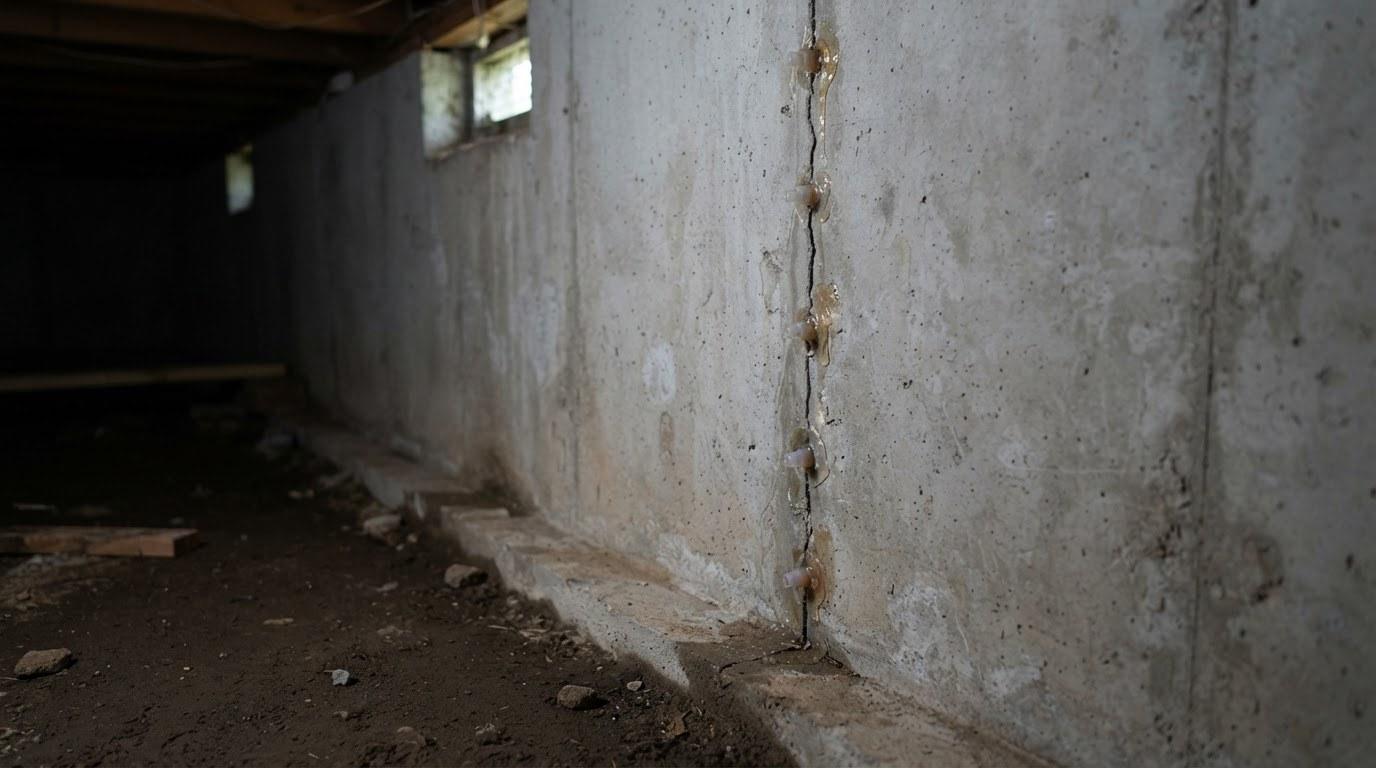
- Repair method: Epoxy injection is less expensive than polyurethane foam, which is less expensive than full wall excavation and waterproofing.
- Access difficulty: Cracks beneath a finished floor or behind exterior landscaping require more labor to reach.
- Soil stabilization: If the crack is caused by ongoing settlement, simply patching it is not enough — soil stabilization or pier installation adds significant cost.
- Permits: Structural repairs in California generally require a building permit under California Building Code requirements, which adds a flat fee that varies by county.
Here is a general market-range breakdown for common repair types in the California regional market:
| Repair Type | Typical Market Range (CA) | Best For |
|---|---|---|
| Epoxy crack injection | $250 – $800 per crack | Structural hairline cracks in poured concrete walls or slabs |
| Polyurethane foam injection | $300 – $900 per crack | Leaking or moving cracks where flexibility is needed |
| Carbon-fiber strap reinforcement | $1,200 – $4,000 per wall section | Bowing or horizontal cracks in basement or stem walls |
| Slab crack repair (surface) | $250 – $1,500 | Cosmetic or minor non-structural slab cracks |
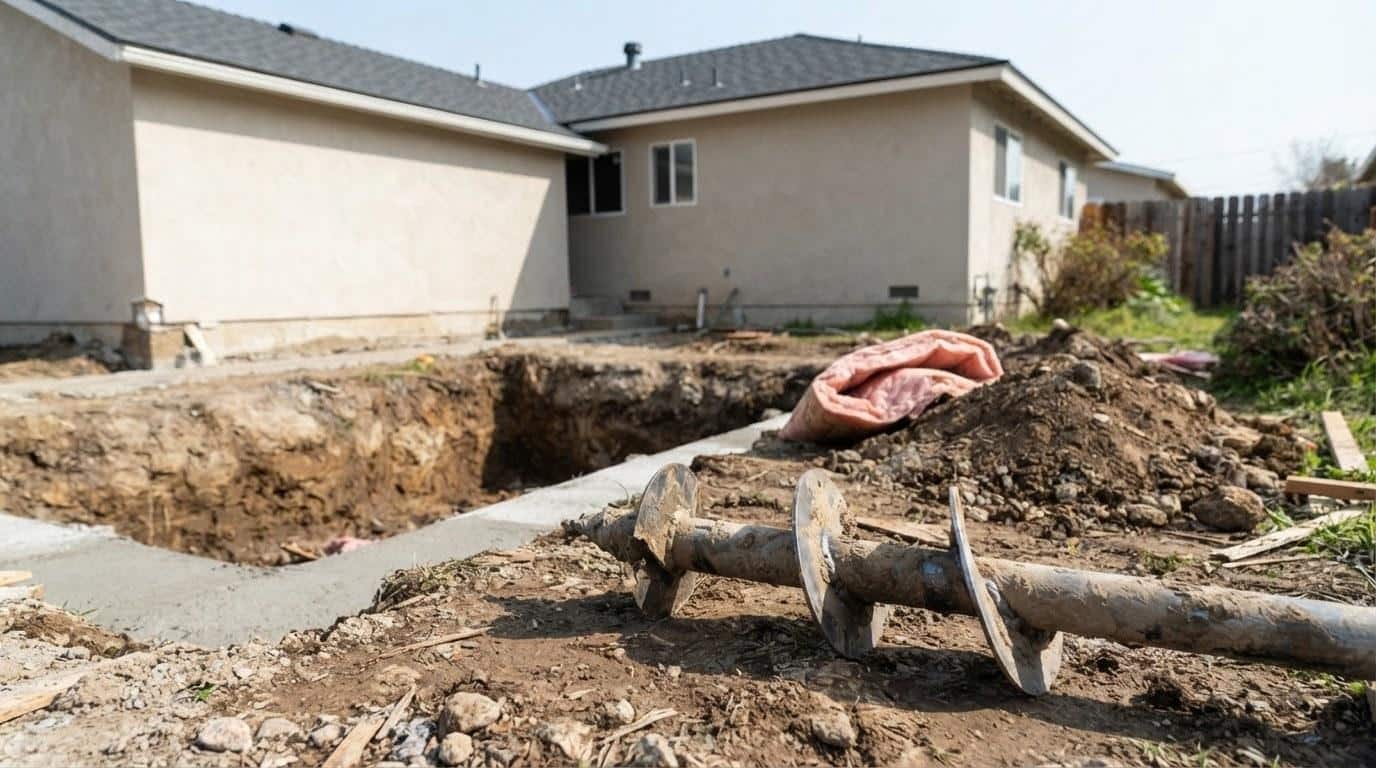
| Underpinning / helical piers | $1,500 – $4,000 per pier | Active settlement requiring permanent load transfer |
| Full wall excavation & waterproofing | $5,000 – $15,000+ | Severely damaged or water-infiltrated foundation walls |
These ranges reflect typical regional market conditions as of 2025 and depend heavily on scope, soil conditions, and permit requirements. Always request a written, itemized quote before any work begins. For a custom estimate, contact Hollywood Contractor Corp at (818) 264-1955.
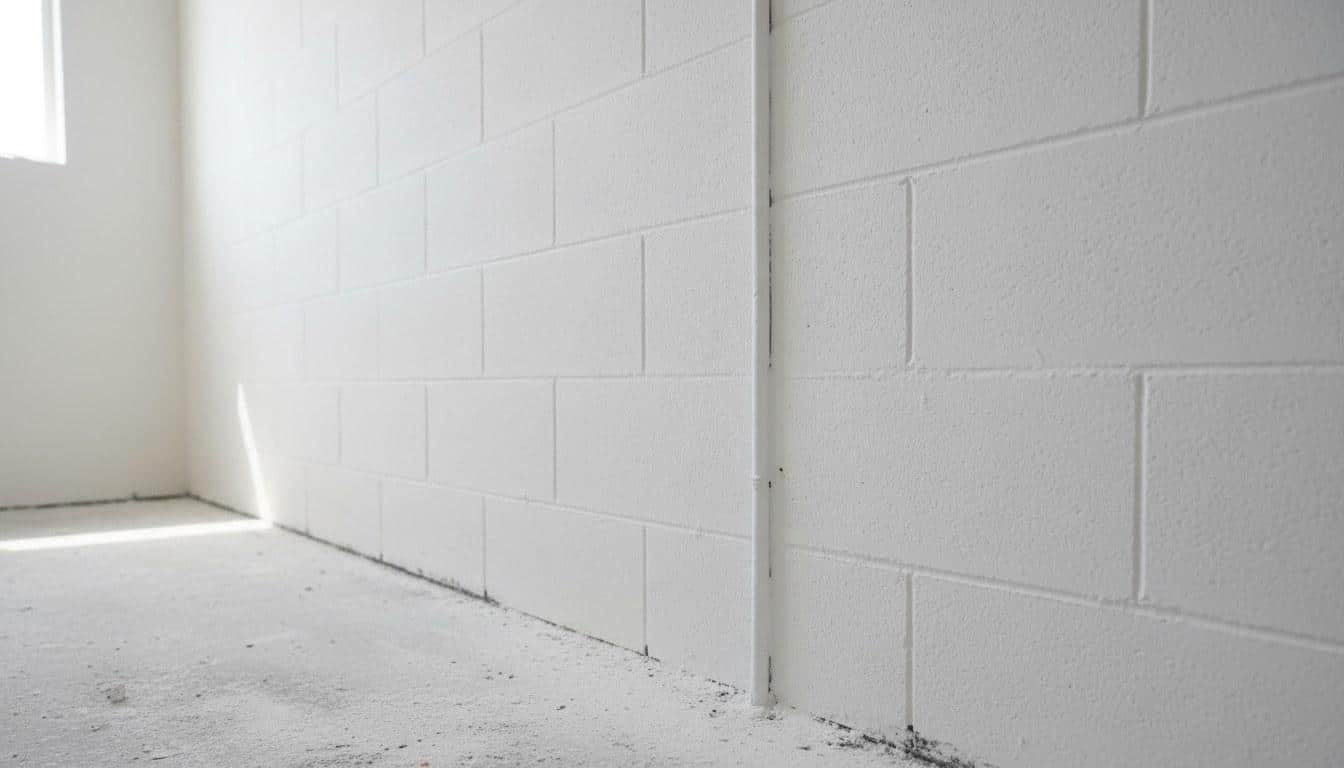
Symptom, Cause & Action: A Quick-Reference Table
Use this table to match what you see to a likely cause and decide whether a DIY patch is safe or a professional evaluation is needed.
| Symptom | Likely Cause | DIY or Pro? |
|---|---|---|
| Hairline vertical crack, less than 1/8 inch wide, stable | Normal concrete curing shrinkage | DIY sealing acceptable |
| Vertical crack wider than 1/4 inch | Settlement or soil movement | Pro evaluation required |
| Horizontal crack in wall | Lateral soil pressure | Pro immediately — structural risk |
| Diagonal crack at door or window corner | Differential settlement | Pro evaluation required |
| Stair-step crack in block or brick | Footing settlement | Pro evaluation required |
| Crack leaking water | Hydrostatic pressure, poor drainage | Pro — waterproofing needed |
| Crack wider at top than bottom | One-sided footing settlement | Pro immediately — active movement |
| Multiple new cracks after an earthquake | Seismic stress | Pro inspection before occupying |
What Can You Check Yourself?
Homeowners can safely assess and document foundation cracks before calling a contractor — and doing this well can save time and help a pro give a more accurate estimate. Never attempt structural repairs yourself, but a careful inspection is both safe and useful.
Step 1: Measure the Crack
Use a pencil and ruler to mark the ends of the crack and measure its width at the widest point. A crack under 1/16 inch wide is considered hairline. Anything over 1/4 inch deserves professional attention.
Step 2: Monitor for Movement
Draw a pencil line across the crack at a right angle, then check it in 30 days. If the crack has grown past your mark, it is active — meaning the underlying cause has not stopped. Active cracks should never be patched without addressing the root cause first.
Step 3: Check the Crack’s Direction
Vertical cracks are most common and often the least serious. Diagonal cracks suggest uneven settlement. Horizontal cracks in a wall are the most dangerous pattern and always require a professional.
Horizontal cracks in a wall are the most dangerous pattern and always require a professional.
Step 4: Look for Water
Run your hand along the crack after a rainstorm. Any moisture, efflorescence (white mineral deposits), or mold near a crack means water is getting through. Seal the drainage path outside before patching the crack inside.
Step 5: Document Everything
Take dated photos from the same angle each month. This documentation helps a structural engineer or contractor understand the rate of movement and choose the right repair method. It also supports any homeowner’s insurance claim.
For hairline cracks that are stable and dry, a homeowner can apply a concrete crack filler or hydraulic cement from a hardware store. These products cost between $10 and $40 and work well as a cosmetic seal. They do not restore structural strength and are not a substitute for professional repair on any crack wider than 1/8 inch.
When Should You Call a Professional?
Call a licensed contractor immediately if you see a horizontal crack in any foundation wall, a crack that is actively widening, or any crack paired with a door or window that has suddenly stopped closing properly. These signs point to ongoing structural movement that a DIY patch cannot fix.
You should also call a pro if:
- The crack is leaking water, even slowly.
- Multiple new cracks appeared after an earthquake or heavy rain event.
- The crack is wider than 1/4 inch anywhere along its length.
- You notice floors sloping more than 1 inch over a 15-foot span.
- The crack has been patched before and has re-opened.
- You are planning to sell the home — undisclosed foundation issues are a leading cause of real estate litigation in California.
A licensed contractor will inspect the crack, assess soil conditions, and recommend a repair method sized to the actual problem. For structural repairs, California’s California Contractors State License Board (CSLB) requires the contractor to hold a valid C-8 (Concrete) or C-61/D-6 (Concrete-Related Services) license. Always verify a contractor’s license number on the CSLB website before signing any contract.
Across our service calls in Southern California, we see re-opened crack patches on roughly 4 out of 10 homes where the original repair used surface filler alone without addressing drainage or soil movement — confirming that method selection matters far more than the patch material itself.
We see re-opened crack patches on roughly 4 out of 10 homes where the original repair used surface filler alone without addressing drainage or soil movement.
Get Expert Foundation Help Today
Foundation problems do not get cheaper with time. A crack that costs $500 to inject today can cost $5,000 or more to repair if the underlying soil movement is left unchecked for another two or three years.
A crack that costs $500 to inject today can cost $5,000 or more to repair if the underlying soil movement is left unchecked for another two or three years.
If you have noticed any of the warning signs in this guide, schedule an evaluation before the next rainy season. Hollywood Contractor Corp serves homeowners across Southern California and provides written, itemized estimates for all foundation crack repair work. Call (818) 264-1955 to book your assessment. Licensed by the California Contractors State License Board (CSLB).
Explore our full range of General Contracting services.
Frequently Asked Questions
How much does it usually cost to repair a cracked foundation in California?
Foundation crack repair cost in California typically ranges from $250 for a simple epoxy injection on a hairline crack to $15,000 or more for full wall excavation and waterproofing. Most homeowners pay between $500 and $3,500 for common repairs. The biggest cost drivers are crack type, length, access difficulty, and whether the underlying soil movement needs to be stabilized.
How do I know if a foundation crack is serious or just cosmetic?
A crack is likely cosmetic if it is vertical, less than 1/8 inch wide, dry, and has not changed size in 30 days. A crack is serious if it is horizontal, wider than 1/4 inch, leaking water, or growing over time. Diagonal cracks at door and window corners also signal settlement and should be evaluated by a licensed contractor.
Can I repair a foundation crack myself?
Homeowners can safely apply surface filler or hydraulic cement to small, stable, dry hairline cracks as a temporary cosmetic seal. However, any crack wider than 1/8 inch, any leaking crack, or any crack showing signs of active movement should be repaired by a licensed professional. DIY patching on a structural crack without fixing the root cause almost always leads to the crack re-opening within one to two years.
What is the best method to repair a crack in a foundation wall?
Epoxy injection is the strongest structural repair for dry cracks in poured concrete walls, restoring the wall to near-original tensile strength. Polyurethane foam injection is better for cracks that leak water or need flexibility. Horizontal cracks or bowing walls require carbon-fiber straps or wall anchors. The right method depends on the crack's direction, width, moisture level, and whether movement is still active.
Do I need a permit to repair a foundation crack in California?
Structural foundation repairs in California generally require a building permit under the California Building Code. Cosmetic surface sealing of hairline cracks typically does not. Permit requirements vary by county and city, so check with your local building department before starting any structural work. A licensed contractor will typically pull the permit on your behalf as part of the project.