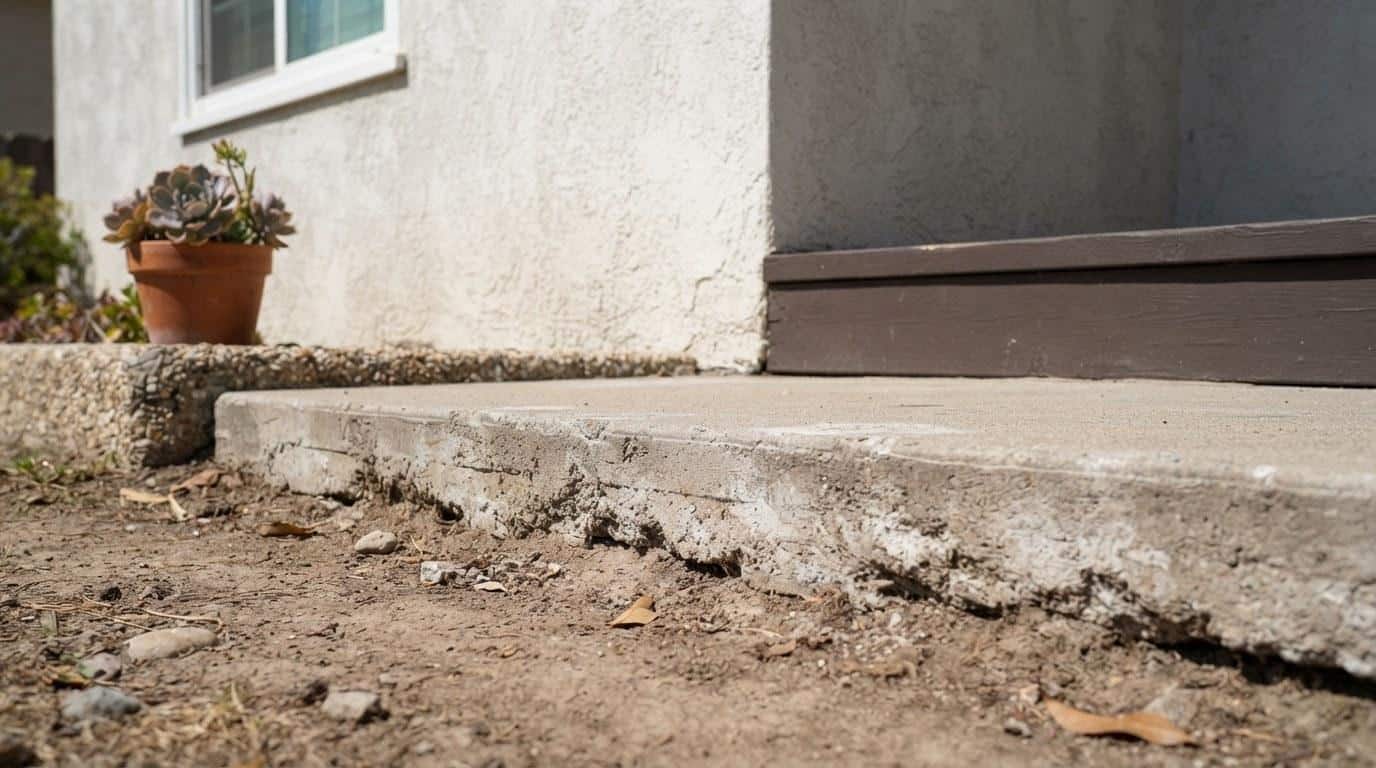
How to Read a Foundation Inspection Report: A California Homeowner’s Guide
A foundation inspection report can feel overwhelming, but once you know what each section means, you can make confident decisions about repairs and next steps.
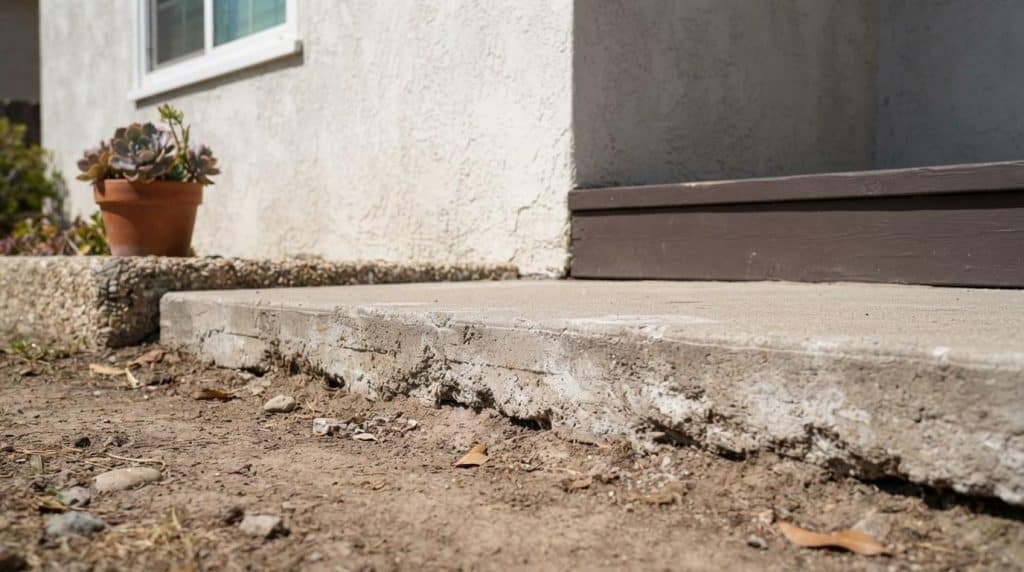
What Is a Foundation Inspection Report?
A foundation inspection report is a written document that describes the current condition of your home’s foundation, lists any defects found, and recommends next steps. It is produced by a licensed inspector or structural engineer after a physical examination of your property. In California, where soil movement, seismic activity, and aging housing stock all stress foundations, these reports are especially important.
The report is not a repair estimate. It is a diagnostic document. Think of it like a doctor’s chart: it tells you what is wrong, how serious it is, and what treatment is recommended. The actual cost of repairs comes later, from a licensed contractor.
Reports vary in length from 4 to 20 pages depending on the inspector and the complexity of the home. Most follow a consistent structure that you can learn to navigate quickly.
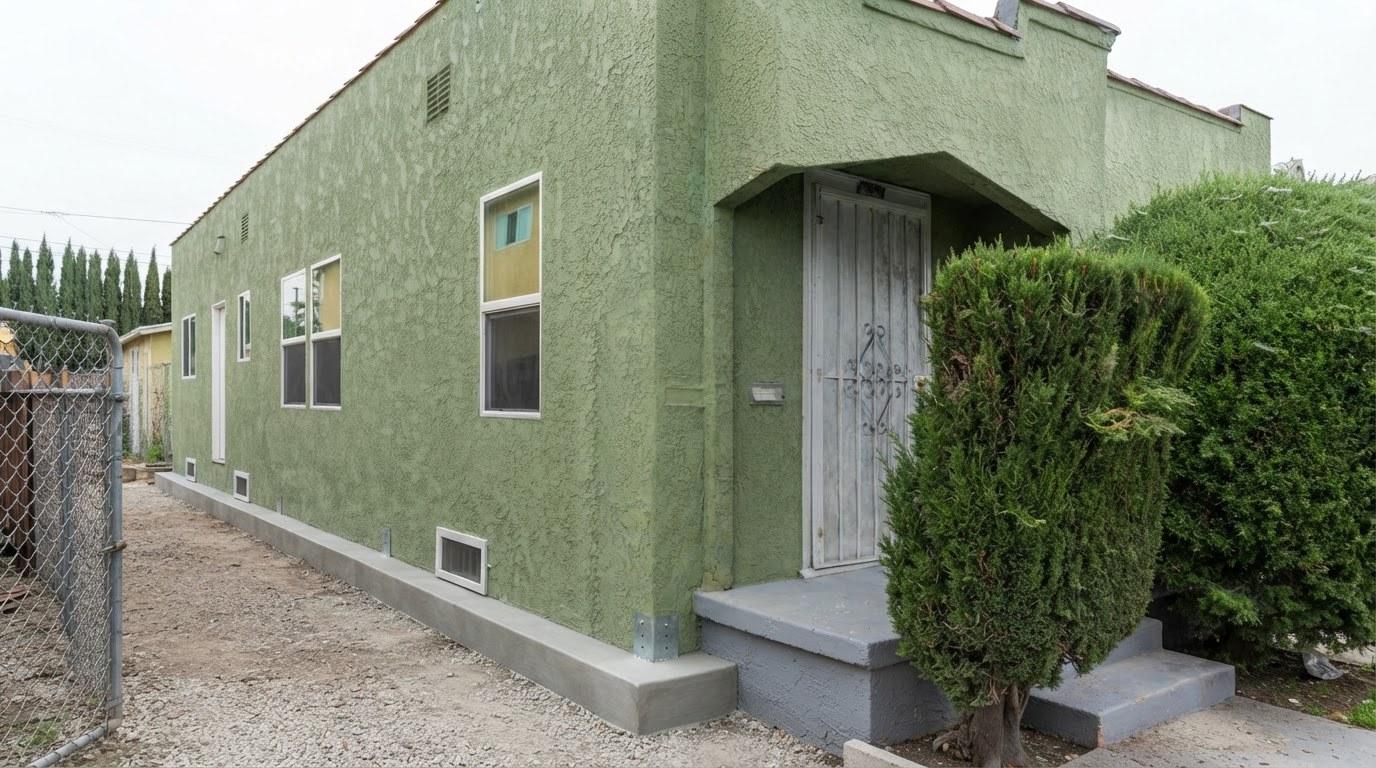
How to Read a Foundation Inspection Report Section by Section
Start with the executive summary on page one, then move to the findings section, and finish with the recommendations. This order gives you the clearest picture without getting lost in technical language. Here is what each major section contains and what to look for.
Executive Summary
This is the most important page. It states the overall condition of the foundation in plain terms and flags any issues that need immediate attention. If the summary says “no significant defects found,” the rest of the report is largely informational. If it flags “active movement” or “structural compromise,” read every page carefully.
Property and Inspection Details
This section confirms the address, the date of inspection, the inspector’s license number, and the foundation type (slab, raised, pier and beam, or basement). Check that the address matches your property and that the inspector is licensed. In California, structural engineers hold a PE or SE license issued by the California Board for Professional Engineers, Land Surveyors, and Geologists.
Observations and Findings
This is the longest section. The inspector describes every defect observed, usually organized by location (front left corner, crawl space perimeter, garage slab, etc.). Look for these key terms:
- Settlement: The foundation has sunk unevenly into the soil, causing sloping floors or cracked walls.
- Differential movement: Different parts of the foundation have moved by different amounts, which stresses the structure more than uniform settling.
- Efflorescence: White mineral deposits on concrete that signal moisture is passing through the foundation wall.
- Spalling: Concrete surface is flaking or breaking off, often from water intrusion or freeze-thaw cycles.
- Lateral displacement: The foundation wall has shifted horizontally, which is more serious than vertical settling.
- Heave: The foundation has pushed upward, often caused by expansive clay soils common across Los Angeles County and surrounding counties.
Photographs
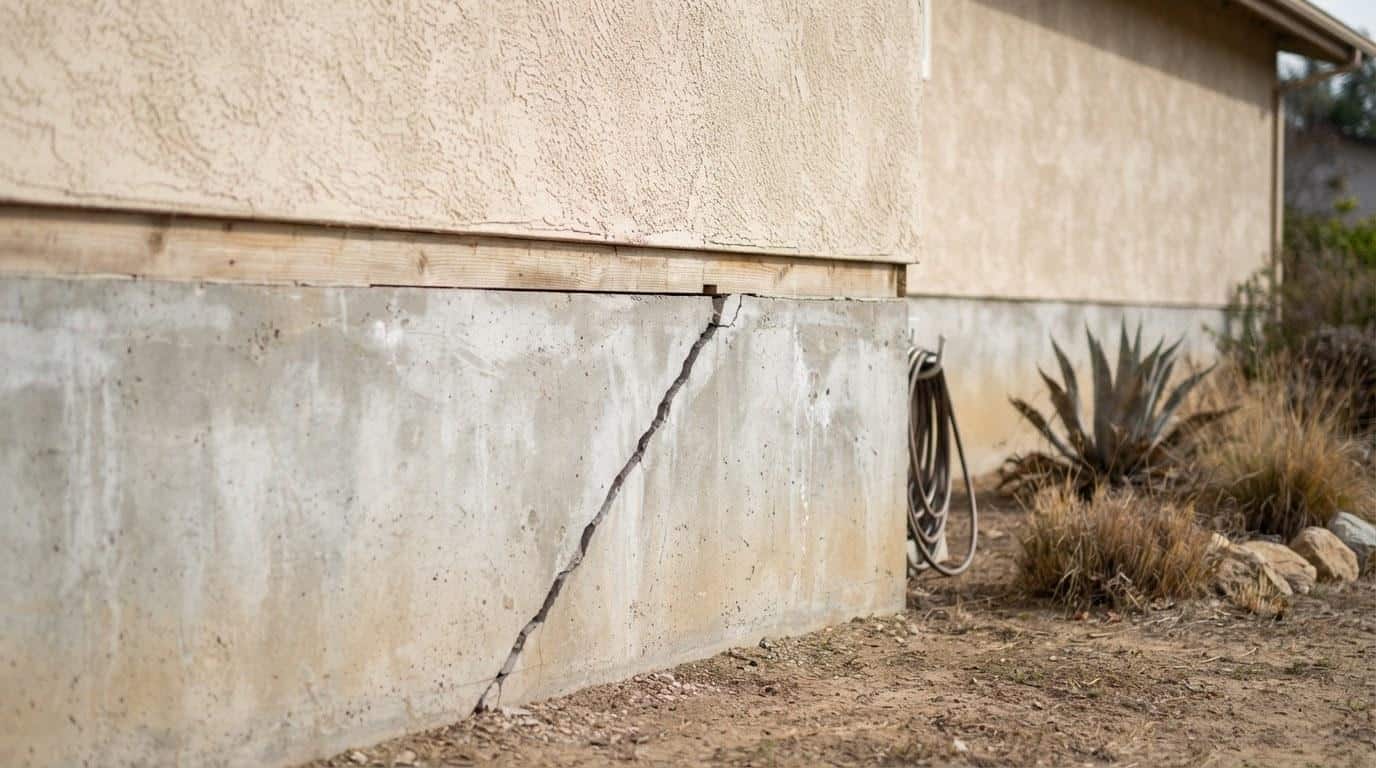
Most reports include 10 to 30 photographs tied to specific findings. Match each photo to its description in the findings section. Photos showing cracks wider than 1/4 inch, water staining, or visible gaps between the mudsill and foundation are serious flags.
Recommendations
This section lists what the inspector believes should be done, in priority order. Recommendations are typically grouped into three buckets: repair now, monitor over the next 6 to 12 months, or no action needed. Keep this page when you meet with contractors.
What Do the Severity Ratings Mean?
Most foundation inspection reports use a 3-tier or 4-tier severity scale. Understanding the scale is the fastest way to know how urgent your situation is. While exact labels vary by inspector, the tiers generally break down like this:
| Severity Level | Typical Label | What It Means | Urgency |
|---|---|---|---|
| 1 | Satisfactory / No Action | Normal wear, no structural concern | None |
| 2 | Monitor / Minor | Early signs of movement; watch for changes | Re-inspect in 6-12 months |
| 3 | Repair Recommended | Defect is present and should be corrected | Schedule repair within 90 days |
| 4 | Repair Immediately / Unsafe | Active movement or structural compromise | Do not delay; get bids within 2 weeks |
A single severity-4 item outweighs a dozen severity-1 items. Focus your attention and budget on the highest-rated findings first.
California homes built before 1980 are more likely to receive severity-3 or severity-4 ratings because older concrete mixes and unreinforced masonry foundations were common before modern California Building Code standards took effect. If your home was built before 1980, expect the report to flag seismic retrofitting as a recommendation alongside any structural repairs.
What Types of Foundation Problems Show Up in California Reports?
California’s geology, climate, and housing stock create a specific set of foundation problems that appear repeatedly in inspection reports across the state. Knowing the most common ones helps you understand what you are reading.
Slab Foundation Issues
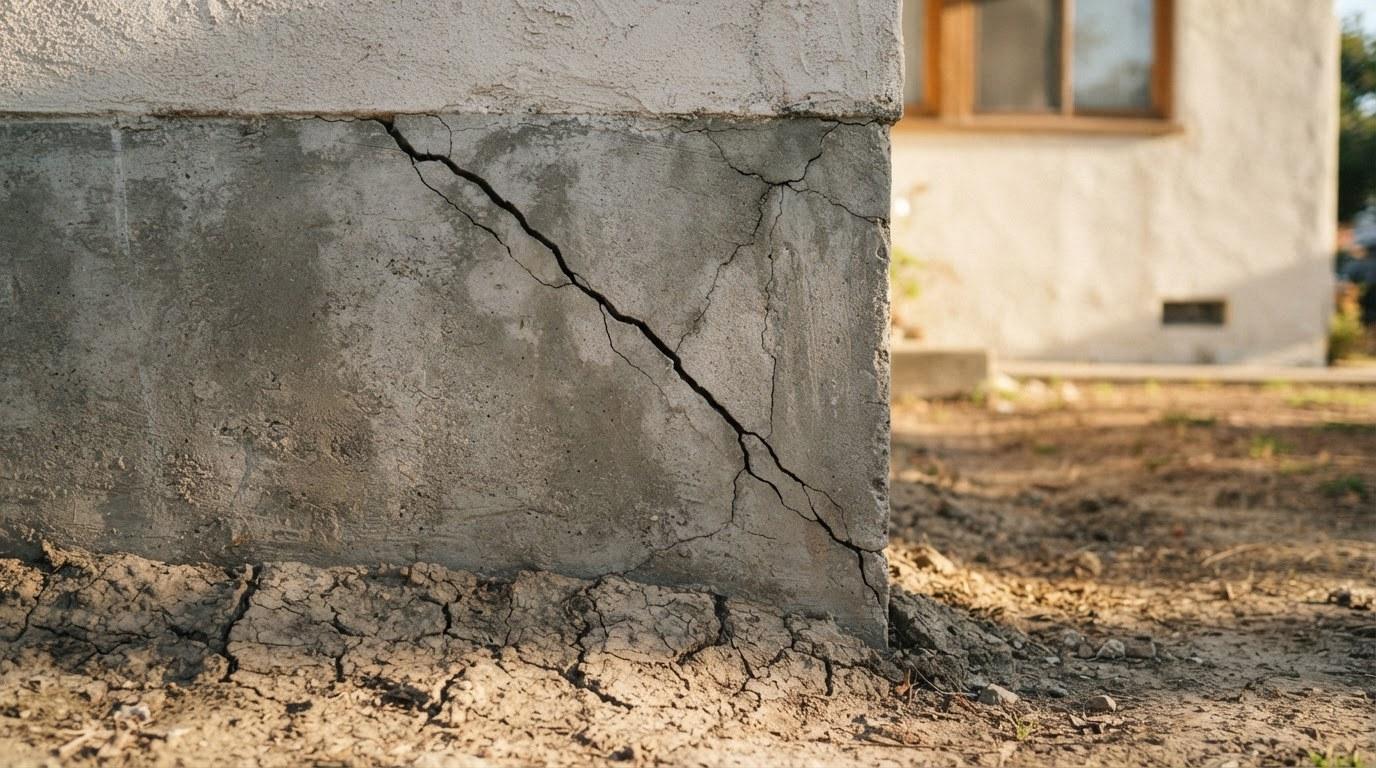
Post-tension and conventional slab foundations are common in Southern California. Reports on slabs frequently mention shrinkage cracks (hairline, usually cosmetic), settlement cracks (wider than 1/8 inch, often diagonal from corners of doors and windows), and slab heave from expansive soils. The U.S. Geological Survey maps show that much of the Los Angeles Basin sits on soils with moderate to high expansion potential, which is why heave appears so often in local reports.
Pier and Beam / Raised Foundation Issues
Older bungalows and craftsman homes across Southern California often sit on raised foundations with wood framing and concrete or brick piers. Pier and beam repair is among the most common services requested in the region. Reports on these homes frequently cite wood rot in the mudsill or floor joists, deteriorated or unlevel piers, inadequate cross-bracing, and moisture damage from poor crawl space ventilation. Our team inspects raised foundations regularly and finds that roughly 60% of homes built before 1960 in this region show at least minor mudsill deterioration that warrants attention.
Hillside and Slope Stability Issues
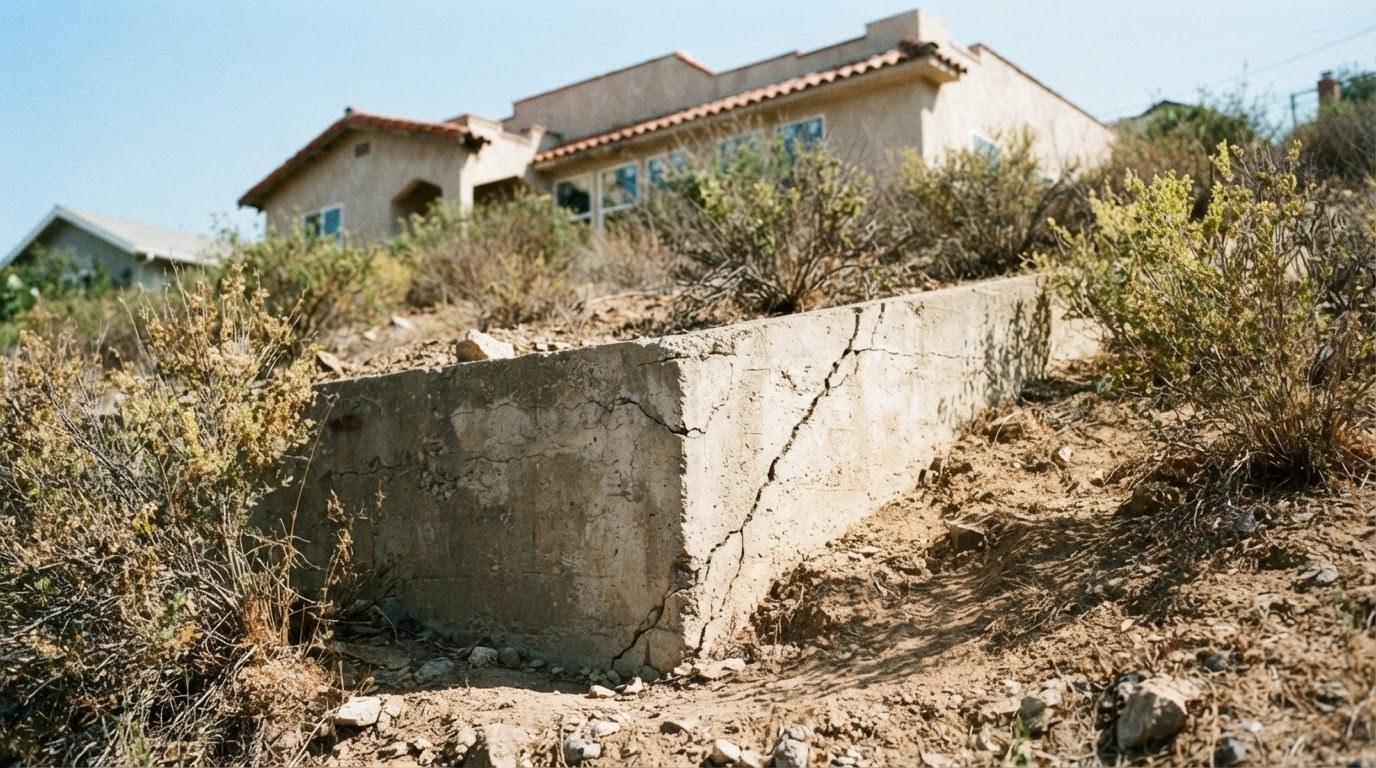
Homes on canyon lots and hillside properties face additional risks from soil creep and slope movement. Reports on these properties often include references to retaining walls, drainage conditions, and the need for a geotechnical (soils) report in addition to the structural inspection. If your report recommends a soils report, budget for that before committing to a repair method.
Seismic Retrofit Findings
Many California inspection reports flag the absence of cripple wall bracing or anchor bolts as a deficiency, especially on homes built before 1980. This is not always a sign of active damage but rather a vulnerability. The California Residential Mitigation Program has documented that unretrofitted homes are significantly more likely to be displaced from their foundations in a major earthquake.
How Much Does Foundation Repair Cost in California?
Foundation repair costs in California typically range from $3,000 for minor crack injection or mudsill replacement to $30,000 or more for full underpinning or pier installation on a large home. The range is wide because the repair method, home size, and site conditions all move the number significantly.
Foundation repair costs in California typically range from $3,000 for minor crack injection to $30,000 or more for full underpinning on a large home.
Here are the main factors that affect cost:
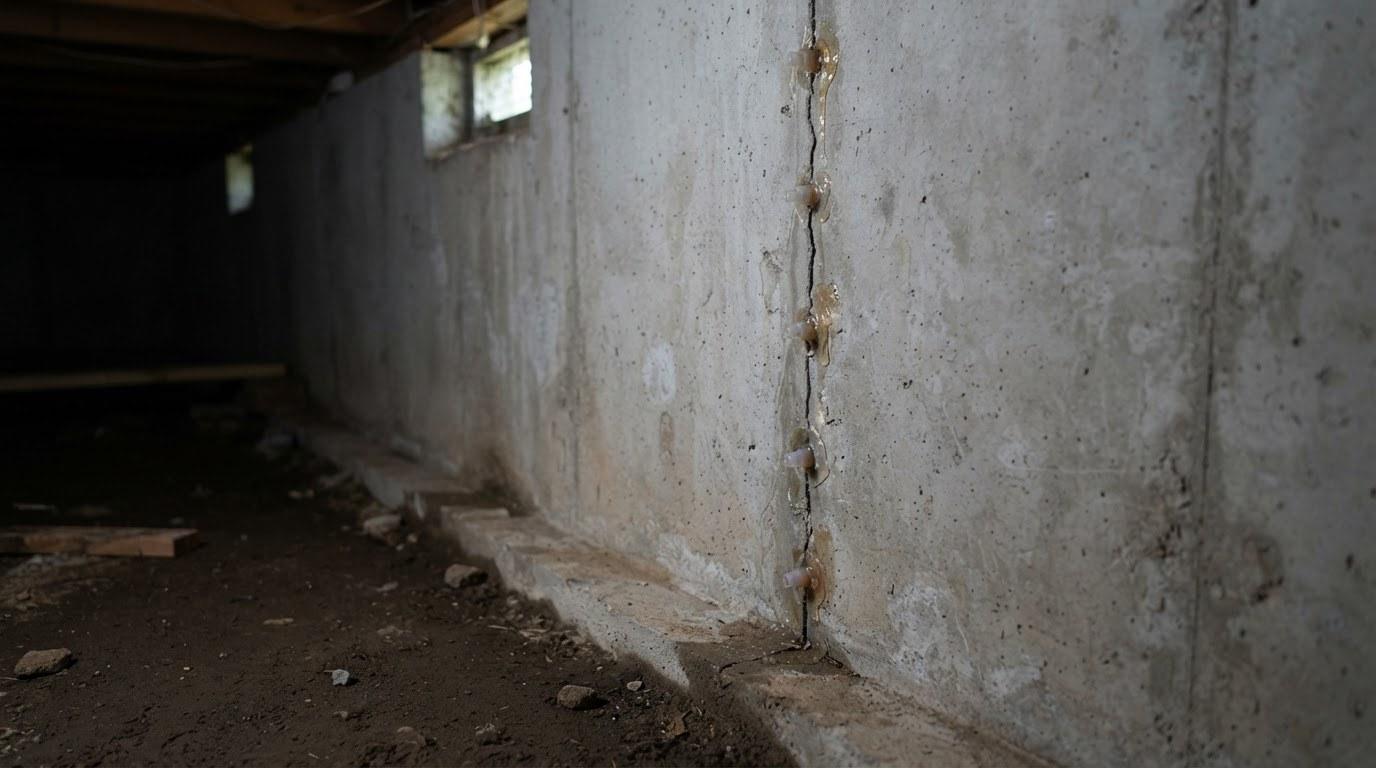
- Repair method: Epoxy crack injection is far less expensive than helical pier installation or full slab lifting.
- Number of piers or supports: Underpinning projects are priced per pier, with each pier typically ranging from $1,000 to $3,500 depending on depth and soil conditions.
- Access: Crawl space height under 18 inches increases labor time and cost. Hillside lots with limited equipment access add to the total.
- Permits: California requires building permits for most structural foundation repairs. Permit fees vary by county but commonly run $500 to $2,500.
- Concurrent work: If the report also flags drainage issues, wood rot, or seismic retrofit needs, those add to the project scope.
Seismic retrofit work alone typically ranges from $3,000 to $7,000 for a standard raised foundation home, depending on the size of the cripple wall and the number of anchor bolt locations required.
For an accurate number tied to your specific report findings, request a custom quote from a licensed contractor who has reviewed the actual inspection document.
What Should You Do After Reading Your Report?
After reading your foundation inspection report, your next step depends on the highest severity rating in the document. Severity-4 findings require immediate contractor bids; severity-2 findings may only require a re-inspection in 6 to 12 months. Here is a step-by-step process to follow regardless of your rating.
- List every severity-3 and severity-4 item. Pull these from the recommendations section and write them out in plain language. This becomes your scope of work when talking to contractors.
- Get at least two contractor bids. Each bid should reference the specific findings in your report. Be cautious of bids that do not mention the inspection document at all.
- Verify contractor licensing. In California, foundation repair contractors must hold a valid license issued by the California Contractors State License Board (CSLB). Check the license number on the CSLB website before signing any contract.
- Ask about permits. Any contractor who tells you permits are not needed for structural foundation work in California should be a red flag. Most repairs require a permit and inspection by the local building department.
- Address drainage before or alongside structural repairs. Many foundation problems are caused or worsened by poor drainage. Fixing the structure without fixing the water source often leads to repeat damage within 3 to 7 years.
- Schedule a re-inspection for severity-2 items. Set a calendar reminder for 6 months out. If the condition has changed, escalate to a repair bid. If it is stable, continue monitoring annually.
We see homeowners most often run into trouble when they skip step three and hire an unlicensed crew to save money, only to discover the work does not pass a city inspection. Across our project history in Southern California, unpermitted foundation work accounts for a significant share of the re-repair calls we receive, with most of those homes requiring the original work to be torn out and redone to code.
Unpermitted foundation work accounts for a significant share of re-repair calls, with most of those homes requiring the original work to be torn out and redone to code.
Ready to Get Expert Help with Your Foundation?
A foundation inspection report is only useful if you act on it. Whether your report flagged a hairline crack to monitor or a major settlement issue that needs repair now, the right contractor will walk you through the findings, explain the repair options, and pull the permits required by California law.
Hollywood Contractor Corp works with homeowners across Southern California on foundation repair, pier and beam repair, and full-scope structural projects. The team is licensed by the California Contractors State License Board (CSLB) and handles permitting as part of every project. Call (818) 264-1955 to schedule a consultation and get a written quote based on your actual inspection report.
Explore our full range of General Contracting services.
Frequently Asked Questions
How much does it usually cost to repair a house foundation in California?
Foundation repair costs in California typically range from $3,000 for minor repairs like crack injection to $30,000 or more for full underpinning with helical or push piers. The final number depends on the repair method, the number of piers needed, site access, and whether drainage improvements are also required. Always get at least two bids from contractors who have reviewed your actual inspection report.
How do I know if my foundation problems are serious?
The severity rating in your inspection report is the clearest guide. Ratings labeled 'repair immediately' or severity 4 indicate active movement or structural compromise that needs attention within weeks. Cracks wider than 1/4 inch, doors and windows that no longer close properly, and visible gaps between the mudsill and foundation are also signs that a problem has moved beyond the monitoring stage.
Do I need a permit to repair my foundation in California?
Yes, most structural foundation repairs in California require a building permit from your local jurisdiction. This includes underpinning, pier installation, mudsill replacement, and seismic retrofitting. Unpermitted work can create problems when you sell the home and may need to be torn out and redone to pass inspection. A licensed contractor will pull the required permits as part of the job.
What is the difference between a foundation inspection and a home inspection?
A general home inspection covers the entire property at a surface level, while a foundation inspection goes deeper into the structural condition of the foundation specifically. Foundation inspections are often performed by a licensed structural engineer who can assess load-bearing capacity, differential settlement, and seismic vulnerabilities that a general home inspector may not be qualified to evaluate. If a home inspection flags foundation concerns, a dedicated foundation inspection is the appropriate next step.
How long does foundation repair take to complete?
Simple repairs like epoxy crack injection or mudsill replacement on a small section typically take 1 to 3 days. Full underpinning projects that require installing multiple piers can take 5 to 10 business days depending on the number of piers and site conditions. Permit approval from the local building department can add 1 to 4 weeks to the overall timeline before work begins, so plan accordingly.