Confused about the ADU vs JADU California difference? This guide breaks down size limits, permit requirements, costs, and how to choose the right option for your lot.
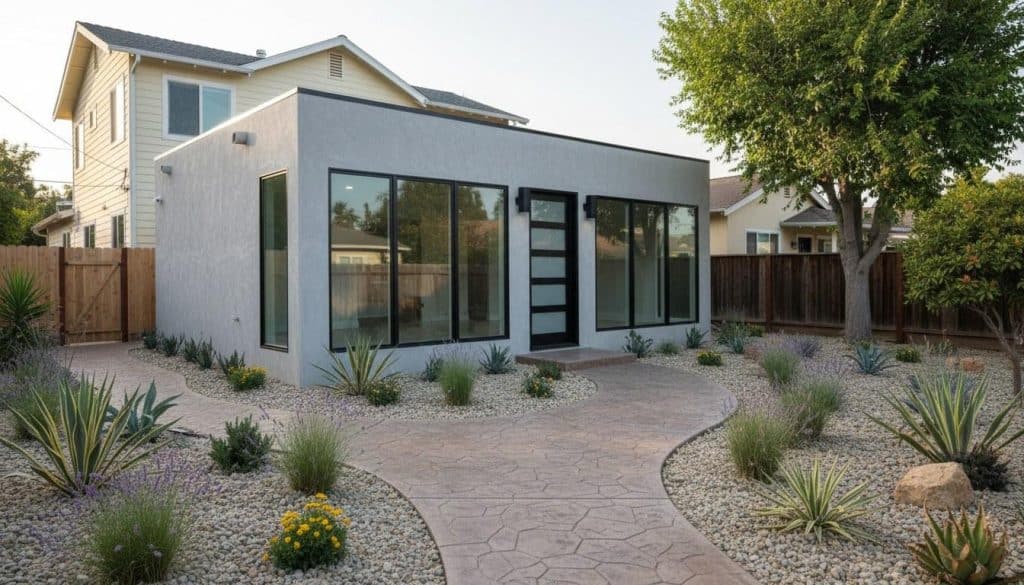
What Is the ADU vs JADU California Difference?
An ADU is a fully self-contained dwelling unit that can be attached to, detached from, or built above your existing home. A JADU is a smaller unit — always created within the walls of the primary residence — capped at 500 square feet by state law. Understanding the adu vs jadu california difference is the first step every homeowner should take before pulling permits or hiring a contractor.
California’s AB 68 (2019) and subsequent housing bills dramatically expanded both ADU and JADU rights statewide. Local jurisdictions must now follow state minimums, which means most single-family lots in California qualify for at least one of these unit types.
Here is a quick side-by-side of the core differences:
| Feature | ADU | JADU |
|---|---|---|
| Maximum size | 1,200 sq ft (attached or detached) | 500 sq ft |
| Location | Attached, detached, or above garage | Inside existing primary structure only |
| Full kitchen required? | Yes | Efficiency kitchen (sink, cooktop) allowed |
| Separate bathroom | Yes, must be fully independent | Can share bathroom with main home |
| Separate entrance | Yes | Yes (exterior door required) |
| Owner-occupancy rule | Not required (through 2025 at minimum) | Owner must occupy primary home or JADU |
| Separate utility meters | Allowed and common | Typically shared with main home |
| Permit complexity | Moderate to high | Generally simpler and faster |
What Are the Size and Location Rules for Each?
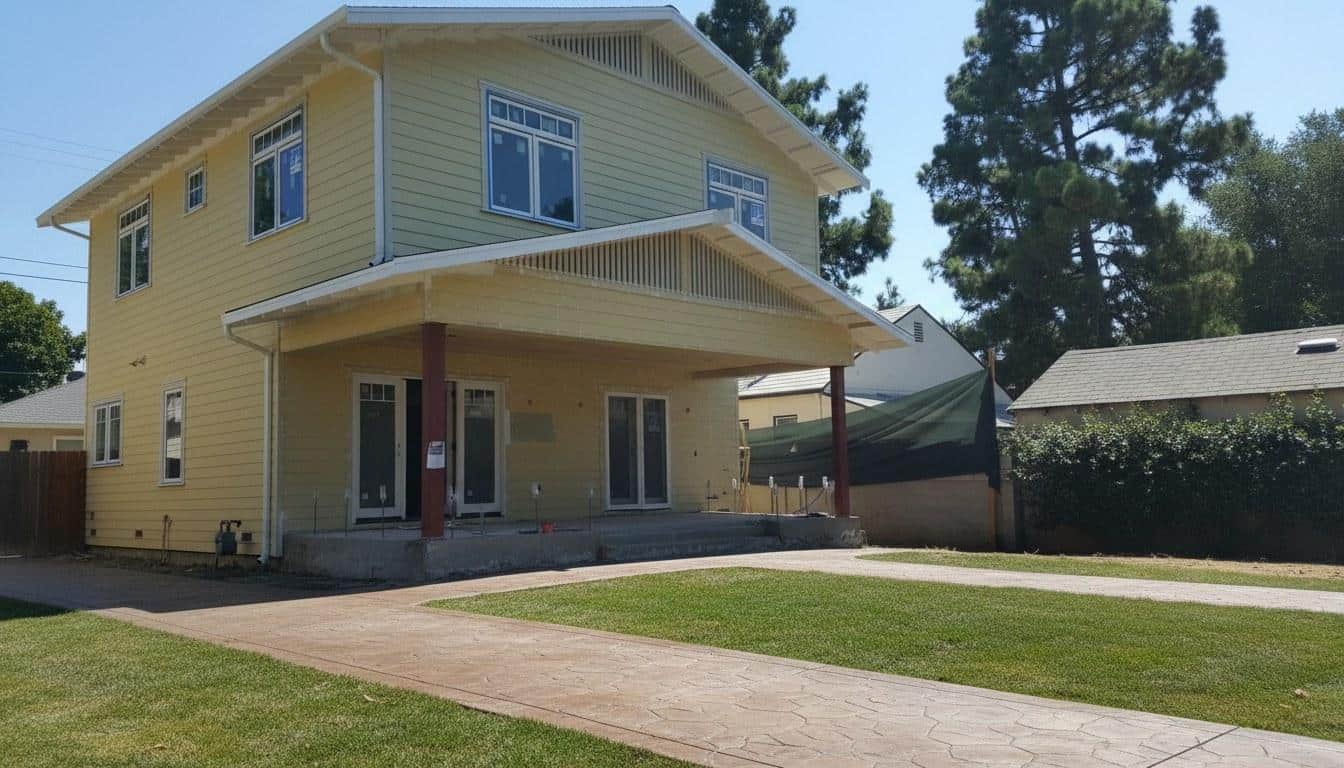
California state law sets a hard cap of 500 square feet for JADUs and up to 1,200 square feet for ADUs, though local ordinances may set lower limits in some jurisdictions. The location rules are equally important: a JADU must be carved out of the existing home, while an ADU can be built as a brand-new structure anywhere on the lot that meets setback requirements.
ADUs come in four main forms:
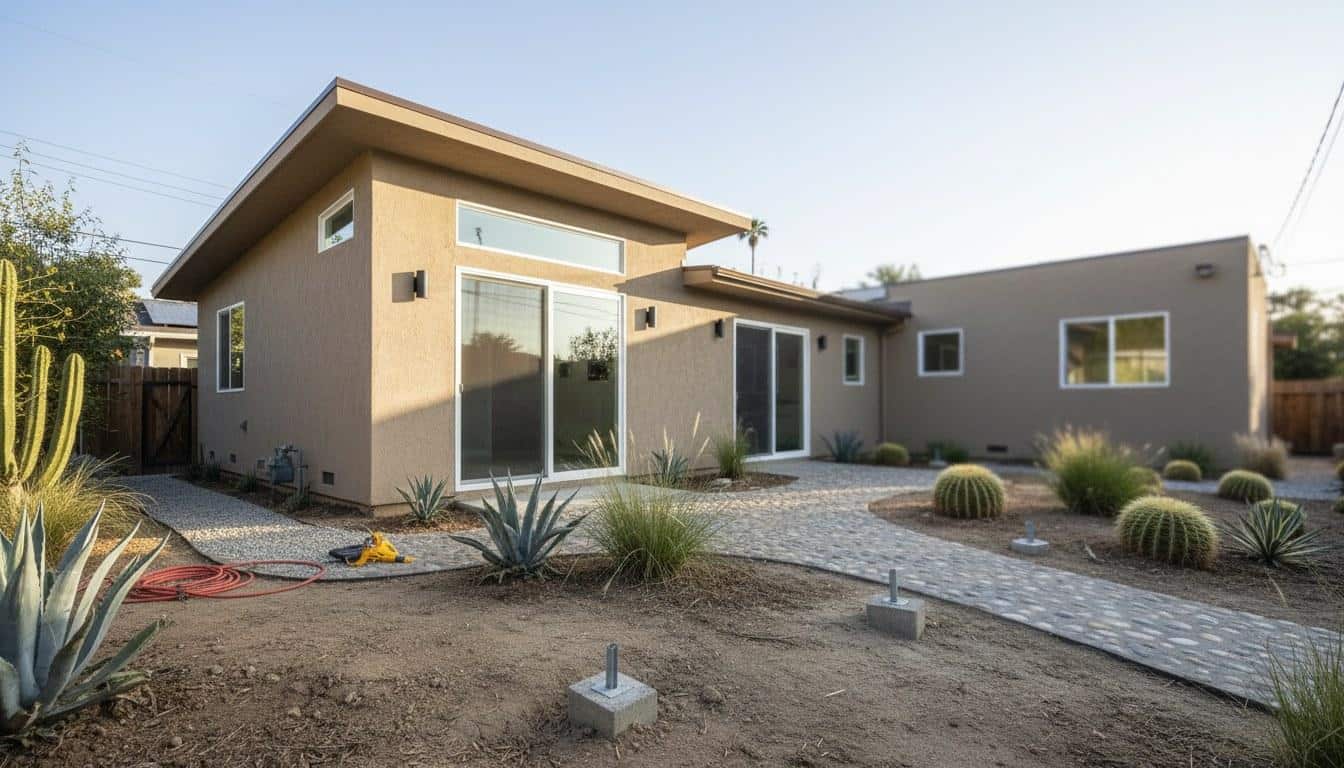
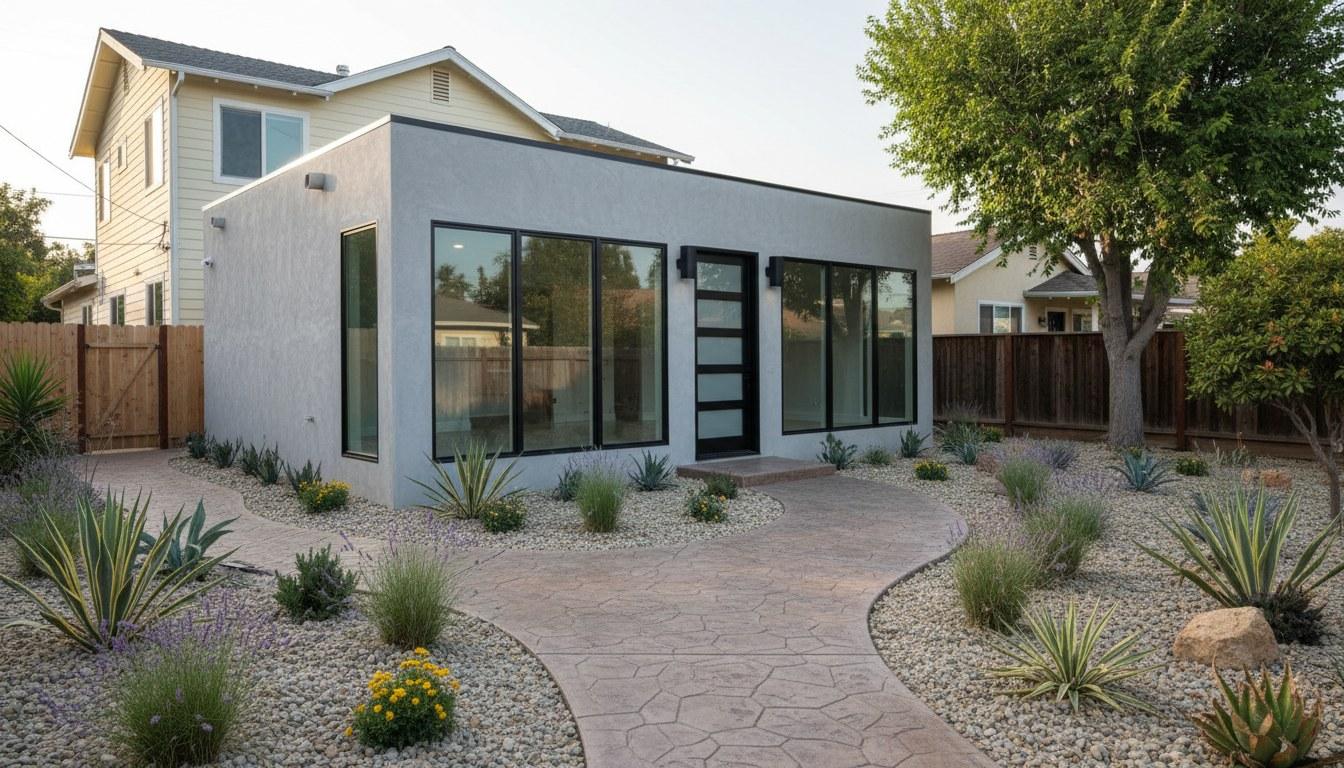
- Detached ADU: A standalone structure in the backyard or side yard, separate from the main home.
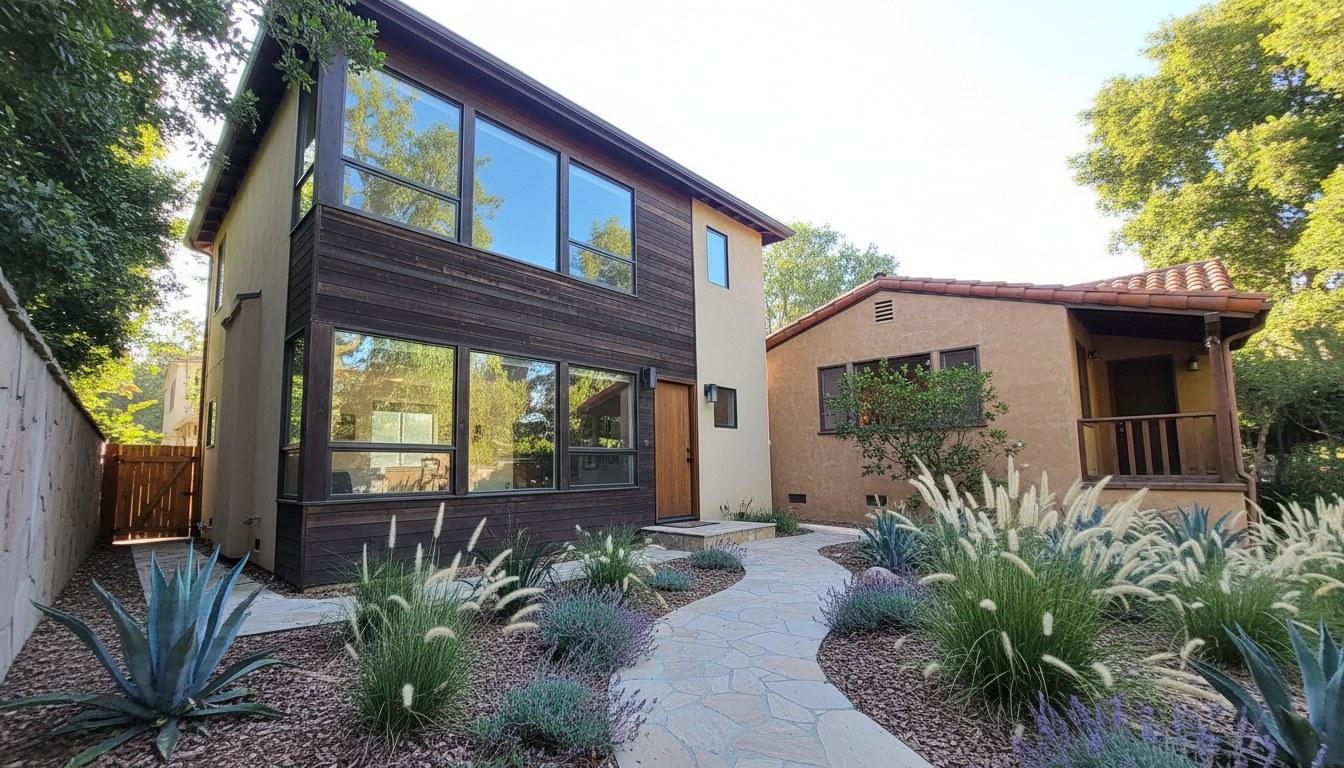
- Attached ADU: An addition built onto the primary residence, sharing at least one wall.
- Garage conversion ADU: An existing attached or detached garage converted into a living unit.
- Above-garage ADU: A new unit built on top of an existing garage structure.
JADUs, by contrast, are always interior conversions. Common JADU sources include a large bedroom, a basement space, a converted attached garage, or an unused bonus room. The unit must have its own exterior door — a door that opens directly to the outside or to a common area, not just into the main home’s hallway.
Setback rules for ADUs were loosened significantly under California’s 2020 housing laws. Detached ADUs generally require only a 4-foot rear and side setback. JADUs, because they stay within the existing footprint, typically do not trigger new setback reviews at all — a major permitting advantage.
For ADUs, California’s Department of Housing and Community Development (HCD) publishes updated guidance each year on what local agencies can and cannot restrict. Always check your county’s adopted ADU ordinance against current HCD standards before finalizing a design.
What Does California Law Require for Owner-Occupancy?
JADUs carry a strict owner-occupancy requirement: the property owner must live in either the primary home or the JADU itself. ADUs, under a California law passed in 2020, are exempt from owner-occupancy requirements at least through January 1, 2025, and many jurisdictions have extended that exemption further.
This distinction matters enormously for investment planning. If you want to rent out both your primary home and a second unit while living elsewhere, a JADU does not qualify — you would need a standard ADU. If you plan to live on-site and rent to a family member or tenant, a JADU can work well and is often the faster path to rental income.
The owner-occupancy deed restriction for a JADU is recorded against the property title. That means it follows the property if you sell. Future buyers inherit the restriction unless they formally remove it, which requires a separate legal process. Factor this into long-term resale planning.
Our team has processed permit applications for both ADUs and JADUs across Los Angeles County, and we see roughly 3 out of every 5 JADU applicants initially unaware of the recorded deed restriction — discovering it only at the title review stage, which can delay closings by 2 to 4 weeks.
How Much Does an ADU or JADU Cost to Build?
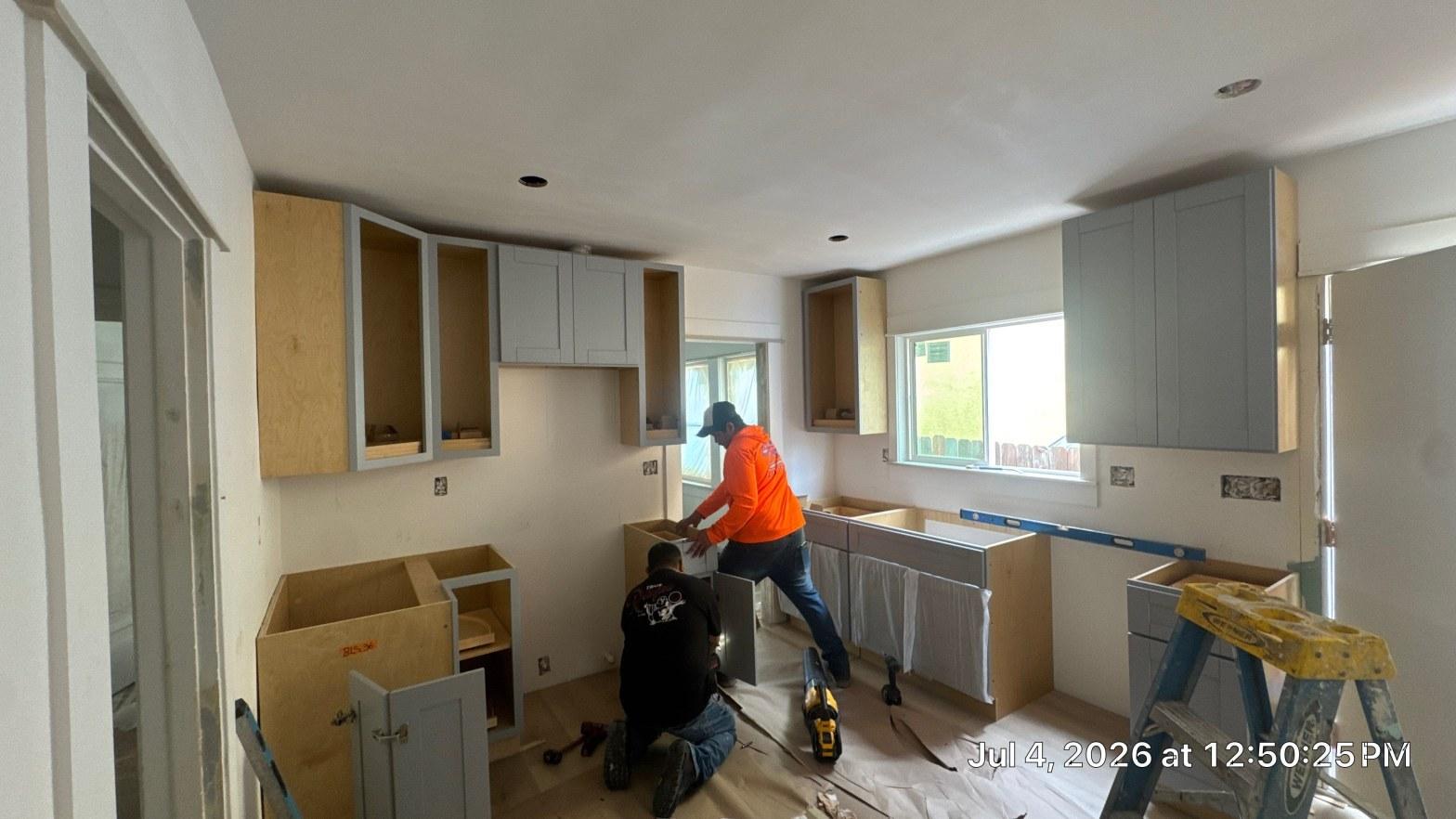
In the Southern California regional market, JADU conversions typically range from $40,000 to $120,000, while new detached ADUs generally run from $150,000 to $350,000 or more depending on size, finishes, and site conditions. Garage-conversion ADUs tend to fall in the middle, often between $80,000 and $180,000.
In the Southern California regional market, JADU conversions typically range from $40,000 to $120,000, while new detached ADUs generally run from $150,000 to $350,000 or more.
Several factors move costs in either direction:
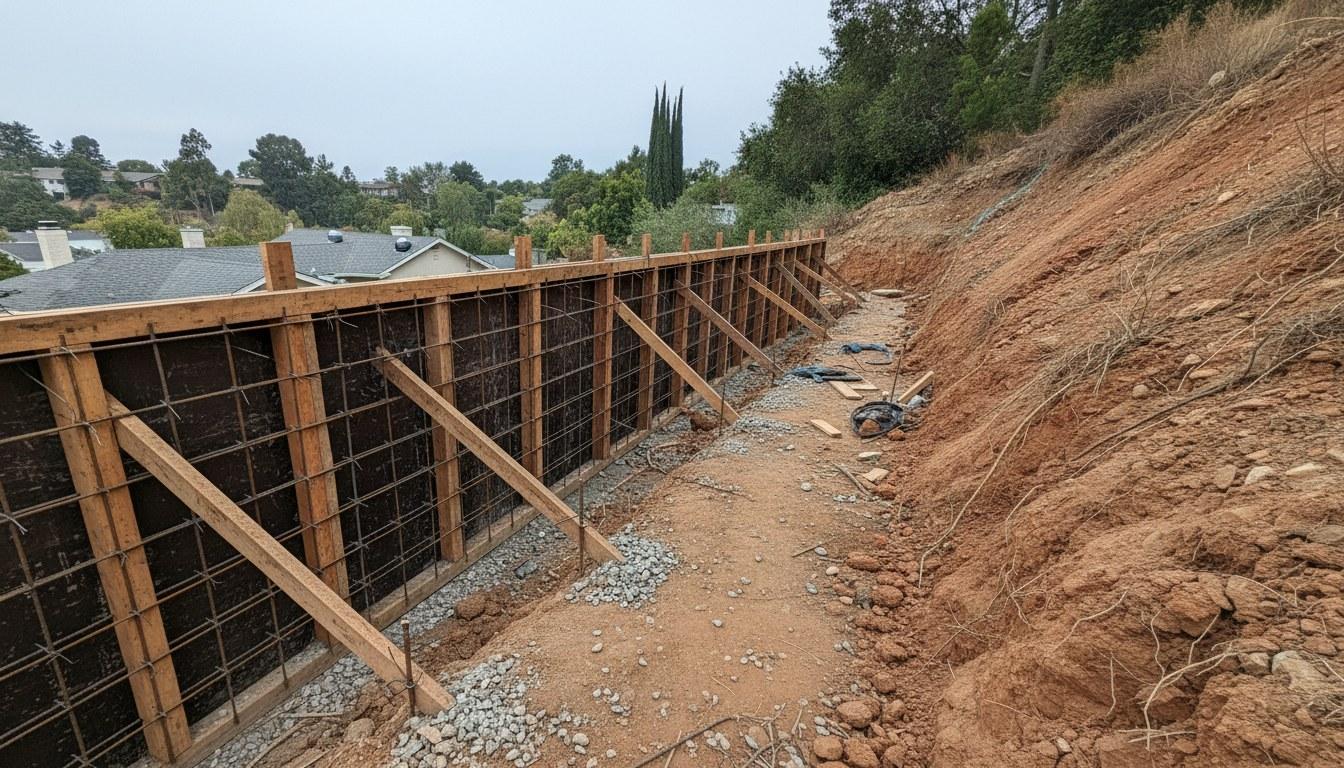
- Foundation work: A detached ADU on a sloped lot may need a new foundation, adding $15,000 to $40,000.
- Utility connections: Separate meters and new sewer laterals for a detached ADU can add $10,000 to $30,000.
- Structural changes: Opening walls or reinforcing an existing garage for a JADU conversion affects both cost and timeline.
- Finishes and fixtures: Kitchen and bathroom quality can swing a project by $20,000 or more.
- Permit fees: Los Angeles County and most Southern California municipalities charge plan-check and permit fees that typically range from $3,000 to $15,000 for ADUs.
On the savings side, California homeowners may qualify for the Inflation Reduction Act federal tax credit for energy-efficient systems installed in the new unit, including heat pumps, insulation, and electrical panel upgrades. Projects that meet California’s Title 24 building energy standards may also qualify for TECH Clean California rebate programs, which can offset thousands of dollars in HVAC and water-heating costs.
JADUs are generally cheaper because they reuse the existing structure, avoid new foundation costs, and often share utilities with the main home. However, if the existing space needs significant electrical upgrades, insulation, or waterproofing, costs can climb quickly. Always request a custom quote based on your actual floor plan and site conditions before budgeting.
Which One Is Right for Your Property?
A JADU is usually the right choice when you have unused interior space, want to minimize construction cost, and plan to live on-site. An ADU is the better fit when you want a fully independent unit, maximum rental income potential, or the ability to sell or rent the property without owner-occupancy restrictions.
Use these questions to guide your decision:
- Do you have at least 500 square feet of convertible interior space (bedroom, garage, basement)? If yes, a JADU is worth evaluating first.
- Do you plan to live on the property long-term? If no, a JADU’s owner-occupancy restriction could be a deal-breaker.
- Do you want a separate address, utility meter, or the ability to sell the unit independently in the future? An ADU gives you more flexibility.
- Is your lot large enough for a detached structure? Check your city’s minimum lot-size rules and setback requirements before assuming a detached ADU is buildable.
- What is your budget timeline? A JADU can often be permitted and completed in 4 to 8 months. A new detached ADU typically takes 10 to 18 months from design to certificate of occupancy.
Some properties can legally support both a JADU and an ADU simultaneously. California law allows one ADU plus one JADU on a single-family lot, meaning you could convert a bedroom into a JADU now and add a detached ADU later — maximizing rental income in two phases without overextending your budget at once.
California law allows one ADU plus one JADU on a single-family lot, meaning you could convert a bedroom into a JADU now and add a detached ADU later — maximizing rental income in two phases.
What Are the Most Common Mistakes Homeowners Make?
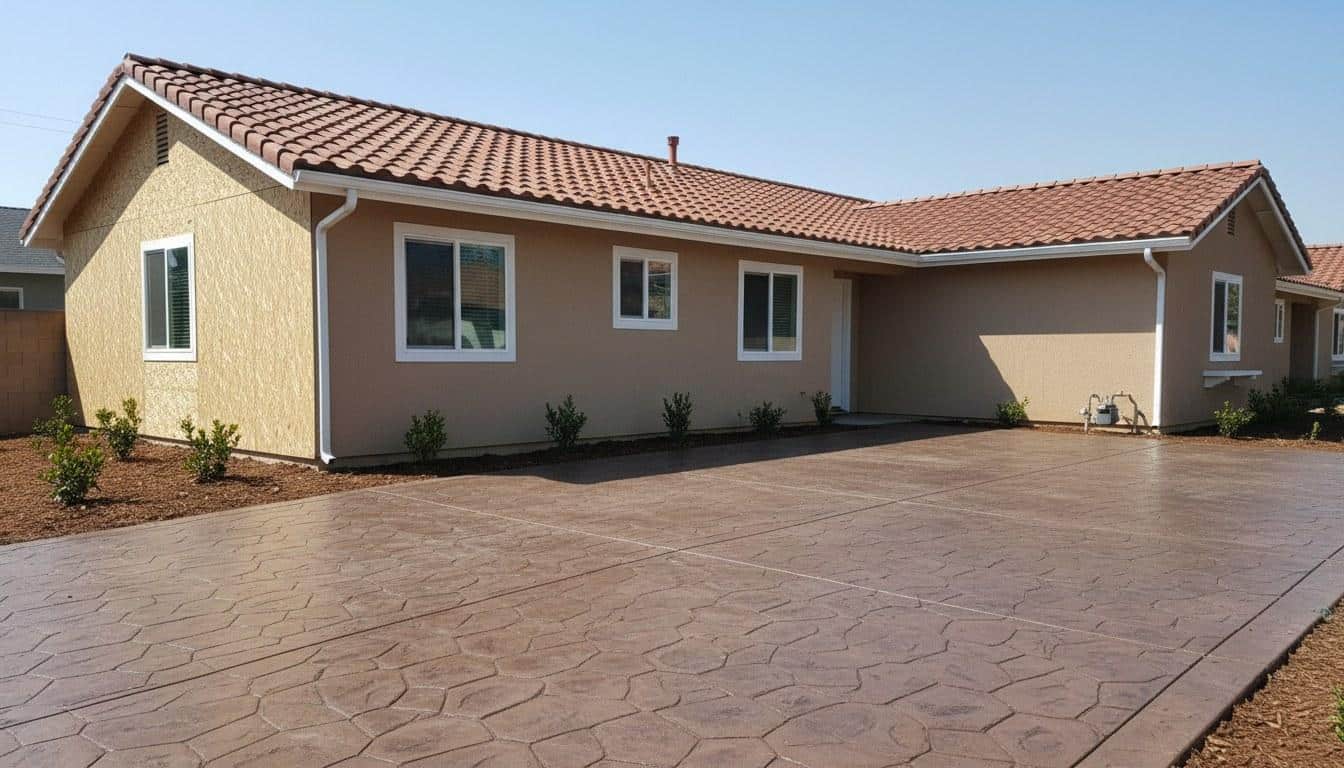
The biggest mistakes are skipping a pre-application meeting with the local planning department, underestimating permit timelines, and designing a unit that does not meet California’s Title 24 energy compliance requirements. Any of these can add months and thousands of dollars to a project.
Here are the mistakes we see most often across Southern California ADU and JADU projects:
- Assuming local rules match state minimums: Some cities have adopted stricter design standards for height, aesthetics, or parking — even though state law limits how much they can restrict ADUs. Always verify the local ordinance.
- Forgetting the deed restriction on a JADU: The owner-occupancy covenant is recorded at the county recorder’s office and affects title. Sellers who built a JADU without disclosing this have faced escrow delays and legal disputes.
- Undersizing the electrical panel: A JADU or ADU with a full kitchen, HVAC, and washer/dryer hookup typically needs a 100-amp to 200-amp subpanel. Planning for this upfront avoids costly mid-project change orders.
- Skipping a Manual J load calculation: ACCA Manual J is the industry standard for sizing HVAC systems. Undersized or oversized systems fail Title 24 compliance and cost more to operate.
- Not verifying contractor licensing: All contractors working on permitted ADU or JADU projects in California must be licensed by the California Contractors State License Board (CSLB). Verify any contractor’s license at cslb.ca.gov before signing a contract.
- Designing without a survey: Property lines are not always where homeowners think they are. A survey prevents setback violations that require tearing out completed work.
Across our ADU and JADU projects in Los Angeles County, we find that roughly 40% of clients come to us after a previous contractor failed a plan-check review — most often because the design did not account for California’s Title 24 energy compliance or the local jurisdiction’s specific fire-separation requirements between the JADU and the primary home.
Roughly 40% of clients come to us after a previous contractor failed a plan-check review — most often because the design did not account for California's Title 24 energy compliance.
Ready to Build? Get Expert Help in Southern California
Choosing between an ADU and a JADU is a major financial and legal decision. Getting the design, permits, and construction right the first time protects your investment and avoids costly corrections.
Hollywood Contractor Corp works with homeowners across Southern California to plan, permit, and build both ADUs and JADUs — from initial feasibility review through final inspection. Whether you are converting an attached garage into a JADU or building a brand-new detached ADU in the backyard, the team handles every phase under one roof.
Call (818) 264-1955 to schedule a consultation and get a custom quote based on your property’s specific layout, zoning, and goals. There is no one-size-fits-all answer to the adu vs jadu california difference — the right unit depends on your lot, your budget, and your plans for the property.
Explore our full range of General Contracting services.
Frequently Asked Questions
Can I build both an ADU and a JADU on the same property?
Yes. California law allows one ADU and one JADU on a single-family residential lot at the same time. This means you could convert an interior space into a JADU and also build a detached ADU in your backyard. Each unit must meet its own permit and design requirements.
How long does it take to get a JADU permitted in California?
A JADU permit typically takes 2 to 4 months to process in most Southern California jurisdictions, though some cities offer over-the-counter or ministerial approval that can be faster. Construction on a straightforward conversion usually adds another 2 to 4 months, putting total project time at roughly 4 to 8 months.
Does a JADU need its own bathroom?
Not necessarily. California law allows a JADU to share a bathroom with the primary dwelling, as long as the shared bathroom is accessible from the JADU without passing through the main home's private living areas. If you want full separation, you can add a private bathroom to the JADU, but it is not required by state law.
What happens to the owner-occupancy rule on a JADU if I sell my house?
The owner-occupancy deed restriction is recorded against the property title and transfers to the new owner at sale. The new owner must comply with the same rule — living in either the primary home or the JADU. Removing the restriction requires a formal process with the local jurisdiction and county recorder's office.
Do ADUs and JADUs have to meet California's Title 24 energy standards?
Yes. Both ADUs and JADUs must comply with California's Title 24 building energy standards, which cover insulation, windows, HVAC efficiency, water heating, and lighting. New construction ADUs face the full Title 24 residential checklist, while JADU conversions may have a slightly simplified compliance path depending on how much of the structure is altered. Always confirm requirements with your local building department.