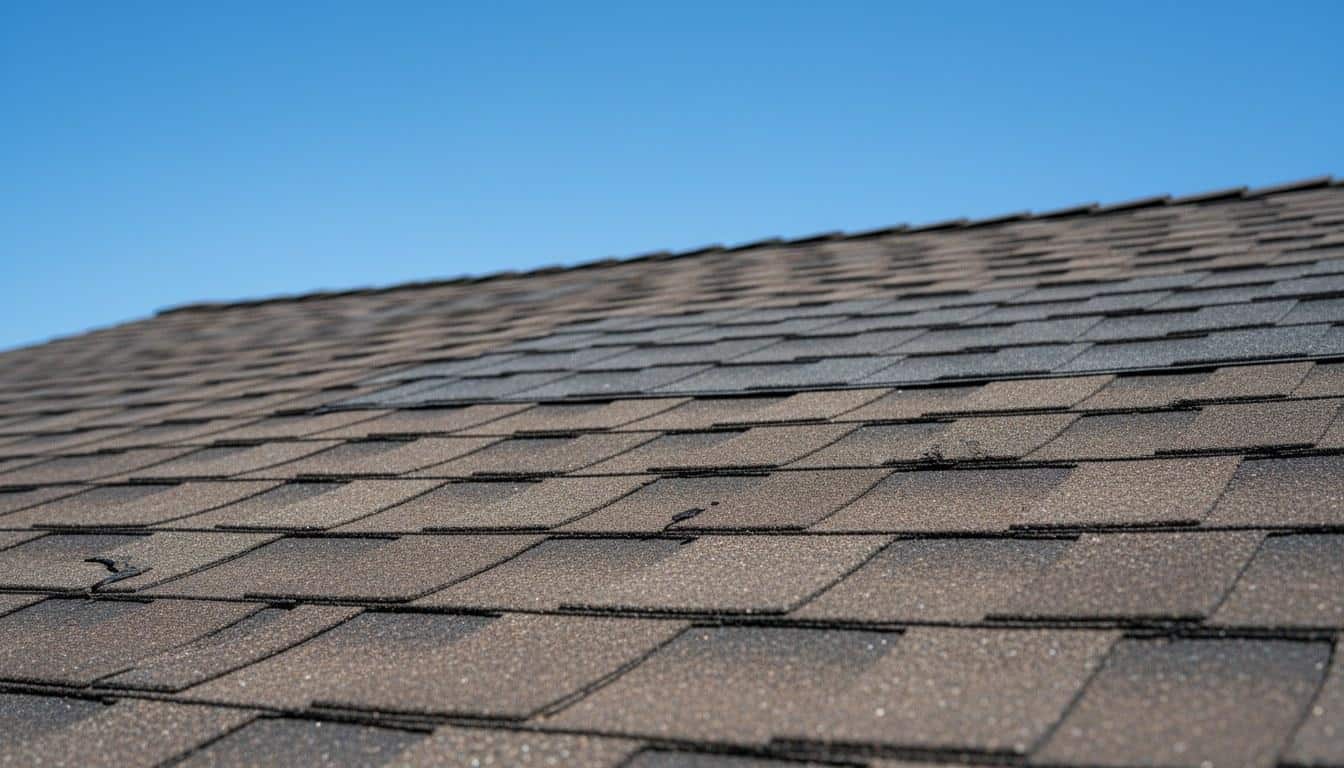
Roof Replacement vs. Roof Repair: How to Decide What Your California Home Needs
Not sure whether your California home needs a full roof replacement or a targeted repair? This guide breaks down the key differences, costs, warning signs, and decision factors so you can make a confident, informed choice.
Roof Replacement vs Repair California: What Is the Core Difference?
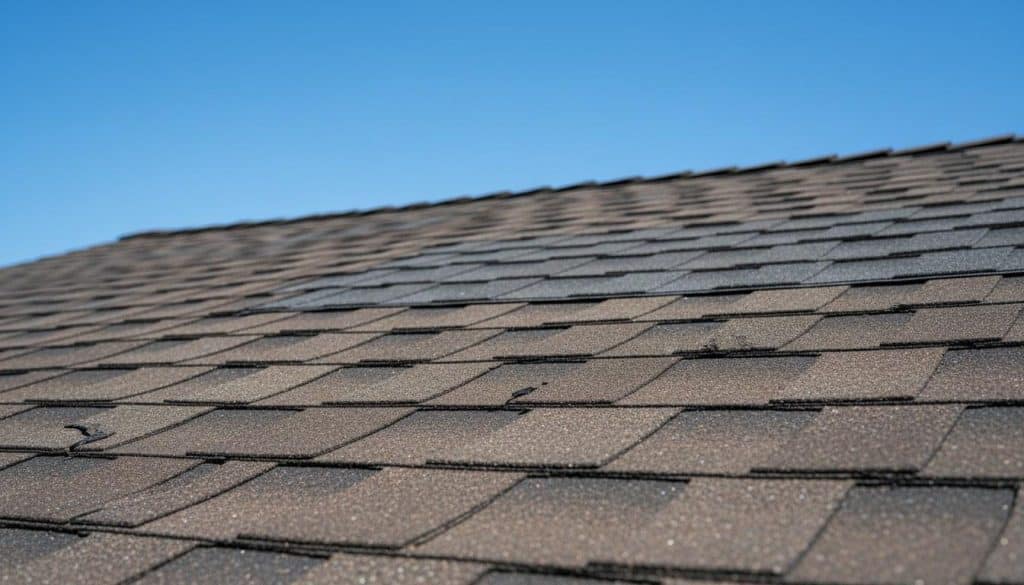
A roof repair fixes a specific problem — a few damaged shingles, a cracked flashing, or a small leak. A full replacement tears off the existing roofing material and installs an entirely new system, usually down to the decking. The choice between the two comes down to the age of the roof, the extent of the damage, and the long-term cost of each path. Understanding roof replacement vs repair California homeowners face is the first step to protecting one of your biggest investments.
California’s climate adds unique pressure to this decision. Intense UV exposure, summer heat exceeding 100°F in inland areas, and the ever-present risk of wildfire ember damage all accelerate roofing wear faster than in cooler, wetter climates. A roof that might last 30 years in the Pacific Northwest may show serious degradation in 20 years or fewer in Southern California.
The rule of thumb used across the roofing industry is simple: if the repair cost exceeds 50 percent of the cost of a new roof, replacement is almost always the smarter financial move. Below, we walk through every factor that should shape your decision.
If the repair cost exceeds 50 percent of the cost of a new roof, replacement is almost always the smarter financial move.
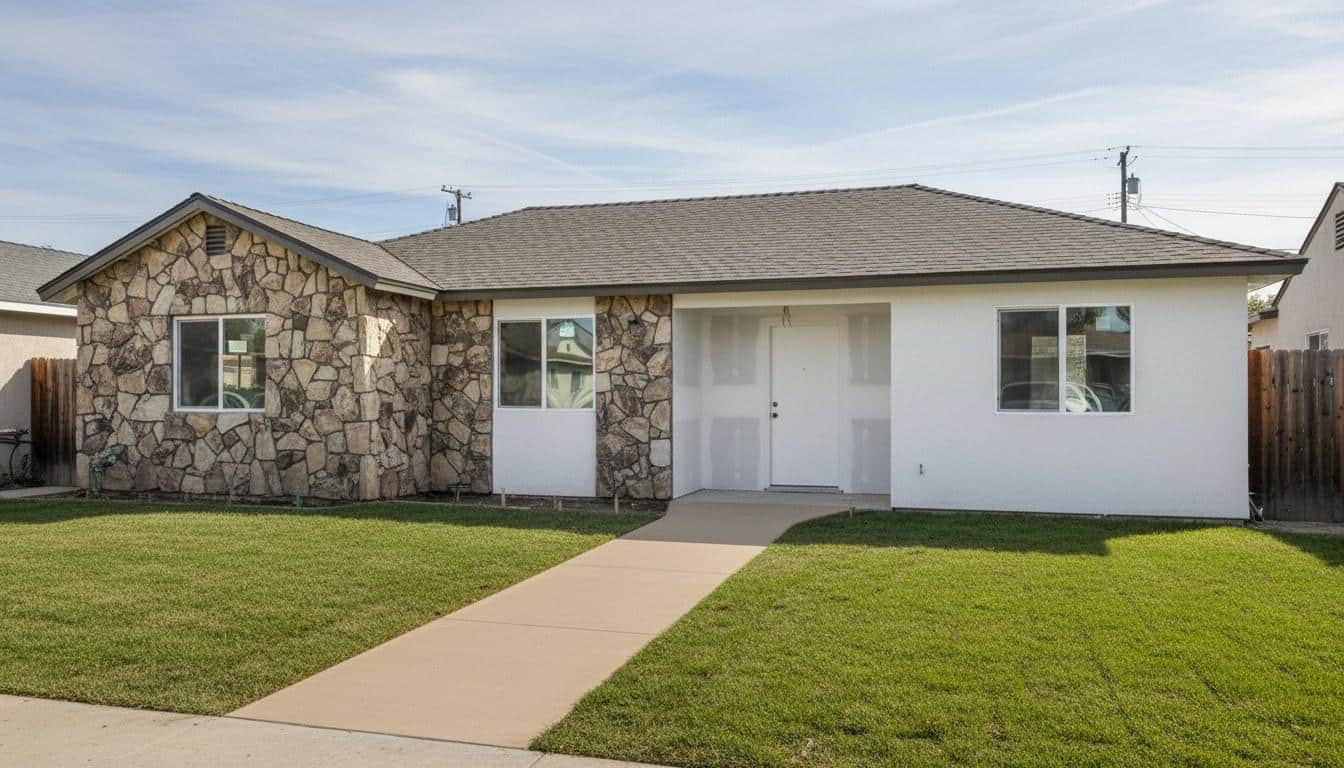
What Are the Warning Signs That Your Roof Needs Replacing?
Most roofs give clear signals when they are approaching the end of their useful life. If you are seeing three or more of the signs below at the same time, a full replacement is likely the more cost-effective path.
- Age over 20 years: Asphalt shingle roofs typically last 20 to 30 years in California. If yours is past the 20-year mark, even a repair may only delay the inevitable by a few seasons.
- Widespread granule loss: Granules protect shingles from UV rays. Finding large amounts in your gutters or on the ground means the shingles are nearing the end of their protective life.
- Curling, cupping, or cracking shingles: When shingles curl at the edges or crack across their surface, the material has dried out and lost flexibility — a sign of systemic failure, not isolated damage.
- Sagging roof deck: A sagging area on the roof surface indicates moisture has reached the structural decking beneath the shingles. This almost always requires a full tear-off and deck repair.
- Multiple active leaks: One leak in one location is a repair candidate. Two or more leaks in different areas of the same roof suggest the waterproofing layer has failed broadly.
- Daylight visible in the attic: If light comes through the roof boards when you inspect the attic, the sheathing has gaps or rot that repairs alone cannot fix.
- Repeated repairs in the past five years: If you have already paid for two or more repair calls in a five-year window, the cumulative cost is likely approaching or exceeding replacement value.
Our team has inspected roofs across Los Angeles County where homeowners had been patching the same section every 18 to 24 months for six years — spending a combined total that exceeded the cost of a full replacement by the time they finally made the switch.
When Does a Roof Repair Make More Sense Than a Full Replacement?
A targeted repair is the right call when damage is limited to a small area, the roof is less than 15 years old, and the rest of the roofing system is structurally sound. Repairs typically address problems caused by a single event — a fallen branch, storm-driven debris, or a failed pipe boot flashing — rather than systemic aging.
Good candidates for repair rather than replacement include:
- Isolated shingle damage: Replacing 5 to 20 shingles in one zone after a wind event is straightforward and cost-effective when the surrounding material is in good shape.
- Flashing failures: Metal flashing around chimneys, skylights, and vents deteriorates faster than the shingles themselves. Replacing just the flashing can add years to an otherwise healthy roof.
- Small punctures or penetrations: Holes caused by falling debris or improperly removed satellite dishes can be patched cleanly if caught early.
- Single-point leaks: A leak traced to one valley or one vent penetration is a repair job, not a replacement trigger.
The key test is whether the rest of the roof will hold up for another 7 to 10 years after the repair. If a licensed inspector says yes, a repair preserves your budget for other home improvement priorities.
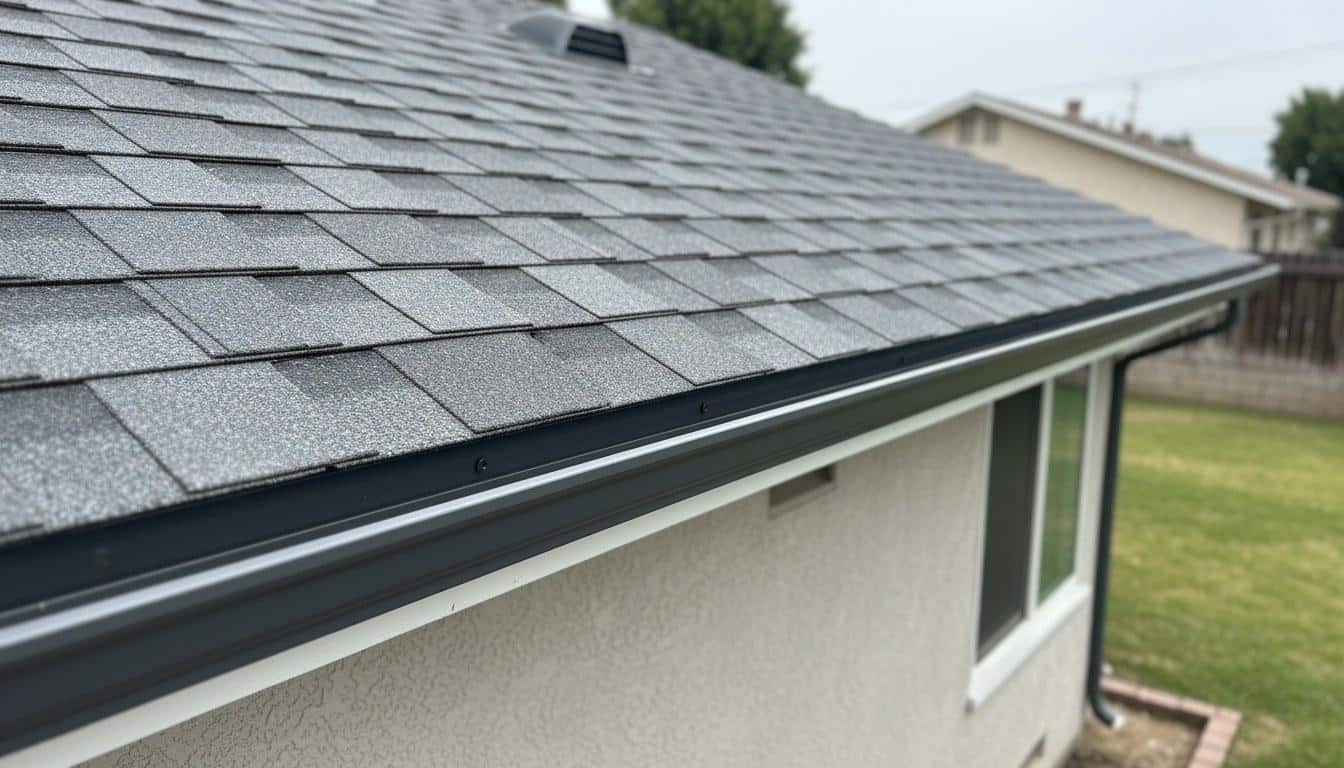
How Much Does Roof Repair vs. Replacement Cost in California?
In the California market, roof repairs typically range from $350 to $1,500 for minor work, and from $1,500 to $5,000 for more involved repairs such as flashing replacement or deck patching. Full roof replacements on a standard single-family home generally range from $8,000 to $25,000 or more, depending on size, pitch, and materials. These are regional market ranges — your actual project cost depends on the specific scope, materials selected, and site conditions.
| Factor | Roof Repair | Roof Replacement |
|---|---|---|
| Typical cost range (CA market) | $350 – $5,000 | $8,000 – $25,000+ |
| Project timeline | A few hours to 1 day | 1 to 4 days |
| Lifespan added | 2 to 10 years (area-specific) | 20 to 50 years (material-dependent) |
| Permit required in CA? | Usually not for minor repairs | Yes, in most California jurisdictions |
| Energy efficiency improvement | Minimal | Significant with cool-roof materials |
| Best when roof age is… | Under 15 years | Over 20 years or near end of rated life |
Several factors push costs toward the higher end of the replacement range in California:
- Roof pitch and complexity: Steep or multi-faceted roofs require more labor time and safety equipment.
- Decking condition: If the plywood sheathing beneath the shingles has rot or moisture damage, deck boards must be replaced before new material goes down.
- Material choice: Standard 3-tab asphalt shingles cost less than architectural shingles, metal, or concrete tile — all of which are popular in California for their durability and California Energy Commission cool-roof compliance.
- Tear-off layers: California building codes in most jurisdictions limit roofs to two layers of shingles. If your roof already has two layers, both must be torn off before re-roofing, adding labor cost.
Homeowners replacing a roof with ENERGY STAR-rated cool-roof materials may qualify for the Inflation Reduction Act federal tax credit, which covers up to 30 percent of the cost of qualifying energy-efficient improvements through 2032. Always request a custom quote from a licensed contractor before budgeting — contact Hollywood Contractor Corp at (818) 264-1955 for a written estimate.
Which Roofing Materials Work Best in California’s Climate?
California’s combination of high UV exposure, dry heat, and wildfire risk means the best roofing materials are those rated for fire resistance, thermal performance, and longevity under intense sun. California’s Title 24 building energy standards also require that roofing materials on low-slope roofs meet minimum solar reflectance values — a factor that matters when choosing between repair-in-kind and upgrading at replacement time.
Here is how the most common California roofing materials compare:
- Architectural asphalt shingles: The most common choice. Class A fire-rated options are available, and they typically carry a 30-year warranty. Good balance of cost and performance for most homes.
- Concrete or clay tile: Extremely durable — rated for 40 to 50 years or more — and naturally fire-resistant. Heavier than shingles, so structural assessment is needed before installation. Very common in Southern California communities.
- Metal roofing (standing seam or metal shingles): Lifespan of 40 to 70 years, excellent fire resistance, and high solar reflectance. Higher upfront cost but lower lifetime cost than asphalt in most cases.
- Cool-roof coatings (low-slope roofs): For flat or low-slope roofs common on commercial-style homes and ADUs, elastomeric cool-roof coatings reflect heat and extend the life of the underlying membrane by 10 to 15 years.
When you are replacing rather than repairing, upgrading to a higher-performing material can pay for itself in reduced cooling costs over the roof’s lifespan. The U.S. Department of Energy estimates that cool roofs can reduce peak cooling demand by 10 to 15 percent in hot climates like California’s inland regions.
What Does the Replacement or Repair Process Actually Look Like?
A professional roofing project — whether repair or replacement — follows a clear sequence of steps. Knowing what to expect helps you evaluate contractor proposals and avoid surprises.
For a Roof Repair
- Inspection: A licensed contractor inspects the damaged area and the surrounding roof surface to confirm the damage is localized.
- Material match: The contractor sources shingles or materials that match the existing roof as closely as possible in color and profile.
- Removal of damaged material: Damaged shingles, flashing, or membrane sections are carefully removed without disturbing adjacent good material.
- Substrate check: The decking beneath the repair zone is inspected for moisture or rot. Any compromised boards are replaced before new material goes down.
- Installation and sealing: New material is installed, nailed, and sealed to manufacturer specifications. Flashing is re-bedded with roofing cement or new metal.
- Final inspection: The contractor walks the repair zone and checks for exposed fasteners, gaps, or lifted edges.
For a Full Roof Replacement
- Permit pull: In most California jurisdictions, a re-roofing permit is required. A licensed contractor handles this before work begins. Work done without a permit can affect your homeowner’s insurance and resale.
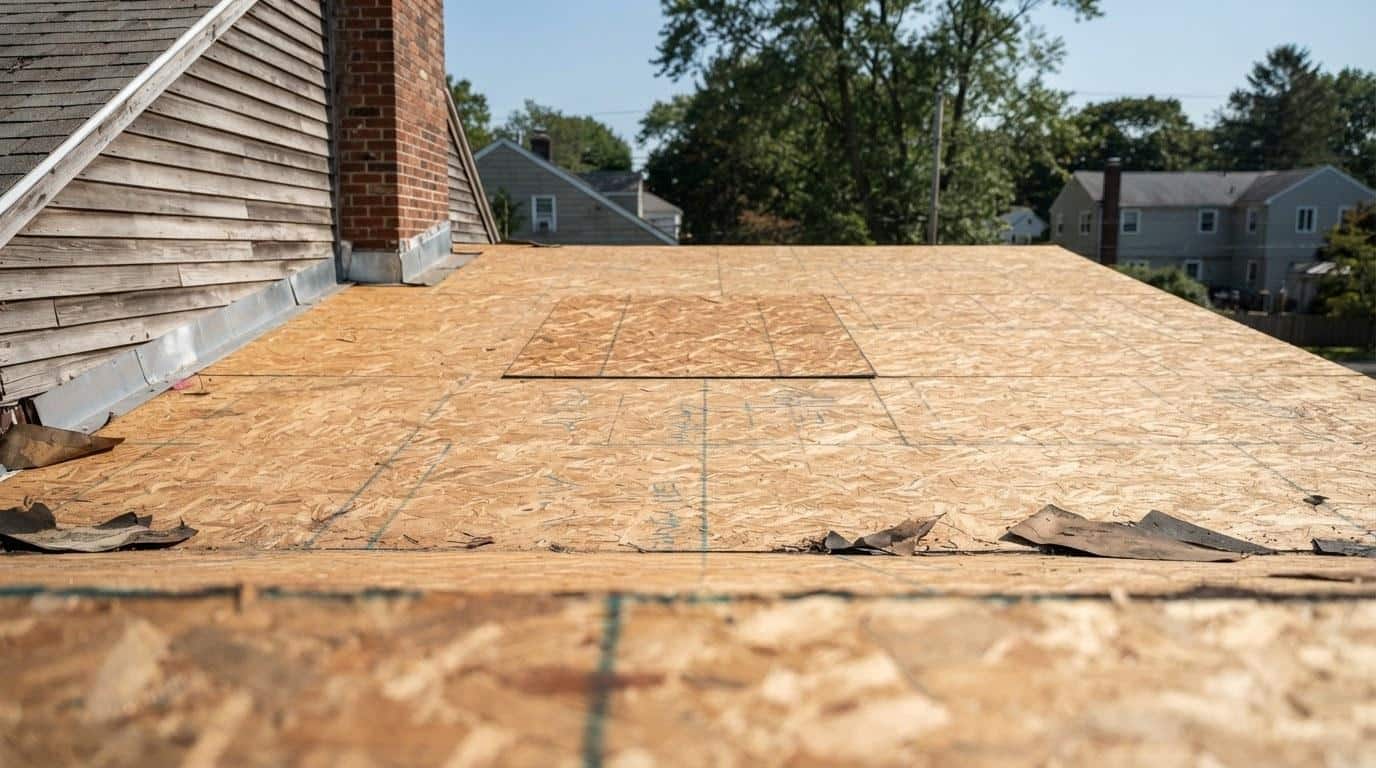
- Tear-off: All existing roofing material is stripped down to the deck. Debris is collected in a dump trailer placed in the driveway or street.
- Deck inspection and repair: Every sheet of plywood sheathing is checked. Damaged or soft boards are replaced before anything goes on top.
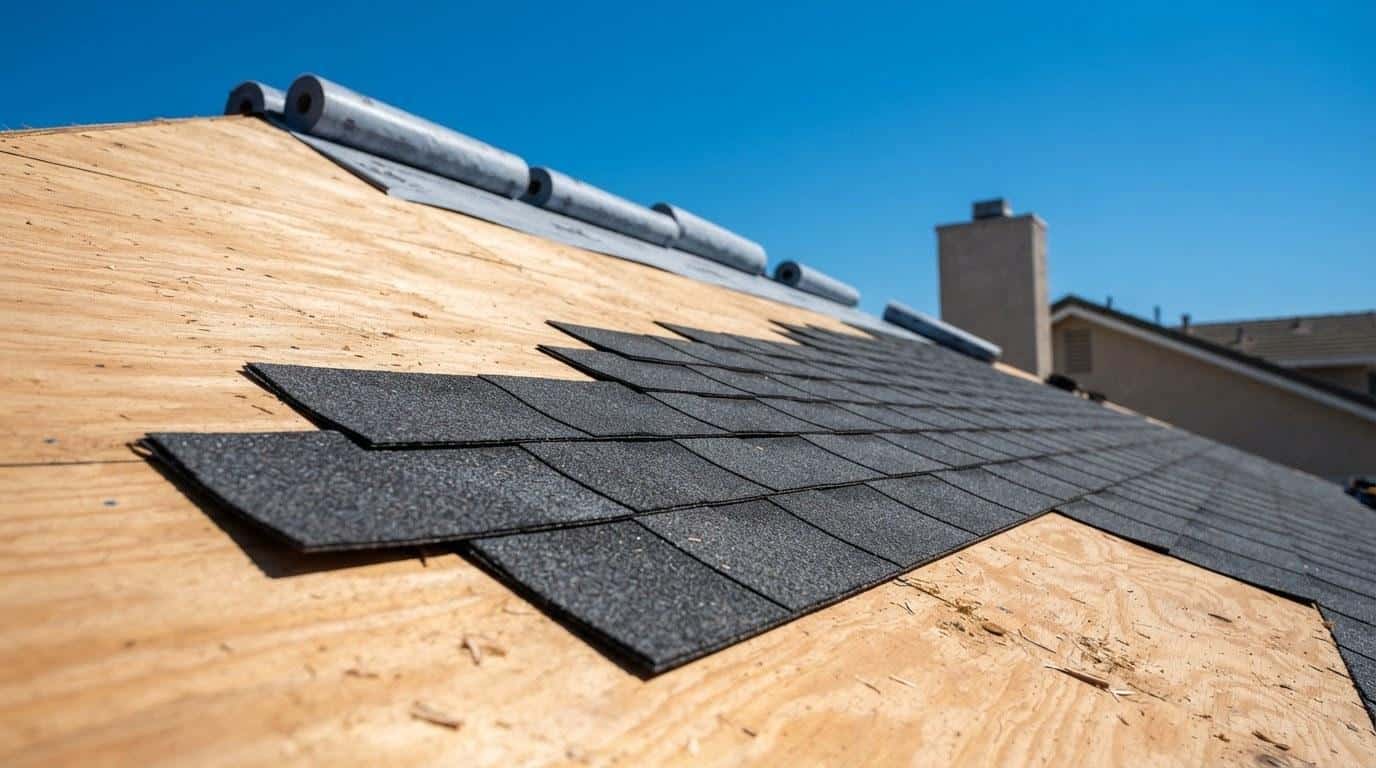
- Underlayment installation: A synthetic or felt underlayment is rolled out across the entire deck. This is your roof’s secondary water barrier.
- Flashing installation: New metal flashing is installed at all valleys, penetrations, chimneys, and edges before shingles or tile go on.
- Roofing material installation: Shingles, tile, or metal panels are installed from the eave up, following manufacturer specifications and local building code requirements.
- Inspection and sign-off: The local building department inspects the completed roof before the permit is closed. The contractor provides you with a copy of the permit and any manufacturer warranty documentation.
Across our service calls in Los Angeles County, we find that roughly 4 out of 10 homeowners who call for a repair end up needing a replacement once the decking is exposed — moisture damage is often invisible from the surface until the old material is removed.
Roughly 4 out of 10 homeowners who call for a repair end up needing a replacement once the decking is exposed — moisture damage is often invisible from the surface until the old material is removed.
Contractors licensed by the California Contractors State License Board (CSLB) are required to carry liability insurance and workers’ compensation. Always verify a contractor’s CSLB license number before signing any contract — you can check it at cslb.ca.gov.
Ready to Make the Right Call for Your Roof?
The fastest way to get a clear answer is a professional inspection by a licensed roofing contractor who can assess the actual condition of your decking, flashing, and roofing material — not just the surface you can see from the ground.
Hollywood Contractor Corp works with homeowners across Southern California to evaluate roofing conditions honestly and provide written estimates for both repair and replacement options. You get a clear picture of what your roof actually needs — not a one-size-fits-all recommendation.
Schedule your roof inspection or request a written quote today. Call Hollywood Contractor Corp at (818) 264-1955. Same-week appointments are available for homeowners across the region who want a professional assessment before making this important decision.
Explore our full range of General Contracting services.
Frequently Asked Questions
How do I know if my California roof needs replacing or just a repair?
If your roof is under 15 years old and the damage is limited to one area, a repair is usually sufficient. If the roof is 20 or more years old, has damage in multiple locations, or shows widespread granule loss and curling shingles, a full replacement is typically the better long-term investment. A professional inspection is the most reliable way to know for certain.
How much does a roof replacement cost in California?
In the California market, full roof replacements on a standard single-family home generally range from $8,000 to $25,000 or more, depending on the roof size, pitch, number of tear-off layers, and the materials chosen. Concrete tile and metal roofing cost more upfront than asphalt shingles but typically last 40 to 70 years. Request a written quote from a licensed contractor for an accurate number specific to your home.
Does California require a permit for roof replacement?
Yes, most California jurisdictions require a building permit for a full roof replacement. The permit ensures the work meets local building codes and California's Title 24 energy standards. A licensed contractor pulls the permit on your behalf before work begins. Skipping the permit can create problems with your homeowner's insurance and when you sell the home.
Can I get a tax credit for replacing my roof in California?
If you replace your roof with qualifying ENERGY STAR-rated cool-roof materials, you may be eligible for the Inflation Reduction Act federal tax credit, which covers up to 30 percent of the cost of qualifying energy-efficient home improvements through 2032. Talk to your tax advisor to confirm eligibility based on your specific materials and installation.
How long does a roof replacement take in California?
Most residential roof replacements in California are completed in one to four days, depending on the size of the home, the roofing material, and whether deck repairs are needed. Permit approval timelines can add a few days before work begins. Your contractor should give you a clear project schedule in writing before starting.