Fall Roof Inspection Checklist Before Installation Season Ends in California
California's rainy season arrives fast, and a damaged roof that goes unnoticed in October can turn into a costly leak by December. This checklist walks you through every inspection step so you can decide whether a repair or full replacement is needed before installation season closes.
Why Does Fall Roof Inspection Matter in California?
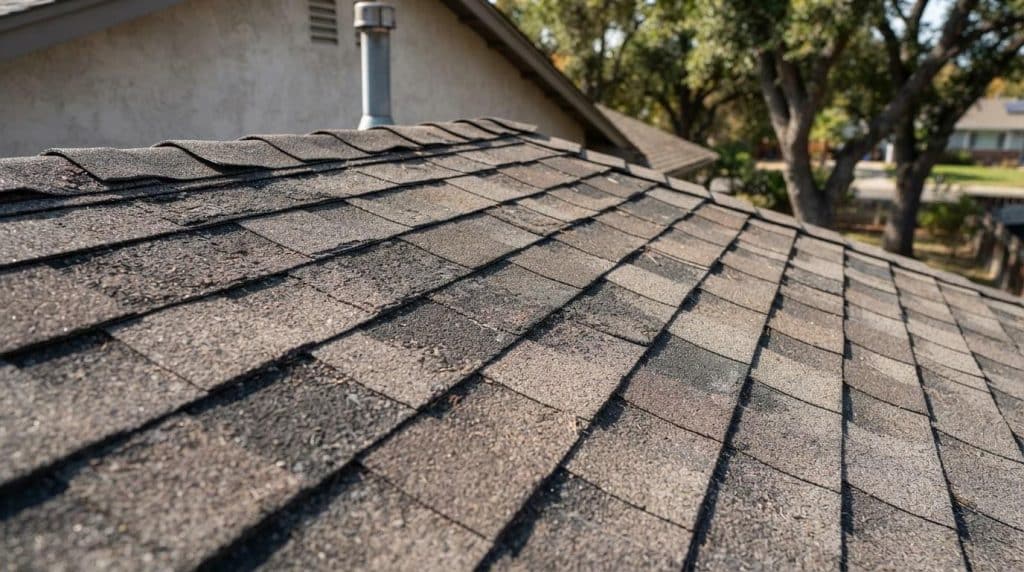
California’s dry summer months hide roof damage that only becomes obvious when the first heavy rain hits in November or December. Catching problems in October gives homeowners enough time to schedule a full installation before wet weather makes exterior work unsafe or impossible.
Southern California averages fewer than 15 inches of rain per year, but most of that total falls between November and March, according to NOAA climate data. A roof that absorbed months of UV exposure, Santa Ana wind, and heat expansion during summer is at its most vulnerable heading into that window.
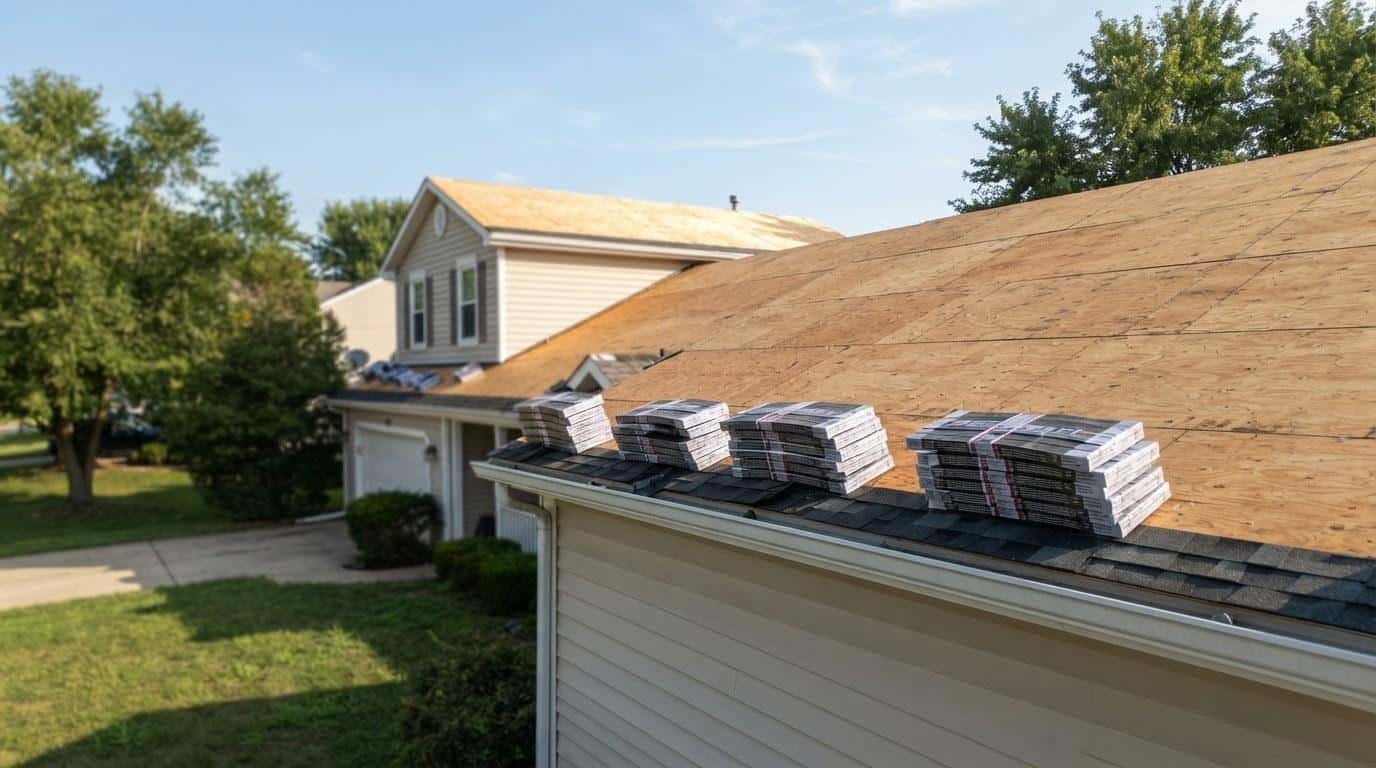
Roofing contractors across the region book up quickly in late October and early November. Homeowners who wait until the first storm often face a 3-to-6-week backlog, meaning they ride out early winter weather with a compromised roof. Running a thorough fall roof inspection checklist for California now puts you ahead of that crunch.
What Does a Complete Fall Roof Inspection Checklist for California Cover?
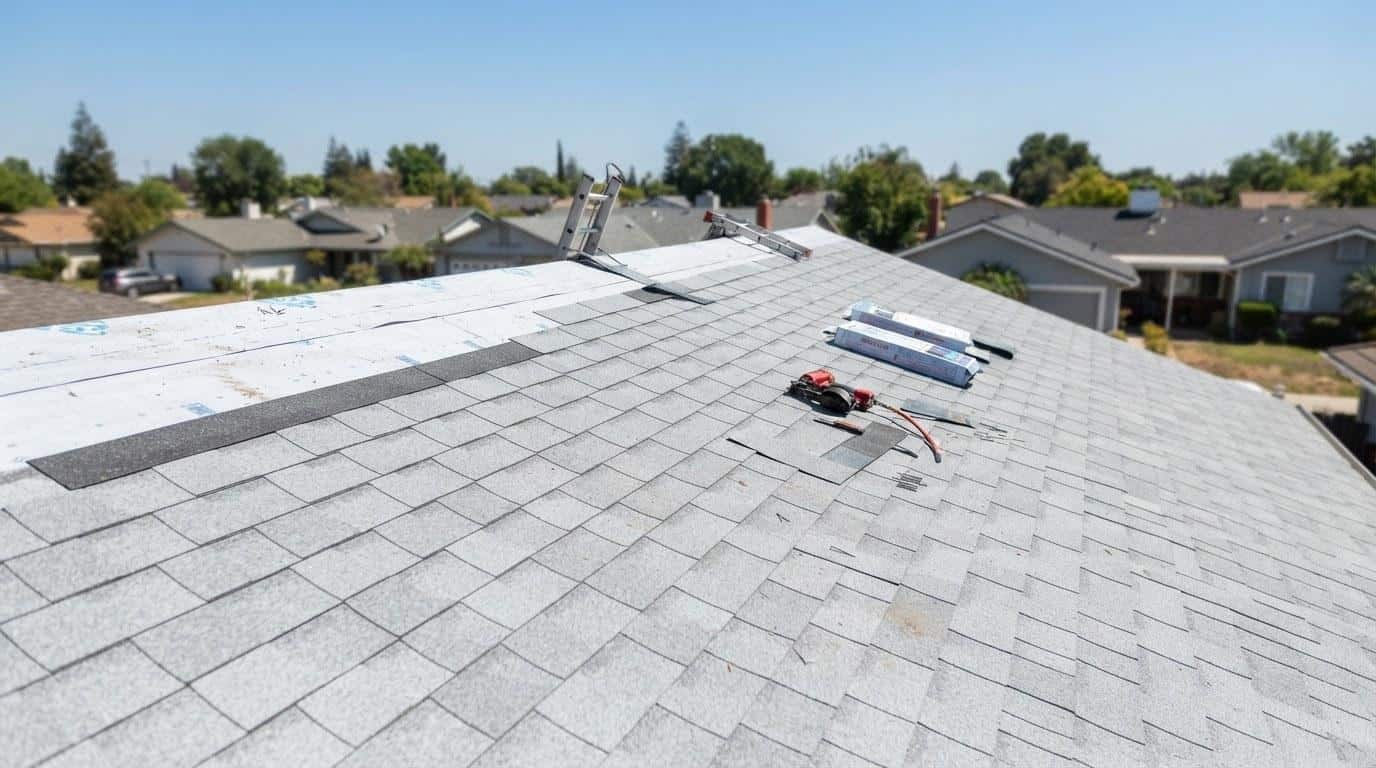
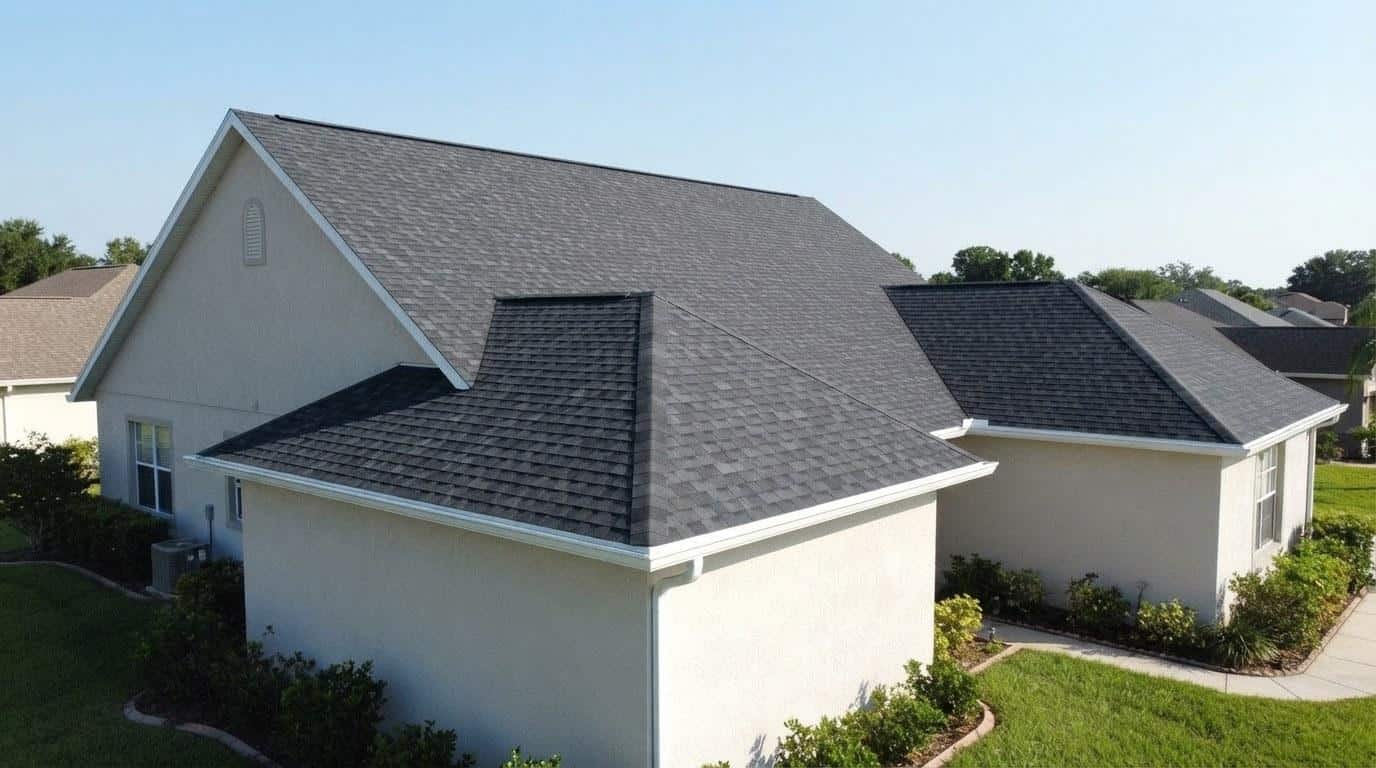
A thorough fall roof inspection checklist for California covers seven zones: shingles or tiles, flashing, ridge and hip lines, gutters and downspouts, fascia and soffits, roof decking, and the attic interior. Missing any one zone can leave a leak path undetected.
Work through each zone systematically. Use binoculars from the ground for a safe first pass, then arrange a ladder inspection or hire a licensed contractor for a close-up look at anything that raises concern.
Shingles and Tiles
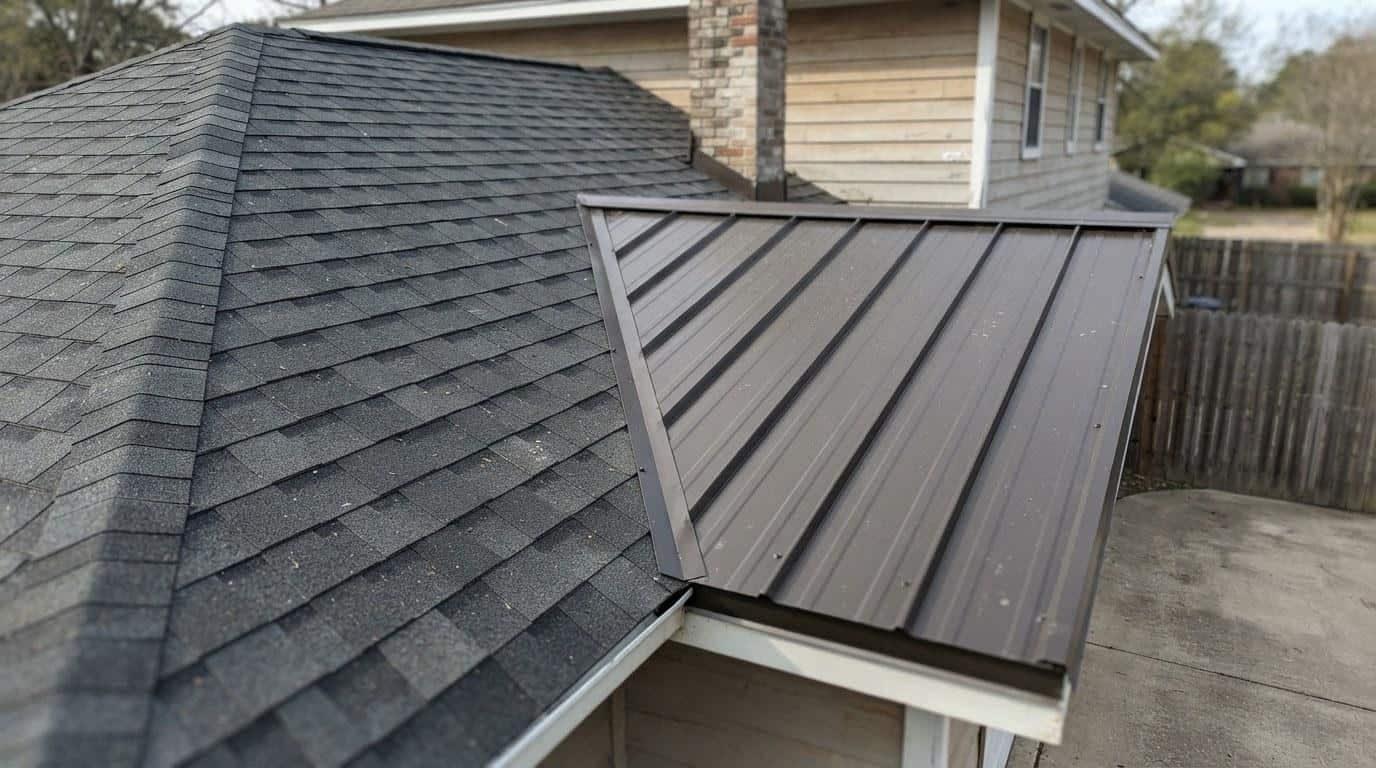
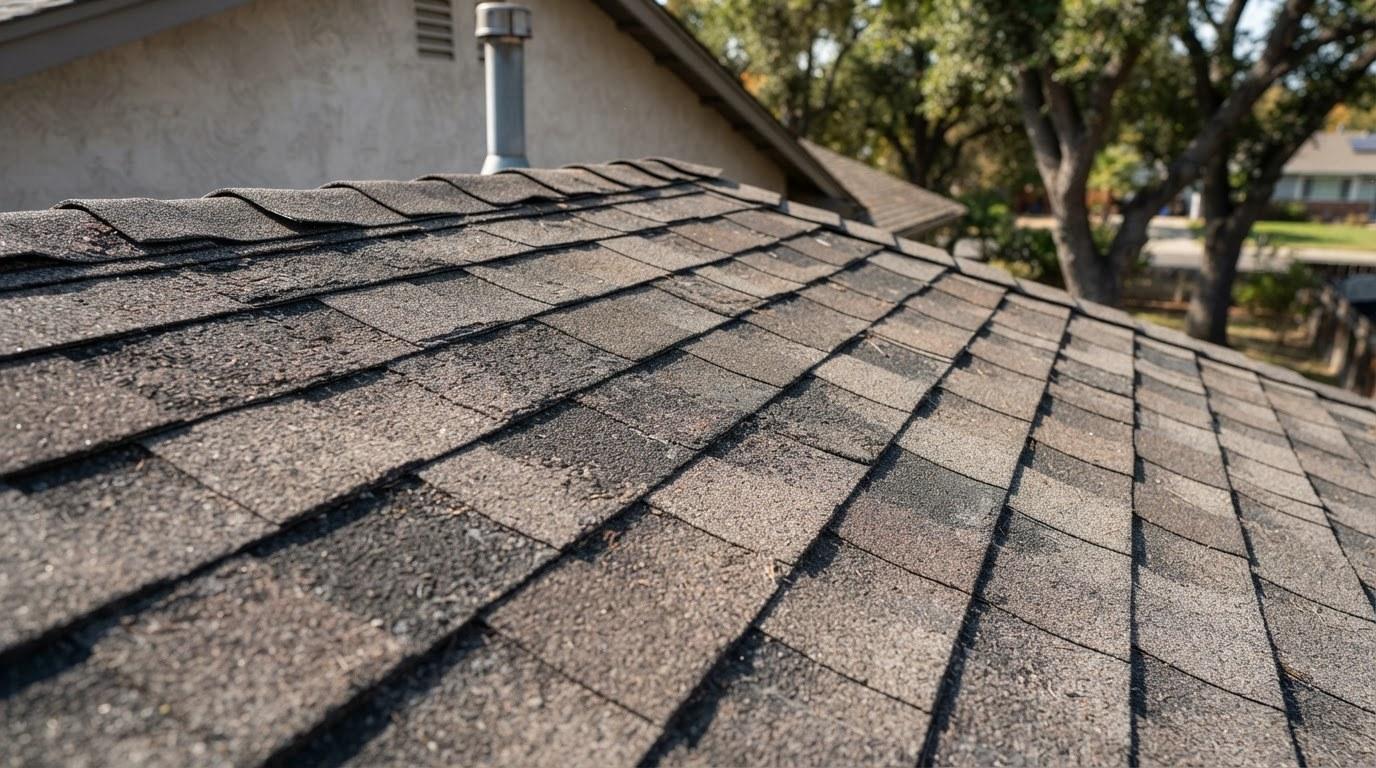
- Curling or cupping edges: Asphalt shingles curl upward at the edges when they are drying out. This typically appears after 15 to 20 years of service.
- Missing granules: Bare patches on asphalt shingles expose the fiberglass mat underneath and accelerate aging. Heavy granule loss in gutters is a red flag.
- Cracked or broken tiles: Clay and concrete tiles common in Southern California can crack from thermal cycling or debris impact. Even a single cracked tile creates a direct water path.
- Missing shingles or tiles: Any gap in the field is an immediate leak risk. Count missing pieces during your inspection.
- Moss or algae growth: Green or black streaking holds moisture against the surface and shortens the roof’s lifespan by several years.
Flashing
- Lifted or separated flashing: Metal flashing around chimneys, skylights, vents, and valleys should lie flat and sealed. Any gap wider than 1/8 inch is a problem.
- Rust or corrosion: Galvanized steel flashing in coastal areas of Los Angeles County and Orange County can rust within 10 to 15 years due to salt air exposure.
- Missing caulk or sealant: Dried or cracked sealant along flashing edges is one of the most common sources of attic moisture in California homes.
Gutters and Downspouts
- Granule accumulation: A heavy layer of granules in the gutter after summer indicates significant shingle wear.
- Sagging or pulling away from fascia: Gutters that have separated from the fascia board can direct water behind the siding or into the wall cavity.
- Blocked downspouts: Debris from summer fires or dry-season winds can pack downspouts solid. Test each one with a garden hose before the rains arrive.
Fascia, Soffits, and Decking
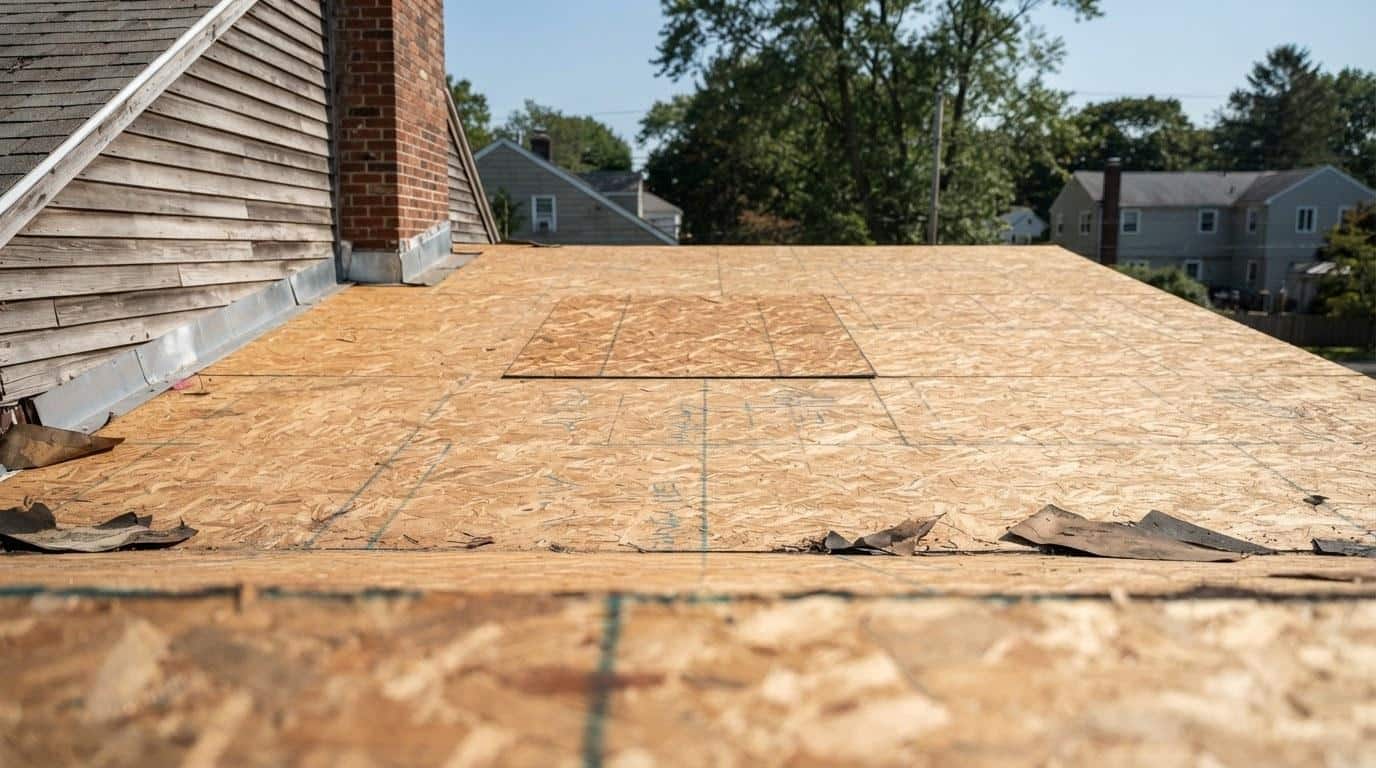
- Soft or spongy fascia boards: Press on the fascia with your hand. Softness indicates rot from previous seasons’ water intrusion.
- Paint peeling on soffits: Peeling paint on the underside of the eaves often signals moisture migrating from the roof deck above.
- Visible daylight in the attic: Standing in the attic during daylight and looking up should reveal zero light penetration through the deck. Any pinhole of light is a breach.
Attic Interior
- Water stains on rafters or sheathing: Brown or black staining on wood members indicates past or active leaks.
- Mold or mildew odor: Mold can establish itself within 24 to 48 hours of moisture intrusion and spreads quickly in an enclosed attic space.
- Inadequate insulation depth: California’s Title 24 building energy standards require specific insulation R-values by climate zone. A roof replacement is the ideal time to bring insulation up to code.
How Do You Know If You Need a Repair or a Full Roof Installation?
Roofs showing damage in more than 30 percent of their surface area, or those over 20 years old with multiple failure points, almost always cost more to repair repeatedly than to replace once. A single-zone problem on a roof under 15 years old is typically a strong repair candidate.
Roofs showing damage in more than 30 percent of their surface area, or those over 20 years old with multiple failure points, almost always cost more to repair repeatedly than to replace once.
Our crews see this pattern consistently: on roofs installed before 2005, spot repairs often last only one or two seasons before a new leak opens nearby. Replacing the full system on those older roofs eliminates the cycle and brings the home into compliance with current California Title 24 energy standards, which have tightened significantly since the 2022 update cycle.
| Condition | Roof Age | Recommended Action | Urgency Before Winter |
|---|---|---|---|
| 1-2 missing shingles, no deck damage | Under 15 years | Spot repair | Moderate: complete within 2 weeks |
| Cracked flashing, minor sealant failure | Any age | Flashing replacement and reseal | Moderate: complete within 2 weeks |
| Widespread granule loss, curling across multiple slopes | 15 to 20 years | Full replacement evaluation | High: schedule inspection immediately |
| Soft decking, active attic moisture, mold present | Any age | Full replacement including deck repair | Critical: do not wait for rain |
| Broken tiles covering more than 30% of field | Over 20 years | Full replacement | Critical: do not wait for rain |
| Moss or algae growth, no structural damage | Under 15 years | Chemical treatment and preventive coating | Low: complete before spring |
In the regional market, spot repairs on asphalt shingle roofs typically range from $300 to $1,500 depending on the number of damaged sections and accessibility. Full asphalt shingle replacements on a standard single-story California home generally range from $8,000 to $18,000, while tile roof replacements commonly range from $12,000 to $30,000 or more, depending on tile type, roof complexity, and whether the decking needs replacement. These are market ranges, not quotes. Contact Hollywood Contractor Corp at (818) 264-1955 for a written estimate specific to your home.
What Should Each Season’s Roof Maintenance Include?
Roof maintenance is a year-round task in California, but fall is the single most important season because it sits between summer damage accumulation and winter stress. Each season has a distinct set of tasks that keep the system performing between major inspections.
Fall (October to November)
- Complete the full fall roof inspection checklist for California as outlined above.
- Clear all gutters and downspouts of summer debris before the first rain.
- Trim tree branches within 6 feet of the roof surface to reduce abrasion and debris load.
- Inspect and reseal all flashing penetrations.
- Schedule a professional inspection if any red flags appear during the DIY walkthrough.
Winter (December to February)
- Check the attic after each significant rain event for new staining or moisture.
- Clear gutters of leaves that blow in during early winter storms.
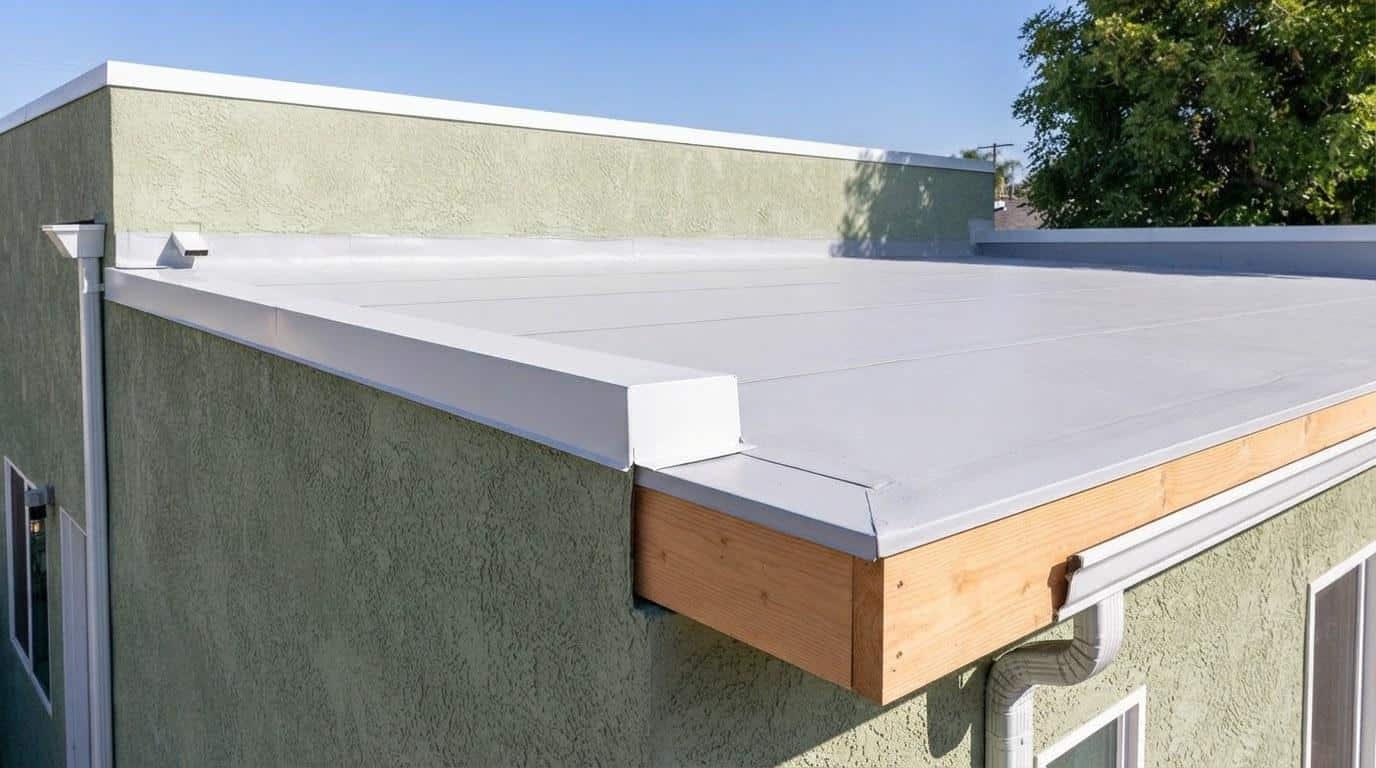
- Look for ponding water on flat or low-slope sections after heavy rain.
Spring (March to May)
- Inspect for any damage caused by winter rain, wind, or debris.
- Check flashing and sealants for movement caused by winter thermal cycling.
- Address any moss or algae growth before it spreads through summer.
Summer (June to September)
- Inspect after any Santa Ana wind events for displaced tiles or shingles.
- Check attic ventilation to prevent heat buildup above 150 degrees Fahrenheit, which accelerates shingle aging.
- Document any visible wear to compare against the fall inspection.
What Does a Professional Roof Inspection Include?
A professional roof inspection typically takes 45 to 90 minutes and covers every zone a homeowner would check plus structural elements that require physical access, specialized tools, or training to evaluate safely. The inspector produces a written report with photographs documenting each finding.
A licensed contractor will walk the roof surface to check for soft spots in the decking, measure flashing gaps with precision, and probe suspect areas with a moisture meter. Moisture meters detect saturation in wood sheathing that looks dry to the eye but holds enough water to begin rotting within one season.
The inspection also covers roof-to-wall connections, ridge cap condition, valley liner integrity, and the condition of any skylights or solar panel penetrations. If the home has an ADU or a recent home addition, the inspector will check that the addition’s roofline ties into the main structure without creating a trapped valley where water pools.
Contractors licensed by the California Contractors State License Board (CSLB) are required to carry liability insurance, which protects homeowners if an inspector is injured on the property during the walkthrough. Always verify a contractor’s CSLB license number before allowing anyone on your roof.
Our inspectors find active decking rot in roughly 1 out of every 4 homes where the homeowner reported only a minor shingle issue, which is why the attic walkthrough is non-negotiable on any roof over 15 years old.
Our inspectors find active decking rot in roughly 1 out of every 4 homes where the homeowner reported only a minor shingle issue, which is why the attic walkthrough is non-negotiable on any roof over 15 years old.
What Warning Signs Should You Watch for Between Inspections?
Six warning signs indicate a roof problem that needs attention before the next scheduled inspection: interior water stains, daylight visible in the attic, sagging roof planes, granules in the gutters after rain, unexplained spikes in energy bills, and peeling interior paint near exterior walls.
- Interior water stains on ceilings or walls: Brown or yellow rings on drywall almost always trace back to a roof breach. The stain location rarely matches the leak source, which can be several feet away.
- Sagging roof planes: A roofline that dips or waves between rafters signals decking failure or rafter damage. This is a structural issue requiring immediate evaluation.
- Granules in gutters after rain: Some granule shedding is normal on new roofs in the first year. Heavy granule loss on a roof older than 5 years means the protective surface layer is failing.
- Unexplained energy bill increases: A compromised roof or attic insulation allows conditioned air to escape. The U.S. Department of Energy estimates that air sealing and insulation improvements can reduce heating and cooling costs by 10 to 20 percent in homes with degraded building envelopes.
- Peeling paint near exterior walls: Moisture migrating through the roof system can reach wall cavities and cause interior paint to bubble or peel, especially in rooms directly below the roof deck.
- Daylight visible in the attic: Any pinpoint of light coming through the roof deck during a daytime attic inspection is a breach that needs sealing before rain arrives.
- Chimney or skylight leaks after rain: Water appearing around a fireplace or skylight within 24 hours of rain almost always indicates failed flashing, not a problem with the chimney or skylight unit itself.
Schedule Your Roof Inspection Before the Rains Arrive
October and early November are the last reliable weeks of dry weather across most of California. Waiting until the first storm to discover a roof problem means competing with hundreds of other homeowners for the same limited pool of licensed contractors.
Hollywood Contractor Corp serves homeowners across Southern California with full roof inspections, installation, and replacement. Whether your inspection reveals a small flashing repair or a full system replacement, the team can walk you through your options and provide a written quote before any work begins. Call (818) 264-1955 to schedule your inspection now, while dry-weather installation days are still available.
Explore our full range of General Contracting services.
Frequently Asked Questions
When is the best time to do a roof inspection in California?
October is the best month for a fall roof inspection in California. It falls after summer heat and Santa Ana winds have done their damage but before November rains arrive. Completing the inspection in October leaves enough dry-weather days for a contractor to finish any repairs or a full installation before December.
How much does a roof replacement cost in Southern California?
In the Southern California market, asphalt shingle roof replacements on a standard single-story home typically range from $8,000 to $18,000. Tile roof replacements generally range from $12,000 to $30,000 or more, depending on tile type, roof complexity, and whether the decking needs to be replaced. These are regional market ranges. Call Hollywood Contractor Corp at (818) 264-1955 for a written quote specific to your home.
How do I know if my roof needs to be replaced or just repaired?
Roofs showing damage across more than 30 percent of their surface, or those over 20 years old with multiple failure points, usually cost more to repair repeatedly than to replace once. A single isolated problem on a roof under 15 years old is typically a good repair candidate. A licensed contractor can give you a written assessment after a physical inspection.
What does a fall roof inspection checklist for California include?
A complete fall roof inspection checklist for California covers shingles or tiles, flashing, ridge and hip lines, gutters and downspouts, fascia and soffits, roof decking, and the attic interior. Each zone has specific warning signs to look for. Missing any zone can leave a leak path undetected heading into winter.
Can I do a roof inspection myself or do I need a professional?
Homeowners can do a safe first-pass inspection from the ground using binoculars to check for missing shingles, sagging planes, and visible flashing problems. However, a licensed contractor is needed to walk the roof surface, probe for hidden deck rot with a moisture meter, and evaluate structural connections. Any roof over 15 years old or showing multiple warning signs warrants a professional inspection before winter.