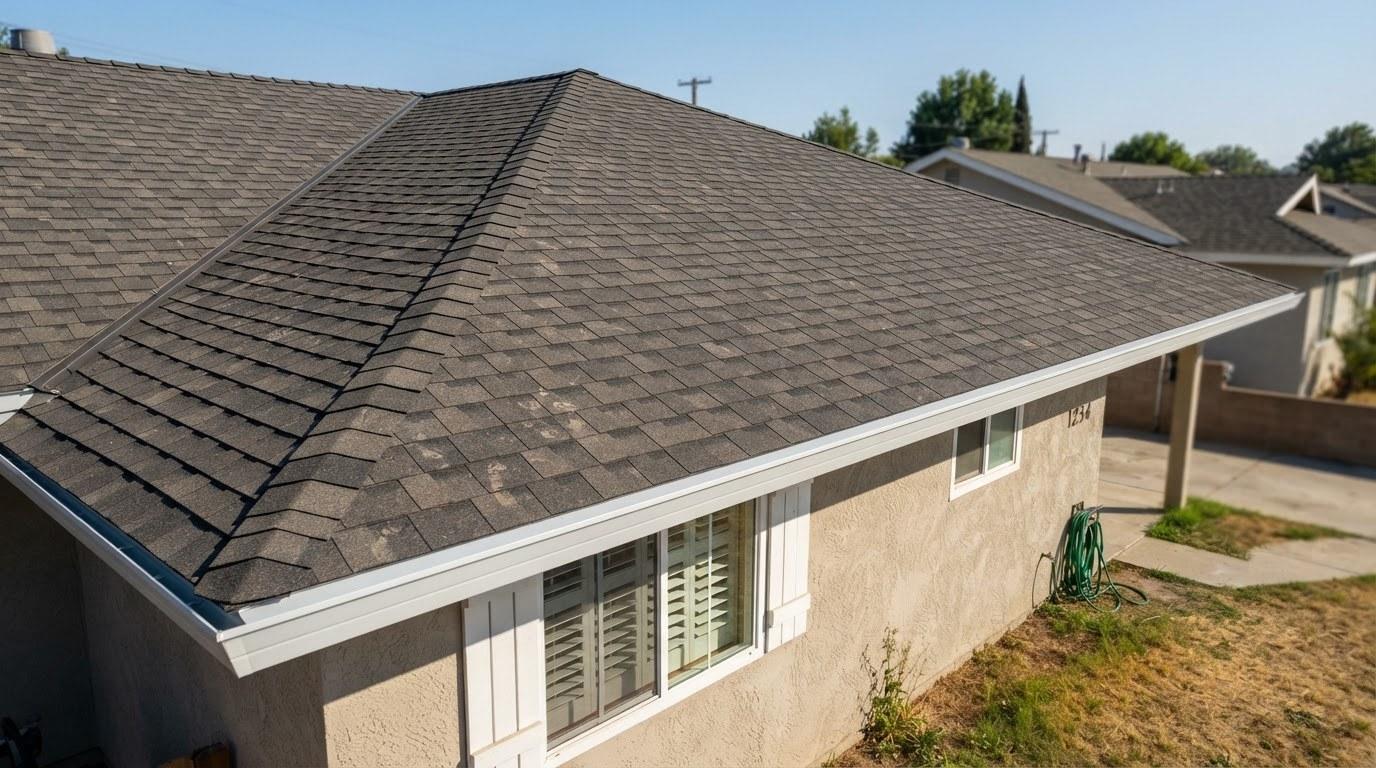
Roof Installation for Rental Properties: What California Landlords Need to Budget
A new roof on a rental property is one of the largest capital expenses a California landlord will face, and the financial and legal details go well beyond what a typical homeowner deals with. This guide walks through costs, depreciation, permits, and tenant coordination so you can plan the project without surprises.
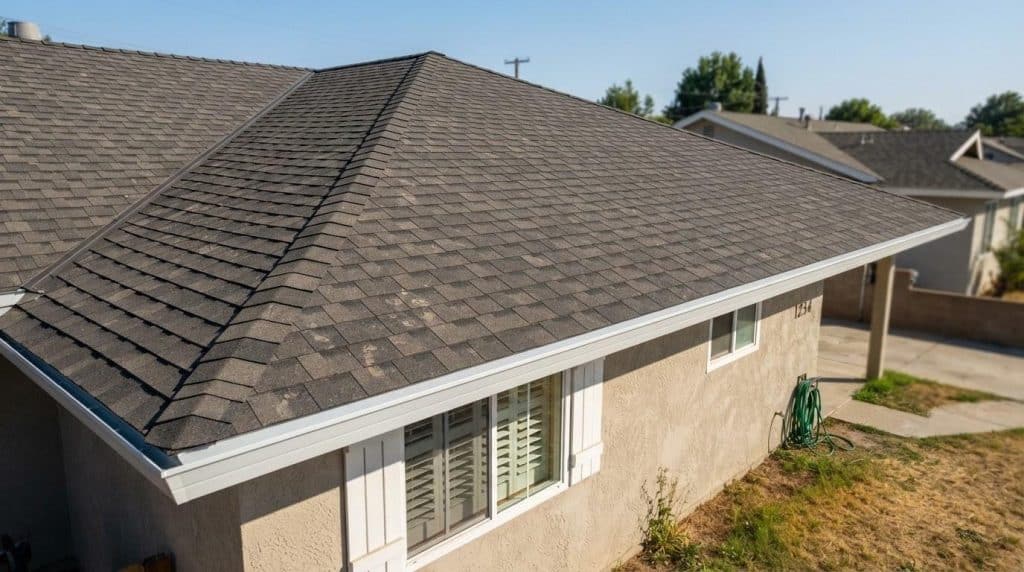
A full roof installation on a California rental property typically costs between $8,000 and $25,000 for a standard single-family home, and the project carries tax, permit, and tenant obligations that a simple homeowner replacement does not. This roof installation rental property california guide covers everything landlords need to know: realistic cost ranges, the right materials for long-term rental use, IRS depreciation rules, California permit requirements, and how to keep tenants informed so the project goes smoothly.
How Much Does Roof Installation Cost for a California Rental Property?
In the Southern California regional market, full roof installation on a single-family rental typically ranges from $8,000 to $25,000, with most 1,500- to 2,500-square-foot homes landing between $10,000 and $18,000. Multi-unit buildings, steep-slope roofs, or flat commercial-style roofs on a fourplex push costs higher, sometimes past $40,000.
Several factors move the final number significantly. Understanding them helps landlords build an accurate reserve budget rather than relying on a ballpark figure.
| Cost Factor | Lower-Cost Scenario | Higher-Cost Scenario |
|---|---|---|
| Roof size | Under 1,500 sq ft | Over 3,000 sq ft or multi-unit |
| Material choice | 3-tab asphalt shingles | Concrete tile or metal roofing |
| Roof pitch | Low slope (2:12 to 4:12) | Steep slope (7:12 or greater) |
| Decking condition | Solid sheathing, no rot | Partial or full decking replacement needed |
| Layers to remove | Single existing layer | Two or more layers (California code limits stacking) |
| Permit and inspection fees | Standard residential permit | Multiple-unit building or coastal zone |
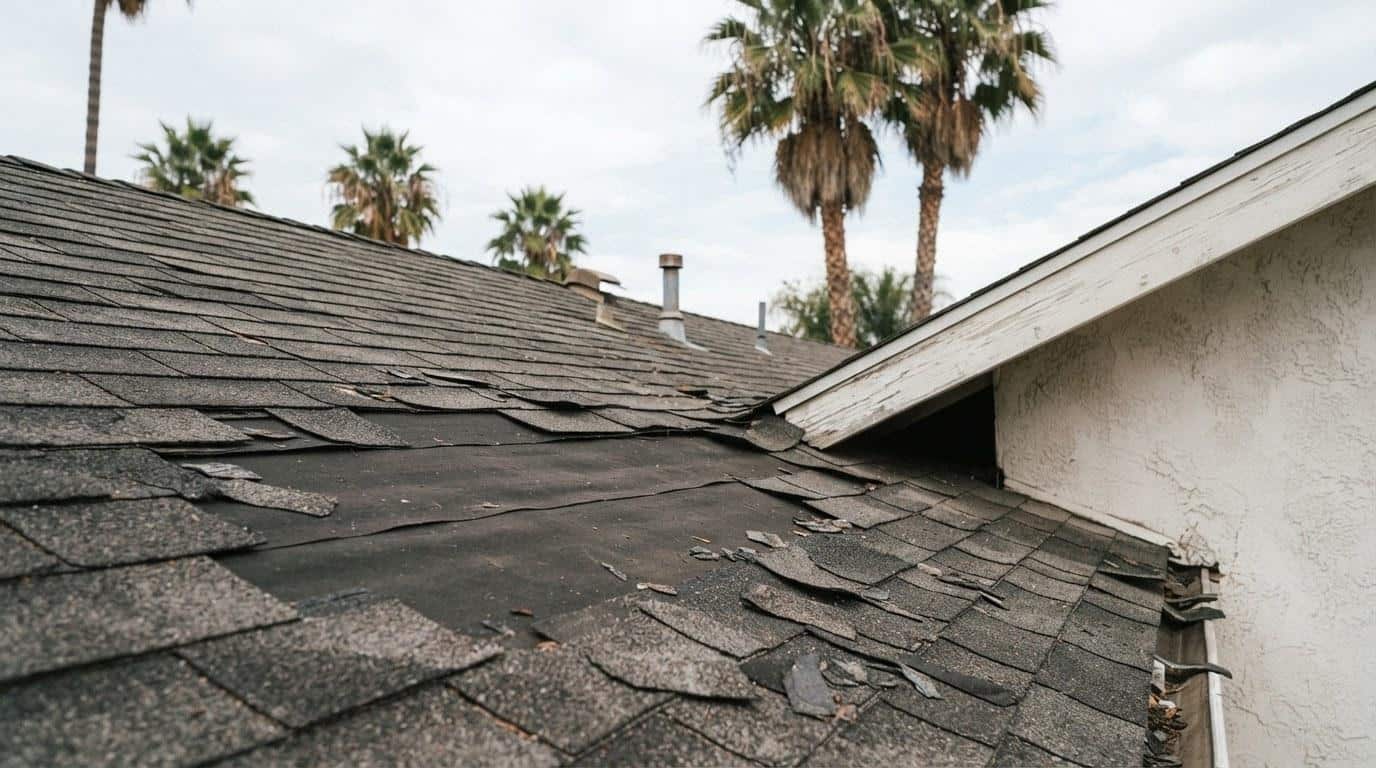
Tear-off of old shingles alone adds roughly $1,000 to $3,000 to a project, depending on how many layers exist and how accessible the roof is. Landlords who deferred maintenance for more than 15 years often discover rotted decking once the old material comes off, adding another $500 to $2,500 in sheathing costs.
Always request a custom quote that includes permit fees, decking inspection, and disposal. Those line items are frequently left out of low bids that look attractive upfront. Call (818) 264-1955 to get an itemized estimate from Hollywood Contractor Corp.
What Roofing Materials Work Best for Rental Properties?
Architectural (dimensional) asphalt shingles are the most cost-effective choice for most California rental properties, offering a 25- to 30-year rated lifespan at a lower installed cost than tile or metal. For landlords focused on long-term hold periods, concrete tile and standing-seam metal offer lifespans of 40 to 50 years but carry higher upfront costs.
The right material depends on three landlord-specific factors: how long you plan to hold the property, what your insurance carrier requires, and what the local homeowners association (HOA) or municipal design standards allow. Many communities across Los Angeles County and surrounding counties restrict roof color and material on visible street-facing slopes.
- 3-tab asphalt shingles: Lowest upfront cost, rated for 20 to 25 years, acceptable for entry-level rentals where budget is the priority.
- Architectural asphalt shingles: The most popular choice for rentals. Rated for 25 to 30 years, better wind resistance (up to 130 mph in many products), and qualify for ENERGY STAR efficiency ratings in cool-roof versions that can lower attic temperatures.
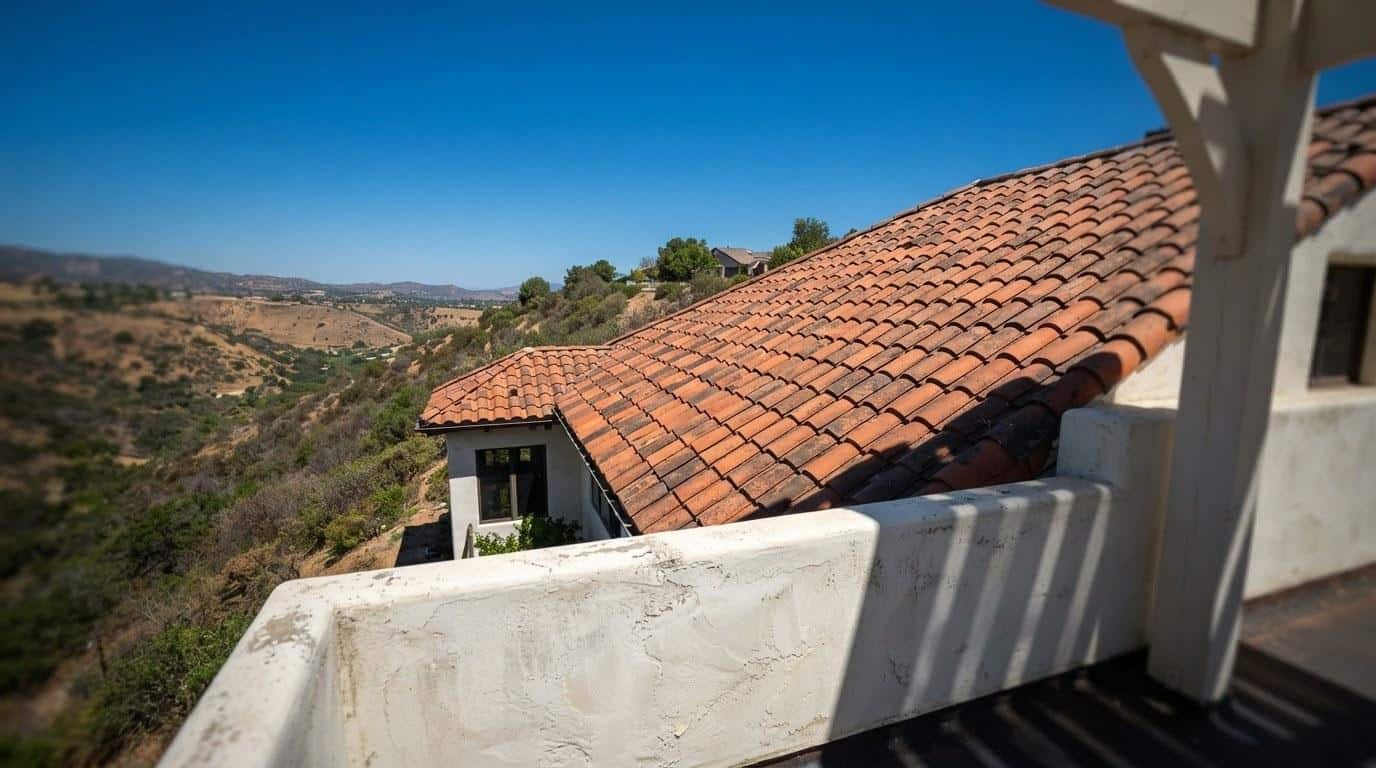
- Concrete or clay tile: Common across Southern California. Lifespan of 40 to 50 years makes the higher cost easier to justify over a long hold. Heavier than shingles, so the structure must support the added load.
- Standing-seam metal: Increasingly popular for flat or low-slope sections. Lifespan of 40 to 50 years, low maintenance, and qualifies for federal energy incentives when it meets solar-reflectance standards.
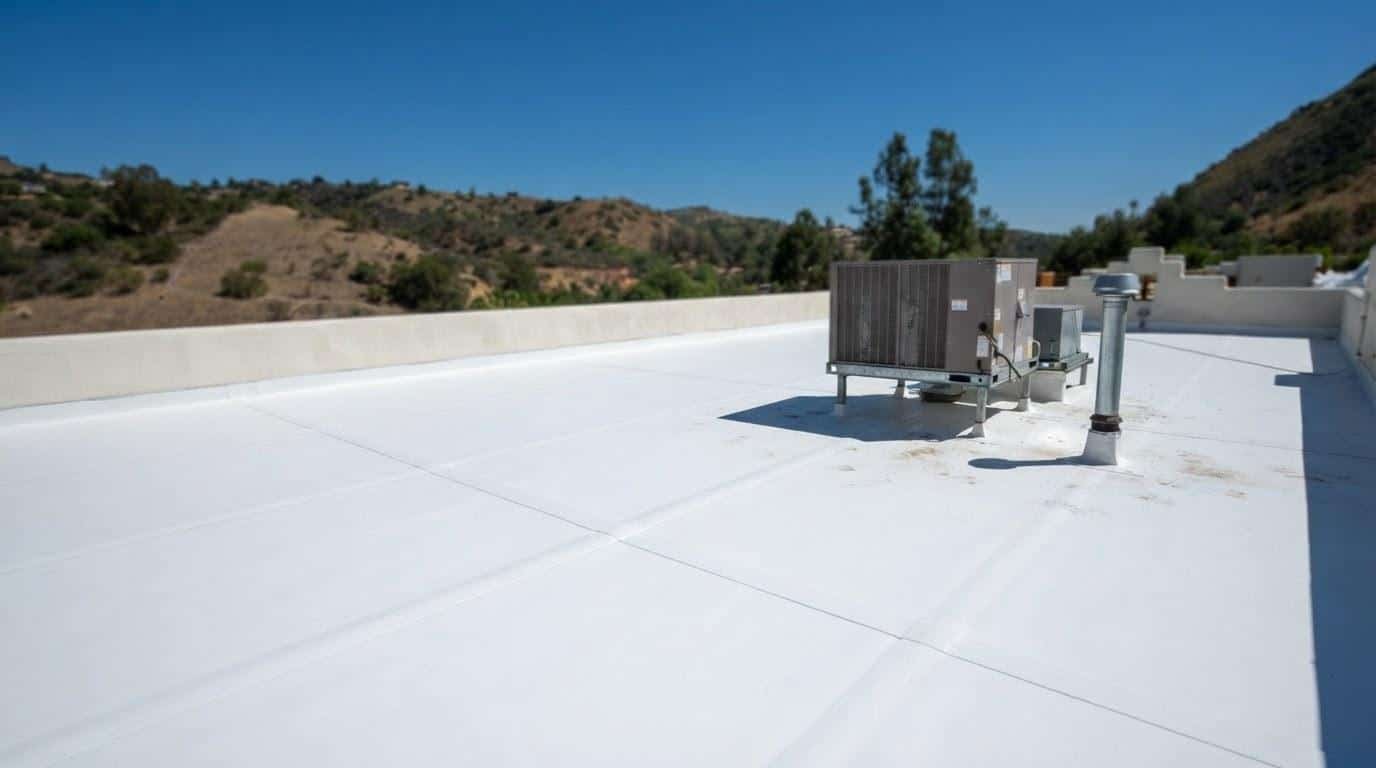
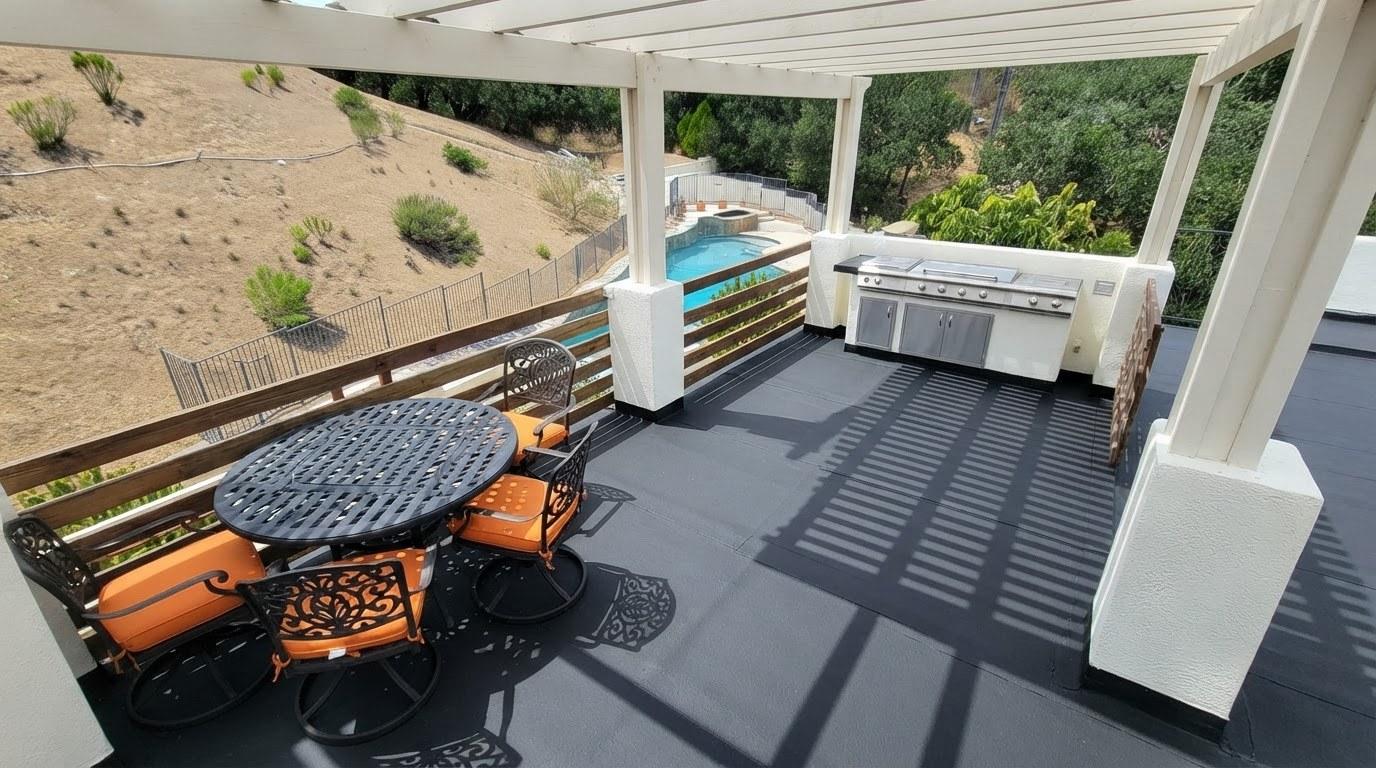
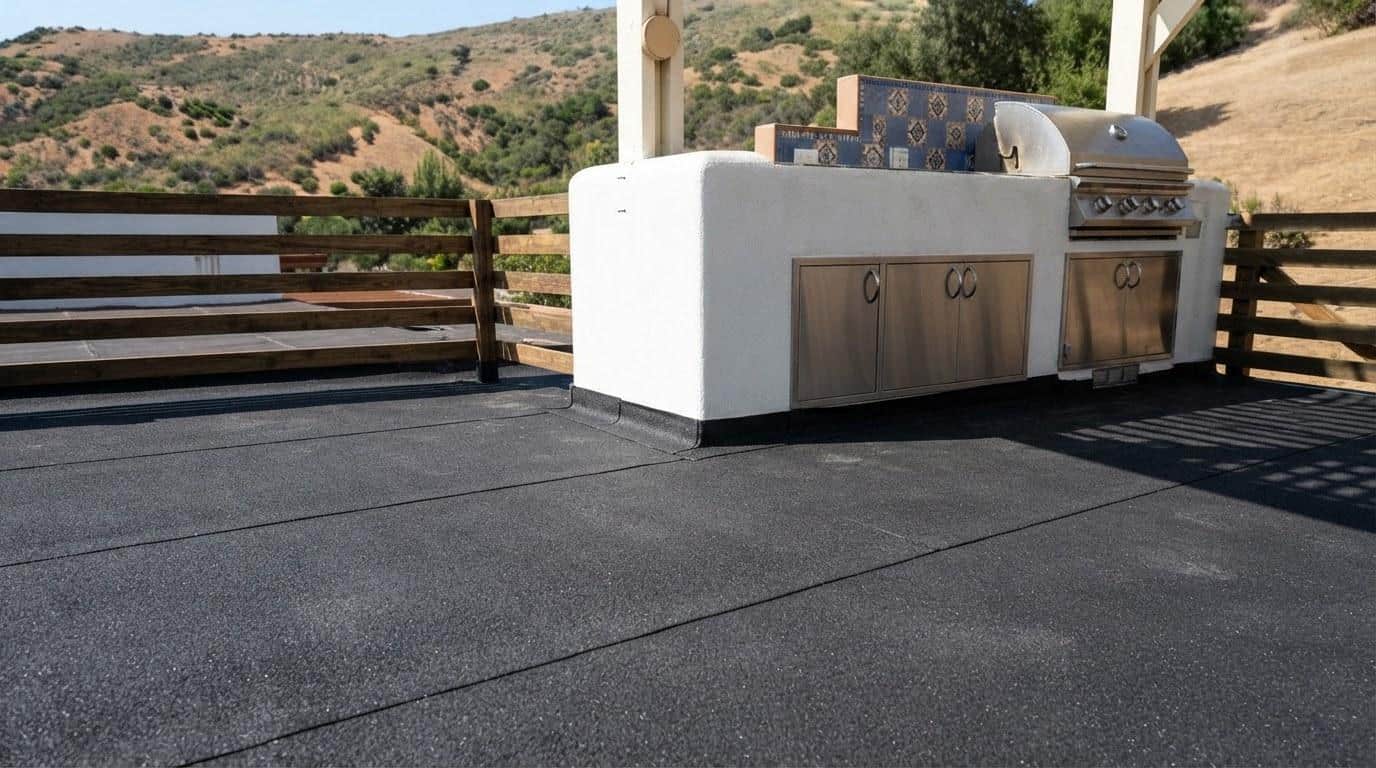
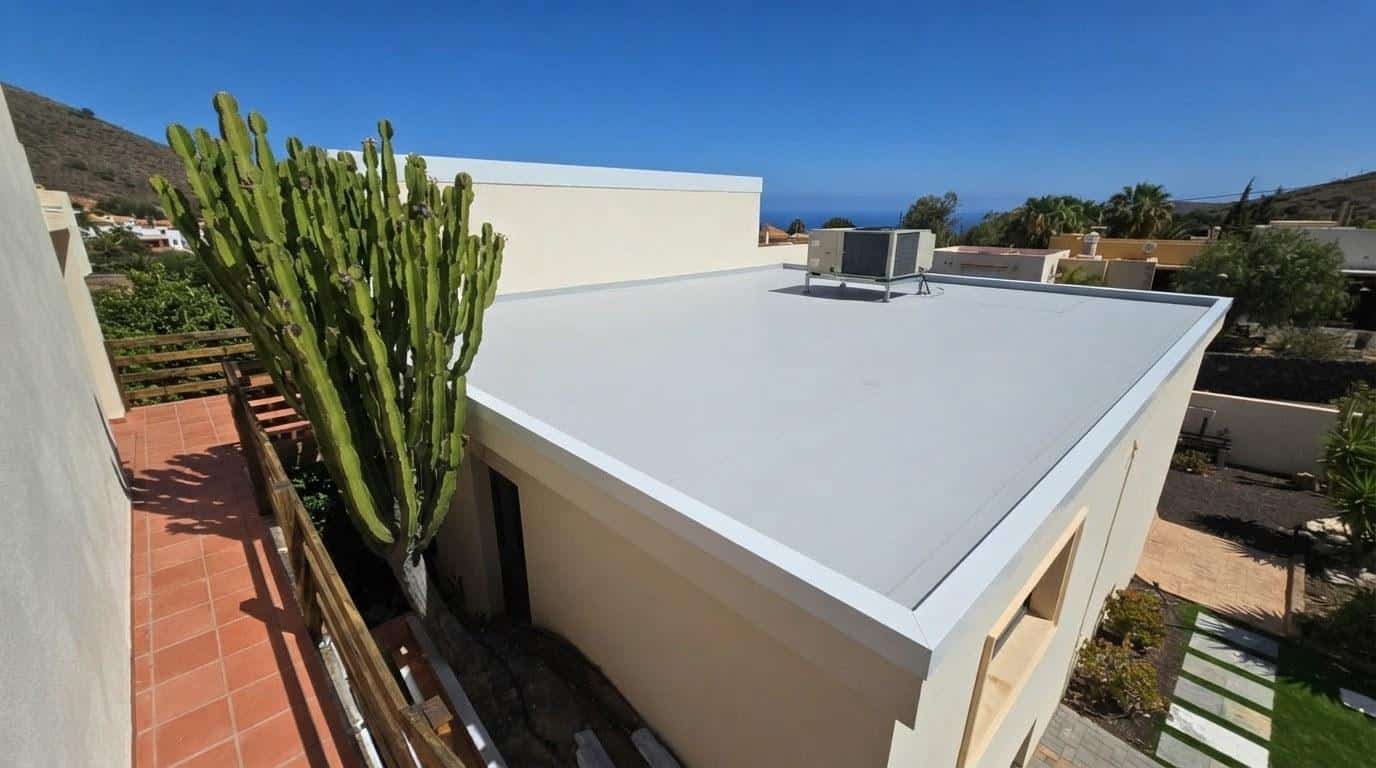
- Modified bitumen or TPO (flat roofs): Standard for flat-roof rental buildings. Lifespan of 15 to 25 years depending on membrane thickness and maintenance. Annual inspections are strongly recommended.
Our team replaces roofing on rental properties across Southern California every month, and we consistently see landlords choose architectural shingles on sloped roofs and TPO membranes on flat sections of the same building. That combination balances first cost against maintenance demand over a typical 10-year hold period.
For landlords who want to qualify for the Inflation Reduction Act federal tax credit, cool-roof products that meet Energy Star requirements on certain building types may be eligible. Confirm with a tax professional because the credit rules differ for rental versus owner-occupied properties.
How Does Roof Depreciation Work for California Landlords?
The IRS treats a new roof on a residential rental property as a capital improvement that must be depreciated over 27.5 years using the Modified Accelerated Cost Recovery System (MACRS), not deducted as a one-time expense in the year of installation. This is one of the most misunderstood tax rules landlords face when budgeting a major roof project.
What that means in practice: if you spend $15,000 on a new roof, you deduct roughly $545 per year for 27.5 years, not $15,000 in year one. The calculation uses the straight-line method under IRS Publication 527 (Residential Rental Property), which covers all the depreciation rules specific to landlords.
There are two important exceptions landlords should discuss with a CPA:
- Repair vs. improvement distinction: If work is classified as a repair (patching a section, replacing a few shingles), it may be deducted in the current year. A full replacement is always a capital improvement and must be depreciated.
- Bonus depreciation and Section 179: As of 2025, bonus depreciation rules have changed under the Tax Cuts and Jobs Act. Certain components of a roofing project may qualify for accelerated treatment depending on how they are classified. A tax professional familiar with rental real estate should review the invoices before you file.
- Cost segregation: Larger multi-unit landlords sometimes use cost segregation studies to accelerate depreciation on specific building components. This is most cost-effective on properties valued above $500,000.
From a cash-flow planning standpoint, landlords should budget the full project cost out of pocket or through financing and plan for the tax benefit to arrive gradually over nearly three decades. Do not assume the tax savings will offset the cash outlay in year one.
What Permits Do You Need for a Rental Property Roof in California?
California requires a building permit for any full roof replacement, and most jurisdictions require a final inspection before the permit is closed. Skipping the permit on a rental property creates serious liability: if a tenant is injured due to a roofing defect on unpermitted work, the landlord’s insurance may deny the claim.
Permit requirements are set at the city or county level, but all California jurisdictions enforce the California Residential Code (CRC) and California’s Title 24 building energy standards, which include cool-roof requirements for low-slope roofs. As of the 2022 Title 24 update, low-slope roofs (2:12 or less) on climate zones throughout California must meet specific solar reflectance and thermal emittance values.
Key permit-related steps for landlords:
- Your licensed contractor pulls the permit before any work begins. Verify this before the crew arrives on site.
- The permit is posted at the property during construction. This is required by California law.
- A building inspector visits the site during or after installation to verify compliance with the CRC and local amendments.
- The permit is closed with a final sign-off. Keep this document with your property records permanently.
- Update your insurance carrier once the permit is closed. A new roof often qualifies for a premium reduction.
Contractors who are licensed by the California Contractors State License Board (CSLB) are required to pull permits for work that requires them. If a contractor tells you a permit is not needed for a full replacement, treat that as a red flag. You can verify any contractor’s CSLB license status at cslb.ca.gov.
How Should Landlords Coordinate Roof Work With Tenants?
California Civil Code Section 1954 requires landlords to give tenants at least 24 hours written notice before entering the property, but for a multi-day roofing project, 7 to 14 days advance notice is a better practice. Roof work is loud, generates debris, and can temporarily block access to parts of the property. Managing tenant expectations upfront prevents complaints and potential legal disputes.
Here is a practical coordination checklist for landlords:
- Written notice: Deliver written notice at least 7 days before the start date. Include the expected duration (most residential roofs take 1 to 3 days), the contractor’s name, and a contact number for questions.
- Parking and access: Alert tenants that the driveway or parking area may be blocked by a dumpster or materials delivery. Arrange alternative parking if the property has a shared lot.
- Noise hours: Most California cities restrict construction noise to daytime hours, typically 7 a.m. to 7 p.m. on weekdays. Confirm local ordinances and share the work schedule with tenants.
- Pet and child safety: Roofing generates falling debris and nails. Advise tenants with children or pets to keep them away from the perimeter of the building during active work hours.
- Interior protection: Vibration from tear-off can shake items off shelves and walls. Warn tenants to secure fragile items, especially in attic-adjacent rooms.
- Completion confirmation: After the final inspection, send tenants a brief note confirming the work is complete and the permit has been closed.
Across our service calls on occupied rental properties, we see roughly 80% of tenant complaints stem from inadequate advance notice, not from the work itself. A simple letter mailed 10 days before the crew arrives eliminates most friction.
Common Budgeting Mistakes Landlords Make on Roof Projects
The most common mistake is treating the lowest bid as the total project cost, when the real number often runs 15% to 25% higher once permits, decking repairs, and code-compliance upgrades are added. Landlords who budget precisely to the low bid frequently face a cash shortfall mid-project.
- Ignoring permit fees: Permit fees in California counties typically range from $150 to $800 for a residential roof. Some jurisdictions charge based on project valuation, which can push fees higher on larger buildings.
- Skipping a decking inspection: Any reputable contractor will inspect the sheathing once the old material is removed. Budget a contingency of $500 to $2,000 for decking replacement on properties older than 20 years.
- Choosing material by price alone: A cheaper shingle on a rental that needs replacement in 15 years may cost more in total than a 30-year architectural shingle installed once. Calculate cost per year of expected service life, not just the upfront number.
- Not accounting for insurance requirements: Some insurers require specific fire ratings (Class A is standard in California’s high-fire-hazard severity zones) or minimum wind ratings. Installing a non-compliant material can void coverage.
- Forgetting flashing and ventilation: A full replacement should include new flashing at all penetrations and valleys, plus an evaluation of attic ventilation. Skimping on these items leads to premature failure and moisture damage.
- Misclassifying the work for tax purposes: As noted above, treating a capital improvement as a repair and deducting it in full can trigger an IRS audit. Keep all invoices organized and labeled clearly.
A solid rule of thumb: add a 20% contingency buffer to any roofing estimate on a California rental property. If the contingency goes unused, it rolls into your capital reserve. If it is needed, you are not scrambling for funds mid-project.
Add a 20% contingency buffer to any roofing estimate on a California rental property: if unused, it rolls into your capital reserve.
Ready to Schedule Your Rental Property Roof? Get Help From Hollywood Contractor Corp
A well-planned roof installation protects your rental income, keeps your tenants safe, and preserves the long-term value of your investment. Getting the permits right, choosing the correct material, and coordinating with tenants are all details that a contractor experienced with rental properties handles as a matter of course.
Hollywood Contractor Corp works with landlords and investment property owners across Southern California on roof installation, replacement, and related structural work. Every project is handled by a team licensed by the California Contractors State License Board (CSLB), and permits are pulled before any work begins.
Use this roof installation rental property california guide as your planning checklist, then get a written, itemized estimate before committing to any contractor. An itemized quote lets you compare bids line by line and spot any scope gaps before they become surprises on the job.
Schedule your rental property roof assessment today. Call Hollywood Contractor Corp at (818) 264-1955 or reach out online to request a custom quote. Serving landlords and investment property owners across Southern California.
Explore our full range of General Contracting services.
Frequently Asked Questions
Do I need a permit to replace the roof on my rental property in California?
Yes. California requires a building permit for any full roof replacement, and this applies to rental properties the same as owner-occupied homes. Your licensed contractor should pull the permit before work begins. Skipping the permit can void your insurance coverage and create liability if a tenant is injured.
Can I deduct the full cost of a new roof on my rental property in the same year I pay for it?
Generally, no. The IRS classifies a full roof replacement as a capital improvement that must be depreciated over 27.5 years for residential rental properties, not deducted in a single year. You should consult a CPA familiar with rental real estate to confirm how your specific project is classified and whether any bonus depreciation rules apply.
How much notice do I have to give my tenants before roof work starts?
California Civil Code Section 1954 requires at least 24 hours written notice before a landlord or contractor enters the property. For a multi-day roofing project, 7 to 14 days advance notice is a better practice. Include the expected work duration, daily hours, and the contractor's contact information.
How long does a roof installation take on a typical rental property?
Most single-family rental homes take 1 to 3 days for a full roof replacement, assuming the decking is in good condition and materials are pre-ordered. Larger multi-unit buildings or roofs with significant decking damage can take 5 to 7 days. Weather delays are common in winter months across Southern California.
What roofing material lasts the longest for a California rental property?
Concrete tile and standing-seam metal roofing have the longest rated lifespans, typically 40 to 50 years, making them strong choices for landlords with long hold periods. Architectural asphalt shingles, rated for 25 to 30 years, offer the best balance of cost and durability for most residential rentals. The right choice depends on your building's structure, HOA rules, and local fire-hazard zone requirements.