How Roof Pitch Affects Installation Cost: A Homeowner’s Guide to Slope Pricing
Your roof's slope is one of the biggest factors in what you pay for installation, yet most homeowners never hear a clear explanation before the bill arrives. This guide breaks down exactly how pitch affects labor, materials, and total project cost.
What Is Roof Pitch and How Is It Measured?
Roof pitch is the ratio of how many inches a roof rises for every 12 inches it runs horizontally. A 4:12 pitch, for example, rises 4 inches for every 12 inches of horizontal distance. This single number determines how steep your roof is, and it has a direct impact on what a roofing crew can safely and efficiently do up there.
Contractors and building departments use the rise-over-run format universally. You may also hear pitch expressed as a fraction or a degree angle, but the X:12 format is what appears on permits and manufacturer specs. International Building Code references and California’s own Title 24 building standards both use this notation when specifying minimum slope requirements for different roofing materials.
Roof pitches fall into three broad categories that roofing contractors use for pricing:
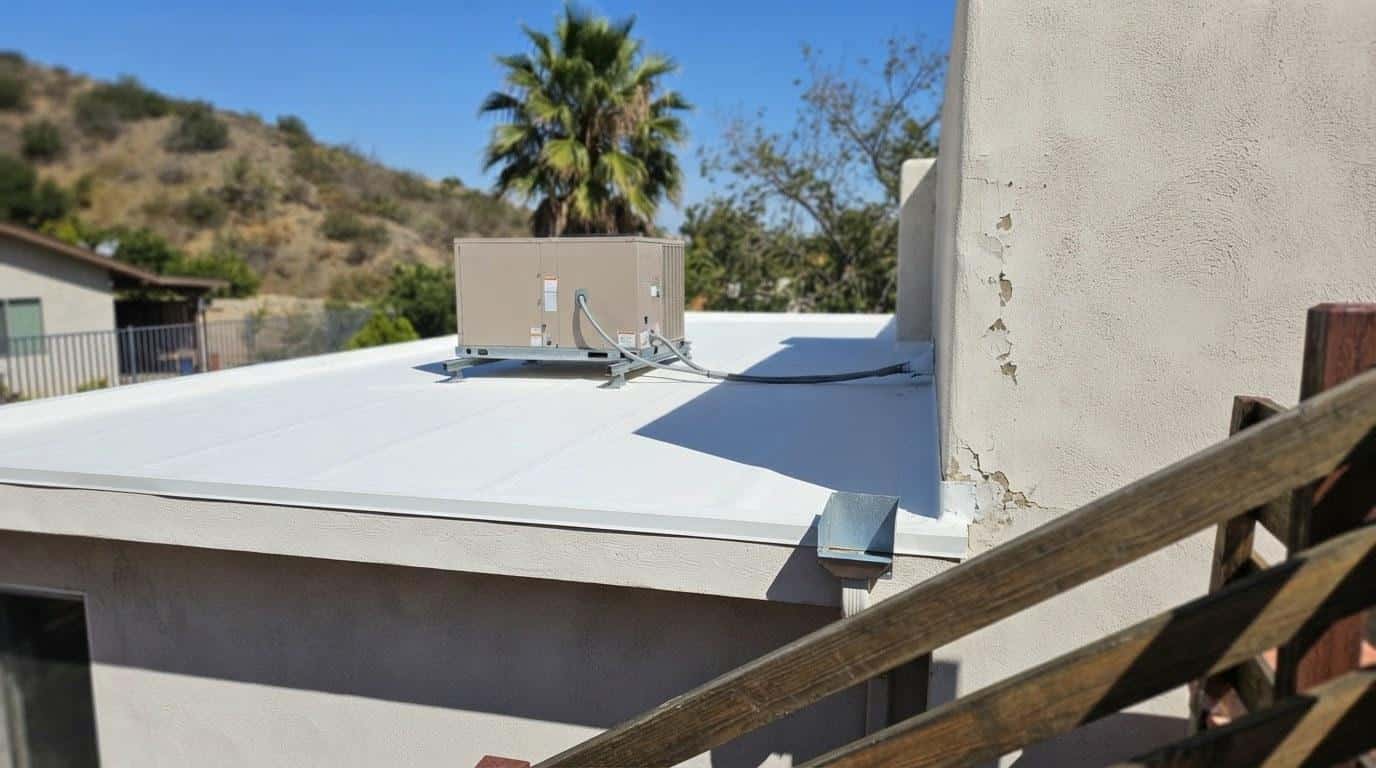
- Low slope (1:12 to 3:12): Nearly flat. Requires specialized waterproofing membranes and drainage planning.
- Standard slope (4:12 to 6:12): The most common residential pitch. Most materials are compatible and labor is straightforward.
- Steep slope (7:12 and above): Requires safety harnesses, roof jacks, and slower, more careful work. Costs climb significantly here.
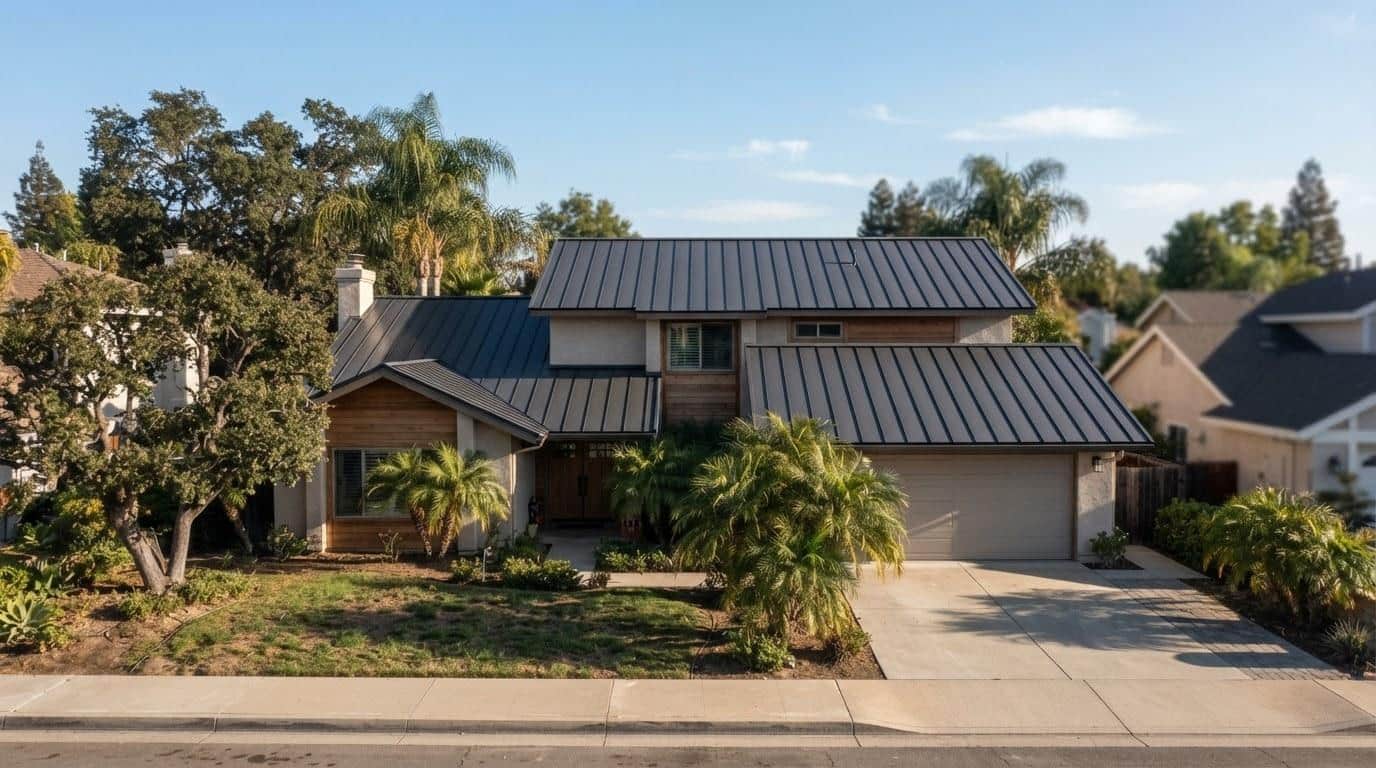
Hillside communities across Los Angeles County, including areas like the Hollywood Hills, frequently feature homes with 8:12, 10:12, or even 12:12 pitches because the terrain demands it. Those dramatic rooflines look striking, but they carry a real pricing premium that homeowners should understand before requesting bids.
How Does Roof Pitch Affect Installation Cost?
Pitch drives cost through three channels: labor time, safety requirements, and material waste. Each of these increases as slope increases, and they compound each other. A crew that can install 30 squares of shingles in a day on a 4:12 roof may only complete 18 to 22 squares on a 9:12 roof because every movement is slower and more deliberate.
Here is how each cost driver works in practice:
- Labor time: Steep roofs require workers to reposition constantly, use rope systems, and carry materials up at an angle. This adds hours to every phase of the job.
- Safety equipment: OSHA regulations require fall protection on roofs with a pitch of 4:12 or greater and a height of 6 feet or more. On steep slopes, contractors must use personal fall arrest systems, roof jacks, and scaffold staging. That equipment costs money to rent, set up, and take down.
- Material waste: Cutting shingles or tiles to fit steep-slope geometry creates more off-cuts. Waste factors of 10 to 15 percent are common on standard roofs, but complex or steep roofs can push waste to 20 percent or higher.
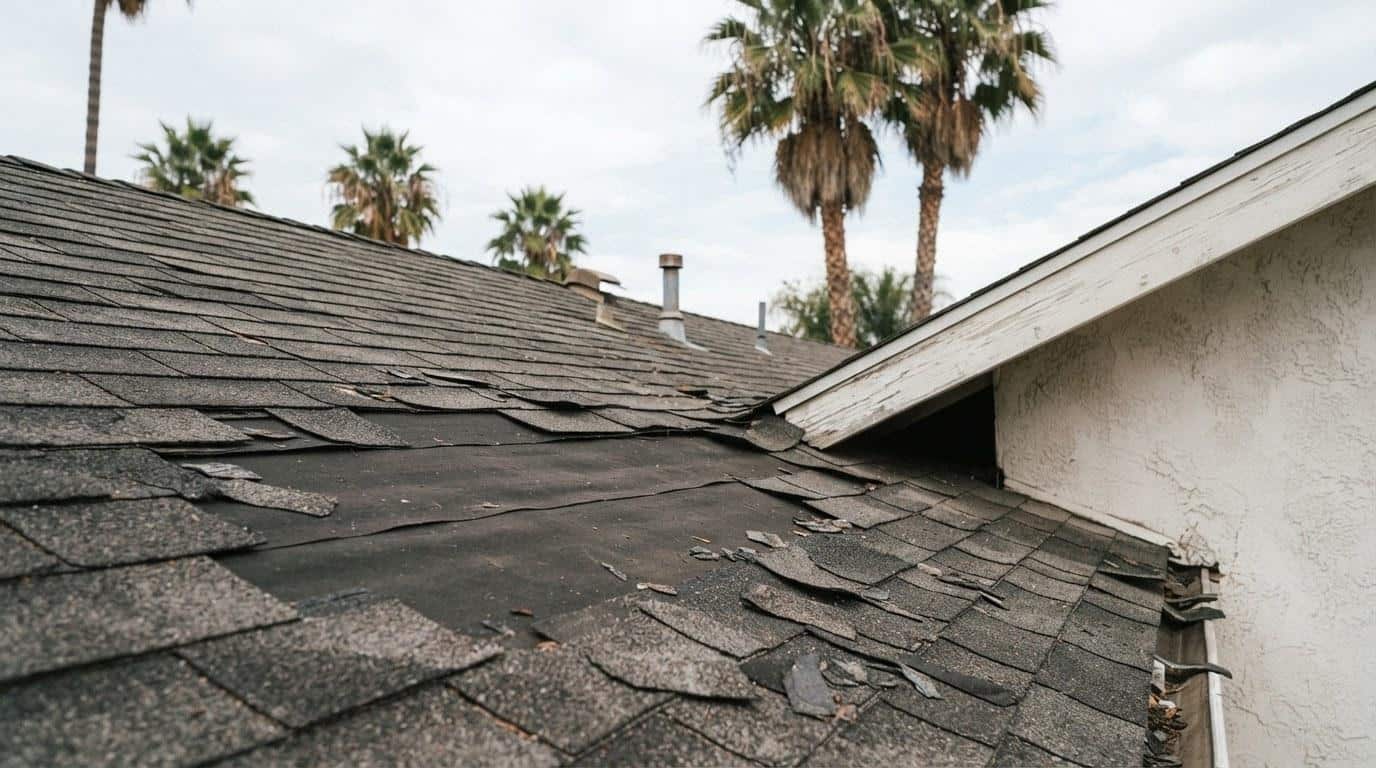
- Tear-off difficulty: Removing old roofing on a steep slope takes longer and requires more careful debris management so materials do not slide off and create hazards below.
- Underlayment and fastening: Steep slopes often require additional underlayment layers and closer nail spacing to meet California’s Title 24 building energy standards and manufacturer warranty requirements.
Our crews see this pattern consistently: when we pull old roofing on a steep hillside home, the original installation almost always shows signs of corner-cutting, because the labor cost pressure on steep slopes is real and some contractors respond by rushing. Proper steep-slope installation cannot be rushed without creating future leak points.
What Are the Typical Roof Pitch Installation Cost Ranges in California?
In the Southern California regional market, roof installation costs typically range from around $5,000 to over $30,000 for a full replacement, depending on pitch, size, and materials. Steep-slope labor alone can add 20 to 50 percent to a baseline quote. The table below shows how pitch category typically affects pricing for an average-sized residential roof of approximately 1,500 to 2,000 square feet.
Steep-slope labor alone can add 20 to 50 percent to a baseline quote, and on very complex roofs with multiple dormers or valleys, that premium climbs further.
| Pitch Category | Typical Market Range (CA) | What’s Usually Included |
|---|---|---|
| Low slope (1:12 to 3:12) | $6,000 to $12,000 | Tear-off, modified bitumen or TPO membrane, flashing, basic permits |
| Standard slope (4:12 to 6:12) | $8,000 to $18,000 | Tear-off, 30-year architectural shingles or lightweight tile, underlayment, flashing, permits |
| Steep slope (7:12 to 9:12) | $12,000 to $24,000 | All of the above plus safety rigging, roof jacks, extended labor hours, steep-slope underlayment |
| Very steep or complex (10:12 and above) | $18,000 to $35,000+ | All of the above plus scaffold staging, specialty fastening, higher material waste allowance, extended permit scope |
These ranges reflect market conditions as of 2025 and should be treated as planning benchmarks, not guaranteed prices. The factors that move a project toward the high end of any range include roof complexity (multiple valleys, dormers, skylights), the material chosen, and site access conditions. Always request a custom quote from a licensed contractor before budgeting.
It is worth noting that the Inflation Reduction Act federal tax credit may offset some costs if your new roof includes qualifying energy-efficient materials. As of 2025, homeowners may claim up to 30 percent of the cost of eligible roofing improvements, subject to annual caps. Consult a tax professional to confirm eligibility for your specific project.
What Other Factors Push Roofing Costs Higher on Steep Slopes?
Pitch is the starting point, but several other variables layer on top of it and can push a steep-slope roof project well above the typical range. Understanding these in advance helps you ask better questions when comparing bids.
- Roof complexity: Every valley, hip, ridge, dormer, or skylight adds cutting, flashing, and time. A steep roof with four dormers costs significantly more than a simple gable at the same pitch.
- Number of roof layers: California building codes generally limit roofs to two layers of shingles before a full tear-off is required. If your roof already has two layers, tear-off is mandatory and adds cost.
- Decking condition: On older homes, the plywood or OSB sheathing beneath the shingles may be rotted or damaged. Replacing decking adds roughly $2 to $5 per square foot to the project, depending on scope.
- Site access: Hillside properties with limited driveway access make it harder to position a dump trailer and delivery truck. Contractors may need to hand-carry materials up stairs or use a conveyor, both of which add labor hours.
- Permit requirements: Los Angeles County and many municipalities require permits for full roof replacements. Steep-slope or structural changes may trigger additional plan-check review, adding both time and fees.
- Material weight: Heavy materials like concrete tile or slate require a structural review to confirm the framing can support the load. This is especially relevant on older hillside homes where the original framing was designed for lighter materials.
Contractors who are licensed by the California Contractors State License Board (CSLB) are required to pull permits and follow code. If a bid skips the permit step, that is a red flag, not a cost savings, because an unpermitted roof can create problems when you sell the home or file an insurance claim.
An unpermitted roof can create problems when you sell the home or file an insurance claim, making a skipped permit a risk, not a savings.
Which Roofing Materials Work Best at Each Pitch Level?
Not every roofing material is approved for every pitch, and using the wrong material on a slope that is too low or too steep voids the manufacturer’s warranty and can cause early failure. Material selection and roof pitch installation cost are directly linked because some materials are simply more expensive to install on steep slopes.
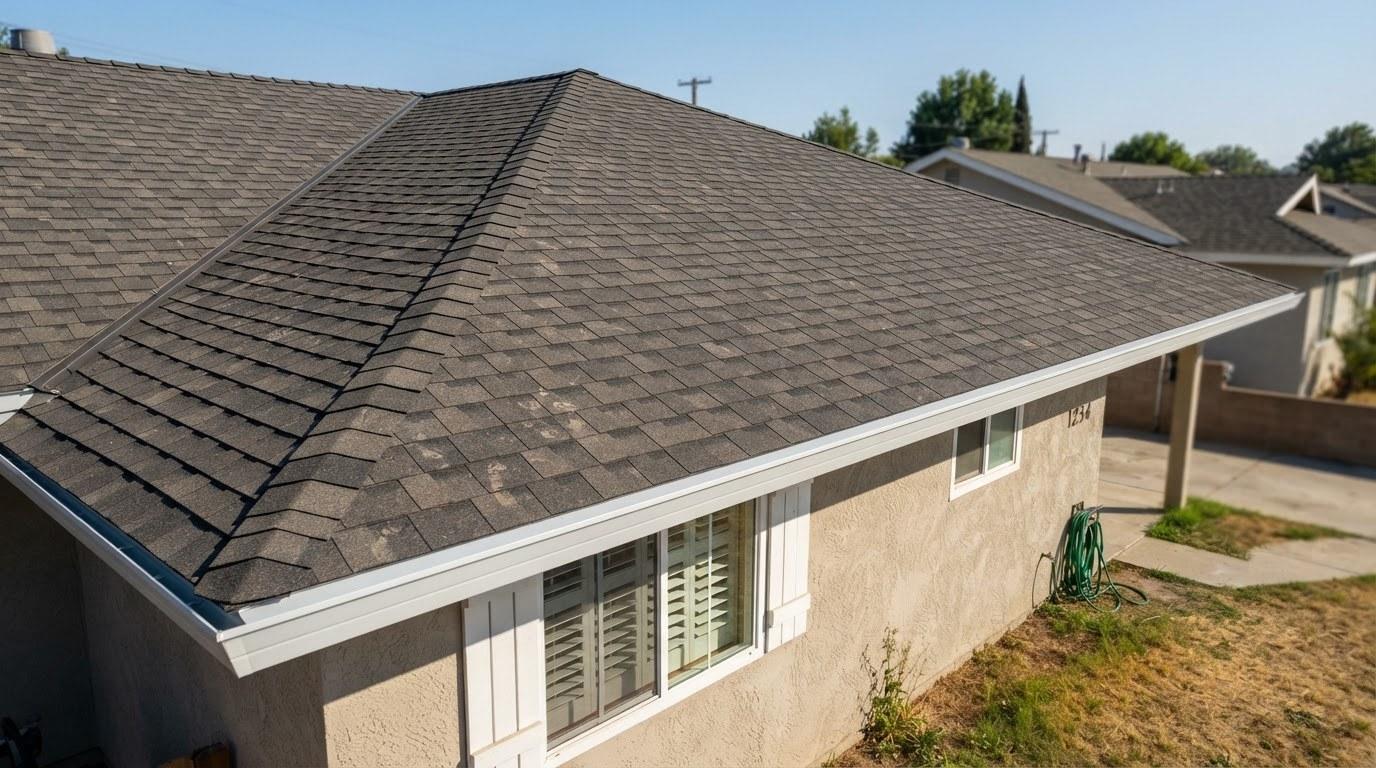
- Asphalt architectural shingles: Rated for pitches of 4:12 and above in standard installation. Can be used down to 2:12 with a double underlayment layer. Most affordable option for standard and steep slopes.
- Concrete and clay tile: Typically rated for 4:12 and above. Heavy and durable, popular throughout Southern California. Steep-slope installation adds cost because tiles must be individually secured with clips or mortar at higher pitches.
- Metal roofing (standing seam): Can be used on slopes as low as 1:12 with proper seaming. Excellent for both low and steep applications. Higher upfront cost but long lifespan of 40 to 70 years.
- Modified bitumen and TPO membranes: Designed for low slopes of 1:12 to 3:12. Not suitable for steep slopes. Requires heat welding or adhesive application.
- Wood shake: Requires a minimum of 4:12 and performs better at steeper pitches because drainage is critical. Note that many California communities restrict wood shake due to wildfire risk under local fire codes.
- Synthetic slate and composite: Versatile across a range of pitches, typically 3:12 and above. Lighter than natural slate, which reduces structural concerns on hillside homes.
When selecting a material for a steep-slope home, also consider wind uplift. Communities across Los Angeles County can experience Santa Ana wind events with gusts exceeding 60 miles per hour. ENERGY STAR rated roofing products with high wind-resistance ratings are worth the added investment in these conditions.
How Do You Get an Accurate Quote for a Steep-Pitch Roof?
Getting an accurate quote starts with having the right information ready before a contractor visits. Incomplete information leads to estimates that change significantly once work begins, which is frustrating for everyone. Here is what to prepare:
- Know your current roof area: Measure the footprint of your home and multiply by the pitch factor for your slope. A 4:12 pitch has a pitch factor of about 1.05; a 9:12 pitch has a factor of about 1.25. Your contractor will verify this, but having a rough number helps you evaluate bids.
- Document the number of existing layers: If you can access your attic, count how many layers of roofing are visible at the eave edge. Two layers means a mandatory tear-off.
- Note any known problem areas: Leaks, soft spots, or areas where shingles are missing. These point to potential decking damage that needs to be priced in.
- Confirm permit history: Pull your home’s permit history through your county’s building department portal. This tells you when the roof was last replaced and whether it was permitted.
- Photograph site access conditions: Show the contractor photos of your driveway, any stairs, gates, or overhead obstacles before the site visit. This helps them price logistics accurately.
- Ask each bidder to itemize: Request a line-item breakdown that separates tear-off labor, new installation labor, materials, underlayment, flashing, permits, and disposal. This makes bids comparable and reveals where costs differ.
Get at least three bids for any roof project over $10,000. Verify each contractor’s CSLB license number at cslb.ca.gov before signing anything. A licensed contractor carries workers’ compensation and general liability insurance, which protects you if someone is injured on your property during a steep-slope installation.
Get a Custom Roof Installation Quote in Los Angeles
The market ranges in this guide give you a solid starting point for budgeting, but your actual roof pitch installation cost depends on the specific slope, size, material, and site conditions of your home. There is no substitute for a detailed on-site assessment by a licensed contractor who has worked on roofs like yours.
Hollywood Contractor Corp works on roofing projects across Los Angeles County and surrounding communities in CA, including homes with steep and complex pitches that require careful planning and proper permitting. Whether you are replacing an aging roof, addressing a persistent leak, or planning a full home remodel that includes a new roof structure, the team can provide a detailed, itemized quote based on your actual project scope.
Call (818) 264-1955 to schedule an on-site assessment. Have your address, a rough sense of your roof’s current condition, and any questions about materials or permits ready. A written quote before any work begins is the best way to protect your budget and your home.
Explore our full range of General Contracting services.
Frequently Asked Questions
How much more does a steep roof cost to install compared to a standard slope?
A steep roof with a pitch of 7:12 or higher typically costs 20 to 50 percent more to install than a standard 4:12 to 6:12 slope roof of the same size. The extra cost comes from slower labor, required safety equipment like harnesses and roof jacks, and higher material waste. In the Southern California market, that premium can add several thousand dollars to a mid-size project.
What is considered a steep roof pitch?
Roofing contractors generally classify any pitch of 7:12 or steeper as a steep slope. At that angle, workers need fall protection equipment and the pace of installation slows noticeably. Pitches of 10:12 and above are sometimes called very steep and may require scaffold staging, which adds further cost.
Can I put any roofing material on a steep pitch?
No. Each roofing material has a minimum and sometimes maximum pitch rating from the manufacturer. Asphalt shingles, concrete tile, and metal panels all work on steep slopes, but low-slope membranes like TPO are not designed for pitches above 3:12. Using a material outside its rated pitch range voids the warranty and can lead to early failure or leaks.
Do I need a permit to replace my roof in Los Angeles County?
Yes, most full roof replacements in Los Angeles County require a building permit. Steep-slope or structural changes may also require a plan check. Working without a permit can create problems when you sell the home or file an insurance claim. A contractor licensed by the California Contractors State License Board will pull the required permits as part of the job.
How do I find out what pitch my roof is before calling a contractor?
You can measure pitch from inside your attic using a level and a tape measure. Hold a 12-inch level horizontally against a rafter, then measure straight up from the 12-inch mark to the underside of the rafter. That vertical measurement is your rise, giving you a rise:12 ratio. Alternatively, most contractors will measure it during a free on-site assessment. Hollywood Contractor Corp can measure and document your pitch as part of an initial consultation. Call (818) 264-1955 to schedule.