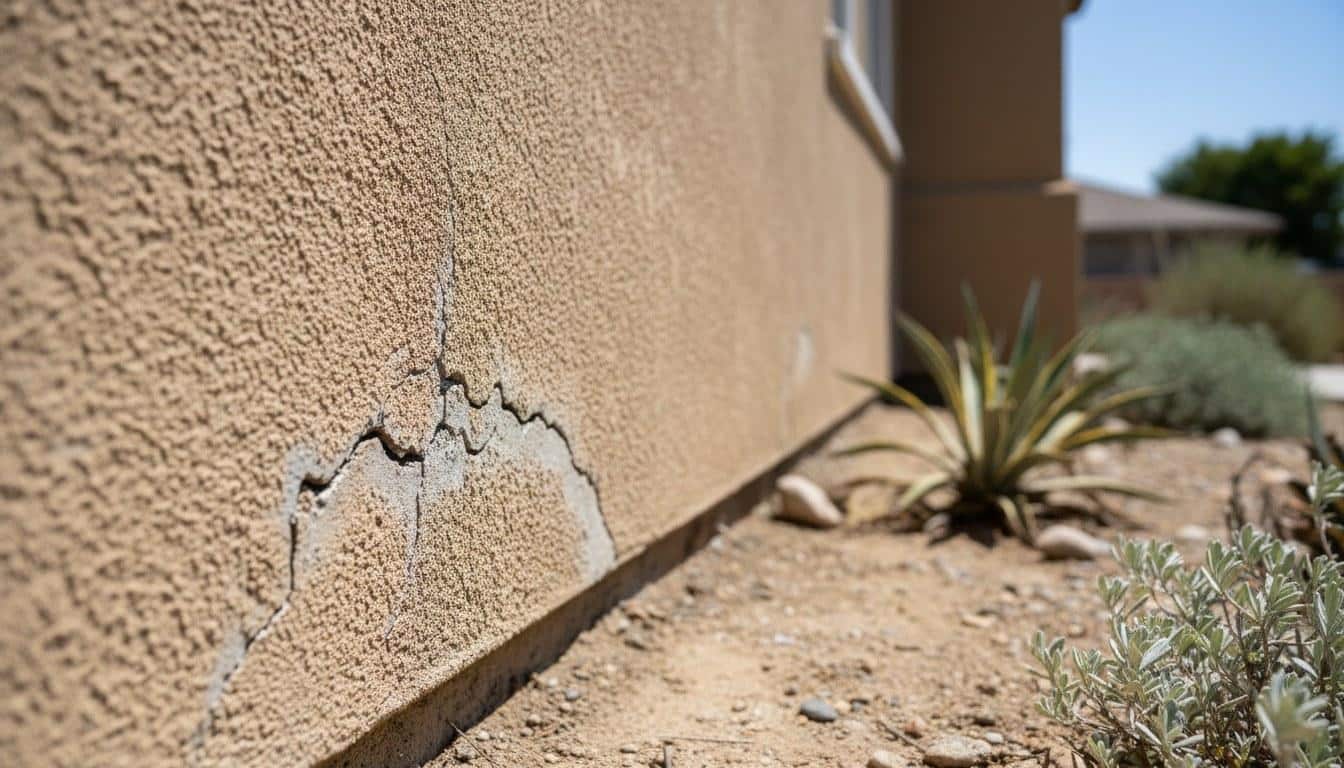
Foundation Inspection in California: What Inspectors Look For and When to Schedule One
A foundation inspection in California helps homeowners find problems early, before cracks and settlement turn into costly repairs. This guide explains what inspectors check, what the process looks like, and when to call.
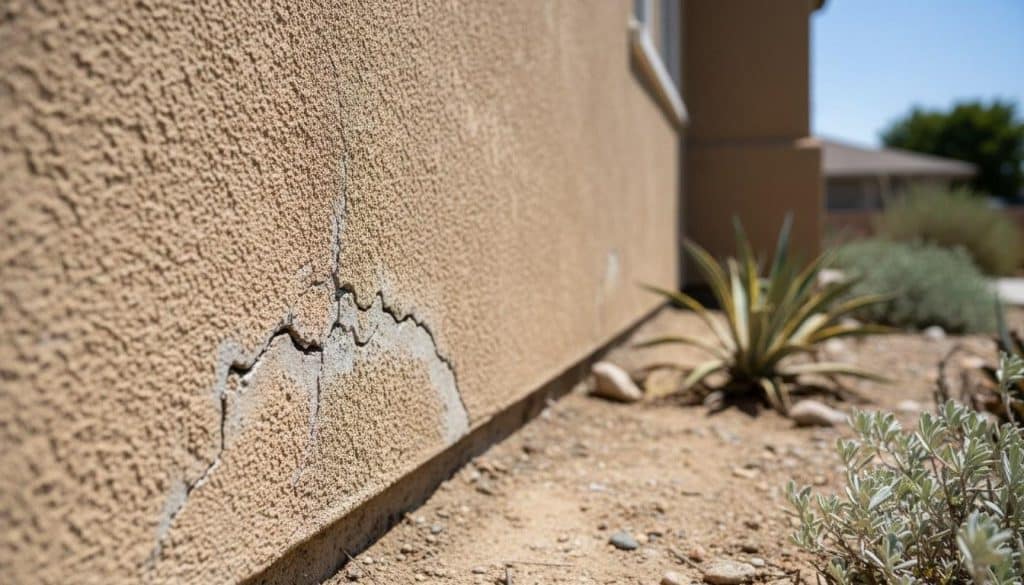
Foundation Inspection in California: What to Expect From the Process
A foundation inspection in California is a detailed visual and physical evaluation of your home’s structural base. An inspector examines the interior, exterior, crawl space, and surrounding soil to identify cracks, settlement, moisture problems, and signs of movement. Most inspections take between 2 and 4 hours depending on the size of the home and how accessible the foundation is.
If you are searching for foundation inspection California what to expect, the short answer is: a methodical walkthrough of every area that touches your home’s structural integrity. The inspector documents findings with photos, measurements, and notes, then delivers a written report that tells you whether repair is needed and how urgent it is.
This guide covers what inspectors check, which foundation problems are most common in California’s climate and soil conditions, what the inspection costs, and how to find the right professional for the job.
What Do Foundation Inspectors Actually Look For?
Inspectors look for any sign that the foundation has moved, cracked, settled unevenly, or taken on water. They check both the structure itself and the conditions around it that cause damage over time. A thorough inspection covers at least a dozen distinct checkpoints.
Exterior Checks
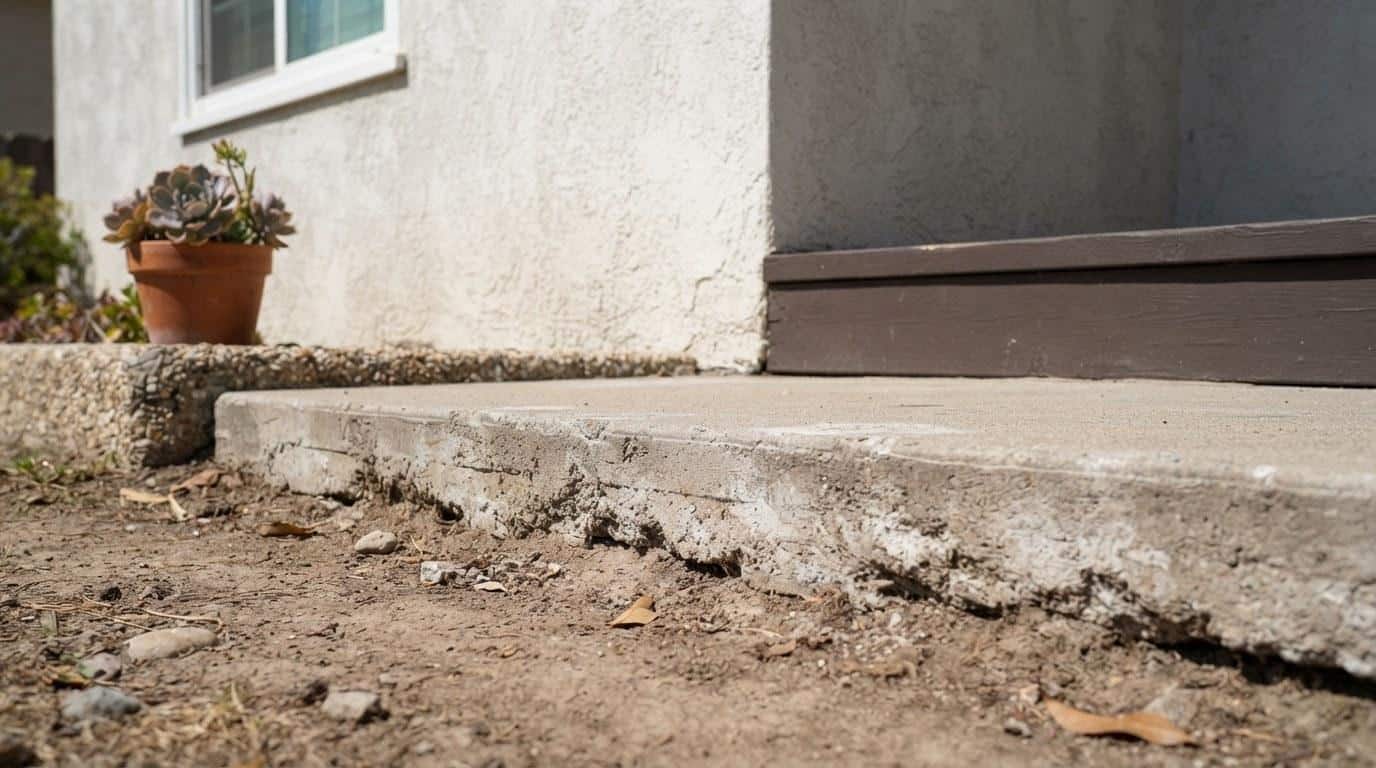
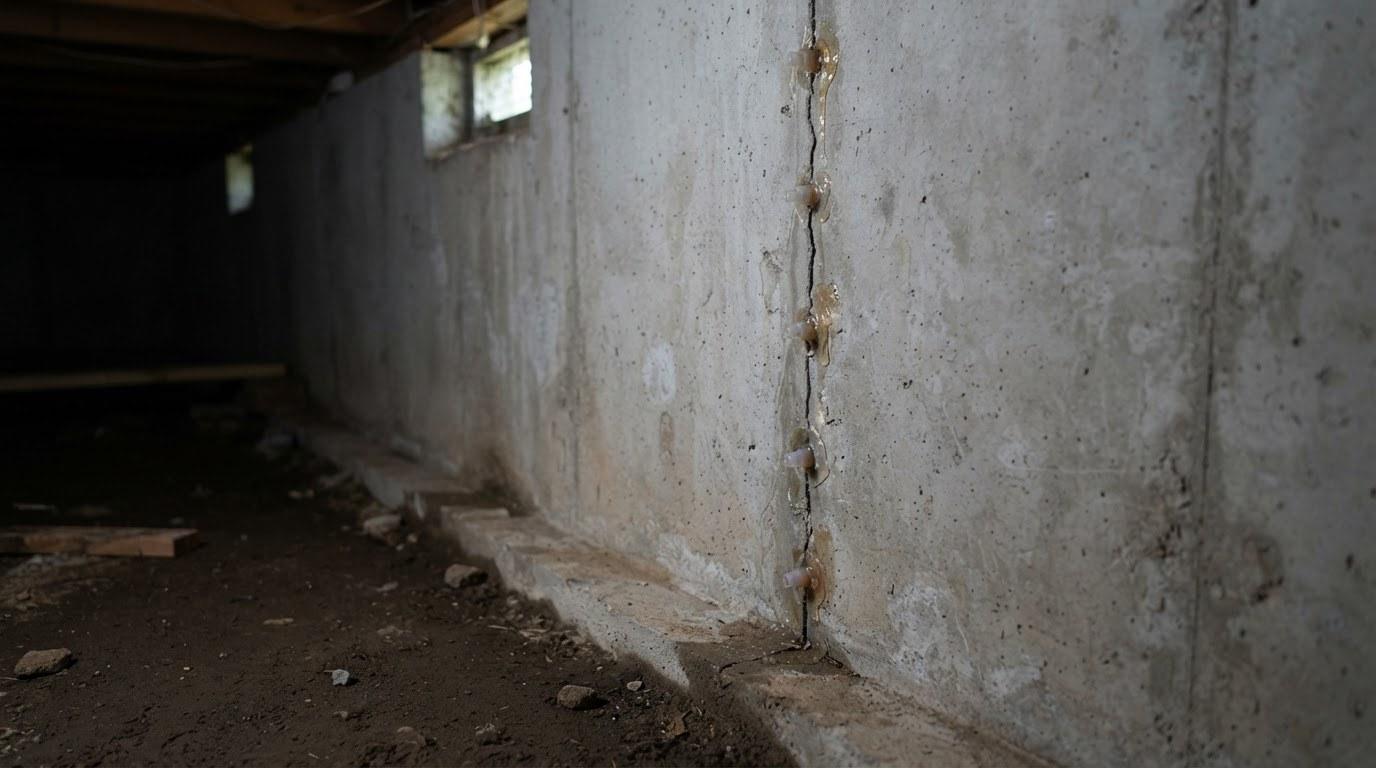
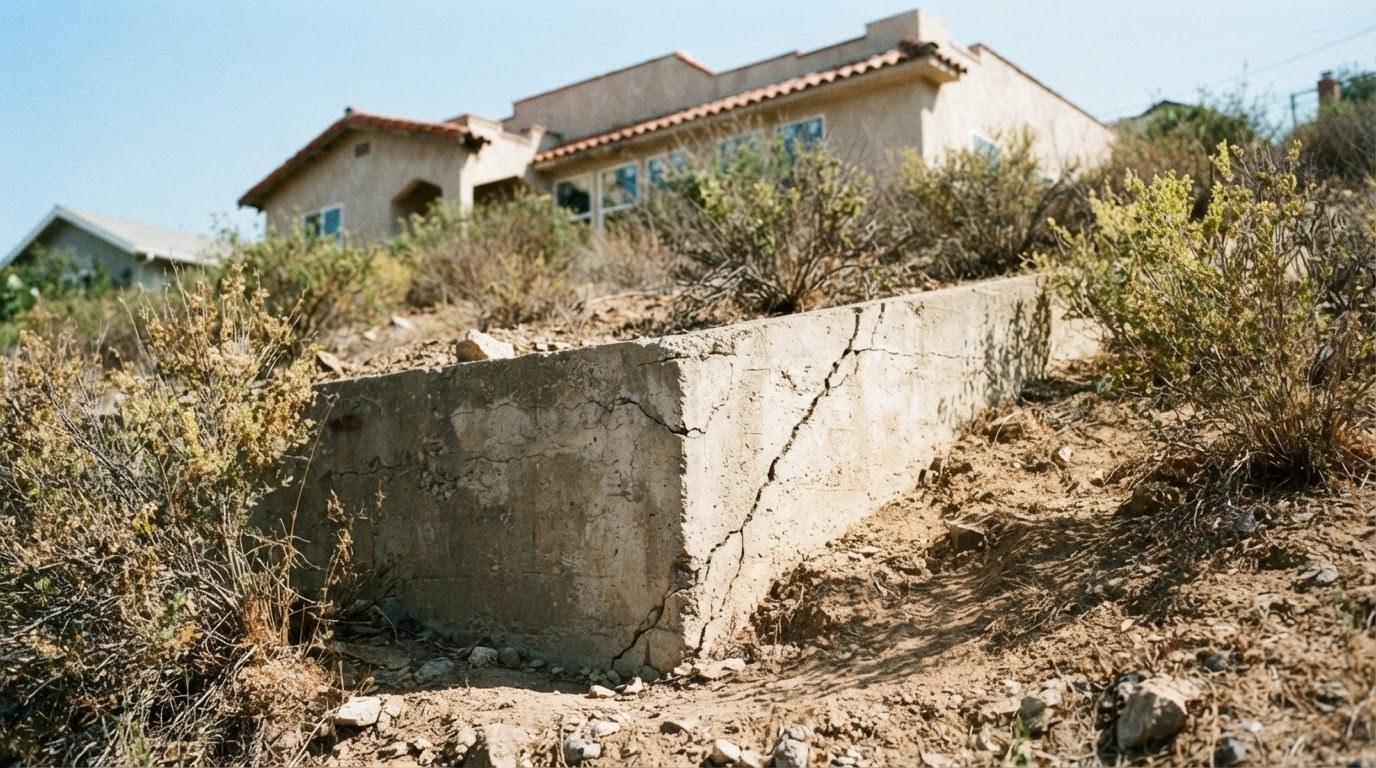
- Cracks in the foundation wall: Inspectors measure crack width, direction, and pattern. Horizontal cracks wider than 1/4 inch are typically more serious than hairline vertical ones.
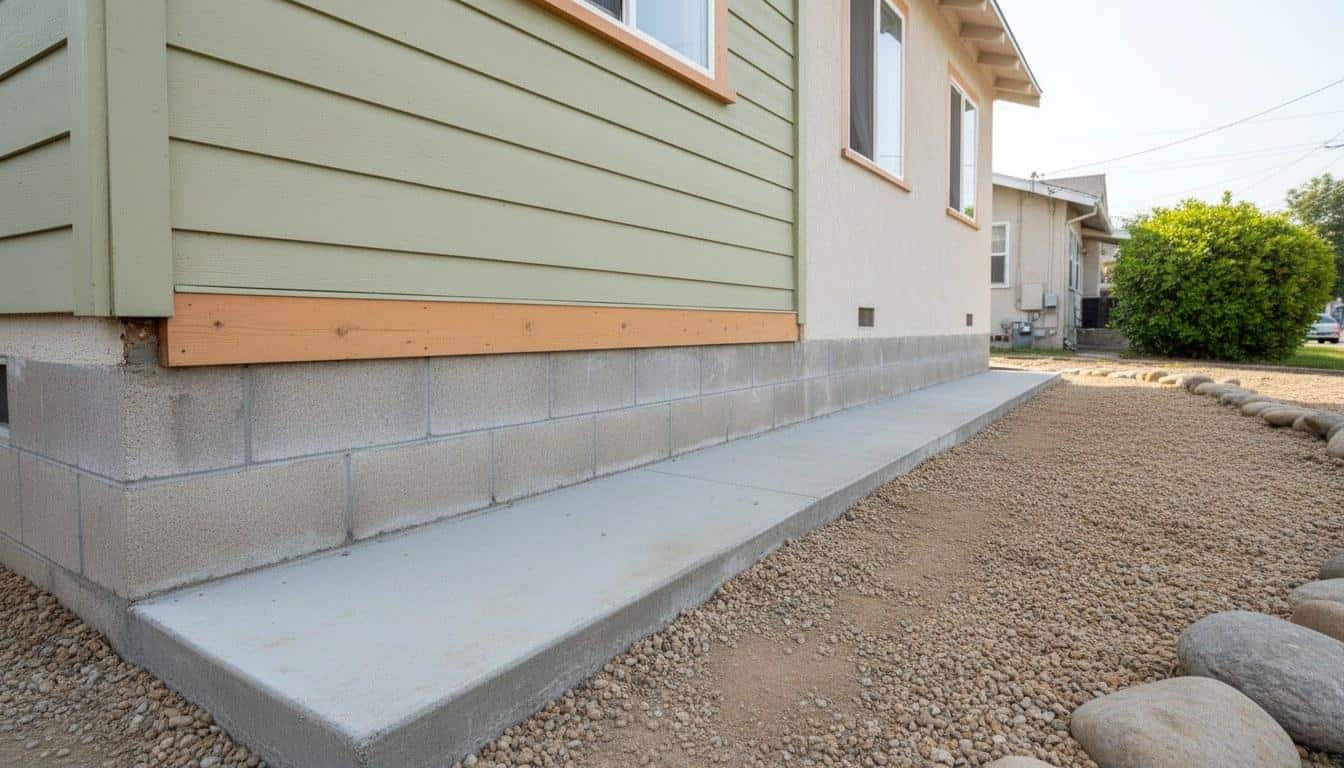
- Soil grading: The ground around the home should slope away at least 6 inches over the first 10 feet. Flat or inward-sloping soil drives water toward the foundation.
- Drainage and downspouts: Downspouts should discharge at least 4 to 6 feet from the foundation. Pooling water near the base is a red flag.
- Gaps between the foundation and framing: Any visible separation between the mudsill and the concrete or masonry below signals settlement or shifting.
- Efflorescence: White mineral deposits on concrete or block walls indicate water has been moving through the foundation repeatedly.
Interior and Crawl Space Checks
- Floor levelness: Inspectors use a level or laser tool to measure slope. A floor that drops more than 1 inch over 8 feet often points to pier failure or soil movement beneath.
- Crawl space moisture: Inspectors look for standing water, wood rot, mold, and damaged vapor barriers. Relative humidity above 60 percent in a crawl space accelerates wood decay.
- Pier and beam condition: For raised foundations, every visible post, pier, and girder is examined for rot, insect damage, and signs of shifting.
- Mudsill and sill plate: The wood framing that sits directly on the foundation is checked for rot, termite damage, and whether it is bolted down per current code.
- Shear walls and anchor bolts: California’s seismic requirements under the California Division of the State Architect mean inspectors specifically check whether the structure is anchored to resist lateral earthquake forces.
Interior Living Space
- Door and window alignment: Doors that stick, windows that no longer close squarely, or frames that are visibly out of plumb suggest foundation movement.
- Wall cracks: Diagonal cracks running from the corners of door and window openings are a classic sign of differential settlement.
- Gaps at ceilings and baseboards: Separation between walls and ceiling or between flooring and baseboards can indicate the structure is moving.
Our team sees crawl space moisture as the single most overlooked issue on inspections across Southern California properties. In the last 12 months, roughly 6 out of every 10 crawl space inspections we complete reveal a vapor barrier that is either missing, torn, or more than 15 years old.
What Types of Foundation Problems Are Most Common in California?
California’s combination of expansive clay soils, seismic activity, and seasonal drought-to-rain cycles creates a specific set of foundation risks that differ from most other states. Understanding these helps homeowners know what an inspector is hunting for before the appointment.
| Problem Type | Primary Cause in California | Typical Warning Sign | Urgency Level |
|---|---|---|---|
| Differential settlement | Expansive clay soil shrinking and swelling with moisture changes | Uneven floors, diagonal wall cracks | High |
| Seismic damage | Earthquake ground movement, especially in older unreinforced masonry | Horizontal cracks, foundation displacement | Immediate |
| Moisture intrusion | Poor drainage, flat grading, failed waterproofing | Efflorescence, mold, crawl space standing water | Moderate to High |
| Pier or post failure | Wood rot, termite damage, inadequate original design | Sagging floors, bouncy feel underfoot | High |
| Slab cracking | Soil movement, plumbing leaks beneath the slab | Cracks in tile or concrete floors, water stains | Moderate to High |
| Cripple wall failure | Lack of seismic bracing on older homes built before 1980 | Visible racking of short stud walls in crawl space | High in seismic zones |
California’s Seismic Hazard Zone maps show that a large portion of the state sits in areas with elevated liquefaction or landslide risk. Inspectors in these zones pay extra attention to the soil conditions noted in any available geotechnical report for the property.
Expansive soils are also a major factor. The U.S. Geological Survey estimates that expansive soils cause more property damage annually in the U.S. than earthquakes, floods, and tornadoes combined. In Southern California’s inland valleys and hillside communities, clay content in the soil can cause foundations to shift several inches between wet and dry seasons.
How Much Does a Foundation Inspection Cost in California?
A standalone foundation inspection in California typically ranges from $300 to $700 for a standard single-family home. Larger homes, properties with limited crawl space access, or inspections that include a full structural engineering report can run from $700 to $2,000 or more.
Several factors move the price within that range:
- Home size: A 1,200-square-foot bungalow takes less time than a 3,500-square-foot two-story with a full basement.
- Foundation type: Raised foundations with crawl spaces require physical entry and take longer than slab inspections.
- Engineering report: If the inspector is a licensed structural engineer (SE) rather than a general contractor, the report typically costs more but carries more weight with lenders and permit offices.
- Scope of the inspection: Some inspections include moisture readings, level surveys with laser equipment, or soil probing, which add time and cost.
- Access difficulty: Crawl spaces shorter than 18 inches, blocked access hatches, or heavily landscaped perimeters all add time.
Keep in mind that a foundation inspection is separate from a general home inspection. A general home inspector may note foundation concerns, but a dedicated structural inspection goes much deeper. For any home showing active cracking or movement, a dedicated structural evaluation is worth the added cost.
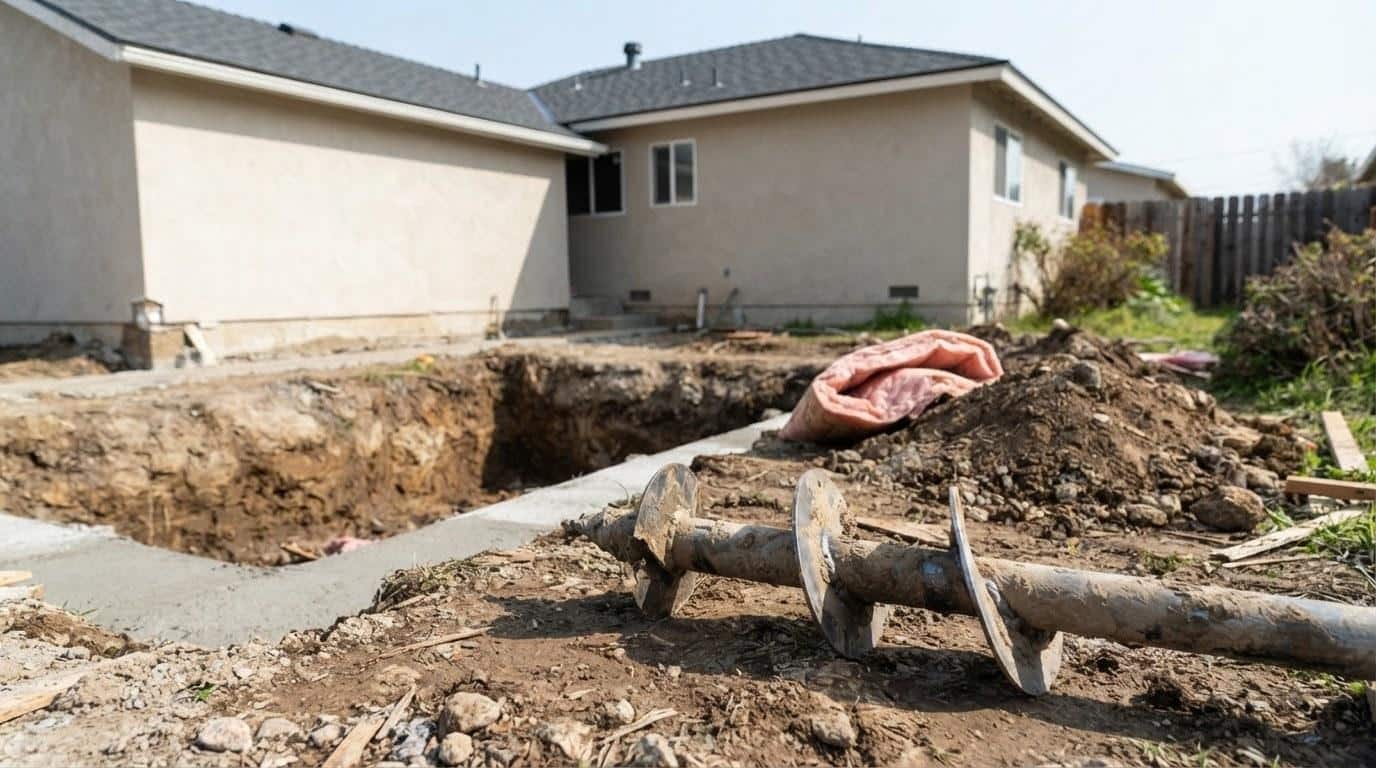
If the inspection reveals problems, repair costs in the regional California market typically range from $2,000 to $7,500 for minor pier adjustments or crack injection, and from $10,000 to $30,000 or more for major underpinning or slab repair. Getting the inspection done first gives you an accurate scope before any repair work is quoted. Contact Hollywood Contractor Corp for a custom project assessment.
When Should You Schedule a Foundation Inspection?
Schedule a foundation inspection any time you notice warning signs inside or outside your home, after a significant earthquake, before buying or selling a property, or if your home is more than 30 years old and has never been evaluated. Waiting until damage is obvious almost always increases the final repair bill.
Specific triggers that warrant scheduling an inspection within 30 to 60 days:
- New cracks appearing in drywall, brick, or stucco, especially diagonal cracks near door and window corners
- Doors or windows that have recently started sticking or no longer latch properly
- Floors that feel noticeably springy, sloped, or uneven compared to a year ago
- Visible gaps between the exterior siding and the foundation
- Water stains, mold smell, or standing water in a crawl space or basement
- A neighbor’s property has had foundation work done, which can indicate shared soil conditions
- Your home sits on a hillside or near a drainage channel in a high-risk seismic zone
For real estate transactions, California law requires sellers to disclose known material defects, and foundation issues clearly qualify. Buyers should always request a dedicated foundation inspection before closing, even if a general home inspection has already been completed. A 2 to 4 hour inspection is a small investment compared to discovering a $25,000 repair need after escrow closes.
A 2 to 4 hour inspection is a small investment compared to discovering a $25,000 repair need after escrow closes.
As of 2024, California’s residential building code continues to require that foundation retrofits on older homes meet current seismic standards when significant structural work is permitted. Scheduling a pre-permit inspection helps identify whether a retrofit will be required alongside other planned work.
How Do You Choose a Qualified Foundation Inspector in California?
Look for inspectors who are either licensed structural engineers (SE or PE with structural focus) or general contractors licensed by the California Contractors State License Board (CSLB) with verifiable experience in foundation work. The CSLB license lookup at cslb.ca.gov lets you verify any contractor’s license status, classification, and complaint history in minutes.
Questions to ask before hiring:
- Are you licensed by the California Contractors State License Board (CSLB), and what is your license number?
- Do you carry general liability and workers’ compensation insurance?
- How many foundation inspections have you completed on homes similar to mine in age and construction type?
- Will you provide a written report with photos, measurements, and a recommended course of action?
- If repairs are needed, do you also perform that work, or do you refer out? (Either is acceptable, but knowing avoids surprises.)
- Are you familiar with California’s seismic zone requirements and current Title 24 building energy standards as they relate to foundation work?
Avoid any inspector who quotes repair costs before completing the inspection, or who refuses to put findings in writing. A credible foundation inspection always ends with a written report you can share with a contractor, a lender, or a real estate attorney.
For homeowners doing foundation inspection California what to expect research before a home purchase, it is also worth asking whether the inspector has experience with the specific foundation type common to the era your home was built. Homes built before 1940 often have unreinforced concrete or brick foundations. Homes built between 1945 and 1975 frequently have raised wood-frame foundations with cripple walls that lack seismic bracing. Homes built after 1980 are more likely to have post-and-pier or slab-on-grade construction that responds differently to soil movement.
We have completed foundation evaluations on homes ranging from 1920s bungalows to 1990s tract construction across Los Angeles County, and properties built before 1960 account for roughly 70 percent of the cases where we find active structural movement rather than cosmetic cracking.
Ready to Schedule Your Foundation Inspection?
Getting a professional evaluation is the fastest way to know whether what you are seeing is a cosmetic issue or a structural problem that needs attention. A written inspection report gives you the information you need to make a confident decision, whether that means scheduling repairs, negotiating on a home purchase, or simply monitoring the situation over time.
Hollywood Contractor Corp serves homeowners across Southern California with foundation inspections, structural evaluations, and full foundation repair services. Call (818) 264-1955 to schedule your inspection or request a written project assessment. Same-week appointments are typically available for non-emergency evaluations.
If you are already seeing active cracking, sloping floors, or moisture in your crawl space, do not wait. The cost of a 3-hour inspection is a fraction of what deferred foundation problems cost to fix once they progress. Reach out today and get a clear picture of where your home stands.
Explore our full range of General Contracting services.
Frequently Asked Questions
How much does it usually cost to repair a house foundation in California?
Foundation repair costs in California typically range from $2,000 to $7,500 for minor work like crack injection or pier adjustment, and from $10,000 to $30,000 or more for major underpinning or full slab repair. The final cost depends on the type of foundation, the extent of damage, and the repair method required. Getting a written inspection report first is the best way to get an accurate repair scope. Call Hollywood Contractor Corp at (818) 264-1955 for a custom assessment.
How do I know if my home's foundation needs to be repaired?
Common signs include diagonal cracks near door and window corners, doors or windows that stick or no longer close properly, floors that feel sloped or springy, and visible gaps between the siding and the foundation. Water stains or mold smell in a crawl space are also serious warning signs. If you notice any of these, scheduling a dedicated foundation inspection within 30 to 60 days is a smart move.
How long does a foundation inspection take in California?
Most foundation inspections on a standard single-family home take between 2 and 4 hours. Larger homes, properties with limited crawl space access, or inspections that include laser leveling surveys or moisture testing may take longer. After the walkthrough, the inspector typically delivers a written report within 24 to 48 hours.
Do I need a licensed contractor or a structural engineer for a foundation inspection?
Either can perform a foundation inspection, but the right choice depends on what you need the report for. A contractor licensed by the California Contractors State License Board (CSLB) can assess conditions and recommend repairs. A licensed structural engineer (SE or PE) provides a report that carries more weight with lenders, permit offices, and real estate attorneys. For major structural concerns or permit-required work, an engineering report is usually the better investment.
How often should a California homeowner get a foundation inspection?
Homeowners in California should schedule a foundation inspection any time visible warning signs appear, after a significant earthquake, or before buying or selling a property. For homes older than 30 years that have never been evaluated, a one-time baseline inspection is strongly recommended. After that, re-inspection every 5 to 10 years or after major storm seasons is a reasonable practice in areas with expansive clay soils or seismic activity.