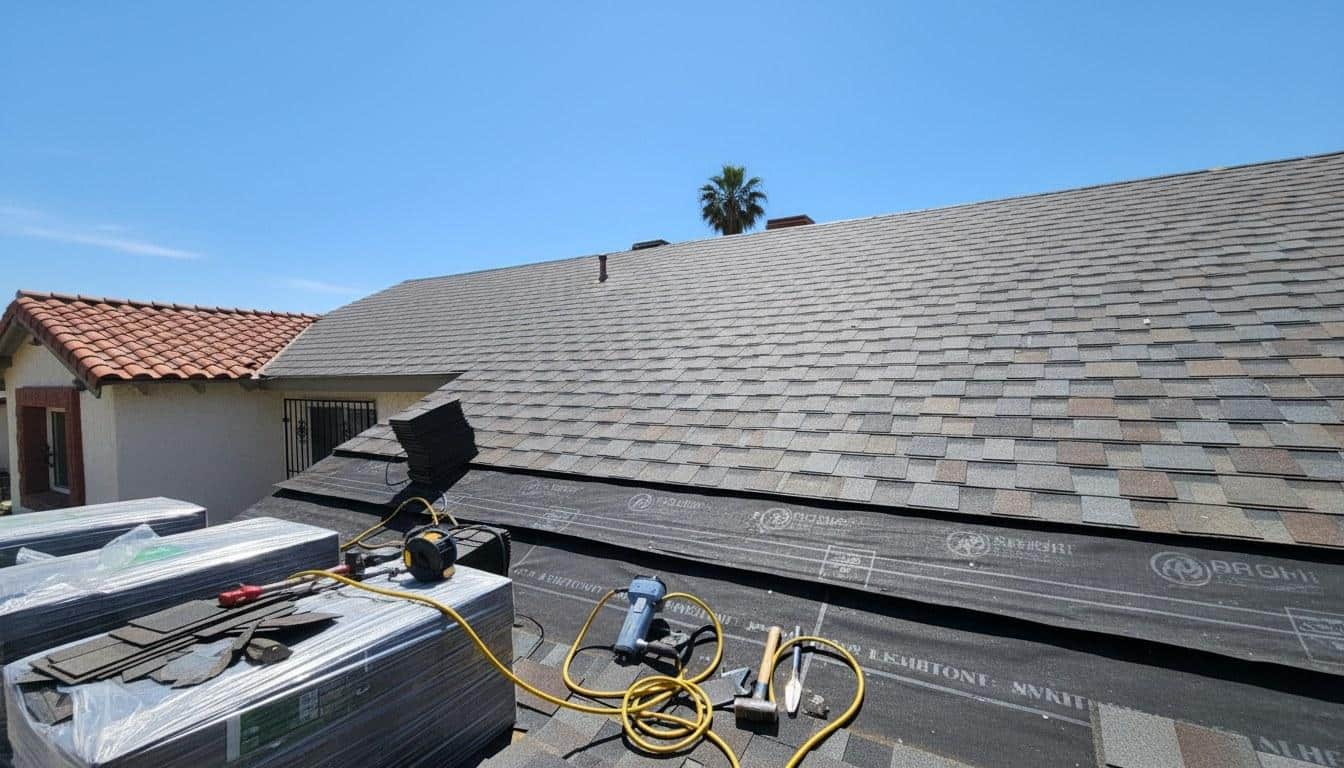
Choosing the best roofing company in California takes more than a Google search. This 2026 buyer's guide walks you through what to check, what to ask, and what to avoid.
What Should You Know Before Hiring a Roofing Company in California?
Every roofing company operating in California must hold an active license issued by the California Contractors State License Board (CSLB). Without it, the contractor cannot legally perform roofing work, and you have almost no recourse if something goes wrong. You can verify any contractor’s license number for free at cslb.ca.gov in under two minutes.
California’s roofing market is large and competitive. That means both highly qualified contractors and fly-by-night operators are actively bidding for your job. Knowing the difference before work begins protects your home, your warranty, and your wallet.
Roofing work in California is also subject to California’s Title 24 building energy standards, which affect cool-roof requirements on certain re-roofing projects. A knowledgeable contractor will flag these requirements upfront, not after the permit is pulled.
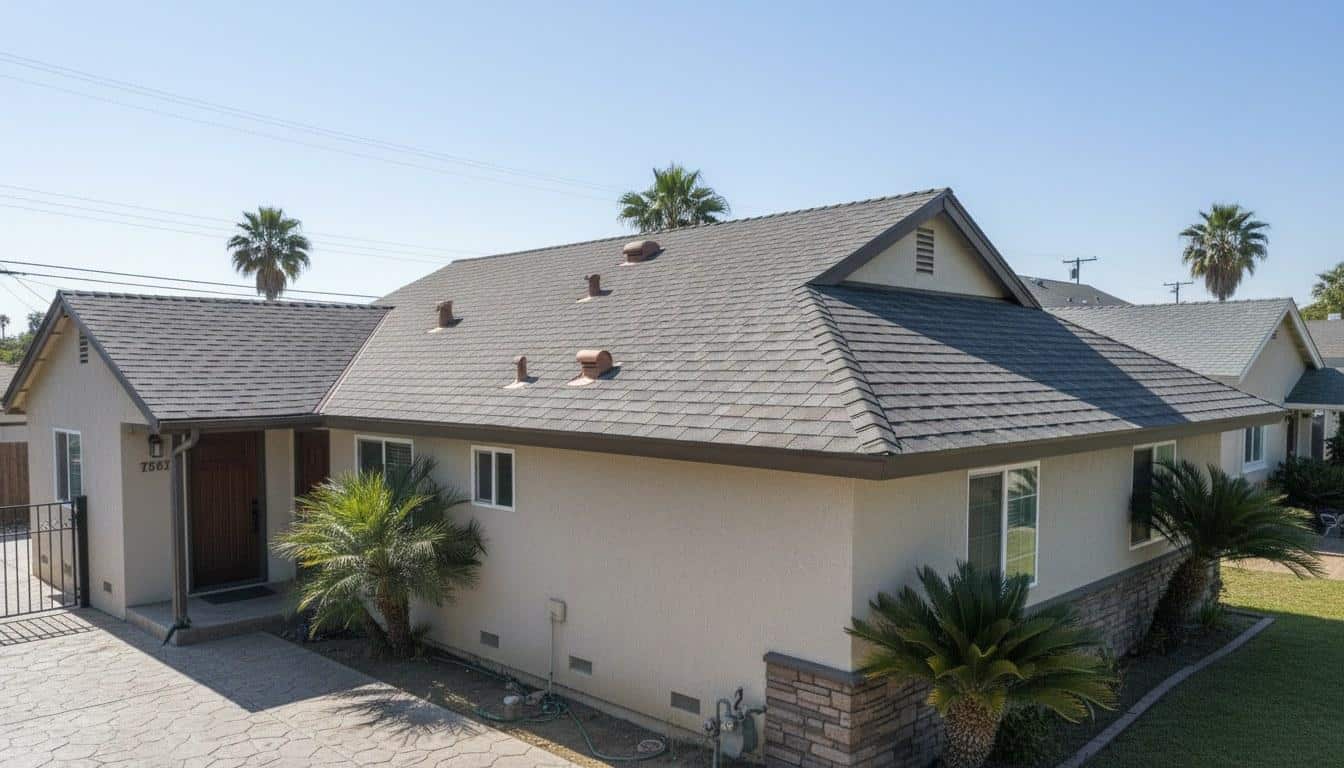
What Factors Matter Most When Choosing the Best Roofing Company in California 2026?
License status, insurance coverage, written warranty terms, and local references are the four factors that separate reliable roofing contractors from risky ones. Price matters too, but it should never be the first filter you apply.
License and Insurance
A contractor licensed by the California Contractors State License Board (CSLB) under classification C-39 (Roofing) is the only type legally permitted to perform roofing in California. Beyond the license, demand proof of general liability insurance (at least $1 million per occurrence is common in this market) and active workers’ compensation coverage. If a worker is injured on your roof without workers’ comp in place, you could be held liable.
Written Scope and Permit Handling
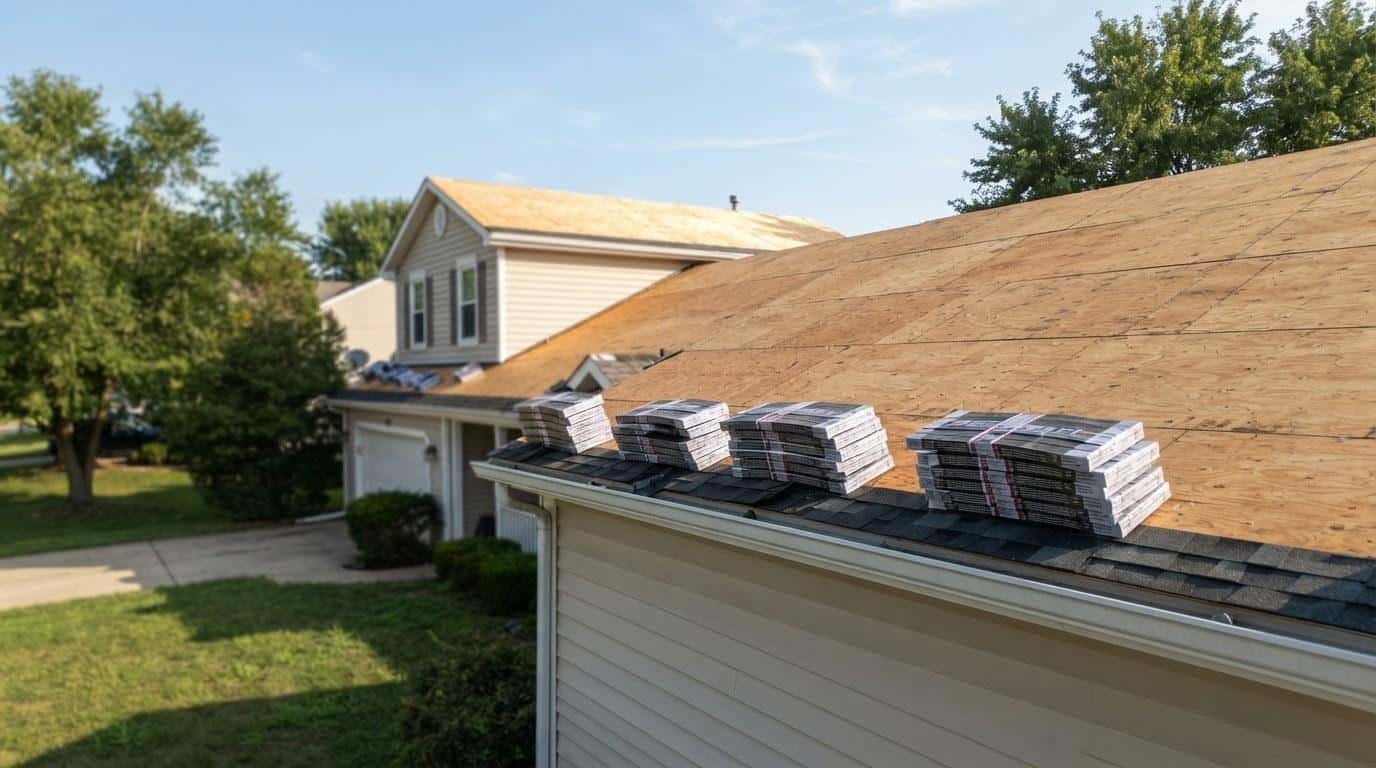
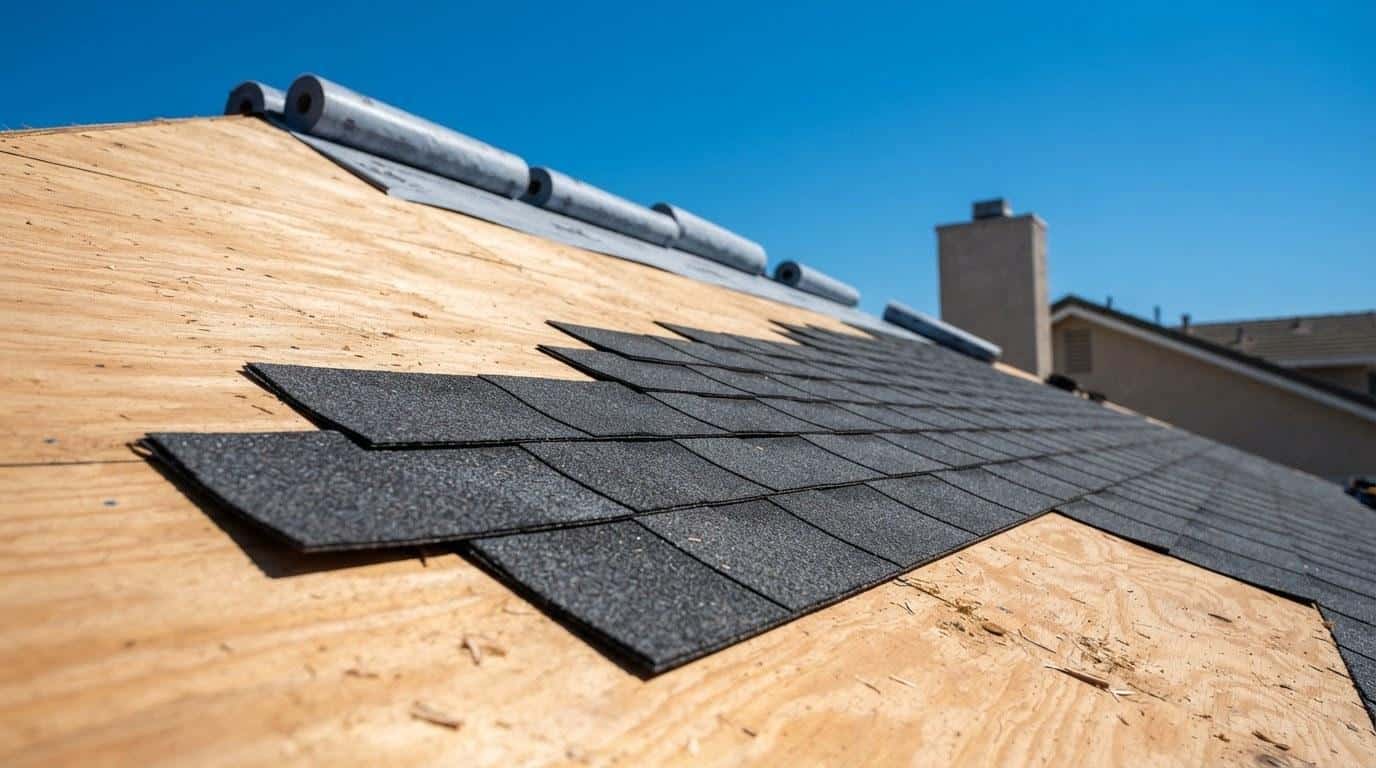
A professional roofing company will provide a written contract that lists every material by brand and grade, the total square footage, the underlayment type, the flashing plan, and the debris disposal method. They will also pull the required building permit. Contractors who suggest skipping the permit to save money are creating a serious problem for you at resale.
Manufacturer Certifications
Top roofing manufacturers like GAF, CertainTeed, and Owens Corning offer tiered contractor certification programs. Certified installers can offer extended system warranties of 25 to 50 years that a non-certified contractor cannot provide. Ask which manufacturer programs your contractor participates in.
Local Track Record
A roofing company that has been working across your county for at least 5 years will understand local permit offices, common structural issues in regional housing stock, and the specific wind and fire exposure ratings required in many California communities. Ask for references from jobs completed within the past 12 months.
Warranty Structure
There are two separate warranties to understand: the manufacturer’s material warranty and the contractor’s workmanship warranty. Workmanship warranties from reputable contractors typically run 2 to 10 years. Get both in writing before signing anything.
- CSLB C-39 license: Required by law for any roofing contractor in California.
- Workers’ comp insurance: Protects you if a worker is injured on your property.
- Permit pulled by contractor: Required for most full re-roofing projects in CA.
- Manufacturer certification: Unlocks extended system warranties of 25-50 years.
- Written workmanship warranty: Should cover at least 2 years; 5-10 years is better.
- Local references from the past 12 months: Verifies current quality, not just past reputation.
How Do Roofing Materials Compare in California’s Climate?
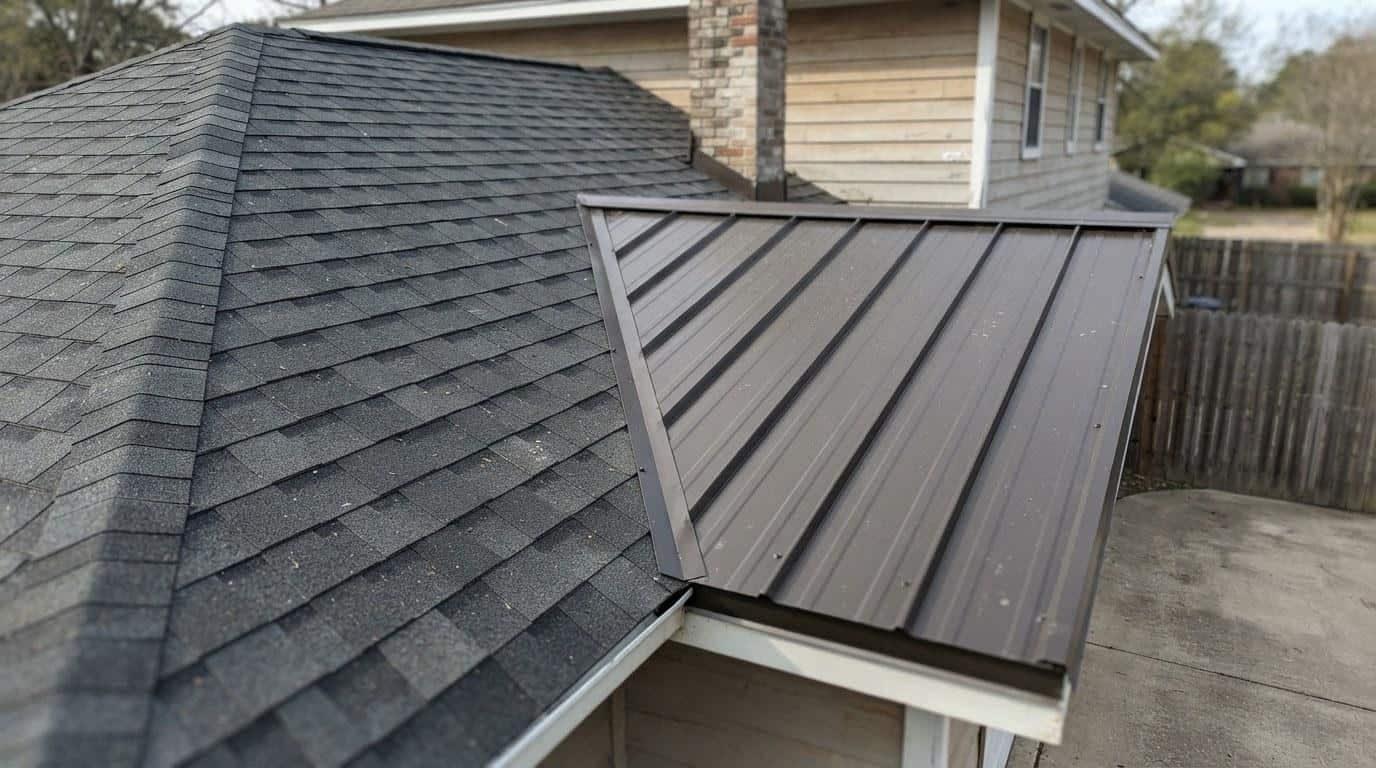
California’s climate varies dramatically from coastal fog zones to high-desert heat to mountain snow loads, so the right roofing material depends heavily on where your home sits. Asphalt shingles dominate statewide because of their cost and versatility, but tile, metal, and flat-roof membranes each serve specific needs.
Our crews have replaced roofs on homes across Southern California and consistently find that properties in high-fire-hazard severity zones require Class A fire-rated materials — a requirement that rules out certain shingle grades and makes concrete tile or metal roofing the smarter long-term choice.
| Material | Typical Lifespan | Best Climate Fit | Fire Rating | Relative Cost (per sq) |
|---|---|---|---|---|
| Asphalt Shingles (architectural) | 25-30 years | Mild coastal, inland valleys | Class A (most grades) | $150-$350 |
| Concrete Tile | 40-50 years | Southern CA, hot inland areas | Class A | $350-$550 |
| Clay Tile | 50+ years | Coastal, Mediterranean climates | Class A | $450-$700 |
| Metal (standing seam) | 40-70 years | Fire zones, mountain, desert | Class A | $400-$800 |
| TPO / Modified Bitumen (flat) | 15-25 years | Low-slope, commercial, additions | Class A (most systems) | $200-$450 |
California’s Title 24 energy standards also require cool-roof compliance on many re-roofing projects. Cool roofs must meet minimum solar reflectance and thermal emittance values set by the California Energy Commission. Metal and light-colored tile products often satisfy these requirements without added cost.
How Much Does a Roof Replacement Cost in California?
Roof replacement in California typically ranges from $8,000 to $25,000 for a standard single-family home, with larger or more complex projects running $30,000 or more. The price per square (100 sq ft) varies by material, roof pitch, and the number of layers being removed.
Several factors move the final number significantly:
- Roof size: Most California homes fall between 1,500 and 3,500 square feet of roof surface. Every additional 100 sq ft adds to labor and material cost.
- Pitch and complexity: Steep roofs (above 6:12 pitch) require safety equipment and slow the crew down, typically adding 20-40% to labor costs.
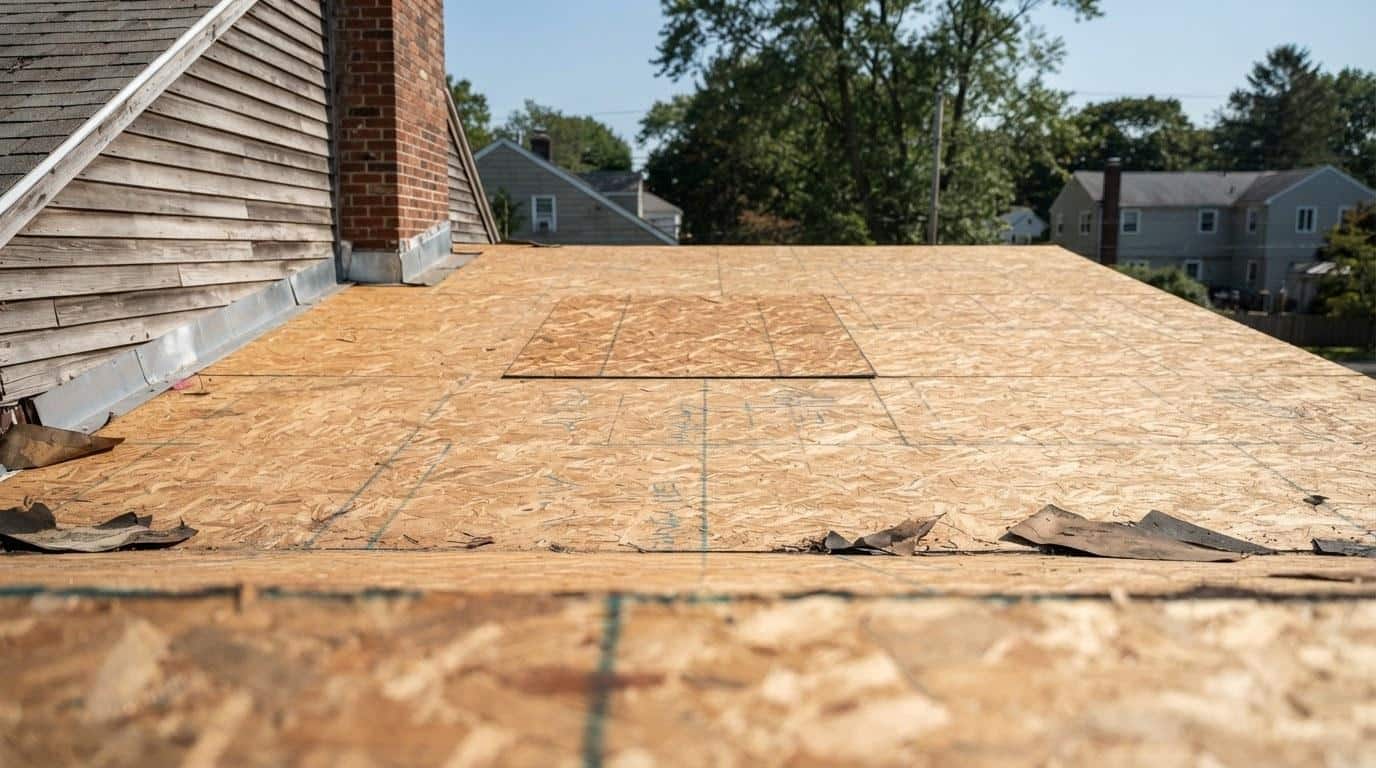
- Tear-off layers: California code generally limits roofs to 2 layers of shingles. A full tear-off of existing material adds $1,000 to $3,000 on average.
- Decking repairs: Rotted or damaged sheathing discovered during tear-off is billed separately, usually at $60 to $120 per sheet of plywood replaced.
- Material grade: Architectural shingles cost more than 3-tab; manufacturer-certified systems with extended warranties cost more than standard installs.
- Permit fees: Building permit fees vary by county and project valuation, typically ranging from $150 to $600 in most California jurisdictions.
As of 2026, the Inflation Reduction Act federal tax credit does not apply directly to standard roof replacement, but it does apply to qualifying energy-efficient improvements made at the same time, such as attic insulation or solar-ready underlayment upgrades. Ask your contractor about bundling eligible improvements.
For an accurate number, always request a custom written estimate. Contact Hollywood Contractor Corp at (818) 264-1955 for a no-obligation quote on your specific project.
What Mistakes Should You Avoid When Hiring a Roofing Contractor?
The single most common mistake California homeowners make is hiring a contractor based on price alone, without verifying the CSLB license or insurance. A low bid that skips proper underlayment, flashing, or ventilation will cost far more to fix than the savings gained upfront.
Our team has inspected roofs across Los Angeles County and the surrounding region where previous contractors used non-compliant underlayment on tile installations — a shortcut that voided the manufacturer warranty and left homeowners with no coverage when leaks developed within 3 to 5 years of installation.
- Paying a large deposit upfront: Reputable contractors typically require 10-30% to start, not 50% or more. A demand for more than half upfront is a red flag.
- Accepting a verbal quote: Every scope of work, material specification, and price must be in writing before you sign or pay anything.
- Skipping permit verification: Ask for the permit number and confirm it with your local building department. Unpermitted work can block a home sale and create insurance issues.
- Hiring storm chasers after a weather event: Out-of-area contractors who appear after heavy rain or wind events often disappear before warranty claims arise. Stick with established local roofing companies.
- Ignoring ventilation in the scope: Proper attic ventilation is required under California building code and directly affects shingle lifespan. A bid that does not address ventilation is incomplete.
- Not checking CSLB license status: Licenses can be suspended for unpaid judgments or violations. Always verify at cslb.ca.gov on the day you sign, not just when you first call.
- Choosing a contractor who discourages insurance claims: If your roof damage is covered by homeowner’s insurance, a legitimate contractor will work with your adjuster, not around them.
What Questions Should You Ask a Roofing Contractor Before Signing?
Asking the right questions before signing separates homeowners who get a quality roof from those who end up in disputes. A confident, qualified contractor will answer every one of these directly and in writing.
Licensing and Insurance
- What is your CSLB license number, and can I verify it today?
- Can you provide a certificate of insurance showing liability and workers’ comp coverage?
Scope and Materials
- What brand and grade of underlayment will you use?
- How will you handle flashing at chimneys, skylights, and walls?
- Will you replace the drip edge and pipe boots, or reuse existing ones?
- Are you a certified installer for the shingle or tile manufacturer you’re recommending?
Process and Timeline
- Who will pull the building permit, and how long does it typically take in this county?
- How many crew members will be on site, and will a supervisor be present throughout?
- What is the estimated start date and completion window?
- How will you protect my landscaping, windows, and HVAC equipment during the tear-off?
Warranty and Payment
- What workmanship warranty do you provide, and is it transferable if I sell the home?
- What is the payment schedule, and do you accept a final inspection before the last payment?
Finding the best roofing company in California 2026 comes down to how clearly and completely a contractor answers these questions. Vague answers, pressure to sign quickly, or resistance to putting things in writing are all signals to walk away.
Ready to Get a Roof Estimate From a Trusted California Contractor?
Schedule your roof inspection and written estimate today. Hollywood Contractor Corp is licensed by the California Contractors State License Board (CSLB) and serves homeowners across Southern California with full-scope roofing services — from asphalt shingle replacement to tile, metal, and flat-roof systems.
Call (818) 264-1955 to book your on-site estimate. Get a written scope, a clear timeline, and honest answers to every question on your list — no pressure, no vague bids.
Explore our full range of General Contracting services.
Frequently Asked Questions
How long does a roof usually last in California?
Most asphalt shingle roofs in California last 25 to 30 years under normal conditions. Concrete and clay tile roofs commonly last 40 to 50 years or longer. Heat, UV exposure, and coastal salt air can shorten lifespan, so annual inspections help catch problems before they become expensive repairs.
How much does a new roof cost in California?
Roof replacement in California typically ranges from $8,000 to $25,000 for a standard single-family home. The final cost depends on roof size, pitch, material type, number of layers being removed, and any decking repairs needed. Always get at least two written bids before committing to a contractor.
How do I know if a roofing contractor in California is legit?
Verify the contractor's license number at cslb.ca.gov before signing anything. A legitimate roofing contractor in California holds a C-39 Roofing license, carries general liability and workers' compensation insurance, and will pull the required building permit. If a contractor cannot provide any of these, do not hire them.
How much does it cost to replace a roof on a 2,000 square foot house in California?
A 2,000 square foot home typically has roughly 20 to 22 roofing squares of surface area. At current California market rates, expect to pay somewhere between $10,000 and $18,000 for an architectural shingle replacement, and $16,000 to $28,000 or more for tile or metal. Pitch, tear-off layers, and decking condition all affect the final number.
Do I need a permit to replace my roof in California?
Yes, most full roof replacements in California require a building permit. The permit ensures the work is inspected for compliance with California's Title 24 energy standards and local building codes. A reputable contractor will pull the permit on your behalf — if a contractor suggests skipping it, that is a serious red flag.