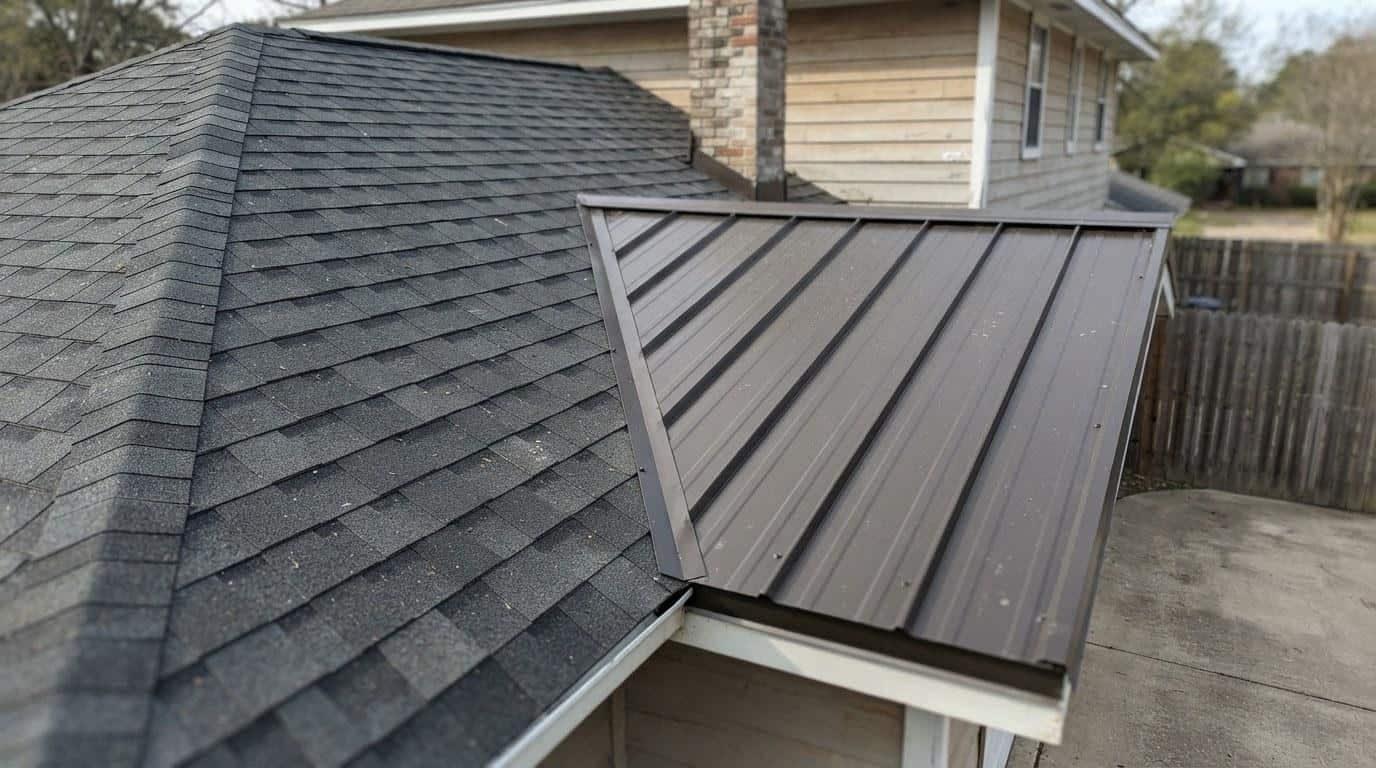
Choosing between asphalt shingles and metal roofing comes down to upfront budget versus long-term value, and in Southern California's heat and fire-prone climate, the stakes are higher than in most states. This guide breaks down the real cost difference, lifespan, and performance of both materials so you can make a confident decision.
How Do Asphalt Shingles and Metal Roofing Actually Compare?
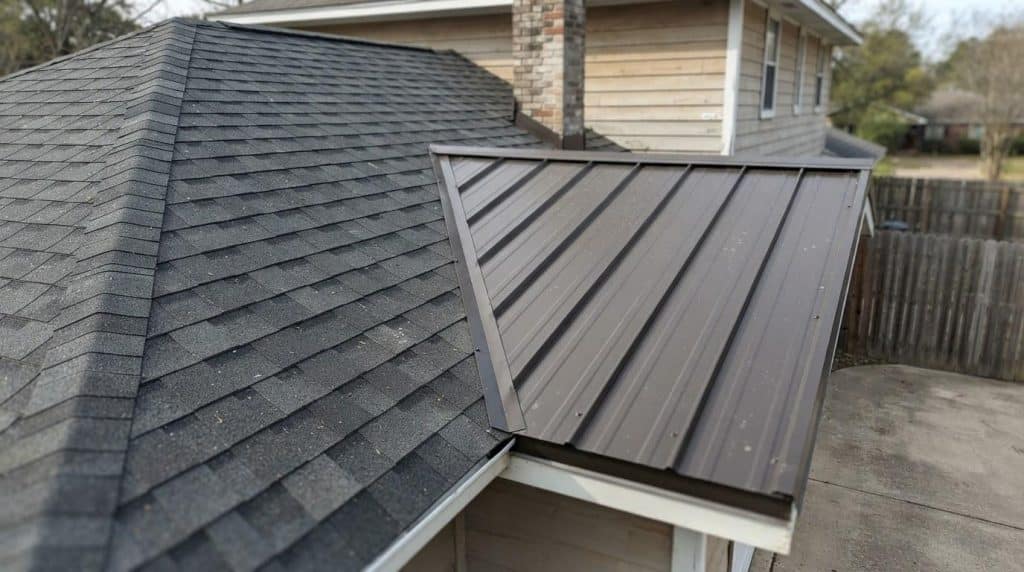
Asphalt shingles are the most common residential roofing material in the U.S., while metal roofing is the fastest-growing alternative for homeowners who want longer life and better performance. Both are valid choices, but they serve different priorities. Understanding the core differences in material, weight, installation, and appearance helps you decide which one fits your home and budget before you ever talk to a contractor.
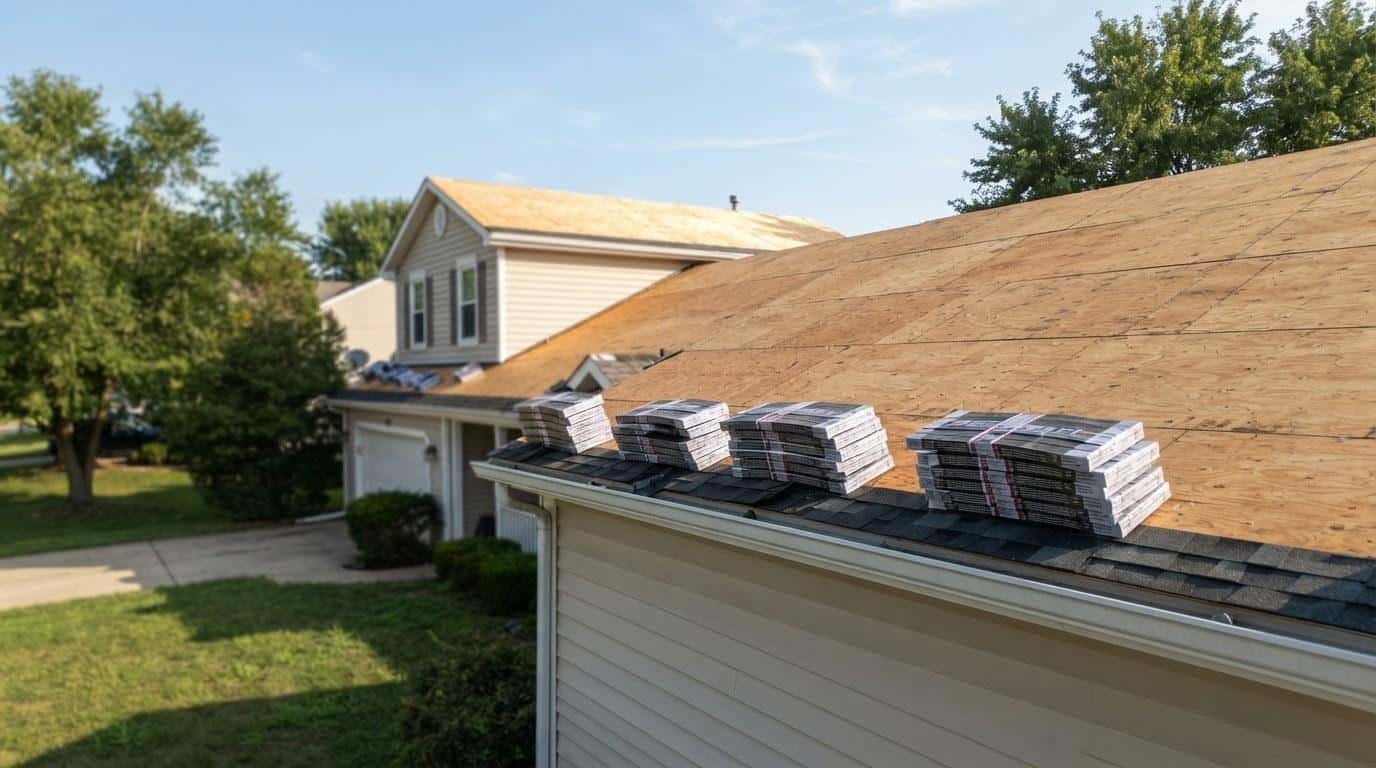
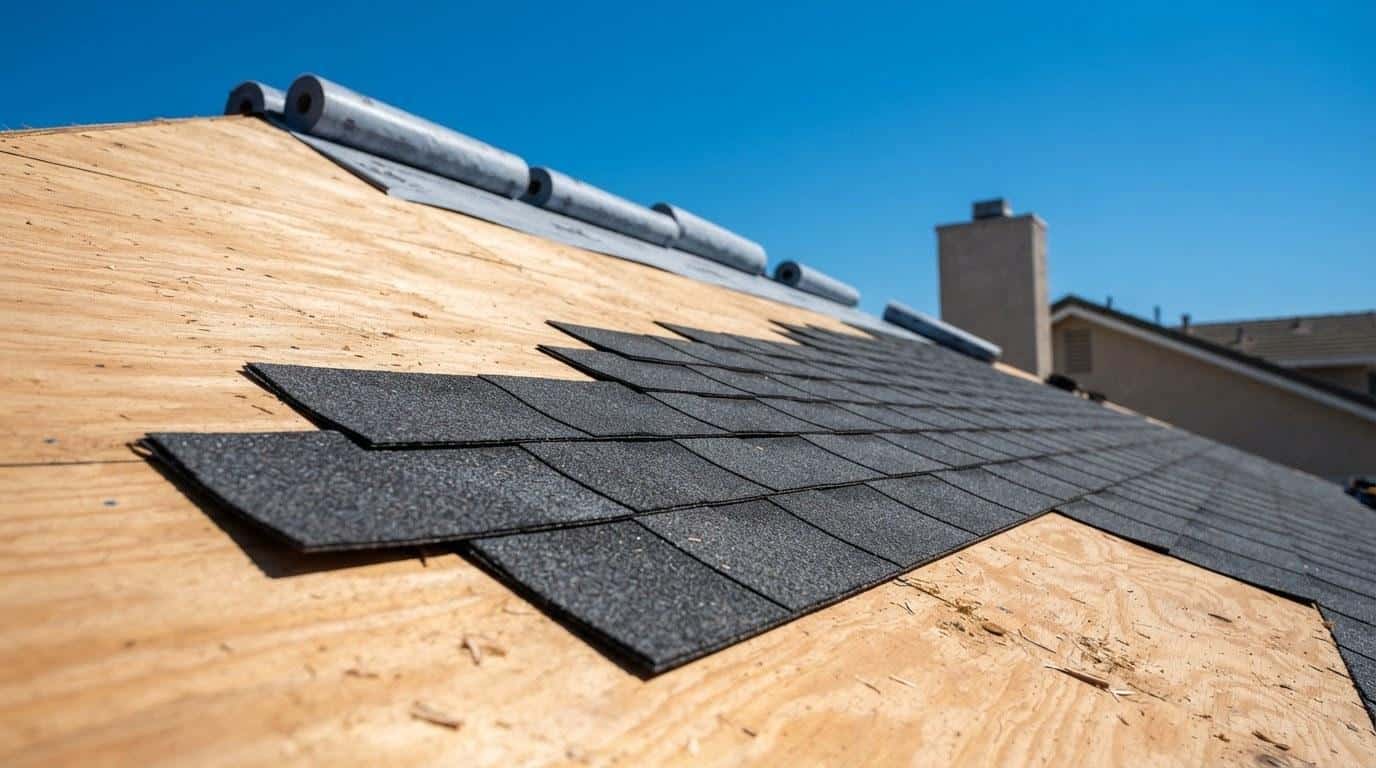
Asphalt shingles are made from a fiberglass mat coated with asphalt and granules. They are lightweight, widely available, and easy for crews to install quickly. Three-tab shingles are the entry-level option, while architectural (dimensional) shingles add thickness and a layered look that mimics wood shake or slate.
Metal roofing includes several product types. Standing seam panels are the premium choice, with concealed fasteners and a clean, modern profile. Exposed-fastener corrugated panels cost less. Metal shingles and tiles mimic the look of asphalt or clay while delivering metal’s durability. Steel, aluminum, and copper are the most common metals used in residential work.
| Feature | Asphalt Shingles | Metal Roofing |
|---|---|---|
| Typical lifespan | 15 to 30 years | 40 to 70 years |
| Average installed cost (CA market) | $4 to $8 per sq ft | $9 to $20 per sq ft |
| Fire rating | Class A (fiberglass) to Class C | Class A (inherently) |
| Weight per square (100 sq ft) | 230 to 430 lbs | 50 to 150 lbs |
| Energy efficiency | Moderate (cool-roof options available) | High (reflective coatings standard) |
| Wind resistance | Up to 130 mph (premium shingles) | Up to 140 mph or higher |
| Recyclable at end of life | Partially (asphalt recycling programs) | Yes (fully recyclable) |
| Noise during rain | Quiet | Minimal with proper underlayment |
What Does Asphalt Shingles vs Metal Roofing Cost in the California Market?
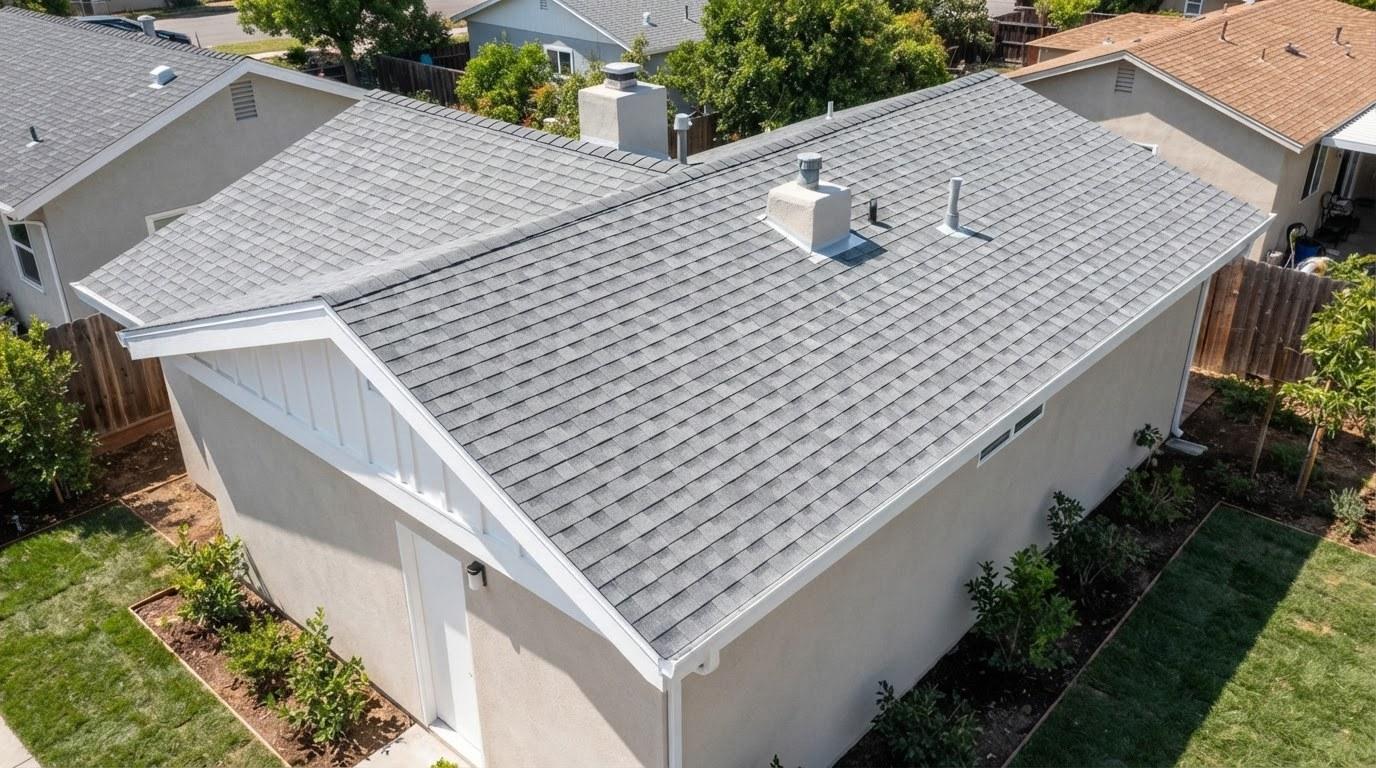
In the Southern California regional market, asphalt shingle installation typically runs $4 to $8 per square foot installed, while metal roofing generally ranges from $9 to $20 per square foot depending on the metal type and panel style. On a 2,000-square-foot roof, that translates to a rough range of $8,000 to $16,000 for asphalt and $18,000 to $40,000 for metal before any structural or permitting variables.
Several factors move these numbers significantly. Roof pitch, deck condition, number of layers being torn off, and local permit fees all affect the final invoice. Standing seam metal costs more than exposed-fastener systems. Copper and zinc panels sit at the very top of the price range, sometimes exceeding $25 per square foot installed.
- Roof pitch: Steep slopes above 6:12 require additional labor time and safety equipment, adding 15 to 25 percent to labor costs.
- Tear-off layers: California building codes generally limit roofs to two layers of asphalt shingles. A second layer already in place means a full tear-off is required before re-roofing, adding $1 to $2 per square foot.
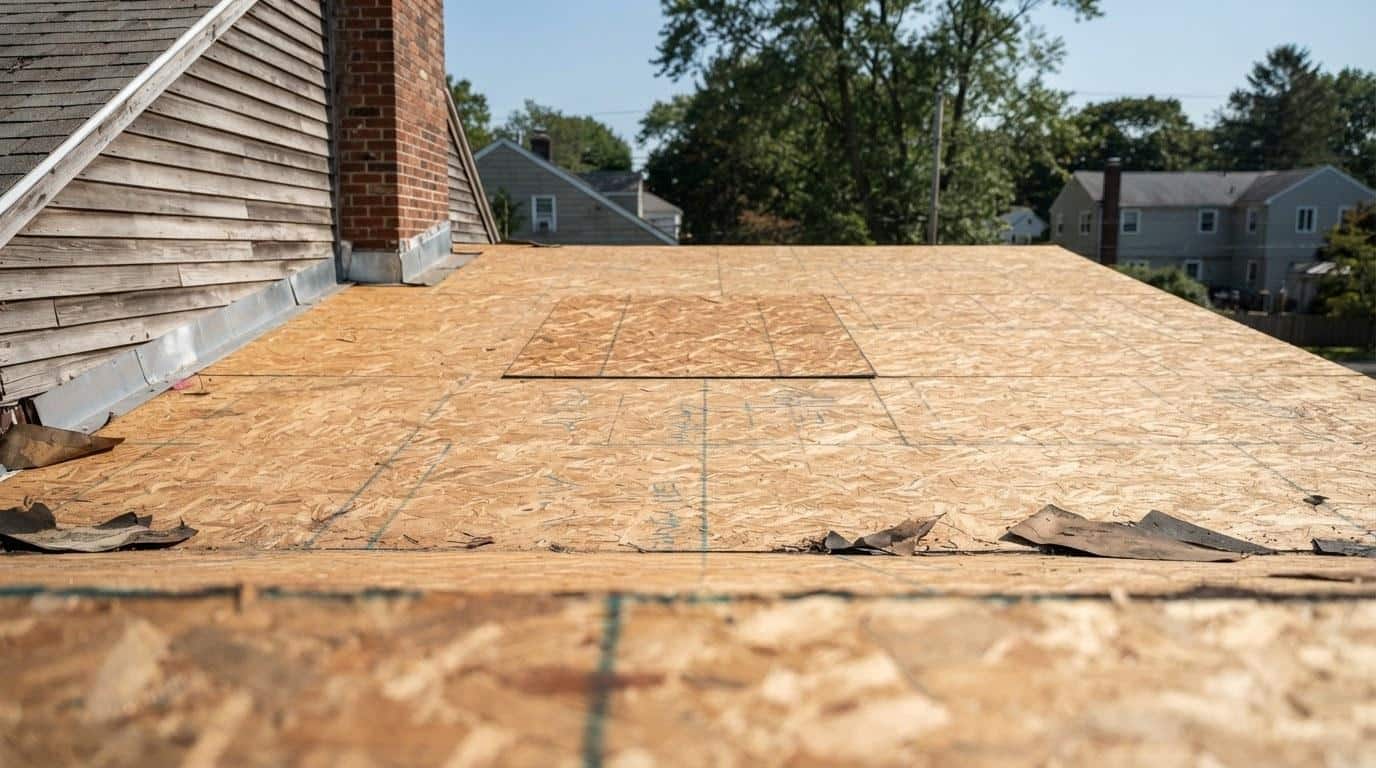
- Deck repairs: Rotted or damaged sheathing found during tear-off is billed separately, typically $60 to $100 per sheet of plywood.
- Permits: Los Angeles County and surrounding counties require roofing permits. Fees vary by jurisdiction but commonly run $200 to $600 for a standard residential re-roof.
- Metal panel type: Corrugated steel is the most affordable metal option. Standing seam aluminum or steel costs 30 to 50 percent more than corrugated for the same roof area.
When comparing asphalt shingles vs metal roofing cost over a full ownership horizon, metal often wins. A homeowner who replaces asphalt shingles twice over 40 years may spend more in total than someone who installs metal once and maintains it. That said, the higher upfront cost of metal is a real barrier for many households, and asphalt remains a strong, proven choice when cash flow matters.
A homeowner who replaces asphalt shingles twice over 40 years may spend more in total than someone who installs metal once and maintains it.
Homeowners in California may also qualify for energy-efficiency incentives. Certain cool-roof metal systems qualify under the Inflation Reduction Act federal tax credit for energy-efficient home improvements, which as of 2025 allows up to 30 percent back on qualifying products. Always verify eligibility with a tax professional before factoring credits into your budget.
Which Roof Material Lasts Longer in Southern California’s Climate?
Metal roofing outlasts asphalt shingles by 20 to 40 years in most real-world conditions, and Southern California’s intense UV exposure, heat cycles, and dry Santa Ana wind events accelerate asphalt degradation faster than in cooler climates. A standard three-tab asphalt shingle may reach the end of its useful life in as few as 15 years in high-UV coastal or inland valley conditions.
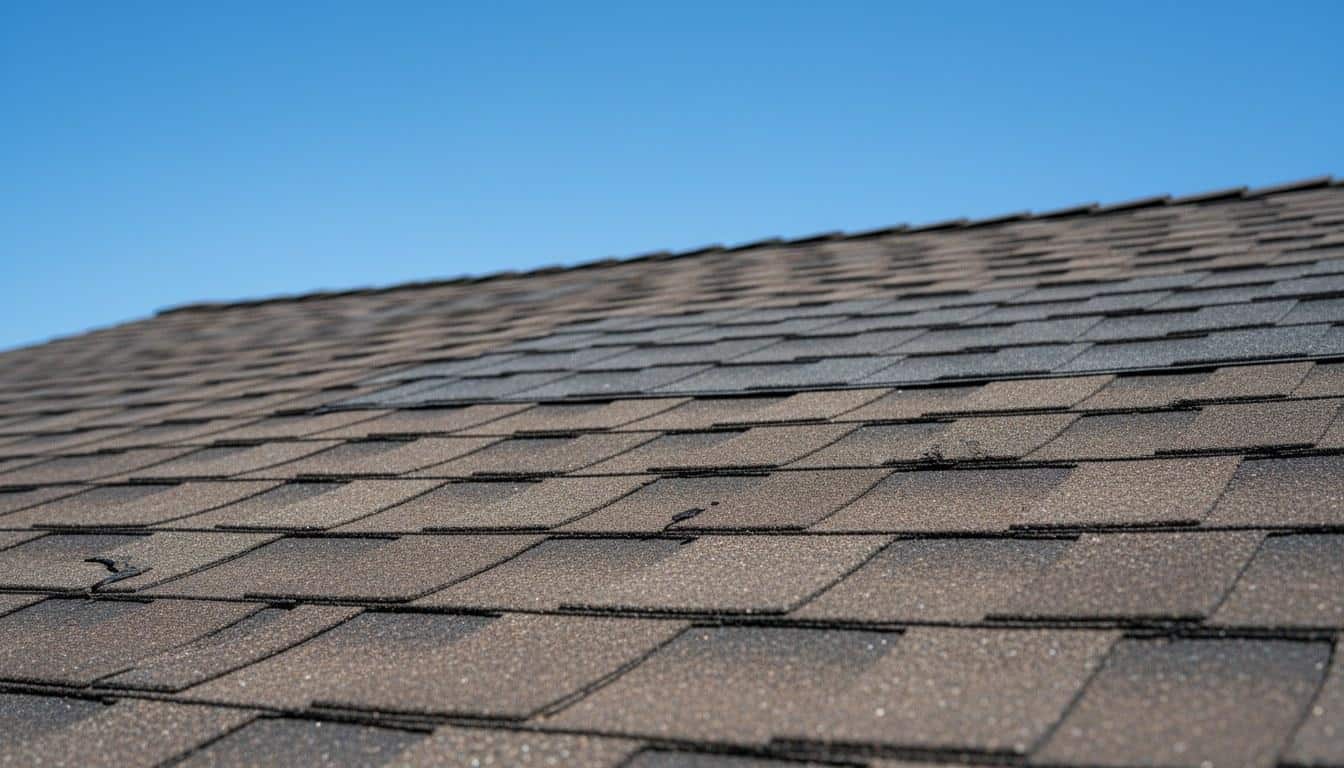
Southern California regularly sees summer temperatures above 95 degrees Fahrenheit in inland areas, according to NOAA climate data. Repeated thermal expansion and contraction causes asphalt shingles to crack, curl, and lose granules over time. Architectural shingles hold up better than three-tab, but neither matches the thermal stability of metal.
Metal roofing handles heat cycles with minimal degradation. Steel and aluminum expand and contract, but properly installed standing seam panels are engineered for that movement with floating clip systems. A quality metal roof installed today can reasonably be expected to outlast the next two asphalt replacements on the same home.
Our crews have replaced asphalt roofs on homes across Southern California where the shingles were only 18 to 20 years old but showed granule loss, cracking, and active leaks driven by prolonged UV and heat exposure. In those same neighborhoods, metal roofs installed in the early 2000s remain in service with no major repairs needed.
How Do Fire Ratings and Energy Efficiency Stack Up?
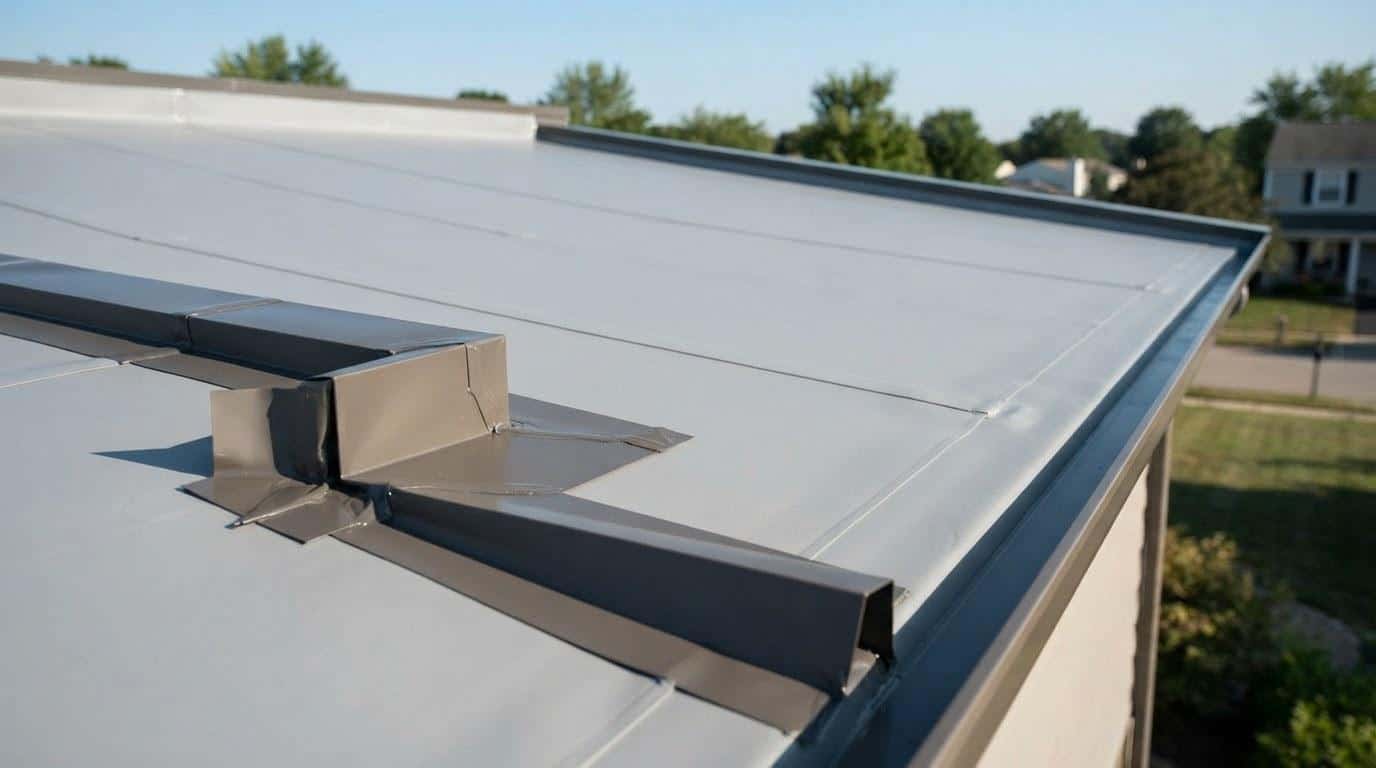
Metal roofing carries an inherent Class A fire rating, the highest available, while asphalt shingles achieve Class A only when made with a fiberglass mat rather than an organic base. In California’s wildfire-prone communities, fire rating is not a cosmetic checkbox. It directly affects insurance premiums and, in many high-risk zones, may be required by local ordinance.
The California Department of Forestry and Fire Protection (CAL FIRE) designates large portions of Southern California as High or Very High Fire Hazard Severity Zones. Homeowners in these zones should verify that any roofing material they choose meets local requirements. Most modern fiberglass asphalt shingles do qualify as Class A, but it is worth confirming with your contractor and insurer before committing.
Energy efficiency is another area where metal pulls ahead. Metal roofs with factory-applied reflective coatings can reflect 25 to 40 percent more solar energy than standard asphalt shingles, reducing attic temperatures and cutting summer cooling loads. ENERGY STAR-certified metal roofing products meet strict solar reflectance thresholds set by the U.S. Environmental Protection Agency.
California’s Title 24 building energy standards require cool-roof compliance on low-slope roofs and encourage it on steep-slope roofs for re-roofing projects. Metal roofing with a qualifying reflective coating easily meets these standards. Asphalt shingles can also qualify if they carry an ENERGY STAR rating, but the selection of compliant asphalt products is narrower than for metal.
- Class A fire rating: Both fiberglass asphalt and metal achieve this, but metal does so inherently without relying on the mat composition.
- Solar reflectance: ENERGY STAR metal roofing reflects 25 to 40 percent more heat than standard asphalt.
- Attic temperature reduction: Reflective metal roofs can lower attic temperatures by 10 to 15 degrees Fahrenheit on peak summer days.
- Title 24 compliance: Metal with a qualifying coating meets California’s cool-roof requirements on most project types.
- Insurance impact: Class A metal roofs often qualify for lower homeowner insurance premiums, especially in wildfire risk zones.
What Are the Hidden Costs and Maintenance Differences?
Asphalt shingles require more frequent maintenance and are more vulnerable to storm damage, moss growth, and granule loss than metal roofs. Over a 30-year period, the cumulative maintenance cost of an asphalt roof can add $3,000 to $8,000 or more beyond the original installation. Metal roofing has a lower ongoing maintenance burden, though it is not maintenance-free.
Over a 30-year period, the cumulative maintenance cost of an asphalt roof can add $3,000 to $8,000 or more beyond the original installation.
Common asphalt shingle maintenance needs include resealing flashing every 5 to 7 years, replacing damaged or missing shingles after wind events, treating moss and algae growth in shaded or coastal areas, and cleaning gutters more frequently because granule shedding accelerates debris buildup. Each of these service calls carries a labor cost on top of any materials.
Metal roofing maintenance is simpler. Exposed-fastener panels need fastener inspection and re-tightening every 10 to 15 years as rubber washers age. Standing seam systems require very little beyond periodic cleaning and gutter maintenance. Scratches or dents from falling branches should be addressed to prevent rust on steel panels, though aluminum and copper panels do not rust at all.
- Asphalt: flashing resealing every 5 to 7 years, roughly $200 to $500 per service.
- Asphalt: storm damage repairs after high-wind events are common, averaging $150 to $600 per incident.
- Asphalt: moss and algae treatment in coastal areas, typically $300 to $700 per treatment.
- Metal: fastener inspection on exposed systems every 10 to 15 years, roughly $150 to $400.
- Metal: touch-up coating on scratched panels to prevent rust, a minor cost when caught early.
One often-overlooked hidden cost is structural. Because metal roofing weighs significantly less than asphalt, it is sometimes possible to install metal over an existing asphalt layer without a full tear-off, saving $1 to $2 per square foot. Homeowners should always have a contractor evaluate the deck condition first, since installing over deteriorated sheathing creates problems regardless of the new material on top.
Which Material Is the Right Choice for Your Home?
Metal roofing is the stronger long-term investment for most Southern California homeowners who plan to stay in their home for 15 or more years, while asphalt shingles make sense when upfront cost is the deciding factor or when a shorter ownership horizon is expected. Neither material is universally right. The best choice depends on your budget, your timeline, your home’s structural condition, and the fire and climate risks in your area.
Consider asphalt shingles if your budget for the project is under $15,000, if you are preparing to sell within the next 5 to 10 years, or if your existing roof structure needs significant repair before it can support a re-roof regardless of material. Architectural asphalt shingles from a reputable manufacturer with a 30-year warranty still represent excellent value in these situations.
Consider metal roofing if you plan to stay in your home long-term, if your property is in a High Fire Hazard Severity Zone, if your energy bills are high and you want the cooling benefit of a reflective roof, or if you are doing a full home remodel or addition and want the roof to match the project’s overall quality level. Contractors who specialize in ADU construction and home additions often recommend metal roofing for new structures precisely because it eliminates the likelihood of a re-roof during the building’s first 40 years of service.
- Choose asphalt if: upfront cost is the primary constraint, the home is being sold within 10 years, or the project scope is a straightforward re-roof on a standard-pitch residential structure.
- Choose metal if: long-term ownership is the plan, the property is in a wildfire risk zone, energy savings are a priority, or the project is part of a larger remodel or new construction.
- Check your HOA: Some homeowners associations in California restrict metal roofing colors or panel styles. Confirm approval before ordering materials.
- Verify contractor licensing: Any contractor installing roofing in California must be licensed by the California Contractors State License Board (CSLB). Ask for the license number and verify it online before signing a contract.
We see roughly twice as many homeowners choose metal roofing on projects that also involve a room addition or ADU construction compared to standalone re-roof jobs. When the scope of work already involves structural changes, the incremental cost of upgrading to metal is easier to absorb and the long-term payoff is clearer.
Get a Roofing Quote from Hollywood Contractor Corp
If you are ready to compare real numbers for your specific home, the next step is a professional roof assessment and written quote. Material costs, labor, permit fees, and any deck repairs all vary by property, and a proper site visit is the only way to get accurate figures.
Hollywood Contractor Corp installs both asphalt shingles and metal roofing for homeowners across Southern California. The team can walk you through the right material for your budget, fire risk zone, and long-term plans, and provide a detailed written estimate with no pressure to decide on the spot.
Call (818) 264-1955 to schedule your roofing consultation. Whether you are replacing an aging asphalt roof, upgrading to metal, or planning a full home remodel that includes a new roof, Hollywood Contractor Corp is ready to help you make the right call for your home and your budget.
Explore our full range of General Contracting services.
Frequently Asked Questions
How much more does metal roofing cost compared to asphalt shingles in California?
Metal roofing typically costs two to three times more than asphalt shingles when comparing installed prices in the Southern California market. Asphalt shingles generally run $4 to $8 per square foot installed, while metal ranges from $9 to $20 per square foot depending on the panel type and metal chosen. The gap narrows over time because metal lasts 40 to 70 years versus 15 to 30 for asphalt, meaning you may replace asphalt twice before metal needs replacement.
Is metal roofing worth it in Southern California?
For most homeowners who plan to stay in their home for 15 or more years, metal roofing is worth the higher upfront cost in Southern California. The region's intense UV exposure, heat, and wildfire risk all favor metal's durability, Class A fire rating, and reflective energy efficiency. Homeowners in High Fire Hazard Severity Zones often see insurance savings that help offset the cost difference over time.
How long do asphalt shingles last in the California heat?
In Southern California's high-UV, high-heat climate, asphalt shingles typically last 15 to 25 years, which is shorter than the 25 to 30 year lifespan often quoted for cooler climates. Three-tab shingles tend to fail sooner, while architectural shingles hold up better. Granule loss, cracking, and curling are common signs of heat-accelerated aging that signal it is time to replace.
Can I put metal roofing over my existing asphalt shingles?
In some cases, yes. Metal roofing can be installed over a single existing layer of asphalt shingles if the roof deck is in sound condition, which saves the cost of a full tear-off. However, California building codes limit asphalt roofs to two layers, and if a second layer is already present, a tear-off is required before any new material goes on. A contractor should inspect the deck condition before deciding whether an overlay is appropriate.
Does metal roofing qualify for any California or federal tax credits?
Certain ENERGY STAR-certified metal roofing products with qualifying reflective coatings may be eligible for the Inflation Reduction Act federal tax credit, which as of 2025 covers up to 30 percent of the cost of qualifying energy-efficient home improvements. California's Title 24 building energy standards also encourage cool-roof products, and some utility rebate programs apply to reflective roofing. Always confirm eligibility with a tax professional before counting on credits in your budget.