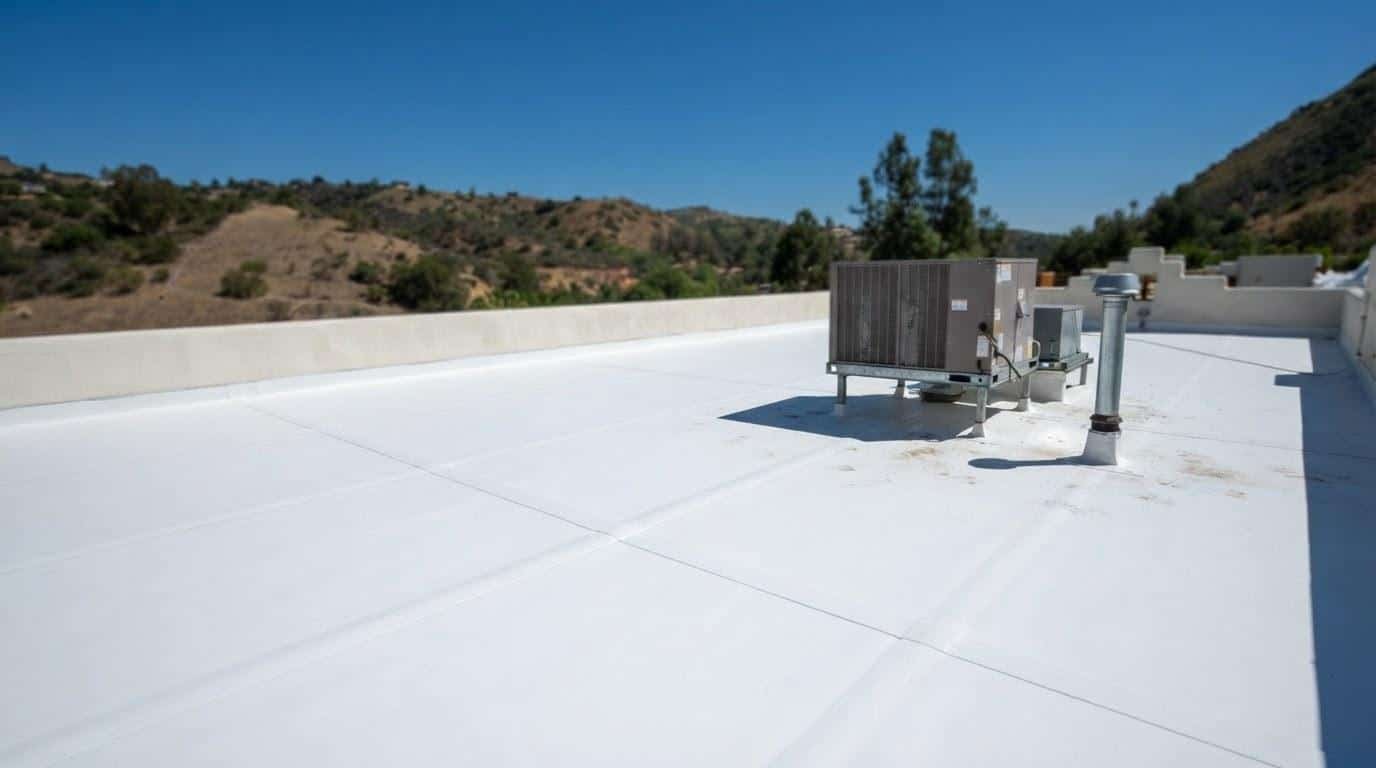
Title 24 Cool Roof Requirements: A Complete Compliance Guide for California Roof Installation
California's Title 24 energy code sets specific solar reflectance and thermal emittance minimums for nearly every new roof installation in the state. This guide explains what the standards require, which roofs are affected, and how to stay compliant.
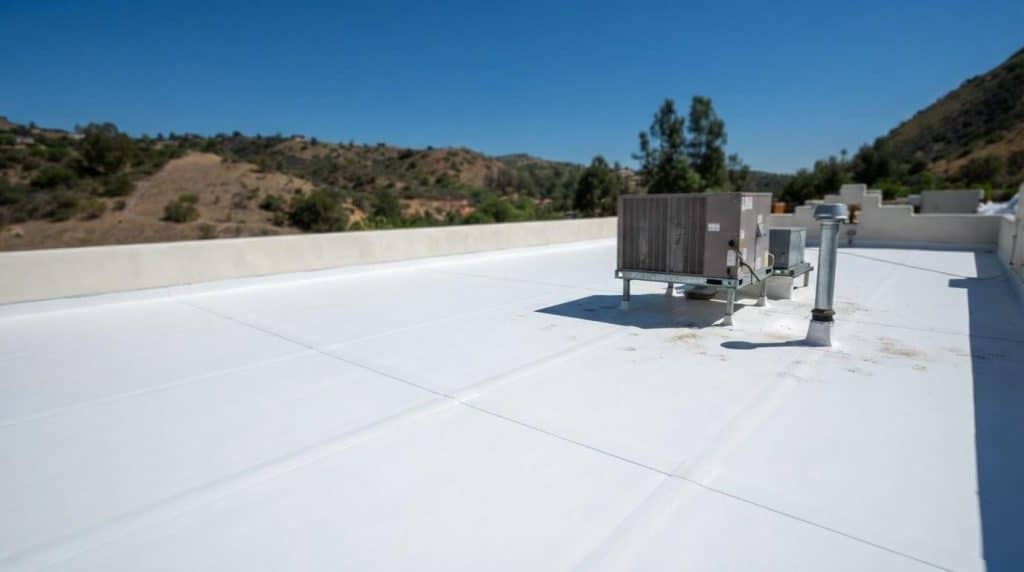
California’s Title 24 building energy standards require every new roof installation to meet minimum solar reflectance and thermal emittance values set by the California Energy Commission (CEC). These rules apply statewide, not just in certain cities or climate zones. If you are planning a roof replacement or new construction anywhere in California, this title 24 cool roof installation requirements guide covers every standard you need to know before a single shingle goes down.
What Is California’s Title 24 Cool Roof Standard?
Title 24, Part 6 of the California Code of Regulations is the state’s Building Energy Efficiency Standards. The cool roof provisions inside it require roofing materials to reflect sunlight and release absorbed heat at measurable, minimum levels. A roof that reflects more solar energy keeps the attic and conditioned space below it cooler, which lowers cooling loads and cuts energy bills.
The standard was first introduced in the early 2000s and has been updated in every code cycle since. The current 2022 Title 24 standards, which took effect on January 1, 2023, are the most stringent version yet. They apply to both residential and nonresidential buildings across all 16 of California’s climate zones.
Two physical properties define a cool roof under this code. Solar reflectance (SR) measures the fraction of sunlight a surface bounces back, on a scale of 0 to 1. Thermal emittance (TE) measures how efficiently a surface radiates absorbed heat back into the atmosphere, also on a scale of 0 to 1. Higher numbers mean a cooler roof.
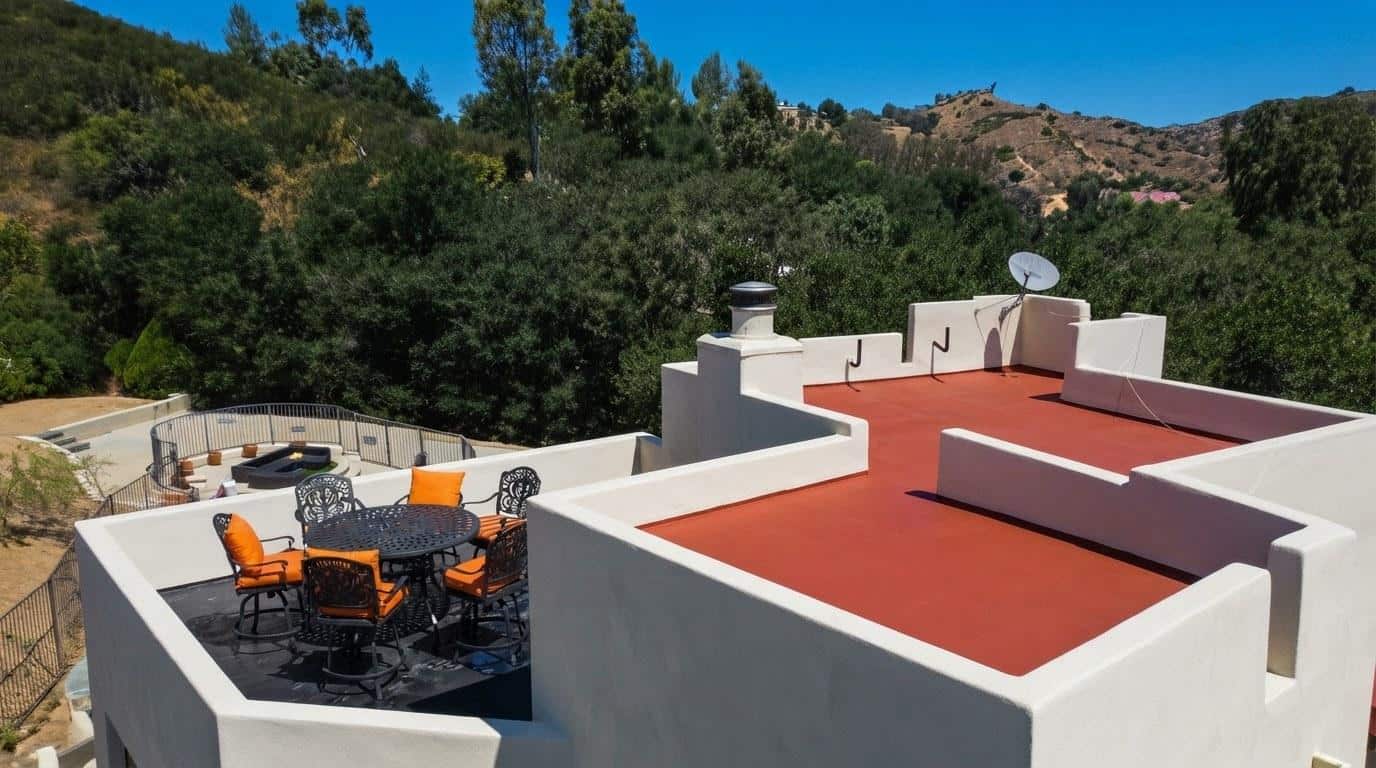
Which Roofs Must Comply With Title 24 Cool Roof Installation Requirements?
Title 24 cool roof requirements apply to new construction, re-roofing projects that replace more than 50 percent of a roof’s surface area, and any roof addition in California. Both residential and nonresidential buildings are covered. A simple repair that patches a small section typically does not trigger the standard, but a full tear-off and replacement always does.
The requirements vary by roof slope and climate zone. California divides the state into 16 climate zones based on temperature, humidity, and solar exposure. Coastal areas like those in Climate Zone 3 face somewhat different thresholds than the inland desert regions in Climate Zones 10 through 15, where summer cooling loads are most severe.
The following building and project types are subject to Title 24 cool roof compliance:
- New single-family homes: All new residential construction statewide must use a rated cool roof product.
- New multifamily buildings: Low-rise and high-rise multifamily projects both fall under the standard, with slope-specific thresholds.
- Commercial and industrial buildings: Nonresidential roofs, including warehouses, retail, and office buildings, must comply and often face stricter low-slope requirements.
- Re-roofing over 50 percent of the surface: Any project replacing more than half the existing roof area triggers the full standard.
- Additions with new roof area: Any new roof surface added to an existing structure must meet current standards.
Our team has processed Title 24 compliance documentation on more than 60 re-roofing projects across Southern California in the past two years, and the most common trigger is a full tear-off on a home older than 20 years where the existing product was never rated.
What Are the Exact Solar Reflectance and Thermal Emittance Numbers?
Under the 2022 Title 24 standards, low-slope roofs (slopes of 2:12 or less) must have an aged solar reflectance of at least 0.63 and a thermal emittance of at least 0.75. Steep-slope roofs (slopes greater than 2:12) must meet an aged solar reflectance of at least 0.20 and a thermal emittance of at least 0.75 in most climate zones. Some climate zones allow a lower SR for steep-slope roofs if the product meets an alternative Roof Reflectance Index (RRI) threshold instead.
The word “aged” is important. The Cool Roof Rating Council (CRRC) tests products in both their initial state and after three years of outdoor weathering. Title 24 uses the aged values, which are always lower than the initial values, because they reflect real-world performance after dirt, biological growth, and UV exposure. A product that looks white and reflective when new may not hold that performance over time.
The table below summarizes the core thresholds by roof type under the 2022 code cycle:
| Roof Type | Slope Definition | Aged Solar Reflectance (Min) | Thermal Emittance (Min) | Alternative Metric |
|---|---|---|---|---|
| Low-slope (nonresidential) | 2:12 or less | 0.63 | 0.75 | RRI 64 or higher |
| Low-slope (residential) | 2:12 or less | 0.63 | 0.75 | RRI 64 or higher |
| Steep-slope (most climate zones) | Greater than 2:12 | 0.20 | 0.75 | RRI 16 or higher |
| Steep-slope (high-altitude zones) | Greater than 2:12 | Exemption may apply | Exemption may apply | Verify with CEC tables |
Note that some climate zones in Northern California with significant heating seasons allow exemptions or reduced thresholds for steep-slope roofs. Always verify the exact requirement for your climate zone in the CEC’s current compliance manual before specifying a product.
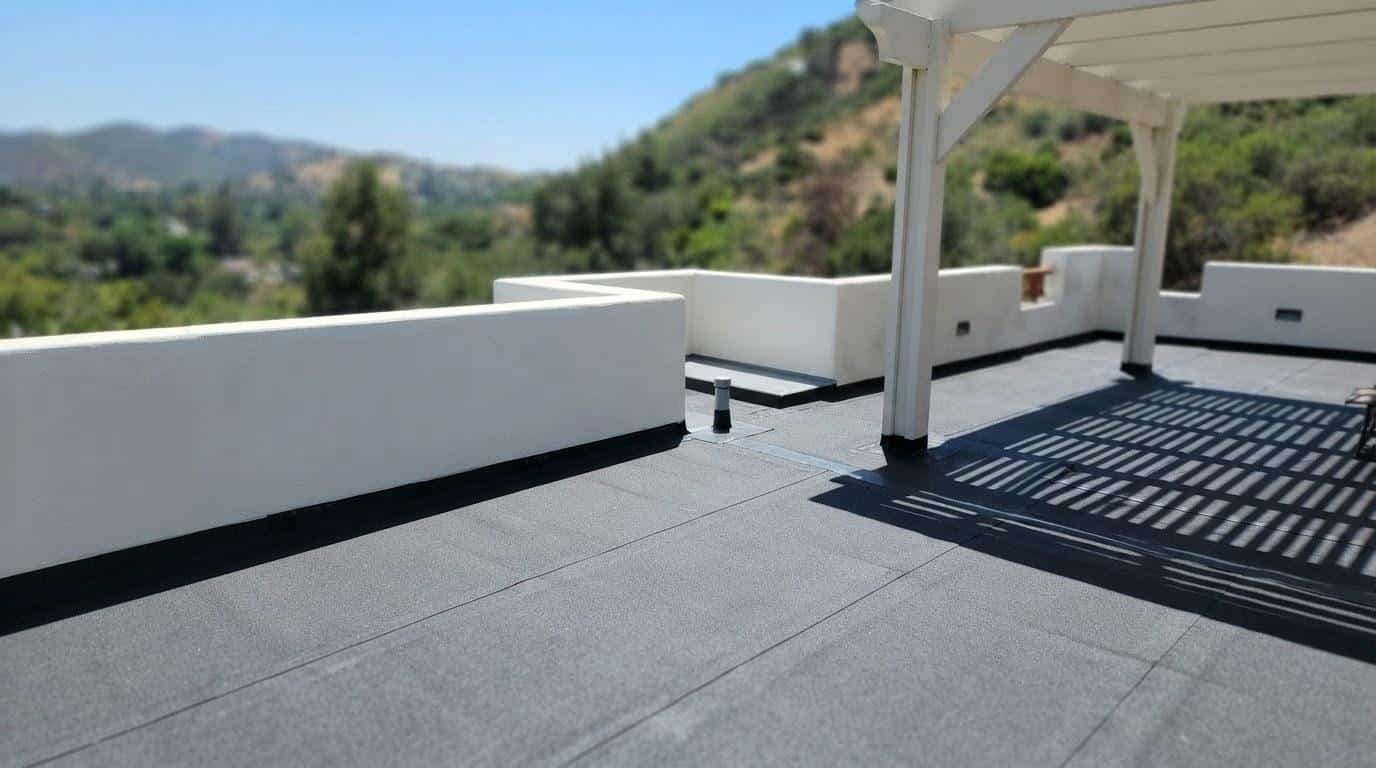
How Do You Choose a Compliant Roofing Product?
Every product used on a Title 24 project must be listed in the CRRC Rated Products Directory, which is the only database California accepts as proof of compliance. The directory is searchable by product name, manufacturer, and CRRC product ID number. Choosing a product that is not in the directory will cause a failed inspection, even if the product looks reflective or the contractor claims it meets the standard.
Here is a step-by-step process for selecting a compliant product:
- Determine your climate zone. Use the CEC’s climate zone map to find which of the 16 zones your project falls in. This sets the exact SR and TE minimums you need to hit.
- Identify your roof slope. Measure the rise over run. A slope of 2:12 or less puts you in the low-slope category. Above 2:12 is steep-slope.
- Search the CRRC directory. Go to coolroofs.org and filter by product type (shingle, tile, metal, membrane, coating). Look at the aged SR and aged TE columns, not the initial values.
- Confirm the CRRC product ID. Write this ID on your permit application and keep it in your project file. Inspectors may ask for it.
- Check for ENERGY STAR certification. Many ENERGY STAR rated roofing products also meet Title 24, but ENERGY STAR certification alone does not guarantee California compliance. Always cross-check the aged values in the CRRC directory.
- Document everything before installation. Keep the product spec sheet, the CRRC listing printout, and the purchase receipt. These are your proof of compliance if a question arises during inspection.
Common roofing materials and their typical Title 24 performance profiles vary widely. Standard dark asphalt shingles almost never meet the steep-slope threshold. Concrete and clay tile products are available in CRRC-rated versions that do. Single-ply membranes like TPO and PVC are the most common compliant choice for low-slope commercial roofs, and white-coated built-up roofing also qualifies when properly rated.
- TPO membrane: Most white TPO products exceed the 0.63 aged SR threshold and are the dominant choice for low-slope commercial work in California.
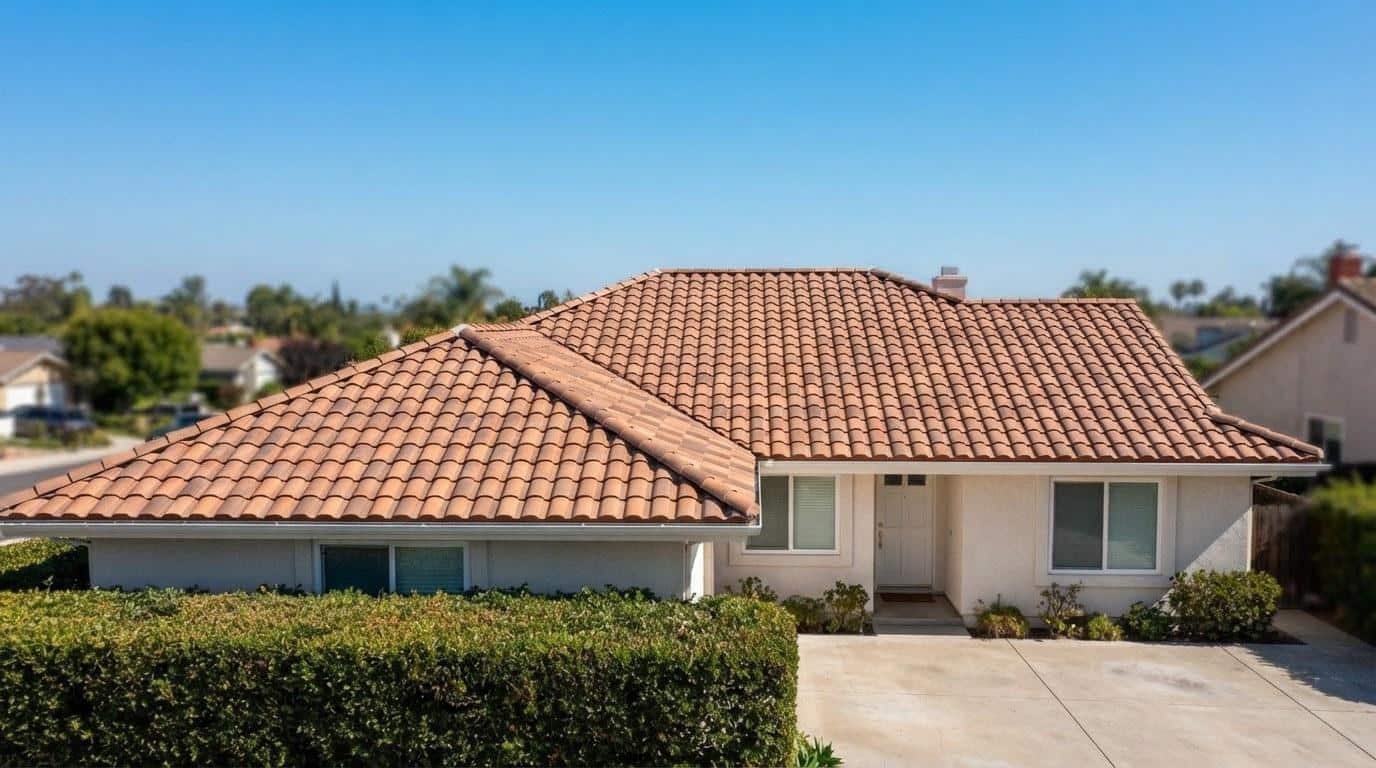
- Concrete tile: Lighter-colored and coated concrete tiles regularly meet the 0.20 aged SR for steep-slope residential roofs.
- Clay tile: Terra cotta and lighter clay tiles often meet the threshold; dark glazed tiles typically do not without a special coating.
- Metal roofing: Unpainted metal has high thermal emittance but low SR; factory-painted or Kynar-coated metal panels can meet both values when CRRC-rated.
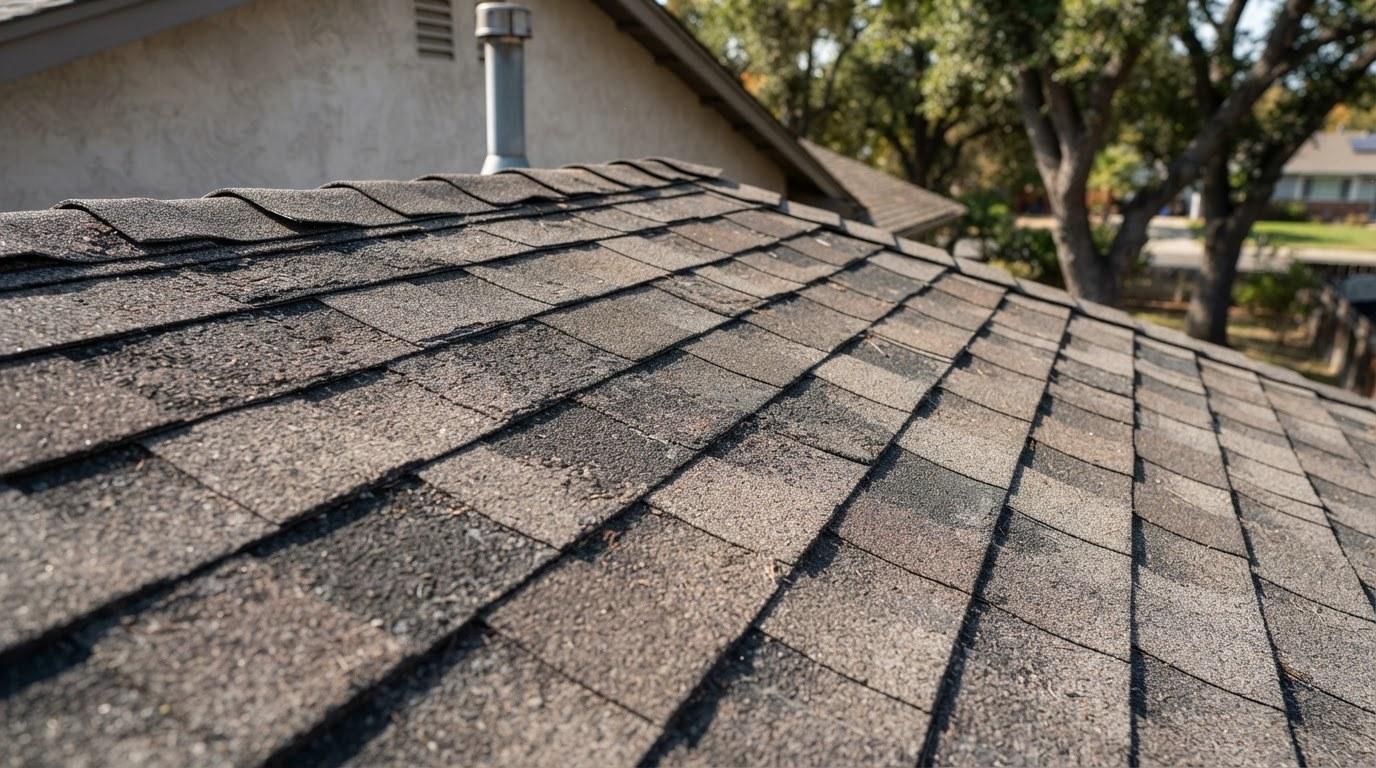
- Asphalt shingles: A small number of “cool” asphalt shingles with granule coatings are CRRC-listed, but most standard shingles fail the aged SR test.
- Roof coatings: Elastomeric and silicone coatings applied over existing membranes can bring a non-compliant roof into compliance if the coating itself is CRRC-rated.
What Happens If Your Roof Fails a Title 24 Inspection?
If a roof fails a Title 24 compliance inspection, the building department will issue a correction notice and withhold the final permit sign-off. In most cases, the contractor must remove the non-compliant material and re-install with a rated product before the project can close. This is a costly outcome that is entirely avoidable with upfront product verification.
California building inspectors check Title 24 compliance in two ways. First, they review the permit documentation, which should include the CRRC product ID and the spec sheet showing aged SR and TE values. Second, some jurisdictions conduct a field check to confirm the installed product matches the submitted documentation. Substituting a product in the field without updating the permit paperwork is one of the most common compliance failures we see.
Beyond the re-work cost, a failed inspection can trigger a stop-work order that delays the entire project. For commercial projects, that delay can mean lost lease revenue or construction loan interest. For homeowners, it can mean a roof that is exposed to weather longer than planned.
The most common reasons a roof fails Title 24 review include:
- Using initial SR values instead of aged values: A product may show an initial SR of 0.72 but an aged SR of only 0.55, which falls below the 0.63 threshold.
- Selecting a product not in the CRRC directory: A contractor may use a product that looks compliant but has never been tested and rated.
- Installing a product in the wrong climate zone: A product rated for a coastal zone may not meet the stricter thresholds for an inland desert zone.
- Failing to submit the CRRC product ID on the permit application: Missing documentation can hold up approval even if the product itself is compliant.
- Field substitution without permit amendment: Swapping to a different product mid-job without updating the permit paperwork creates a mismatch that inspectors flag.
How Much Does a Title 24 Compliant Roof Cost in California?
In the California market, a Title 24 compliant steep-slope roof replacement on a typical single-family home generally ranges from $12,000 to $30,000 depending on roof size, slope complexity, and material choice. Low-slope commercial roofing with compliant TPO membrane typically runs $5 to $12 per square foot installed, with total project costs varying widely by square footage and access conditions. These are regional market ranges, not quotes, and actual costs depend on the specific scope of your project.
The premium for choosing a CRRC-rated product over a non-rated alternative is often smaller than homeowners expect. For steep-slope residential work, a CRRC-rated concrete tile may cost only 5 to 15 percent more per square than a non-rated equivalent. For low-slope commercial work, the most common compliant product (white TPO) is also one of the most widely available and competitively priced membranes on the market, so compliance rarely adds significant cost.
The premium for choosing a CRRC-rated product over a non-rated alternative is often smaller than homeowners expect, sometimes only 5 to 15 percent more per square.
Several factors move the final number significantly:
- Roof area and complexity: More squares of roofing and more hips, valleys, and penetrations increase both material and labor costs.
- Tear-off and disposal: Removing multiple layers of existing roofing adds $1 to $3 per square foot before new material goes down.
- Deck repair: Rotted or damaged sheathing discovered during tear-off adds cost that cannot be known until the old roof is off.
- Material choice: TPO membrane, clay tile, concrete tile, and metal all carry different price points. Compliance is achievable at most price levels.
- Climate zone and local permit fees: Some jurisdictions charge higher plan-check fees for energy compliance documentation review.
It is worth noting that a Title 24 compliant roof can also support eligibility for the ENERGY STAR federal tax credit under the Inflation Reduction Act, which offers homeowners up to 30 percent back on qualifying energy-efficient improvements. A licensed contractor can help you document the installation for that credit. Always request a custom quote from a contractor who is licensed by the California Contractors State License Board (CSLB) and familiar with current Title 24 documentation requirements before committing to a product or scope.
Get Expert Help With Your Title 24 Compliant Roof Installation
Title 24 compliance is not optional, and getting the product selection and documentation right before installation saves significant time and money. Whether you are replacing a steep-slope residential roof or installing a new low-slope commercial membrane, working with a contractor who understands the CRRC directory, the aged-value thresholds, and the permit documentation process is the fastest path to a clean inspection and a closed permit.
Hollywood Contractor Corp handles roof installation and replacement projects across Southern California, including full Title 24 compliance documentation, CRRC product verification, and permit coordination. The team is licensed by the California Contractors State License Board (CSLB) and works with building departments throughout Los Angeles County and the surrounding region.
If you are planning a new roof installation or a re-roofing project and want to make sure your product selection meets current CEC Title 24 standards, call Hollywood Contractor Corp at (818) 264-1955 to request a custom quote and compliance review. Get the right product specified before the permit is submitted, not after the inspection fails.
Explore our full range of General Contracting services.
Frequently Asked Questions
Does Title 24 apply to my roof if I am only replacing part of it?
Title 24 cool roof requirements are triggered when you replace more than 50 percent of a roof's total surface area. If your project replaces half or less, the standard generally does not apply to the re-roofed portion. However, any new roof area added to the structure must always meet current standards regardless of the percentage.
How do I find out if a roofing product is Title 24 compliant?
Search the Cool Roof Rating Council (CRRC) Rated Products Directory at coolroofs.org. Look up the product by name or manufacturer and check the aged solar reflectance and aged thermal emittance columns. The aged values are what California's Title 24 standard requires, not the initial values shown on the product packaging.
What is the difference between solar reflectance and thermal emittance?
Solar reflectance measures how much sunlight a roof surface bounces back rather than absorbs, rated from 0 to 1. Thermal emittance measures how efficiently the surface releases any heat it does absorb, also rated from 0 to 1. Title 24 requires minimum values for both because a roof needs to both reflect and release heat to keep a building cool.
Can a roof coating make my existing roof Title 24 compliant?
Yes, in many cases. If a CRRC-rated elastomeric, silicone, or acrylic coating is applied over an existing non-compliant roof surface, and the coated assembly meets the aged solar reflectance and thermal emittance thresholds, it can bring the roof into compliance. The coating itself must be listed in the CRRC directory, and the application must be documented for the permit.
Do dark-colored roofs ever pass Title 24 in California?
For steep-slope roofs, a dark-colored tile or shingle can pass if it meets the aged solar reflectance minimum of 0.20 and thermal emittance of 0.75, which some specially coated or granule-treated dark products do achieve. For low-slope roofs, the 0.63 aged solar reflectance threshold is very difficult for any dark surface to meet, so most compliant low-slope products are white or light-colored.