Deciding between a detached ADU vs garage conversion? This guide breaks down costs, permits, timelines, and the key factors that help Southern California homeowners choose the right path.
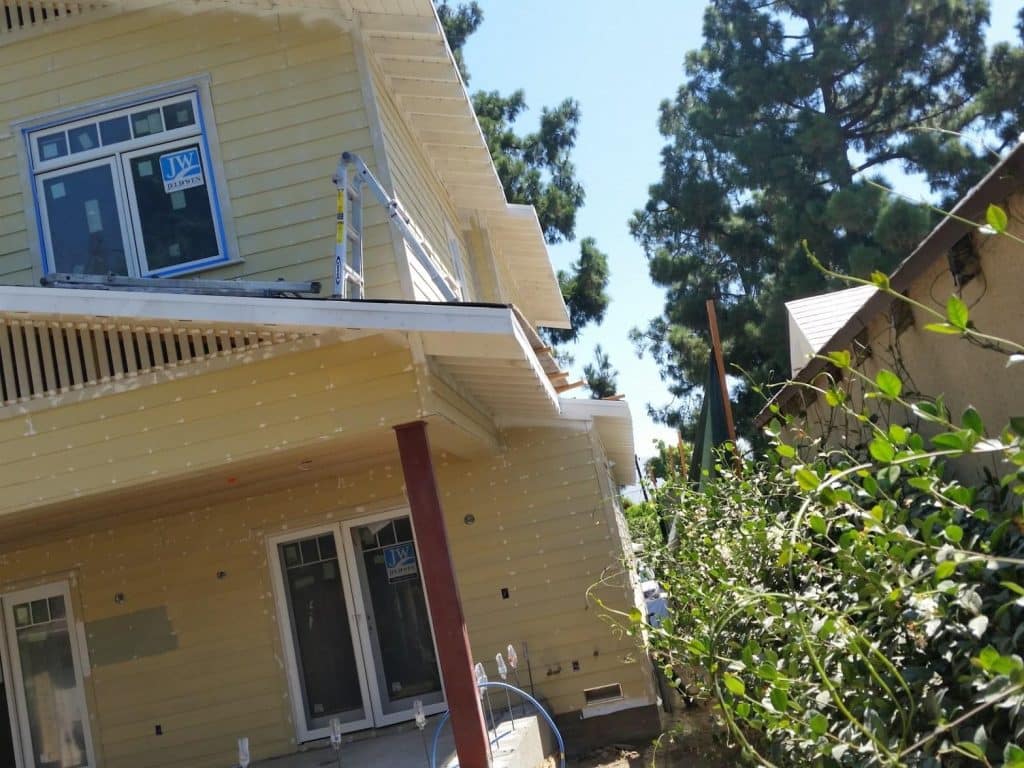
Detached ADU vs. Garage Conversion: What Is the Core Difference?
A detached ADU is a brand-new, fully independent structure built on your property, while a garage conversion transforms your existing attached or detached garage into a living space. Both create a legal secondary unit, but they differ in cost, timeline, square footage, and impact on your daily life.
The detached adu vs garage conversion decision comes down to what you value most: maximum space and rental income, or a faster and less expensive build. Understanding the structural and functional differences between the two helps you make a smarter investment.
A detached ADU is built from the ground up on a vacant area of your lot. It has its own foundation, walls, roof, plumbing, and electrical systems. A garage conversion, sometimes called a JADU (Junior ADU) when under 500 square feet, repurposes an existing structure, which cuts down on material and labor costs significantly.
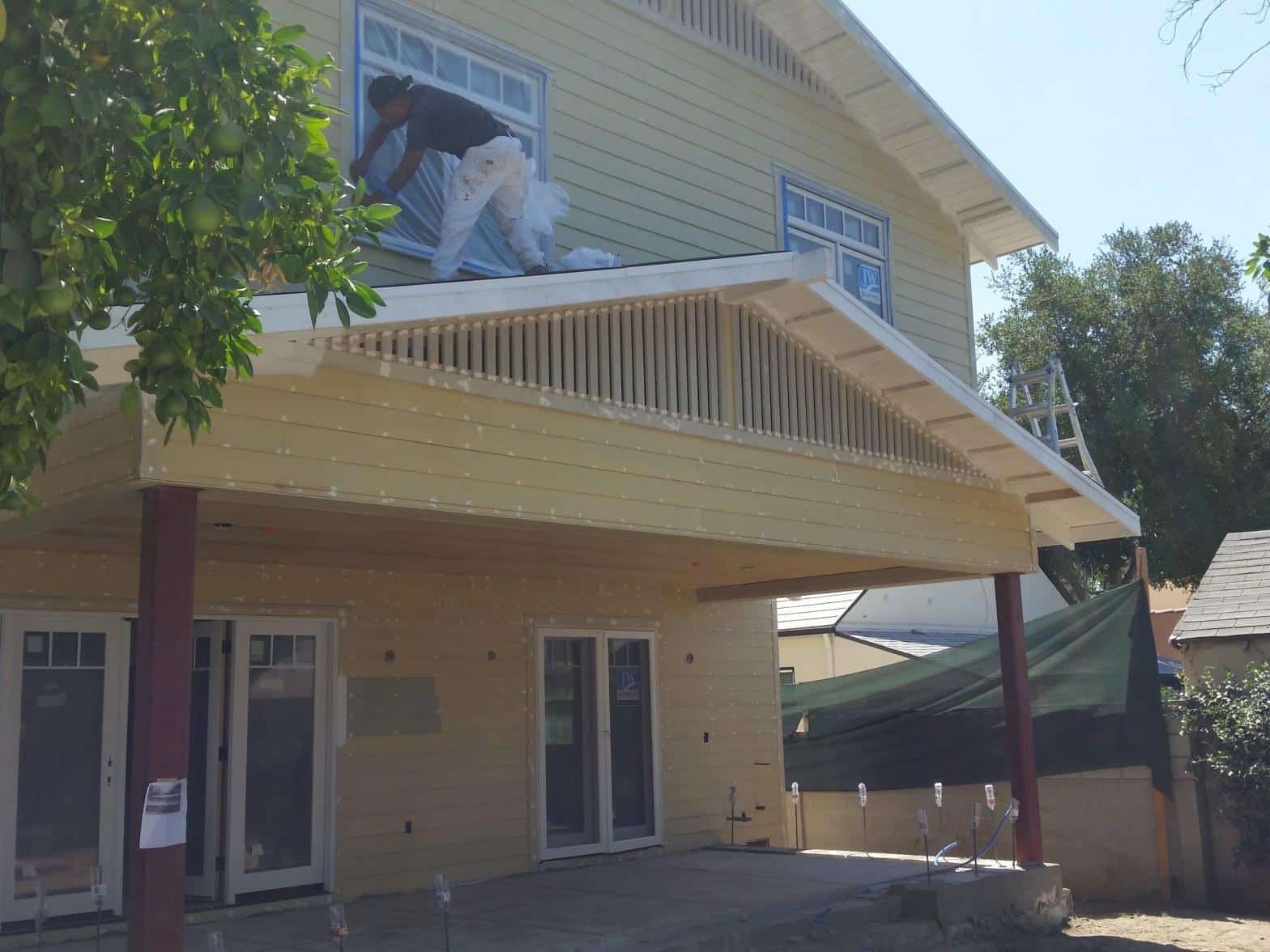
How Do Costs Compare Between a Detached ADU and a Garage Conversion?
In the Southern California market, detached ADUs typically range from $150,000 to $350,000 or more depending on size and finishes, while garage conversions generally run between $60,000 and $150,000. The gap is wide, but so is the difference in what you get.
Several factors push costs up or down on either path. Detached ADUs require a new foundation, framing, roofing, and full utility connections, all of which add labor and materials. Garage conversions save on those structural elements but still require insulation, drywall, flooring, a bathroom, a kitchenette, HVAC, and electrical upgrades.
Our team has completed over 40 ADU and conversion projects across Los Angeles County in the past two years, and we consistently see garage conversions come in 40 to 50 percent below the cost of a comparable new detached unit on the same property.
| Cost Factor | Detached ADU | Garage Conversion |
|---|---|---|
| Typical project range (SoCal market) | $150,000 – $350,000+ | $60,000 – $150,000 |
| Foundation work | Full new foundation required | Existing slab often reused |
| Framing and roofing | Full new structure | Existing structure modified |
| Utility connections | New runs from main house | Shorter runs, lower cost |
| Permit fees | Higher (new structure) | Lower (existing structure) |
| Typical timeline | 6 – 12 months | 3 – 6 months |
Keep in mind that utility connection fees, soil testing, and design costs can add $10,000 to $30,000 to a detached ADU project before construction even begins. For a garage conversion, design and engineering fees are typically lower because the structure already exists.
Both project types may qualify for the Inflation Reduction Act federal tax credit if energy-efficient systems like heat pumps or solar-ready panels are included. Always request a custom quote from Hollywood Contractor Corp at (818) 264-1955 to get numbers specific to your property and goals.
What Are the Permit and Zoning Rules in California?
California state law, updated significantly in 2020 and refined through 2024, makes it easier than ever to build either a detached ADU or convert a garage statewide. Local jurisdictions must comply with state minimums, which means most single-family lots in Los Angeles County qualify for at least one ADU.
Under California’s ADU law (Government Code Section 65852.2), cities cannot deny a garage conversion or detached ADU that meets state standards. Key rules include:
- Detached ADU size: Up to 1,200 square feet is allowed by state law, though local rules may set lower caps.
- Garage conversion (JADU): Limited to 500 square feet and must be within the existing footprint of the garage.
- Setbacks: Detached ADUs need at least 4-foot side and rear setbacks. Garage conversions within the existing structure often have no setback requirement.
- Owner-occupancy: As of 2020, California removed the owner-occupancy requirement for most ADUs through January 1, 2025. Check current local rules for updates.
- Parking replacement: If you convert a garage, you are NOT required to replace the lost parking spaces under state law in most cases.
- Impact fees: ADUs under 750 square feet are exempt from most local impact fees, which can save thousands of dollars.
California’s Title 24 building energy standards apply to both project types. This means insulation, windows, lighting, and HVAC must meet current efficiency benchmarks, which adds modest cost but improves comfort and lowers utility bills for your future tenant or family member.
Contractors working on these projects must be licensed by the California Contractors State License Board (CSLB). Always verify your contractor’s license at cslb.ca.gov before signing any contract.
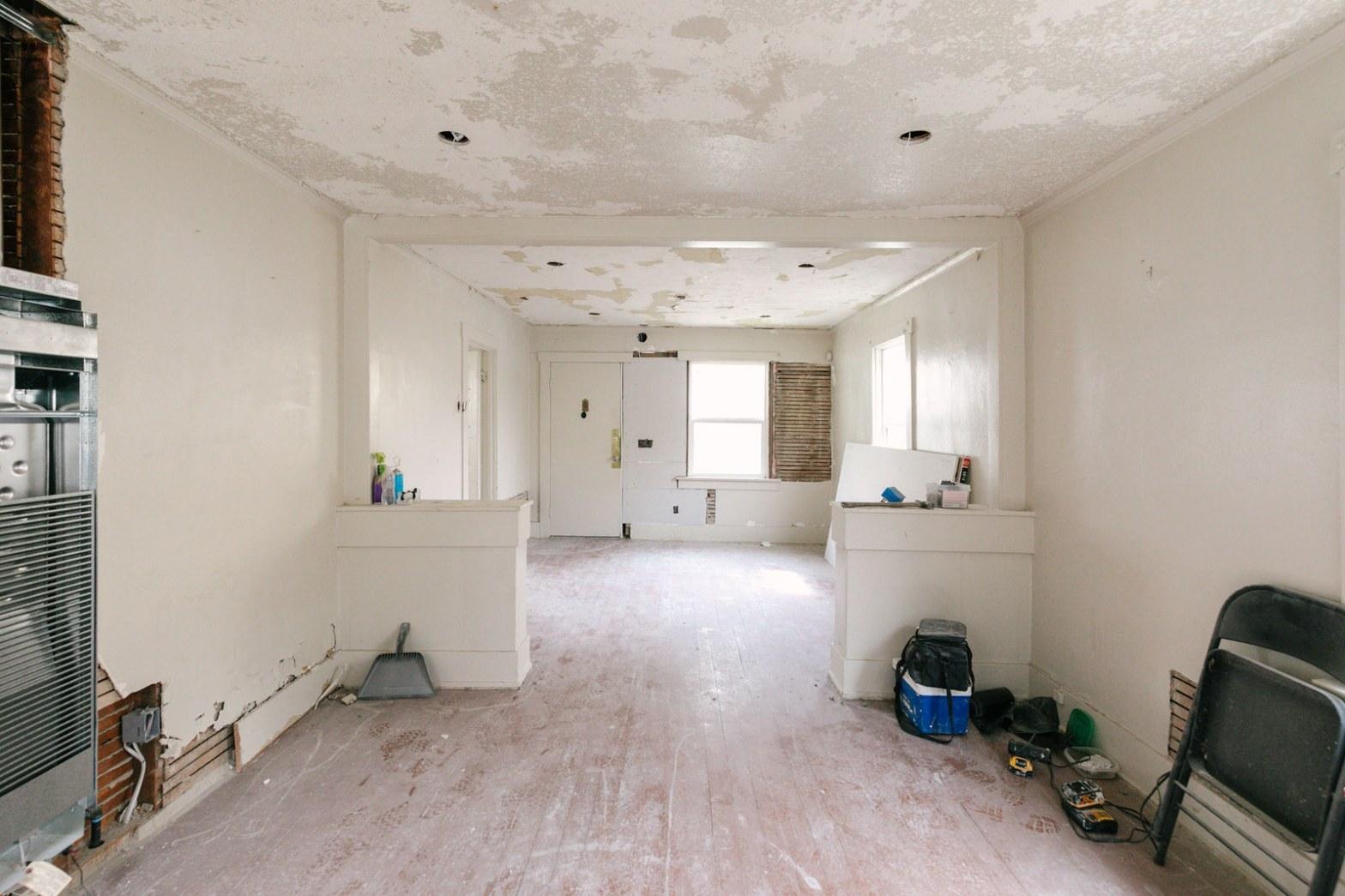
Which Option Adds More Long-Term Value to Your Property?
A detached ADU generally adds more appraised value and commands higher monthly rent than a garage conversion, primarily because it offers more square footage and complete privacy. In the Los Angeles County rental market, a well-built 800-square-foot detached ADU can rent for $1,800 to $2,800 per month, while a 400-square-foot garage conversion typically rents for $1,200 to $1,800 per month.
For homeowners focused on long-term return, the detached ADU often wins on paper. But the garage conversion can deliver a faster payback period because the upfront cost is so much lower. A $90,000 garage conversion generating $1,500 per month in rent pays back in roughly 5 years. A $220,000 detached ADU at $2,200 per month takes about 8 to 9 years to break even on construction cost alone.
A $90,000 garage conversion generating $1,500 per month in rent pays back in roughly 5 years, while a $220,000 detached ADU at $2,200 per month takes about 8 to 9 years to break even on construction cost alone.
Property appraisers typically value a detached ADU as a separate income-producing unit, which can add $150,000 to $250,000 to a home’s appraised value in many Los Angeles County neighborhoods. A garage conversion adds value too, but typically less because it sacrifices parking and often has a smaller footprint.
Across our service calls and project consultations in the region, we see homeowners who plan to sell within 5 years lean toward garage conversions for the faster ROI, while those planning to hold the property for 10 or more years consistently choose detached ADUs for the stronger appreciation and rental income trajectory.
What Are the Practical Trade-Offs Homeowners Often Overlook?
Beyond cost and value, several day-to-day factors separate a detached ADU from a garage conversion in ways that matter just as much as the numbers. These trade-offs are easy to miss during the planning phase but hard to ignore once construction is done.
- Privacy: A detached ADU gives both the homeowner and the tenant complete separation. A garage conversion, especially an attached one, shares walls with the main house, which can create noise and privacy issues.
- Parking loss: Converting a garage permanently removes covered parking. In neighborhoods with street parking competition, this is a real daily inconvenience for the main household.
- Outdoor space impact: A detached ADU consumes yard space. On smaller lots under 5,000 square feet, this can dramatically shrink your usable outdoor area.
- Utility separation: Detached ADUs are easier to meter separately for utilities, which simplifies billing for landlords. Garage conversions often share meters with the main house, requiring a sub-metering solution or a utility allowance arrangement with tenants.
- Natural light: Many garages have limited window placement. A garage conversion may require adding windows or skylights to meet California habitability standards, which adds cost and structural work.
- Construction disruption: A detached ADU is built away from the main house, so daily life is less disrupted. A garage conversion happens right next to or attached to your home, which can be noisier and messier during the 3 to 6 month build.
- Future flexibility: A detached ADU can be sold separately in some jurisdictions or converted to a different use more easily. A converted garage is harder to revert if your needs change.
How Do You Decide Which Option Is Right for Your Property?
The best choice between a detached ADU vs garage conversion depends on four things: your lot size, your budget, your timeline, and your primary goal. Use the framework below to narrow down your decision.
Start by asking yourself these questions:
- Do you have a usable garage? If yes, a conversion is immediately on the table as the faster, lower-cost path.
- How much yard space can you afford to lose? A detached ADU of 600 to 800 square feet typically requires a footprint of at least 700 to 900 square feet including setbacks.
- What is your budget ceiling? If you are working with under $120,000, a garage conversion is the more realistic path in the Southern California market.
- How important is tenant privacy? If you plan to rent to a stranger rather than a family member, a detached unit with no shared walls is almost always the better experience for both parties.
- How long do you plan to hold the property? Longer horizons favor detached ADUs for appreciation. Shorter horizons favor conversions for faster payback.
- Do you need the garage for parking or storage? If losing covered parking creates a real problem, a detached ADU avoids that sacrifice entirely.
| Your Situation | Better Fit |
|---|---|
| Budget under $120,000 | Garage Conversion |
| Maximizing rental income long-term | Detached ADU |
| Fastest path to a rentable unit | Garage Conversion |
| Tenant privacy is a priority | Detached ADU |
| Small lot (under 5,000 sq ft) | Garage Conversion |
| Holding property 10+ years | Detached ADU |
| Housing a family member nearby | Either (depends on privacy preference) |
| Maximizing appraised home value | Detached ADU |

Neither option is universally better. Both are legitimate, code-compliant ways to add housing and income to your property. The detached adu vs garage conversion question ultimately comes down to matching the right tool to your specific goals and constraints.
If you are unsure which direction fits your property, a site assessment with a licensed general contractor is the fastest way to get a clear answer. A contractor can evaluate your lot dimensions, existing garage structure, utility access, and local zoning overlays in a single visit.
Ready to Build? Get Expert Help from Hollywood Contractor Corp
Both a detached ADU and a garage conversion are serious construction projects that require a licensed contractor, proper permits, and careful planning to protect your investment. Working with an experienced team from the start avoids costly mistakes and keeps your project on schedule.
Hollywood Contractor Corp helps homeowners across Southern California plan, permit, and build both detached ADUs and garage conversions. Whether you are leaning toward a new detached unit or want to put your existing garage to work, the team can walk you through your options, pull permits, and handle construction from foundation to finish.
Call (818) 264-1955 to schedule a consultation and get a written project estimate. There is no obligation, and a site visit is the fastest way to get real numbers for your specific property.
Explore our full range of General Contracting services.
Frequently Asked Questions
Is a garage conversion cheaper than building a detached ADU?
Yes, in almost every case. In the Southern California market, garage conversions typically cost between $60,000 and $150,000, while detached ADUs generally run from $150,000 to $350,000 or more. The savings come from reusing the existing structure, foundation, and roof rather than building everything new from the ground up.
Do I need a permit to convert my garage into a living space in California?
Yes, a building permit is required for any garage conversion in California. The project must meet Title 24 energy standards, local zoning requirements, and habitability codes including minimum ceiling heights, ventilation, and egress windows. California state law generally requires cities to approve compliant applications within 60 days.
Will I lose my parking if I convert my garage into an ADU?
Yes, converting a garage removes covered parking. However, California state law does not require you to replace that parking in most cases, especially if your property is within half a mile of public transit. If parking is important to your household, a detached ADU built elsewhere on your lot preserves your existing garage.
How long does it take to build a detached ADU vs a garage conversion?
A garage conversion typically takes 3 to 6 months from permit approval to move-in. A detached ADU usually takes 6 to 12 months because it involves more design work, a new foundation, full framing, and longer utility connection processes. Both timelines can be affected by permit review periods at your local building department.
Which adds more value to my home — a detached ADU or a garage conversion?
A detached ADU generally adds more appraised value, often $150,000 to $250,000 in many Los Angeles County neighborhoods, because it functions as a fully independent income-producing unit. A garage conversion adds value too but typically less, since it reduces parking and is usually smaller. For long-term appreciation, a detached ADU is usually the stronger investment.