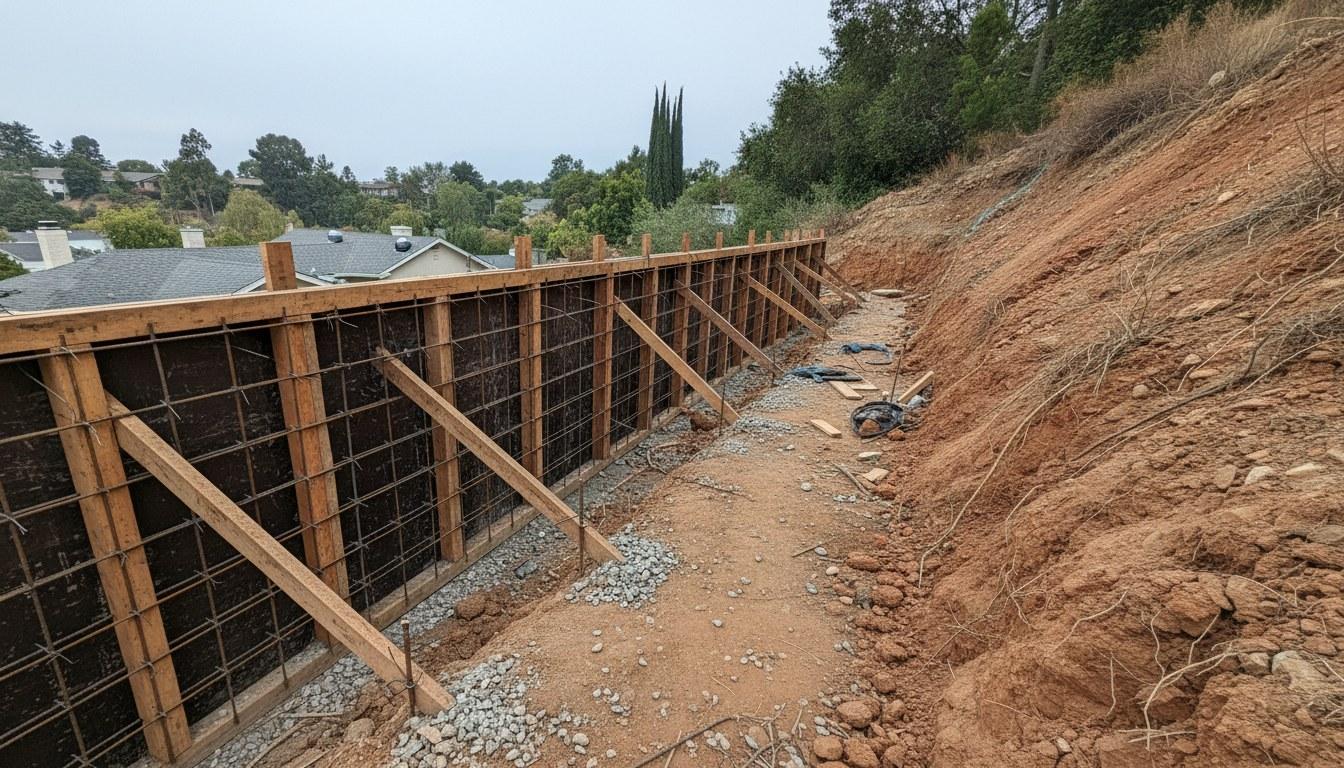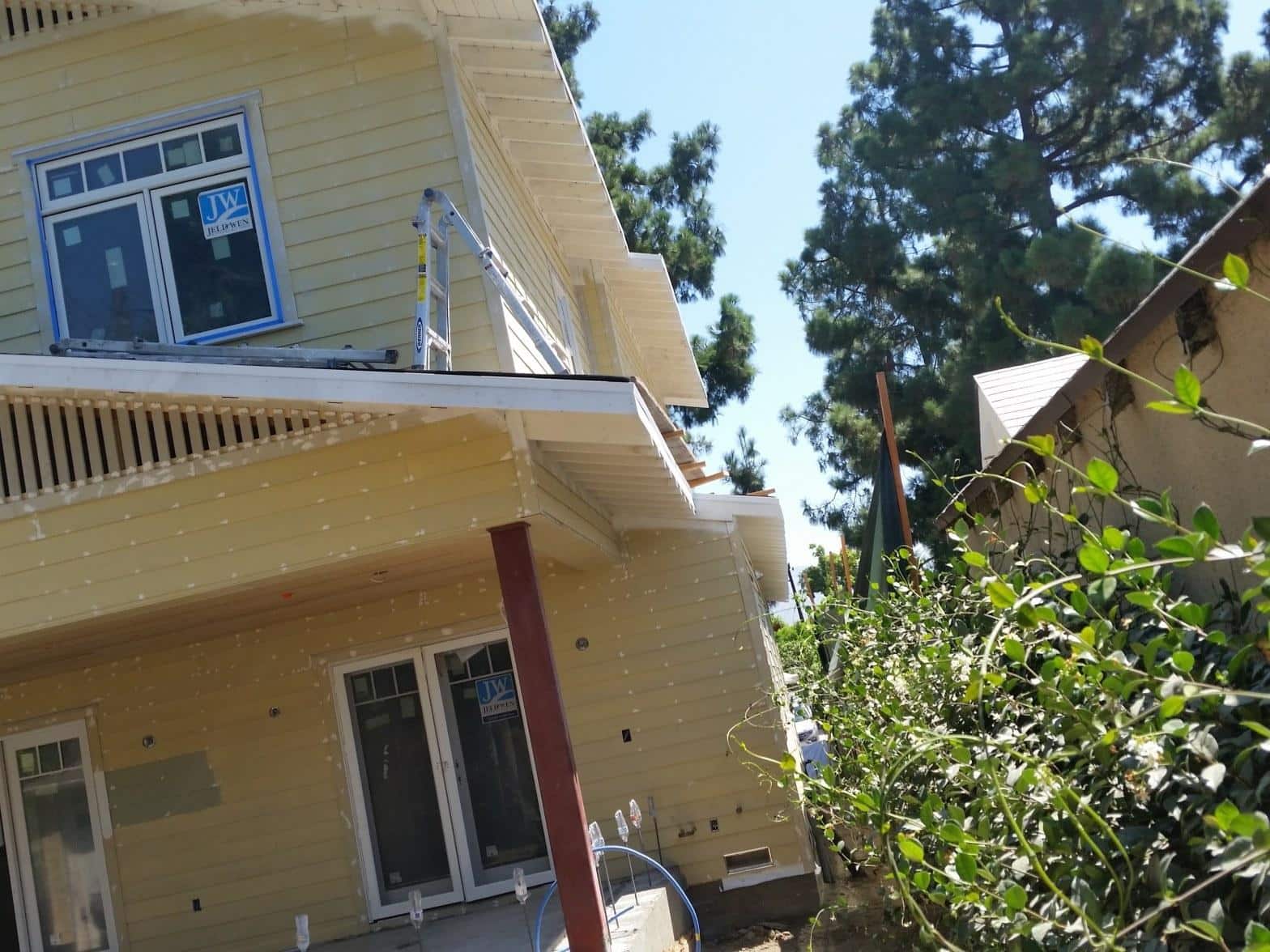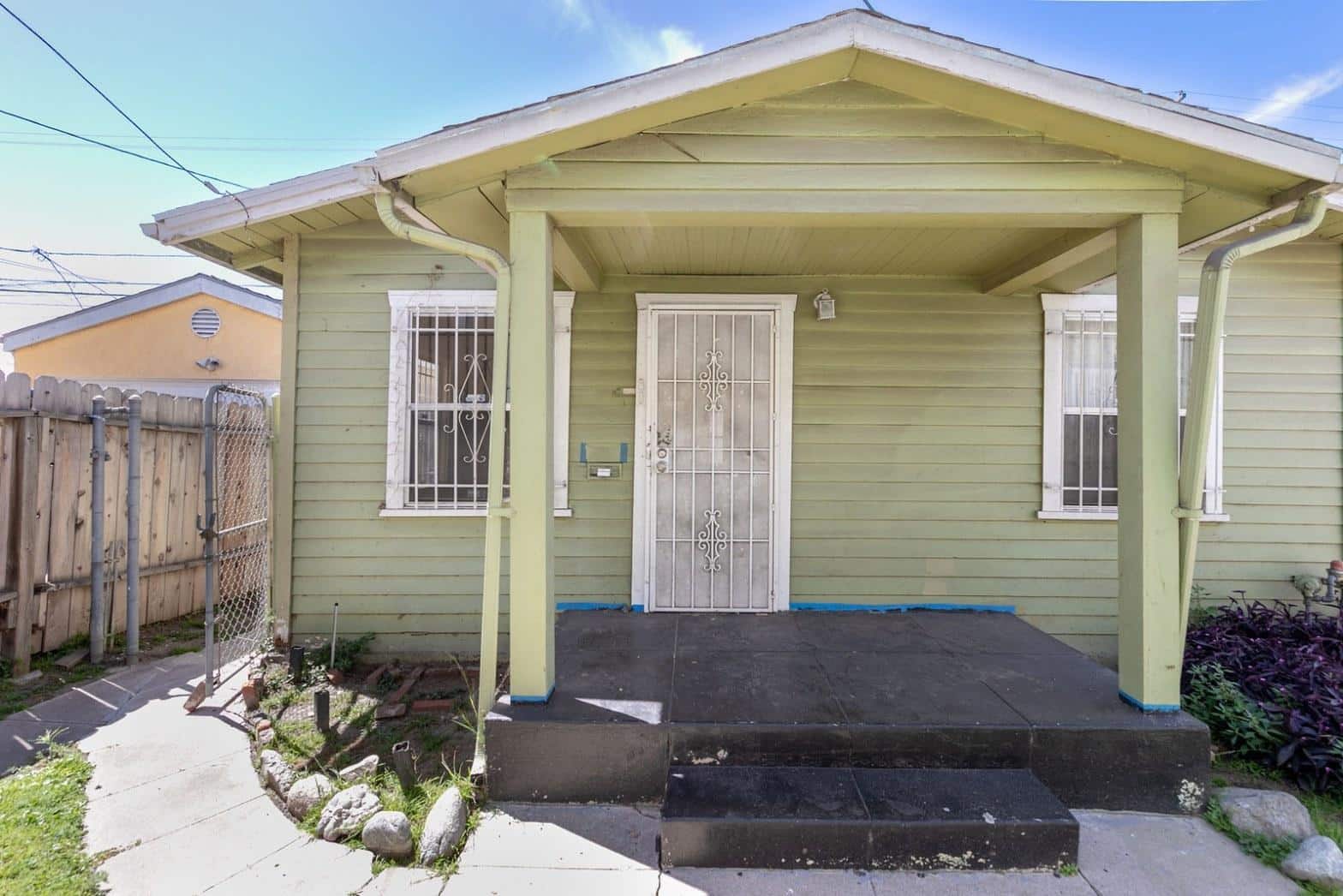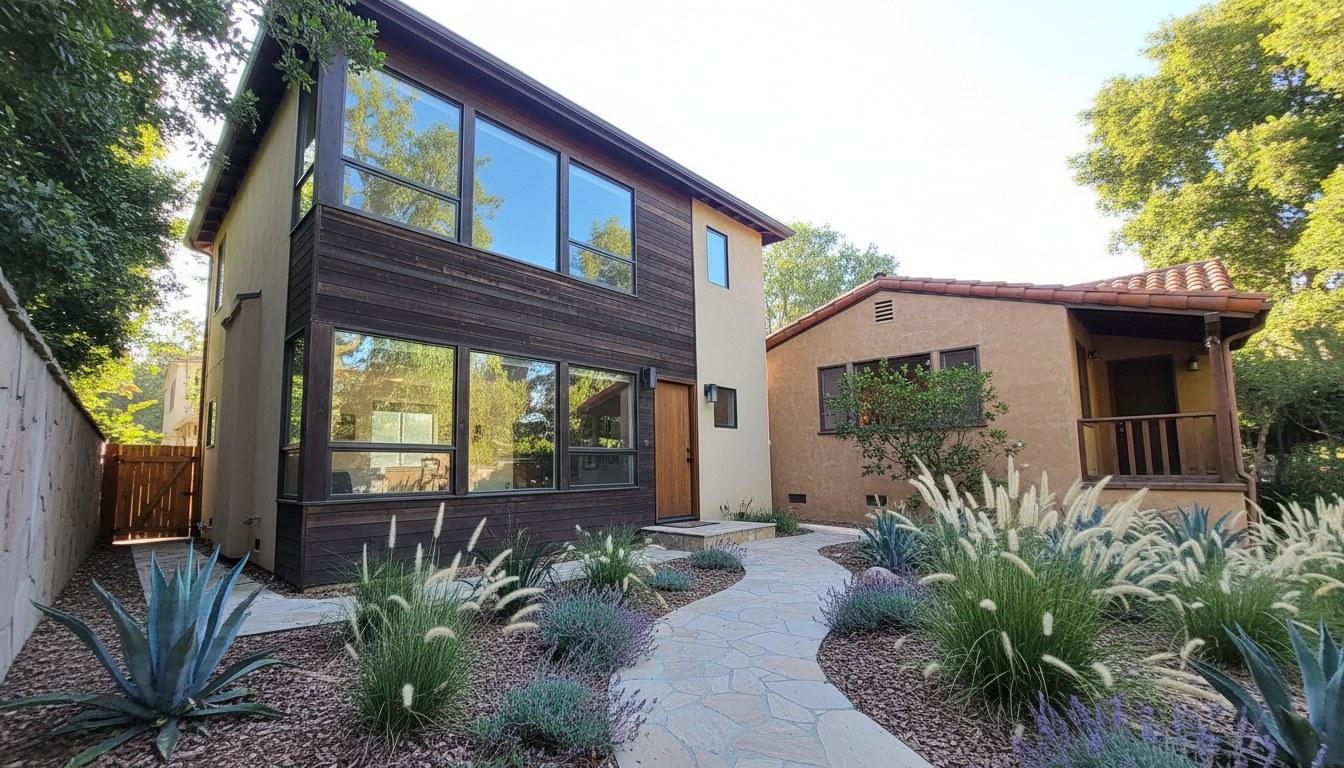
Deciding between an ADU and a home addition is one of the biggest choices an LA homeowner can make. This guide breaks down costs, ROI, permitting, and which option fits your situation.
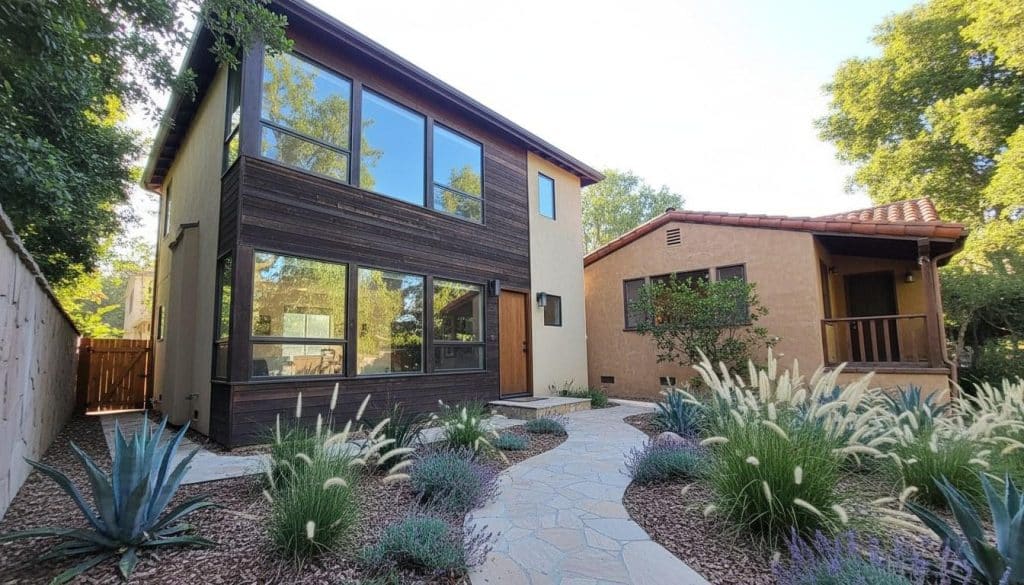
What Is the Difference Between an ADU and a Home Addition?
An ADU is a fully independent living unit with its own kitchen, bathroom, and entrance, built on the same lot as your primary home. A home addition is an expansion of your existing house — adding square footage that connects directly to your current floor plan. Both projects increase your property’s total square footage, but they serve very different purposes and attract different buyers or tenants down the road.
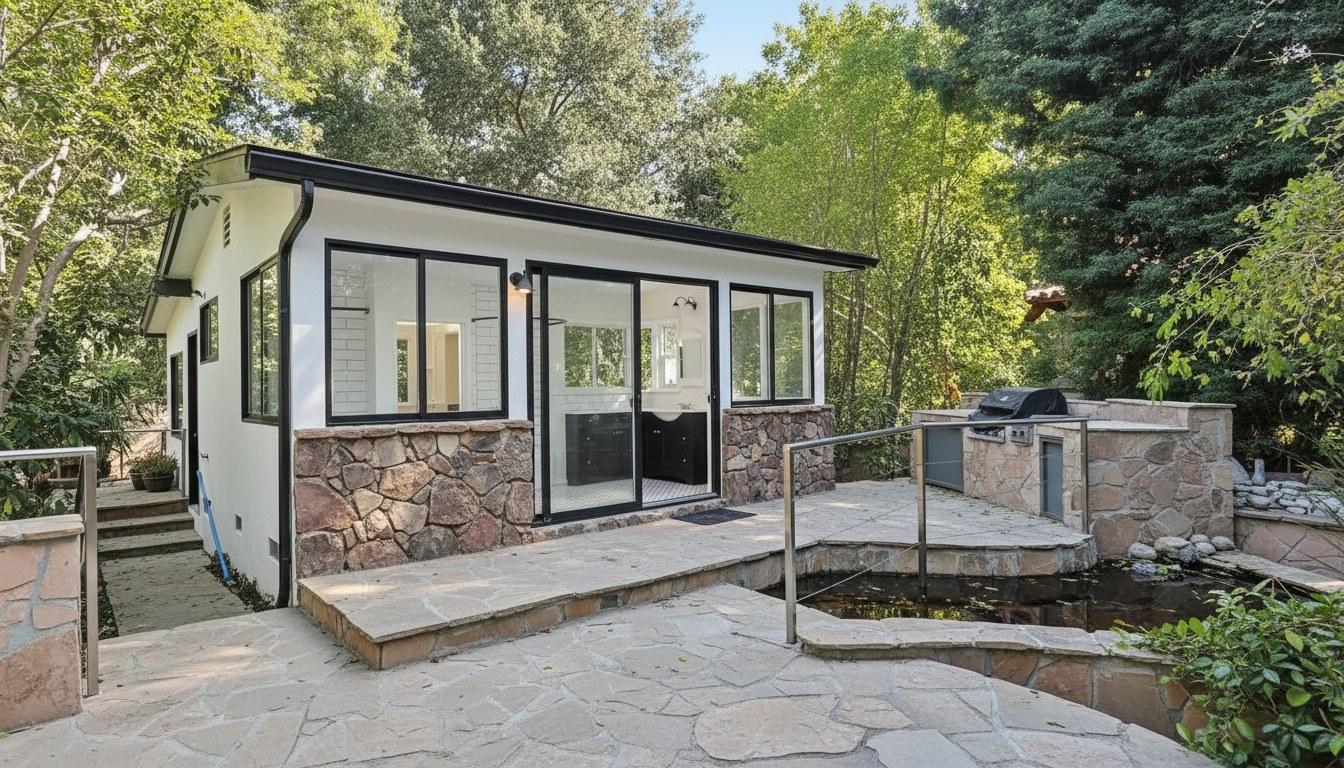
ADUs come in several forms. A detached ADU sits as a separate structure in your backyard. An attached ADU shares a wall with the main house but has its own entrance. A garage conversion transforms an existing structure into a livable unit. A Junior ADU (JADU) is carved out of existing interior space — typically 500 square feet or less — and may share some facilities with the main home.
A home addition, by contrast, might be a new bedroom, a larger kitchen, a second story, or a family room bump-out. The new space flows directly into your existing home. There is no separate entrance, no independent lease, and no second address. It simply makes your home bigger and more functional for the people already living in it.
How Do the Costs Compare for ADU vs. Home Addition Projects?
In the Southern California market, ADU construction typically ranges from $180,000 to $350,000 for a detached unit, while home additions generally run from $150,000 to $400,000 or more depending on size and complexity. The ranges overlap, but the cost drivers are different for each project type.
ADU costs are heavily influenced by whether you are building from scratch or converting an existing structure. A garage conversion is usually the most affordable path, often landing between $80,000 and $150,000. A new detached ADU with full foundation, utilities, kitchen, and bath will cost more. A JADU conversion of interior space can sometimes come in under $80,000 if the bones are already there.
Home addition costs are driven by square footage, foundation type, and how much structural work the existing house requires. Adding a second story is typically more expensive per square foot than a ground-floor addition because it requires reinforcing the existing structure. Exterior remodeling elements — rooflines, siding, windows — add to the total. Projects that involve relocating plumbing or load-bearing walls can push costs significantly higher.
| Cost Factor | ADU | Home Addition |
|---|---|---|
| Typical starting range (Southern CA) | $80,000 (garage conversion) to $350,000+ | $150,000 to $400,000+ |
| Separate utility connections needed? | Yes — adds $10,000–$30,000 | No — ties into existing systems |
| Foundation required? | Yes (new detached) / No (conversion) | Usually yes |
| Kitchen and bath required? | Yes (full ADU) / Partial (JADU) | Only if adding those rooms |
| Potential to offset cost with income? | Yes — rental income possible | No direct income potential |
| Financing options | ADU-specific loans, cash-out refi, HELOCs | HELOCs, construction loans, cash-out refi |
Financing is worth thinking through carefully. As of 2024, several California lenders offer ADU-specific loan products that factor in projected rental income when qualifying borrowers. The U.S. Department of Energy and state programs also support energy-efficient construction, which can reduce long-term operating costs for either project type. Always request a custom quote from your contractor before committing to a budget — scope changes and site conditions can move numbers quickly.
Which Option Offers Better Return on Investment?
ADUs generally offer a stronger financial return for LA-area homeowners because they can generate monthly rental income that offsets the construction cost over time. A well-placed ADU in Los Angeles County can rent for anywhere from $1,500 to $3,500 per month depending on size, location, and finishes — meaning the unit can pay for itself within 8 to 15 years in many scenarios.
Home additions increase your home’s appraised value, but they do not produce income. Real estate data consistently shows that adding livable square footage raises resale value, but the dollar-for-dollar return varies. A primary bedroom suite or a well-designed family room typically recovers 50% to 70% of its cost at resale. An ADU, by contrast, can both raise the appraised value AND produce income in the years before you sell.
Our team has processed ADU projects across Los Angeles County where the finished unit appraised at roughly 90 cents on the dollar relative to construction cost — and that figure does not account for a single month of rental income collected before the sale.
That said, ROI is not purely financial. If your family needs a fourth bedroom, a dedicated home office, or a larger kitchen to function day to day, a home addition solves a real problem that an ADU cannot. Quality of life has real value, even if it does not show up on a cap rate calculation.
What Are the Permitting and Zoning Rules in California?
California state law, significantly updated in 2020 and again in 2022, now requires most cities and counties to approve ADU applications within 60 days and prohibits many of the local restrictions that previously blocked ADU construction. This has made ADUs far more accessible for homeowners across the state than they were just five years ago.
Under current California law (AB 68, SB 9, and related bills), single-family lots in most zones can build at least one ADU and one JADU. Setback requirements have been reduced — many jurisdictions now allow ADUs as close as 4 feet from the rear and side property lines. Owner-occupancy requirements were suspended through at least 2025, meaning you do not have to live on the property to rent an ADU.
Home additions follow local building codes and zoning rules that have not seen the same statewide streamlining. You will still need to comply with California’s Title 24 building energy standards, which govern insulation, windows, HVAC efficiency, and lighting in any new conditioned space. Additions that increase the home’s footprint must stay within lot coverage limits, which vary by zone but typically cap at 40% to 50% of the lot area.
Both project types require building permits, structural drawings, and inspections. Unpermitted work — no matter how well built — can create serious problems at resale and may violate homeowner’s insurance terms. Always work with a contractor who is Licensed by the California Contractors State License Board (CSLB) and pulls permits on your behalf.
- ADU permit timeline: California law mandates a 60-day approval window for most ADU applications.
- Home addition permit timeline: Typically 6 to 16 weeks depending on the jurisdiction and plan complexity.
- Title 24 compliance: Required for all new conditioned square footage in both project types.
- Setbacks (ADU): Most jurisdictions now allow 4-foot rear and side setbacks for ADUs under 800 square feet.
- Lot coverage (addition): Ground-floor additions must stay within local coverage limits, typically 40%–50% of lot area.
- Historic districts: Both project types face additional design review in designated historic areas.
How Do You Choose the Right Option for Your Property?
The right choice between an ADU vs. home addition comes down to three questions: Do you need income or space? Do you want connected or independent living? And what does your lot actually allow? Answering those three questions honestly will point most homeowners toward a clear answer.
Choose an ADU if you want to generate rental income, house an aging parent or adult child with privacy, or build long-term equity through a rentable asset. ADUs are also the stronger choice if you plan to sell within 10 years and want the listing to appeal to investors as well as owner-occupants.
Choose a home addition if your family has outgrown your current layout and needs connected space — a larger primary suite, a playroom, a home office that is part of the main house, or an open-plan kitchen and living area. Additions are also the better fit when your lot is too small for a detached structure or when local zoning limits ADU placement.
| Your Situation | Better Fit |
|---|---|
| Want monthly rental income | ADU |
| Need a 4th bedroom connected to the house | Home Addition |
| Aging parent needs independent space | ADU or JADU |
| Lot is under 5,000 sq ft with tight setbacks | JADU or Addition |
| Planning to sell within 5–7 years | ADU (broader buyer pool) |
| Want to expand kitchen or main living area | Home Addition |
| Have an underused garage | ADU (garage conversion) |
| Need a home office inside the main house | Home Addition |
Lot size, shape, and existing structure condition all affect feasibility. A licensed contractor can walk your property and give you a realistic read on what is buildable before you invest time in plans. Federal incentives may also factor into your decision — the Inflation Reduction Act federal tax credit covers certain energy-efficient upgrades, including insulation, windows, and heat pump systems, that apply to both ADUs and additions built to current efficiency standards.
What Does the Construction Process Look Like for Each?
Both projects follow a similar sequence — design, permits, site prep, framing, MEP rough-in, inspections, and finish work — but ADUs add complexity because they require fully independent systems. A typical detached ADU takes 6 to 12 months from permit submission to certificate of occupancy. A home addition of similar square footage usually runs 4 to 8 months.
Here is how a standard ADU project unfolds:
- Site assessment and feasibility: Contractor reviews lot size, setbacks, utility access, and soil conditions.
- Design and engineering: Architectural plans are drawn, structural engineering is completed, and energy compliance (Title 24) is calculated.
- Permit submission: Plans are submitted to the local building department. California law requires a decision within 60 days for most ADUs.
- Site preparation: Grading, excavation, and foundation work begin after permit approval.
- Framing: Walls, roof, and floor structure are built. Rough inspections follow.
- MEP rough-in: Plumbing, electrical, and HVAC are run through the framed structure and inspected.
- Insulation and drywall: Walls are insulated to Title 24 standards and closed up.
- Finish work: Flooring, cabinetry, fixtures, paint, and exterior finishes are completed.
- Final inspection and certificate of occupancy: The building department signs off and the unit is legal to rent.
Home additions follow the same general sequence but skip the independent utility connections and certificate of occupancy step. They do require a final inspection and sign-off before the space can be used. Across our service calls in Los Angeles County, we see addition projects delayed most often by two things: structural surprises inside existing walls (especially in homes built before 1980) and plan-check revision cycles that add 4 to 8 weeks to the permit timeline.
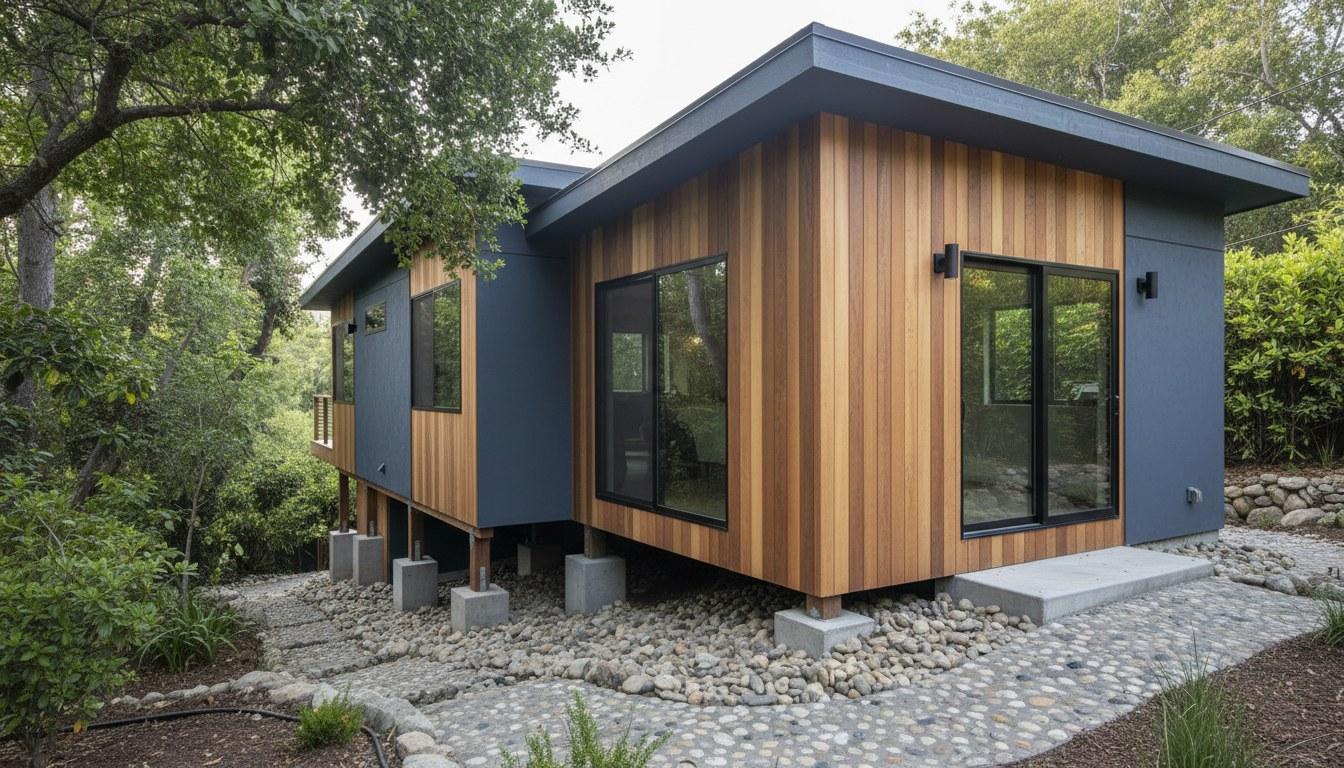
Material choices also affect the schedule. Prefabricated or modular ADU systems can shorten on-site construction time by 30% to 50% compared to fully stick-built units, though they come with their own design constraints. Your contractor should walk you through both paths so you can weigh speed against customization.
Ready to Move Forward? Get Expert Help
Whether you are leaning toward an ADU or a home addition, the next step is a professional site assessment that looks at your specific lot, budget, and goals. General research gets you only so far — the real answers live in your property’s setbacks, your local plan-check process, and your family’s actual needs.
Hollywood Contractor Corp works with homeowners across Southern California on both ADU construction and home additions of every scale. From garage conversions and JADUs to full detached units and second-story additions, the team handles design coordination, permitting, and construction under one roof.
Call (818) 264-1955 to schedule a site consultation and get a written project estimate. There is no obligation, and you will walk away with a clear picture of what is buildable on your property and what it will realistically cost.
Explore our full range of General Contracting services.
Frequently Asked Questions
Is an ADU or a home addition a better investment in the LA area?
For most LA-area homeowners, an ADU offers a stronger financial return because it can generate monthly rental income while also increasing property value. Home additions raise your home's appraised value but do not produce income. If your priority is cash flow or long-term equity building, an ADU is typically the better investment. If your family needs connected living space right now, a home addition may be the more practical choice.
How long does it take to build an ADU in California?
A detached ADU typically takes 6 to 12 months from permit submission to certificate of occupancy in California. Garage conversions and JADUs often move faster, sometimes completing in 4 to 6 months. California law requires most ADU permit applications to receive a decision within 60 days, which helps keep the front end of the timeline predictable.
Do I need a permit for a home addition in California?
Yes, all home additions in California require building permits, structural drawings, and inspections. Any new conditioned square footage must also comply with California's Title 24 building energy standards. Unpermitted additions can cause serious problems at resale and may void your homeowner's insurance coverage, so always work with a licensed contractor who pulls permits on your behalf.
Can I rent out an ADU if I don't live on the property?
As of 2025, California's owner-occupancy requirement for ADUs remains suspended, meaning you do not have to live on the property to rent an ADU. This rule has made ADUs attractive to investors and absentee owners alike. Check with your local building department for any city-specific rules that may apply, as some jurisdictions have additional short-term rental restrictions.
What is the difference between an ADU and a JADU?
An ADU is a fully independent dwelling unit with its own kitchen, bathroom, and private entrance, and can be detached or attached to the main home. A Junior ADU (JADU) is carved out of existing interior space, is limited to 500 square feet, and may share a bathroom with the main residence. JADUs are generally less expensive to build and move through permitting faster, but they offer less privacy and lower rental income potential than a full ADU.