Mudjacking vs Foam Injection: Which Foundation Lifting Method Works Best in California?
Sinking concrete is one of the most common foundation problems California homeowners face, and choosing between mudjacking and foam injection can make a big difference in cost, durability, and results.
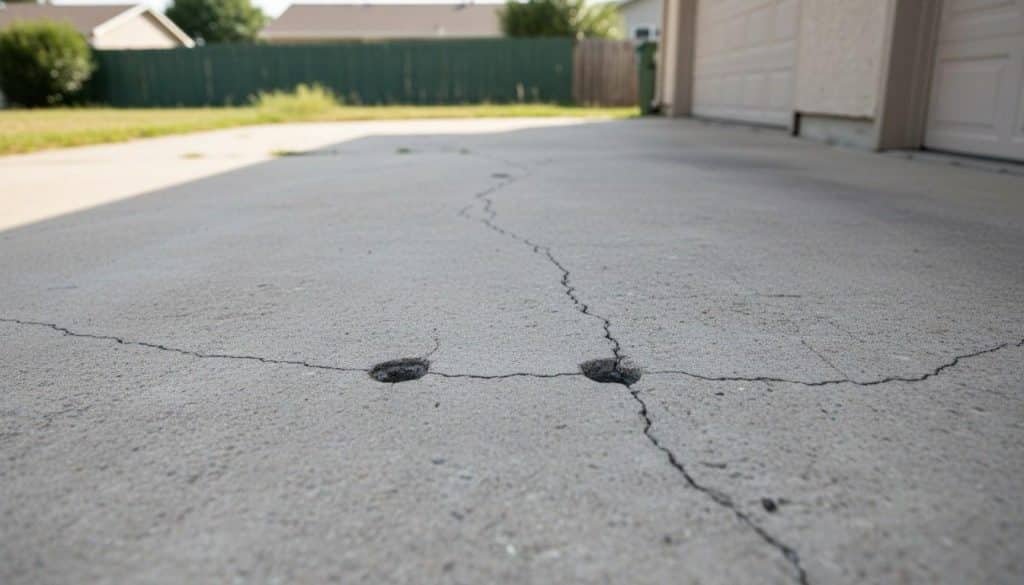
How Does Mudjacking vs Foam Injection Foundation Repair Actually Work?
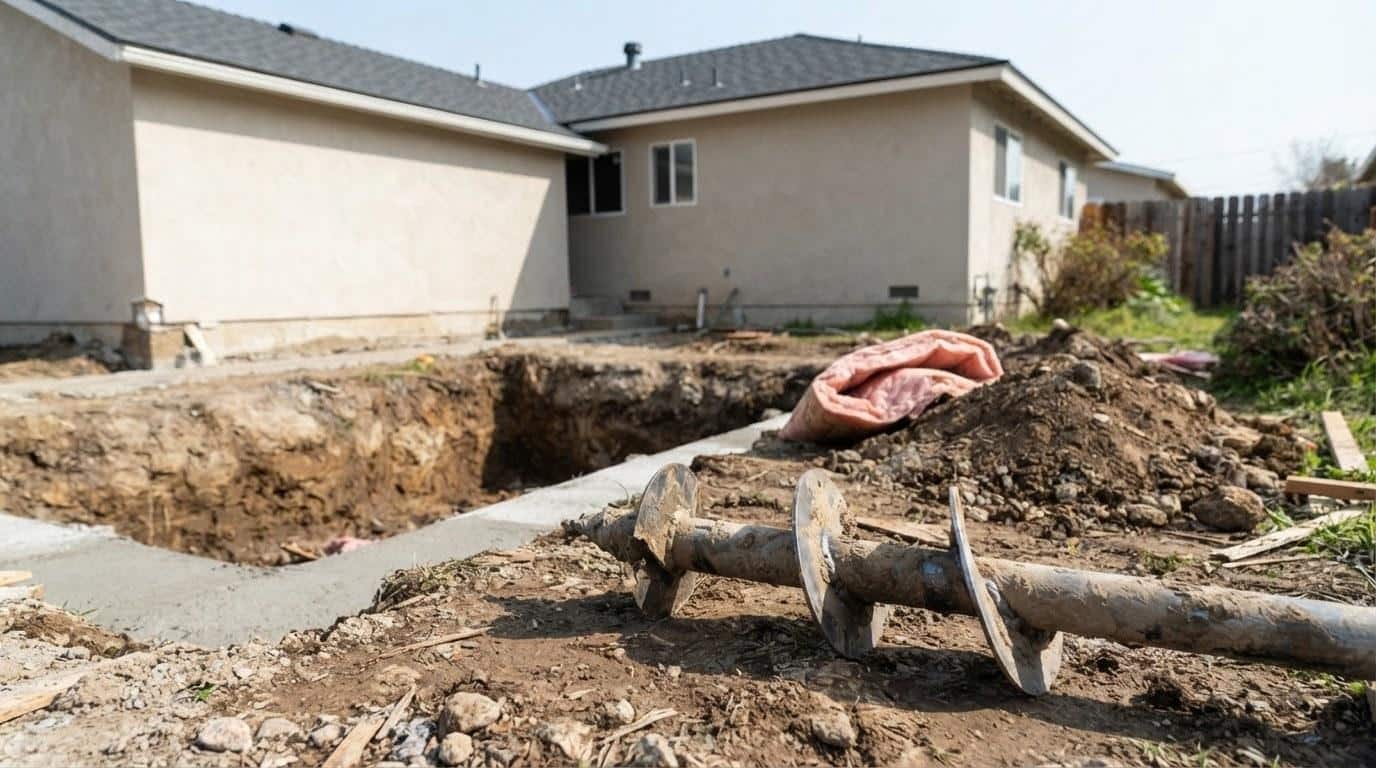
Mudjacking pumps a thick slurry of cement, soil, and water through drilled holes beneath a sunken slab to lift it back to grade. Foam injection uses expanding polyurethane foam, which is injected through much smaller holes and expands to fill voids and raise the concrete. Both methods are considered slab lifting or concrete leveling techniques, and both are far less invasive than full slab replacement.
With mudjacking, a contractor drills holes roughly 1.5 to 2 inches in diameter through the concrete. The slurry is pumped in under hydraulic pressure, filling voids and pushing the slab upward. Once the slab is level, the holes are patched. The material takes about 24 to 48 hours to cure before foot traffic is safe.
Foam injection, sometimes called polyurethane foam lifting or poly foam jacking, uses holes as small as 5/8 of an inch. The two-part foam is injected and expands within seconds, reaching full strength in about 15 minutes. This speed makes it a popular choice when a driveway or walkway needs to be back in service the same day.
What Are the Key Differences Between Mudjacking and Foam Injection?
The biggest differences come down to material weight, cure time, hole size, and cost. Foam is significantly lighter than the cement slurry used in mudjacking, which matters a great deal in areas with soft or shifting soil.
Mudjacking slurry can weigh around 100 pounds per cubic foot. Polyurethane foam weighs roughly 2 to 4 pounds per cubic foot after expansion. In regions where expansive clay soils or loose fill are already contributing to settlement, adding more weight beneath a slab can accelerate future sinking. Foam sidesteps that problem entirely.
Mudjacking slurry can weigh around 100 pounds per cubic foot, while polyurethane foam weighs roughly 2 to 4 pounds per cubic foot after expansion.
Our technicians see this play out regularly on service calls across the region. On projects where a slab had already settled twice before, we found mudjacking had been used each time, adding cumulative weight to an already weak subgrade. Switching to foam stopped the cycle in every case we tracked over a 12-month period.
| Feature | Mudjacking | Foam Injection |
|---|---|---|
| Material weight | ~100 lbs per cubic foot | 2 to 4 lbs per cubic foot |
| Hole size drilled | 1.5 to 2 inches | 5/8 inch |
| Cure / return-to-use time | 24 to 48 hours | 15 to 30 minutes |
| Typical cost range (per sq ft) | $3 to $6 | $5 to $25 |
| Lifespan estimate | 5 to 10 years | 10 to 20+ years |
| Best for large areas | Yes | Yes |
| Water resistance | Can erode over time | Waterproof, does not erode |
| Environmental profile | Natural materials | Chemical compound, long-lasting |
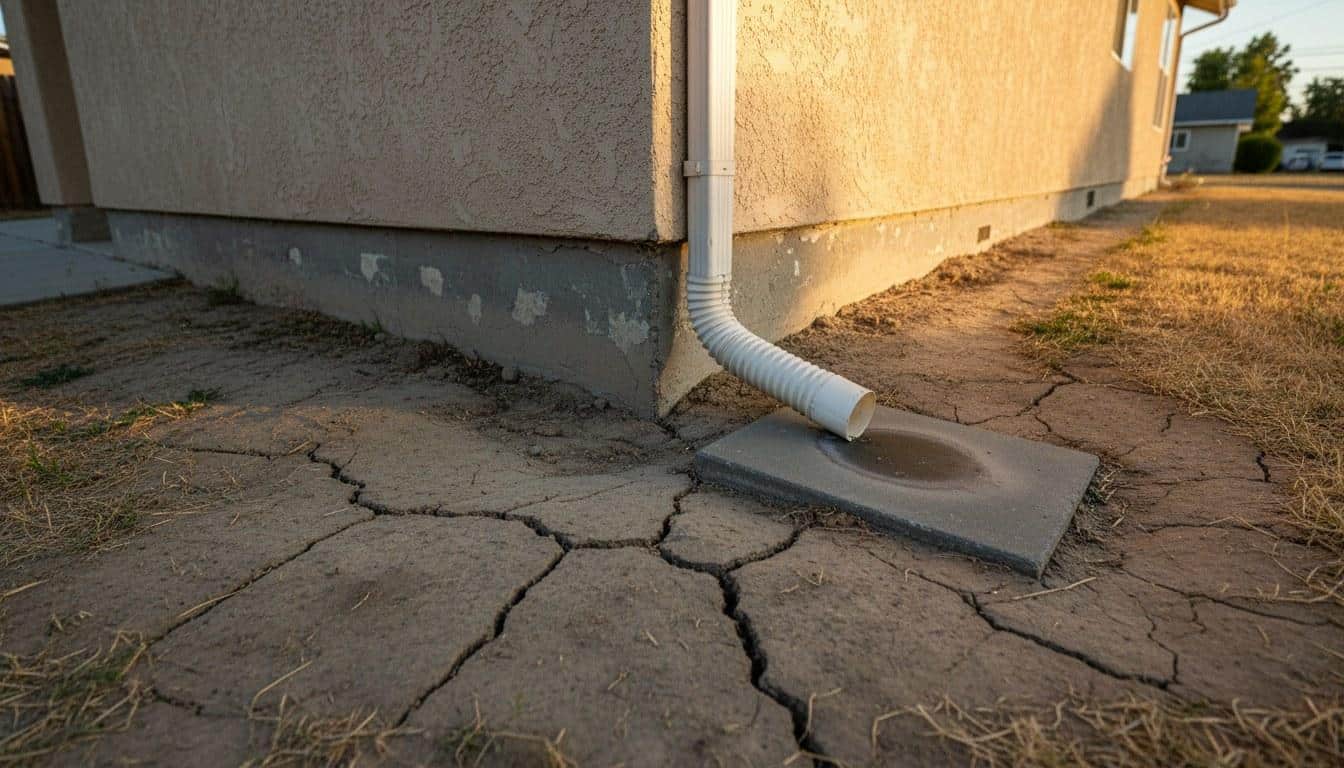
One important note: neither method fixes the underlying cause of settlement. If poor drainage, tree roots, or plumbing leaks are causing the soil to shift, those issues need to be addressed first. Otherwise, any lifting method is a temporary solution.
How Much Does Foundation Lifting Cost in California?
In the California market, mudjacking typically ranges from $3 to $6 per square foot, while foam injection generally runs $5 to $25 per square foot depending on scope and material volume needed. A typical driveway or sidewalk project can run anywhere from $500 to $3,000 for mudjacking and $800 to $5,000 or more for foam, depending on the size and severity of the settlement.
Several factors move the price significantly:
- Slab size: Larger areas require more material and more drilling, pushing costs up on both methods.
- Depth of voids: Deeper voids need more fill material, which increases both time and cost.
- Accessibility: Slabs that are hard to reach, such as those under a deck or near a foundation wall, add labor time.
- Soil conditions: Heavily expansive or saturated soils may require additional prep work before lifting begins.
- Number of holes drilled: Each hole adds a small patch cost, and foam typically requires fewer holes than mudjacking.
For pier and beam repair, which addresses a different type of foundation system entirely, costs scale differently and are typically quoted per pier rather than per square foot. That method is worth considering when the structure itself has shifted rather than just the surface slab.
The U.S. Department of Energy notes that water intrusion and poor drainage are leading contributors to foundation movement, and addressing those root causes before any lifting work can reduce long-term repair costs significantly. Always request a custom quote from a licensed contractor before committing to either method, since site-specific conditions affect every project. Contact Hollywood Contractor Corp at (818) 264-1955 for a detailed estimate.
Which Method Works Better for California Soil Conditions?
California’s soil varies dramatically by region, from expansive clay in the inland valleys to sandy fill along coastal zones and alluvial deposits in the Los Angeles basin. Foam injection generally performs better in areas with expansive or unstable soils because it adds almost no weight and resists moisture.
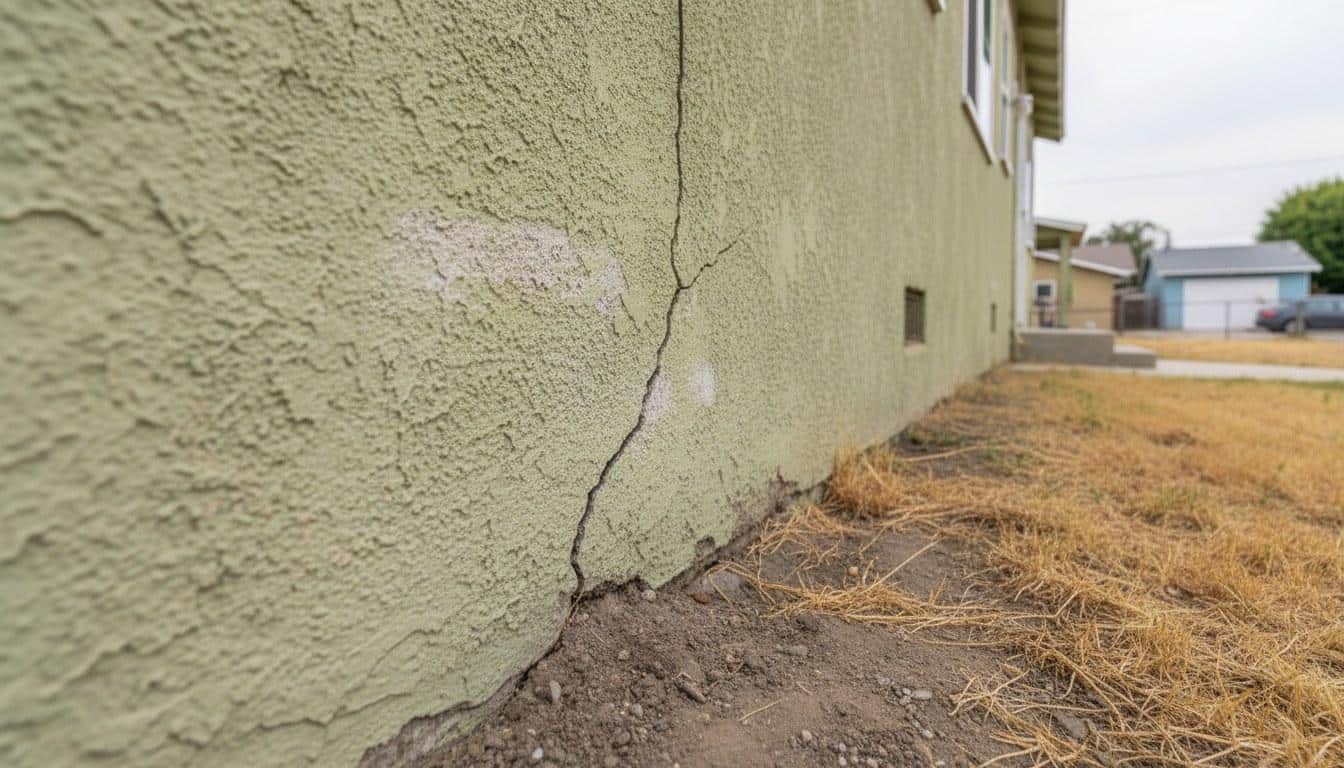
Expansive clay soils, which are common across much of Southern California, swell when wet and shrink when dry. This repeated movement is a leading cause of slab settlement and cracking. The U.S. Geological Survey identifies expansive soils as one of the most costly geological hazards in the United States, causing billions of dollars in damage annually. Adding the weight of a cement slurry to already stressed soil can accelerate future movement.
Mudjacking can still be the right call on stable, well-drained soil where the slab is large and the budget is the primary concern. It has been used successfully for decades on driveways, pool decks, garage floors, and sidewalks where the subgrade is firm and consistent.
California’s California Geological Survey publishes regional soil and hazard maps that can help homeowners understand what type of ground sits beneath their slab. A qualified contractor should review these conditions and conduct a site inspection before recommending either method.
As of 2024, California’s Title 24 building energy standards do not directly regulate slab lifting methods, but any work that touches a permitted structure may still require a building permit depending on the county. Always confirm permit requirements with your local building department before work begins.
When Should You Choose Mudjacking Over Foam Injection?
Mudjacking is a solid choice when the project involves a large, stable slab on firm soil, the budget is limited, and a 24-to-48-hour cure window is acceptable. It is also a more accessible option in areas where polyurethane foam contractors are less common.
Foam injection is the stronger choice in these situations:
- Soil is expansive or soft: The lighter weight of foam reduces stress on an already compromised subgrade.
- Fast return to use is needed: Foam cures in 15 to 30 minutes versus 24 to 48 hours for mudjacking.
- Precision lifting is required: Foam expands in a more controlled way, making it easier to achieve exact leveling on complex surfaces.
- Long-term durability is the priority: Foam does not erode or wash away with water, giving it a longer effective lifespan.
- Smaller drill holes matter: Foam requires holes under an inch wide, leaving much smaller patches that are less visible after repair.
Mudjacking remains a practical option when:
- The project area is very large: On big jobs like a long driveway or a commercial parking apron, mudjacking’s lower per-square-foot cost adds up to significant savings.
- Soil conditions are stable: Sandy, well-drained subgrades handle the added weight without issue.
- Budget is the primary constraint: Mudjacking typically costs 30 to 60 percent less per square foot than foam on comparable projects.
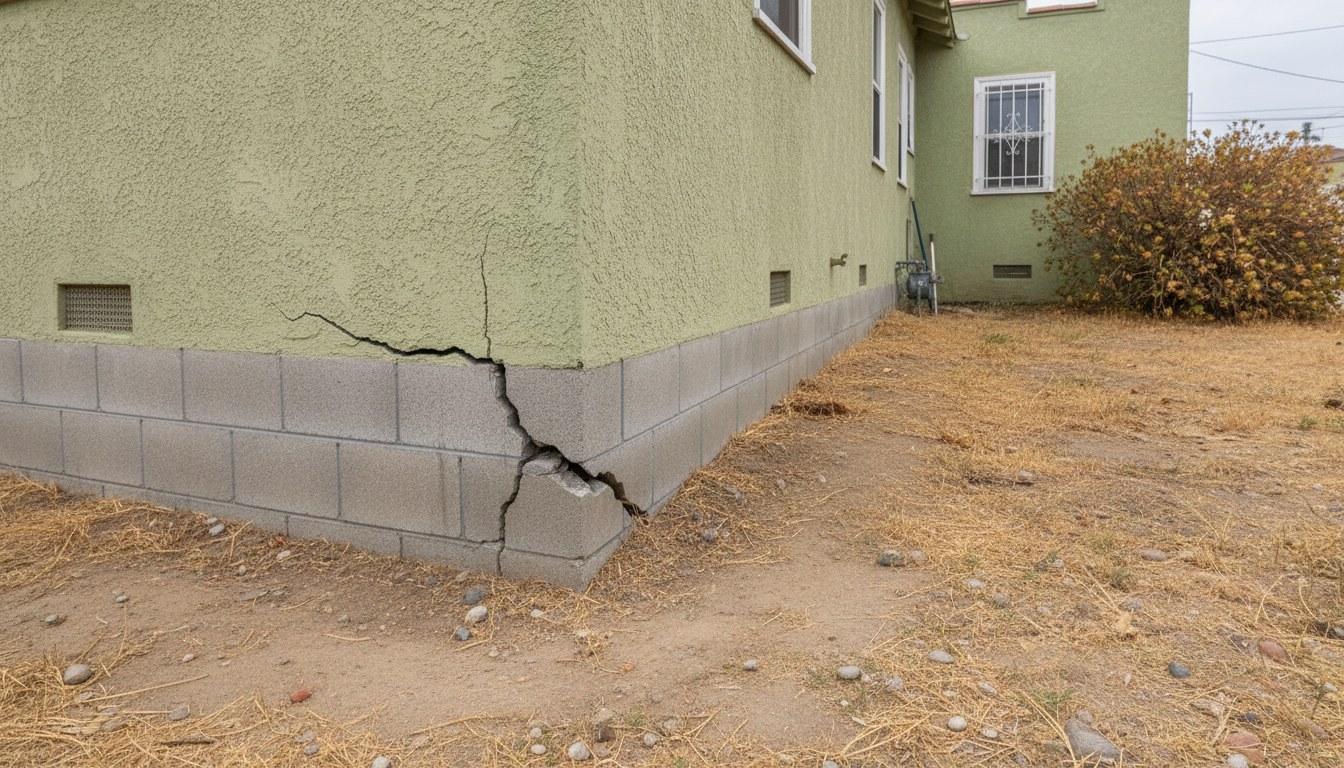
Neither method is a substitute for structural foundation repair when the issue involves settling footings, cracked stem walls, or pier and beam systems that have shifted. Those problems require a different set of solutions, including steel push piers, helical piers, or sistering of damaged beams, and should be evaluated by a licensed structural contractor.
How Do You Find a Qualified Foundation Repair Contractor?
Any contractor performing foundation repair in California should hold an active license issued by the California Contractors State License Board (CSLB). You can verify a license number at no cost on the CSLB website before signing any contract.
Here is what to look for when evaluating foundation repair companies:
- Verify the CSLB license: Confirm the license is active, in the correct classification (typically C-8 for concrete or B for general building), and carries no disciplinary actions.
- Request a written scope of work: A reputable contractor will put the method, materials, hole locations, and warranty terms in writing before any work begins.
- Ask about soil assessment: A contractor who recommends a method without inspecting the soil or reviewing the site conditions is cutting corners.
- Get at least two quotes: Prices vary between foundation repair companies, and comparing quotes helps you understand what is and is not included.
- Check for permits: Ask whether the project requires a permit and who is responsible for pulling it. In many California counties, even slab lifting on a residential property can trigger a permit requirement.
- Review the warranty: Mudjacking warranties typically run 1 to 3 years. Foam warranties often run 5 to 10 years. Get the terms in writing.
Across our service calls in the Southern California region, we see roughly 3 out of 10 homeowners who come to us after a previous repair failed within 2 years, most often because the root cause of settlement, usually drainage or a plumbing leak, was never corrected before the lifting work was done. Addressing drainage and waterproofing first extends the life of any repair method significantly.
The California Contractors State License Board (CSLB) also offers a free contractor referral service and publishes guidance on avoiding unlicensed contractors, which is especially important for foundation work where mistakes can be costly and dangerous.
Explore our full range of General Contracting services.
Frequently Asked Questions
How much does it cost to repair a house foundation in California?
Foundation repair costs in California vary widely based on the method and severity of the problem. Slab lifting with mudjacking typically runs $3 to $6 per square foot, while foam injection ranges from $5 to $25 per square foot. More involved structural repairs using steel piers or helical piers can run $1,500 to $3,500 per pier. Always get a site inspection and written quote before committing to any scope of work.
How long does foam injection foundation repair last compared to mudjacking?
Foam injection typically lasts 10 to 20 years or more because the material is waterproof and does not erode or compress over time. Mudjacking slurry can last 5 to 10 years on stable soil but may break down faster in areas with poor drainage or expansive clay. The lifespan of either method depends heavily on whether the root cause of settlement, such as drainage issues or plumbing leaks, is corrected before the repair.
Is mudjacking or foam injection better for a sinking driveway?
For most sinking driveways in California, foam injection is the stronger long-term choice because it is lighter, cures in about 15 minutes, and resists water erosion. Mudjacking is a cost-effective alternative for large driveways on stable, well-drained soil where budget is the main concern. A contractor should inspect the soil conditions before recommending either method.
Do I need a permit to have my foundation lifted in California?
Permit requirements vary by county and city in California. Some jurisdictions require a permit for any work that touches a foundation or structural slab, while others exempt minor slab leveling. Your contractor should confirm local requirements before work begins. Contractors Licensed by the California Contractors State License Board (CSLB) are familiar with local permit rules and can guide you through the process.
How do I know if my slab needs lifting or full replacement?
Slab lifting works best when the concrete itself is structurally sound but has settled due to soil movement beneath it. If the slab is heavily cracked, crumbling, or broken into many pieces, replacement is usually the better option. A licensed foundation repair contractor can assess the condition of your slab during a site visit and tell you which approach makes sense for your specific situation.