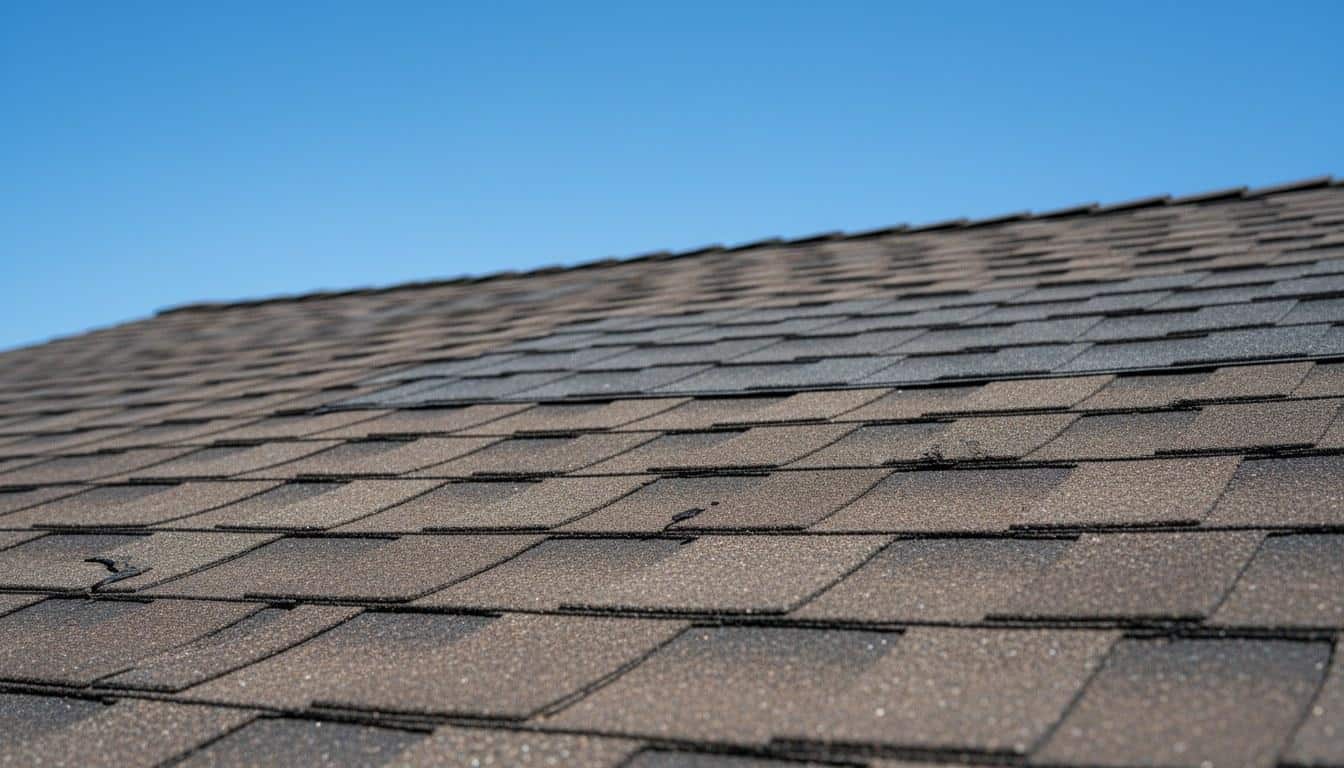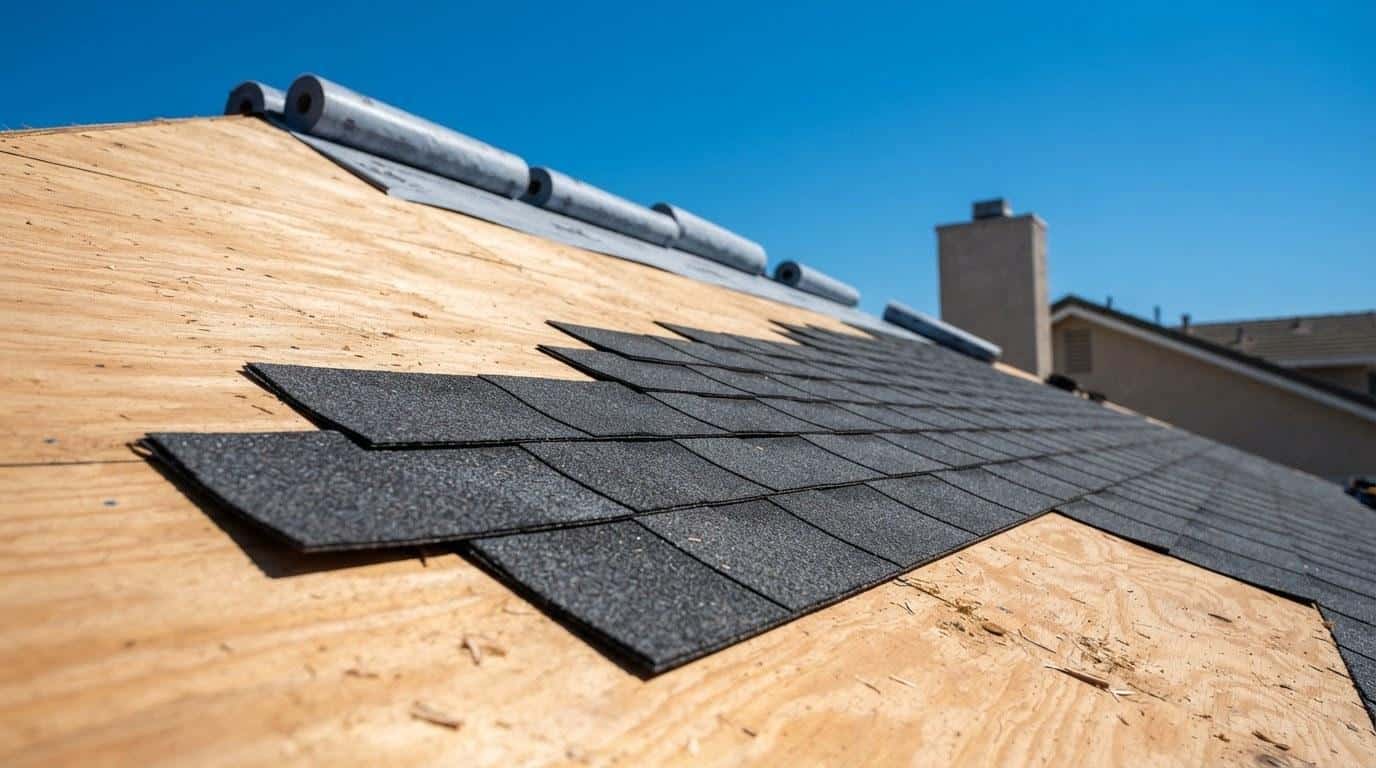
Roof installation in California typically ranges from $8,000 to $30,000 or more in 2026, depending on your home's size, the materials you choose, and local labor rates. This guide covers every major cost factor so you can plan your project with confidence.
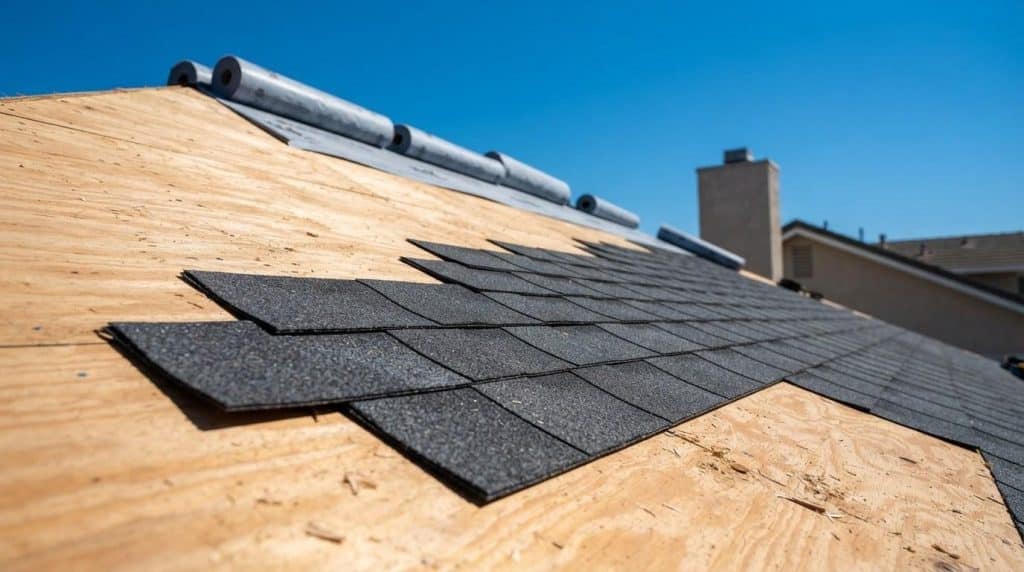
What Is the Typical Roof Installation Cost in California in 2026?
Roof installation cost in California in 2026 generally ranges from $8,000 to $30,000 for a standard single-family home, with the average falling around $12,000 to $18,000 for a mid-size house using asphalt shingles. Homes with steep pitches, large square footage over 2,500 square feet, or premium materials like clay tile or metal can push totals well above $30,000.
These are regional market ranges, not any single contractor’s rates. The figures below are meant to give you a realistic planning baseline before you request a custom quote.
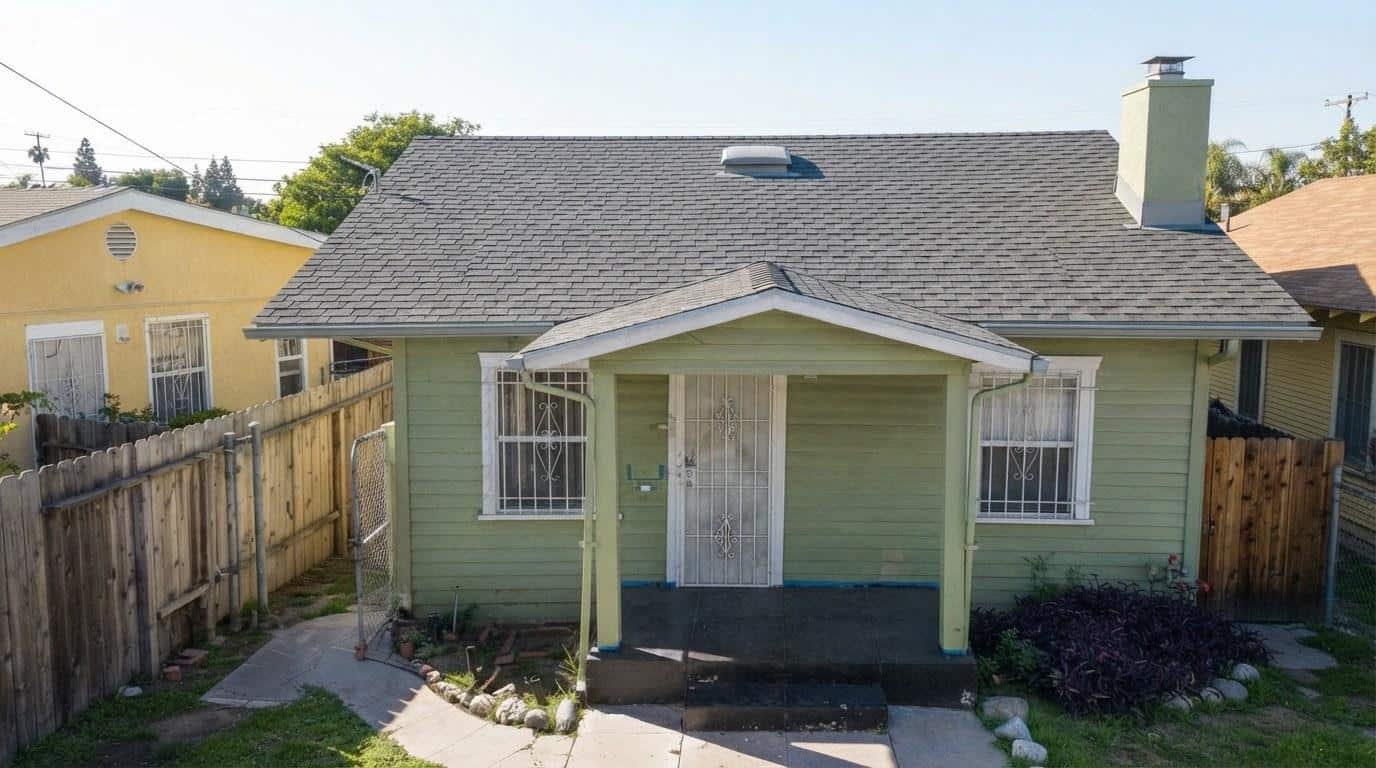
What Factors Affect the Cost of a New Roof in California?
Six factors move the final number more than anything else: roof size, material choice, pitch, tear-off requirements, local labor rates, and permit fees. Understanding each one helps you evaluate quotes side by side and avoid surprises.
- Roof size (squares): Roofing is priced per “square,” which equals 100 square feet. A 2,000-square-foot home typically has 20 to 25 roofing squares once slope and overhang are factored in. More squares mean more material and more labor hours.
- Material type: Asphalt shingles are the most affordable option. Clay tile, concrete tile, and standing-seam metal cost two to four times more per square. The material section below breaks this out in detail.
- Roof pitch: A steep pitch (above 6:12 slope) requires safety equipment and slows labor. Contractors typically add a steep-slope surcharge of $50 to $150 per square on pitches above 8:12.
- Tear-off and disposal: Removing an existing roof layer adds $1 to $2 per square foot in most California markets. California building codes generally allow no more than two layers of roofing before a full tear-off is required.
- Decking repairs: Once old shingles are off, damaged plywood or OSB decking is exposed. Replacing rotted decking boards typically costs $2 to $5 per square foot, and it is common to need at least some repairs on roofs older than 20 years.
- Local labor rates: Labor costs in the Los Angeles metro, the Bay Area, and coastal counties run higher than in the Central Valley or inland regions. The same 2,000-square-foot re-roof can cost 15 to 25 percent more in a high-cost coastal county versus a lower-cost inland market.
- Permit fees: Most California jurisdictions require a building permit for full roof replacement. Permit fees vary by city and county but commonly range from $150 to $600 for a residential roof.
How Do Different Roofing Materials Compare in Price?
Asphalt shingles remain the most widely installed roofing material in California, while clay tile dominates many Mediterranean-style neighborhoods and metal roofing is growing fast due to its longevity and energy performance. The table below shows typical installed cost ranges per square (100 sq ft) in the California market as of 2026.
| Scenario / Material | Typical Market Range (installed) | What’s Usually Included |
|---|---|---|
| 3-tab asphalt shingles, 1,800 sq ft home | $8,000 to $13,000 | Tear-off of one layer, underlayment, new shingles, basic flashing, permit |
| Architectural (dimensional) asphalt shingles, 2,200 sq ft home | $12,000 to $20,000 | Tear-off, synthetic underlayment, 30-year shingles, ridge cap, flashing, permit |
| Concrete or clay tile, 2,000 sq ft home | $20,000 to $40,000 | Structural inspection, high-load underlayment, tile, mortar, flashing, permit |
| Standing-seam metal roof, 2,000 sq ft home | $25,000 to $45,000 | Metal panels, hidden fasteners, specialty underlayment, trim, flashing, permit |
| Cool-roof coating over flat or low-slope deck | $4,000 to $10,000 | Surface prep, elastomeric or TPO coating, seams sealed, basic warranty coating |
Our crews replace roofing on homes across Los Angeles County and surrounding communities throughout the year. We see roughly 60 percent of full replacements use architectural asphalt shingles, with clay and concrete tile making up most of the remainder in older neighborhoods built before 1990.
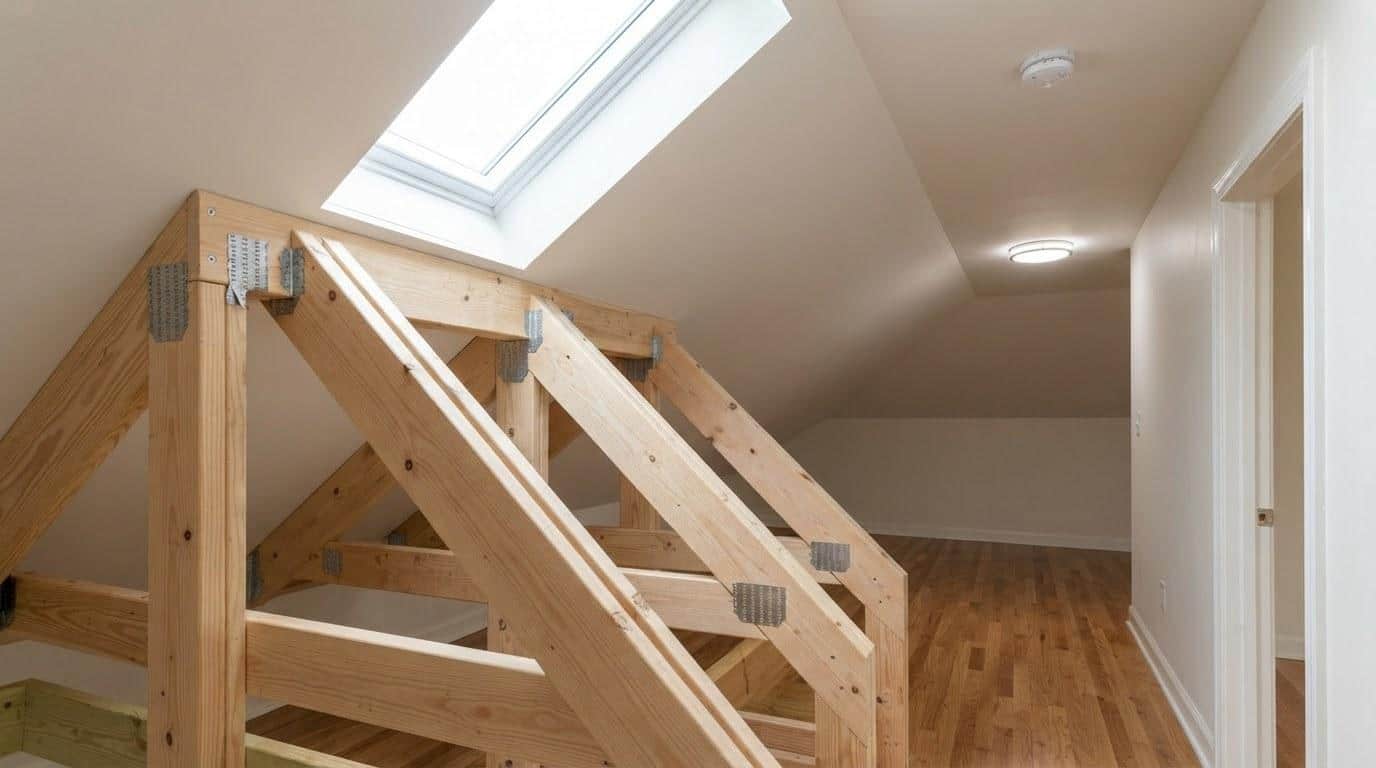
Material lifespan matters as much as upfront cost. Architectural asphalt shingles typically carry a 25- to 30-year manufacturer warranty. Clay and concrete tile routinely last 40 to 50 years. Standing-seam metal roofs are rated for 50 years or more by most manufacturers. Choosing a longer-lived material often lowers the lifetime cost per year even when the upfront price is higher.
What Is NOT Included in Most Roofing Quotes?
Most base quotes cover materials, standard labor, and a single permit pull, but several common add-ons can add $1,500 to $8,000 or more to the final bill. Ask your contractor to spell out each of these before signing.
- Decking replacement: Rotted or damaged plywood sheathing is almost never included in a base quote. It is billed separately once the old roof is removed and damage is visible.
- Skylight flashing or replacement: Resealing or replacing skylight flashing typically costs $200 to $500 per skylight. Full skylight replacement runs $800 to $2,500 depending on size.
- Chimney flashing and counter-flashing: Step flashing around chimneys is sometimes included, but custom counter-flashing fabrication is often a separate line item at $300 to $700 per chimney.
- Gutters and fascia: Roofing contracts rarely include gutter replacement. If your fascia boards are rotted, replacing them before new drip edge is installed adds $8 to $20 per linear foot.
- Solar panel removal and reinstall: If your home has solar, panels must be removed before roofing and reinstalled after. This is coordinated with your solar installer and typically costs $1,500 to $4,000 depending on system size.
- Attic ventilation upgrades: California’s Title 24 building energy standards may require updated ridge or soffit ventilation on certain re-roofing projects. New vents add $300 to $1,200 depending on the system.
- Haul-away and dump fees: Some contractors include debris disposal; others charge $300 to $800 separately. Confirm this in writing before work starts.
How Do California Building Codes and Energy Standards Affect Roofing Costs?
California’s Title 24 building energy standards require that certain re-roofing projects use “cool roof” materials that meet minimum solar reflectance and thermal emittance values, which can add $0.50 to $2.00 per square foot to material costs compared to standard products. As of the California Energy Commission’s 2022 Title 24 update, low-slope roofs on residential buildings are among those most commonly affected.
Contractors licensed by the California Contractors State License Board (CSLB) are required to pull permits and follow local building codes. Working with an unlicensed contractor to avoid permit fees can result in failed inspections, fines, and difficulty selling your home later.
On the savings side, cool-roof and energy-efficient roofing upgrades may qualify for the ENERGY STAR-linked federal tax credit under the Inflation Reduction Act federal tax credit program. As of 2026, homeowners who install qualifying energy-efficient roofing materials may claim up to 30 percent of material costs, capped at $1,200 per year, on their federal return. Consult a tax professional to confirm eligibility for your specific project.
Fire-resistance ratings also matter in California. Homes in Wildland-Urban Interface (WUI) zones, which cover large portions of foothill and mountain communities across the state, are required to use Class A fire-rated roofing materials. Most asphalt shingles, metal panels, and tile products already meet Class A, but it is worth confirming before ordering materials.
How Do You Get an Accurate Roof Installation Quote?
The most accurate quotes come from contractors who physically inspect your roof, measure it themselves, and provide a written, itemized breakdown, not a per-square-foot ballpark given over the phone. Here is what to have ready and what to ask for.
Information to gather before calling
- Approximate age of your current roof and the material it is made of
- Any known leak locations or water damage inside the attic
- Whether your home has solar panels, skylights, or a chimney
- Your home’s square footage and a rough idea of the roof slope (flat, low, or steep)
- Whether you have HOA restrictions on roofing materials or colors
What a complete quote should include
- Total roofing squares to be replaced
- Specific material brand, product line, and warranty term
- Whether tear-off of existing layers is included and how many layers
- Decking inspection policy and per-sheet cost if replacement is needed
- Permit pull and inspection fees
- Debris removal and haul-away
- Start date, estimated duration, and payment schedule
- Contractor’s CSLB license number and insurance certificate
We see that homeowners who request at least two itemized quotes save an average of 10 to 18 percent compared to those who accept the first number they receive. A written scope of work also protects you if scope creep becomes an issue mid-project.
Homeowners who request at least two itemized quotes save an average of 10 to 18 percent compared to those who accept the first number they receive.
Ready to Get a Roof Installation Quote in Los Angeles?
Planning a roof replacement is a major decision. The regional market ranges in this guide give you a solid starting point for budgeting, but your actual cost depends on your specific roof’s size, condition, pitch, and the materials you choose. Market averages do not substitute for a professional inspection and a written, itemized proposal.
Hollywood Contractor Corp is a licensed general contractor serving communities across Los Angeles County and the surrounding region. Whether you are replacing an aging asphalt shingle roof, upgrading to clay tile, or planning a larger project that includes a home addition or ADU construction alongside your re-roof, the team can walk you through your options and provide a detailed quote based on your actual home.
Call (818) 264-1955 to schedule a roof inspection and get a custom quote. Bring your questions about materials, timelines, and California code requirements and get straight answers before any work begins.
Explore our full range of General Contracting services.
Frequently Asked Questions
How much does it cost to replace a roof in California right now?
In the California market in 2026, a full residential roof replacement typically costs between $8,000 and $30,000 for most homes, with the mid-range around $12,000 to $18,000 for architectural asphalt shingles on a 2,000-square-foot home. Premium materials like clay tile or standing-seam metal push totals higher. Your exact cost depends on your roof's size, pitch, current condition, and the material you choose. Getting an itemized quote from a licensed contractor is the only way to get an accurate number for your specific home.
How long does a roof installation take on a typical California home?
Most residential roof replacements in California take two to five days from tear-off to final inspection. A straightforward asphalt shingle re-roof on a 2,000-square-foot home with a moderate pitch is often completed in two to three days. Tile roofs, steep pitches, or homes with multiple skylights and chimneys can extend the timeline to a week or more. Permit scheduling can also add a few days depending on your local building department's workload.
Do I need a permit to replace my roof in California?
Yes, most California jurisdictions require a building permit for a full roof replacement. Permit fees typically range from $150 to $600 for a residential project. A contractor licensed by the California Contractors State License Board (CSLB) is required to pull this permit on your behalf. Skipping the permit can create problems when you sell your home or file an insurance claim, so it is worth confirming the permit is included in your quote.
What roofing material lasts the longest in California's climate?
Clay and concrete tile roofs typically last 40 to 50 years in California's climate and handle heat, UV exposure, and coastal salt air well. Standing-seam metal roofs are rated for 50 years or more and perform well in both coastal and high-fire-risk mountain areas. Architectural asphalt shingles have a 25- to 30-year lifespan and are the most cost-effective option for most homeowners. For homes in Wildland-Urban Interface zones, any material you choose must carry a Class A fire rating.
Can I get a tax credit for a new roof in California in 2026?
Homeowners who install qualifying energy-efficient roofing materials may be eligible for the Inflation Reduction Act federal tax credit, which covers up to 30 percent of material costs, capped at $1,200 per year as of 2026. The materials generally need to meet ENERGY STAR cool-roof standards to qualify. California's Title 24 building energy standards also require cool-roof materials on certain re-roofing projects, so your new roof may qualify for both the state code requirement and the federal credit at the same time. A tax professional can confirm eligibility based on your specific situation.