Exterior Remodeling in California: Siding, Stucco & Curb Appeal Upgrades Explained
This exterior remodeling California guide covers siding, stucco, cost ranges, and curb appeal upgrades — everything homeowners need to plan a successful exterior renovation.
What Does Exterior Remodeling Actually Cover?
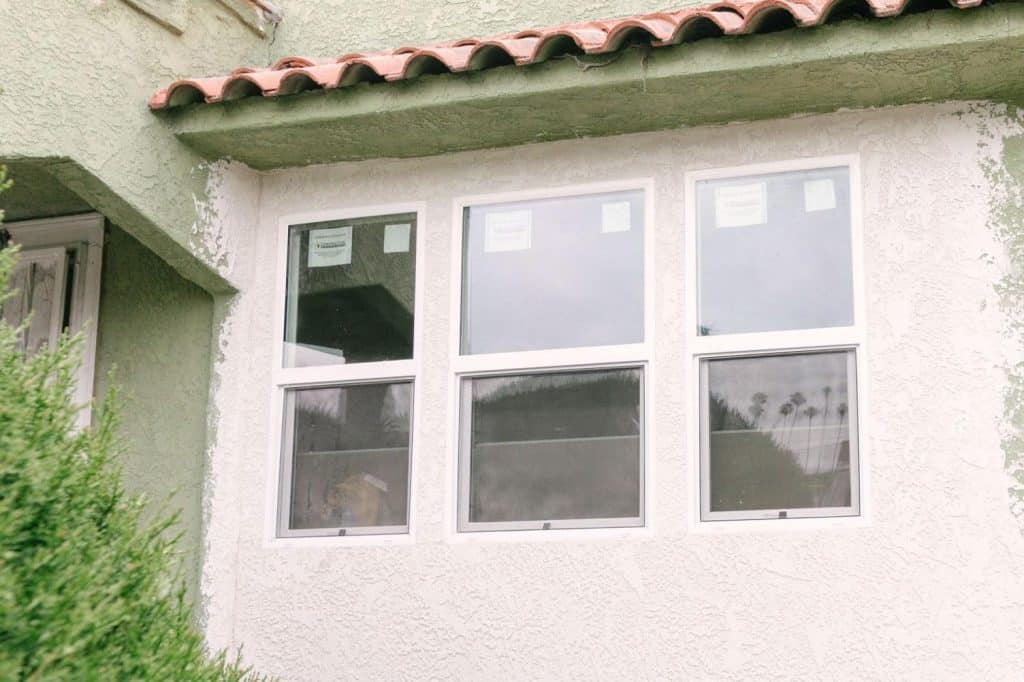
Exterior remodeling is the process of upgrading or replacing the outer shell of your home — including siding, stucco, trim, fascia, soffit, and exterior paint. It directly affects your home’s curb appeal, energy efficiency, and weather resistance. Most homeowners start the process after noticing cracking stucco, rotting wood siding, or rising energy bills caused by failing exterior insulation.
This exterior remodeling California guide focuses on the two most common cladding systems in the state: traditional stucco and modern siding products. Both have a place in California’s housing market, and choosing between them — or combining them — comes down to your home’s architecture, your neighborhood’s climate zone, and your long-term budget.
Beyond cladding, a full exterior remodel often includes:
- Exterior insulation upgrades: Adding a continuous insulation layer beneath new cladding can cut heating and cooling loads meaningfully.
- Trim and fascia replacement: Rotting or warped trim is often discovered once old siding comes off.
- Window and door flashing: Proper flashing prevents water intrusion, a leading cause of exterior failure in California’s wet winters.
- Exterior paint or coating systems: Applied over stucco or fiber cement for color and UV protection.
- Soffit and eave work: Especially relevant in fire-prone areas where ember intrusion through soffits is a real risk.
Siding vs. Stucco: Which Is Right for Your California Home?
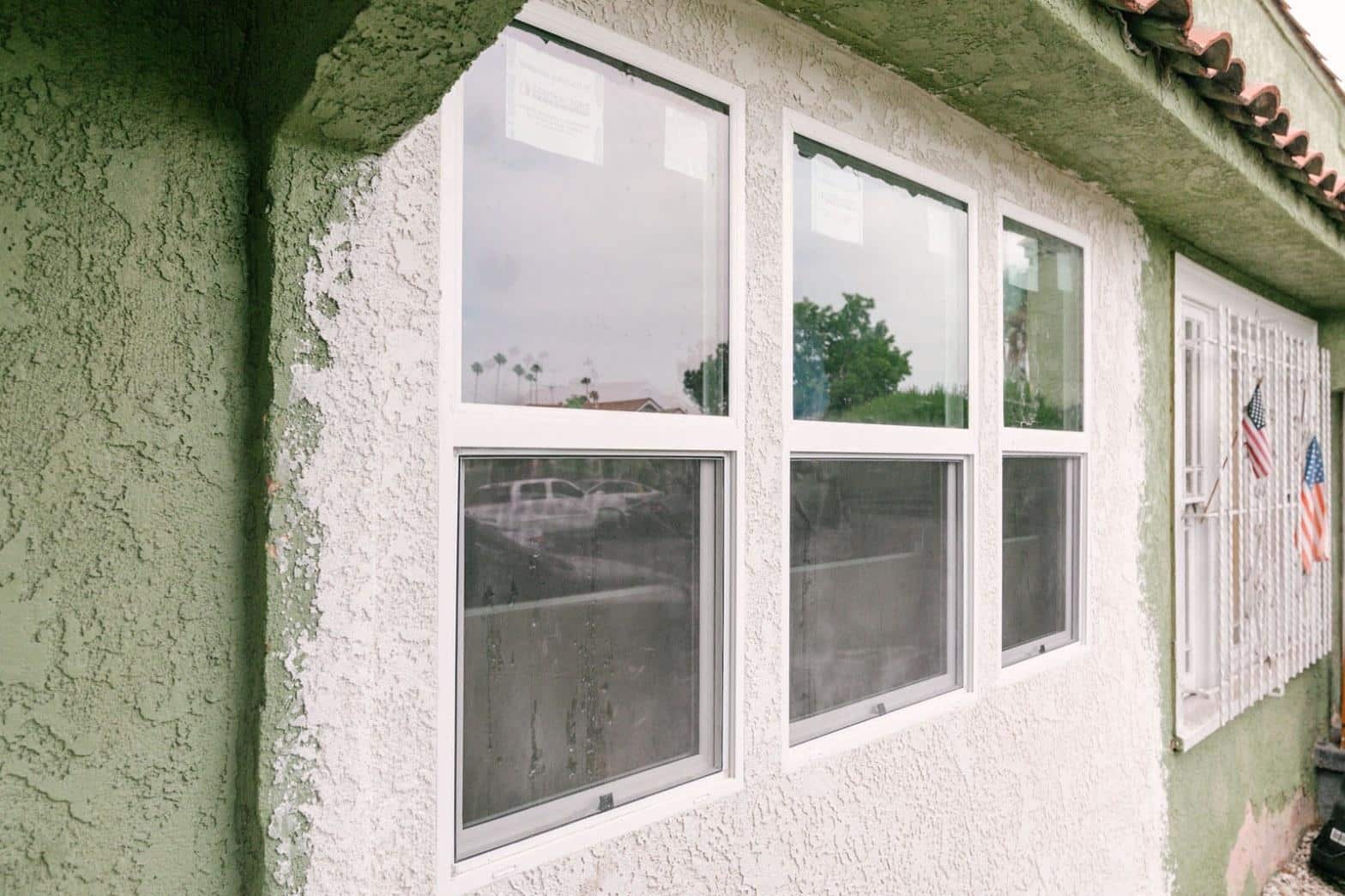
Stucco is the dominant exterior finish across Southern California, while fiber cement siding and engineered wood have grown sharply in popularity statewide over the past decade. Each system has distinct performance profiles, maintenance demands, and cost structures.
Traditional three-coat stucco — a cement, sand, and lime mixture applied over a wire lath — is durable, fire-resistant, and well-suited to California’s dry inland climates. It typically lasts 50 or more years when properly maintained. However, stucco is rigid. In areas with expansive clay soils or seismic movement, hairline cracks are common and require periodic sealing to prevent moisture intrusion.
Fiber cement siding, most widely known under the James Hardie brand, has become the go-to alternative. It resists moisture, termites, and fire, and it holds paint exceptionally well — typically 15 to 20 years between repaints. Engineered wood siding offers a natural look at a lower installed cost but requires more diligent maintenance in coastal and high-humidity zones.
Vinyl siding is still installed in some parts of the state, though it is less common in Southern California due to UV fading concerns and its performance in high-heat conditions. In California’s wildfire-risk zones, some vinyl products do not meet the ignition-resistant requirements set by the California Building Code.
| Cladding Type | Typical Lifespan | Fire Resistance | Maintenance Level | Best Climate Fit |
|---|---|---|---|---|
| Traditional Stucco | 50+ years | Class A (non-combustible) | Low to moderate (crack sealing) | Dry inland, Mediterranean |
| Fiber Cement Siding | 30–50 years | Non-combustible | Low (repaint every 15–20 yrs) | Coastal, inland, fire zones |
| Engineered Wood Siding | 20–30 years | Treated, varies by product | Moderate (paint every 8–12 yrs) | Inland, lower-humidity areas |
| Vinyl Siding | 20–40 years | Lower — check local code | Low (cleaning only) | Mild-climate zones only |
| Stucco + Siding Hybrid | Varies by section | High (fiber cement zones) | Low to moderate | Any California climate zone |
Our team has replaced stucco on more than 60 homes across Los Angeles County over the past three years, and roughly 40 percent of those projects combined stucco on the lower story with fiber cement lap siding above — a hybrid approach that preserves the traditional California look while improving moisture management on upper elevations.
How Much Does Exterior Remodeling Cost in California?
In the California regional market, exterior remodeling projects typically range from $8,000 to $45,000 or more, depending on the size of the home, the cladding system chosen, and the condition of the existing substrate. Targeted stucco repairs on a single elevation can run $2,000 to $6,000, while a full re-side of a 2,000-square-foot home with fiber cement generally falls between $18,000 and $35,000 in this market.
Several factors move that range significantly:
- Home size and story count: Two-story homes require scaffolding, which adds $1,500 to $4,000 to most projects.
- Substrate condition: If water damage has reached the sheathing or framing, structural repairs add cost before any new cladding goes on.
- Material choice: Premium fiber cement products cost more per square foot installed than standard stucco re-coat, though they often reduce long-term maintenance costs.
- Insulation upgrades: Adding continuous exterior insulation (rigid foam) beneath new siding adds $2 to $4 per square foot but improves energy performance and may qualify for incentives.
- Permit and inspection fees: California municipalities charge varying permit fees; in Los Angeles County, exterior re-cladding permits typically run $500 to $2,500 depending on project scope.
- Labor market conditions: Demand for licensed exterior contractors in Southern California is high, and project timelines and costs reflect that market reality.
Homeowners who add continuous insulation under new siding may qualify for the Inflation Reduction Act federal tax credit, which covers up to 30 percent of insulation improvement costs through 2032. Always request a custom quote from Hollywood Contractor Corp before budgeting — scope variations can shift costs by thousands of dollars.
What Should You Know Before Removing Stucco and Replacing It with Siding?
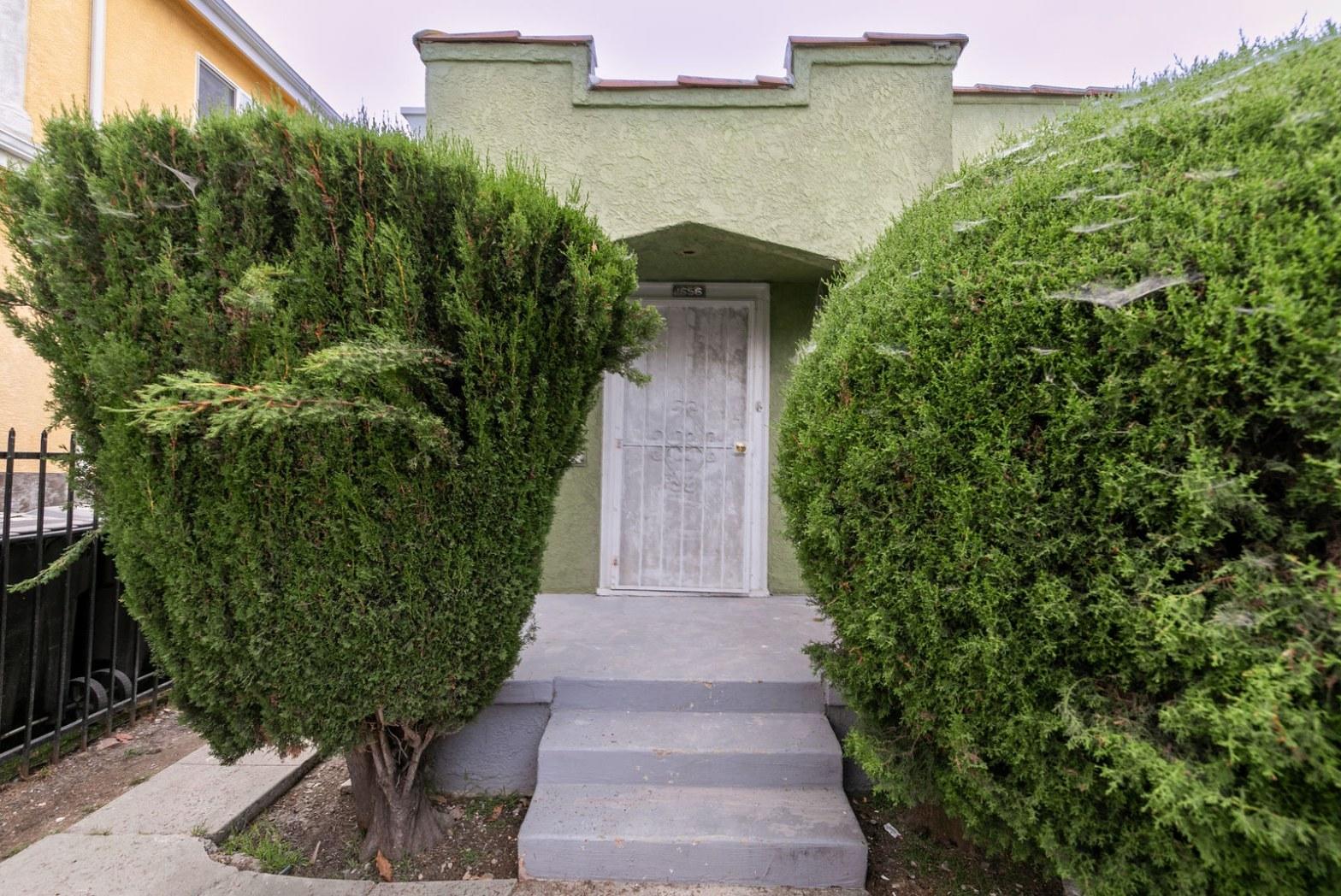
Removing stucco and replacing it with siding is one of the most involved exterior remodeling decisions a California homeowner can make. The process typically takes 2 to 4 weeks on a standard single-family home, and the condition of what’s underneath the stucco is the single biggest cost variable.
Traditional stucco is applied over a wire lath that is nailed or screwed to the wall sheathing. When stucco is removed, the lath and any underlying moisture barrier must be inspected before new cladding goes on. In homes built before 1980, this step sometimes reveals deteriorated kraft-paper housewrap, missing flashing at windows, or sheathing damaged by years of slow moisture intrusion.
Here is what the process generally looks like:
- Assessment and permit pull: A contractor inspects the existing stucco, checks for moisture damage with a meter, and pulls the required building permit.
- Stucco removal: Chipping or grinding off three-coat stucco generates significant debris. Disposal is part of the project cost.
- Substrate inspection and repair: Sheathing, framing, and existing housewrap are inspected. Damaged sections are replaced before anything new goes on.
- New water-resistive barrier (WRB): A modern housewrap or fluid-applied WRB is installed. This is required under California’s building code and is critical to long-term performance.
- Optional continuous insulation: Rigid foam or mineral wool board is installed over the WRB before siding, improving thermal performance.
- Siding installation: Fiber cement, engineered wood, or another approved product is installed per the manufacturer’s specifications and local code.
- Trim, caulking, and paint: All penetrations, corners, and trim details are sealed and finished.
- Final inspection: The building department inspects the completed work before the permit is closed.
Homeowners sometimes ask whether they can install new siding directly over existing stucco. In some cases this is technically possible, but it adds weight to the wall assembly, can hide ongoing moisture problems, and may not meet local code requirements. Most licensed contractors in California recommend full removal for a clean, code-compliant result.
How Do California’s Building Codes Affect Your Exterior Project?
California has some of the most detailed exterior cladding requirements in the country, driven by its combination of seismic risk, wildfire exposure, and energy efficiency goals. Understanding these rules before you start helps avoid costly mid-project surprises.
California’s Title 24 building energy standards govern how well your home’s envelope performs. When you re-clad a significant portion of your home, the project may trigger an envelope compliance review — meaning your new wall assembly must meet current insulation and air-sealing requirements, not just the standards in place when the home was built.
In California’s designated Fire Hazard Severity Zones (FHSZs), exterior cladding must meet ignition-resistant construction (IRC) standards. This affects material selection directly: standard vinyl siding is generally not permitted in High or Very High FHSZs, while fiber cement and stucco both qualify. If your property sits in a FHSZ, confirm material compliance before purchasing anything.
Key code considerations for California exterior remodeling include:
- Seismic attachment requirements: Fastener schedules for siding in California are more demanding than in most other states due to earthquake loads.
- Moisture management: The California Building Code requires a continuous water-resistive barrier behind all cladding — no exceptions.
- Eave and vent protection: In fire-risk zones, vented soffits must use ember-resistant vent products (1/16-inch mesh or smaller).
- Permit requirements: Re-cladding more than 50 percent of a home’s exterior surface typically requires a building permit in most California jurisdictions.
Contractors licensed by the California Contractors State License Board (CSLB) are required to know and follow these standards. Always verify a contractor’s CSLB license before signing any contract — you can check license status for free on the CSLB website.
What Are the Most Common Exterior Remodeling Mistakes?
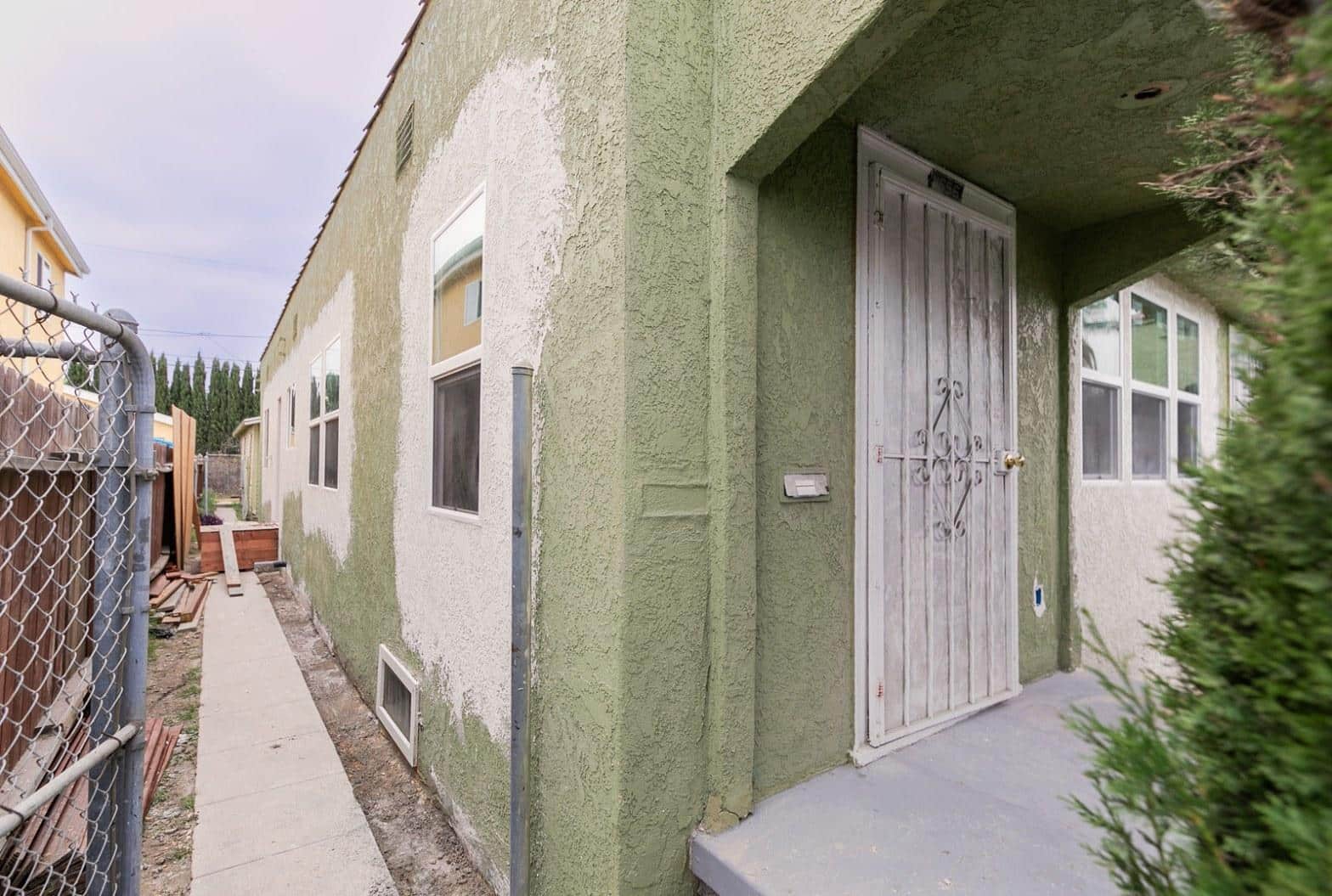
The most costly exterior remodeling mistakes in California share a common thread: skipping steps that are invisible once the cladding is on. Problems with flashing, housewrap, and substrate repairs are hidden behind the finished surface — and they can cause serious water damage within 3 to 7 years if done wrong.
Across our exterior project calls, we find that roughly 1 in 4 homes with stucco cracking that homeowners attributed to normal aging actually had failed or missing window flashing that had been allowing water behind the stucco for years.
Common mistakes to avoid:
- Skipping the permit: Unpermitted exterior work can create problems when you sell the home and may void manufacturer warranties on new siding products.
- Choosing a contractor on price alone: The lowest bid often reflects skipped steps — no moisture barrier upgrade, no substrate inspection, or non-code-compliant fastening.
- Painting over stucco cracks without addressing the cause: Hairline cracks from normal movement can be sealed, but cracks wider than 1/4 inch often signal a deeper structural or drainage issue.
- Ignoring the trim and flashing details: Siding fails at the edges and penetrations first. Proper flashing at windows, doors, and roof-to-wall transitions is non-negotiable.
- Mismatching materials in fire zones: Installing a non-compliant product in a High FHSZ can result in a failed inspection and required removal at the homeowner’s expense.
- Skipping continuous insulation: When the wall is already open during a re-side, adding a layer of rigid foam insulation is far cheaper than doing it as a separate project later — and it improves energy performance immediately.
Choosing a contractor who pulls their own permits, provides a written scope of work, and carries current general liability and workers’ compensation insurance protects you from all of these failure modes.
Ready to Upgrade Your Home’s Exterior?
Planning an exterior remodel is easier when you start with a clear scope, a realistic budget, and a licensed contractor who understands California’s code requirements. Whether you are repairing aging stucco, switching to fiber cement siding, or tackling a full curb appeal transformation, the right team makes the difference between a project that lasts decades and one that needs rework in a few years.
Hollywood Contractor Corp serves homeowners across Southern California with licensed exterior remodeling services — from targeted stucco repair to full re-siding projects with continuous insulation upgrades. Call (818) 264-1955 to schedule a site assessment and get a written estimate before any work begins. Every project starts with a thorough inspection of your existing cladding and substrate so there are no surprises once work is underway.
Get your custom quote today and take the first step toward an exterior that performs as well as it looks.
Explore our full range of General Contracting services.
Frequently Asked Questions
How much does it cost to remove stucco and replace it with siding in California?
In the California regional market, removing stucco and replacing it with fiber cement siding typically costs between $18,000 and $35,000 for a 2,000-square-foot home. The biggest cost variables are the condition of the substrate underneath the stucco, whether sheathing repairs are needed, and whether you add continuous insulation at the same time. Always get a written estimate after a site inspection — substrate surprises are common and can shift the budget significantly.
How long does an exterior remodeling project take in California?
Most full exterior re-cladding projects on a single-family California home take 2 to 4 weeks from permit approval to final inspection. Targeted stucco repairs on one or two elevations can be completed in 2 to 5 days. Delays most often come from permit processing times, which vary by municipality, and from substrate repairs discovered once old cladding is removed.
Is stucco or siding better for a California home?
Both work well in California, and the best choice depends on your home's location and architecture. Stucco is non-combustible, durable, and ideal for dry inland and Mediterranean climates. Fiber cement siding performs well in coastal areas and fire-risk zones, holds paint longer, and is easier to repair section by section. Many California homes use a hybrid of both — stucco on the lower story and fiber cement above.
Do I need a permit to replace siding or stucco in California?
Yes, in most California jurisdictions you need a building permit to re-clad more than 50 percent of your home's exterior surface. The permit process ensures the new wall assembly meets current California Building Code requirements, including moisture barriers and fire-resistance standards. A licensed contractor will pull the permit on your behalf as part of the project.
Can I get a tax credit for exterior insulation added during a re-siding project?
Yes. If you add qualifying insulation to your home's exterior wall assembly during a re-siding project, you may be eligible for the Inflation Reduction Act federal tax credit, which covers up to 30 percent of the insulation improvement cost through 2032. Consult a tax professional to confirm eligibility for your specific project, and keep all receipts and contractor documentation.