Building an ADU on a hillside lot comes with unique engineering, permitting, and cost challenges. This guide covers everything California homeowners need to know before breaking ground.
Hillside ADU construction is one of the most technically demanding residential projects a California homeowner can undertake — but it is also one of the most rewarding. Sloped lots introduce engineering requirements, soil testing, and drainage design that flat lots simply do not need. This hillside adu construction guide walks through every major decision point, from the first geotechnical report to the final certificate of occupancy, so you know exactly what to expect before committing to a budget or a contractor.
Why Is Hillside ADU Construction More Complex Than Flat-Lot Builds?
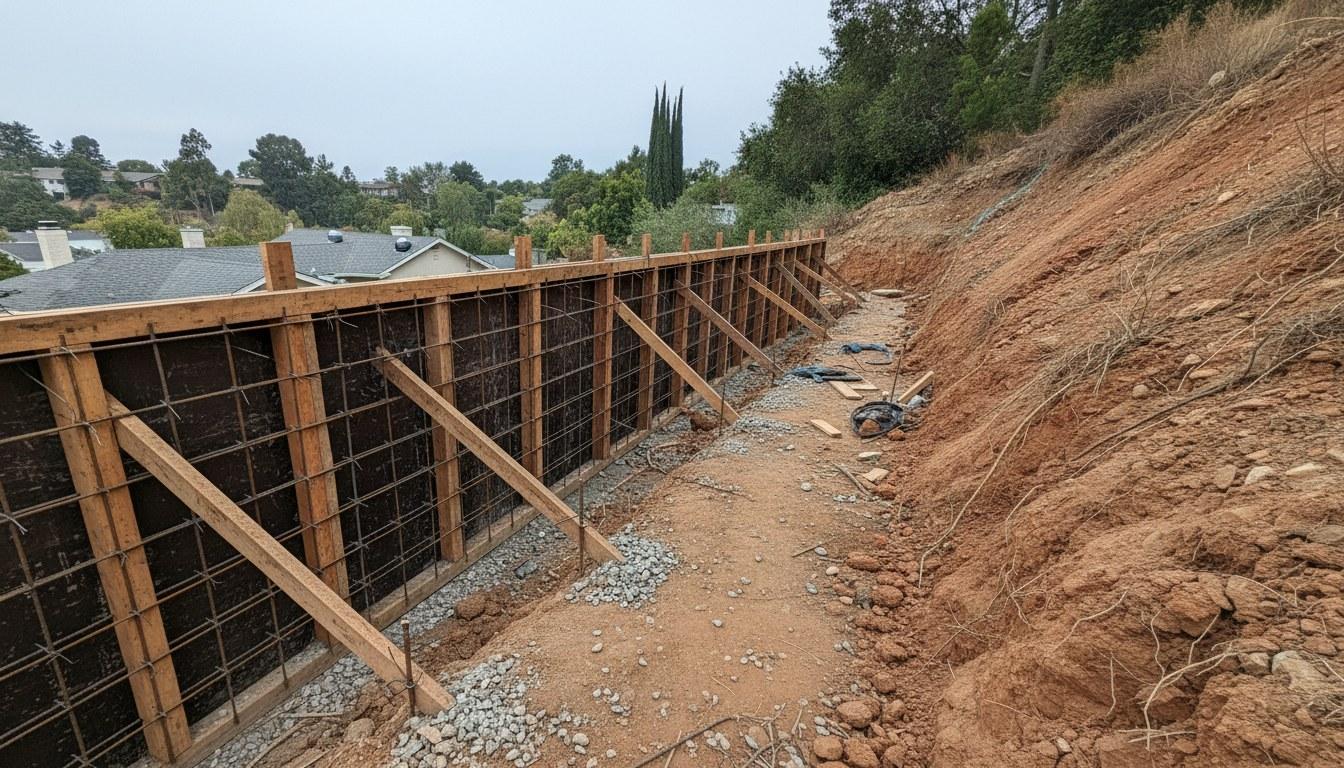
Sloped terrain shifts the structural load in ways that a standard slab foundation cannot handle, so hillside ADUs almost always require engineered foundations, retaining walls, or both. On a flat lot, a contractor can pour a conventional concrete slab and begin framing within a few days. On a hillside, the team must first stabilize the slope, manage stormwater runoff, and anchor the structure against lateral movement.
California’s seismic environment adds another layer of complexity. The state sits on an active fault network, and the California Geological Survey designates many hillside areas as Seismic Hazard Zones — meaning additional engineering review is required before a permit can be issued. Soil liquefaction, landslide susceptibility, and slope instability are all factors that must be formally evaluated.
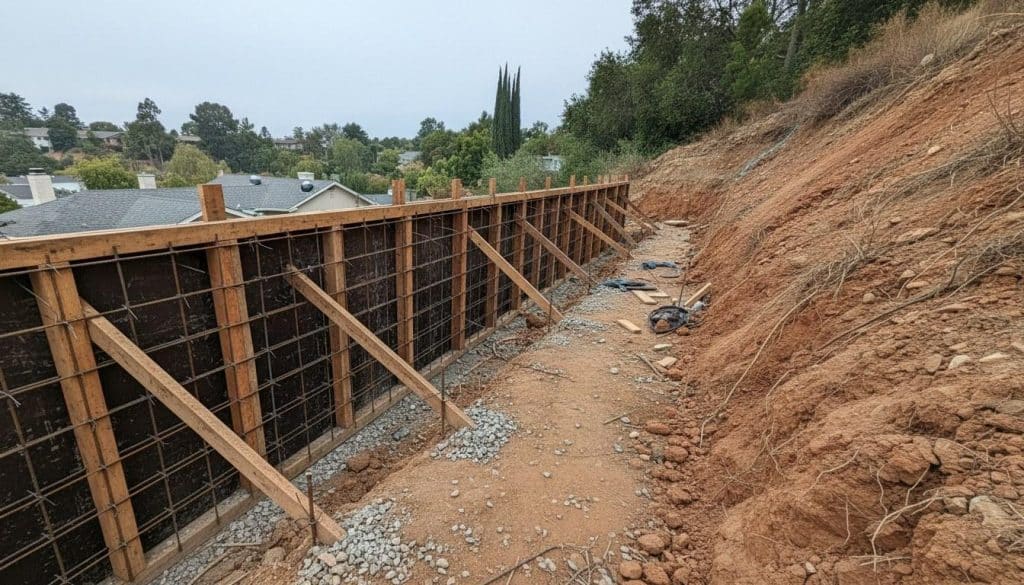
Drainage is a third concern. A hillside naturally channels water downslope, and an ADU that interrupts that flow without proper grading and drainage design can damage both the new structure and the main home. Retaining walls, French drains, and swales are common solutions, each adding to the project timeline and budget.
What Site Conditions Determine Whether Your Hillside Lot Can Support an ADU?
Four site factors drive the feasibility of any hillside ADU: slope grade, soil bearing capacity, proximity to a descending slope edge, and existing drainage patterns. A geotechnical engineer evaluates all four in a soils report, which most California jurisdictions require before issuing a grading or building permit on sloped terrain.
- Slope grade: Lots with a grade steeper than 15% typically require a cut-and-fill grading plan. Grades above 30% may need a stepped or pier-and-grade-beam foundation, which is significantly more expensive than a standard slab.
- Soil bearing capacity: Expansive clay soils — common across many parts of Los Angeles County and surrounding counties — swell when wet and shrink when dry, which can crack foundations over time. The soils report will specify minimum bearing pressure requirements the foundation design must meet.
- Setback from slope edge: California’s California Building Code (CBC) Section 1808 requires footings to be set back from the face of a descending slope by a distance equal to at least one-third of the slope height, with a minimum of 40 feet for slopes taller than 40 feet. This setback can shrink the buildable footprint significantly.
- Drainage patterns: Existing swales, seasonal streams, or concentrated flow paths crossing the lot must be redirected or accommodated in the site plan. Altering natural drainage without proper engineering can trigger liability for downstream flooding.
- Wildfire Hazard Severity Zone (WHSZ): Many hillside parcels in Southern California fall within a State or Local WHSZ, which adds fire-resistant construction requirements to the building permit checklist.
Our team has reviewed soils reports on hillside projects across the region and consistently finds that lots with more than 20 feet of total elevation change across the building pad require at least one retaining wall segment — a detail that surprises many homeowners who expected a simpler build.
What Does a Hillside ADU Construction Guide Look Like Step by Step?
A hillside ADU project typically moves through eight stages, and skipping or rushing any one of them is the most common cause of permit denials and cost overruns. Here is the sequence most California jurisdictions follow:
- Feasibility assessment: A licensed contractor or architect reviews the lot’s slope, zoning, setbacks, and any recorded easements or geological hazard overlays before design begins.
- Geotechnical (soils) report: A licensed geotechnical engineer drills test borings — typically 2 to 4 borings per site — to analyze soil composition, bearing capacity, and groundwater depth. This report takes 2–4 weeks and costs between $2,500 and $6,000 in the regional market.
- Architectural and structural design: An architect and structural engineer produce plans that respond directly to the soils report findings. For hillside projects, expect the structural drawings to specify foundation type, retaining wall design, and hold-down hardware for seismic loads.
- Grading plan preparation: A civil engineer prepares a grading and drainage plan showing cut volumes, fill volumes, finished contours, and stormwater management features. Many counties require this plan to be stamped separately from the architectural set.
- Permit submittal and review: Plans are submitted to the local building department. Hillside projects often trigger additional review by a geotechnical plan checker, a grading division, and sometimes a fire department reviewer. Plan check can take 6–14 weeks in many California jurisdictions.
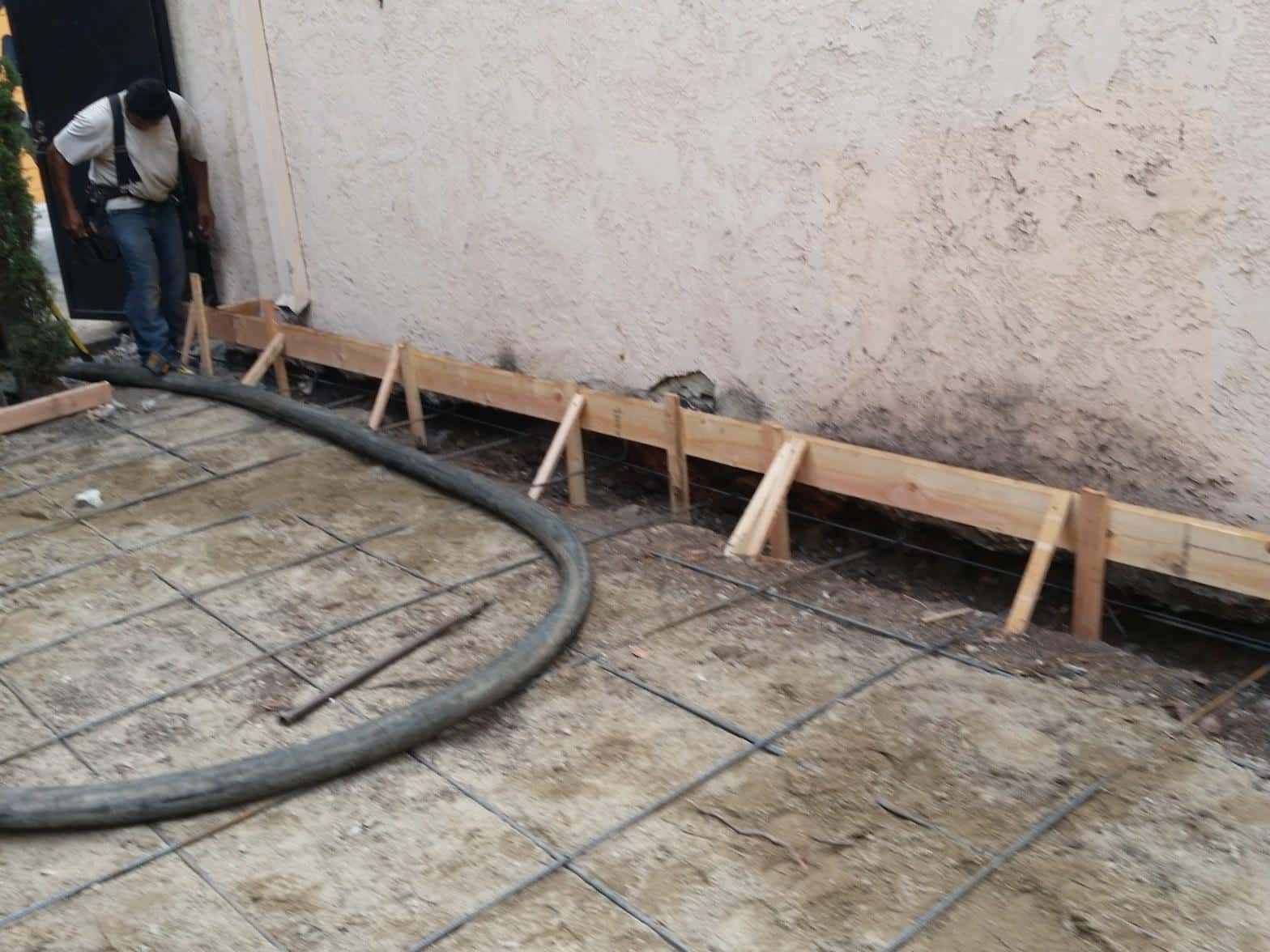
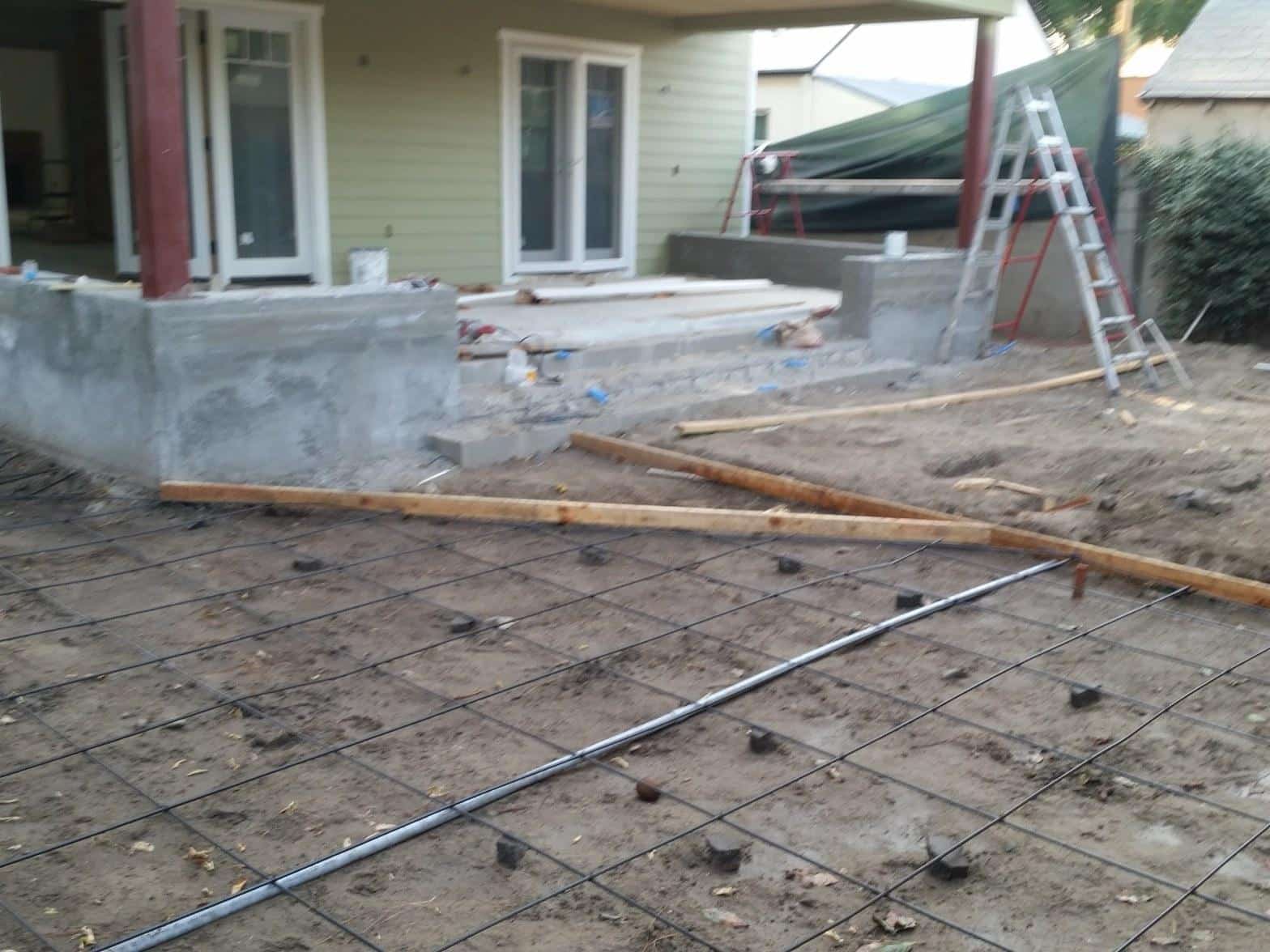
- Grading and earthwork: Once permits are issued, the site is graded — cut material is removed or redistributed, and retaining walls are formed and poured. This phase alone can take 3–6 weeks depending on the volume of earth moved.
- Foundation and framing: The engineered foundation is poured, inspected, and cured before framing begins. Pier-and-grade-beam foundations require individual inspections at each pier before concrete is placed.
- Finish construction and inspections: Rough framing, MEP (mechanical, electrical, plumbing) rough-in, insulation, drywall, and finishes follow a standard sequence, with inspections at each milestone. Final inspection and certificate of occupancy close out the permit.
How Much Does Hillside ADU Construction Cost in California?
In the California regional market, hillside ADU construction typically ranges from $280 to $550 per square foot for the structure itself — compared to $200 to $380 per square foot for a comparable flat-lot ADU. The gap reflects the added cost of engineered foundations, retaining walls, grading, and extended permitting timelines.
The table below breaks down the major cost categories and the factors that move each one up or down.
| Cost Category | Typical Regional Range | Key Variables |
|---|---|---|
| Geotechnical report | $2,500 – $6,000 | Number of borings, depth required, lab testing fees |
| Grading and earthwork | $15,000 – $60,000+ | Volume of cut/fill, haul-away distance, rock encountered |
| Retaining walls | $8,000 – $40,000+ | Wall height, length, material (concrete block, poured, shotcrete) |
| Engineered foundation | $20,000 – $75,000 | Foundation type (slab vs. pier-and-grade-beam vs. caisson), slope grade |
| Structural framing | $45,000 – $120,000 | ADU size, number of stories, seismic hardware requirements |
| MEP (mechanical, electrical, plumbing) | $30,000 – $70,000 | Distance from main home utilities, panel upgrade needs |
| Permits and plan check fees | $5,000 – $20,000 | Jurisdiction, ADU size, grading volume, fire zone classification |
| Interior finishes | $25,000 – $80,000 | Kitchen and bathroom spec level, flooring, fixtures |
Several programs can offset these costs. The Inflation Reduction Act federal tax credit covers up to 30% of qualifying energy-efficiency improvements — including heat pumps, insulation, and electrical panel upgrades — that are often incorporated into new ADU builds. California’s TECH Clean California program offers additional rebates for all-electric ADUs. Always request a custom quote for your specific lot before locking in a budget, since hillside variables can shift totals by tens of thousands of dollars.
Which ADU Types Work Best on Sloped Lots?
Three ADU configurations are particularly well-suited to hillside lots: daylight basement ADUs, detached ADUs on a cut pad, and garage-conversion ADUs where the garage is already built into the slope. Each leverages the terrain rather than fighting it.
- Daylight basement ADU: The slope is cut into the hillside so the lower level opens to grade on the downhill side. This approach minimizes grading volume and creates a naturally insulated structure that stays cooler in summer. It is one of the most cost-efficient hillside configurations when the existing home already has a partial basement or lower level.
- Detached ADU on a cut pad: A flat building pad is carved into the slope, typically supported by a retaining wall on the uphill side and a fill slope or retaining wall on the downhill side. This allows a conventional slab foundation on the pad itself, reducing foundation costs compared to a full pier-and-grade-beam system.
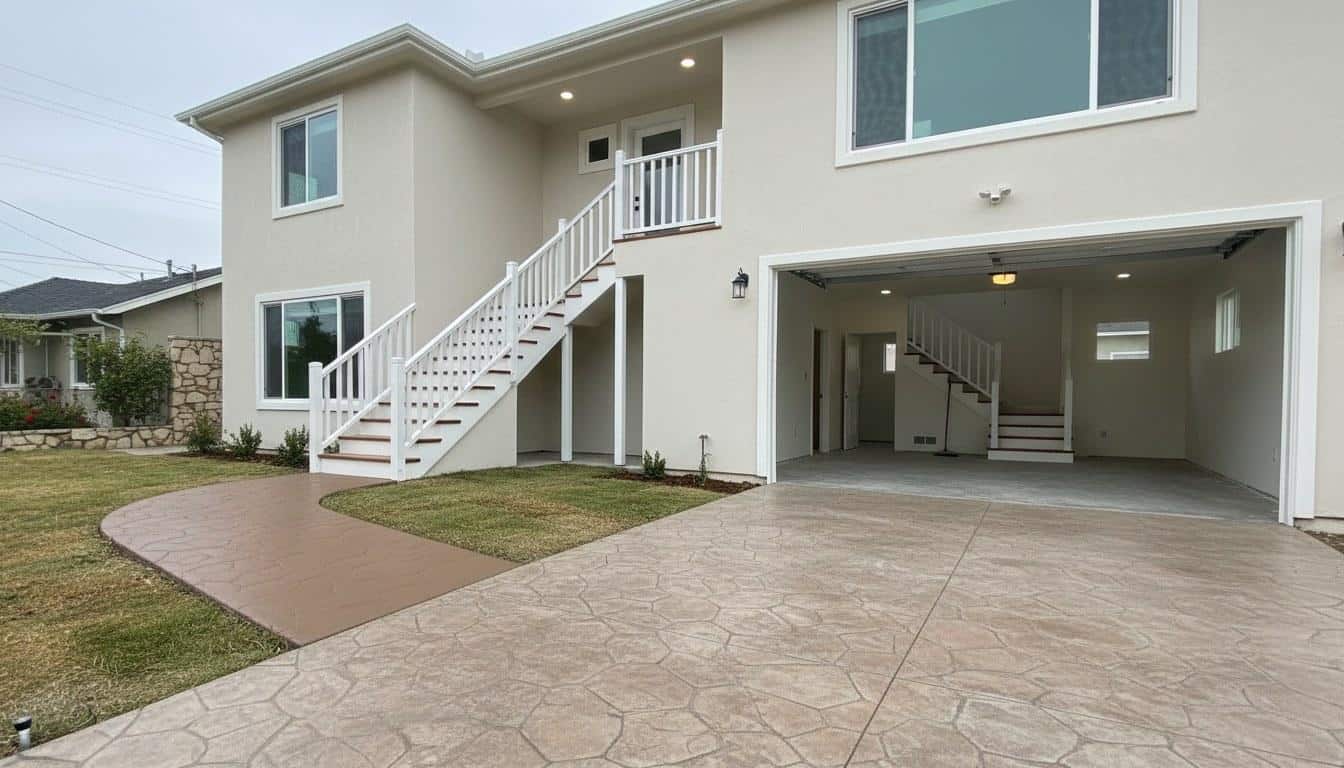
- Attached or garage-conversion ADU: Converting an existing hillside garage into an ADU is often the fastest and least expensive route. The foundation already exists, the utility connections are nearby, and grading is minimal. Conversion projects in the regional market typically range from $80,000 to $180,000 depending on finish level and any structural upgrades required.
- Stepped or split-level ADU: On very steep lots (grade above 25%), a stepped floor plan that follows the natural contour of the hill reduces the amount of cut-and-fill required. Each level steps down the slope by 2 to 4 feet, creating an architecturally interesting result while keeping earthwork costs manageable.
Across hillside projects we have completed in the region, detached ADUs on cut pads account for roughly 60% of new-construction hillside ADU work — the cut-pad approach consistently delivers the best balance of usable square footage and manageable site costs for lots with grades between 15% and 30%.
Detached ADUs on cut pads account for roughly 60% of new-construction hillside ADU work — the approach consistently delivers the best balance of usable square footage and manageable site costs for lots with grades between 15% and 30%.
What Permits and Codes Apply to Hillside ADUs in California?
California state law — specifically AB 68, AB 881, and SB 13, all effective as of 2020 — significantly streamlined ADU permitting statewide, but hillside lots trigger additional local and state review layers that flat-lot projects avoid. Understanding which permits you need before submitting saves weeks of back-and-forth with the building department.
At the state level, the California Department of Housing and Community Development (HCD) sets baseline ADU rules that all local jurisdictions must follow. Local agencies can add requirements for hillside or geological hazard areas, but they cannot impose rules that make ADU construction infeasible.
The typical hillside ADU permit package includes:
- Building permit: Required for all new ADU construction. Includes architectural, structural, and energy compliance (Title 24) plan sets. California’s Title 24 building energy standards require all new ADUs to meet current insulation, window, and HVAC efficiency thresholds.
- Grading permit: Required whenever cut or fill exceeds 50 cubic yards in most jurisdictions, or when the project is within a designated hillside or geological hazard area regardless of volume.
- Geotechnical review: The soils report must be reviewed and approved by the jurisdiction’s geotechnical plan checker before structural plans are approved.
- Retaining wall permit: Walls taller than 4 feet (measured from the bottom of the footing) require a separate engineered permit in most California counties.
- Fire department review: Required for projects in a Wildfire Hazard Severity Zone. May require Class A roofing, ember-resistant vents, and non-combustible exterior cladding within 5 feet of the structure.
- CEQA review: Most single-family ADU projects are categorically exempt from the California Environmental Quality Act, but projects near sensitive habitat, in a Special Flood Hazard Area, or on slopes with documented instability may require additional environmental review.
Contractors working on hillside ADUs in California should be licensed by the California Contractors State License Board (CSLB) — specifically holding a Class B General Building Contractor license, which covers the combination of structural, grading, and finish work a hillside ADU requires. Homeowners can verify any contractor’s license status at cslb.ca.gov before signing a contract.
Get Expert Help With Your Hillside ADU Project
A hillside ADU is a significant investment — and the decisions made in the first 60 days of planning determine whether the project comes in on budget or spirals into costly surprises. Choosing a contractor with direct hillside experience, a network of trusted geotechnical engineers, and a clear permitting process makes the difference between a smooth build and a stalled one.
Hollywood Contractor Corp works with homeowners across Southern California on hillside ADU projects of all types — from garage conversions on modest slopes to fully engineered detached units on steep canyon lots. The team coordinates geotechnical review, grading plans, structural engineering, and all permit submittals under one roof, so nothing falls through the cracks between consultants.
Ready to find out what your hillside lot can support? Call (818) 264-1955 to schedule a site assessment and get a detailed project estimate tailored to your specific slope, soil conditions, and ADU goals. The earlier you bring in a qualified team, the more options you have — and the more money you can save before design locks in.
Explore our full range of General Contracting services.
Frequently Asked Questions
Can I build an ADU on a steep hillside lot in California?
Yes, most hillside lots in California can support an ADU, but slope grade above 15% typically requires a geotechnical report, engineered foundation, and a grading permit. Lots steeper than 30% may need a pier-and-grade-beam or caisson foundation, which adds cost and time. A feasibility review with a licensed contractor is the best first step before committing to design.
How much more does a hillside ADU cost compared to a flat-lot ADU?
Hillside ADU construction in California typically costs 20–50% more per square foot than a comparable flat-lot build. The premium comes from geotechnical reports ($2,500–$6,000), retaining walls ($8,000–$40,000+), engineered foundations ($20,000–$75,000), and extended permitting timelines. The exact premium depends on slope grade, soil conditions, and how much grading is required.
How long does it take to get a permit for a hillside ADU?
Plan check for a hillside ADU typically takes 6–14 weeks in California, compared to 4–8 weeks for a flat-lot ADU. The extra time reflects additional review by a geotechnical plan checker, a grading division, and sometimes a fire department reviewer. Submitting a complete, well-coordinated plan set at the start is the most reliable way to avoid multiple rounds of corrections.
Do I need a geotechnical report to build an ADU on a hillside?
In most California jurisdictions, yes — a geotechnical (soils) report is required any time a project is located in a designated hillside area, a Seismic Hazard Zone, or a landslide hazard area. The report analyzes soil bearing capacity, groundwater depth, and slope stability, and its findings directly shape the foundation design. Expect the report to take 2–4 weeks and cost $2,500–$6,000 in the regional market.
What type of ADU works best on a hillside lot?
Daylight basement ADUs, detached ADUs on a cut pad, and garage-conversion ADUs are the three configurations that work best on sloped terrain. Garage conversions are typically the fastest and least expensive option since the foundation and utility connections already exist. Detached ADUs on a cut pad are the most popular new-construction choice for lots with grades between 15% and 30%.