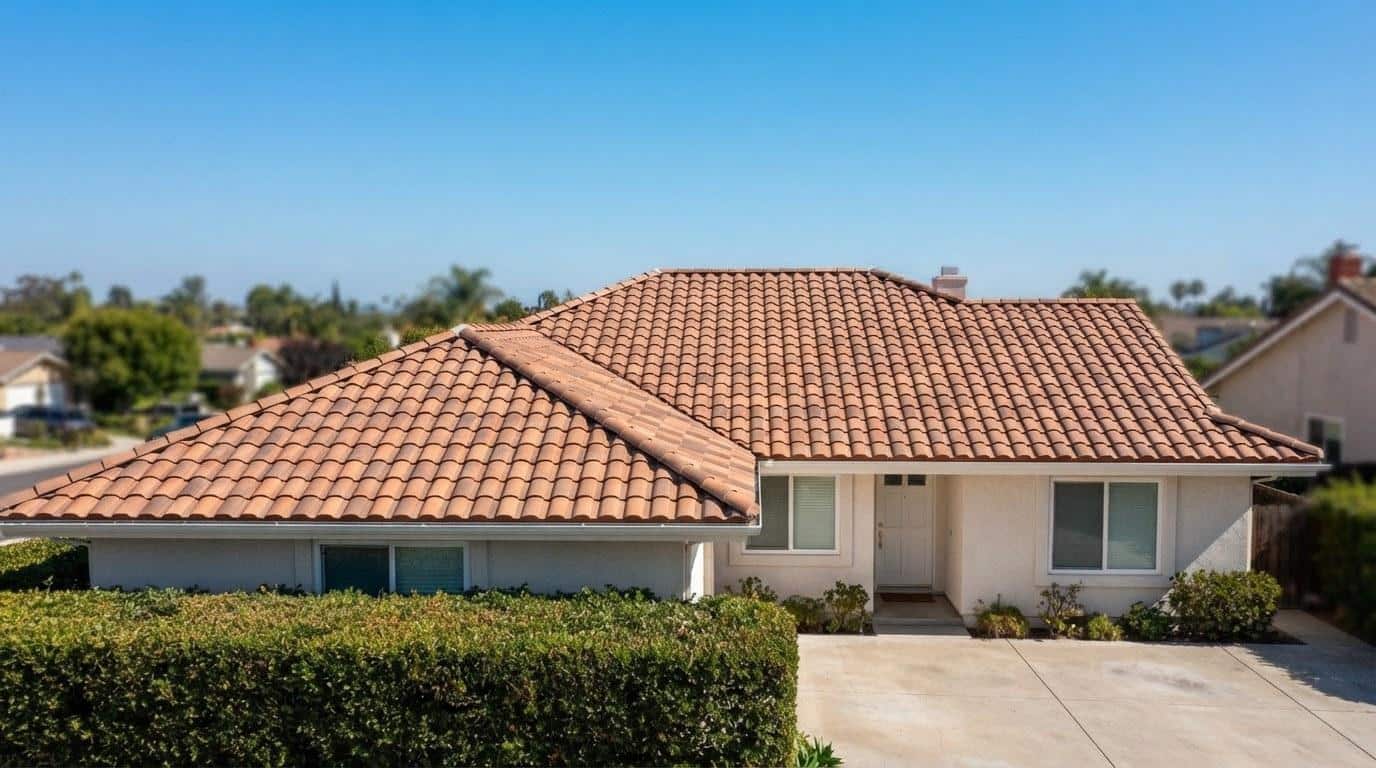
Tile Roof Installation: Costs, Weight Requirements, and California Considerations
Tile roofs are the standard in greater Los Angeles, but their installation costs and structural requirements differ significantly from asphalt shingles. This guide breaks down what drives tile roof installation cost in California and what homeowners should know before getting quotes.
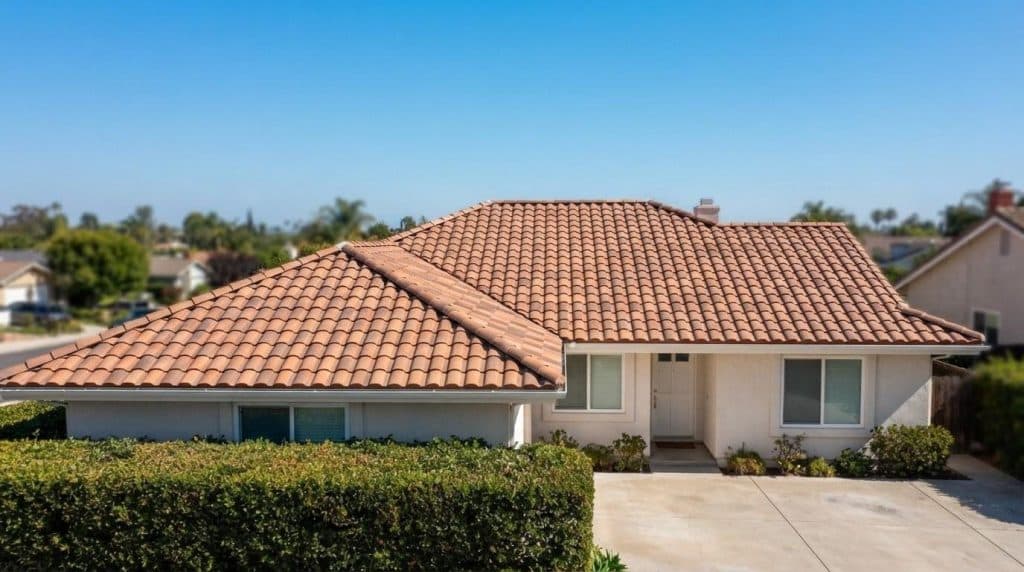
Tile roof installation cost in the greater Los Angeles market typically falls between $12,000 and $45,000 for a standard single-family home, with most projects landing in the $18,000 to $32,000 range depending on tile type, roof complexity, and structural needs. Clay and concrete tile are the dominant roofing materials across Los Angeles County and surrounding communities, yet most general cost guides treat them as a footnote. This guide goes deeper: what drives the price, how concrete and clay compare, what structural work California homes often require, and what questions to ask before you sign a contract.
What Does Tile Roof Installation Cost in the Greater Los Angeles Market?
Most tile roof installations in Southern California range from $12 to $25 per square foot installed, depending on tile type and roof complexity. A 2,000-square-foot home with a moderately pitched roof typically falls in the $18,000 to $35,000 range for a full replacement. Projects on steep-pitch roofs, multi-story homes, or homes requiring structural reinforcement can push well past $40,000.
The table below shows common project scenarios and their typical market ranges in the Southern California region. These are market context figures only. Actual quotes depend on your specific roof and scope.
| Project Scenario | Typical Market Range | What’s Usually Included |
|---|---|---|
| Small home, concrete tile, simple gable roof (under 1,500 sq ft) | $12,000 to $20,000 | Tear-off, underlayment, concrete tile, basic flashing, permit |
| Mid-size home, concrete tile, moderate pitch (1,500 to 2,500 sq ft) | $20,000 to $32,000 | Tear-off, upgraded underlayment, concrete tile, valley and ridge work, permit |
| Mid-size home, clay tile, moderate pitch (1,500 to 2,500 sq ft) | $28,000 to $42,000 | Tear-off, high-performance underlayment, clay tile, custom ridge caps, permit |
| Large home, clay tile, steep or complex roof (2,500 sq ft+) | $38,000 to $55,000+ | Tear-off, structural review, premium clay tile, extensive flashing, permit |
| Structural reinforcement added to any of the above | $3,000 to $12,000 added cost | Rafter sistering, sheathing replacement, or framing upgrades |
These ranges reflect the regional market as of 2026. Material prices and labor costs shift with supply chains and local demand, so a custom quote from a licensed contractor is the only reliable number for your specific project.
What Factors Drive Tile Roof Installation Cost?
Six factors account for most of the price variation you will see between tile roof quotes in California. Understanding them helps you compare bids accurately and avoid surprises after work begins.
- Tile material: Concrete tile is the more affordable option, typically ranging from $3 to $6 per square foot for the material alone. Clay tile runs $6 to $15 per square foot or more for premium styles, significantly raising total project cost.
- Roof size and pitch: Roofing is priced by the square (100 square feet). Steeper pitches above 6:12 require safety equipment, slower installation, and more labor hours, which adds 20 to 40 percent to base labor costs.
- Roof complexity: Hips, valleys, dormers, skylights, and multiple ridgelines all require custom cutting, additional flashing, and more installer time. A simple gable roof costs noticeably less per square than a complex hip-and-valley design.
- Tear-off and disposal: Removing an existing tile roof is labor-intensive. Tile debris is heavy, and disposal fees in Los Angeles County can be significant. Some bids include this; others list it separately.
- Underlayment type: California’s Title 24 building energy standards influence underlayment selection. High-performance or code-required underlayments cost more than basic felt but are often required for permit approval and long-term performance in Southern California’s climate.
- Structural upgrades: Older homes built before modern load standards may need rafter sistering or sheathing replacement before tile can be installed safely. This is one of the most common cost surprises in the region and is discussed in detail below.
- Permits and inspections: Los Angeles County and most incorporated cities require permits for full roof replacements. Permit fees typically range from a few hundred dollars to over $1,000 depending on project valuation and jurisdiction.
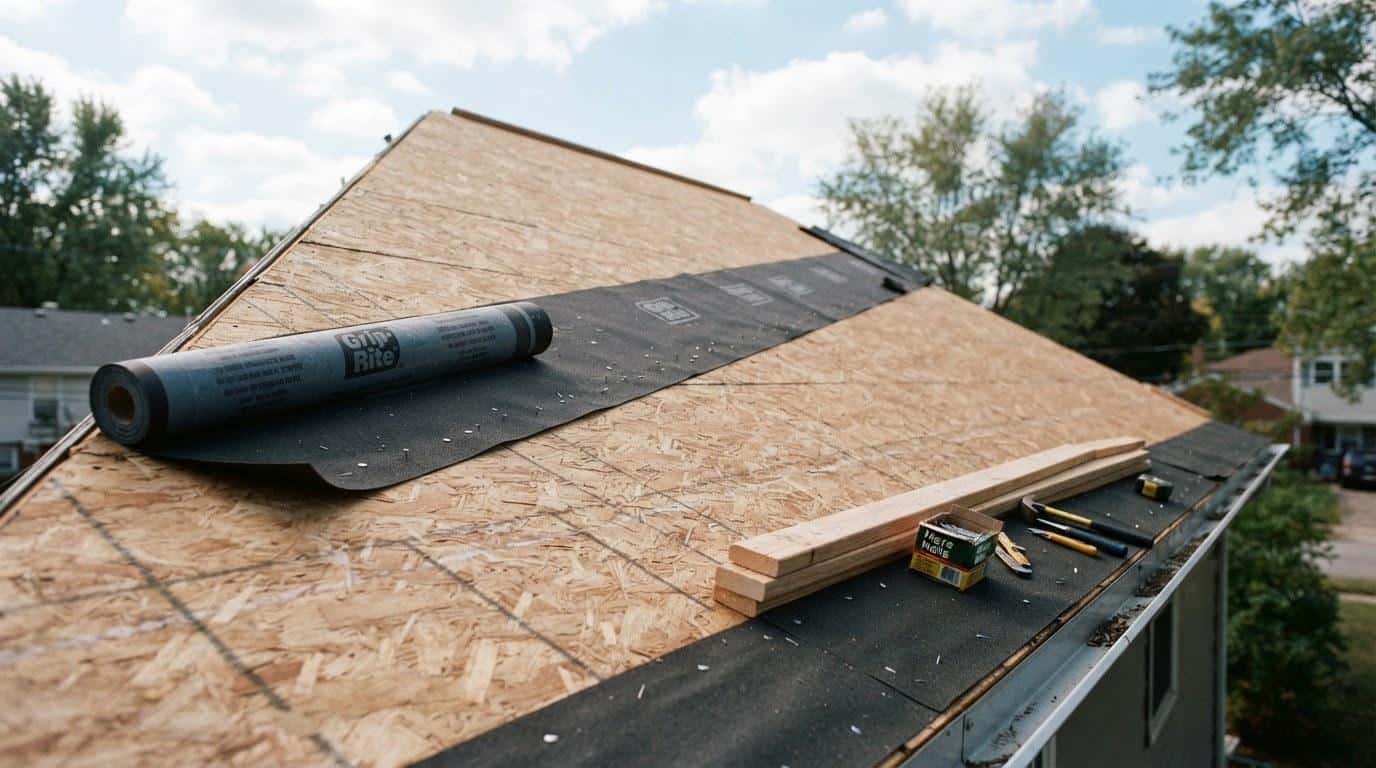
Our team has completed tile roof projects across the region and we see structural upgrade needs arise on roughly 3 out of every 10 older homes we inspect, particularly on properties built before 1980. Identifying these needs before the project starts prevents costly change orders mid-job.
Concrete Tile vs. Clay Tile: Which Should You Choose?
Concrete tile and clay tile both perform well in Southern California’s dry climate, but they differ in cost, weight, lifespan, and aesthetic options. The right choice depends on your budget, your home’s structural capacity, and the look you want.
| Factor | Concrete Tile | Clay Tile |
|---|---|---|
| Material cost per sq ft | $3 to $6 | $6 to $15+ |
| Typical weight (per square) | 900 to 1,200 lbs | 850 to 1,100 lbs |
| Expected lifespan | 40 to 50 years | 50 to 100 years |
| Color fade over time | Some fading possible after 15 to 20 years | Color is fired in; minimal fading |
| Style variety | Wide, including flat and barrel profiles | Wide, including traditional Spanish and Tuscan profiles |
| Structural demand | High; requires engineered framing review | High; requires engineered framing review |
| Best fit | Budget-conscious projects with long-term durability goals | Premium projects where longevity and aesthetics are the priority |
Both materials are fire-resistant, which matters in California communities subject to CAL FIRE’s building material listing requirements in high fire hazard severity zones. Both also meet or exceed the durability standards expected under California’s climate conditions. Neither choice is wrong; the decision usually comes down to budget and how long the homeowner plans to stay in the home.
Does My Home’s Structure Need to Be Upgraded for a Tile Roof?
Tile roofs weigh 3 to 4 times more than asphalt shingles, and many California homes built before the 1990s were not designed to carry that load without modification. A structural assessment is a standard part of any responsible tile roof installation, and skipping it can create safety risks and code violations.
A typical asphalt shingle roof weighs roughly 200 to 300 pounds per square (100 square feet). Concrete tile comes in at 900 to 1,200 pounds per square, and clay tile ranges from 850 to 1,100 pounds per square. That difference puts real demands on rafters, ridge beams, and wall framing.
Common structural upgrades that may be required include:
- Rafter sistering: Adding new lumber alongside existing rafters to increase load capacity. This is the most common upgrade and typically adds $3,000 to $8,000 to a project.
- Sheathing replacement: Older homes may have board sheathing or deteriorated plywood that cannot support tile attachment. Replacing it adds cost but also improves the roof’s overall integrity.
- Ridge beam reinforcement: On larger or more complex roofs, the main ridge beam may need to be upsized or supported with additional posts.
- Wall top plate evaluation: In some cases, the load path from the roof to the walls needs engineering review to confirm the structure can handle the added weight safely.
California’s California Building Standards Code requires that structural loads be addressed in permitted roofing projects. A contractor who does not raise the structural question before starting work on an older home is a contractor worth questioning. Always ask whether a structural review is part of the bid.
What Is NOT Included in Most Tile Roof Installation Quotes?
Most base quotes cover tile, underlayment, standard flashing, and labor. Several common items are frequently listed as exclusions or as separate line items, and they can add thousands of dollars to a final invoice.
- Structural reinforcement: As described above, rafter sistering and framing upgrades are almost never included in a base quote. Ask specifically whether the bid assumes the existing structure is adequate.
- Decking replacement: Rotted or damaged sheathing discovered during tear-off is typically billed as a change order. Request a per-sheet price upfront so there are no surprises.
- Skylight flashing or replacement: Tile installation around skylights requires custom flashing work. If your home has skylights, confirm whether their flashing is included.
- Solar panel removal and reinstallation: If you have rooftop solar, panels must be removed before roofing work and reinstalled after. This is almost always a separate contract with your solar provider and can cost $1,500 to $3,500 or more.
- Gutters and fascia: Tile installation sometimes requires gutter removal. Damaged fascia boards found during the project are typically extra.
- Permit fees: Some contractors include permit costs in their bid; others list them separately. Confirm which approach your quote uses.
- Chimney or vent flashing upgrades: Older lead or galvanized flashings around chimneys may need replacement to meet current code. Ask whether these are included or will be quoted separately if issues are found.
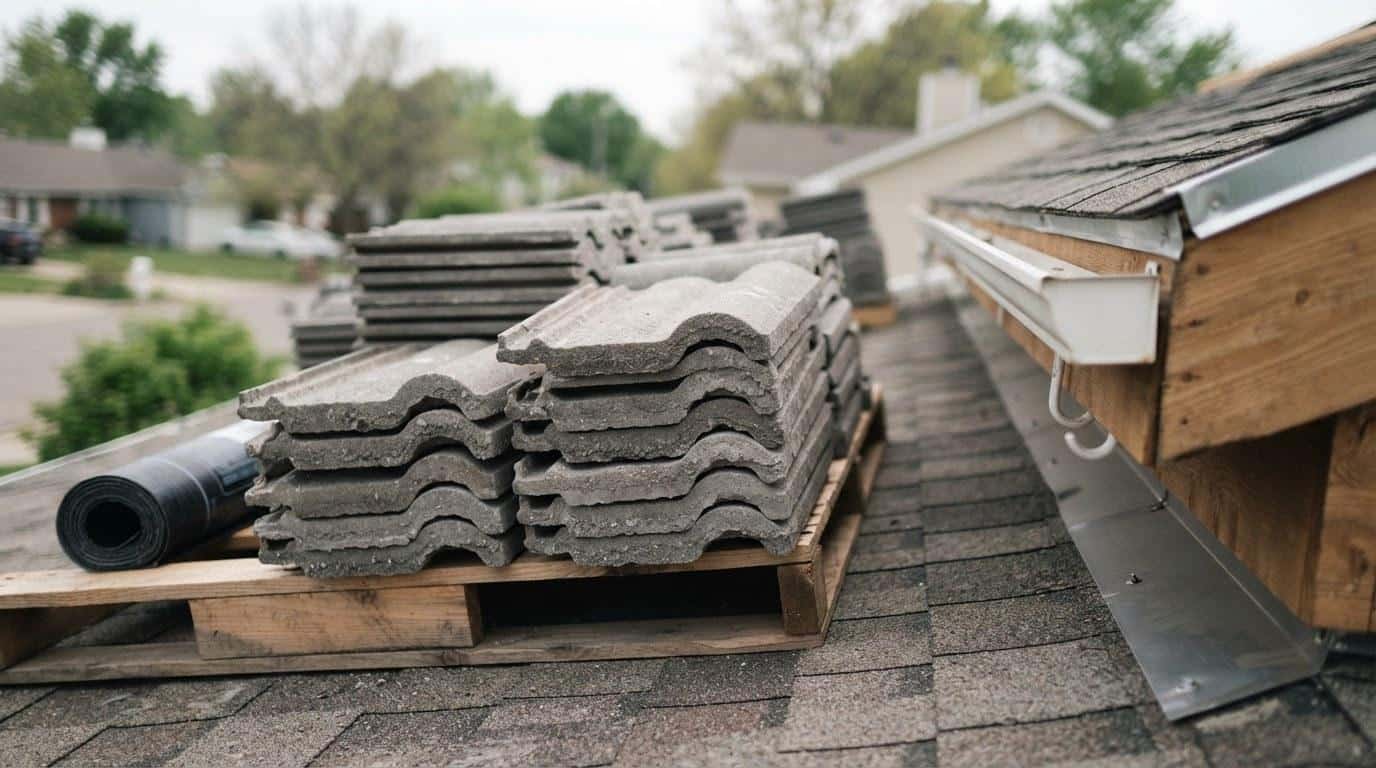
Across our project history, the most common mid-project surprise we see is rotted sheathing uncovered after tile tear-off, particularly on homes in coastal Los Angeles County communities where moisture intrusion has gone undetected for years. Getting a per-sheet replacement price in writing before work starts eliminates almost all of the friction these discoveries cause.
How Do You Get an Accurate Tile Roof Quote?
An accurate tile roof quote requires a physical inspection of your existing roof, attic, and framing. Any quote given over the phone or based only on satellite imagery should be treated as a rough estimate, not a firm price.
To get the most useful quote, have the following information ready when you contact contractors:
- Approximate square footage of your roof (your home’s footprint is a starting point, but pitch multiplies the actual roof area)
- Current roofing material and approximate age
- Whether you have had any recent leaks or visible damage
- Whether your home has solar panels, skylights, or a chimney
- Your preferred tile type (concrete or clay) and any style preferences
- Whether you know if structural work was done when the current roof was installed
When comparing quotes, make sure each one specifies:
- The tile brand, profile, and weight per square
- The underlayment type and whether it meets California’s Title 24 building energy standards
- Whether a structural assessment is included or assumed
- The permit scope and who is responsible for pulling the permit
- Tear-off and disposal inclusions
- The warranty on both materials and workmanship
Contractors in California must be licensed by the California Contractors State License Board (CSLB). You can verify any contractor’s license status and check for complaints at the CSLB website before signing any contract. A valid C-39 roofing license is the classification required for roofing work in California.
Getting at least three written bids is standard practice for a project of this size. Be cautious of any bid that is significantly lower than the others without a clear explanation. Low bids often omit structural reviews, use lighter underlayment, or exclude permit costs.
Get a Custom Tile Roof Quote in Los Angeles
Tile roof installation cost varies too much from home to home for any market range to substitute for an actual inspection and written quote. The figures in this guide reflect the regional market as of 2026 and are meant to help you evaluate bids, not to set expectations for your specific project.
Hollywood Contractor Corp works with homeowners across Los Angeles County on tile roof installations, replacements, and the structural upgrades that often accompany them. Every project starts with an on-site inspection that covers the existing structure, current roof condition, and permit requirements for your jurisdiction.
Call (818) 264-1955 to schedule your inspection and get a written, itemized quote. Bring your questions about tile type, structural needs, and timeline. A clear scope and a firm number are the only way to start a roofing project with confidence.
Explore our full range of General Contracting services.
Frequently Asked Questions
How much does it cost to replace a tile roof in Los Angeles?
Tile roof replacement in the Los Angeles market typically ranges from $18,000 to $42,000 for a standard single-family home, depending on tile type, roof size, and whether structural upgrades are needed. Clay tile projects generally cost more than concrete tile. Getting at least three itemized quotes from licensed contractors is the best way to establish an accurate number for your specific home.
How long does a tile roof last in California?
Concrete tile roofs typically last 40 to 50 years in Southern California's climate. Clay tile can last 50 to 100 years or more when properly installed and maintained. The underlayment beneath the tile usually has a shorter lifespan of 20 to 30 years and may need replacement before the tile itself fails.
Do I need a permit to replace my tile roof in California?
Yes. Full roof replacements require a building permit in Los Angeles County and most incorporated cities in the region. The permit process ensures the installation meets California's building code, including structural load requirements and Title 24 energy standards. Your contractor should pull the permit on your behalf as part of the project.
Can my home handle the weight of a tile roof?
Many California homes can support tile, but older homes built before the 1990s often need structural upgrades before tile installation is safe. Tile weighs roughly 900 to 1,200 pounds per square, compared to 200 to 300 pounds for asphalt shingles. A licensed contractor should inspect your attic and framing before any tile work begins to determine whether rafter sistering or other reinforcement is needed.
Is clay tile or concrete tile better for a Southern California home?
Both perform well in Southern California's dry, sunny climate. Concrete tile costs less upfront, typically $3 to $6 per square foot for material, while clay tile runs $6 to $15 or more but can last significantly longer. Clay tile's color is fired in and resists fading better over decades. The right choice depends on your budget, how long you plan to stay in the home, and the aesthetic you want.