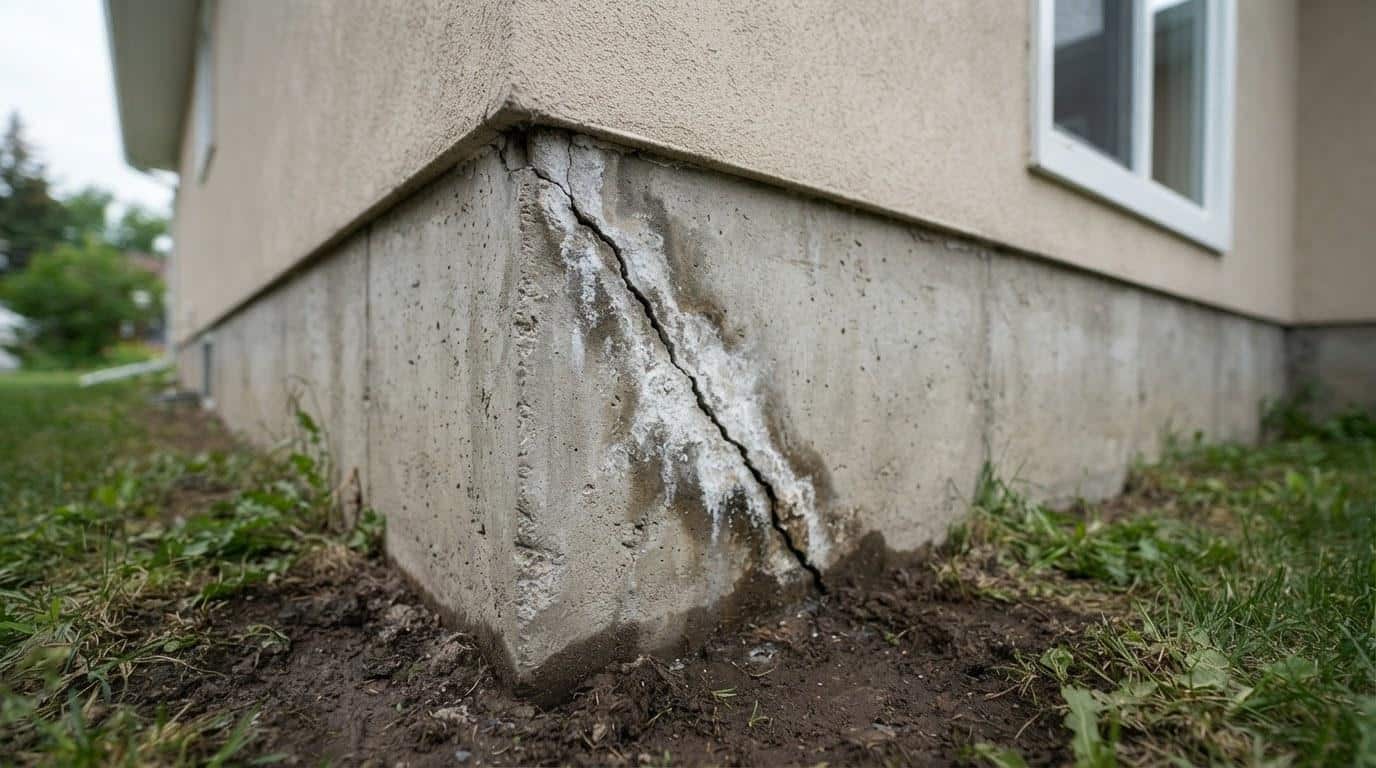
A small foundation crack can double or triple in repair cost within 12 to 24 months if left alone. This guide walks through exactly what happens to your home and your wallet the longer you wait.
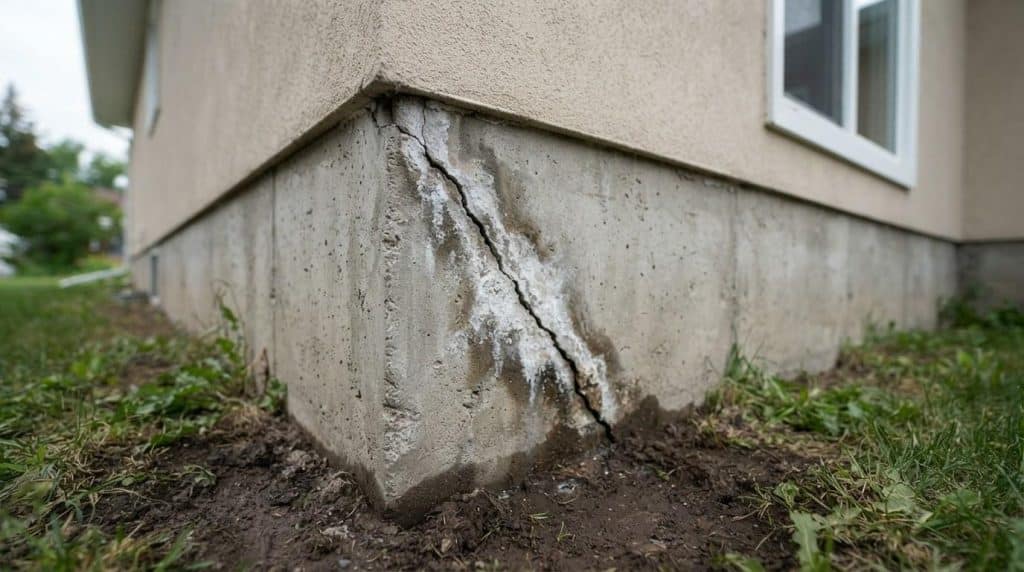
What Happens If You Ignore Foundation Cracks? The Short Answer
Ignoring foundation cracks allows water, soil movement, and gravity to turn a minor repair into a major structural crisis. A crack that costs $500 to seal today can require $30,000 or more in pier installation, drainage correction, and interior repairs two to three years from now. The damage does not pause while you wait. It compounds.
A crack that costs $500 to seal today can require $30,000 or more in pier installation, drainage correction, and interior repairs two to three years from now.
This guide walks through the real timeline of what happens when foundation cracks go unaddressed, the costs at each stage, and the warning signs that tell you the situation has moved from minor to serious. If you are already seeing cracks, sticking doors, or uneven floors, the information below is directly relevant to your home right now.
How Does a Foundation Crack Get Worse Over Time?
Foundation cracks worsen in predictable stages driven by water infiltration, soil expansion and contraction, and the weight of the structure above. Understanding the timeline helps you see why early action is so much cheaper than waiting.
Months 1 to 6: The Crack Opens
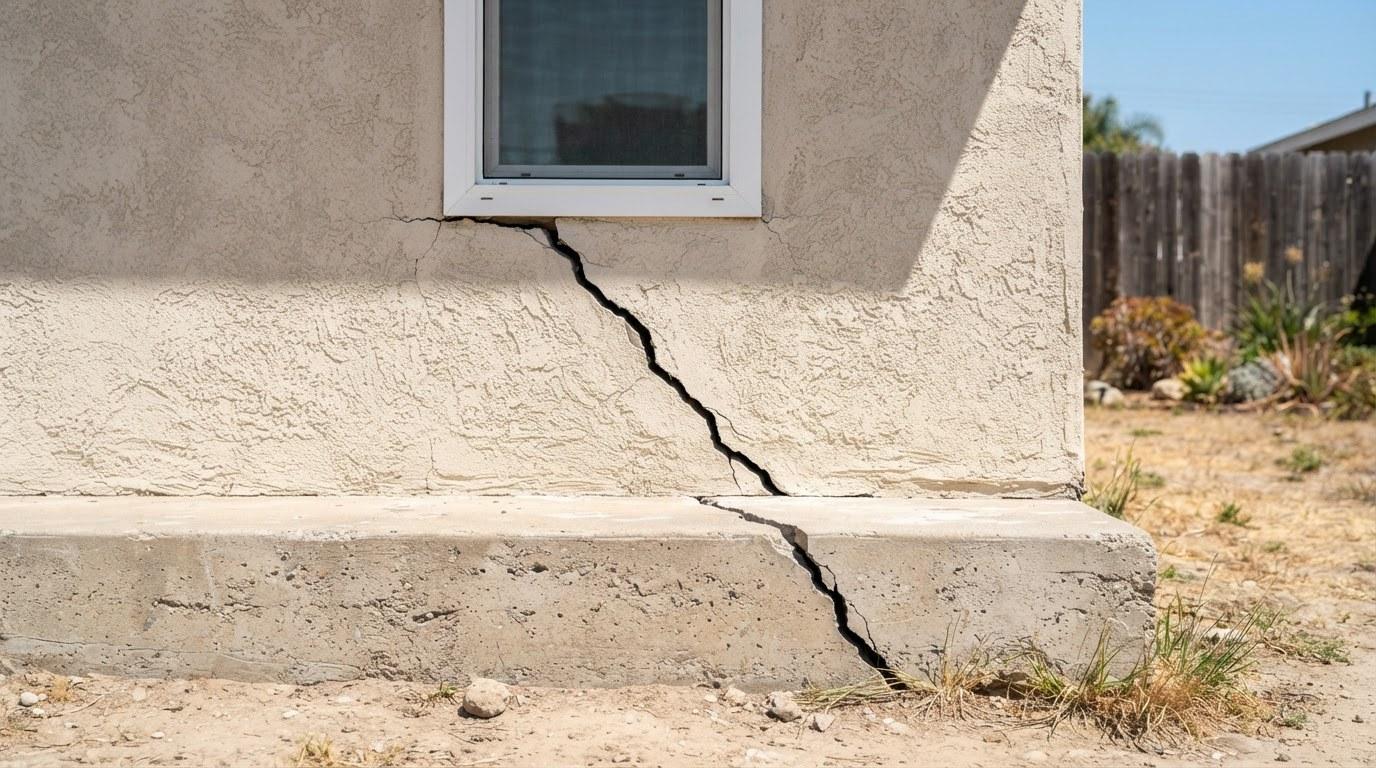
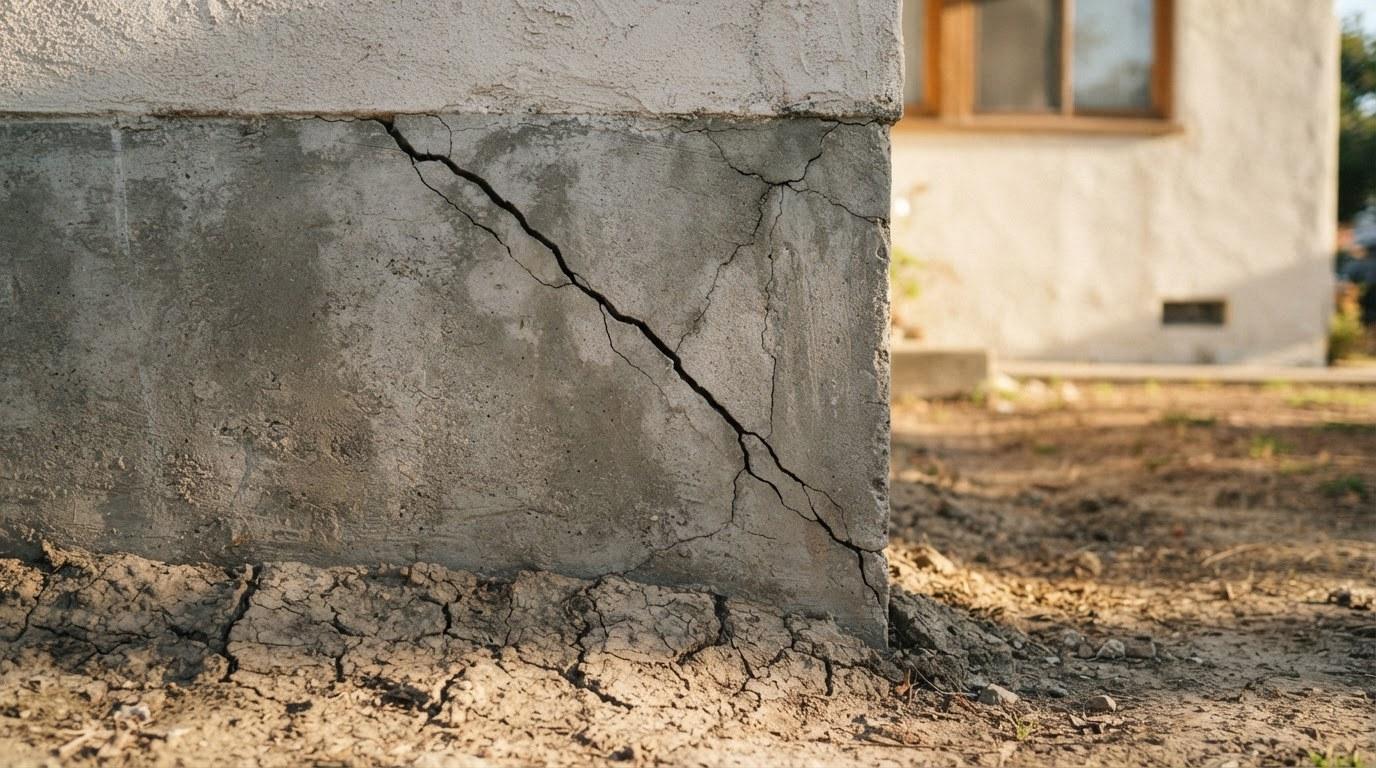
A hairline crack, typically less than 1/16 of an inch wide, forms in the concrete or masonry. At this stage it is often cosmetic. Repair costs are low, usually in the $300 to $800 range for epoxy or polyurethane injection. Most homeowners miss this window because the crack is easy to dismiss.
Months 6 to 18: Water Enters the Picture
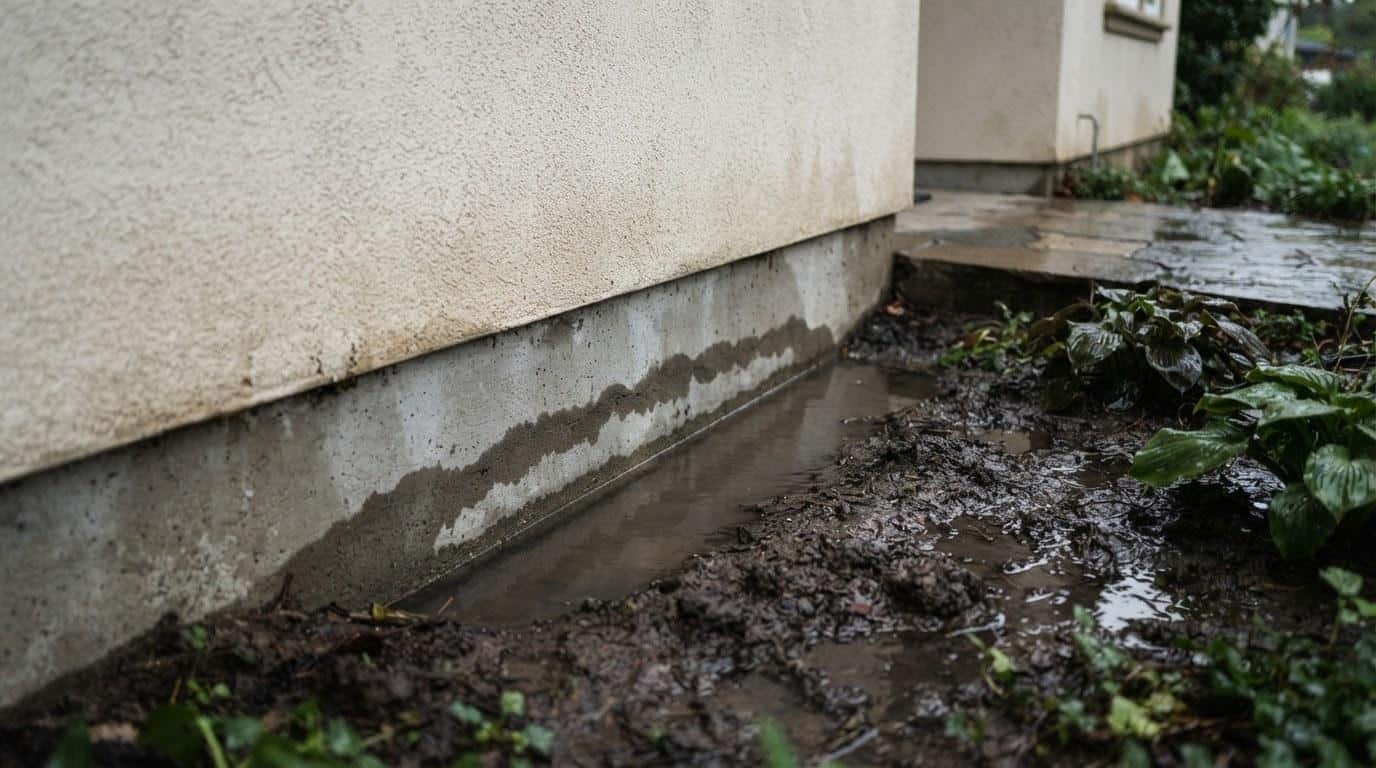
Rain and groundwater find the opening. Each wet season, water freezes and expands inside the crack in cooler climates, or saturates the soil and increases lateral pressure in warmer ones. Groundwater pressure against a foundation wall can exert hundreds of pounds per square foot. The crack widens to 1/4 inch or more. Efflorescence (white mineral staining) and damp spots appear on interior walls. Repair costs at this stage typically climb to $2,000 to $8,000.
Years 1 to 3: Structural Movement Begins
The foundation section adjacent to the crack begins to shift. Doors and windows stick or no longer close squarely. Floors develop a noticeable slope. Drywall cracks appear above door frames and at wall corners. The home’s framing begins to rack out of plumb. Pier and beam repair, underpinning, or wall anchoring is now likely necessary. Costs in this range typically run $8,000 to $25,000 depending on the number of piers required and the depth of soil instability.
Years 3 and Beyond: Cascading Failure
Left unaddressed past the three-year mark, a compromised foundation can cause roof lines to separate, load-bearing walls to crack through, and plumbing lines embedded in or under the slab to break. At this point, repair costs frequently exceed $40,000 and can approach $80,000 or more when interior finishes, plumbing, and structural framing all need correction. Some homes in this condition also lose insurability or become difficult to sell.
What Does Foundation Damage Actually Cost to Fix?
Foundation repair costs in the California regional market range from a few hundred dollars for crack injection to well over $50,000 for full underpinning with drainage correction. The biggest cost drivers are how far the damage has progressed, the soil type, and the repair method required.
Our crews handle foundation assessments across Southern California, and we see a clear pattern: homeowners who call within the first six months of noticing a crack spend an average of 4 to 6 times less than those who wait until doors stop closing or floors visibly slope.
| Damage Stage | Typical Repair Method | Typical Regional Cost Range |
|---|---|---|
| Hairline crack, no movement | Epoxy or polyurethane injection | $300 to $1,200 |
| Crack with water intrusion | Injection plus interior drainage | $2,000 to $8,000 |
| Foundation settlement, minor | 2 to 4 steel push piers or helical piers | $6,000 to $15,000 |
| Significant settlement or bowing wall | 6 to 12 piers, wall anchors, drainage | $15,000 to $35,000 |
| Severe structural compromise | Full underpinning, framing repair, plumbing | $40,000 to $80,000+ |
These ranges shift based on soil conditions, access to the foundation, and whether the home is on a slab, raised foundation, or pier and beam system. Pier and beam repair, for example, often requires crawl space access work that adds to the overall project scope. Always request a written, itemized quote before any work begins.
What Other Parts of Your Home Get Damaged When the Foundation Fails?
Foundation failure rarely stays contained to the foundation. It travels upward through every connected system in the home, creating secondary damage that multiplies the total repair bill.
According to the Federal Emergency Management Agency’s homeowner retrofit guidance, differential settlement of as little as 1 inch can crack interior finishes, misalign doors and windows, and stress plumbing connections. Here is what typically gets damaged as foundation problems escalate:
- Drywall and plaster: Diagonal cracks appear at window and door corners, often mistaken for normal settling. They widen as movement continues.
- Doors and windows: Frames rack out of square, causing sticking, gaps, and broken seals in double-pane glass. Replacement costs $300 to $1,500 per unit.
- Flooring: Tile cracks along grout lines. Hardwood develops gaps or humps. Laminate buckles. Repair or replacement adds $3,000 to $12,000 depending on square footage.
- Plumbing: Pipes embedded in or running under a slab can crack or separate as the slab shifts. Slab leak repair alone typically costs $2,000 to $6,000, not counting the foundation work.
- Roofline: Severe racking can cause the ridge line to sag or roof sheathing to separate at the peak, leading to leaks and potential roof replacement needs.
- Electrical: Conduit embedded in walls can pull apart at connections as walls shift, creating fire hazards that require a licensed electrician to correct.
Each of these secondary repairs carries its own permit requirements under California’s building code framework. Addressing the foundation early prevents this cascade entirely.
How Do You Know If a Foundation Crack Is an Emergency?
Not every crack requires immediate emergency action, but several specific signs indicate the damage has crossed from cosmetic into structural and needs professional evaluation within days, not months.
Treat the following as urgent warning signs:
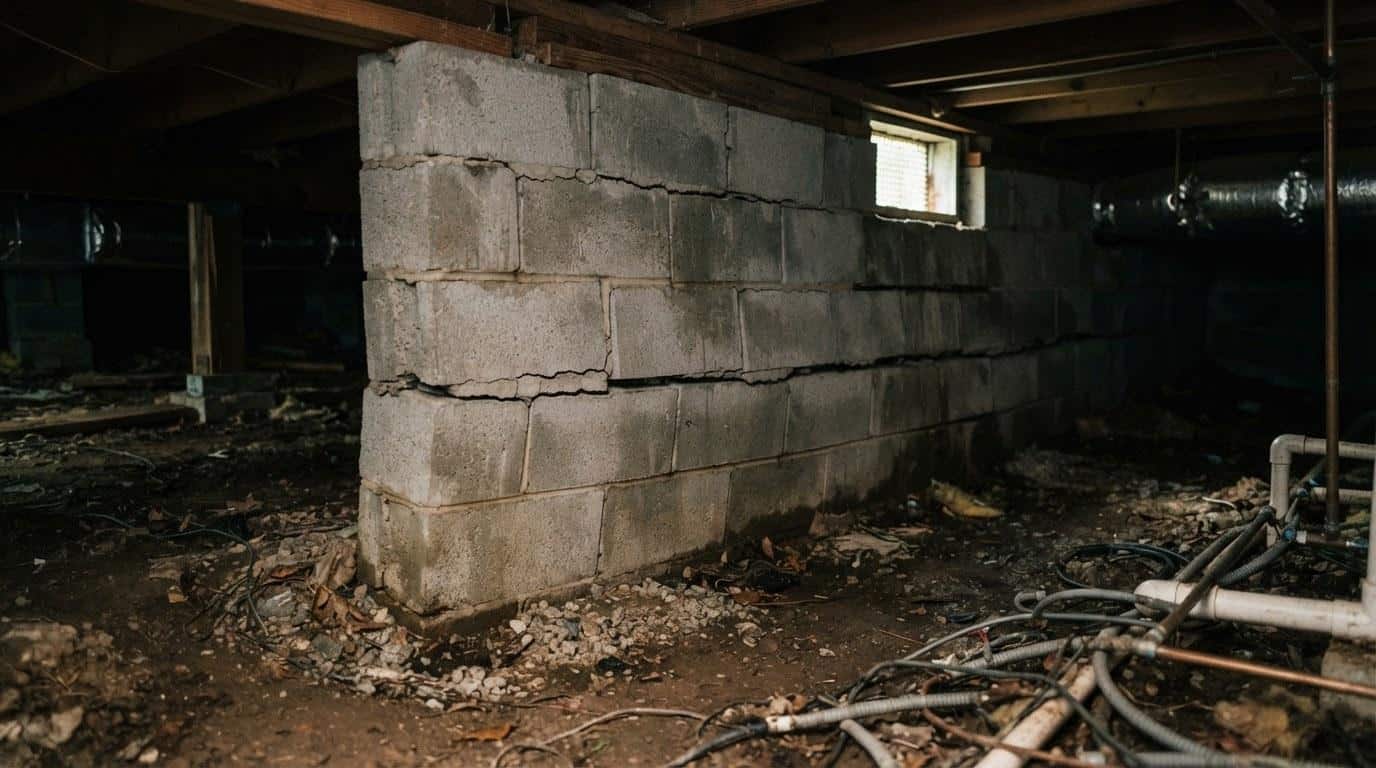
- Horizontal cracks in a basement or stem wall: These indicate lateral soil pressure and are the most serious crack type. A horizontal crack wider than 1/4 inch can signal imminent wall failure.
- Stair-step cracks in brick or block: These follow mortar joints and indicate differential settlement, meaning one section of the foundation is sinking faster than another.
- Cracks wider than 1/2 inch: Any crack this wide has moved well past cosmetic. Structural evaluation is required before the next rainy season.
- Cracks that have grown visibly since you first noticed them: Active movement is the key risk factor. Mark the ends of any crack with a pencil and date it. If it grows more than 1/8 inch in 30 days, call a professional immediately.
- Floors that slope more than 1 inch over 10 feet: This level of differential settlement is measurable with a simple level and indicates significant foundation movement.
- Doors or windows that suddenly stop working after working fine: Rapid change is more alarming than a gradual drift. Sudden racking suggests active soil movement.
If you are seeing two or more of these signs at the same time, the question of what happens if you ignore foundation cracks has already started to answer itself inside your home.
What Does a Professional Foundation Repair Actually Involve?
Professional foundation repair is a multi-step process that begins with a site assessment, identifies the root cause of movement, and applies the correct repair method to stop further damage and restore structural integrity. Skipping any of these steps leads to repairs that fail within a few years.
Step 1: Structural Assessment
A qualified contractor inspects the foundation from the exterior and interior, checks floor levelness, examines all visible cracks, and reviews drainage patterns around the home. This assessment determines whether the problem is cosmetic, active, or structurally compromised.
Step 2: Root Cause Identification
Most foundation problems in Southern California trace back to one of three causes: expansive clay soils that swell and shrink with moisture, poor drainage that saturates the soil adjacent to the foundation, or inadequate original construction. The repair method must address the cause, not just the symptom. Filling a crack without correcting drainage, for example, typically results in the same crack reopening within 12 to 18 months.
Step 3: Repair Method Selection
Common repair methods include:
- Epoxy or polyurethane injection: Used for non-structural cracks to seal against water and prevent widening.
- Steel push piers or helical piers: Driven 15 to 30 feet into stable soil to lift and stabilize a settling foundation section. Each pier typically costs $1,200 to $2,500 installed.
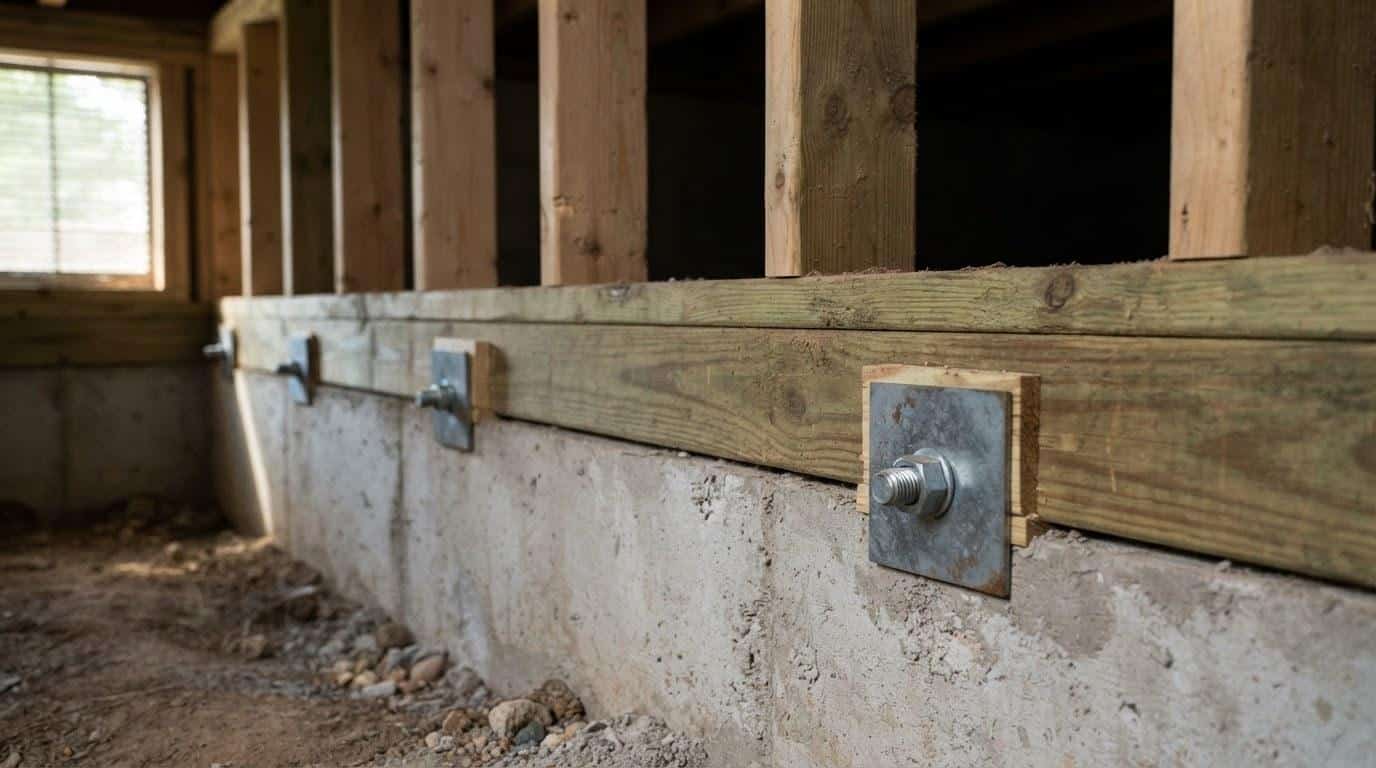
- Wall anchors or carbon fiber straps: Used to stabilize bowing basement or stem walls without excavation. Carbon fiber straps can hold a wall from moving further within a single day of installation.
- Drainage correction: French drains, downspout extensions, and regrading redirect water away from the foundation perimeter. This step is essential for long-term success and typically adds $1,500 to $6,000 to the project.
- Slab lifting (mudjacking or polyurethane foam lifting): Used when a slab section has sunk due to soil voids. Foam lifting is faster and lighter than traditional mudjacking.
Step 4: Permits and Inspections
Structural foundation work in California requires building permits in virtually every jurisdiction. Work must be performed by a contractor licensed by the California Contractors State License Board (CSLB). Permit fees vary by county but typically run $300 to $1,500 for foundation repair projects. Unpermitted foundation work can void homeowner’s insurance coverage and create problems at resale.
Hollywood Contractor Corp handles the permitting process as part of every foundation repair project, ensuring the work meets California building code requirements and passes final inspection.
Get a Foundation Inspection Before the Problem Gets Bigger
Foundation damage follows a clear and well-documented escalation curve. A crack that is manageable today becomes a structural crisis within one to three years if ignored. The cost difference between acting now and waiting is often $15,000 to $50,000 or more, and that gap widens every season.
The cost difference between acting now and waiting is often $15,000 to $50,000 or more, and that gap widens every season.
Hollywood Contractor Corp provides foundation inspections and structural repair services across Southern California. Whether you have a hairline crack you noticed last week or a door that has been sticking for two years, a professional assessment will tell you exactly where you stand and what it will take to protect your home.
Call (818) 264-1955 to schedule your foundation inspection, or request a written quote online. Do not wait until the next rainy season to find out how serious the problem has become.
Explore our full range of General Contracting services.
Frequently Asked Questions
How much does it usually cost to repair a house foundation?
Foundation repair costs in the California regional market typically range from $500 for simple crack injection up to $80,000 or more for full underpinning with drainage correction. The biggest factors are how far the damage has progressed, the number of piers needed, and whether drainage work is required. Getting an inspection early, when the problem is still minor, is almost always the least expensive path.
How do I know if my foundation crack is serious or just cosmetic?
Horizontal cracks, stair-step cracks in brick or block, and any crack wider than 1/4 inch are serious and need professional evaluation. Hairline vertical cracks under 1/16 inch wide in poured concrete are often cosmetic, but you should mark them and monitor for growth. If a crack grows more than 1/8 inch in 30 days, or if you are also seeing sticking doors and sloping floors, treat it as structural.
What happens if you ignore foundation cracks for several years?
Ignoring foundation cracks for two to three years typically allows water intrusion, soil movement, and structural stress to escalate a minor repair into a major project costing $20,000 to $80,000 or more. Secondary damage to plumbing, flooring, drywall, and framing adds further costs on top of the foundation repair itself. The damage compounds each wet season.
Can I repair a foundation crack myself, or do I need a contractor?
Hairline cracks with no movement can sometimes be sealed with a consumer-grade polyurethane caulk as a temporary measure, but this does not address the underlying cause. Any crack showing active movement, water intrusion, or structural symptoms requires a licensed contractor. In California, structural foundation work requires permits and must be performed by a CSLB-licensed contractor to be covered by insurance and valid at resale.
How long does foundation repair take to complete?
Simple crack injection can be completed in a few hours. Pier installation projects involving 4 to 8 piers typically take 2 to 4 days. Larger projects with drainage correction, wall anchoring, and interior finish repair can run 1 to 3 weeks. Your contractor should provide a written schedule before work begins, along with the permit timeline, which can add 1 to 3 weeks in most California counties.