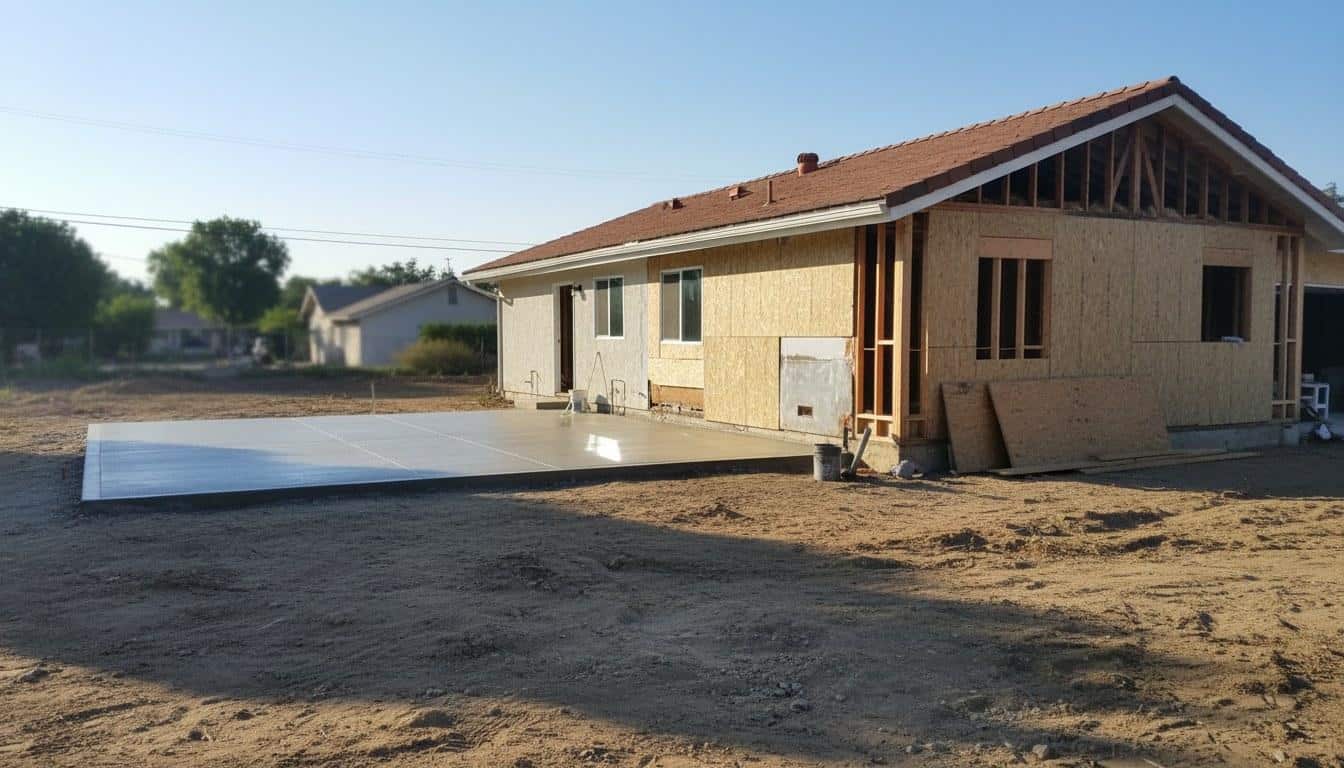
New Construction vs. Full Home Remodel: Which Is Right for California Homeowners?
Deciding between new construction and a full home remodel in California depends on your lot, budget, timeline, and goals. This guide breaks down both paths so you can make a confident, informed decision.
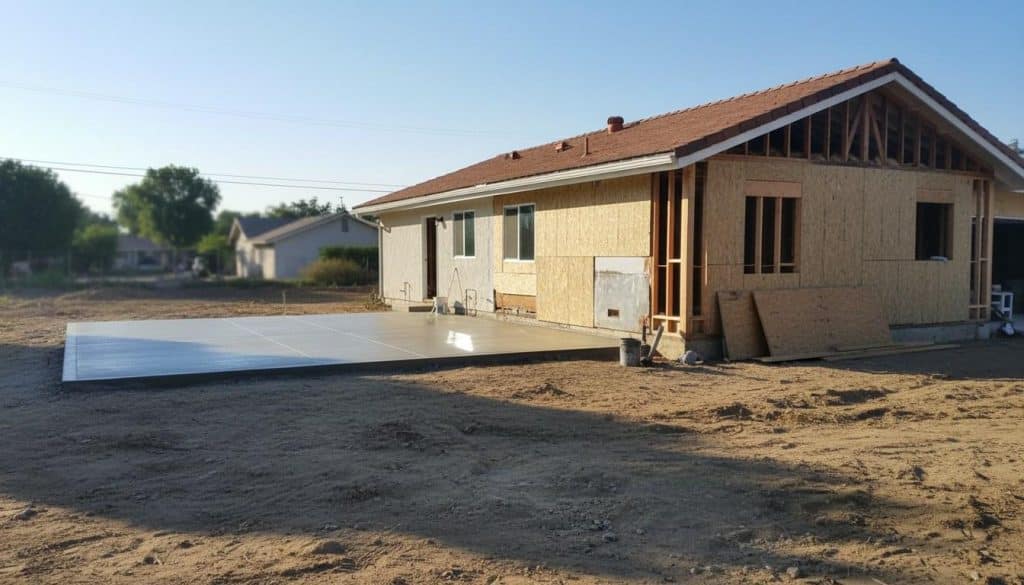
New Construction vs. Full Home Remodel California: What Is the Real Difference?
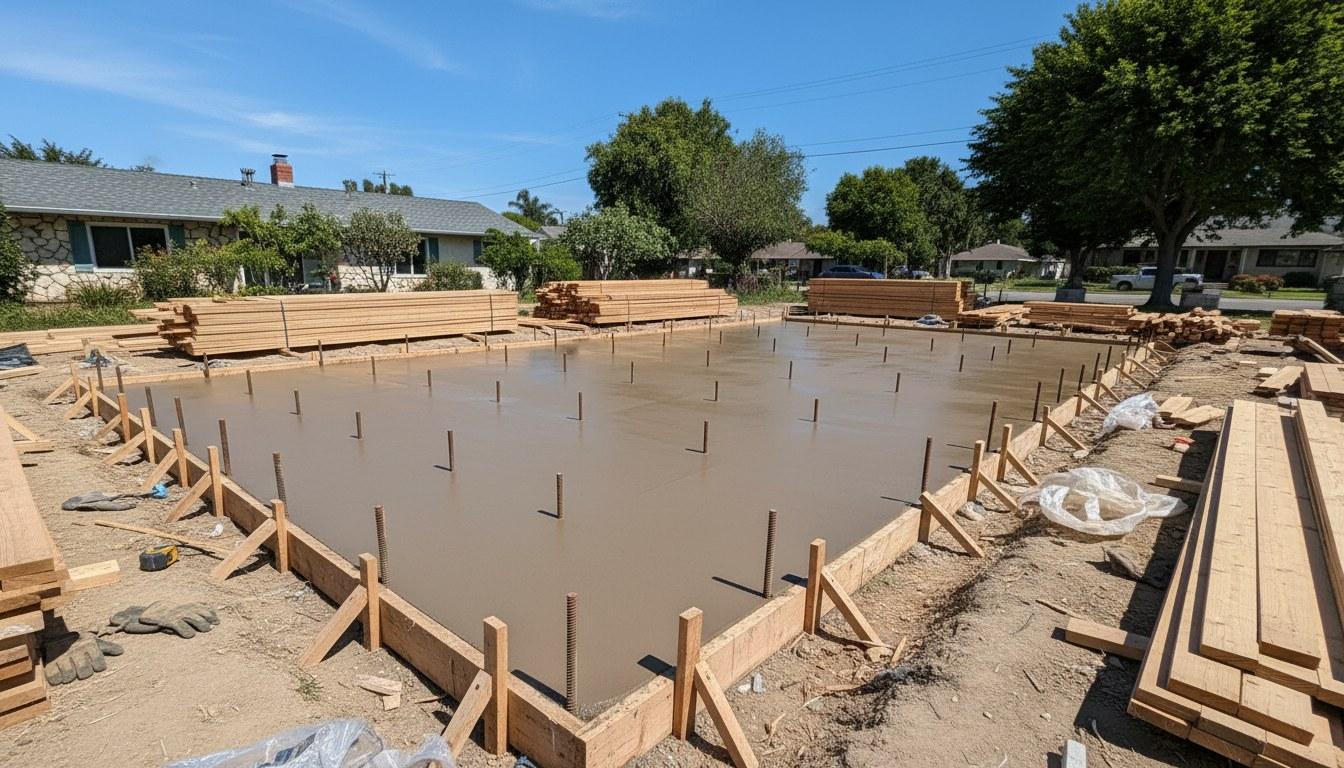
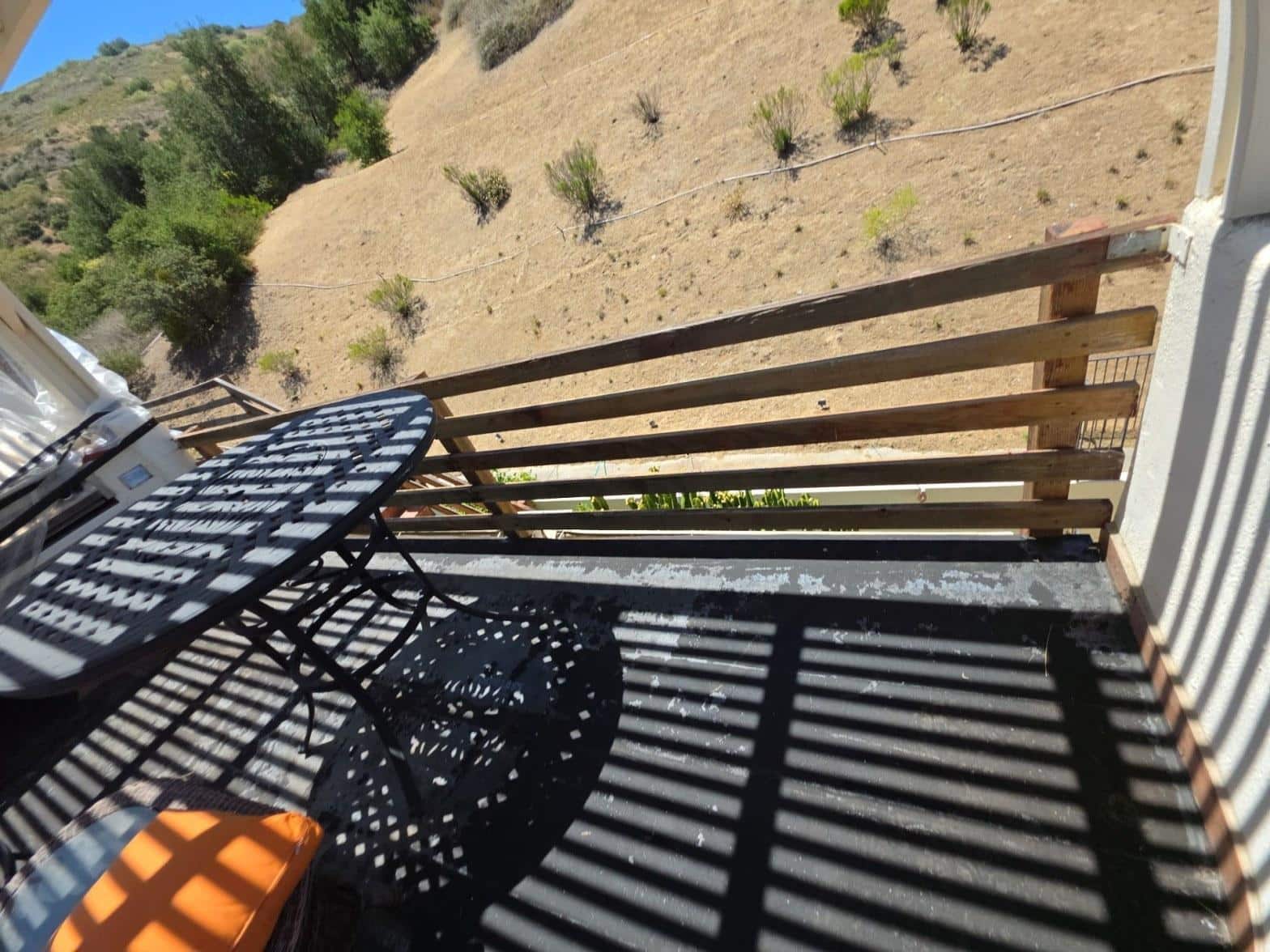
In the debate over new construction vs full home remodel California homeowners face, the core difference comes down to what you keep. New construction means tearing down an existing structure (or building on a vacant lot) and starting completely from scratch. A full home remodel means keeping your foundation and framing while replacing or upgrading nearly everything else.
Both paths can deliver a beautiful, modern home. But they differ dramatically in cost, timeline, financing, and the regulatory hurdles you will face under California law.
California’s housing market adds extra layers to this decision. Land is expensive, lots are scarce in many counties, and California’s Title 24 building energy standards apply to both new builds and major remodels. Understanding the difference between these two paths before you commit can save you hundreds of thousands of dollars and years of stress.
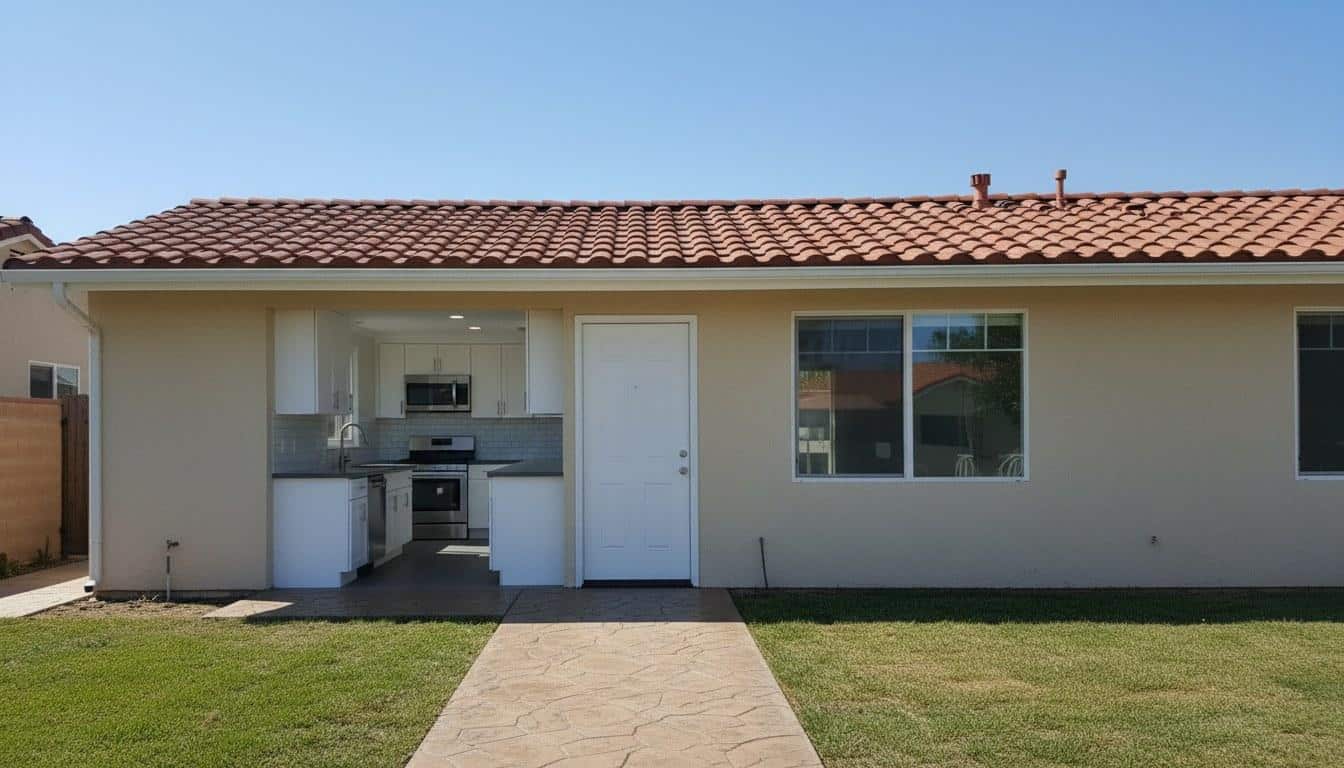
What Does Each Option Actually Cost in California?
New home construction in California typically ranges from $300 to $600 per square foot for a custom build, while a full home remodel generally runs $150 to $400 per square foot depending on scope and finishes. Both figures shift based on the county, the complexity of the design, and current material costs.
For a 2,000-square-foot home, that means new construction projects in this regional market often land between $600,000 and $1.2 million for construction costs alone — before land, demolition, or site preparation. A full remodel of the same footprint typically ranges from $300,000 to $800,000, with high-end finishes, structural changes, and ADU additions pushing costs toward the top of that range.
Our team sees full home remodel scopes that include kitchen overhauls, bathroom remodeling, new windows, roofing, and electrical panel upgrades run an average of 25–35% less than comparable new builds in the same neighborhoods. That gap exists because you are keeping the foundation, existing framing, and often the utility connections.
| Cost Factor | New Construction | Full Home Remodel |
|---|---|---|
| Typical cost per sq ft (CA) | $300–$600+ | $150–$400 |
| Demolition costs | $10,000–$30,000 (if teardown) | $5,000–$15,000 (selective demo) |
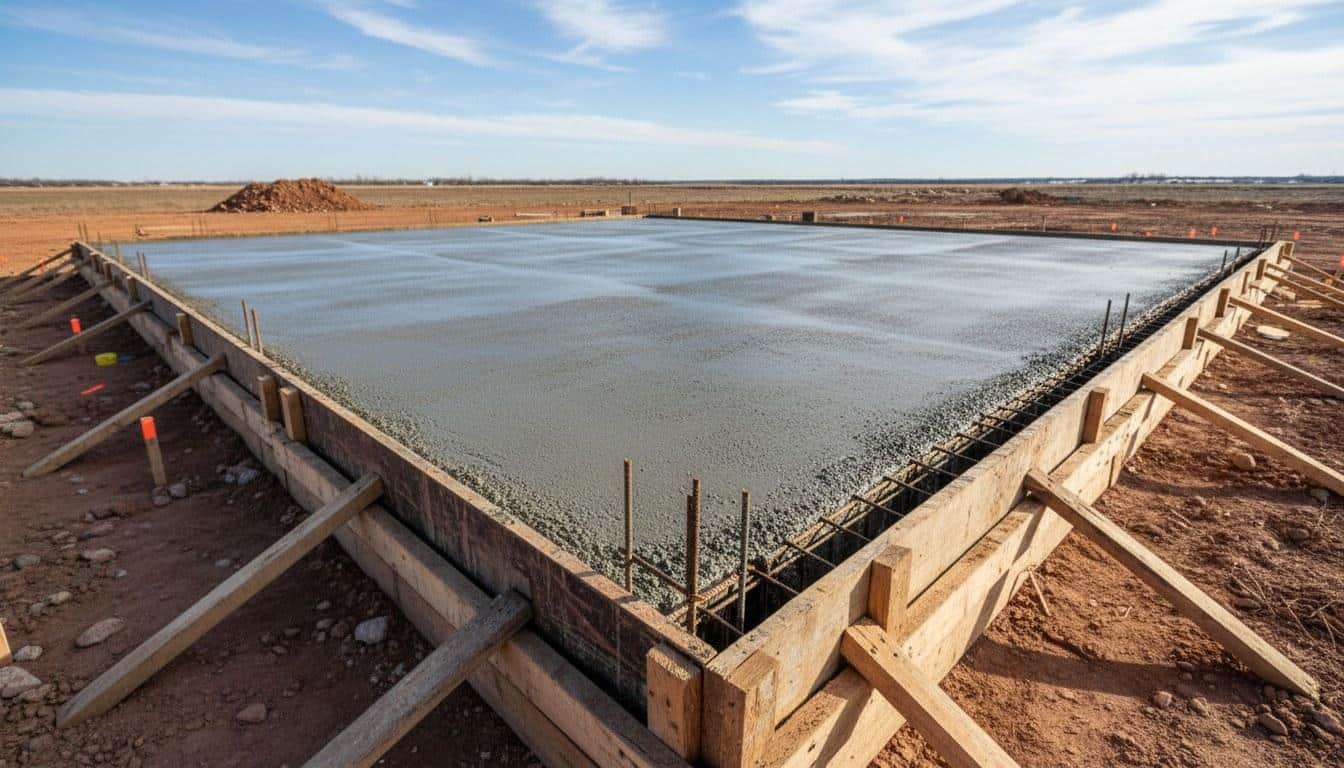
| Foundation work | Full pour required | Existing used (repairs if needed) |
| Utility connections | New hookups required | Often reused or upgraded |
| Energy code compliance | Full Title 24 compliance | Triggered by scope of work |
| Design flexibility | Unlimited | High — within structural limits |
| Potential for surprises | Moderate (site conditions) | Moderate (hidden conditions) |
Several factors drive costs higher on either path. Custom window packages from manufacturers like Milgard, structural engineering fees, soils reports, and solar requirements under California’s 2020 Title 24 mandate all add to the final number. The Inflation Reduction Act federal tax credit can offset some costs for energy-efficient upgrades — up to 30% on qualifying improvements — whether you are remodeling or building new.
Always request a detailed, itemized quote before committing to either path. Vague estimates are the number-one source of budget overruns on both new builds and remodels.
How Long Does Each Path Take to Complete?
A full home remodel in California typically takes 4 to 9 months from permit approval to completion. New construction usually runs 12 to 24 months, with custom homes at the higher end of that range. Both timelines assume permits are pulled before work begins, which is legally required in California.
The permitting phase alone can add 2 to 6 months to either project in high-demand counties. Los Angeles County, for example, has seen permit processing times stretch past 90 days for complex residential projects. New construction almost always requires more plan-check cycles because every system — structural, mechanical, electrical, plumbing — is reviewed from scratch.
Remodels can move faster because the building department is reviewing changes to an existing, approved structure rather than an entirely new set of plans. However, large-scale remodels that touch the foundation, add square footage, or change the roofline can trigger the same level of review as a new build.
- Design and planning: New construction needs 3–6 months of architectural work. A remodel with an existing floor plan can often be designed in 4–8 weeks.
- Permitting: New builds require full plan check; remodels may qualify for over-the-counter permits for smaller scopes.
- Construction: New construction runs 10–18 months on average. A full remodel runs 4–8 months for most scopes.
- Inspections: Both require multiple inspections at framing, rough-in, insulation, and final stages.
- Temporary housing: Full remodels often require 3–6 months of alternative housing; new builds require the full build duration.
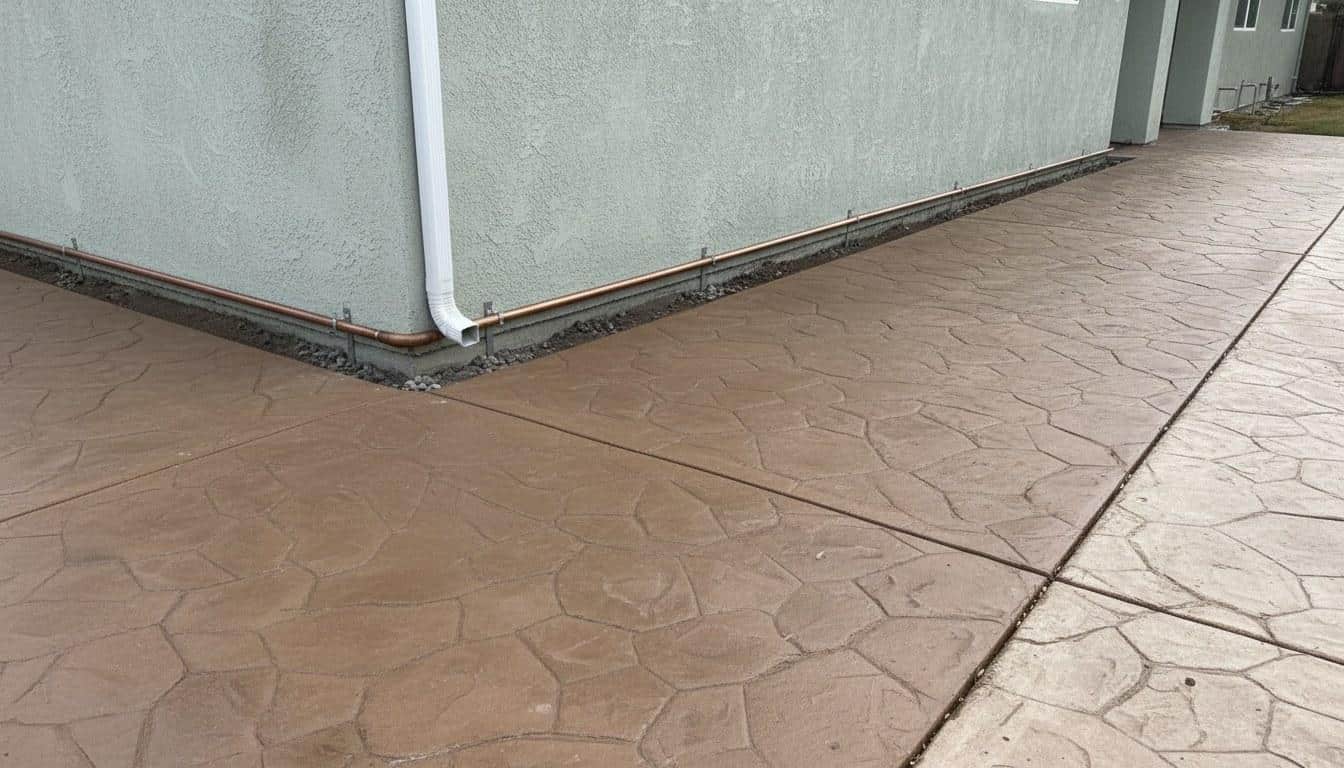
Which Option Wins on Permits, Codes, and Regulations?
New construction carries a heavier regulatory load in California. Every system must meet current code from day one, including California’s Title 24 building energy standards, solar requirements, and fire-hardening rules in high-risk zones. A full remodel only triggers full compliance on the systems you are actually replacing or adding.
This distinction matters a great deal in California. A homeowner who remodels a kitchen and bathrooms does not automatically have to bring the entire home up to 2025 energy code. But a homeowner who tears down and rebuilds must meet every current standard — including mandatory solar panel installation on new single-family homes, which has been required statewide since January 2020.
Fire-hardening requirements are another California-specific factor. Homes in State Responsibility Areas (SRAs) or Very High Fire Hazard Severity Zones must use fire-resistant roofing, ember-resistant vents, and in some cases, ignition-resistant siding. New construction in these zones must meet these standards in full. A remodel may only trigger fire-hardening requirements if you are replacing the roof or exterior cladding.
Contractors working on either path must be Licensed by the California Contractors State License Board (CSLB). You can verify any license at cslb.ca.gov before signing a contract. Never hire an unlicensed contractor for work that requires a permit — doing so voids your homeowner’s insurance coverage for that work.
ADU (accessory dwelling unit) additions are a popular third path that often gets overlooked. If your goal is more living space, an ADU built by a qualified ADU builder can sometimes be faster and less expensive than either a full remodel or new construction, while also adding rental income potential. California’s ADU laws have expanded significantly since 2020, making this option more accessible than ever.
How Do You Finance New Construction or a Major Remodel?
New construction is financed through a construction loan, which works differently from a standard mortgage. A full home remodel is typically financed through a home equity loan, HELOC, cash-out refinance, or renovation loan like an FHA 203(k). Understanding these products before you choose your path can significantly affect your total cost.
A construction loan releases funds in draws as work progresses rather than as a lump sum. Once construction is complete, the loan converts to a permanent mortgage — a process called a construction-to-permanent loan. Interest rates on construction loans are typically 0.5 to 1 percentage point higher than standard mortgage rates, and lenders require detailed plans, a licensed contractor, and a firm budget before approving funds.
- Construction loan: Best for new builds. Funds released in stages. Requires full project plans and a licensed general contractor.
- Home equity loan or HELOC: Best for remodels. Uses existing equity. Fixed or variable rate. No disruption to your first mortgage.
- Cash-out refinance: Replaces your existing mortgage with a larger one. Works well when rates are favorable and you have significant equity.
- FHA 203(k) loan: A government-backed option that wraps purchase price and renovation costs into one loan. Useful for buying and remodeling simultaneously.
- TECH Clean California rebates: Available for heat pump installations and energy upgrades during a remodel. Can reduce project costs by $1,000 to $4,500 depending on equipment.
The Inflation Reduction Act federal tax credit offers up to 30% back on qualifying energy-efficient upgrades through 2032, including insulation, heat pumps, windows, and doors. This credit applies whether you are remodeling or building new, making energy upgrades financially attractive either way. See the full details at energy.gov.
Across our remodel projects, we find that homeowners who secure financing before finalizing their scope of work consistently avoid the mid-project budget freezes that delay timelines by 2 to 4 months. Get pre-approved or pre-qualified before you finalize your design plans.
How Do You Decide Which Path Is Right for Your Home?
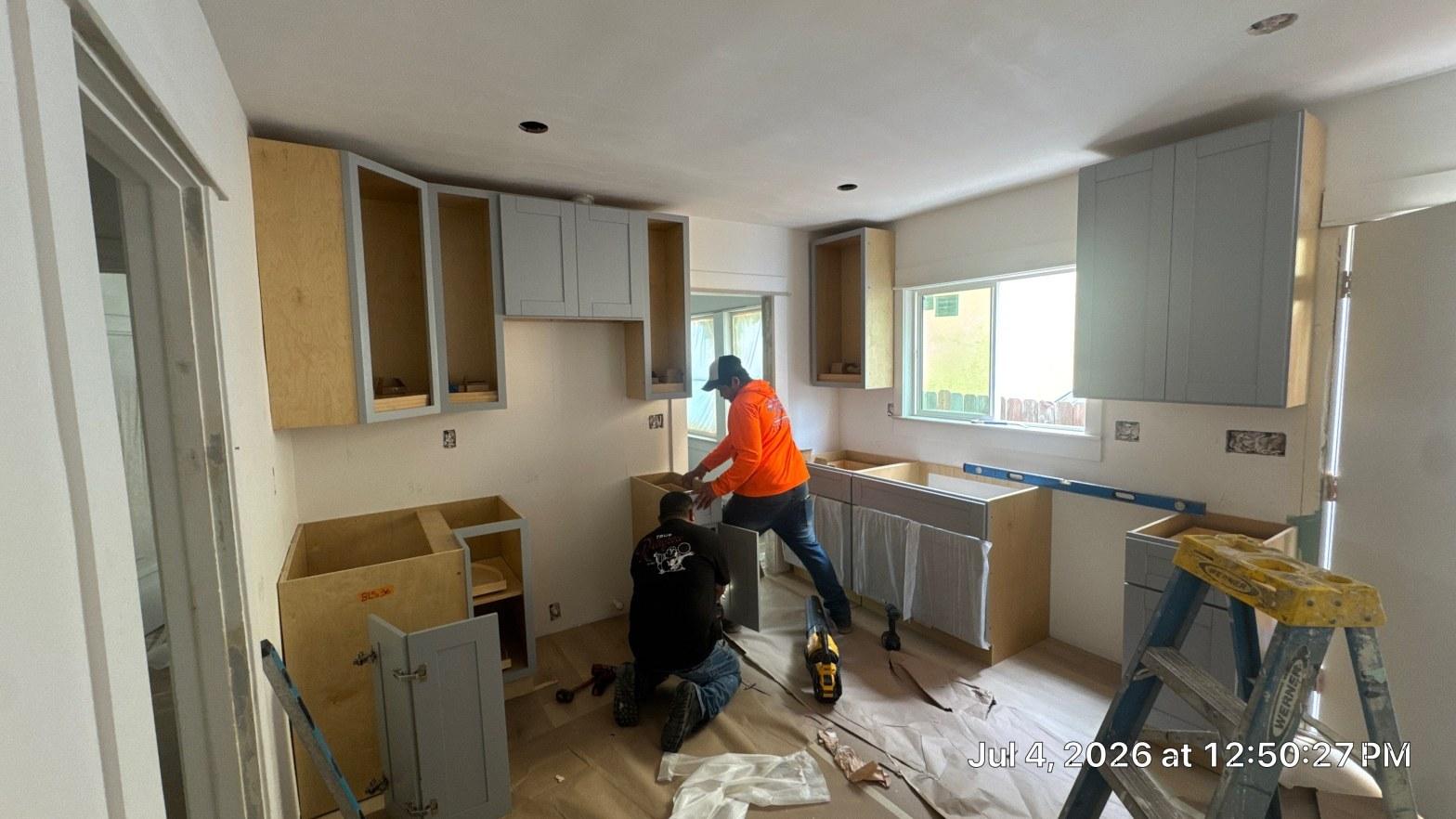
The single most important factor in the new construction vs full home remodel California decision is the condition of your existing structure. If your foundation is sound, your framing is straight, and your lot is already permitted for residential use, a full remodel almost always delivers better value per dollar spent.
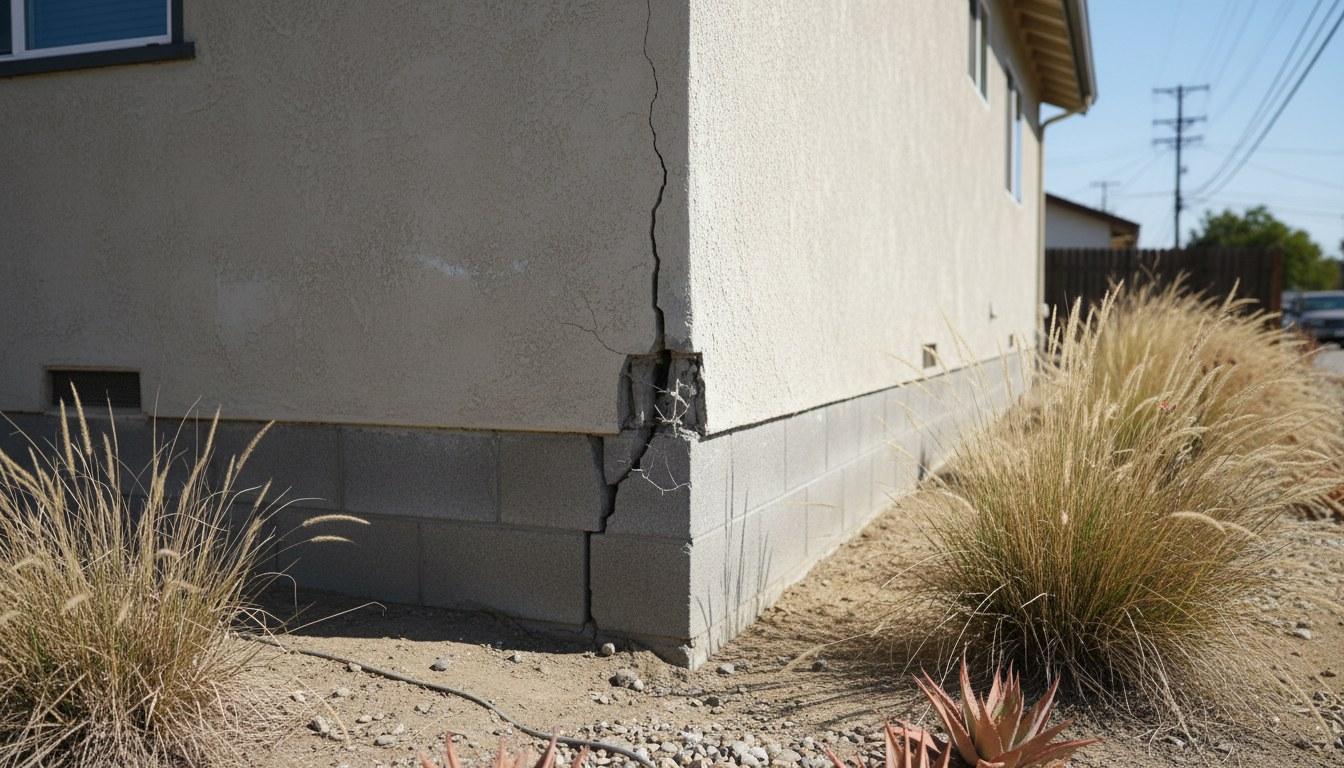
New construction makes more sense when the existing structure is beyond saving — severe foundation failure, extensive termite damage, or a layout so outdated that reconfiguring it would cost nearly as much as starting fresh. It also makes sense when you own a vacant lot and want to build a custom home exactly to your specifications.
- Choose a full home remodel if:
- Your foundation and framing are in good condition.
- You want to stay within your current lot’s existing footprint and setbacks.
- Your timeline is under 12 months.
- Your budget is under $600,000 for a mid-size home.
- You want to preserve mature landscaping, trees, or neighborhood character.
- You are in a historic district or HOA with restrictions on new builds.
- Choose new construction if:
- The existing structure has major structural, mold, or foundation issues.
- You own a vacant lot or plan to buy one.
- You want complete design freedom with no structural compromises.
- You plan to stay in the home for 20 or more years and want zero deferred maintenance.
- Your budget allows for a 12–24 month build timeline.
A third option worth serious consideration is a phased approach: remodel the livable portions now and add an ADU or room addition in a second phase. This spreads cost over time, lets you stay in the home during construction, and can increase property value in two stages rather than one large capital event.
For homeowners in Los Angeles County and surrounding communities, resale value is another factor. In most California markets, a fully remodeled home sells for 10 to 20% more than a comparable unremodeled home. New construction commands a premium too, but only if the design fits the neighborhood’s price ceiling — overbuilding for the street is a common and costly mistake.
In most California markets, a fully remodeled home sells for 10 to 20% more than a comparable unremodeled home.
Ready to Move Forward? Get Expert Help Today
Whether you are leaning toward a full home remodel or exploring new construction, the best next step is a professional assessment of your existing structure, your lot, and your goals. Both paths require an experienced, licensed general contractor who understands California’s permitting process, energy codes, and local building departments.
Hollywood Contractor Corp works with homeowners across Southern California on full home remodels, new construction projects, ADU builds, bathroom remodeling, kitchen renovations, and everything in between. Every project starts with a detailed consultation and a written scope of work — no vague estimates, no surprises mid-project.
Call (818) 264-1955 to schedule your consultation. Get a clear picture of what your project will cost, how long it will take, and which path makes the most financial sense for your specific home and goals. Hollywood Contractor Corp is licensed by the California Contractors State License Board (CSLB) and ready to help you build or rebuild with confidence.
Explore our full range of General Contracting services.
Frequently Asked Questions
How much does it cost to build a brand new home in California right now?
New home construction in California typically costs between $300 and $600 per square foot for a custom build, not including land, demolition, or site preparation. A 2,000-square-foot home can run $600,000 to $1.2 million in construction costs alone. Factors like county permit fees, soil conditions, energy code requirements, and finish level all move the final number. Always get an itemized written estimate before committing.
How does a new construction loan work in California?
A new construction loan releases money in stages — called draws — as specific milestones are completed, rather than giving you the full amount upfront. Once the home is finished, the loan converts to a standard mortgage, a process called a construction-to-permanent loan. Lenders require detailed architectural plans, a licensed contractor, and a firm budget before approving. Interest rates on construction loans are typically 0.5 to 1 percentage point higher than standard mortgage rates.
Is it cheaper to remodel an existing home or build a new one in California?
In most cases, a full home remodel costs 20 to 40% less than building new in California because you keep the existing foundation, framing, and utility connections. New construction gives you complete design freedom but adds costs for a new foundation, all-new utility hookups, and full compliance with current energy codes including mandatory solar. The best choice depends on the condition of your existing structure and how much customization you need.
How long does it take to build a new home versus remodel an existing one in California?
New construction in California typically takes 12 to 24 months from design to move-in, including permitting, which can add 2 to 6 months in high-demand counties. A full home remodel generally takes 4 to 9 months from permit approval to completion. Both timelines depend on the complexity of the project, the local building department's workload, and whether any unexpected structural issues are discovered during construction.
What permits do I need for a full home remodel in California?
Most full home remodels in California require building permits for structural changes, electrical upgrades, plumbing work, and HVAC modifications. The specific permits depend on the scope of work and your local jurisdiction. California requires that all permitted work be done by or under the supervision of a contractor licensed by the California Contractors State License Board (CSLB). You can verify any contractor's license at cslb.ca.gov before signing any agreement.