Do You Need a Permit for Foundation Repair in California? What the Law Actually Requires
Most foundation repairs in California require a building permit, but the threshold depends on the scope of work and your local jurisdiction. This guide breaks down exactly what the law requires so you can move forward without costly surprises.
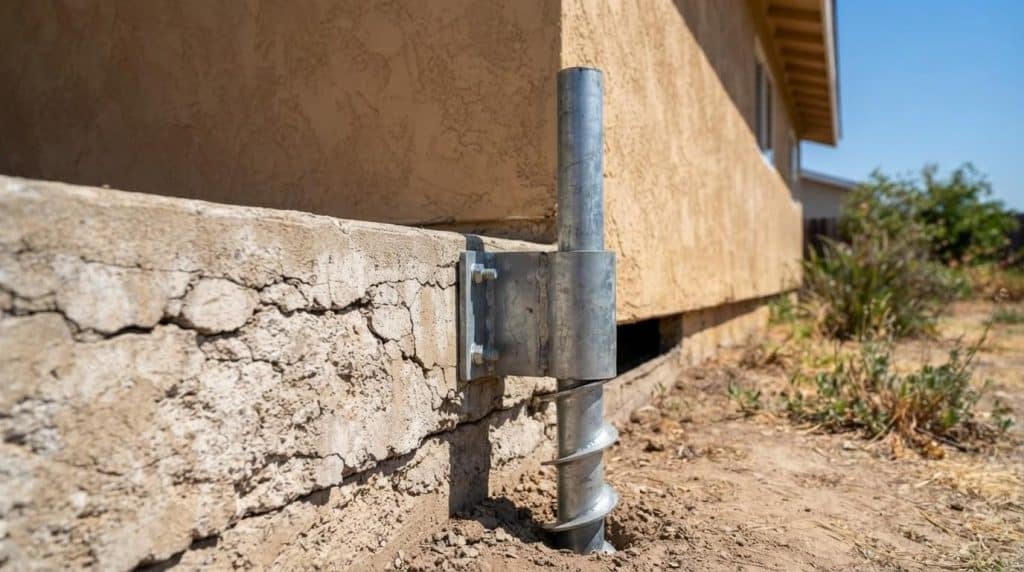
Most foundation repair work in California requires a building permit, and skipping that step can cost you far more than the permit itself. This foundation repair permit california homeowner requirements guide explains exactly when a permit is legally required, how to get one, and what risks you take on if you proceed without one. Whether you are dealing with a cracked slab, settling pier-and-beam system, or bowing foundation walls, the information below applies to homeowners across California.
What Types of Foundation Repair Actually Require a Permit in California?
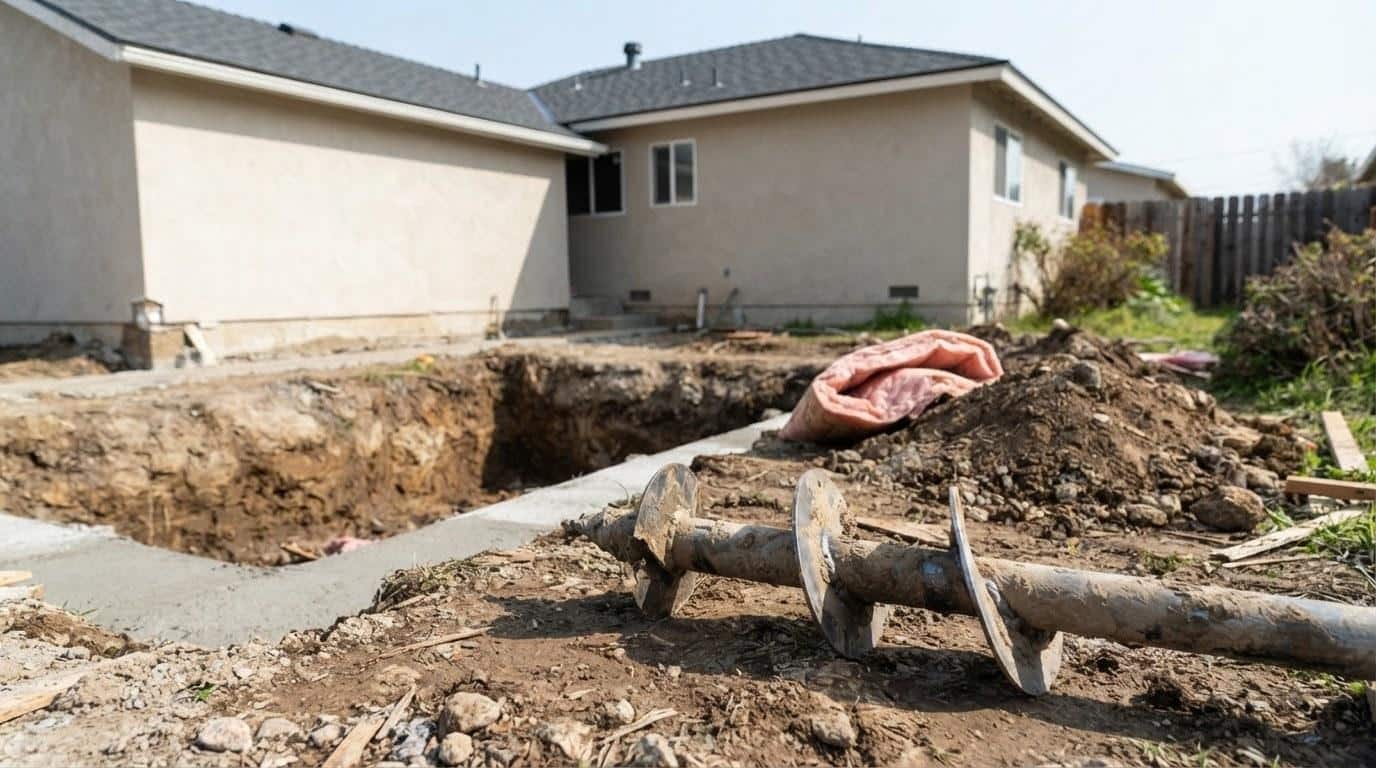
Any repair that affects the structural load path of your home requires a permit under the California Building Code (CBC). That covers the vast majority of real foundation repair jobs. The table below breaks down the most common repair types and their typical permit status.
| Repair Type | Structural Impact | Permit Required? |
|---|---|---|
| Steel push pier or helical pier installation | High | Yes |
| Concrete slab replacement or underpinning | High | Yes |
| Pier-and-beam repair (replacing posts, beams, or girders) | High | Yes |
| Mudjacking or slab lifting (polyurethane foam injection) | Moderate to High | Yes, in most jurisdictions |
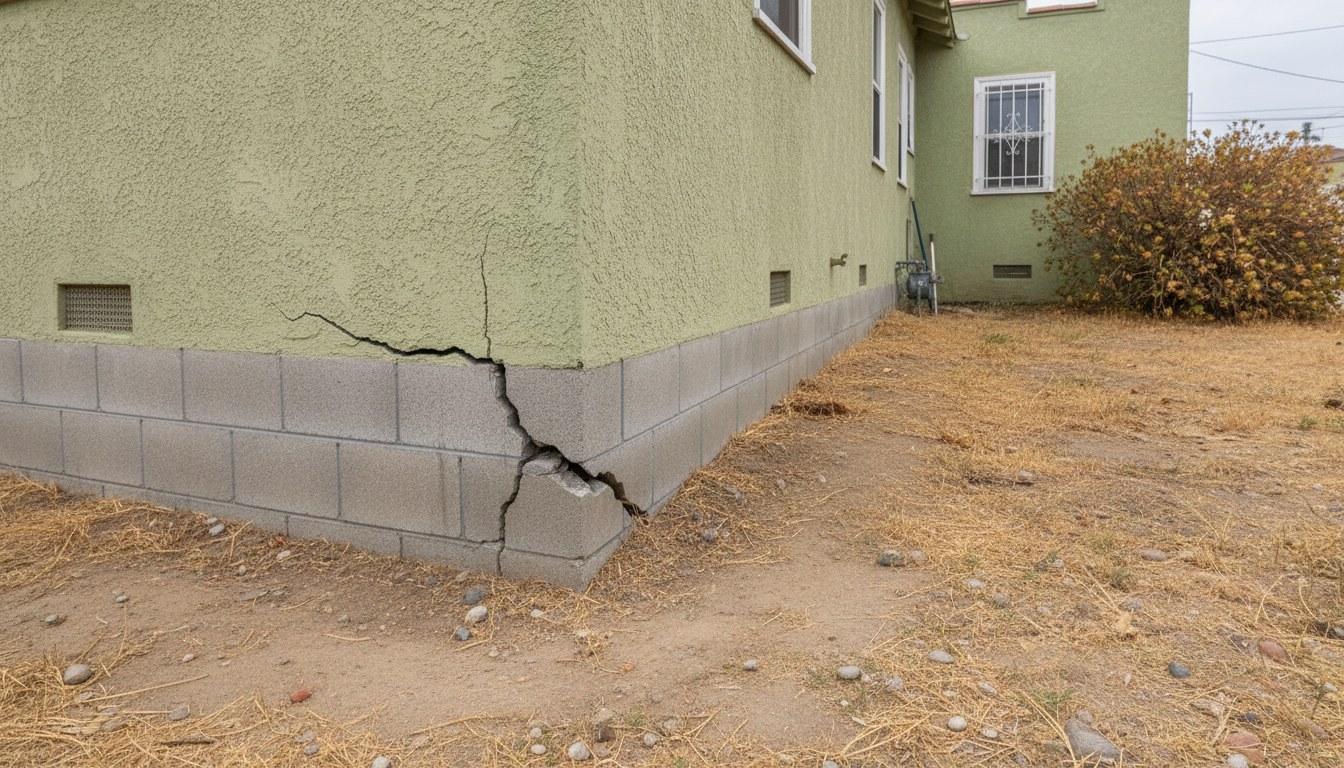
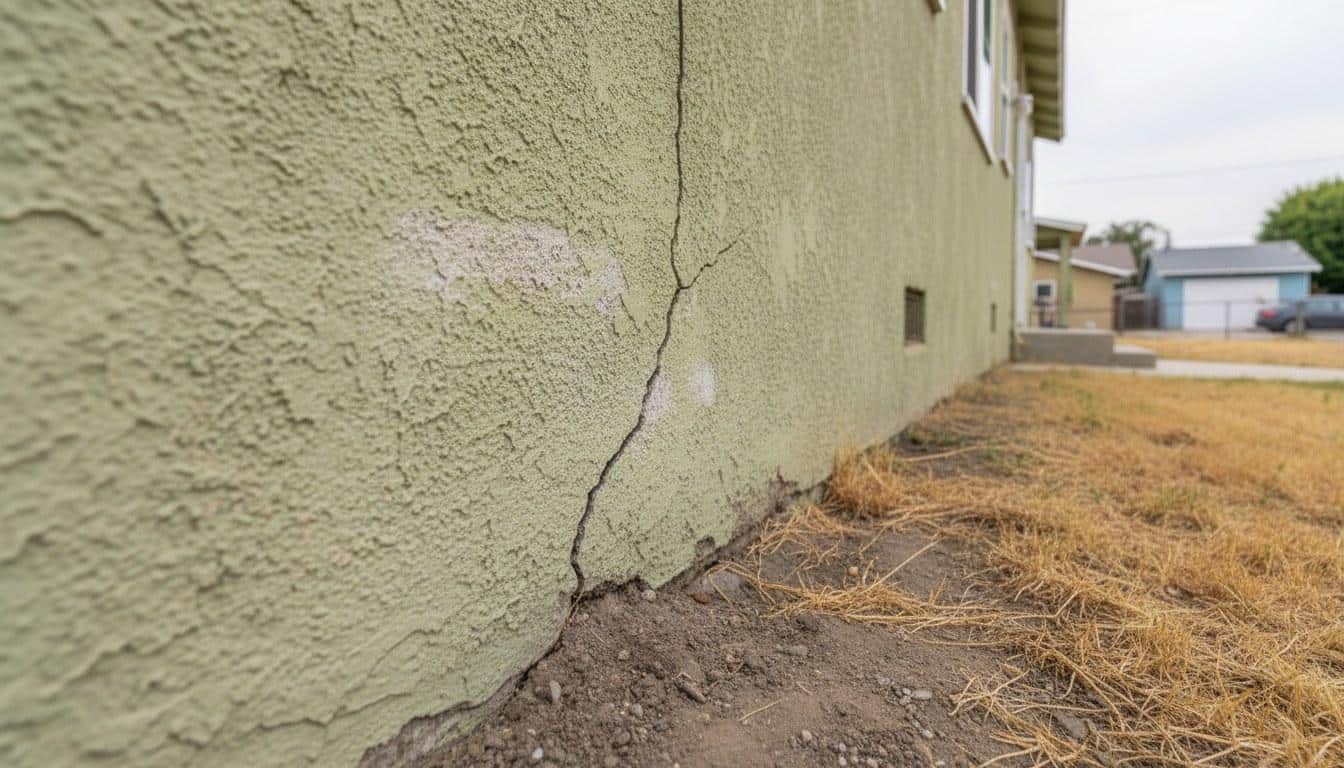
| Crack injection (epoxy or polyurethane) on structural walls | Moderate | Often yes; verify locally |
| Surface crack patching on non-structural slabs (patios, walkways) | None | Generally no |
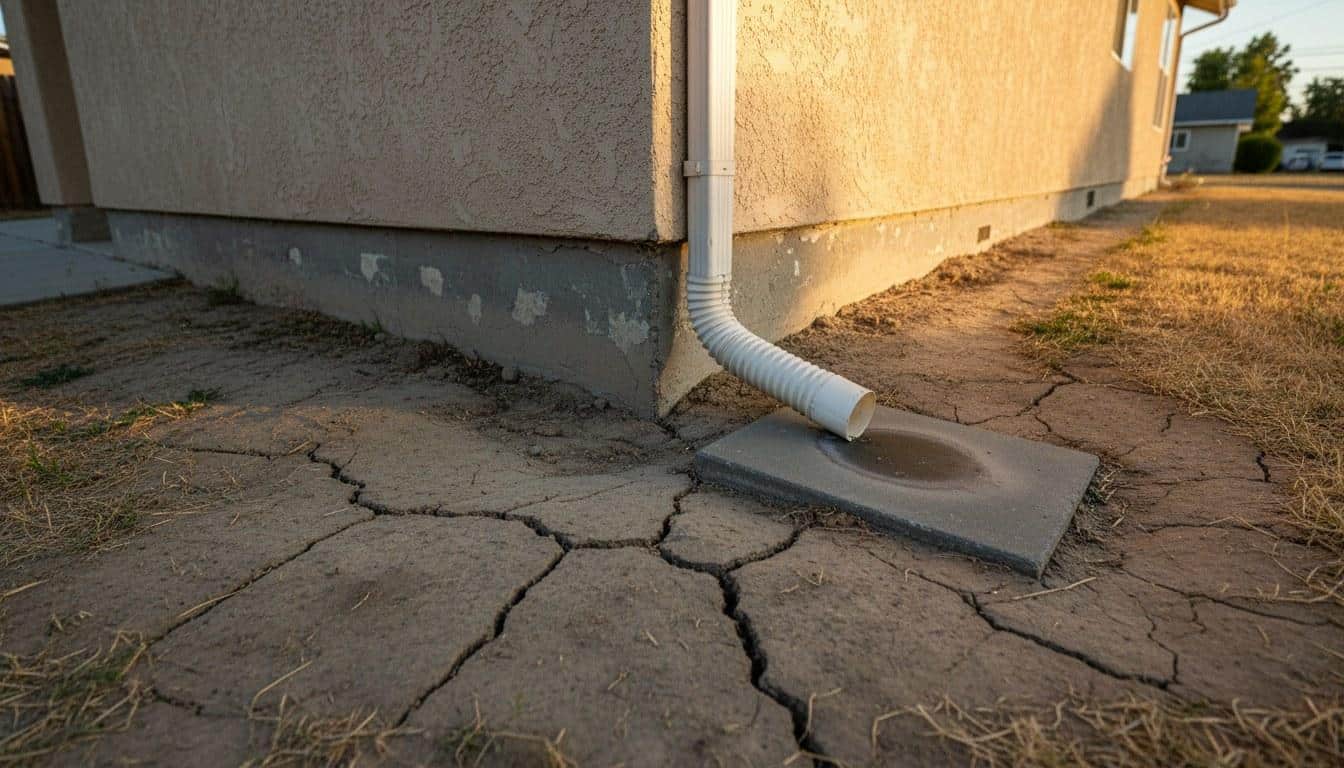
| Drainage correction or grading to redirect water | Low | Sometimes; check locally |
Pier-and-beam repair is one of the most common jobs we see in older California housing stock. These systems, common in homes built before 1960, often need new posts, shims, or full girder replacement, all of which are structural and all of which require permits.
If you are unsure where your repair falls, the safest rule is this: if the work touches wood framing, concrete footings, or any element that transfers the weight of the house to the ground, assume a permit is required and verify with your local building department.
What Does California Law Say About Structural Work and Permits?
California adopts the California Building Code, which is based on the International Building Code with state-specific amendments, and it requires permits for any structural alteration or repair to a building. Section 105 of the CBC sets the general permit requirement, and Section 1801 covers foundation and soil-related work specifically.
Local jurisdictions, such as counties and cities across Los Angeles County and the rest of California, can add stricter requirements on top of the state baseline. They cannot be more permissive than the CBC, only more restrictive. That means the minimum standard everywhere in California is the same, but your county or city may require additional engineering documentation, soil reports, or special inspections.
As of California’s 2022 CBC update (the 2022 edition took effect January 1, 2023), engineers and contractors performing foundation work on certain soil types, including expansive clay soils common throughout Southern California, may be required to submit a geotechnical report alongside permit applications. This adds time and cost but protects both the homeowner and the structure.
One important distinction: homeowners in California can pull their own permits for work on their primary residence under the owner-builder exemption administered by the California Contractors State License Board (CSLB). However, this exemption comes with serious limitations. You take on full legal liability for the work, and if you sell the home within five years, you must disclose that you acted as your own contractor. For structural foundation work, using a licensed contractor is strongly advisable.
How Do You Pull a Foundation Repair Permit in California?
Pulling a foundation repair permit in California typically takes between 2 and 8 weeks, depending on your jurisdiction and whether engineering plans are required. Here is the general process most California homeowners and contractors follow.
- Determine your local building department: Permits are issued at the city level if you live in an incorporated city, or at the county level if you are in an unincorporated area. Los Angeles County, for example, has its own Department of Public Works that handles unincorporated areas separately from cities like Burbank or Pasadena.
- Assess whether engineering plans are required: For simple pier-and-beam repairs, some jurisdictions accept contractor-drawn plans. For underpinning, slab replacement, or any repair involving a change in foundation type, a licensed structural engineer’s stamped drawings are typically required.
- Submit the permit application: Most California jurisdictions now accept online applications. You will need property information, a project description, contractor license number (if using a contractor), and plan sets if required.
- Pay the permit fee: Permit fees in California typically range from $200 to $1,500 or more for structural foundation work, depending on the jurisdiction and project valuation. Some counties charge a percentage of the estimated project cost.
- Schedule inspections: Foundation work usually requires at least two inspections: one before concrete is poured or backfill is placed (so the inspector can see the footing or pier placement), and a final inspection after work is complete.
- Receive your final sign-off: Once all inspections pass, the permit is closed and the record becomes part of your home’s permanent file with the county assessor and building department.

What Happens If You Skip the Permit?
Unpermitted foundation work can result in fines, required demolition of completed work, and serious problems when you sell the home. California takes unpermitted structural work seriously, and the consequences are not just theoretical.
Our team has seen cases where unpermitted pier installations had to be fully exposed and re-inspected before a home sale could close, adding weeks of delay and thousands of dollars in costs to what was already a finished job. Buyers’ lenders routinely flag unpermitted structural work during appraisals, and title companies can require the work to be legalized before insuring the transaction.
The specific risks include:
- Stop-work orders: If a neighbor reports the work or an inspector notices activity without a posted permit, the city can issue a stop-work order and require all work to halt immediately.
- Retroactive permit fees with penalties: Jurisdictions typically charge 2 to 3 times the normal permit fee for after-the-fact permits, plus investigation fees.
- Required demolition: If inspectors cannot verify the work was done correctly, they can require portions of it to be opened up or removed entirely.
- Homeowner insurance complications: A claim related to foundation failure on unpermitted work may be denied by your insurer.
- Disclosure obligations: California law (Civil Code Section 1102) requires sellers to disclose known unpermitted work. Failing to disclose can expose you to litigation after the sale.
- Liability for defects: Without an inspection record, you have no third-party verification that the work meets code, which weakens your legal position if something goes wrong later.
How Much Does Permitted Foundation Repair Cost in California?
Foundation repair projects in the California market typically range from $3,000 for minor pier-and-beam shim and post replacement to $30,000 or more for full underpinning or slab replacement on a larger home. The permit itself is a small fraction of that total, usually between $200 and $1,500 depending on the jurisdiction and project scope.
Several factors move the total cost significantly:
- Foundation type: Pier-and-beam repair is generally less expensive than slab work because access is easier and less excavation is needed.
- Number of piers: Helical or push pier jobs are often priced per pier, with individual piers ranging from $1,000 to $3,000 each installed, depending on depth and soil conditions.
- Soil conditions: Expansive clay, fill soil, or areas with high seismic risk (common across Southern California) can require deeper piers, more engineering, and additional inspections.
- Engineering fees: A structural engineer’s report and stamped drawings can add $1,500 to $5,000 to the project, depending on complexity.
- Access and site conditions: Limited access, steep lots, or proximity to retaining walls or utilities increases labor costs.
- Permit and inspection fees: These vary by jurisdiction but are typically 1 to 3 percent of the estimated project value.
Homeowners may be able to offset some costs through the Inflation Reduction Act federal tax credit if the foundation repair is part of a broader energy efficiency improvement project, though direct foundation repair is not itself a qualifying improvement. Always request a written, itemized estimate before any work begins, and confirm that the contractor’s quote includes permit fees and inspection coordination.
How Do You Choose the Right Foundation Repair Contractor?
Any contractor performing foundation repair in California must hold a valid license issued by the California Contractors State License Board (CSLB), typically a Class A General Engineering license or a Class B General Building license for residential work. You can verify any contractor’s license status at cslb.ca.gov before signing a contract.
Beyond licensing, here is what to look for when evaluating foundation repair companies:
- Permit experience: Ask specifically whether the contractor will pull the permit on your behalf and coordinate all required inspections. A contractor who suggests skipping the permit is a red flag.
- Engineering coordination: For complex jobs, the contractor should have an established relationship with a licensed structural engineer and be able to provide stamped plans as part of the project scope.
- Written scope of work: The contract should itemize every repair element, the materials being used (pier type, concrete specification, lumber grade for beam work), and the permit and inspection process.
- References and documentation: Ask for references from permitted jobs and, if possible, request copies of closed permits from previous projects to confirm they have completed the full inspection process.
- Insurance: Verify that the contractor carries general liability insurance and workers’ compensation coverage. Foundation work is high-risk, and an uninsured crew on your property creates personal liability for you as the homeowner.
- Warranty terms: Understand what is covered and for how long. Pier warranties in the industry range from 10 years to lifetime transferable warranties, but the terms vary widely between foundation repair companies.
Across our service calls on foundation projects throughout Southern California, we find that roughly 1 in 4 homeowners who contact us have already had unpermitted work done by a previous contractor, usually because the prior company quoted a lower price by cutting the permit step. Correcting those situations almost always costs more than doing it right the first time would have.
Roughly 1 in 4 homeowners who contact us have already had unpermitted foundation work done by a previous contractor, and correcting those situations almost always costs more than doing it right the first time.
This foundation repair permit california homeowner requirements guide exists precisely because that pattern is so common. The permit process protects you, not just the building department. It creates an independent record that the work was inspected and meets California Building Code standards, which is worth far more than the permit fee when you go to sell the home or file an insurance claim.
Ready to Get Your Foundation Repair Done Right?
Foundation repair is one of the highest-stakes projects a homeowner can undertake, and doing it without a permit puts your investment, your insurance coverage, and your ability to sell the home at risk. The permit process is not a bureaucratic hurdle; it is the mechanism that ensures the work is inspected by a third party and meets the structural safety standards California requires.
Hollywood Contractor Corp handles foundation repair projects across Southern California, including full permit coordination, engineering plan submission, and inspection scheduling. Every project is performed by crews operating under a valid CSLB license, with documentation you can keep on file and present to future buyers or insurers.
Call (818) 264-1955 to schedule a foundation assessment and get a written, itemized quote that includes all permit and inspection costs. Homeowners across the region trust Hollywood Contractor Corp to handle the compliance side of foundation work so nothing is left to chance.
Explore our full range of General Contracting services.
Frequently Asked Questions
Do I always need a permit to repair my foundation in California?
Not always, but in the vast majority of cases you do. Any repair that affects the structural elements of your foundation, including pier installation, beam or post replacement, slab underpinning, or mudjacking, requires a permit under the California Building Code. The only common exception is surface-level patching of non-structural cracks on patios or walkways that do not support the home. When in doubt, call your local building department before work starts.
How much does house foundation repair typically cost in California?
Foundation repair in the California market typically ranges from around $3,000 for minor pier-and-beam post and shim work to $30,000 or more for full underpinning or slab replacement on a larger home. The biggest cost drivers are the number and depth of piers needed, soil conditions, whether engineering plans are required, and permit and inspection fees. Always get a written, itemized estimate that includes permit costs before signing any contract.
Can I pull my own foundation repair permit as a homeowner in California?
Yes, California allows homeowners to pull permits for their own primary residence under the owner-builder exemption overseen by the California Contractors State License Board (CSLB). However, you take on full legal liability for the work, and if you sell the home within five years you must disclose that you acted as your own contractor. For structural foundation work, most homeowners are better protected using a licensed contractor who pulls the permit on their behalf.
What happens if I sell my house and the foundation repair was done without a permit?
Unpermitted foundation work creates serious problems at sale. California law requires sellers to disclose known unpermitted work, and buyers' lenders and appraisers routinely flag it. You may be required to pull a retroactive permit, pay penalty fees of 2 to 3 times the normal permit cost, and potentially open up completed work for inspection before the sale can close. In some cases, unpermitted structural repairs can kill a sale entirely or expose you to post-sale litigation.
How long does it take to get a foundation repair permit approved in California?
Permit approval timelines in California typically range from 2 to 8 weeks, depending on the jurisdiction and whether engineering plans are required. Simpler pier-and-beam repairs in jurisdictions with online permitting can sometimes be approved in 1 to 2 weeks. Projects requiring stamped structural engineering drawings or geotechnical soil reports take longer. Your contractor should be able to give you a realistic timeline based on your specific city or county building department.