Wet Season Foundation Protection: A Fall Checklist for Southern California Homes
Southern California's rainy season can arrive fast, and a little preparation in fall can prevent thousands of dollars in foundation damage. This guide walks you through every step of a foundation protection fall checklist for Southern California homes.
Why Does Fall Matter So Much for Foundation Protection in Southern California?
Southern California receives the vast majority of its annual rainfall between November and March, and the soil beneath most homes in the region spends the dry summer months in a severely contracted state. When the first heavy rains arrive, that soil can expand rapidly and unevenly, creating the exact conditions that crack slabs, shift piers, and push water through foundation walls.
According to NOAA, Southern California’s wet season typically delivers 60 to 80 percent of its total annual precipitation in just four to five months. That concentrated surge is what makes the transition from dry to wet so damaging for foundations that have not been prepped.
The window between late September and mid-November is the most valuable time to act. Soil is still workable, contractors are not yet backed up with emergency calls, and any waterproofing products applied during dry conditions have time to cure fully before moisture arrives.
What Should Be on Your Foundation Protection Fall Checklist for Southern California?
A complete foundation protection fall checklist for Southern California covers six core areas: grading and drainage, gutter and downspout condition, crawl space or basement moisture barriers, visible crack assessment, soil condition around the perimeter, and any deferred repairs flagged from the previous season.
Work through this list in order. Each item builds on the one before it, so skipping ahead can cause you to miss a problem that changes the scope of a later step.
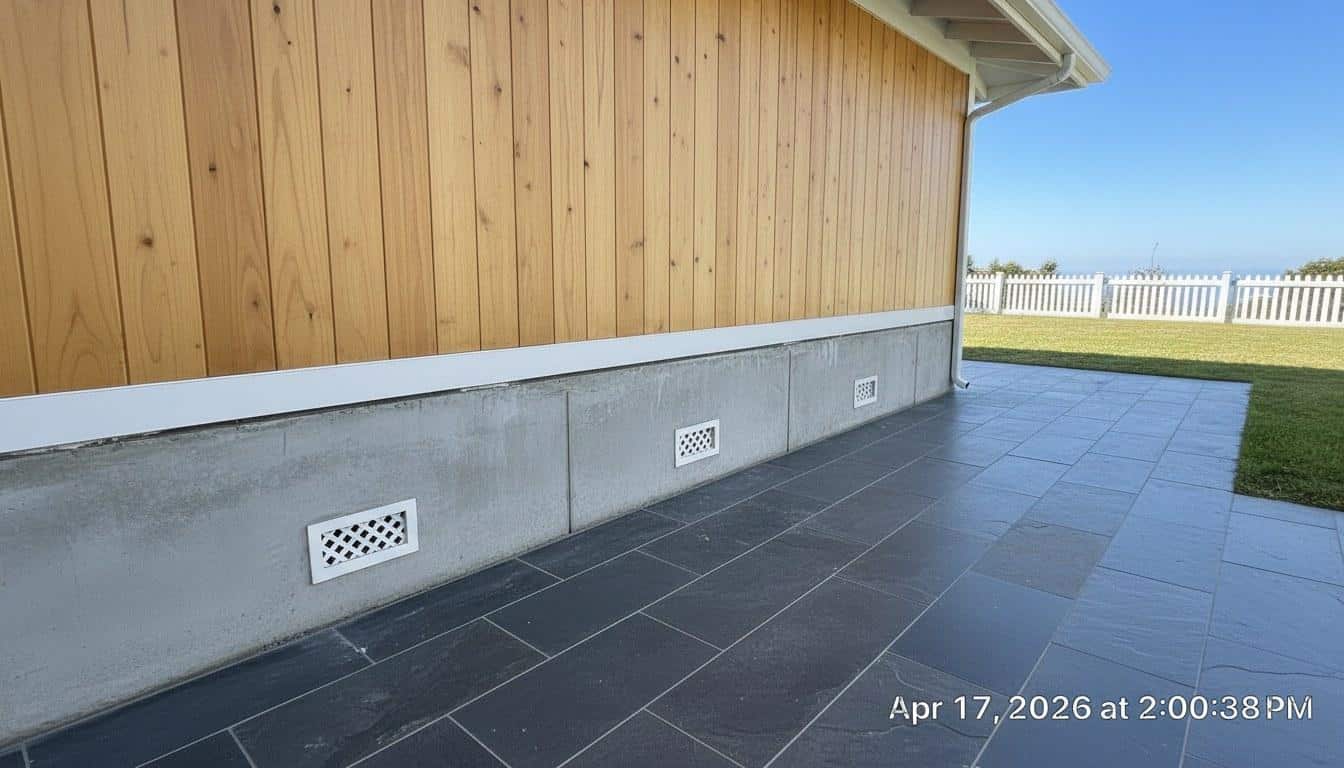
- Grading check: The soil around your foundation should slope away from the structure at a minimum of 6 inches of drop over the first 10 feet. Flat or inward-sloping grades funnel rainwater directly against the foundation wall.
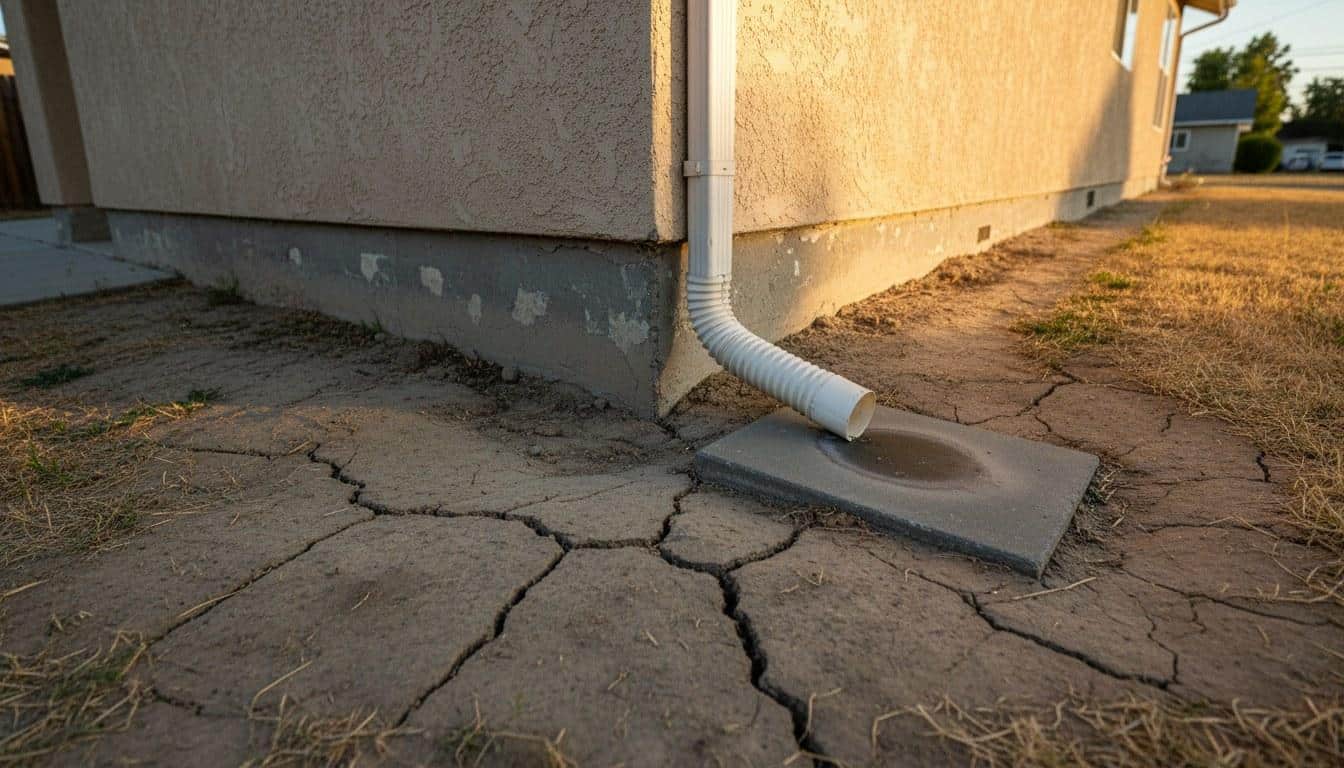
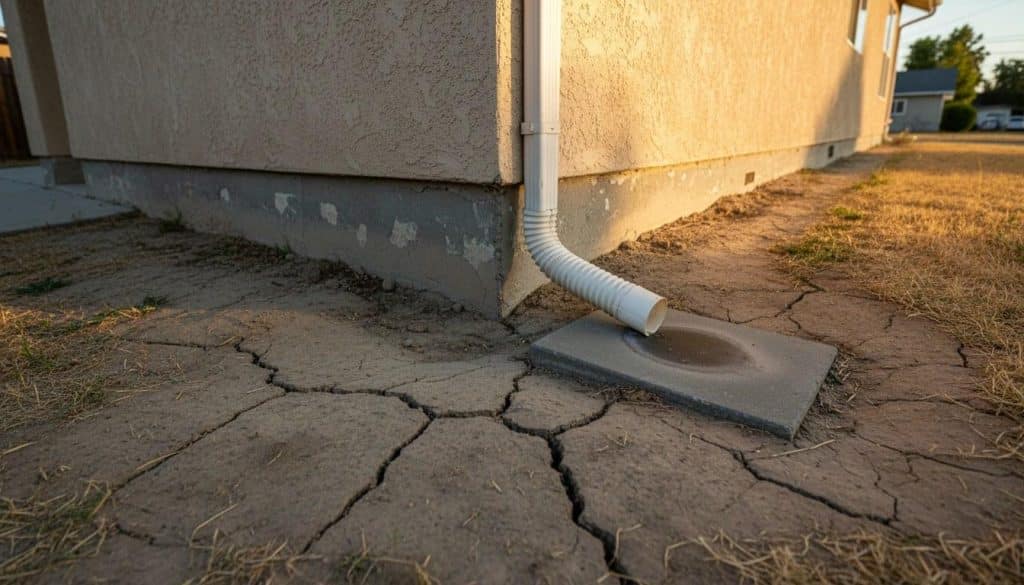
- Gutter cleaning and downspout extension: Gutters clogged with debris overflow against the fascia and saturate the soil at the foundation line. Downspouts should discharge at least 4 to 6 feet away from the building.
- Window well drainage: Below-grade window wells collect water quickly. Check that the gravel bed at the bottom is at least 12 inches deep and that the drain line is clear.
- Crawl space vapor barrier inspection: A 6-mil polyethylene vapor barrier covering the entire crawl space floor reduces ground moisture by up to 50 percent. Look for tears, gaps at the seams, or areas where the barrier has shifted off the soil.
- Crack mapping: Photograph every crack wider than 1/8 inch, noting its location, direction, and any displacement between the two sides. This baseline lets you track movement over the wet season.
- Soil shrinkage gaps: A visible gap between the soil and the foundation perimeter wider than 1 inch is a sign of significant summer shrinkage. Slow, deep watering in October can reduce the shock of the first rain event.
- Sump pump test: If your property has a sump pit, pour 5 gallons of water in to confirm the float switch triggers the pump within 30 seconds.
- Exterior waterproofing membrane check: Any exposed foundation wall above grade should have an intact elastomeric or crystalline coating. Bubbling, peeling, or bare concrete patches need to be addressed before rain arrives.
Our technicians have responded to roughly 3 times more foundation-related emergency calls in January and February than in any other two-month window, and in nearly every case, a blocked downspout or a failed vapor barrier was the first link in the chain of damage.
How Do You Inspect a Foundation for Early Warning Signs?
A thorough fall foundation inspection takes about two hours for an average single-family home and covers both the interior and exterior. The goal is to find movement, moisture intrusion, or drainage failures before the wet season amplifies them.
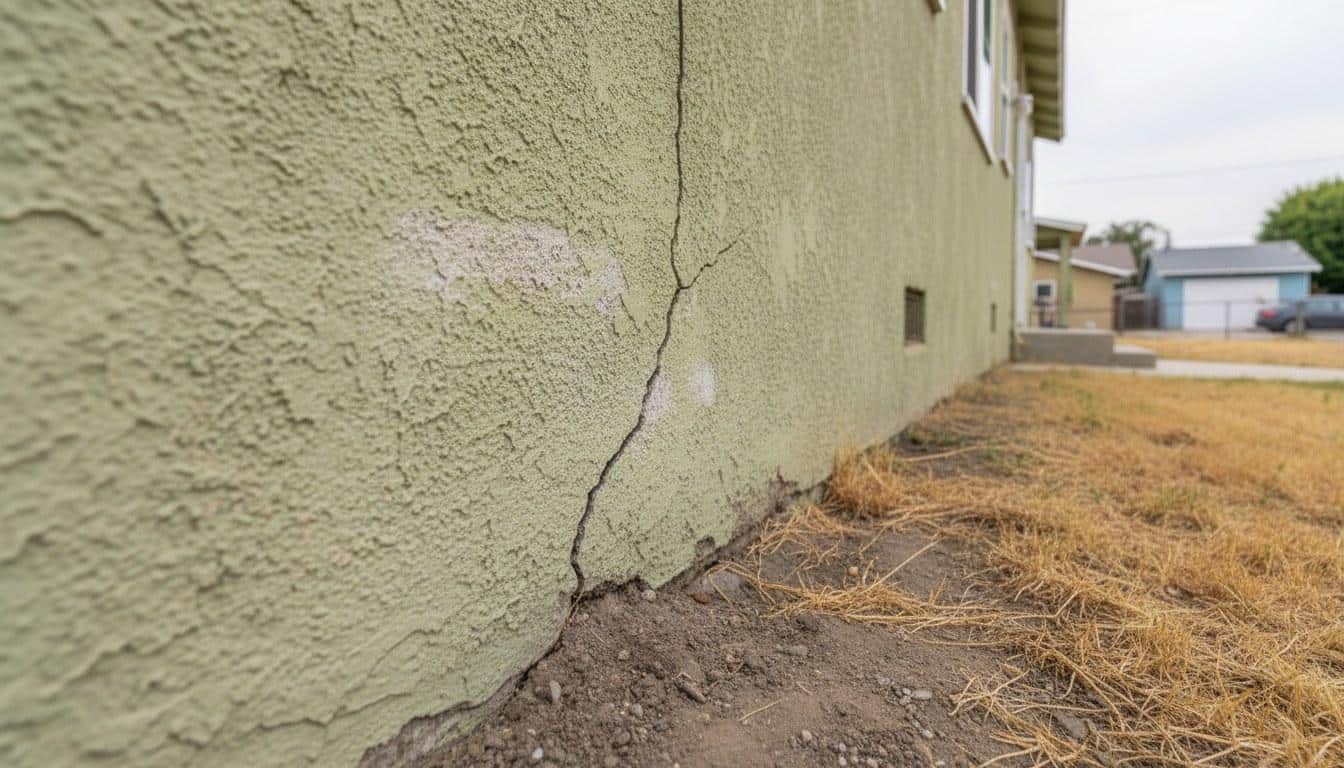
Start outside. Walk the full perimeter with a flashlight and a tape measure. Look at the foundation wall from multiple angles; a crack that is hard to see straight-on often becomes obvious at a low, raking angle. Note any efflorescence (white mineral deposits), which signals that water has been moving through the concrete.
What to Look For Outside
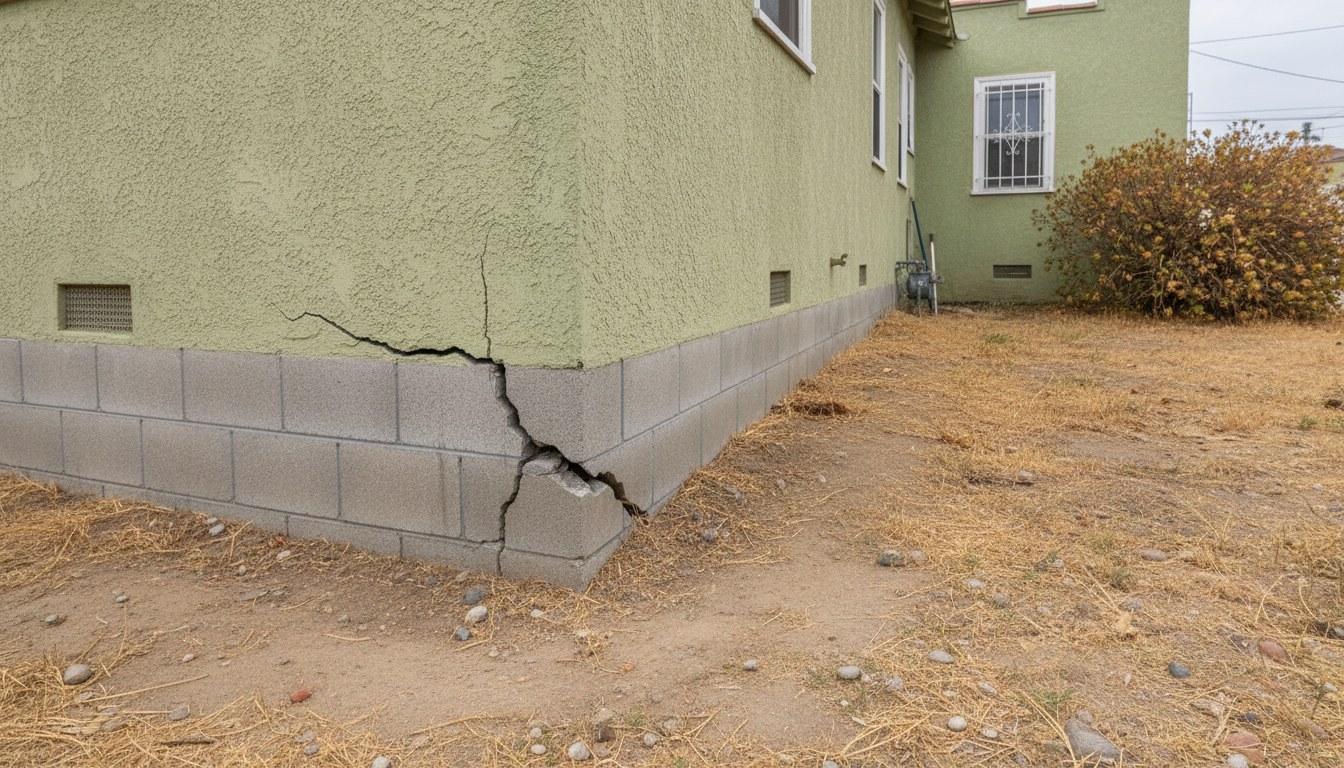
- Stair-step cracks in brick or block: These follow the mortar joints diagonally and typically indicate differential settlement, meaning one section of the foundation has dropped more than another.
- Horizontal cracks in a poured concrete wall: These are the most serious type and can indicate lateral soil pressure. Any horizontal crack wider than 1/4 inch warrants an immediate professional evaluation.
- Bowing or bulging walls: Even a 1-inch bow in a basement or crawl space wall is a structural concern that should not wait until spring.
- Separation between the foundation and the mudsill: A gap here means the structure above has moved relative to its base.
What to Look For Inside
- Doors and windows that stick or no longer latch: Frame racking from foundation movement is one of the earliest interior symptoms.
- Diagonal cracks at window and door corners: These appear when a section of the slab or stem wall drops, pulling the framing out of square.
- Sloping floors: A floor that has developed more than a 1-inch slope over 10 feet since the last inspection is a sign of active settlement.
- Musty odors in the crawl space: Persistent moisture under the floor creates mold conditions that can spread into the living space within one wet season.
What Does Foundation Drainage Work Actually Cost?
In the Southern California regional market, foundation drainage and waterproofing projects typically range from about $800 for basic downspout extensions and grading corrections up to $15,000 or more for a full perimeter French drain system with a sump pit and interior drainage mat. The factors that move a project toward the higher end include lot size, soil type, depth of the drain trench, and whether existing hardscape needs to be cut and replaced.
| Scope of Work | Typical Regional Range | Key Cost Drivers |
|---|---|---|
| Grading correction and soil amendment | $800 to $2,500 | Yard size, access, amount of fill needed |
| Gutter replacement and downspout rerouting | $600 to $2,000 | Linear footage, number of downspouts, discharge path |
| Crawl space vapor barrier installation | $1,200 to $4,000 | Square footage, accessibility, barrier thickness |
| Exterior French drain (perimeter) | $4,000 to $12,000 | Perimeter length, depth, hardscape removal |
| Interior drainage mat and sump system | $5,000 to $15,000+ | Basement or crawl space size, pump capacity, discharge routing |
| Crack injection (epoxy or polyurethane) | $400 to $1,500 per crack | Crack length, depth, active vs. dormant status |
| Pier and beam repair (wood rot, settlement) | $1,500 to $8,000 | Number of piers, extent of rot, access under floor |
These are market ranges, not quotes. The actual cost for your home depends on a site visit and a detailed scope of work. For a custom quote, call Hollywood Contractor Corp at (818) 264-1955.
One cost factor that surprises many homeowners is permit fees. Los Angeles County and many surrounding jurisdictions require permits for French drain installations and any work that alters drainage patterns on a lot. Permit costs typically add $200 to $600 to a project, but they also ensure the work is inspected and code-compliant, which matters at resale.
Pier and Beam vs. Slab Foundations: Which Needs More Fall Attention?
Both foundation types are vulnerable to Southern California’s wet season, but they fail in different ways. Slab foundations are most at risk from expansive clay soils that heave unevenly under a concrete pad, while pier and beam foundations are most at risk from moisture accumulation in the crawl space that rots wood members and corrodes metal hardware.
Slab Foundation Fall Priorities
Slab homes sit directly on a concrete pad that is only as stable as the soil beneath it. Expansive soils, which are common across much of Los Angeles County and the Inland Empire, can exert upward pressure exceeding 5,000 pounds per square foot when saturated. The fall checklist for a slab home should prioritize grading, surface drainage, and any crack sealing to prevent water from infiltrating beneath the slab.
According to the California Energy Commission, much of Southern California’s housing stock sits on soils with a plasticity index above 15, the threshold at which expansive behavior becomes a structural concern. If your home was built before 1980, the original soil report may not have accounted for this adequately.
Pier and Beam Foundation Fall Priorities
Pier and beam homes have a crawl space between the floor and the ground. That space is valuable for accessing plumbing and electrical, but it is also a moisture trap. Pier and beam repair needs in the fall typically center on three issues: replacing deteriorated wood posts or beams, re-leveling settled concrete piers, and installing or repairing the vapor barrier that keeps ground moisture from climbing into the wood framing.
Across our crawl space inspections in the region, we find that homes with vapor barriers that are more than 10 years old show measurable wood moisture content above 19 percent, which is the threshold at which wood-destroying fungi become active. Replacing a barrier before the wet season keeps that number below 15 percent through the winter.
When Should You Call a Foundation Repair Company Instead of DIYing?
Homeowners can handle grading corrections, gutter cleaning, and downspout extensions without professional help. Any work that involves structural cracks, soil excavation, drainage system installation, or crawl space framing repair should go to a licensed foundation repair company.
California law requires contractors performing structural or drainage work to hold a valid license issued by the California Contractors State License Board (CSLB). Before signing any contract, verify the contractor’s license number on the CSLB website. A valid license means the contractor carries workers’ compensation and general liability insurance, which protects you if something goes wrong on your property.
Signs That Require a Professional, Not a Weekend Project
- Any horizontal crack in a concrete or masonry wall: These indicate lateral earth pressure and can signal imminent wall failure.
- Cracks wider than 1/4 inch with displacement: When one side of a crack sits higher or lower than the other, the foundation has moved differentially and needs engineering assessment.
- Floors sloping more than 1 inch over 8 feet: This level of settlement usually requires underpinning with helical or push piers.
- Standing water under a crawl space after a rain event: This signals a drainage failure that a vapor barrier alone cannot fix.
- Doors or windows that were fine last spring but now stick badly: Rapid change between dry and wet seasons can accelerate movement that was previously slow and manageable.
- Efflorescence combined with active seepage: Mineral staining alone can be cosmetic, but seepage through the wall requires waterproofing membrane work or exterior excavation.
A professional foundation repair company will typically begin with a written assessment that includes photos, measurements, and a recommended scope of work. That document is worth having even if you decide to delay repairs, because it gives you a baseline for tracking whether conditions are worsening.
This foundation protection fall checklist for Southern California is designed to help you identify which items you can handle yourself and which ones need a contractor before the rains arrive. The goal is not to alarm homeowners but to give them a clear, prioritized action plan while the weather is still on their side.
Explore our full range of General Contracting services.
Frequently Asked Questions
How much does it cost to repair a house foundation in Southern California?
Foundation repair costs in Southern California typically range from about $1,500 for minor crack injection up to $30,000 or more for full underpinning with helical piers on a severely settled home. The biggest factors are the type of foundation, the extent of movement, and whether drainage work is needed alongside structural repairs. A site visit and written assessment from a licensed contractor is the only reliable way to get an accurate number for your specific home.
What is the best time of year to do foundation work in Southern California?
Fall, specifically October and early November, is the best window for foundation drainage and waterproofing work in Southern California. The soil is dry enough to excavate cleanly, waterproofing products cure properly in dry conditions, and you have time to complete the work before the wet season begins. Structural repairs like pier installation can be done year-round, but drainage work done during the rainy season is harder and more expensive.
How do I know if my home's foundation problems are serious or just cosmetic?
Hairline cracks less than 1/16 inch wide that run vertically and show no displacement are usually cosmetic and can be monitored. Cracks wider than 1/4 inch, any horizontal crack in a concrete or masonry wall, cracks with one side higher than the other, or cracks that have grown since last year are signs of active structural movement that need a professional evaluation. Sticking doors, sloping floors, and gaps between walls and ceilings are also warning signs worth taking seriously.
Do I need a permit to install a French drain around my foundation in California?
In most California jurisdictions, including Los Angeles County, a permit is required for French drain installation because it alters drainage patterns on the property. Permit fees typically range from $200 to $600 depending on the municipality. A licensed contractor should pull the permit on your behalf, and the work will be inspected to confirm it meets local drainage codes. Unpermitted drainage work can create liability issues at resale.
How long does a crawl space vapor barrier last before it needs to be replaced?
A standard 6-mil polyethylene vapor barrier typically lasts 10 to 15 years before it becomes brittle, tears easily, or develops enough gaps to lose effectiveness. Thicker reinforced barriers rated at 10 to 20 mil can last 20 years or more. Fall is a good time to inspect the barrier because any damage found before the rainy season can be patched or replaced while the crawl space is dry and accessible.