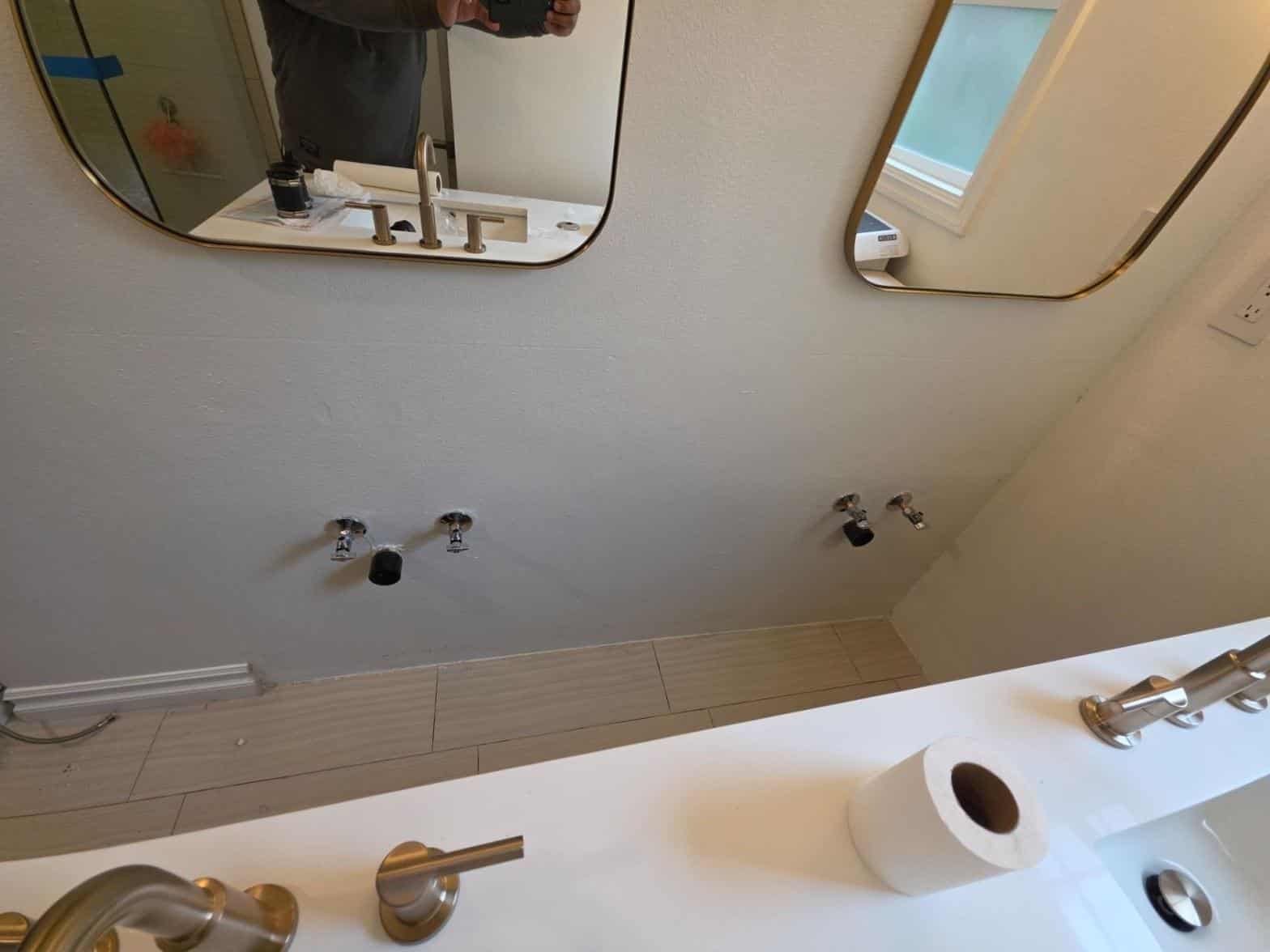
Not every bathroom upgrade adds equal value to your California home. This guide breaks down which remodels pay off, what they cost, and how to maximize your return.
What Is Bathroom Remodel ROI and Why Does It Matter in California?
Bathroom remodel return on investment (ROI) measures how much of your renovation cost you recover when you sell your home. In California’s competitive housing market, this number matters more than almost anywhere else in the country. Home values across Southern California and the greater Los Angeles area are among the highest in the nation, so even a modest percentage gain in resale value can translate to tens of thousands of dollars.
ROI is calculated simply: divide the increase in your home’s sale price by the cost of the renovation. A $20,000 bathroom remodel that adds $14,000 to your sale price delivers a 70% ROI. That is a realistic figure for a well-planned mid-range remodel in California, according to Remodeling Magazine’s annual Cost vs. Value report.
A $20,000 bathroom remodel that adds $14,000 to your sale price delivers a 70% ROI — a realistic figure for a well-planned mid-range remodel in California.
Beyond resale, remodeled bathrooms improve daily comfort, reduce water bills through efficient fixtures, and can attract buyers faster in a competitive market. This bathroom remodel return on investment california guide helps you decide where to spend and where to hold back.
How Much Does a Bathroom Remodel Cost in California?
In the California regional market, a basic bathroom refresh typically runs $8,000 to $15,000, a mid-range remodel lands between $15,000 and $35,000, and a full luxury renovation can reach $50,000 to $80,000 or more. These ranges shift based on bathroom size, the scope of work, material selections, and local labor rates.
Labor costs in California are higher than the national average, often accounting for 40–50% of total project costs. Permits add another layer of expense and time, but they protect you legally and are required for most structural, plumbing, and electrical changes under California’s building code.
| Remodel Tier | Typical CA Cost Range | Common Scope | Estimated ROI |
|---|---|---|---|
| Basic Refresh | $8,000 – $15,000 | New fixtures, paint, vanity, lighting | 65–75% |
| Mid-Range Remodel | $15,000 – $35,000 | New tile, walk-in shower, updated plumbing | 60–70% |
| Luxury Renovation | $50,000 – $80,000+ | Custom tile, heated floors, steam shower, smart features | 45–60% |
Several factors move costs within these ranges:
- Bathroom size: A 50 sq ft half-bath costs far less to tile and plumb than a 120 sq ft primary suite bathroom.
- Layout changes: Moving plumbing or walls adds $2,000 to $10,000 or more to any project.
- Material grade: Porcelain tile runs $3–$8 per square foot; premium stone can exceed $25 per square foot installed.
- Permit fees: California municipalities typically charge $500 to $2,000 for bathroom remodel permits depending on scope.
- Accessibility upgrades: Adding grab bars, a curbless shower, or ADA-compliant features adds cost but expands your buyer pool.
Always request a written, itemized quote before any work begins. Vague estimates lead to budget surprises mid-project.
Which Bathroom Upgrades Give You the Best Return on Investment?
The highest-ROI bathroom upgrades in California are those that appeal to the broadest range of buyers: updated vanities, walk-in showers, low-flow fixtures, and quality tile work. These improvements signal a well-maintained home without over-customizing for a single taste.
Our team has seen walk-in shower conversions rank among the most-requested upgrades on remodeling calls across Southern California, with homeowners frequently citing buyer feedback that a tub-to-shower swap was the deciding factor in their sale.
Top High-ROI Upgrades
- Walk-in shower conversion: Replacing an old tub with a frameless walk-in shower appeals to the 35-and-older buyer demographic and typically costs $4,000 to $12,000 installed.
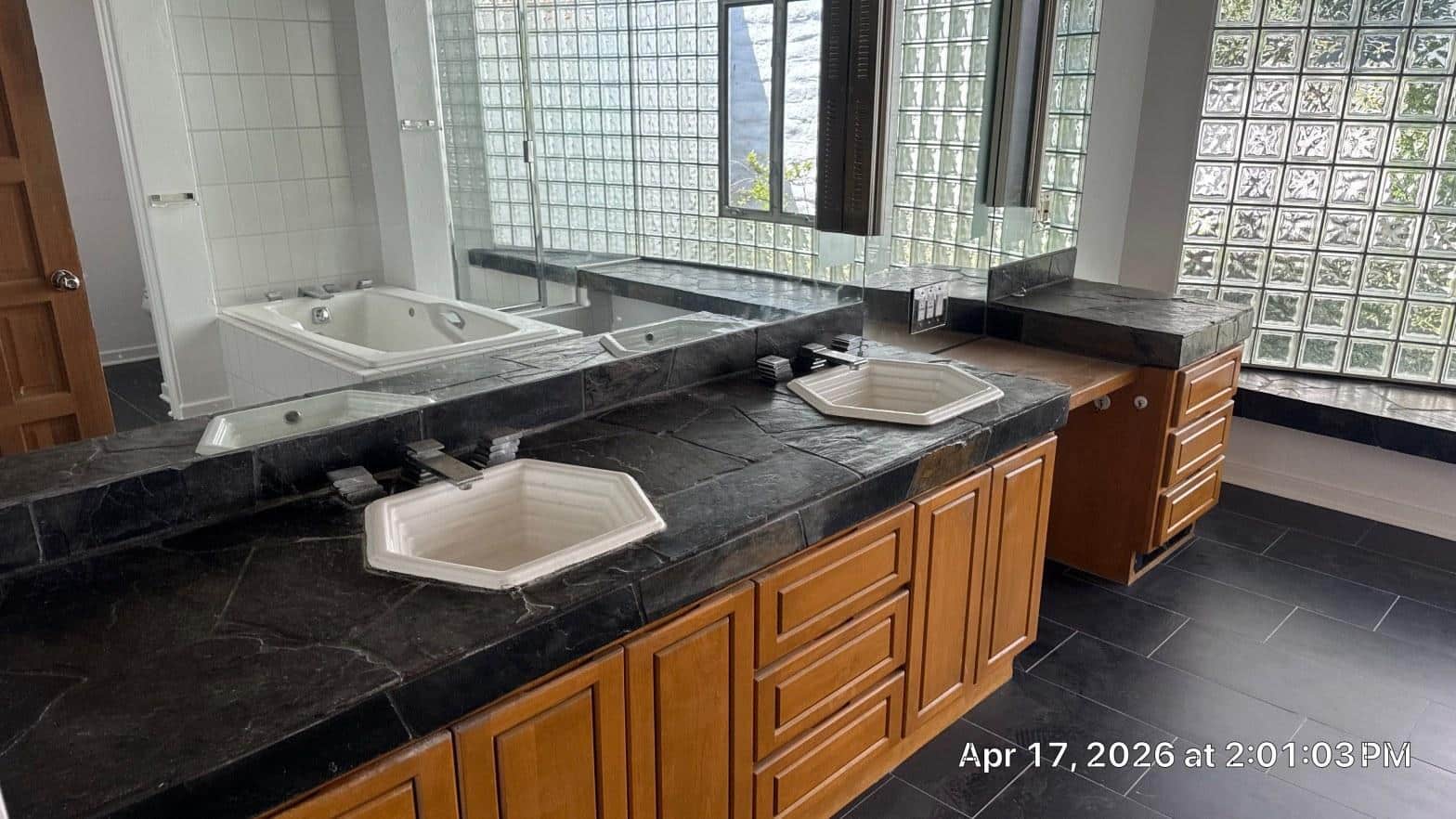
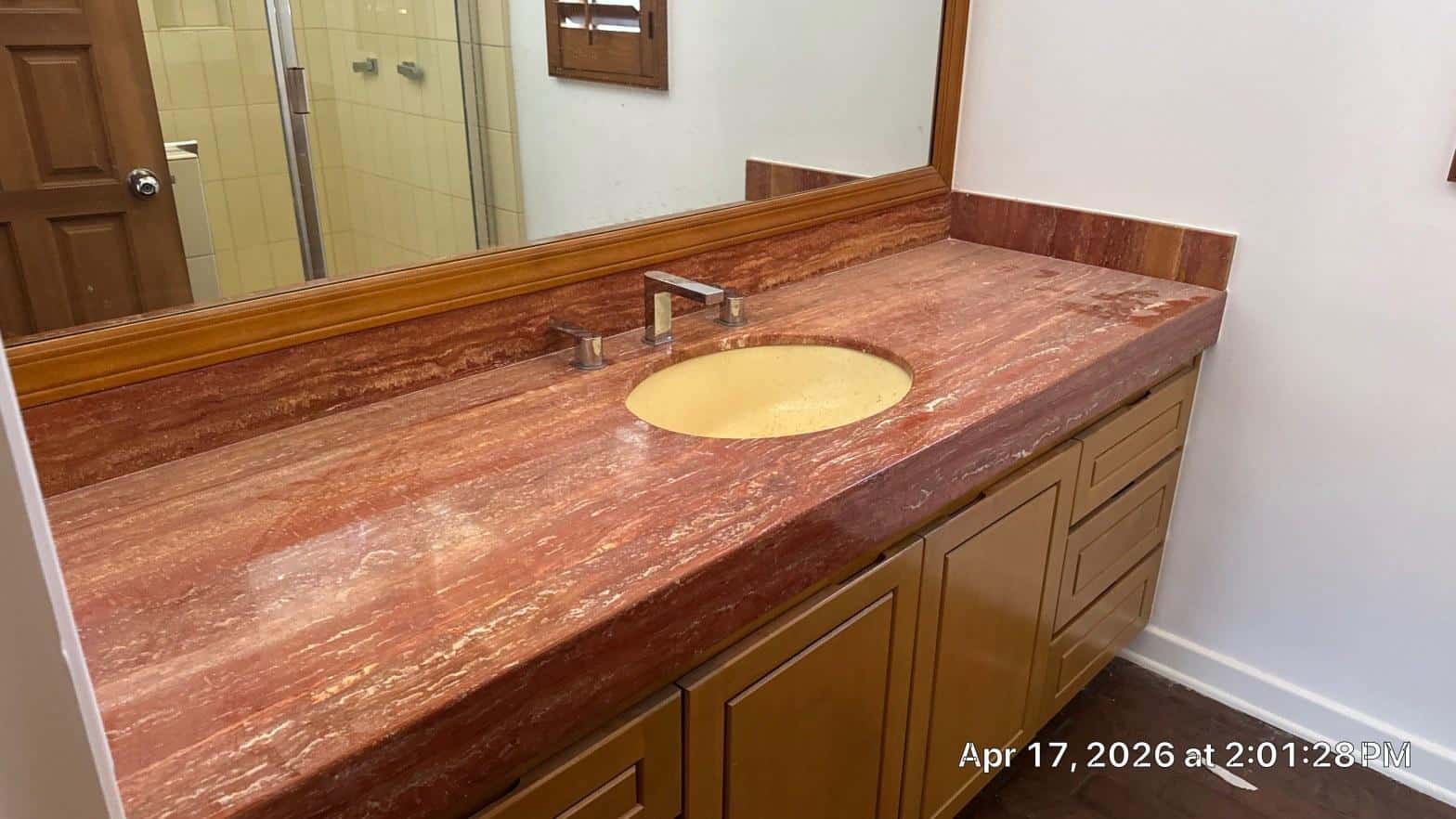
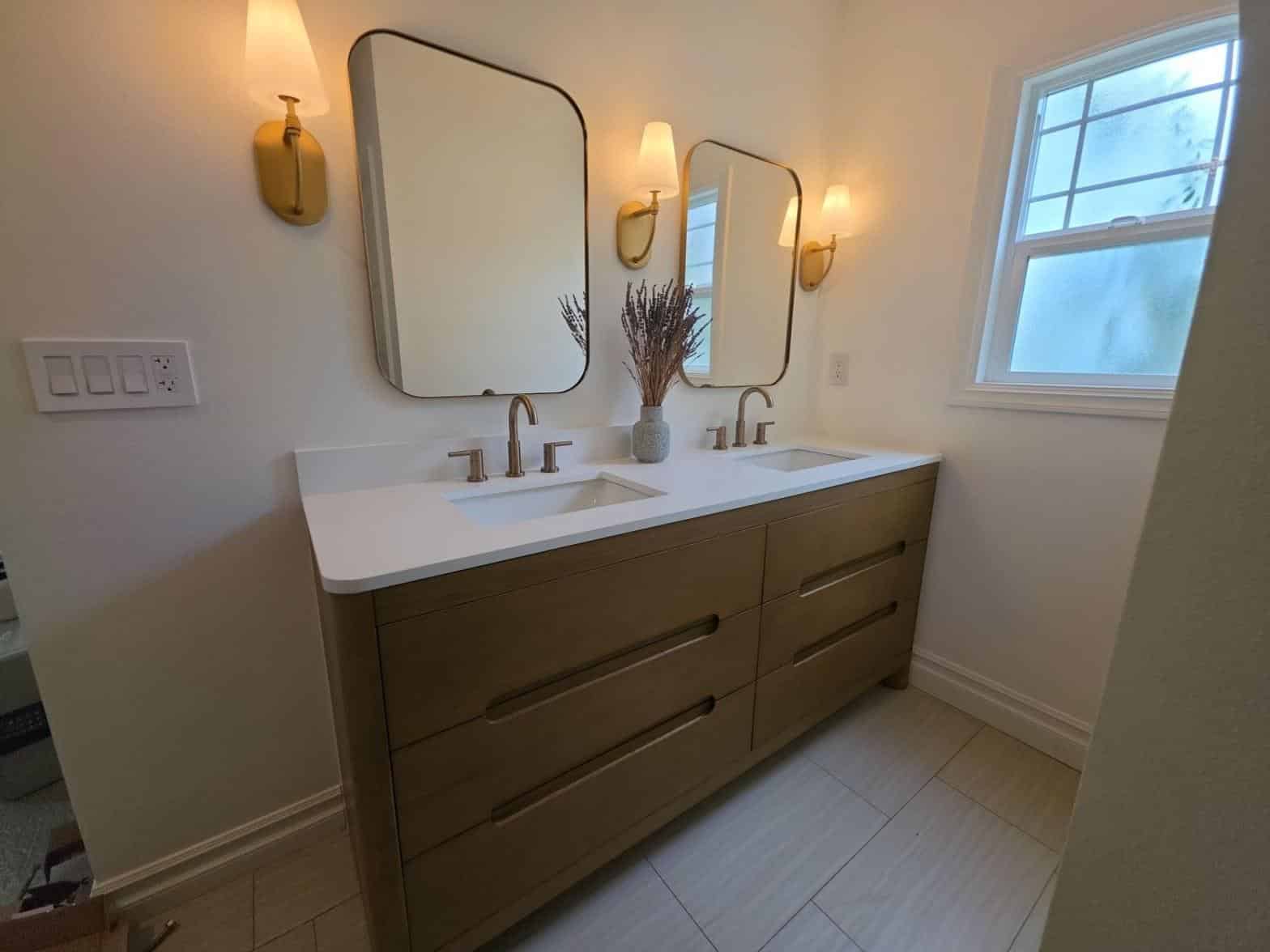
- Vanity and countertop replacement: A double vanity with quartz countertops adds visual impact for $1,500 to $5,000 and is one of the most cost-effective upgrades available.
- Low-flow toilets and fixtures: WaterSense-certified fixtures cut water use by 20% or more, reduce utility bills, and are required in many California new-construction and remodel permits under state water efficiency rules.
- Updated lighting: Replacing a single overhead bulb with layered lighting (vanity strips plus recessed cans) costs $500 to $2,000 and dramatically changes how a bathroom photographs for listings.
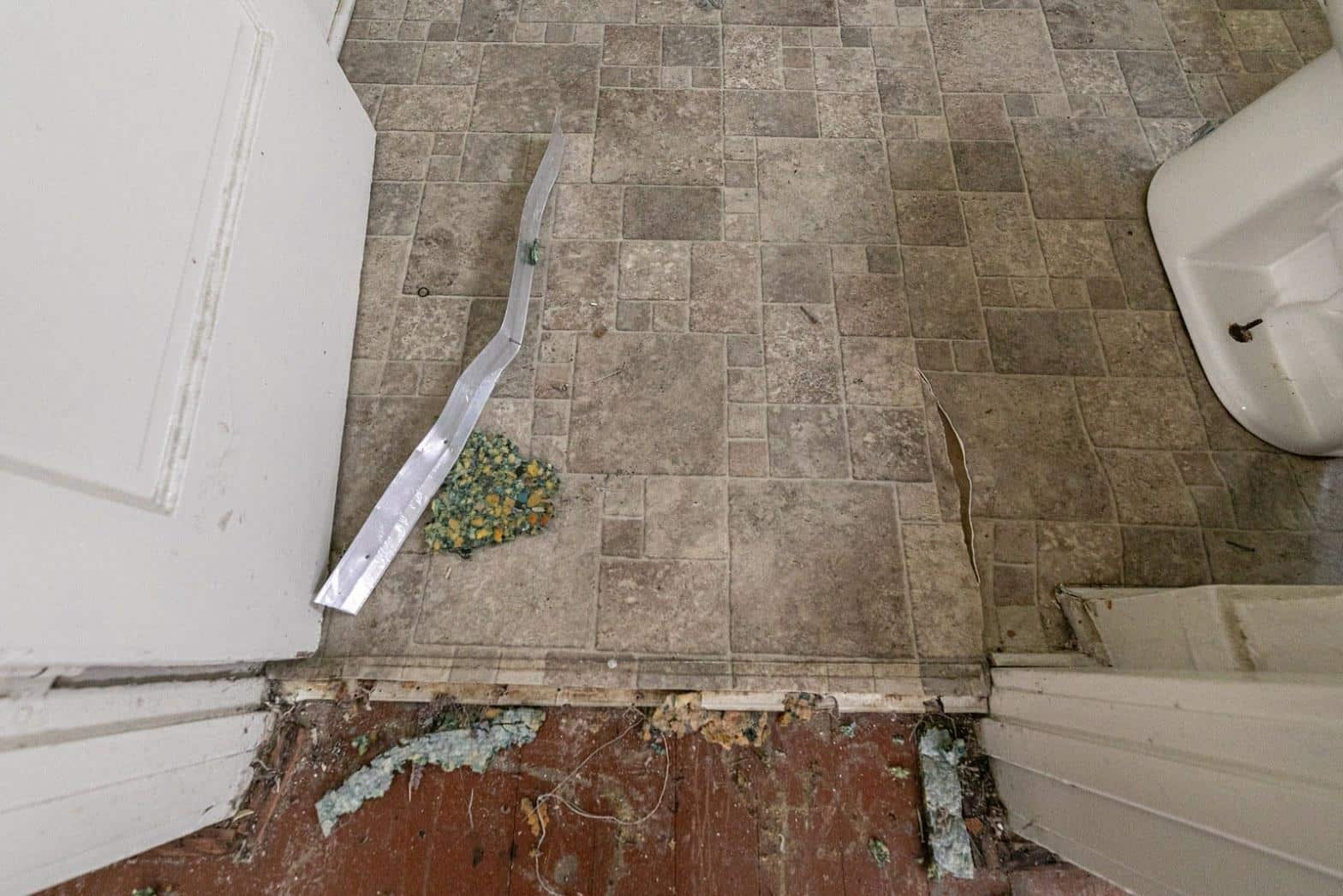
- Tile flooring: Replacing vinyl or dated linoleum with porcelain tile adds durability and perceived value. Budget $1,500 to $4,500 for a standard bathroom floor.
- Storage solutions: Recessed medicine cabinets and built-in niches add function without eating floor space, a key selling point in smaller California homes.
The One Upgrade That Rarely Disappoints
Across California’s housing stock, a clean, neutral, fully tiled shower surround is the single most influential visual element buyers notice in listing photos. Grout that is cracked, stained, or moldy kills buyer interest instantly. Regrouting alone — at $300 to $800 — can deliver outsized impact relative to cost.
Grout that is cracked, stained, or moldy kills buyer interest instantly — regrouting alone at $300 to $800 can deliver outsized impact relative to cost.
Which Upgrades Have Lower ROI and Should You Skip Them?
High-end custom features like heated floors, smart mirrors, steam generators, and designer hardware rarely return their full cost at resale in most California price brackets. These upgrades are worth doing if you plan to stay in the home for 5 or more years, but they should not be the focus of a remodel done primarily for resale.
Avoid these common over-investment traps:
- Luxury soaking tubs: Freestanding soaker tubs are visually appealing but cost $2,000 to $8,000 installed and are used infrequently by most households. Many buyers prefer a shower-only layout.
- Radiant heated floors: A comfort feature that adds $1,500 to $4,000 to a project but rarely shows up as a line item in appraisals.
- Over-the-top tile patterns: Intricate mosaic layouts or bold statement tiles reflect personal taste. Buyers often discount them or plan to replace them.
- Smart toilet seats: Bidet-style smart seats cost $500 to $2,000. They appeal to a specific buyer segment but do not broadly move appraisal value.
- Premium brand fixtures for their own sake: A $900 faucet versus a $200 faucet in the same finish delivers near-identical buyer perception in most mid-range homes.
The rule of thumb: spend where buyers can see it and where it signals quality. Save on the hidden infrastructure unless it is genuinely failing.
How Do California’s Rules and Standards Affect Your Remodel?
California has some of the strictest building and water efficiency standards in the country, and they directly affect what materials you can use, what permits you need, and which products qualify for rebates. Knowing these rules before you start saves time and avoids costly corrections.
Key California-specific factors every homeowner should know:
- California’s Title 24 building energy standards require that any bathroom remodel involving new lighting use LED fixtures that meet minimum efficacy levels. This applies even to cosmetic remodels that touch the electrical system. Details are available from the California Energy Commission.
- Water efficiency mandates: California requires that replaced toilets use no more than 1.28 gallons per flush and that showerheads meet strict flow-rate limits under state plumbing code.
- Permits are not optional: Any work involving plumbing, electrical, or structural changes requires a permit from your local building department. Unpermitted work can delay or kill a home sale in California.
- Federal tax credits: Under the Inflation Reduction Act, homeowners may qualify for federal tax credits on energy-efficient upgrades including qualifying water heaters and ventilation improvements connected to a bathroom remodel. Consult a tax professional for eligibility.
- TECH Clean California and SoCalREN rebate programs may offer rebates on heat pump water heaters and other efficient equipment that pairs with a bathroom renovation.
Working with a contractor who is Licensed by the California Contractors State License Board (CSLB) ensures your remodel meets code, is permitted correctly, and protects you if something goes wrong. You can verify any contractor’s license at cslb.ca.gov.
How Do You Choose the Right Bathroom Remodeling Contractor?
The right bathroom remodeling contractor is licensed, carries general liability and workers’ compensation insurance, pulls permits on your behalf, and provides a written contract before any work starts. In California, hiring an unlicensed contractor voids most legal protections you have as a homeowner.
Across our service calls in Southern California, we find that roughly 1 in 4 homeowners who contact us have already received at least one bid from an unlicensed operator — often identified only after the homeowner asked for the CSLB license number and the contractor could not provide one.
What to Look for in a Bathroom Remodeling Contractor
- Active CSLB license: Verify the license number directly at cslb.ca.gov before signing anything.
- Proof of insurance: Ask for a certificate of general liability (minimum $1 million) and workers’ compensation coverage.
- Itemized written bid: A professional contractor breaks down labor, materials, permit fees, and timeline separately. Lump-sum bids hide cost overruns.
- Permit handling: Your contractor should pull the permit, not ask you to do it. If they ask you to pull it yourself, that is a red flag.
- References and photos: Ask for 2–3 recent bathroom remodel references in your area and photos of completed work.
- Payment schedule: California law limits the initial deposit to 10% of the contract price or $1,000, whichever is less, for home improvement contracts. Never pay more upfront than the law allows.
Questions to Ask Before You Sign
- Who will be on-site daily — your employees or subcontractors?
- How do you handle unexpected issues like mold or rotted subfloor discovered mid-project?
- What is the realistic timeline from permit approval to project completion?
- Do you provide a written warranty on labor?
A mid-range bathroom remodel in California typically takes 2 to 4 weeks from demo to final inspection, assuming no major structural surprises. Luxury remodels with custom tile and specialty fixtures can run 6 to 10 weeks.
Ready to Start Your Bathroom Remodel?
A well-planned bathroom remodel is one of the smartest investments a California homeowner can make — but only when the right upgrades are chosen and the work is done correctly. Cutting corners on permits, materials, or contractor selection erases the ROI advantage before the project is even finished.
Hollywood Contractor Corp helps homeowners across Southern California plan and execute bathroom remodels that deliver real value. Whether you are refreshing a guest bath or fully renovating a primary suite, the team provides written bids, handles permits, and completes work to California code standards.
Call (818) 264-1955 to schedule a consultation and get a written quote for your project. There is no obligation, and every estimate is itemized so you know exactly what you are paying for.
Explore our full range of General Contracting services.
Frequently Asked Questions
How much does a bathroom remodel usually cost in California?
In the California regional market, a basic bathroom refresh typically runs $8,000 to $15,000, while a mid-range remodel lands between $15,000 and $35,000. A full luxury renovation can reach $50,000 to $80,000 or more depending on size, materials, and whether plumbing or walls are moved. Labor alone often accounts for 40–50% of total project cost in California due to higher regional wages.
What is the average return on investment for a bathroom remodel in California?
A mid-range bathroom remodel in California typically returns 60–70% of its cost at resale, according to industry cost-vs-value data. Basic refreshes can return slightly more because they cost less relative to the value they add. Luxury remodels tend to return 45–60% since high-end custom features are difficult to appraise at full replacement cost.
Do I need a permit for a bathroom remodel in California?
Yes, in California any bathroom remodel that involves plumbing changes, electrical work, or structural modifications requires a permit from your local building department. Working without a permit can result in fines and can complicate or even block a future home sale. A licensed contractor should pull the permit on your behalf as part of the project.
Which bathroom upgrades add the most value when selling a home?
Walk-in shower conversions, updated double vanities with stone countertops, low-flow WaterSense fixtures, and quality tile work consistently rank as the highest-return bathroom upgrades for resale. Updated lighting and recessed storage also deliver strong value relative to their cost. Luxury features like heated floors and smart toilets add comfort but rarely recover their full cost at appraisal.
How long does a bathroom remodel take from start to finish?
A mid-range bathroom remodel in California typically takes 2 to 4 weeks from demolition to final inspection, assuming permits are approved and no major hidden issues are found. Luxury remodels involving custom tile, specialty fixtures, or structural changes can run 6 to 10 weeks. Permit approval timelines vary by municipality and can add 1 to 3 weeks before construction begins.