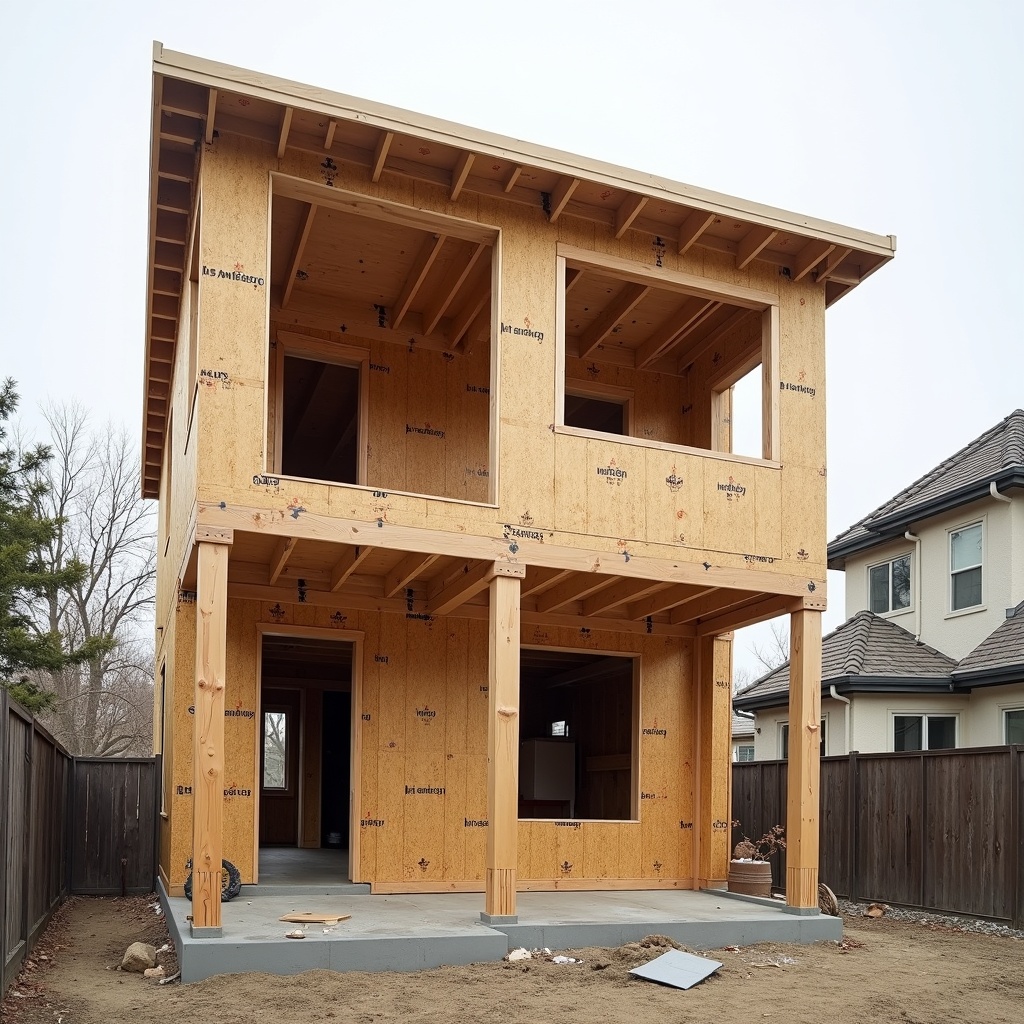
Title 24 Compliance for Home Additions: Navigating California’s Energy Code
A home addition in Pasadena is one of the smartest ways to increase property value and living space—but only if it meets California’s Title 24 energy efficiency standards. Many homeowners discover too late that their addition project triggers mandatory upgrades to insulation, windows, HVAC systems, and water heating, turning a simple expansion into a comprehensive energy modernization. Understanding what Title 24 requires before you break ground determines whether your addition moves smoothly through permitting or stalls at inspection. This guide walks you through the decision framework, mandatory features, compliance pathways, and long-term financial implications so you can plan confidently.
📋 In This Guide
The Title 24 Decision: What Triggers Compliance and Why It Matters
Not every home addition in Pasadena requires the same level of Title 24 compliance. The trigger depends on three factors: the size of your addition, whether it includes new HVAC systems, and whether you’re triggering the “alteration of existing systems” rule.
When Title 24 Applies to Your Addition
If your addition adds more than 500 square feet of conditioned space, Title 24 compliance is non-negotiable. Smaller additions—like a bedroom extension or single-story bump-out under 500 square feet—still require compliance if they include new heating, cooling, or water heating equipment. The more stringent trigger is the “existing building alteration” clause: if your addition requires upgrades to electrical, plumbing, or HVAC in the existing home, the entire affected system must be brought into Title 24 compliance. This is where costs escalate unexpectedly. A homeowner contractor in Pasadena might plan a modest second-story addition only to learn that connecting new HVAC ductwork necessitates upgrading the furnace, air handler, and potentially expanding insulation throughout both old and new sections.
Size and Scope Comparison
The decision between different addition approaches shapes your compliance pathway:
| Addition Type | Square Footage | Title 24 Scope |
|---|---|---|
| Single-story rear extension | 200–400 sq ft | Applies if HVAC upgraded; localized compliance |
| Garage conversion | 300–600 sq ft | Full compliance if >500 sq ft; existing electrical/HVAC integration required |
| Second-story addition | 800–1,200 sq ft | Mandatory full compliance; new HVAC zones; ductwork integration |
| ADU (Accessory Dwelling Unit) | 400–800 sq ft | Full compliance; independent systems or integrated with main home |
In Pasadena’s established neighborhoods like Old Town and the Caltech Area, most homes were built before 2000 when insulation standards were significantly lower. Adding 800 square feet of space means the contractor must often upgrade the primary heating system to handle the new load, automatically triggering full-house energy audits and compliance measures.
Mandatory Title 24 Requirements for Additions
Title 24’s 2023 update tightened requirements substantially. Your addition must meet these baselines or face permit rejection and inspection failure.
Insulation and Thermal Envelope
Wall insulation in your addition must reach R-19 minimum (R-21 in cooler zones), and ceiling or roof insulation requires R-38 to R-49 depending on your location within Pasadena’s climate zone. Pasadena falls primarily in Climate Zone 8 (coastal areas with mild winters and cool summers), but Madison Heights and San Rafael neighborhoods lean toward Zone 8 with slight variations. The thermal envelope—the continuous layer separating conditioned from unconditioned space—must be airtight. Common failures occur at rim joists, band boards, and window headers where contractors rush installation without sealing gaps. If your addition includes a basement or crawl space, those areas need R-15 insulation and moisture barriers.
Windows, Doors, and Solar Heat Gain
New windows must achieve a U-factor of 0.30 or lower (measuring heat loss) and an SHGC (Solar Heat Gain Coefficient) of 0.23 or lower (controlling summer heat gain). Pasadena’s Mediterranean climate means summer cooling costs are significant; the SHGC requirement prevents excessive solar gain through south and west-facing glazing. External doors require U-factors of 0.32 or lower. Skylights, which are popular in second-story Pasadena additions, must meet U-0.27 and SHGC 0.20 thresholds. Many homeowners select windows based on aesthetics or brand reputation without checking these specifications; your local remodeling company in Pasadena should verify every window and door meets spec before installation.
Lighting and Electrical Systems
All permanently installed lighting in the addition must use LED technology. This includes interior ceiling fixtures, wall sconces, bathrooms, closets, and exterior porch/entry lights. Recessed lighting is a common culprit for compliance failures—many contractors install non-LED recessed cans without realizing Title 24 mandates LED here too. If your addition includes a new HVAC system, it must have controls that allow independent thermostat operation in the new zone. Smart thermostats are not required but are strongly recommended for long-term energy optimization.
Water Heating and Solar Readiness
New water heaters in additions must meet Title 24 efficiency standards. Tankless water heaters are common in modern Pasadena renovations and typically exceed minimum requirements, but tank-type heaters must achieve specific Energy Factor ratings. For additions over 1,000 square feet, Title 24 now requires roof-ready framing for future solar panel installation, even if you don’t install panels immediately. This framing adds minimal cost upfront but positions your home for solar integration later, aligning with California’s push toward all-electric and renewable-energy homes.
HERS Testing, Documentation, and Permit Approval
Compliance isn’t just about installing the right components—you must prove it through HERS (Home Energy Rating System) testing and detailed documentation.
What HERS Raters Do
A HERS rater is a third-party certified professional who conducts blower-door tests to measure air leakage, verifies insulation levels and installation quality, inspects ductwork for leaks, and confirms all mechanical systems are properly sized and commissioned. The rater generates a HERS Score—a numeric rating of your home’s energy performance compared to a baseline. Your addition and integrated existing systems must score within acceptable ranges. Pasadena’s Building and Safety Department requires HERS verification before final certificate of occupancy is issued. Many contractors underestimate the importance of working closely with HERS raters during construction, not just at final inspection. A mid-project consultation can catch insulation voids or ductwork installation issues before they’re sealed and hidden.
Common Inspection Failures and How to Avoid Them
The most frequent Title 24 violations in Pasadena additions include: inadequate insulation in exterior walls (especially at corners and around windows), thermal bridging at metal studs or uninsulated headers, air leaks around electrical outlets and switch boxes in the thermal envelope, ductwork that bypasses insulated cavities, mismatched window specifications between rooms, and missing air sealing around the addition’s perimeter where it meets existing framing. LED bulbs installed in non-compliant fixtures (standard incandescent-rated cans) also fail. Coordinate with your contractor to schedule pre-inspection walkthroughs with the HERS rater so adjustments can be made before the official inspection.
Climate Zone Variations and the 2023 Title 24 Update
California’s climate zones have profound effects on specific energy requirements. Pasadena straddles Climate Zone 8 (the coastal zone with marine influence) and approaches Zone 9 (inland transitional areas) in San Rafael. Zone 8 prioritizes cooling efficiency and SHGC compliance because summer peaks are moderate but persistent. Winter heating loads are light, so the emphasis falls on preventing unwanted solar gain and reducing infiltration.
The 2023 Title 24 update raised insulation R-values for walls by 2 points in most zones, added mandatory commissioning (a formal startup and verification process) for all HVAC systems in additions over 500 square feet, and expanded the solar-readiness requirement to all additions over 1,000 square feet. It also introduced stricter duct-sealing requirements (ductwork must be sealed and tested to confirm <5% leakage) and mandated aerosol sealants or non-aerosol tape rather than traditional duct sealant alone. These updates are recent enough that some contractors still rely on 2022 practices; ensure your contractor is trained on 2023 standards before contract signing.
Cost Implications, ROI, and Long-Term Energy Savings
Title 24 compliance typically adds 5–8% to an addition’s total project budget. For a $400,000 second-story addition in Pasadena, expect an incremental cost of $20,000–$32,000 specifically for Title 24 measures: upgraded insulation, high-performance windows, HERS testing, LED fixtures, and system commissioning. This upfront investment delivers measurable returns through reduced utility bills, improved comfort, and increased home value in Pasadena’s $1-million-plus median market.
Energy savings over 10 years typically offset 40–60% of the compliance costs through lower heating and cooling bills. A home with proper insulation, high-performance windows, and optimized HVAC control can reduce HVAC energy use by 15–25% compared to a code-minimum addition. Pasadena homeowners, many of whom stay in their homes for 15+ years, benefit substantially from this front-loaded investment. Additionally, homes with documented Title 24 compliance and HERS certification appeal to informed buyers and appraisers—compliance is no longer a grudging requirement but a selling point in the premium residential market.
If your addition includes solar-ready framing or you install solar panels during the project, additional incentives may apply through California’s NSHP (New Solar Homes Partnership) program, though details change annually. Contact our Pasadena remodeling team to discuss current solar integration options for your specific addition plan.
Strategies for Exceeding Minimum Compliance
Smart homeowners don’t stop at Title 24’s floor—they exceed it to maximize comfort and future-proof their homes. Installing triple-glazed windows (U-factor 0.20) instead of dual-pane (0.30) costs more upfront but delivers superior thermal comfort and dramatic noise reduction, valuable in established Pasadena neighborhoods near the Rose Bowl. Specifying R-21 walls instead of minimum R-19, R-49 ceilings instead of R-38, and rigid foam exterior sheathing creates a superinsulated envelope that reduces HVAC runtime and indoor temperature swings.
Commissioning your HVAC system beyond Title 24’s minimum requirement—including duct sealing, blower-door testing, and thermostat programming optimization—ensures the system performs as designed throughout its lifecycle. Many contractors and homeowners skip this step, leaving energy savings on the table. Working with an experienced home contractor in Pasadena means you have a partner who understands not just code minimum but best practices that deliver superior long-term performance.
For larger additions or homes targeting high energy performance, consider pursuing energy ratings above Title 24 minimum (ENERGY STAR Home certification, net-zero readiness, or passive house principles). Pasadena’s real estate market increasingly rewards these investments; homes marketed as high-performance additions with documented HERS scores outpace conventional resale value growth.
If you’re ready to plan a Title 24-compliant addition that balances code requirements with smart long-term investment, contact Hollywood Contractor Corp at (818) 264-1955 for a comprehensive consultation. Our team specializes in navigating Pasadena’s specific climate zone, recent code updates, and permitting requirements. We’ll guide you through the decision framework, explain compliance pathways, and ensure your addition delivers both immediate livability and lasting energy efficiency. Reach out today to discuss your addition project.

Adolfo Ramos is the owner and founder of Hollywood Contractor Corp, serving the San Fernando Valley with comprehensive remodeling and roofing services. With over fifteen years of hands-on construction experience, he has built a reputation for quality craftsmanship and reliable service throughout Burbank, La Crescenta, Pasadena, and North Hollywood. Adolfo takes pride in transforming homes while maintaining the highest standards of safety and customer satisfaction.
❓ Frequently Asked Questions
Does my Pasadena home addition need Title 24 compliance?
Yes, if your addition is over 500 square feet or includes new HVAC, water heating, or electrical systems, Title 24 compliance is mandatory. Even smaller additions require compliance if they trigger upgrades to existing systems. Contact Hollywood Contractor Corp at (818) 264-1955 to assess your specific project scope.
What is a HERS test and why is it required?
A HERS (Home Energy Rating System) test is a third-party inspection and blower-door test that verifies your addition meets Title 24 standards for insulation, air sealing, ductwork, and mechanical systems. Pasadena's Building and Safety Department requires HERS certification before final permit approval and certificate of occupancy are issued.
How much does Title 24 compliance add to an addition project?
Title 24 compliance typically adds 5–8% to your total project budget, primarily for upgraded insulation, high-performance windows, LED fixtures, and HERS testing. For a $400,000 addition, expect an incremental cost in the $20,000–$32,000 range, offset by long-term energy savings over 10+ years.
What are the most common Title 24 inspection failures in Pasadena additions?
Common failures include inadequate wall insulation, air leaks around windows and electrical outlets, ductwork installed outside insulated cavities, mismatched window U-factors, and non-LED bulbs in fixtures. Pre-inspection walkthroughs with a HERS rater during construction prevent most failures.
📖 More Tips for Pasadena
-
 Bathroom Ventilation & Moisture Control in Pasadena
Proper bathroom ventilation protects Pasadena homes from costly mold damage and code violations. Learn CFM sizing, humidity controls,…
-
 Slab Leaks & Foundation Damage: Pasadena's Urgency Timeline
Hidden slab leaks beneath Pasadena foundations trigger catastrophic structural damage within 2–4 months if left unrepaired. Understanding the…
-

-
 Kitchen Remodel Cost Guide: Pasadena Homeowner FAQ
Discover what Pasadena homeowners get wrong about kitchen remodeling budgets and learn the real costs behind cabinets, countertops,…