Kitchen Remodel Cost Guide: Pasadena Homeowner FAQ
What Most Pasadena Homeowners Get Wrong About Kitchen Remodeling Budgets
The most dangerous misconception about kitchen remodeling costs? That the sticker price is the total price. In Pasadena’s unique housing market — where million-dollar homes meet middle-income budgets — too many homeowners assume their contractor’s estimate includes everything. It doesn’t. Hidden costs like California building permits, countertop templating fees, appliance delivery charges, and post-construction cleanup often add 15-25% to your final bill. Even more surprising: the biggest expense isn’t what most people think.
📋 In This Guide
This comprehensive guide answers the real questions Pasadena homeowners ask when planning a kitchen renovation in 2026. Rather than generic advice, you’ll find California-specific permit requirements, coastal pricing factors, and budget strategies that work in neighborhoods from Old Town to Madison Heights. Whether you’re updating a 1920s Craftsman bungalow or modernizing a mid-century ranch, understanding these cost realities protects your investment and prevents financial surprises mid-project.
How Much Should I Budget for a Complete Kitchen Remodel in Pasadena?
The answer depends entirely on your project scope, but most major kitchen remodels will take 90-120 days to complete if contractor(s) and product are all aligned, and the financial commitment scales accordingly. For Pasadena homeowners in 2026, three distinct budget tiers have emerged based on thousands of completed projects across the San Gabriel Valley.
A basic refresh focusing on cosmetic updates — cabinet refacing, laminate countertops, and builder-grade appliances — represents the entry point. This approach works well for rental properties or homes where you’re maximizing return on minimal investment. Many Pasadena homeowners are currently opting for “Minor Kitchen Remodels” (such as cabinet refacing and countertop replacement). This approach offers a high Return on Investment (ROI) and can often be completed for a fraction of the cost of a full demolition.
A mid-range renovation includes new semi-custom cabinets, quartz or granite countertops, mid-tier appliances from brands like Whirlpool or KitchenAid, and updated lighting. This tier represents what most Pasadena families choose when balancing quality with fiscal responsibility. The moderate approach delivers professional results without luxury pricing.
A luxury transformation features custom cabinetry with specialty finishes, premium stone countertops (exotic granite, quartzite, or marble), professional-grade appliances, and high-end fixtures. In Pasadena’s Caltech Area and San Rafael neighborhoods, where median home values exceed $1.5 million, these investments align with property value and buyer expectations.
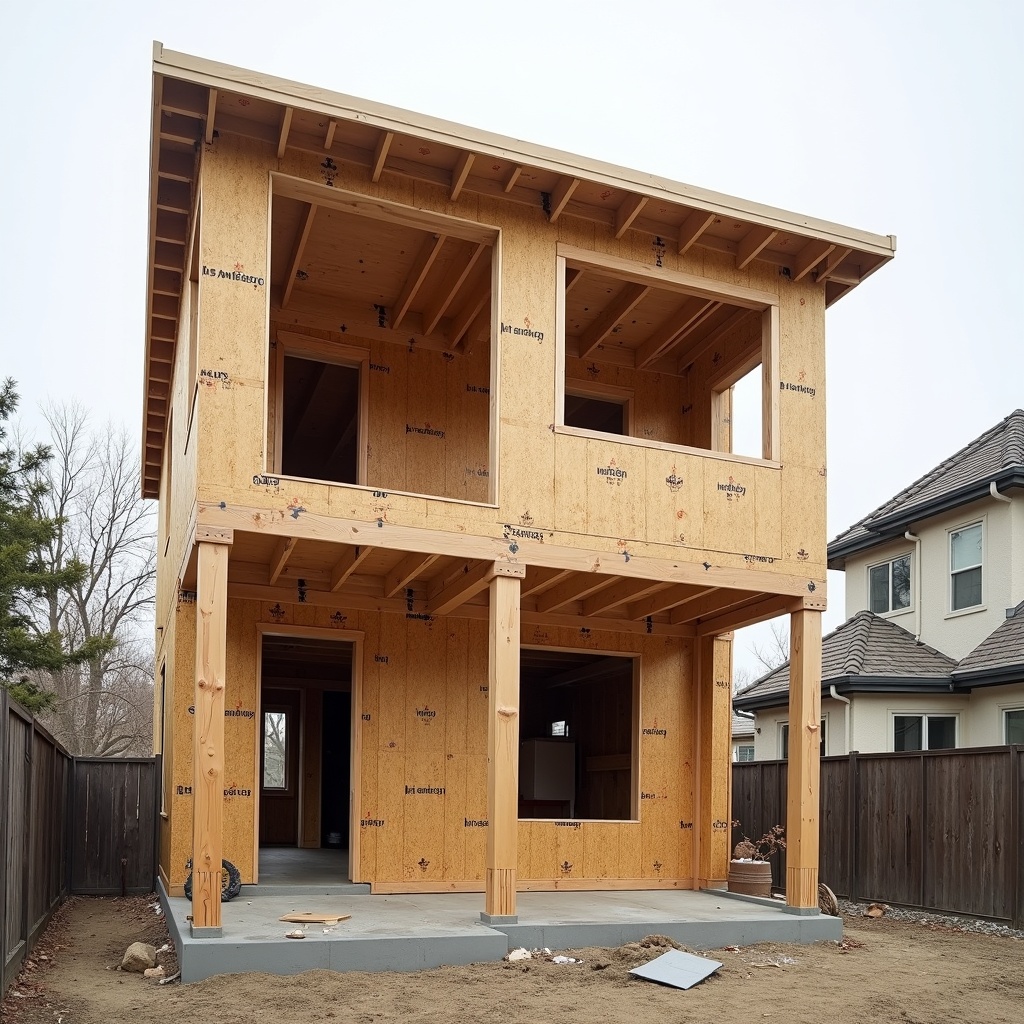
Your kitchen’s square footage directly impacts material quantities and labor hours. Layout changes requiring plumbing or electrical relocation add substantial costs. Structural work — removing walls, adding windows, or reinforcing floors for heavy stone counters — requires engineering plans and permits. For accurate project scoping, consult a home remodeling contractor familiar with Pasadena’s building department requirements.
What Do Kitchen Cabinets Actually Cost, and Why Are They So Expensive?
Cabinets consume the largest share of any kitchen budget — typically 30-40% of total project costs. This isn’t contractor markup; it’s material reality. Understanding cabinet construction explains the pricing structure and helps you make informed decisions about where to invest and where to save.
Plywood deserves serious consideration in any cabinet material comparison. This engineered wood combines multiple thin wood layers glued together with alternating grain directions, creating impressive strength and stability. Unlike solid wood, plywood won’t warp or crack as easily because the cross-grain construction counteracts natural wood movement. Plywood cabinets offer excellent durability at moderate pricing, making them the sweet spot for many Pasadena renovations.
MDF is one of the most popular cabinet materials thanks to its smooth surface and excellent paintability. It is denser and stronger than particleboard. It does not crack or split easily and maintains stability despite changes in temperature. For painted finishes — especially the warm neutrals and matte colors trending in 2026 Pasadena kitchens — MDF delivers flawless results at accessible pricing.
Solid wood cabinets in oak, maple, cherry, or walnut represent the premium tier. Made Of: Oak, maple, cherry, and hickory as single, unbroken pieces of natural wood. Pros: Hardwood cabinets are durable, long-lasting, and can withstand heavy use. Solid wood allows for beautiful staining, showcases natural grain patterns, and can be refinished multiple times over decades — a worthwhile investment in high-value Pasadena homes.
Cabinet door style significantly impacts pricing. Simple shaker-style doors cost less than intricate raised-panel or beaded-inset designs. Hardware quality matters: soft-close hinges and full-extension drawer glides add comfort and longevity. Custom sizing for oddly-shaped spaces or ceiling-height cabinets increases fabrication costs but maximizes storage in Pasadena’s older homes with unique layouts.
| Cabinet Type | Construction | Best For | Lifespan |
|---|---|---|---|
| Stock Cabinets | Particleboard/MDF, limited sizes | Rental properties, tight budgets | 10-15 years |
| Semi-Custom Cabinets | Plywood box, multiple door styles | Most Pasadena remodels | 20-25 years |
| Custom Cabinets | Solid wood/premium plywood, any size | High-end homes, unique layouts | 30+ years |
Quartz vs. Granite: Which Countertop Material Makes Sense for Your Budget?
Countertop selection represents your second-largest kitchen expense, and the quartz-versus-granite debate confuses many Pasadena homeowners. Both materials deliver beauty and durability, but their maintenance requirements, heat tolerance, and cost structures differ significantly.
Quartz is incredibly durable and doesn’t require sealing, thanks to its non-porous surface. This engineered stone combines crushed natural quartz with resin binders, creating consistent color and pattern. For busy Pasadena families, the maintenance-free appeal outweighs other considerations. Spilled wine, olive oil, and tomato sauce wipe away without staining — a major advantage in working kitchens.
A granite countertop is solid and extremely heavy, making it highly resistant to scratches and heat. For example, you can place hot pots and pans directly on granite counters without worrying about causing any heat damage or thermal shock. This heat resistance matters enormously if you cook frequently or prefer natural stone aesthetics. However, Regular sealing—usually once a year—is essential to protect its surface, adding ongoing maintenance to your ownership cost.
Stains: Quartz wins. Coffee, wine, or oil wipe right off. Granite can stain if it’s not sealed. Everyday wear: Both hold up well to knives, spills, and family life, but quartz edges out granite by being more resistant to chips and scratches.
Installation complexity affects your bottom line. Both materials require professional templating — measuring your exact cabinet configuration after installation — followed by fabrication at an off-site facility. Stone countertop fabricators typically take a week from when the cabinets are installed to template your new countertops, and then another week to schedule your installation. This timeline can vary based on what material you choose and the current workload of the fabricator. This two-week lag must be factored into your kitchen remodel timeline and temporary living arrangements.
Edge profiles add cost but dramatically impact aesthetics. Simple eased or beveled edges represent the base price. Decorative edges — ogee, waterfall, or dupont — require additional fabrication time and increase material waste, raising your total investment. In Pasadena’s historic neighborhoods, these details distinguish professional renovations from basic updates.
Alternative Countertop Materials Worth Considering
Laminate countertops have evolved dramatically from 1980s stereotypes. Modern laminates convincingly mimic stone, concrete, and wood at a fraction of the cost. High-pressure laminates resist scratches and heat reasonably well, making them viable for budget-conscious renovations or rental properties.
Butcher block countertops create warmth and work beautifully for islands or prep areas. The natural wood requires regular oiling and doesn’t tolerate standing water near sinks, but the aesthetic appeal suits Pasadena’s Craftsman and farmhouse-style homes. Sustainable sourcing aligns with California’s environmental values.
Recycled glass countertops offer unique visual interest while supporting eco-friendly design principles. These surfaces combine post-consumer glass fragments with resin or cement binders. The result? Many residents in Altadena and South Pasadena are opting for recycled glass countertops. These surfaces offer a unique, mosaic-like aesthetic that is as durable as granite but far more sustainable.
What Permits Do I Need, and How Do They Affect My Kitchen Remodel Budget?
California building codes protect homeowner safety and property value, but navigating permit requirements bewilders many Pasadena residents. Understanding which renovations trigger permits — and the associated costs and timelines — prevents expensive surprises and legal complications.
The City of Pasadena Building & Safety Division typically requires permits for structural, electrical, or plumbing changes. If you are doing a “pull-and-replace” (keeping the layout the same), the process is much faster. This distinction matters enormously. Swapping old cabinets for new ones in identical positions often requires only basic permits. Moving your sink location, relocating gas lines, or adding new electrical circuits triggers comprehensive permit reviews and inspections.
Most kitchen remodels will require a permit, especially if multiple trades are involved. If you’re just updating finishes (like new kitchen cabinets, flooring, or paint), no permit is needed. The gray area confuses homeowners: what constitutes “just finishes” versus structural work? Professional contractors familiar with Pasadena’s building department clarify these boundaries before demolition begins.
Any changes to your kitchen’s heating, ventilation, or cooling systems require permits in California. Installing range hoods with external venting, adding heating elements, or modifying mechanical systems all need approval from local authorities. That beautiful professional range hood you’ve been coveting? It likely requires both electrical and mechanical permits, plus inspections verifying proper venting to building exterior.
Permit costs vary based on project valuation — the estimated cost of labor and materials. Electrical permits, plumbing permits, and mechanical permits stack independently. A comprehensive kitchen renovation touching all three systems requires multiple permit applications and inspection schedules. This adds both direct costs (permit fees) and indirect costs (project timeline extensions while waiting for inspections).
Working without required permits creates serious problems. Unpermitted work can become a major issue when selling your home. Buyers and lenders may require proof that renovations were approved and inspected. Missing permits can lower property value, delay closing, or require retroactive permits and repairs. In Pasadena’s competitive real estate market, unpermitted work tanks property value and scares sophisticated buyers.
Partner with a licensed remodeling contractor in Pasadena who handles permit applications, coordinates inspections, and ensures code compliance throughout your project. Their expertise navigates bureaucratic complexity while you focus on design decisions.
How Should I Budget for Appliances in My Kitchen Remodel?
Appliance selection spans enormous price ranges, from basic builder-grade equipment to professional chef-worthy installations. Understanding what drives appliance costs — and where to prioritize your budget — prevents both overspending and disappointing performance.
Energy efficiency directly impacts operating costs over your appliance lifespan. Modern energy-efficient kitchen appliances are now standard in high-end Pasadena homes. From AI-monitored refrigerators that reduce food waste to ultra-quiet dishwashers that use 30% less water, the ROI on these units is seen both in utility bills and property value. California’s hot, dry climate makes energy-efficient cooling particularly valuable, and Southern California Edison’s rebate programs offset initial costs.
Appliance packages offer savings when purchasing coordinated refrigerator, range, dishwasher, and microwave from single manufacturers. Matching finishes — stainless steel, black stainless, or integrated panel-ready — create cohesive design while bulk purchasing discounts reduce total cost. However, don’t sacrifice performance for package deals; mixing brands to get best-in-class for each appliance category often delivers better long-term value.
Delivery and installation fees aren’t included in advertised appliance prices. Professional installation for gas ranges requires licensed plumbers to connect fuel lines. Built-in refrigerators need custom cabinetry panels and professional integration. Dishwashers require both plumbing and electrical hookups. Factor these professional services into your appliance budget from the outset.
Lead times for appliances wildly fluctuate based on brand, finish, and supply chain conditions. If your preferred materials aren’t available, this could also extend the timeline. The U.S. also continues to deal with a shortage of truck drivers. The American Journal of Transportation reported that trucking employment started declining year over year in June 2023, and it’s still declining today. Order appliances early in your renovation timeline — ideally before demolition — to avoid construction delays waiting for delivery.
For comprehensive kitchen planning that coordinates cabinetry, countertops, and appliances into cohesive designs, explore kitchen remodeling strategies that maximize both aesthetics and functionality.
What Hidden Costs Should Pasadena Homeowners Expect During Kitchen Renovations?
The gap between estimated budgets and final invoices devastates unprepared homeowners. These “hidden” costs aren’t contractor deception — they’re predictable expenses that incomplete planning fails to address. Anticipating these additions protects your financial position and prevents mid-project panic.
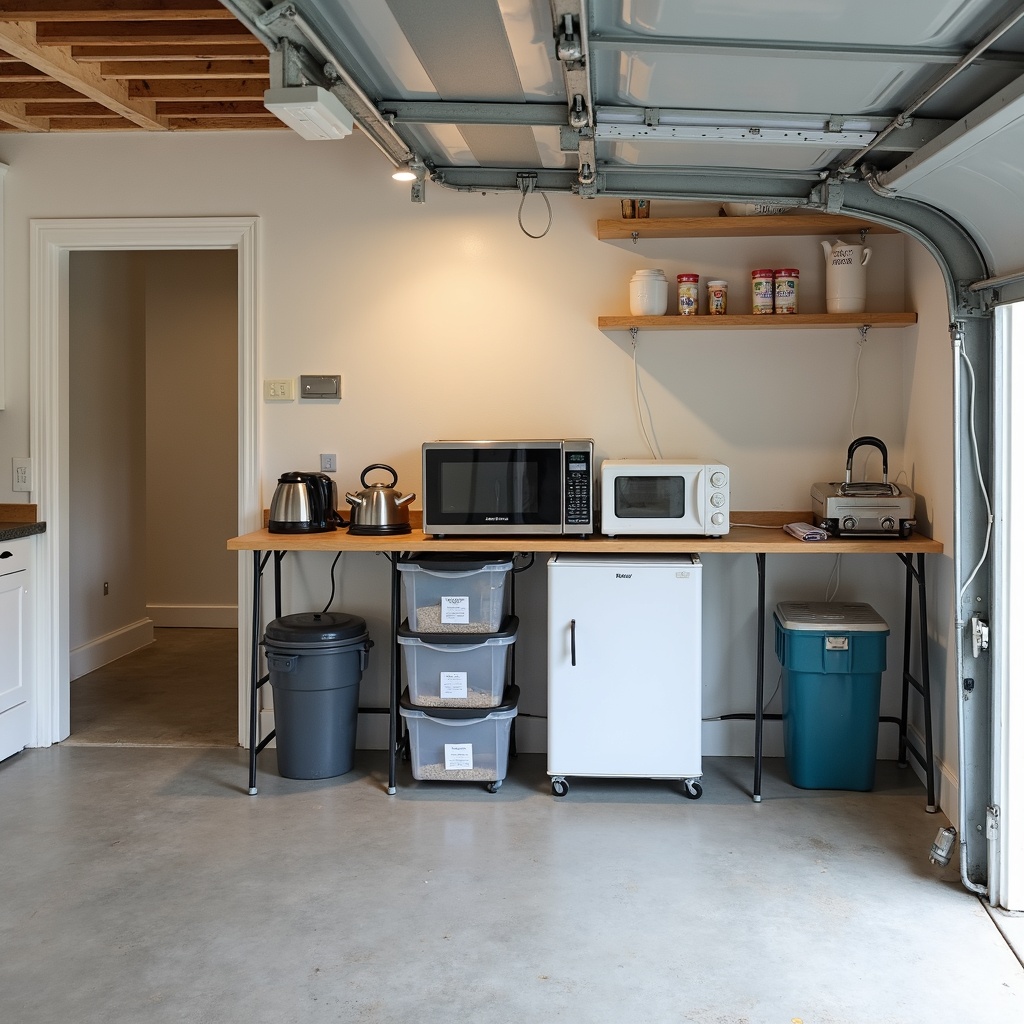
Temporary kitchen setup costs accumulate quickly during 8-12 week renovations. You’ll need alternative cooking arrangements: microwave, hot plate, mini-fridge, paper plates, and dining out expenses. For Pasadena families used to home cooking, restaurant meals for three months substantially impact budgets. Setting up a functional temporary kitchen in your garage, dining room, or patio minimizes lifestyle disruption and food costs.
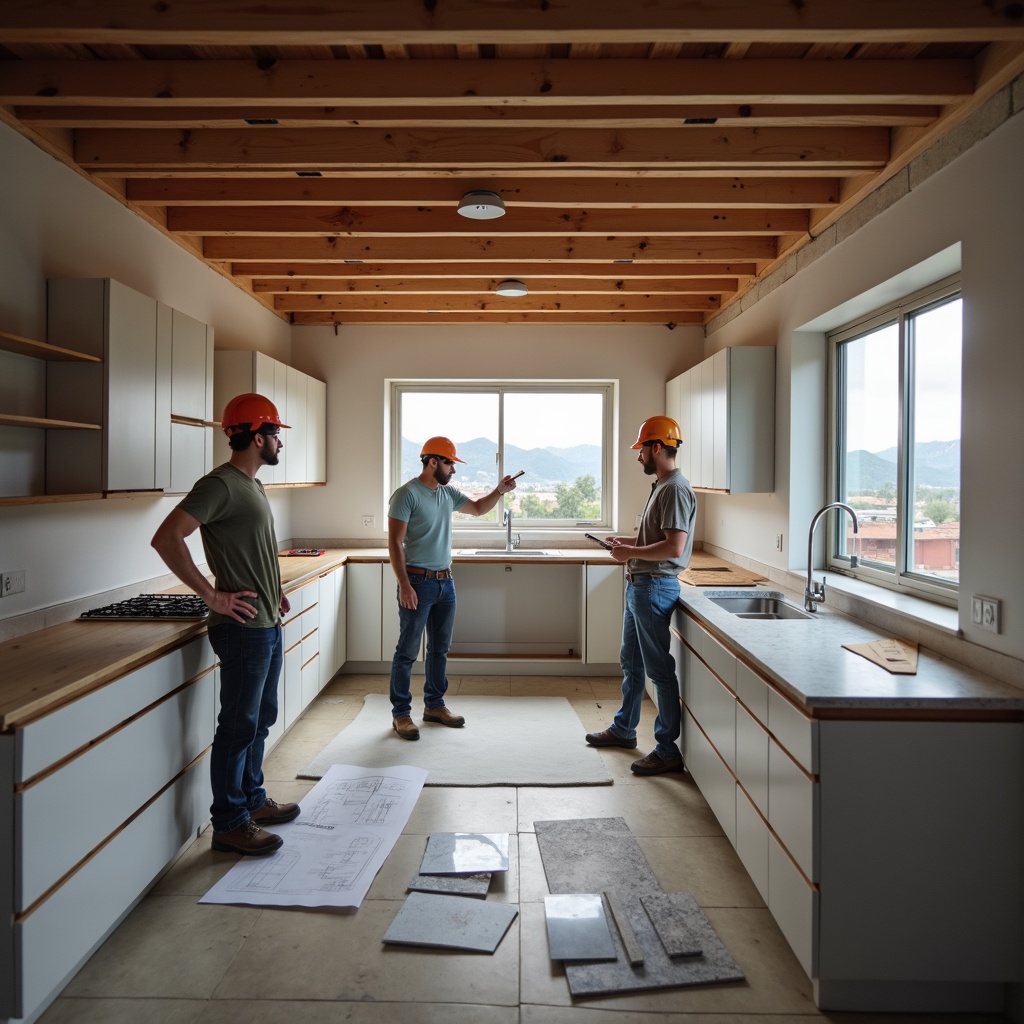
Structural surprises emerge once walls open during demolition. Water damage from slow leaks, outdated wiring requiring full electrical panel upgrades to current code, or termite damage in wall studs — these discoveries demand immediate remediation. California’s stringent building codes require bringing exposed systems to current standards, even if you only intended cosmetic updates. Smart contractors include 10-15% contingency budgets for exactly these scenarios.
Disposal and cleanup fees cover dumpster rental, debris hauling, and final cleaning. Demolishing cabinets, countertops, and flooring generates substantial waste requiring proper disposal. Pasadena’s waste management regulations prohibit curbside disposal of construction debris. Professional hauling services charge by weight and volume, with costs varying based on materials (heavy tile and concrete cost more than lightweight cabinets).
Design services and project management represent professional expertise that prevents costly mistakes. Experienced kitchen designers optimize layouts, prevent proportion problems, and coordinate finishes into cohesive aesthetics. Project managers schedule subcontractors, order materials with appropriate lead times, and troubleshoot problems before they derail timelines. This expertise costs money upfront but saves multiples on backend corrections.
Fixture and finish upgrades tempt homeowners once they see base options in person. The standard faucet looks cheap compared to the commercial-style option. Basic cabinet hardware feels flimsy next to solid brass. Contractor-grade paint seems dull against designer colors. These small upgrades — $50 here, $200 there — accumulate into thousands. Define your must-haves versus nice-to-haves before shopping to maintain budget discipline.
Older Pasadena homes in neighborhoods like Old Town and Madison Heights present unique challenges. Plaster walls, outdated electrical service, and non-standard dimensions require experienced contractors familiar with historic renovation. Attempting to apply cookie-cutter solutions to 1920s Craftsman bungalows creates expensive problems. Partner with a general contractor experienced in period-appropriate renovations who anticipates these complications.
How Do I Get the Most Value From My Kitchen Remodeling Investment?
Kitchen renovations rank among the highest ROI home improvements, but smart planning maximizes your return while poor decisions destroy value. Understanding what buyers value — and what they ignore — focuses your budget on improvements that pay back at resale.
Focus investment on elements buyers immediately notice: cabinetry quality, countertop appearance, and appliance caliber. These visible features create powerful first impressions during showings. Conversely, spending premium dollars on hidden features — highest-grade plywood cabinet boxes, luxury drawer slides, or ultra-premium insulation — delivers minimal resale return. Buyers can’t see these improvements and won’t pay premiums for them.
Functional layouts matter more than expensive finishes. The classic kitchen work triangle — positioning refrigerator, sink, and range for efficient movement — improves daily usability far more than marble countertops in a dysfunctional layout. Most homeowners in areas like Pasadena and Altadena begin their journey out of “functional frustration.” The kitchen is the busiest part of the home, and when the layout doesn’t match the lifestyle, it becomes a daily stressor. Common problems include: The Workflow Wall: A layout that makes “two-cook” dinners impossible or creates bottlenecks during morning rushes.
Scale renovations to neighborhood norms. In Pasadena ZIP codes 91101-91106, where median home values approach $1.05 million, mid-to-upper range renovations align with buyer expectations. However, installing $80,000 worth of luxury finishes in a $700,000 home prices you above market comparables, making resale difficult. Match your investment level to surrounding property values for optimal return.
Timeless design choices weather trend cycles better than ultra-contemporary statements. One of the most significant kitchen remodel trends in 2026 is the official “cooling off” of the all-white kitchen. While white will always be a classic, designers say kitchens are shifting toward warmer neutrals like mushroom, taupe, warm beige, and soft stone tones, which create a more inviting and livable atmosphere than stark white. These warm, organic palettes feel current without screaming “2026,” ensuring your investment remains attractive for years.
Energy-efficient upgrades appeal to environmentally-conscious California buyers while reducing operating costs. LED lighting, Energy Star appliances, and low-flow faucets check boxes for LEED-minded purchasers. These features carry particular weight in Pasadena, where educated, affluent buyers prioritize sustainability and long-term value over short-term savings.
Professional photography matters when selling renovated homes. High-quality listing photos showcasing your kitchen investment justify premium pricing and attract serious buyers. Budget several hundred dollars for professional real estate photography that captures your renovation in optimal lighting. These images drive online engagement, schedule showings, and ultimately close sales.
Ready to Start Your Pasadena Kitchen Remodel?
Kitchen renovations represent significant investments of money, time, and disruption to daily life. Understanding true costs — from initial design through final inspection — empowers smart decision-making and prevents budget disasters. Pasadena’s unique combination of historic housing stock, California building requirements, and premium market expectations demands experienced guidance.
Hollywood Contractor Corp brings decades of kitchen remodeling expertise to Pasadena, La Crescenta, and North Hollywood homeowners. Our team navigates permit requirements, coordinates skilled tradespeople, and delivers quality renovations on schedule and budget. We understand the specific challenges of Southern California construction — from seismic retrofit requirements to drought-conscious water fixtures.
Schedule your free consultation by calling (818) 264-1955 today. We’ll assess your existing kitchen, discuss your vision and budget, and provide transparent cost breakdowns covering every project phase. Whether you’re planning a modest refresh or a comprehensive transformation, our experienced team delivers professional results that increase your home’s value and improve your daily living.
Don’t navigate kitchen remodeling complexity alone. Partner with contractors who prioritize communication, quality craftsmanship, and client satisfaction throughout every project phase. Your dream kitchen awaits — let’s build it together. For more information about our comprehensive services, visit our homepage or explore our construction blog for additional renovation insights.

Adolfo Ramos is the owner and founder of Hollywood Contractor Corp, serving the San Fernando Valley with comprehensive remodeling and roofing services. With over fifteen years of hands-on construction experience, he has built a reputation for quality craftsmanship and reliable service throughout Burbank, La Crescenta, Pasadena, and North Hollywood. Adolfo takes pride in transforming homes while maintaining the highest standards of safety and customer satisfaction.
❓ Frequently Asked Questions
How long does a typical kitchen remodel take in Pasadena from start to finish?
Most major kitchen remodels in Pasadena take 90-120 days (approximately 3-4 months) to complete when contractors and materials are properly coordinated. This timeline includes planning, permitting, demolition, construction, and finishing work. Projects requiring structural changes, custom cabinetry, or extensive permit reviews may extend to 5-6 months. Contact Hollywood Contractor Corp at (818) 264-1955 for a detailed timeline specific to your project scope.
What causes kitchen cabinets to cost so much more in California than other states?
California kitchen cabinets cost more due to strict formaldehyde emissions standards, higher labor rates, and earthquake-resistant construction requirements. Premium materials like plywood (rather than particleboard) and soft-close hardware have become standard expectations in Pasadena's competitive housing market. Custom sizing for older homes with non-standard dimensions also increases fabrication costs compared to stock cabinet installations.
Should I choose quartz or granite countertops for my Pasadena kitchen remodel?
Quartz countertops offer superior stain resistance and require no sealing, making them ideal for busy Pasadena families who prioritize low maintenance. Granite provides better heat resistance and unique natural patterns but requires annual sealing to prevent stains. Both materials perform excellently and add comparable resale value — your choice depends on lifestyle needs and aesthetic preferences rather than durability or investment return.
Can I start my kitchen remodel without permits if I'm only replacing cabinets and countertops?
If you're doing a simple pull-and-replace with no plumbing, electrical, or structural changes, Pasadena's Building & Safety Division may not require permits. However, moving fixtures, adding outlets, or installing vented range hoods triggers permit requirements. Unpermitted work creates serious problems when selling your home, as buyers and lenders require proof of approved renovations. Always verify requirements with the city or a licensed contractor before beginning work.
📖 More Tips for Pasadena
-
 Hidden Roof Replacement Costs
Why Understanding Hidden Roof Replacement Costs Matters Right NowWhen planning a roof replacement in Pasadena, most homeowners focus…
-
 Accessible Bathroom Remodel: What to Know Now
Waiting to start your accessible bathroom remodel can cost you more than money—it can cost your independence. This…
-
 Bathroom Ventilation & Moisture Control in Pasadena
Proper bathroom ventilation protects Pasadena homes from costly mold damage and code violations. Learn CFM sizing, humidity controls,…
-
 Title 24 Compliance for Home Additions
A home addition in Pasadena must meet California's Title 24 energy standards, which require upgraded insulation, high-performance windows,…