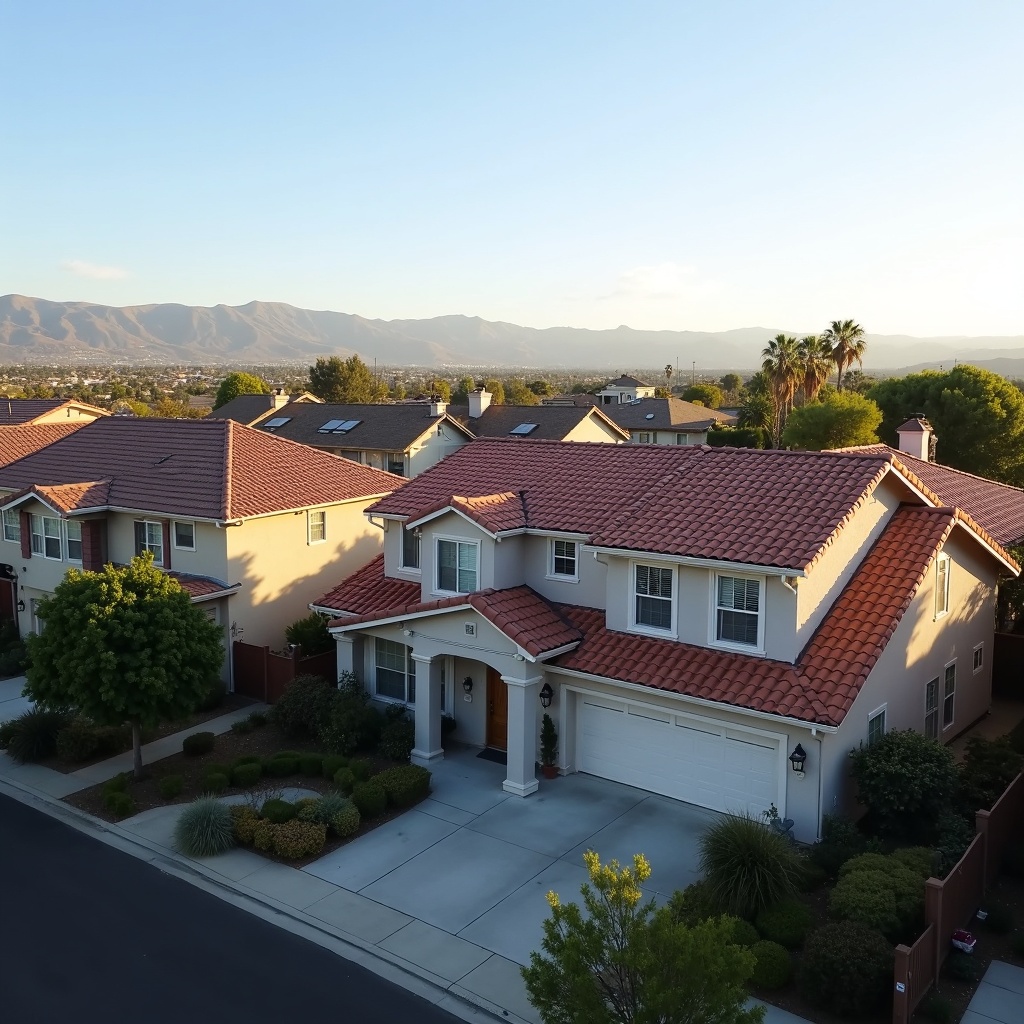
When Age and Warning Signs Collide: A La Crescenta Homeowner’s Wake-Up Call
Sarah noticed the first granules in her gutters on a Saturday morning while trimming the bougainvillea along her Crescenta Highlands driveway. By Tuesday, she’d spotted three curled shingles near the chimney. By Friday, her neighbor mentioned he’d just replaced his roof after 22 years—the same year Sarah’s subdivision was built. That weekend, she stood in her driveway wondering: was this normal aging, or had her roof crossed the line into replacement territory?
📋 In This Guide
For La Crescenta homeowners, determining when a roof needs replacement rather than repair isn’t always obvious. The intense sun exposure, high temperatures, and UV radiation common to Southern California can cause shingles to become brittle, lose granules, fade, or curl well before their advertised lifespan. Add La Crescenta’s proximity to the San Gabriel Mountains—where temperature fluctuations between day and night can be dramatic—and roofs face unique stressors that accelerate aging.
This guide walks you through a step-by-step process for determining whether your La Crescenta roof has reached replacement age, combining material-specific lifespan data with visual inspection techniques and local climate considerations. Whether you’re managing a $1,050,000 property investment or planning your home maintenance budget, understanding these timelines protects both your home and your finances. For professional assessment, contact Hollywood Contractor Corp at (818) 264-1955.
Step 1: Determine Your Roof’s Current Age Using Property Records
Before assessing condition, establish a factual timeline. Local city or county offices often keep records of all permits issued for construction projects, including roofing installations and replacements. In La Crescenta (ZIP code 91214), these records are maintained by Los Angeles County.
Homeowners can contact their local building department or city hall and ask about roof installation permits for their address—the paperwork will list the exact date the roof was installed. If you purchased your home recently, check your closing documents, home inspection report, and seller disclosures, which typically note major improvements including roof work.
Can’t locate official records? Google Earth offers a surprisingly useful feature—the historical imagery tool lets you view satellite photos of your property from different years, and by scrolling through the timeline, you can often spot when a roof color changed, indicating a replacement. Contact the previous homeowner if possible, or reach out to local roofing contractors who may have records if they performed the original installation.
For homes in established La Crescenta neighborhoods like La Crescenta Center or Montrose Adjacent—where many properties were built in the 1950s-1970s—original roofs have almost certainly been replaced at least once. Documentation becomes your most reliable starting point for replacement planning.
Step 2: Compare Your Roof’s Age Against Material-Specific Lifespans
Once you know installation date, compare it against expected performance in Southern California’s climate. Material type dramatically affects replacement timing.
| Roofing Material | Expected Lifespan (CA Climate) | Replacement Trigger Age |
|---|---|---|
| 3-Tab Asphalt Shingles | 15-20 years | After 15 years, inspect annually |
| Architectural Asphalt Shingles | 20-30 years | After 20 years, plan replacement budget |
| Premium Asphalt Shingles | 30-40 years | After 25 years, monitor closely |
| Metal Roofing | 40-70 years | Inspect fasteners/seams at 30 years |
| Clay/Concrete Tile | 50-100 years | Underlayment replacement at 15-20 years |
| Wood Shakes | 20-25 years | After 18 years, assess moisture damage |
In California, asphalt shingles typically last between 15 and 25 years, but their exact lifespan depends on several environmental and structural factors including direct sun exposure, the quality of attic ventilation, the grade of the roofing material used, and how well the roof is maintained over time.
La Crescenta’s inland location subjects roofs to prolonged sun exposure, high temperatures, dry conditions, and UV radiation that can cause shingles to become brittle, lose granules, fade, or curl—and roofs in inland Southern California or desert regions may age more rapidly than those in coastal zones due to more intense heat and sunlight. A 20-year architectural shingle might realistically deliver 18-22 years in La Crescenta depending on roof orientation and shade coverage.
For tile roofs common in the area, most types have an average lifespan of 50-100 years, though the actual longevity depends on the type of tile used and the level of care it is given. However, the underlayment beneath tiles requires replacement every 15-20 years even when tiles remain intact. Missing this maintenance window turns a moderate project into a full replacement scenario.
Step 3: Conduct a Visual Inspection for Age-Related Deterioration
Age alone doesn’t determine replacement need—condition does. Even a 15-year-old roof showing severe deterioration requires replacement, while a well-maintained 25-year roof might have serviceable years remaining. Grab binoculars and systematically examine your roof from ground level, looking for these critical warning signs:
Shingle Condition Indicators
When shingles curl upward or cup inward, they’ve lost their structural flexibility, allowing water to penetrate the water seal, weakening the roof deck and leading to leaks—heat buildup and attic humidity often accelerate this wear. Check the slopes facing south and west first, as these receive the most intense UV exposure in La Crescenta.
Asphalt shingles shed granules as they age—if you’re finding excessive granules in your gutters or at the base of your downspouts, your shingles are breaking down, and granule loss accelerates after storm damage, strong winds, or hail, leaving the roof’s surface exposed to UV degradation. After cleaning gutters, note whether you’re scooping out handfuls of granules or just a thin layer.
Structural Warning Signs
A sagging roof is one of the most urgent warning signs a homeowner can encounter—sagging indicates that moisture has compromised the roof deck or the framing beneath it, creating a risk of collapse in severe cases. Stand back from your property and check the roofline for dips, waves, or uneven sections.
From your attic (if accessible), you shouldn’t be able to see daylight coming through the roof boards—if you do, you have a problem, as your roof should never have cracks that allow light or precipitation to come through. Daylight penetration indicates immediate replacement need regardless of roof age.
Moss, Algae, and Moisture Retention
While moss might look harmless, it can trap moisture and damage shingles over time—check shaded areas of your roof for green or black patches, as moss can lift shingles and cause them to deteriorate. In La Crescenta’s microclimates near Deukmejian Wilderness Park, north-facing slopes or sections shaded by mature trees create ideal conditions for organic growth that accelerates aging.
If you observe multiple warning signs across different roof sections, replacement becomes increasingly urgent. Widespread deterioration signals systemic failure rather than isolated damage suitable for repair.
Step 4: Apply the Repair-Versus-Replace Decision Framework
Not every aging roof requires immediate replacement. Use this decision tree to determine the most cost-effective path:
Consider Repair If:
- Damage affects less than 30% of total roof area
- Roof age is under 15 years for asphalt, under 30 years for metal
- Damage is localized to specific areas (storm damage, fallen branches)
- Underlying decking shows no moisture damage or rot
- Granule loss is minimal and shingles retain flexibility
Replace When:
- Your roof is approaching the 20-year mark for asphalt—an older roof is much more susceptible to damage from wind and rain, and waiting for it to fail can result in an emergency situation, while being proactive about roof replacement allows you to plan and budget accordingly rather than being forced into a hasty decision when a major leak appears
- Curling, cracking, or missing shingles appear across multiple sections
- You’ve completed multiple repairs in the past 3-5 years
- Energy bills have increased due to compromised insulation from roof leaks
- Interior water stains or ceiling damage indicate ongoing moisture intrusion
- Neighboring homes of similar age have recently required replacement
For La Crescenta homeowners, many of the houses are the same age in neighborhoods and HOAs, so if you see your neighbors beginning to replace their roofs, it could be a sign that yours should be next—you can look around for other signs that your roof is nearing the end of its lifespan or call a roofer to check it out. Developments built in the 1990s-2000s are entering prime replacement windows now.
The repair-versus-replace calculation also factors in your long-term ownership plans. If you’re selling within 2-3 years, a well-documented new roof significantly increases property value and buyer confidence in La Crescenta’s competitive real estate market where median home values exceed $1 million.
Step 5: Understand the Financial Case for Proactive Replacement
Many homeowners delay replacement hoping to squeeze extra years from an aging roof. While understandable, this reactive approach typically costs more than proactive planning.
Industry studies show that emergency roof repairs cost 2-4 times more than planned maintenance repairs, and when you add in damage to interior assets such as computers, furniture, or production equipment, the financial impact skyrockets. For residential properties, emergency scenarios often mean water-damaged ceilings, ruined insulation, mold remediation, and displaced furniture—costs that dwarf the premium paid for rush service.
Proactive replacement delivers several financial advantages:
Controlled Timing: Schedule work during dry seasons when contractor availability is higher and pricing more competitive. Avoid winter weather delays or summer peak-season premiums.
Comprehensive Solutions: Planned replacements allow proper inspection and repair of underlying decking, upgraded ventilation systems, and modern materials that extend next-cycle lifespan. Emergency repairs focus solely on stopping immediate leaks.
Insurance Implications: Many insurers reduce coverage or increase premiums for roofs over 15-20 years old. A documented new roof can lower insurance costs and ensure full replacement value coverage rather than depreciated actual cash value.
Energy Efficiency: A properly ventilated attic is essential to maintaining your roof’s lifespan—without ventilation, heat and moisture can build up in your attic, especially during hot summers, damaging the decking and leading to shingle deterioration, while poor ventilation can also trap humidity which promotes mold growth and water damage. Replacement allows installation of modern ventilation that reduces cooling costs in La Crescenta’s summer heat.
When budgeting replacement, consider contacting Hollywood Contractor Corp for a comprehensive assessment. Professional evaluation identifies whether you’re a candidate for repair or whether replacement delivers better long-term value. Many homeowners discover that the cost difference between extensive repairs and full replacement is smaller than expected, making replacement the smarter investment.
Step 6: Schedule Professional Inspection for Definitive Assessment
While homeowner inspections identify obvious problems, hiring a licensed roofing contractor or home inspector with expertise in roofing systems provides the most accurate age assessment—professionals can examine roofing material condition beyond visible surface issues, identify hidden damage or underlying structural concerns, and provide detailed reports with age estimates and recommendations.
Professional inspections reveal critical factors invisible from ground level:
- Flashing condition around chimneys, skylights, and roof penetrations
- Underlayment integrity and moisture barrier performance
- Decking soundness and structural support adequacy
- Ventilation system effectiveness and attic moisture levels
- Valley and ridge cap condition where leaks commonly develop
If your asphalt shingles are cracked, curled, or missing granules, they need to be repaired or replaced—you should have a professional inspect your roof after 15 years, especially if you’ve had severe weather. For La Crescenta properties, the occasional Santa Ana wind event, combined with years of UV exposure, creates aging patterns best interpreted by experienced contractors familiar with local conditions.
Request inspections from multiple contractors to compare assessments and recommendations. Reputable professionals provide detailed written reports with photographs, measurements, and specific repair or replacement recommendations. Avoid contractors who pressure immediate decisions or diagnose total failure without thorough documentation.
For comprehensive roofing evaluation in La Crescenta and surrounding areas including Pasadena and Glendale, Hollywood Contractor Corp offers detailed inspections that assess both current condition and projected remaining lifespan. Our team understands how Southern California’s climate affects different roofing materials and can provide realistic timeline projections. Call (818) 264-1955 to schedule your assessment.
Taking Control of Your Roof Replacement Timeline
Determining when to replace your La Crescenta roof combines factual age data, visual condition assessment, material-specific lifespan knowledge, and professional expertise. Rather than waiting for catastrophic failure, proactive homeowners establish timelines that align with maintenance budgets, insurance requirements, and property value preservation.
For most La Crescenta homes with standard architectural shingles installed 20+ years ago, replacement planning should begin now. Even if your roof appears functional, approaching or exceeding expected lifespan means you’re operating on borrowed time. The difference between planned replacement and emergency response often measures in thousands of dollars and weeks of disruption.
Remember that roof replacement isn’t just expense—it’s investment. A properly installed modern roof with upgraded ventilation and premium materials protects your home’s structure, reduces energy costs, maintains insurance coverage, and preserves property value in one of Southern California’s most desirable communities. When you factor in La Crescenta’s median home value of $1,050,000, roof replacement represents a small percentage investment protecting a major asset.
Whether your home overlooks the Foothill Boulevard Corridor or backs up to the foothills near Crescenta Valley Park, your roof endures unique environmental stresses that accelerate aging. Understanding these timelines and acting proactively ensures your home remains protected without the stress and expense of emergency response. For expert guidance specific to your property’s age, condition, and material type, contact Hollywood Contractor Corp at (818) 264-1955 for a comprehensive evaluation and honest replacement timeline recommendation.

Adolfo Ramos is the owner and founder of Hollywood Contractor Corp, serving the San Fernando Valley with comprehensive remodeling and roofing services. With over fifteen years of hands-on construction experience, he has built a reputation for quality craftsmanship and reliable service throughout Burbank, La Crescenta, Pasadena, and North Hollywood. Adolfo takes pride in transforming homes while maintaining the highest standards of safety and customer satisfaction.
❓ Frequently Asked Questions
How do I find out when my La Crescenta roof was last replaced?
Check Los Angeles County building permit records by contacting the local building department with your address—roof replacements require permits that include installation dates. You can also review your home purchase closing documents, seller disclosures, or home inspection reports, which typically note roof age and condition. For properties without documentation, Google Earth's historical imagery can sometimes reveal when roof appearance changed.
Do asphalt shingle roofs last as long in La Crescenta as manufacturer warranties suggest?
Typically no—manufacturer lifespan estimates assume ideal conditions, but La Crescenta's intense UV exposure, high summer temperatures, and dry climate accelerate shingle aging. A 30-year architectural shingle might realistically deliver 20-25 years in inland Southern California depending on attic ventilation quality, roof orientation, and maintenance consistency.
Should I replace my roof proactively or wait until I see leaks?
Proactive replacement saves money—emergency roof repairs cost 2-4 times more than planned replacements according to industry studies, and you avoid secondary damage to insulation, ceilings, and belongings. When your roof approaches 20 years for asphalt or shows widespread curling and granule loss, planning replacement prevents the higher costs and stress of emergency response during the next storm.
Can Hollywood Contractor Corp assess my roof's remaining lifespan?
Yes—our experienced team provides comprehensive roof inspections throughout La Crescenta that evaluate current condition, identify hidden damage, and project realistic remaining service life based on your specific material type and local climate factors. We provide detailed written reports with photographs and honest replacement timeline recommendations. Call (818) 264-1955 to schedule your professional assessment.
📖 More Tips for La Crescenta
-
 Foundation Cracks in La Crescenta: Repair or Cosmetic?
Many La Crescenta homeowners panic at the first foundation crack, but not all cracks signal structural failure—some are…
-
 ADU Addition Planning: La Crescenta Zoning & Rental Income
California state law now allows ADUs on most La Crescenta residential lots, but your specific lot size, setbacks,…
-
 Top Window Brands for La Crescenta: Milgard vs Andersen
Choosing between Milgard, Andersen, and Pella for your La Crescenta home? This detailed comparison breaks down energy ratings,…