Bathroom Ventilation & Moisture Control in Pasadena
What Bathroom Ventilation Really Costs and Why It Varies
When planning a Remodeling & Roofing Contractor services in Pasadena bathroom project, many homeowners overlook ventilation until mold appears. The truth is that proper bathroom ventilation Pasadena systems represent one of the smartest investments you can make during a remodel—not because of the upfront expense, but because they prevent thousands in future damage. What drives the variation in investment? Several factors: the bathroom’s location within your home, whether it has exterior wall access, the complexity of ductwork routing, and California’s specific code requirements for humidity control.
📋 In This Guide
In Pasadena’s older neighborhoods like Old Town and San Rafael, many homes feature bathrooms in the center of the floor plan with no exterior walls. California Title 24 requires that all bathrooms, including half bathrooms, have mechanical exhaust ventilation to remove moisture and odors. For a straightforward ceiling-mounted fan installation with short duct runs, materials and labor remain modest. However, routing ductwork through multiple ceiling joists, around framing, or through an attic in a historic Craftsman can increase complexity significantly. That’s why working with a Home Remodeling specialist familiar with local building stock matters—they understand how to navigate Pasadena’s mix of 1920s bungalows and modern constructions.
California Building Code Requirements for Exhaust Fans
Chapter 15 of the International Residential Code requires bathrooms to have a minimum local exhaust capacity of 50 cfm intermittent or 20 cfm continuous. But California goes further. Window operation is not a permissible method of providing bathroom exhaust for humidity control under current code—even if your Madison Heights home has a large operable window, you still need a mechanical fan for moisture management.
Fans shall be Energy Star compliant and ducted to terminate outside the building, and bathroom exhaust fans must be controlled by a humidity control which shall be readily accessible. This humidity-sensing requirement represents a significant upgrade from older code cycles. Exhaust air from bathrooms shall be exhausted directly to the outdoors and shall not discharge into an attic, crawl space, or other areas inside the building—a rule frequently violated in older Pasadena homes where fans were improperly vented into attic spaces, creating hidden mold farms.
CFM Sizing Based on Bathroom Dimensions
The Home Ventilating Institute recommends that exhaust fans for bathrooms up to 100 square feet provide 1 CFM per square foot. For a typical 8×10-foot Pasadena bathroom, that means a minimum 80 CFM fan. For bathrooms with multiple fixtures, add 50 CFM for each toilet, shower, or bathtub beyond the first fixture—a master bathroom with a separate shower, soaking tub, and toilet would need the base CFM calculation plus 100 CFM.
In Pasadena’s high-value housing market (median home value exceeding $1 million), master bath renovations often include spa-like features. These larger spaces demand careful calculation. For standard bathrooms with 8-foot ceilings, multiply your bathroom’s square footage by 1.1 to determine the minimum CFM requirement, which accounts for the air volume while providing a safety margin. Bathrooms with ceiling heights above 8 feet require volume-based calculations rather than simple square footage multipliers.
Comparing Control Options: Timer vs. Humidity Sensor Switches
Choosing between timer and humidity-sensing controls affects both convenience and code compliance. This comparison helps Pasadena homeowners understand which system fits their bathroom’s needs:
| Feature | Timer Switch | Humidity Sensor |
|---|---|---|
| Operation | Fixed runtime (15-60 min) | Automatic based on moisture |
| Code Compliance | Acceptable for most applications | Required in some CA jurisdictions |
| Energy Efficiency | May run longer than needed | Runs only as long as necessary |
| Installation | Simple, no calibration | May require sensitivity adjustment |
| Best For | Powder rooms, guest baths | Master baths, family bathrooms |
Timers work well for consistent routines, while humidity sensors automatically run the fan until the air is dry, responding to real moisture levels instead of fixed time settings. Humidity-sensing fans automatically run until moisture levels drop below a preset threshold, which proves especially valuable in Pasadena’s climate where indoor humidity varies significantly between morning marine layer and afternoon heat.
Moisture-Resistant Materials That Prevent Mold
Ventilation works in partnership with material selection. Even the best exhaust fan can’t compensate for improper substrate choices. Water-resistant paint or moisture-resistant drywall (often called green board) can protect against humidity in less direct exposure areas, while cement backer board is a reliable option behind tiles in wet areas as it doesn’t warp or grow mold like traditional drywall.
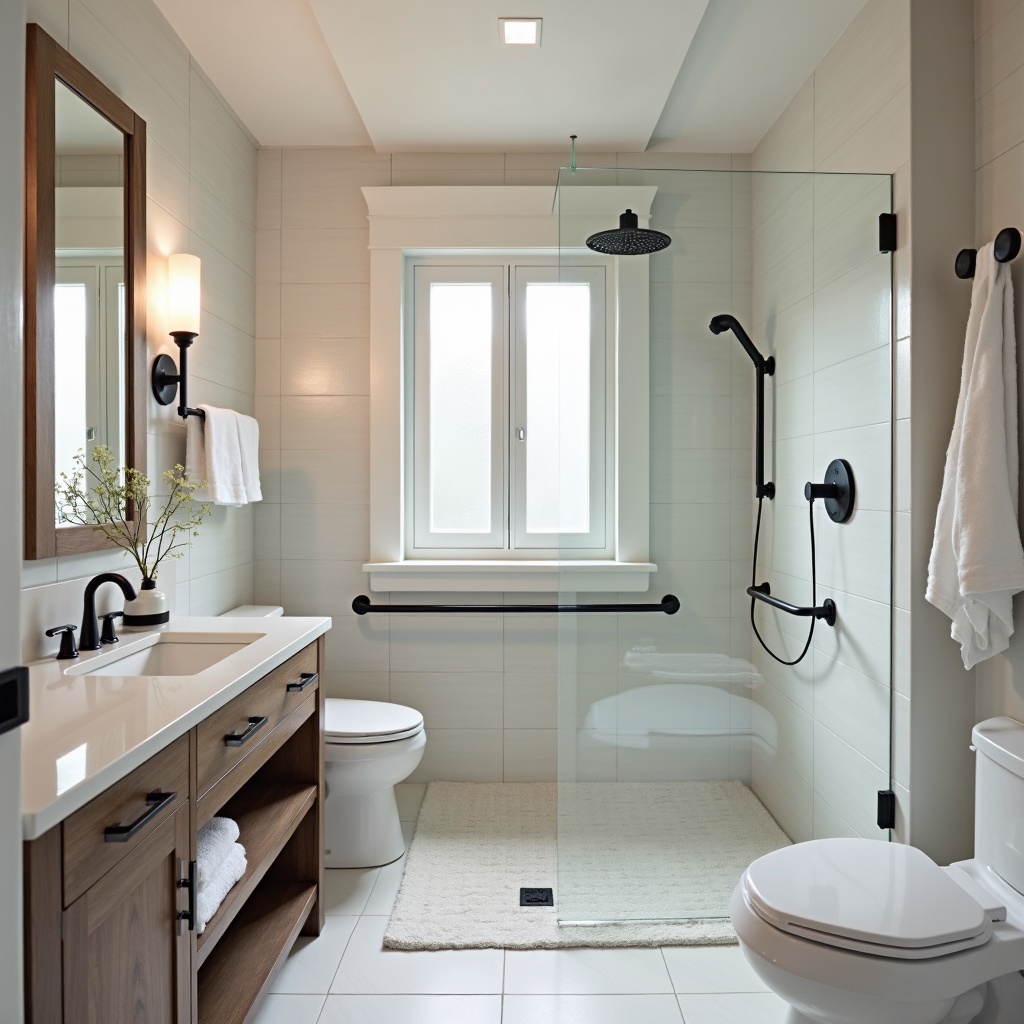
Many modern materials are now mold-resistant, making them ideal for bathrooms—you can even get paint that withstands mold growth, and for flooring, vinyl is low-maintenance, cost-effective and resistant to water and mold. For homeowners pursuing an Accessible Bathroom Remodel: What to Know Now, these materials become doubly important because barrier-free showers create larger wet zones requiring comprehensive waterproofing.
Waterproofing Behind Tile: The Critical Layer
Contractors erect barriers such as L-metal or waterproofing strips along the outer edge of shower walls to prevent water from wicking into bathroom walls, and extend waterproofing membranes 24 to 36 inches beyond the shower stall to include surrounding floor areas. This extended protection addresses Pasadena’s older homes where joists may already have experienced decades of minor moisture exposure.
Professionals seal the tub lip to the waterproofing membrane and caulk, rather than grout, the joint where the tub meets the tiled wall—while grout will crack over time, caulk allows for movement and the ability to clean and recaulk when necessary. This detail prevents the slow water infiltration that creates mold colonies behind finished surfaces, a problem that often goes undetected for years in the Caltech Area’s rental properties.
Solutions for Bathrooms Without Exterior Walls
Many Pasadena homes built before 1950 feature centrally located bathrooms with no exterior wall access. You can vent a bathroom without an outside wall by using options like a recirculating exhaust fan, inline exhaust fan, dehumidifier, or an air purifier—these methods help manage humidity and odors even when outdoor venting isn’t possible.
Ductless fans do a great job of ventilating without the need for ductwork—they use a charcoal filtration system that removes moisture from the air and keeps the room smelling fresh. However, code compliance remains an issue. Building codes vary, but in most areas full bathrooms with a bathtub, shower, toilet, and sink are required to have exhaust fans connected to outdoor ventilation, while half bathrooms with only a toilet and sink do not need fans vented outside.
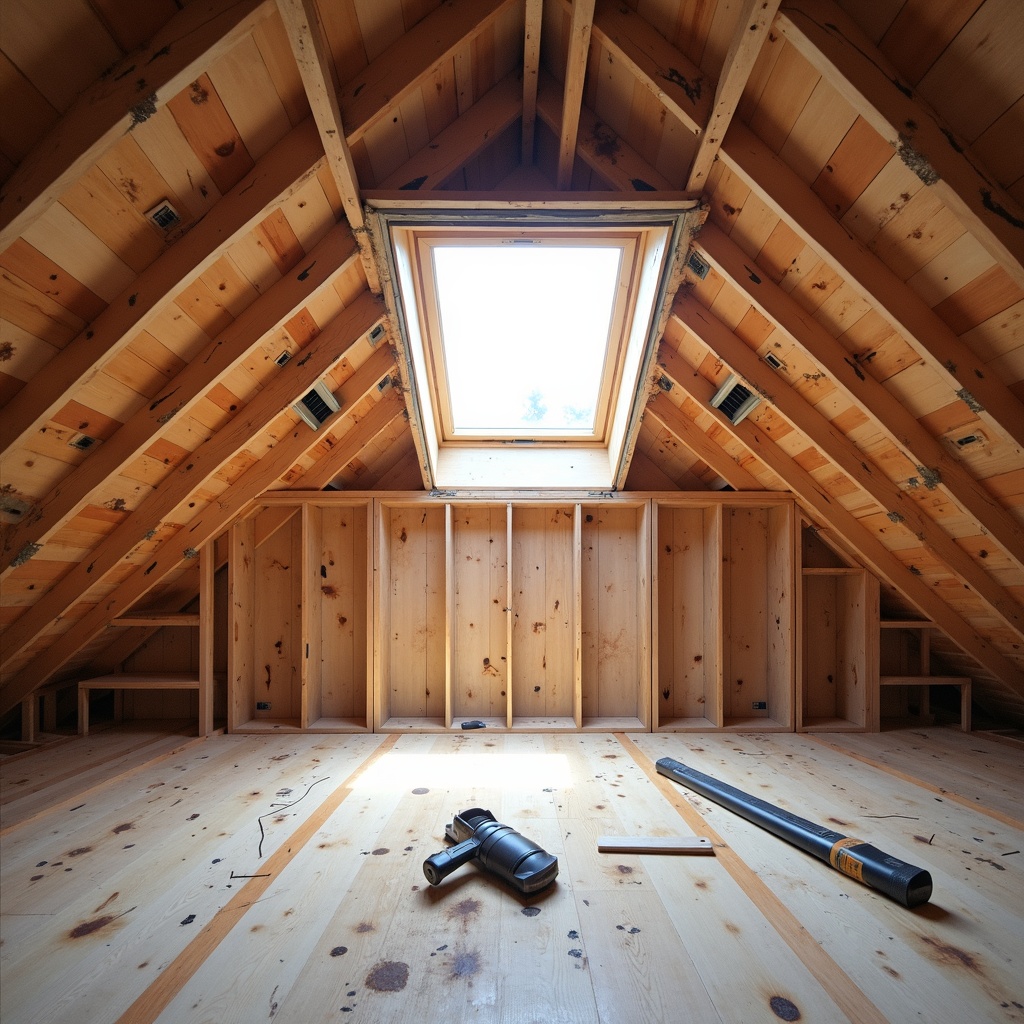
For Pasadena homeowners facing this challenge, installing a ceiling vent is probably the most efficient way to ventilate a bathroom with no outside access—a ceiling vent allows air to escape from the bathroom. Professional contractors can route ductwork horizontally through ceiling cavities, then vertically through walls to terminate at roof or soffit vents. This approach requires experience navigating Pasadena’s mix of balloon-frame construction and modern platform framing, plus knowledge of Roofing Services integration points to prevent roof leaks at termination points.
The Real Cost of Inadequate Ventilation
A properly sized and positioned bathroom exhaust fan removes humid air before it can condense on surfaces, preventing the cascade of problems that follow—from peeling paint and warped trim to serious air quality issues, inadequate ventilation costs homeowners thousands in repairs and remediation. In Pasadena’s competitive real estate market, moisture damage discovered during pre-sale inspections can derail transactions or force significant price concessions.
Mold and moisture control is critical because excess moisture and mold growth not only compromise the structural integrity of bathrooms but also pose serious health risks. For the 40% of Pasadena residents who own their homes, protecting this major investment means addressing ventilation proactively. The remaining 60% of renters—and the landlords who serve them—should recognize that proper ventilation reduces tenant complaints, extends finish life, and maintains property value.
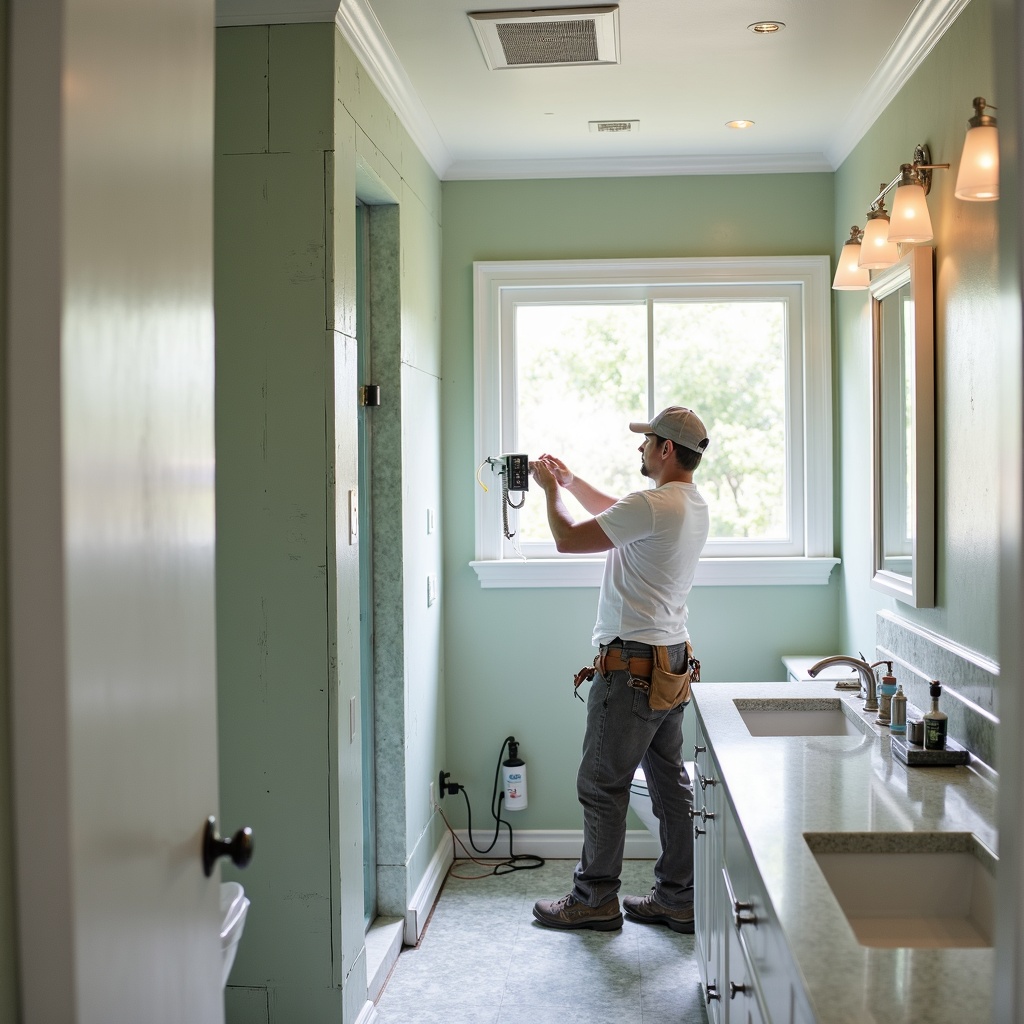
Professional installation ensures proper fan sizing, code-compliant ductwork routing, and integration with existing HVAC systems. Hollywood Contractor Corp brings decades of experience to Pasadena bathroom remodeling, understanding both the technical requirements and the practical challenges of working in established neighborhoods. Whether you’re updating a powder room in a North Hollywood property or creating a spa-like master suite, proper ventilation forms the foundation of a successful project.
For expert guidance on your bathroom remodeling project and comprehensive moisture control solutions, contact Hollywood Contractor Corp at (818) 264-1955. Our team understands Pasadena’s unique housing stock and California’s evolving building codes, delivering bathroom renovations that protect your investment for decades. We also serve nearby communities—learn more about our Remodeling & Roofing Contractor in La Crescenta and Remodeling & Roofing Contractor in North Hollywood services.

Adolfo Ramos is the owner and founder of Hollywood Contractor Corp, serving the San Fernando Valley with comprehensive remodeling and roofing services. With over fifteen years of hands-on construction experience, he has built a reputation for quality craftsmanship and reliable service throughout Burbank, La Crescenta, Pasadena, and North Hollywood. Adolfo takes pride in transforming homes while maintaining the highest standards of safety and customer satisfaction.
❓ Frequently Asked Questions
What CFM exhaust fan do I need for a standard Pasadena bathroom?
For bathrooms up to 100 square feet with standard 8-foot ceilings, multiply your square footage by 1.1—an 80-square-foot bathroom needs approximately 88 CFM. Larger master bathrooms require 50 additional CFM for each fixture beyond the basics. California code mandates a minimum 50 CFM intermittent or 20 CFM continuous operation, with Energy Star compliance required.
Can I vent my Pasadena bathroom fan into the attic instead of outside?
No. California building code explicitly prohibits exhausting bathroom air into attics, crawl spaces, or other interior building areas. All bathroom exhaust must terminate outside the building envelope. Venting into attics creates moisture accumulation, mold growth, and potential structural damage—a violation that inspectors flag during remodeling permits.
How do I ventilate a bathroom with no exterior walls in my Old Town Pasadena home?
Centrally located bathrooms require horizontal ductwork routing through ceiling cavities to reach an exterior wall, roof, or soffit termination point. Inline fans installed in the duct run provide powerful, quiet ventilation. For half-baths, ductless recirculating fans with charcoal filters offer a code-compliant alternative, though full bathrooms typically require exterior venting per California regulations.
Should I choose a timer or humidity sensor switch for my bathroom exhaust fan?
Humidity sensors provide superior moisture control by automatically running the fan until actual humidity levels normalize, making them ideal for master bathrooms and family spaces. Timer switches work well for powder rooms with predictable usage patterns. Some California jurisdictions now require humidity-sensing controls for code compliance. Contact Hollywood Contractor Corp at (818) 264-1955 for guidance on which option meets both your needs and local Pasadena building requirements.
📖 More Tips for Pasadena
-
 Title 24 Compliance for Home Additions
A home addition in Pasadena must meet California's Title 24 energy standards, which require upgraded insulation, high-performance windows,…
-
 Slab Leaks & Foundation Damage: Pasadena's Urgency Timeline
Hidden slab leaks beneath Pasadena foundations trigger catastrophic structural damage within 2–4 months if left unrepaired. Understanding the…
-

-
 Kitchen Remodel Cost Guide: Pasadena Homeowner FAQ
Discover what Pasadena homeowners get wrong about kitchen remodeling budgets and learn the real costs behind cabinets, countertops,…