


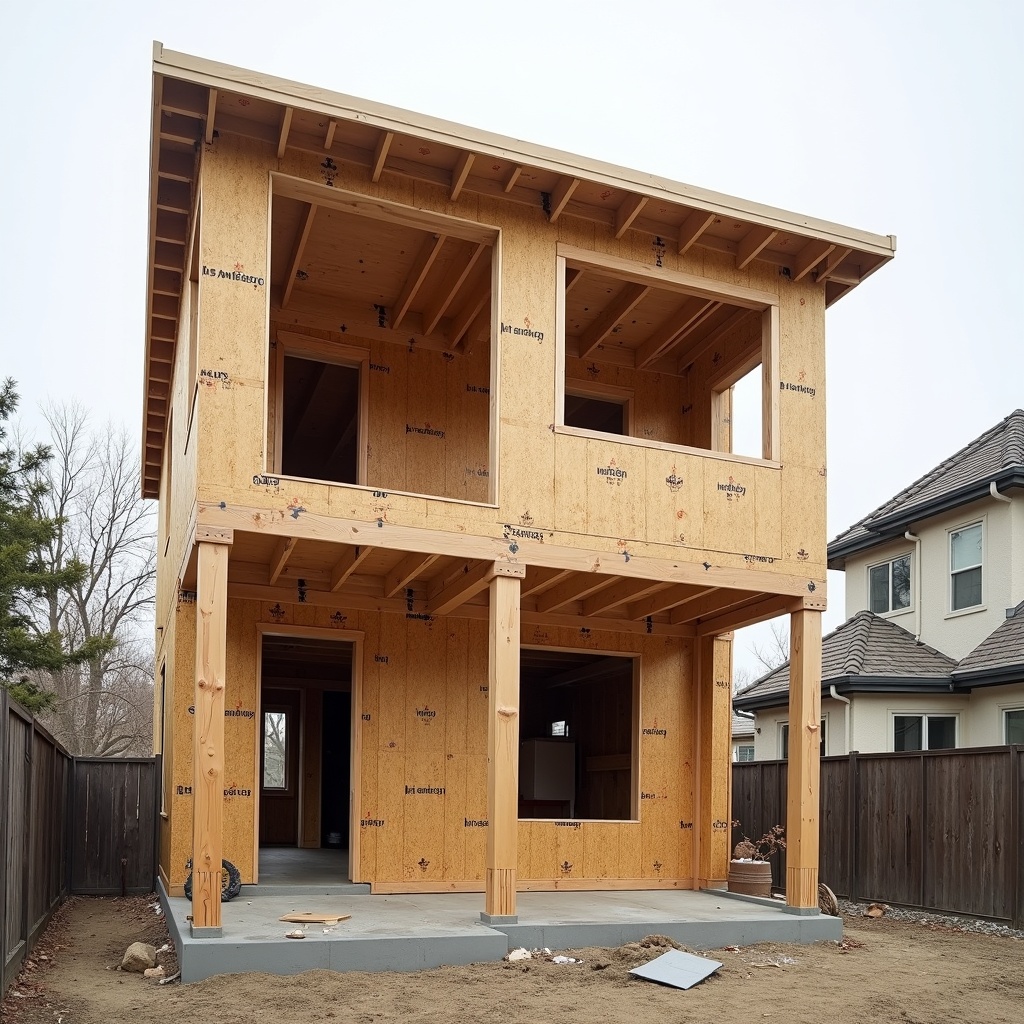
A home addition in Southern California must meet California’s Title 24 energy standards, which require upgraded insulation, high-performance windows, LED lighting, and HERS certification—raising project costs by 5–8% but delivering long-term energy savings and increased home value. Understanding these requirements
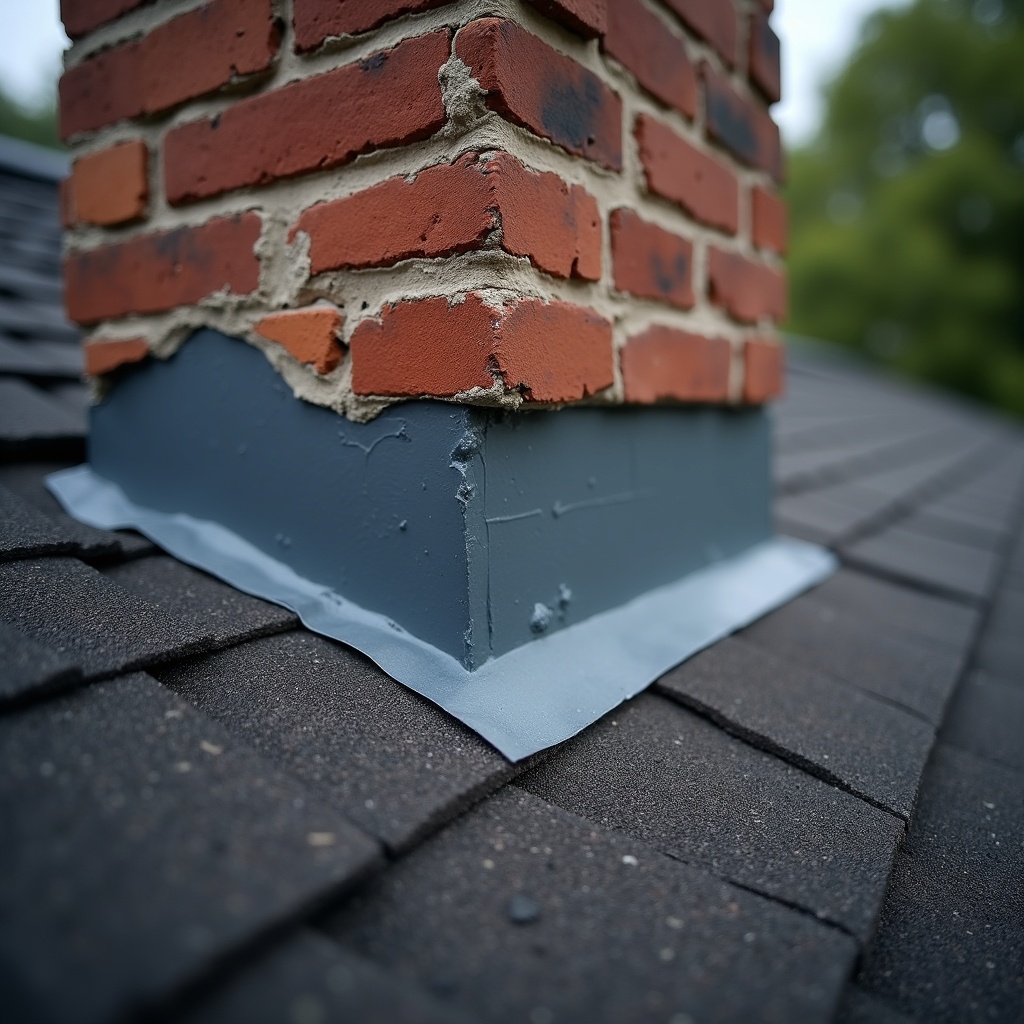
Steel and wood framing carry different cost structures, structural capabilities, and performance profiles—choosing between them requires understanding Southern California’s seismic zones, fire codes, and your addition’s specific design demands. Both materials can meet California building codes, but the right choice
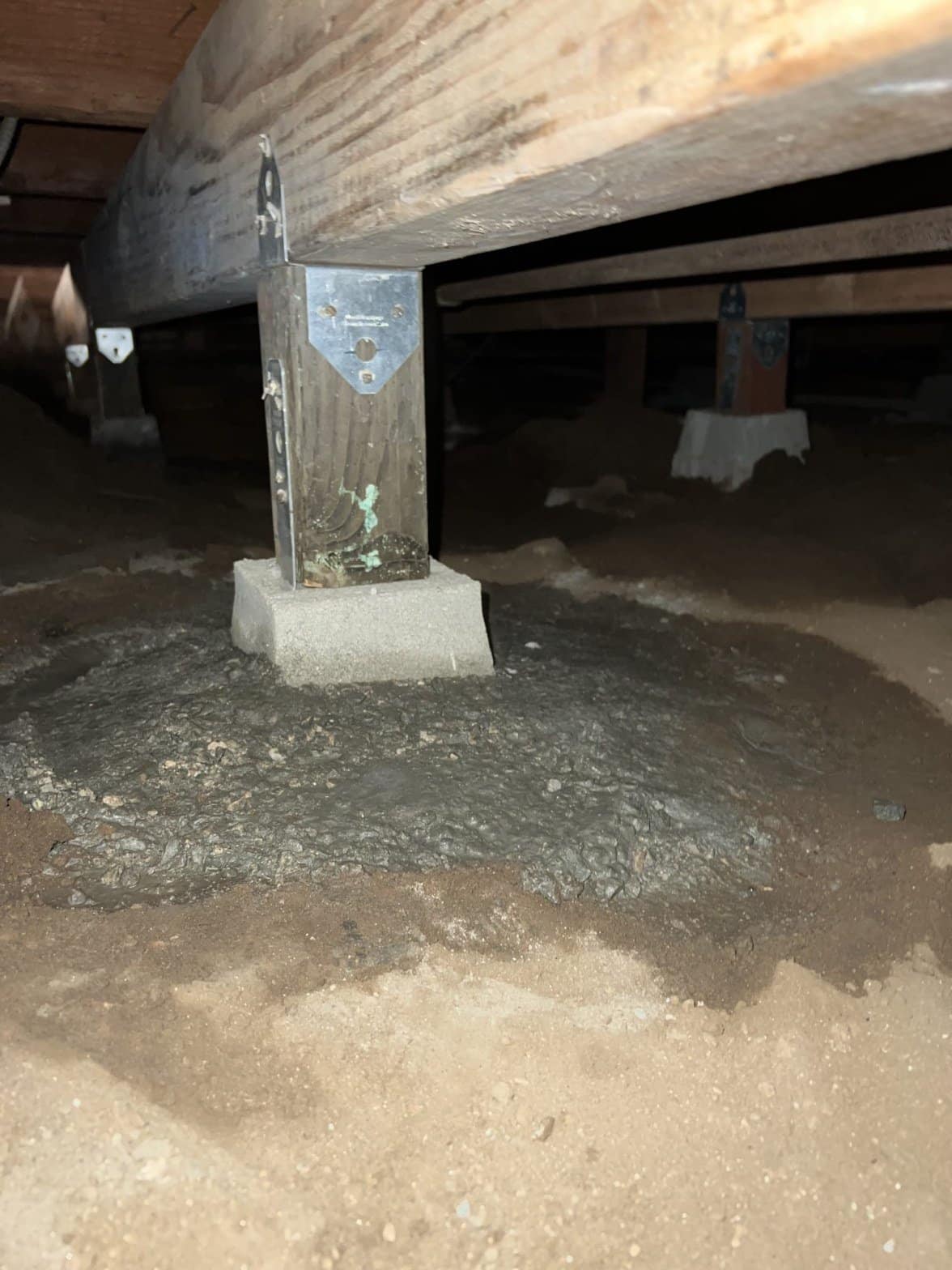
California state law now allows ADUs on most Southern California residential lots, but your specific lot size, setbacks, and utility setup directly determine rental income potential and long-term return on investment. This practical guide walks you through seven essential steps—from
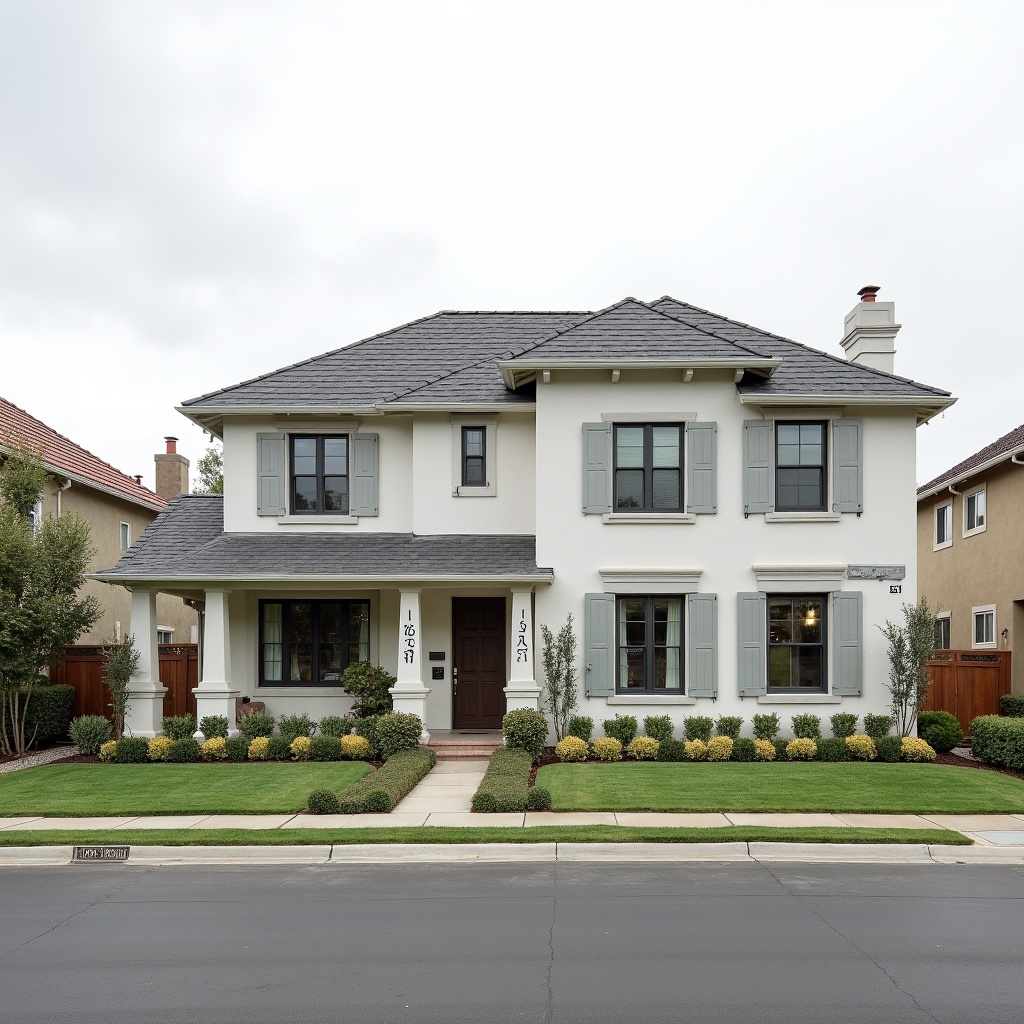
Modular additions complete 40–60% faster and offer cost savings through factory efficiency, but site-built construction provides unlimited design flexibility and seamless integration with Southern California’s established neighborhoods. The right choice depends on your timeline, lot constraints, architectural requirements, and how