Winter Foundation Checklist: North Hollywood
Winter Foundation Checklist: North Hollywood
Most North Hollywood homeowners believe foundation damage happens suddenly—a crack appears after heavy rain and requires emergency repair. The truth is far different. Winter foundation problems develop silently over weeks and months as water infiltrates gaps, soil shifts beneath your home, and drainage systems fail. The checklist below addresses the most critical pre-winter questions homeowners ask, with actionable answers that can prevent thousands in spring repairs.
📋 In This Guide
What’s the Biggest Foundation Threat During California’s Wet Season?
Winter rains in North Hollywood create a specific foundation challenge that differs dramatically from summer drought conditions. During dry months, soil shrinks and compacts, creating tiny gaps around your foundation’s perimeter. When rain arrives—often in concentrated bursts—water rushes into those gaps and pools against your foundation walls. This water pressure forces moisture into cracks, saturates the soil beneath your home’s footings, and destabilizes the earth that supports your structure.
Unlike the slow, predictable settling that occurs during drought, winter water damage accelerates. A single week of heavy rain can introduce enough moisture to shift soil composition, causing uneven settling that manifests as interior cracks, stuck doors, or sloping floors by spring. Your home contractor in North Hollywood should evaluate your drainage system before October to identify where water will travel during the rainy season.
The misconception here is critical: homeowners often assume visible foundation cracks are the problem. They’re actually symptoms. The real problem is water reaching your foundation in the first place. Fix drainage and grading before winter arrives, and you prevent the water intrusion that causes cracks to widen and new damage to form.
How Do You Inspect Gutters and Downspouts Before Winter Rains?
Gutter Cleaning: Foundation-First Approach
Clogged gutters are the #1 preventable cause of foundation water damage in North Hollywood. When leaves, debris, and sediment block your gutters, water overflows directly onto the soil adjacent to your foundation. Over weeks, this saturation weakens soil stability and forces moisture against your home’s base.
Climb onto your roof (or hire a professional) and physically remove all debris from gutters and downspouts. Use a gutter scoop or your hands with gloves to clear packed material. Flush the system with a hose to confirm water flows freely and drains from downspouts. Do this in late September or early October, before the first significant rains. In North Hollywood’s neighborhoods like the NoHo Arts District and Laurel Grove, older homes with larger trees require gutter inspection every 6-8 weeks during fall.
Downspout Extension and Discharge
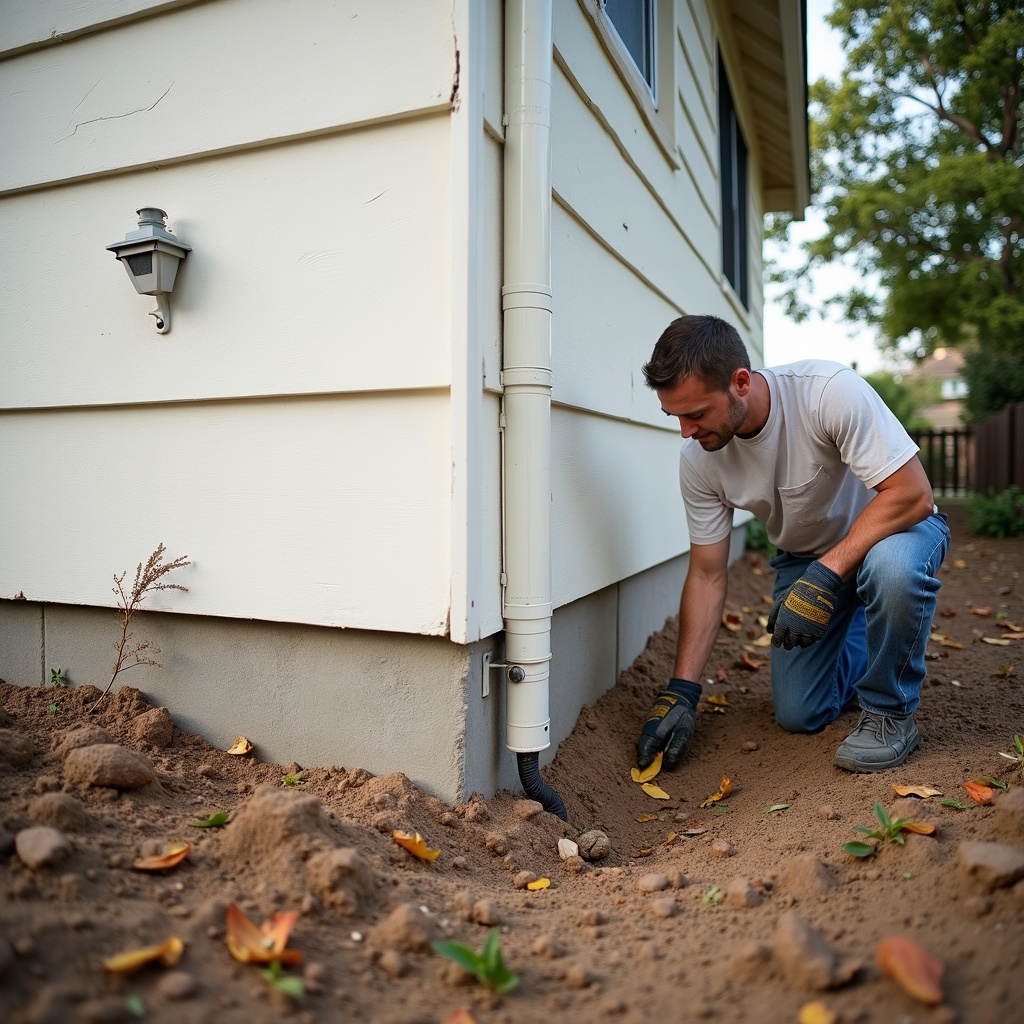
Downspouts should discharge water at least 4-6 feet away from your foundation’s perimeter. Many North Hollywood homes have downspouts that empty directly onto the ground near the foundation or, worse, into gutters that slope back toward the house. This is a guaranteed recipe for foundation saturation.
Install downspout extensions or splash blocks that redirect water away from your home’s footprint. If your property slopes toward the foundation, install underground drainage pipes that carry water to a storm drain or away-sloping area. The goal is to ensure no water pools within 6 feet of your foundation walls.
What Foundation Cracks Should Trigger Pre-Winter Action?
Distinguishing Minor Settling from Structural Warning Signs
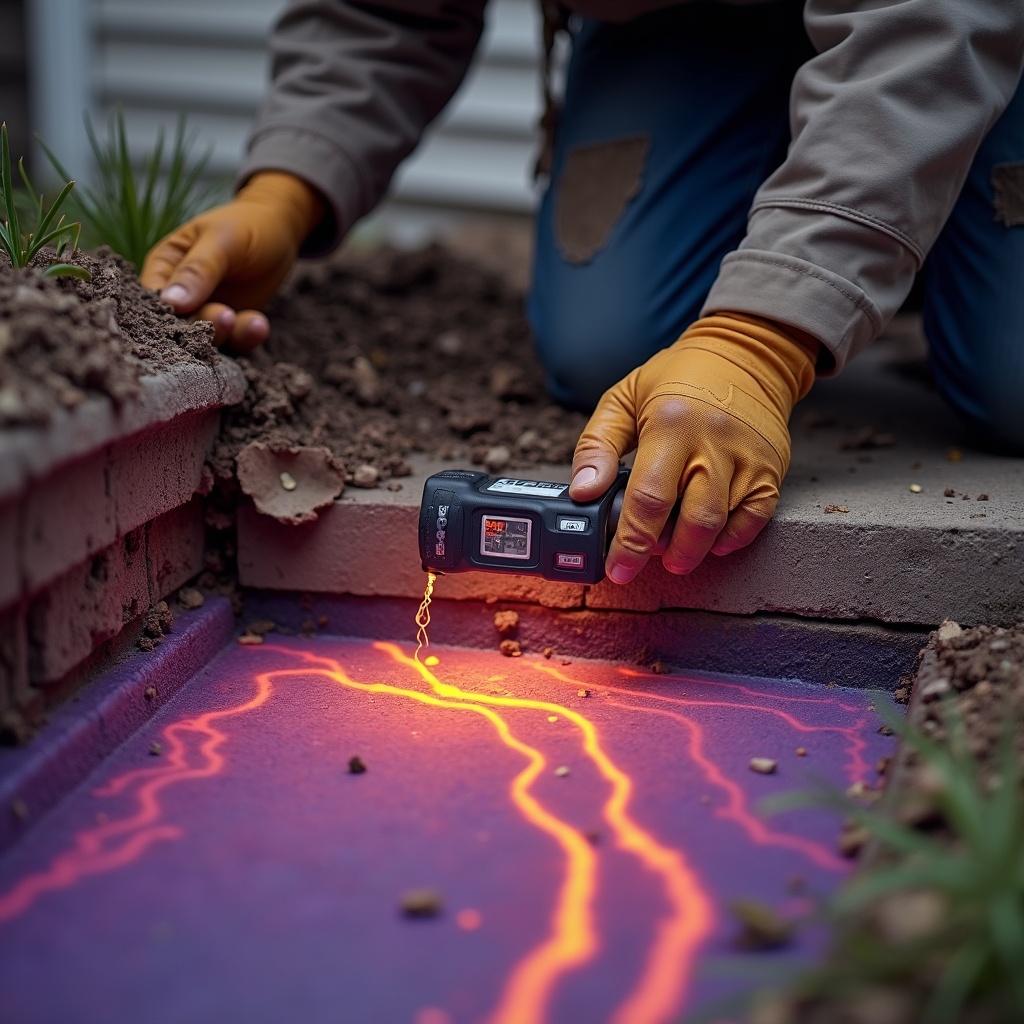
Not all foundation cracks require immediate repair, but winter moisture changes the equation. Before rains begin, inspect your foundation’s exterior for cracks wider than 1/8 inch. Use a pencil to mark each crack’s location and take photos for comparison in spring.
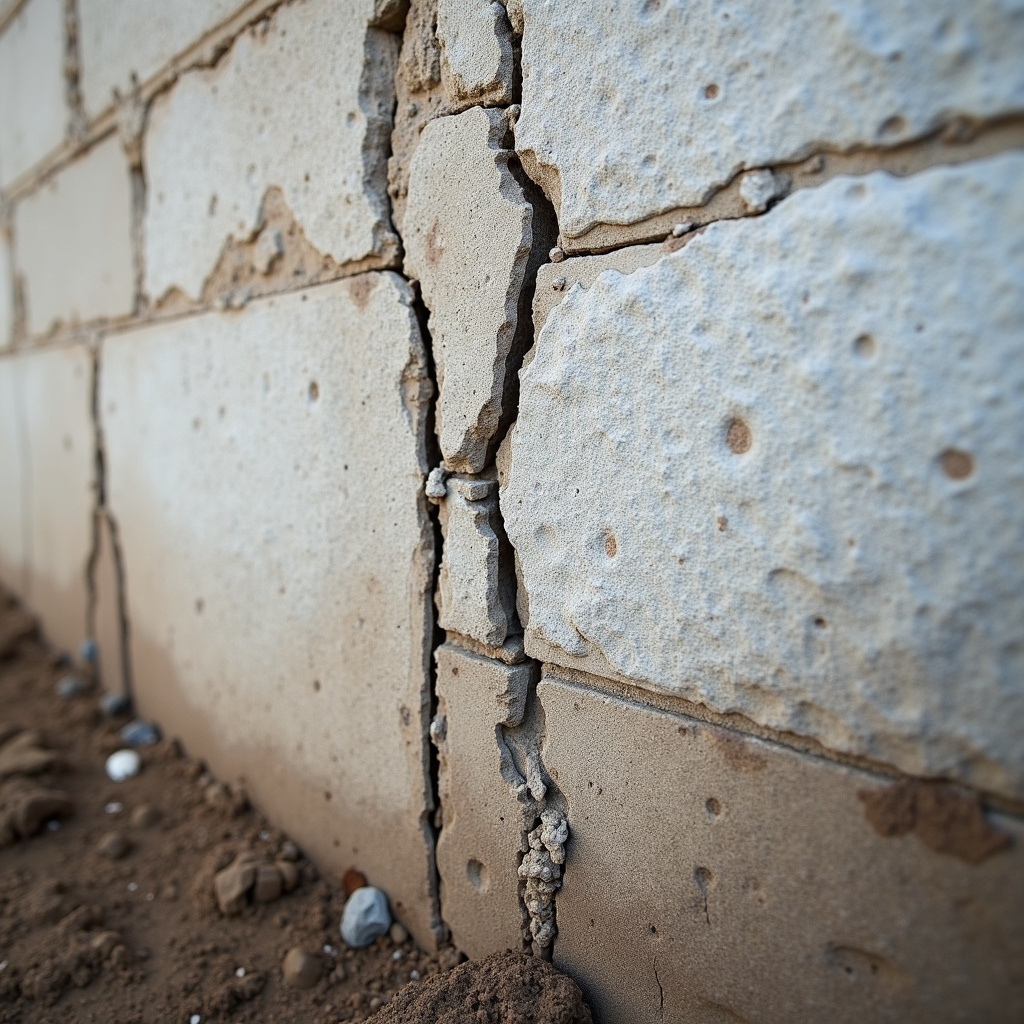
Horizontal cracks, staircase-pattern cracks, or cracks wider than 1/4 inch demand immediate professional evaluation. These indicate structural movement beyond normal settling. Vertical cracks that are narrow and stable may only need sealing to prevent water intrusion. Foundation services from Hollywood Contractor Corp include professional crack assessment to determine whether sealing alone will suffice or if deeper underpinning or support work is necessary.
Crack Sealing Before Winter Rains
Hairline cracks that pose no structural concern still invite water entry during winter. Polyurethane crack sealant creates a flexible, waterproof barrier that prevents moisture from penetrating. This is preventive work—not expensive emergency repair—and should be completed 2-4 weeks before your area’s typical rainy season begins.
Your contractor applies sealant into cleaned cracks, allowing it to cure fully before heavy rains. This single step prevents water from expanding frozen soil beneath your foundation, which is a primary cause of spring cracking in California homes.
How Should You Test Your Foundation’s Drainage System?
Grading Inspection: Water’s Path to Your Foundation
Stand outside your home after a light rain or use a hose to simulate rainfall. Watch where water flows. Ideally, water should move away from your foundation, sloping downward at least 1 inch per foot for the first 6 feet from your home’s base. Many North Hollywood properties, especially in established neighborhoods where landscaping has settled, have lost this slope over time.
If water pools against your foundation or flows toward it, your grading needs correction. This involves reshaping soil, adding fill material, or installing French drains to redirect subsurface water. Without corrected grading, every winter rain saturates the soil directly beneath and beside your foundation, causing ongoing settlement and cracking.
Drainage System Testing
If your home has perimeter drainage (a system of pipes around the foundation’s base), test it by running water from a hose and observing whether water flows to the discharge point. Blocked or failing drainage systems create standing water against your foundation—exactly the condition that triggers winter damage. Sump pumps, if present, should cycle on and off properly without making grinding sounds or failing to discharge.
Drainage system failure is often invisible until spring, when cracks and wall bowing appear. Testing and repair before winter prevents catastrophic damage.
What Role Does Moisture Barriers Play in Winter Prevention?
Exterior Waterproofing and Vapor Barriers
Older North Hollywood homes often lack modern waterproofing applied to foundation walls below grade. Without a waterproof membrane, winter moisture penetrates concrete, causing efflorescence (white mineral deposits), interior dampness, and mold growth. Modern waterproof coatings applied to the exterior foundation surface create a protective barrier that winter rains cannot penetrate.
If you plan waterproofing or foundation repair, winter is the worst time to start excavation work. Fall is when you should schedule inspection and planning. Interior moisture—condensation on walls, damp basement smell—indicates your foundation needs evaluation by a professional contractor experienced with North Hollywood’s climate and soil conditions.
Interior Moisture Monitoring
Before heavy rains, inspect basements and crawl spaces for signs of existing moisture: damp spots, efflorescence, musty odors, or mold. These are early warnings that your foundation is already absorbing water from winter conditions. Humidity readings above 60% in enclosed foundation spaces indicate moisture problems that will worsen during the rainy season.
Dehumidifiers, sump pumps, and ventilation fans are temporary solutions. Addressing the underlying drainage and waterproofing issues prevents moisture from entering in the first place.
Pre-Winter Foundation Checklist for North Hollywood Homeowners
| Task | Timeline | Priority |
|---|---|---|
| Clean gutters and downspouts | September–October | Critical |
| Install or extend downspout discharge | September–October | Critical |
| Inspect and mark visible cracks | September | High |
| Seal non-structural cracks | September–early October | High |
| Test grading and water flow patterns | September | High |
| Inspect drainage system function | September | High |
| Check basement/crawl space moisture | September | Medium |
| Schedule professional foundation assessment for structural concerns | September–October | Critical if cracks present |
When to Contact a Licensed Contractor for Professional Assessment
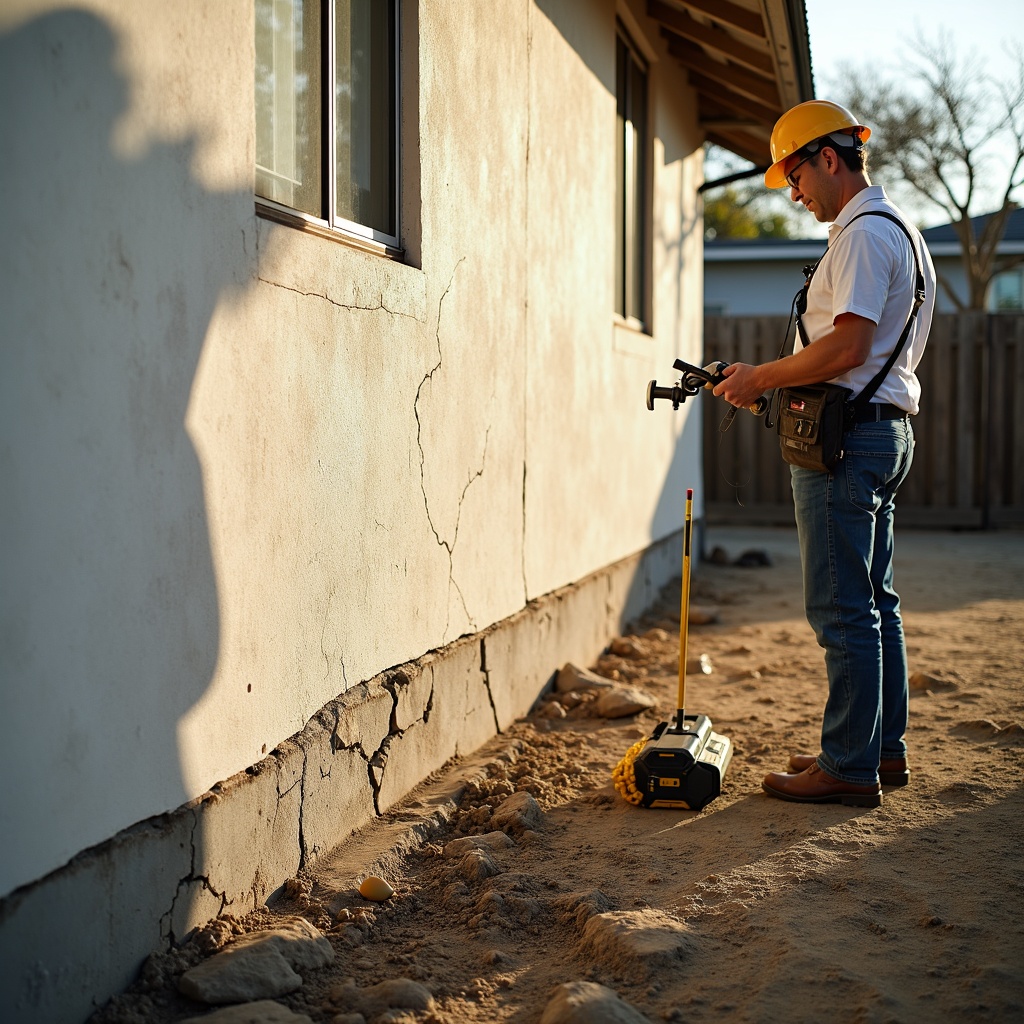
DIY inspection prevents obvious problems, but professional foundation assessment identifies hidden damage that threatens your home’s stability. Hollywood Contractor Corp serves North Hollywood homeowners with expert foundation evaluation and repair. If your inspection reveals horizontal cracks, staircase cracking patterns, wall bowing, or standing water in your foundation space, a professional should evaluate your home before winter rains begin.
North Hollywood’s soil composition—clay-heavy and prone to expansion and contraction—demands experienced contractors who understand local soil behavior. Budget-conscious homeowners benefit from early professional assessment because preventive repairs cost far less than waiting until spring when foundation damage has compounded. Many contractors offer free consultations to determine whether your home needs sealing, drainage work, or structural underpinning.
Call (818) 264-1955 to schedule a pre-winter foundation inspection with Hollywood Contractor Corp. Our assessment identifies which tasks you can address immediately and which require professional intervention, helping you prioritize maintenance spending before the rainy season arrives.
Winter foundation damage is preventable when you address drainage, grading, and visible cracks before October. The cost of this preparation is minimal compared to spring foundation repairs that result from winter water infiltration. North Hollywood homeowners with homes in 91601, 91602, 91605, and 91606 face similar winter foundation risks—don’t wait for visible damage to act. Inspect now, seal before rains, and protect your home’s foundation through the wet season.

Adolfo Ramos is the owner and founder of Hollywood Contractor Corp, serving the San Fernando Valley with comprehensive remodeling and roofing services. With over fifteen years of hands-on construction experience, he has built a reputation for quality craftsmanship and reliable service throughout Burbank, La Crescenta, Pasadena, and North Hollywood. Adolfo takes pride in transforming homes while maintaining the highest standards of safety and customer satisfaction.
❓ Frequently Asked Questions
How often should I clean gutters before winter in North Hollywood?
Clean gutters in late September and again in mid-October to remove fall debris before heavy rains begin. If your property has large trees, additional cleaning in early November may be necessary. Clogged gutters cause water to overflow directly onto soil near your foundation, which is the #1 preventable cause of winter foundation damage.
What foundation cracks require professional attention before winter?
Horizontal cracks, staircase-pattern cracks, or any crack wider than 1/4 inch demands professional evaluation before winter rains begin. Vertical cracks narrower than 1/8 inch can usually be sealed with polyurethane sealant as a preventive measure. Call Hollywood Contractor Corp at (818) 264-1955 to schedule a free assessment if you're unsure about your home's specific conditions.
Does North Hollywood soil cause different foundation problems than other California areas?
North Hollywood's clay-heavy soil expands when wet and shrinks when dry, creating more dramatic foundation settling than sandy or loamy soil. Winter rains cause clay to absorb moisture and swell beneath your foundation, often causing uneven settling and cracking by spring. This makes pre-winter drainage and grading corrections especially critical in North Hollywood neighborhoods.
Can I seal foundation cracks myself or do I need a contractor?
Minor hairline cracks can be sealed with polyurethane crack sealant available at hardware stores, though professional application ensures the sealant fills the crack completely and cures properly. Structural cracks or cracks wider than 1/4 inch require professional assessment to determine if deeper foundation work is necessary. A licensed contractor can also identify whether cracks indicate settling that demands underpinning or support work.
📖 More Tips for North Hollywood
-
 Eco-Friendly Bathroom Remodeling for North Hollywood Homes
Outdated bathrooms in North Hollywood waste thousands of gallons and hundreds of dollars yearly through inefficient fixtures. Sustainable…
-
 Kitchen Renovation North Hollywood
A complete galley kitchen gut-renovation and exterior refresh for a North Hollywood single-family home, delivering white shaker cabinets,…
-
 ADU Fire Safety Codes: North Hollywood Compliance Checklist
ADU construction in North Hollywood requires strict fire safety compliance including sprinkler systems, fire-rated walls, egress windows, and…
-
 Fiber Cement vs. Vinyl Siding: When to Replace in North
Fiber cement and vinyl siding perform dramatically differently depending on when you install them in North Hollywood's Mediterranean…