Which Roofing Material Should I Choose for My Burbank Home?
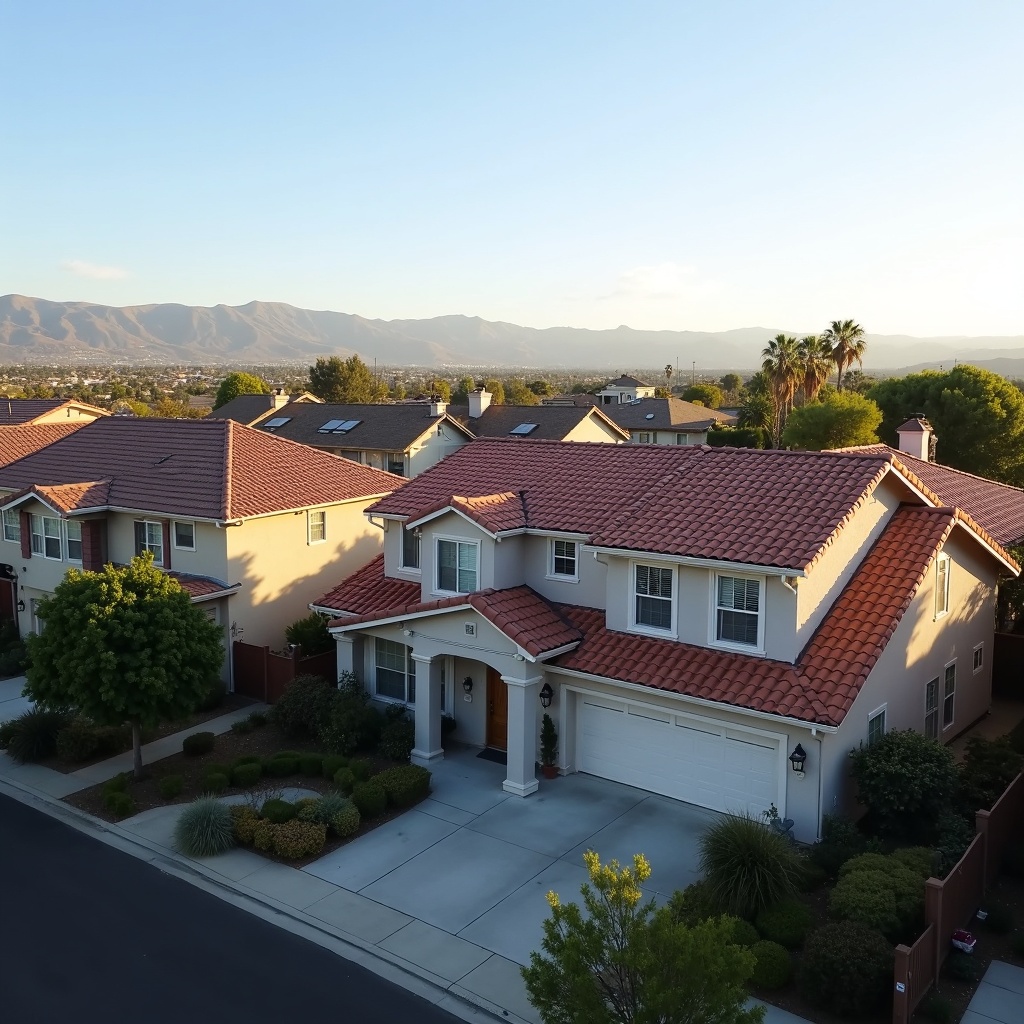
When Burbank homeowners start researching roof replacement, the first question is almost always the same: which material will protect my home best—and which delivers the best long-term value? With property values averaging around $880,000 across neighborhoods from Magnolia Park to the Media District, the decision matters deeply in Burbank’s hot, dry Mediterranean climate. The right roofing material must withstand relentless sun exposure, occasional Santa Ana wind events, and minimal but intense winter rains while protecting your investment. This guide breaks down how asphalt shingles, metal roofing, and tile stack up across durability, energy efficiency, fire resistance, and total cost of ownership—all tailored to Burbank’s unique architectural character and climate demands.
📋 In This Guide
The reality: upfront price tells only part of the story. A local roofing contractor who understands Burbank’s building codes, climate patterns, and home styles can help you calculate true lifetime value—factoring in maintenance, energy savings, insurance discounts, and resale impact. We specialize in matching roof replacement materials to both your budget and your home’s long-term needs. Call Hollywood Contractor Corp at (818) 264-1955 for a free assessment that accounts for your specific neighborhood conditions, home age, and architectural style.
Why Burbank’s Climate Demands Strategic Material Choices
Burbank experiences hot, sunny summers and mild, relatively rainy winters, with around 3,440 sunshine hours per year. This intense solar exposure creates specific challenges for roofing materials. Once UV radiation exceeds 300 days of sunshine annually, it breaks down asphalt binders and oxidizes exposed mat fibers, turning what might have been a five-year gradual aging process into twelve months of rapid decline. Temperature swings between hot days and cool evenings cause materials to expand and contract, which can widen cracks and loosen fasteners over time.
For homeowners in established neighborhoods like Rancho and Downtown Burbank, where homes range from mid-century construction to newer builds, these climate realities directly impact which roofing material makes the most sense. Burbank sits in a hot, dry Mediterranean climate with extreme UV radiation, minimal rainfall, and powerful Santa Ana wind events. While rain is infrequent, when winter storms arrive, dried-out materials that have lost flexibility can develop leaks quickly. Understanding how asphalt, metal, and tile respond to these specific conditions helps you choose a material engineered for Burbank’s environmental demands—not just generic roofing advice.
Asphalt Shingles: Affordable Today, Higher Costs Tomorrow
Asphalt shingles remain the most widely installed residential roofing material nationwide, and for good reason: they’re affordable, versatile in color and style, and familiar to most contractors. Asphalt shingles typically come with a 15 to 30-year warranty and last between 20 to 30 years. In Burbank specifically, that lifespan often trends toward the lower end. In regions with frequent UV exposure or temperature extremes, a realistic lifespan for architectural shingles is typically 20-25 years, as UV exposure can cause cracking or fading.
The installation simplicity and lower upfront investment make asphalt attractive for budget-conscious homeowners or those planning to sell within a decade. However, the long-term cost equation shifts once you account for replacement cycles. Because shingles usually last only 15–25 years, homeowners may need two or even three shingle roof replacements during the lifespan of one metal roof, which can last 40–70 years. For Burbank homeowners maintaining high-value properties, that means potentially facing multiple tear-offs, disposal fees, and installation costs over the decades you own your home.
Heat Absorption and Energy Performance
Traditional asphalt shingles have extremely poor reflectivity and absorb heat like a sponge, radiating heat down into the home long after the sun has set. In Burbank’s summer climate, where afternoon temperatures routinely reach the mid-90s, this heat absorption drives up air conditioning costs significantly. While cool-roof asphalt shingles with reflective granules are available, certain reflective metal panels help keep attic spaces cooler in hot climates, while asphalt shingles can be more prone to heat-related damage if not designed for high temperatures.
Maintenance and Longevity Concerns
The granular coating on asphalt shingles helps protect them from harsh ultraviolet rays from the sun, but roof shingles that are losing or have lost their granules are more exposed to UV rays, potentially causing them to age faster and become brittle. This granule loss accelerates in high-UV environments like Burbank, where constant sun exposure dries out shingles and causes cracking. Shingles are prone to curling, cracking, or blowing off in strong winds, and in hot climates, they can warp or lose granules more quickly.
For homeowners in areas like North Hollywood and Glendale who experience occasional Santa Ana wind conditions, this vulnerability to wind damage presents an ongoing maintenance concern. Regular inspections become essential to catch missing or damaged shingles before water infiltration damages the underlying roof deck.
Metal Roofing: Higher Investment, Decades of Performance
Metal roofs can last 40 to 70 years and may even outlast their warranty, which means that over its lifespan, you might need to replace an asphalt roof two or even three times. For Burbank homeowners evaluating total cost of ownership rather than just installation price, metal roofing emerges as a compelling long-term investment. Metal roofs cost more upfront, but the return on investment is higher, and they can endure a lot.
The durability advantage matters particularly in Burbank’s climate. Metal roofs are highly weather-resistant, withstanding snow, wind, and hail with a Class 4 impact rating, and metal roofing also boasts a Class A fire rating. In neighborhoods near the Verdugo Mountains where wildfire risk occasionally elevates, that Class A fire rating can translate into insurance premium reductions—adding another layer of long-term savings.
Energy Efficiency: Reflecting Heat Instead of Absorbing It
Metal roofs are highly reflective and can reflect up to 70% of the sun’s energy back into the atmosphere, making them one of the most energy-efficient roofing materials on the market, potentially saving homeowners up to 40% in energy costs. In Burbank’s climate, where air conditioning represents a major portion of household energy expenses from June through October, this cooling cost reduction delivers measurable monthly savings.
Cool metal roofs can remain up to 50–60 degrees cooler than traditional asphalt shingles on a hot summer day, and metal roof heat reduction can decrease cooling costs by 20–40% annually. For a typical Burbank home, that translates into hundreds of dollars in annual utility savings. Reflective metal roofing uses special coatings that prevent heat absorption, and unlike darker materials that retain heat long after the sun sets, metal roofs quickly release heat, stabilizing indoor temperatures and reducing nighttime cooling costs.
Many reflective metal roof coatings meet California’s Cool Roof Rating Council standards and qualify for ENERGY STAR certification, ensuring compliance with state energy codes while delivering verified performance benefits. For environmentally conscious homeowners in Burbank’s sustainable-minded neighborhoods, metal roofing also pairs exceptionally well with solar panel installations.
Aesthetic Versatility and Installation Considerations
Metal roofing comes in a variety of forms including standing seam panels, corrugated or ribbed panels, and even metal shingles that resemble tile or slate, designed to look like slate, clay tile, or even wood shakes to suit more traditional homes. This versatility allows homeowners to achieve the modern clean lines popular in the Media District or replicate Spanish tile aesthetics common in older Burbank neighborhoods—all while gaining metal’s performance advantages.
The installation does require specialized expertise. Metal requires skilled installers who understand specialized fasteners and seam details, and poor installation can lead to leaks or cut short the roof’s lifespan. This makes contractor selection critical—choosing an experienced Remodeling & Roofing Contractor familiar with metal roofing systems ensures proper installation that maximizes the material’s longevity and performance benefits.
Tile Roofing: Iconic California Style with Serious Durability
Metal roofs last 40-70 years, tile roofs 50+ years, and asphalt shingles 20-30 years, and in California’s climate, concrete tile and cool roofs are popular for their durability and energy efficiency. Clay and concrete tile represent the premium end of the roofing spectrum, offering exceptional longevity and the classic Mediterranean aesthetic that defines much of Southern California architecture. Clay and concrete tile have been tested in the harshest of weather elements, including heavy rain, hurricane-force winds, damaging hail and freeze-thaw conditions, are naturally fireproof and exceed current seismic load requirements.
For Burbank homeowners with Spanish Colonial, Mission Revival, or Mediterranean-style homes—particularly common in established neighborhoods like Magnolia Park—tile roofing preserves architectural authenticity while delivering unmatched performance. Concrete and clay tile roofs offer a non-combustible Class A fire rating and easily meet the Class B and A fire codes, providing crucial wildfire protection in areas where ember exposure presents a risk.
Installation Complexity and Structural Requirements
The primary consideration with tile roofing involves weight and installation complexity. Concrete and clay tiles are substantially heavier than asphalt or metal, often requiring structural reinforcement to ensure the roof framing can support the added load. This structural assessment becomes particularly important for older Burbank homes built before modern building codes, where roof framing may need upgrading before tile installation.
Over time, gaps can develop in roofing assemblies due to settling of the structure, aging of the materials, or earthquakes, and this infiltration of embers through gaps could lead to ignition of materials in an attic space immediately below. The research findings suggest that one potential approach to reducing wildfire risks would be to install continuous, fire-resistant underlayments. Proper installation with quality underlayment addresses these vulnerabilities and ensures tile roofing delivers its full protective benefits.
Energy Performance and Long-Term Value
Like metal, tile roofing offers excellent thermal performance in Burbank’s climate. The air gap between tiles and the roof deck creates a natural ventilation channel that reduces heat transfer into the attic, lowering cooling costs during summer months. Light-colored concrete tiles provide high solar reflectance, further enhancing energy efficiency.
The investment in tile roofing pays dividends through minimal maintenance requirements and exceptional longevity. Unlike asphalt shingles that require periodic replacement or metal that may need recoating, properly installed tile roofing can last 50+ years with minimal intervention beyond occasional broken tile replacement. For homeowners planning to stay in their Burbank property long-term, tile represents a true install-it-and-forget-it solution that adds substantial curb appeal and resale value.
Material Comparison: Burbank-Specific Performance Analysis
| Factor | Asphalt Shingles | Metal Roofing | Tile (Clay/Concrete) |
|---|---|---|---|
| Lifespan in Burbank Climate | 20-25 years (UV exposure accelerates aging) | 40-70 years (minimal climate degradation) | 50+ years (exceptional heat tolerance) |
| Fire Rating | Class A (with fiberglass base) | Class A (non-combustible) | Class A (inherently fireproof) |
| Energy Efficiency | Poor to moderate (absorbs heat unless reflective coating applied) | Excellent (reflects up to 70% solar energy; 20-40% cooling cost reduction) | Very good (natural ventilation gap reduces heat transfer) |
| Wind Resistance | Moderate (vulnerable to uplift in Santa Ana winds) | Excellent (interlocking panels highly secure) | Excellent (when properly fastened) |
| Maintenance Requirements | Moderate to high (granule loss, cracking, periodic replacement) | Low (occasional inspection; coating refresh after decades) | Low (individual tile replacement as needed) |
| Weight (structural impact) | Light (no structural reinforcement needed) | Very light (can reduce structural stress) | Heavy (may require framing reinforcement) |
| Installation Complexity | Straightforward (most contractors experienced) | Specialized (requires skilled metal roofers) | Complex (proper fastening critical) |
| Architectural Fit | Versatile (suits most styles) | Modern to traditional (depends on profile) | Mediterranean, Spanish Colonial (iconic SoCal aesthetic) |
Building Code and HOA Considerations in Burbank
Burbank building codes follow California’s Title 24 energy standards, which establish minimum solar reflectance requirements for roofing materials in hot-dry climate zones. California’s Title 24 energy code requires cool roofing on most new construction and re-roofing projects in climate zones 10 through 15, which includes the entire Central Valley. While Burbank doesn’t fall within the Central Valley, the same energy-efficiency principles apply—homeowners choosing asphalt shingles should verify their selected product meets reflectance minimums.
Homeowners association restrictions can significantly impact material choices, particularly in established neighborhoods with architectural guidelines. Areas like Magnolia Park or the Rancho district often have aesthetic covenants that favor specific roofing profiles or colors. Before finalizing material selection, review HOA architectural standards or work with a local contractor familiar with neighborhood requirements.
Permit requirements apply to all roof replacement projects in Burbank. Most cities in California require a building permit for roof replacement, and contractors should handle all permit applications and inspections as part of full-service roofing process. Professional contractors include permit acquisition in their scope of work, ensuring compliance with structural, fire, and energy codes.
Making the Decision: Which Material Fits Your Situation?
The right roofing material depends on multiple factors beyond simple price comparison. Consider these decision criteria based on your specific circumstances:
Choose asphalt shingles if: You’re working with a limited budget and need immediate replacement, your home will likely be sold within 10-15 years, architectural flexibility across colors and styles matters most, or you’re replacing a rental property roof where long-term ownership isn’t the primary concern.
Choose metal roofing if: You’re planning to stay in your home for decades and want to eliminate future replacement costs, energy efficiency and cooling cost reduction are priorities given Burbank’s heat, you want the longest possible lifespan with minimal maintenance intervention, fire protection and insurance premium reduction matter in your neighborhood, or modern aesthetic appeals and complements your home’s architecture.
Choose tile roofing if: Your home features Mediterranean, Spanish Colonial, or Mission Revival architecture where tile preserves authentic character, you want maximum longevity and are prepared for the higher upfront investment, your home’s structure can support tile weight or you’re willing to invest in reinforcement, neighborhood aesthetics or HOA requirements favor tile profiles, or you prioritize the iconic Southern California roofing aesthetic.
For many Burbank homeowners, the decision ultimately balances upfront affordability against long-term value. A roof represents a significant investment in your home’s protection, energy efficiency, and resale appeal. Understanding how different materials perform specifically in Burbank’s hot, dry climate—with intense UV exposure, temperature swings, and occasional wind events—ensures you select a solution engineered for local conditions rather than generic recommendations.
Expert Installation Makes All the Difference
Regardless of which material you choose, installation quality determines whether your roof achieves its expected lifespan and performance. Improper installation methods can significantly shorten a roof’s lifespan, leading to an unnecessary replacement. This makes contractor selection just as important as material selection.
Look for contractors with specific experience in your chosen material, proper licensing and insurance, knowledge of Burbank building codes and permit processes, and verifiable references from recent local projects. Metal roofing particularly demands specialized installation expertise—standing seam panels require precision fastening and seam crimping that general roofers may lack.
Proper ventilation installation affects every roofing material’s longevity. Without balanced intake and exhaust airflow, attic heat becomes trapped and ‘cooks’ the shingles from below, causing premature curling, cracking, and granule loss. Professional contractors assess and upgrade ventilation systems during roof replacement, ensuring your new roof has the airflow needed to maximize lifespan.
Flashing installation around chimneys, skylights, and roof penetrations represents another critical quality factor. Improper flashing around chimneys, vents, and roof valleys allows moisture intrusion, which weakens the underlying decking and reduces system durability. Experienced contractors use proper flashing techniques and materials specific to each roofing type, preventing the water infiltration that causes premature failure.
Schedule Your Burbank Roof Replacement Consultation
Hollywood Contractor Corp has served Burbank homeowners with expert roof replacement services for years, helping families navigate material selection, permitting, and installation across every neighborhood from Downtown Burbank to the Rancho district. We understand how Burbank’s Mediterranean climate, architectural diversity, and building requirements affect roofing decisions. Our team provides honest assessments that account for your home’s age, structural condition, budget constraints, and long-term goals—delivering solutions tailored to your specific situation rather than one-size-fits-all recommendations.
Whether you’re comparing the affordability of asphalt shingles, the energy efficiency of metal roofing, or the timeless appeal of clay tile, we’ll explain how each material performs in Burbank’s climate and what you can realistically expect in terms of longevity, maintenance, and total cost of ownership. Call us today at (818) 264-1955 to schedule a free roof assessment. We’ll inspect your current roof, discuss material options suited to your home and neighborhood, provide transparent information about what replacement involves, and deliver a detailed quote with no obligation. When you work with a trusted local remodeling company that prioritizes quality installation and customer education, your roof replacement becomes an investment that protects your home and delivers value for decades.

Adolfo Ramos is the owner and founder of Hollywood Contractor Corp, serving the San Fernando Valley with comprehensive remodeling and roofing services. With over fifteen years of hands-on construction experience, he has built a reputation for quality craftsmanship and reliable service throughout Burbank, La Crescenta, Pasadena, and North Hollywood. Adolfo takes pride in transforming homes while maintaining the highest standards of safety and customer satisfaction.
❓ Frequently Asked Questions
How long does a metal roof last compared to asphalt shingles in Burbank's climate?
Metal roofs typically last 40-70 years in Burbank, while asphalt shingles last 20-25 years due to intense UV exposure. Burbank's hot, dry climate accelerates asphalt deterioration but has minimal impact on metal, making metal a better long-term investment despite higher upfront cost.
Can metal roofing really reduce cooling costs in Burbank homes?
Yes. Reflective metal roofing can reduce cooling costs by 20-40% annually in Burbank by reflecting up to 70% of solar energy instead of absorbing it like asphalt shingles. This translates to hundreds of dollars in yearly savings during Burbank's hot summer months.
What roof material qualifies for the best fire rating in California?
Clay tile, concrete tile, and metal roofing all achieve Class A fire ratings—the highest fire resistance classification. This matters particularly in Burbank neighborhoods near foothill areas where wildfire risk can affect insurance premiums and home protection.
Should I contact Hollywood Contractor Corp for a roof replacement estimate?
Absolutely. Hollywood Contractor Corp provides free roof assessments throughout Burbank, explaining how different materials perform in our local climate and delivering transparent quotes. Call (818) 264-1955 to schedule an inspection with experienced professionals who understand Burbank's building codes and neighborhood requirements.
📖 More Tips for Burbank
-
 Modular vs. Site-Built Home Addition
Modular additions complete 40–60% faster and offer cost savings through factory efficiency, but site-built construction provides unlimited design…
-
 Foundation Repair Methods: Helical Piers vs Push Piers vs
Foundation problems in Burbank homes demand the right repair solution—not all methods work equally for every situation. This…
-
 Waterproof Flooring for Burbank Homes: LVP, Tile & More
Most 'waterproof' flooring isn't actually waterproof—at least not the way you think. Learn which materials truly protect Burbank…
-
 Will Your Burbank ADU Foundation Fail? Clay, Drainage &
Burbank's expansive clay soils and hillside terrain demand engineered ADU foundations that cost significantly more than standard slabs—and…