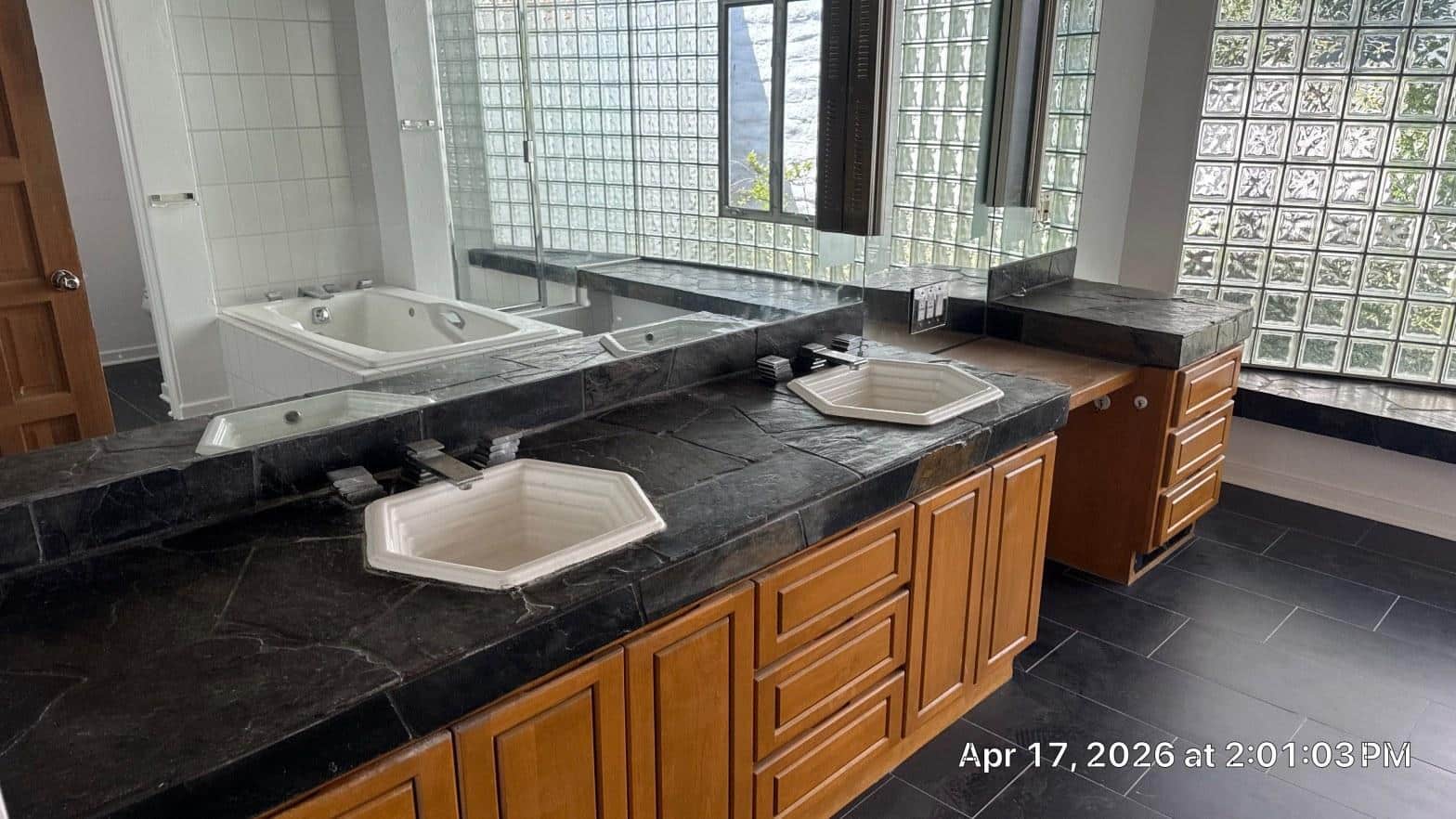
Planning a bathroom remodel in California involves permits, budgeting, design choices, and finding the right licensed contractor. This step-by-step guide walks you through every stage of the process.
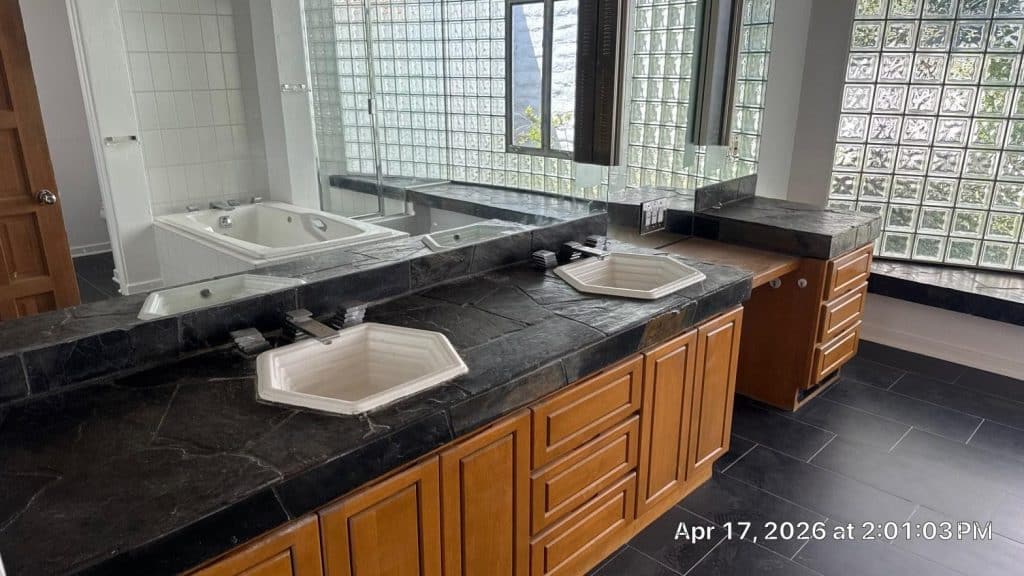
How to Plan a Bathroom Remodel in California: Where to Start
Knowing how to plan a bathroom remodel in California means understanding three things up front: your budget ceiling, your permit obligations, and your timeline. Skipping any one of these three steps is the most common reason projects stall or go over budget.
California homeowners face a unique planning environment. The state’s Title 24 building energy standards require water-conserving fixtures and, in many cases, energy-efficient lighting in any remodeled bathroom. These rules apply statewide, whether you are remodeling in Los Angeles County, the Inland Empire, or the Bay Area.
Before you open a design app or visit a tile showroom, answer these four questions:
- What is driving the remodel? Cosmetic refresh, layout change, accessibility upgrade, or full gut renovation each carry different costs and permit needs.
- What is your hard budget limit? Set a number you will not exceed, then plan to 80 percent of it and keep 20 percent as a contingency.
- How long can you live without that bathroom? Full remodels typically take 3 to 6 weeks. Larger projects with custom tile or special-order fixtures can stretch to 8 to 10 weeks.
- Is this your only bathroom? If so, sequencing and temporary solutions need to be part of the plan from day one.
Once you have clear answers, the rest of the planning process follows a logical order covered in the sections below.
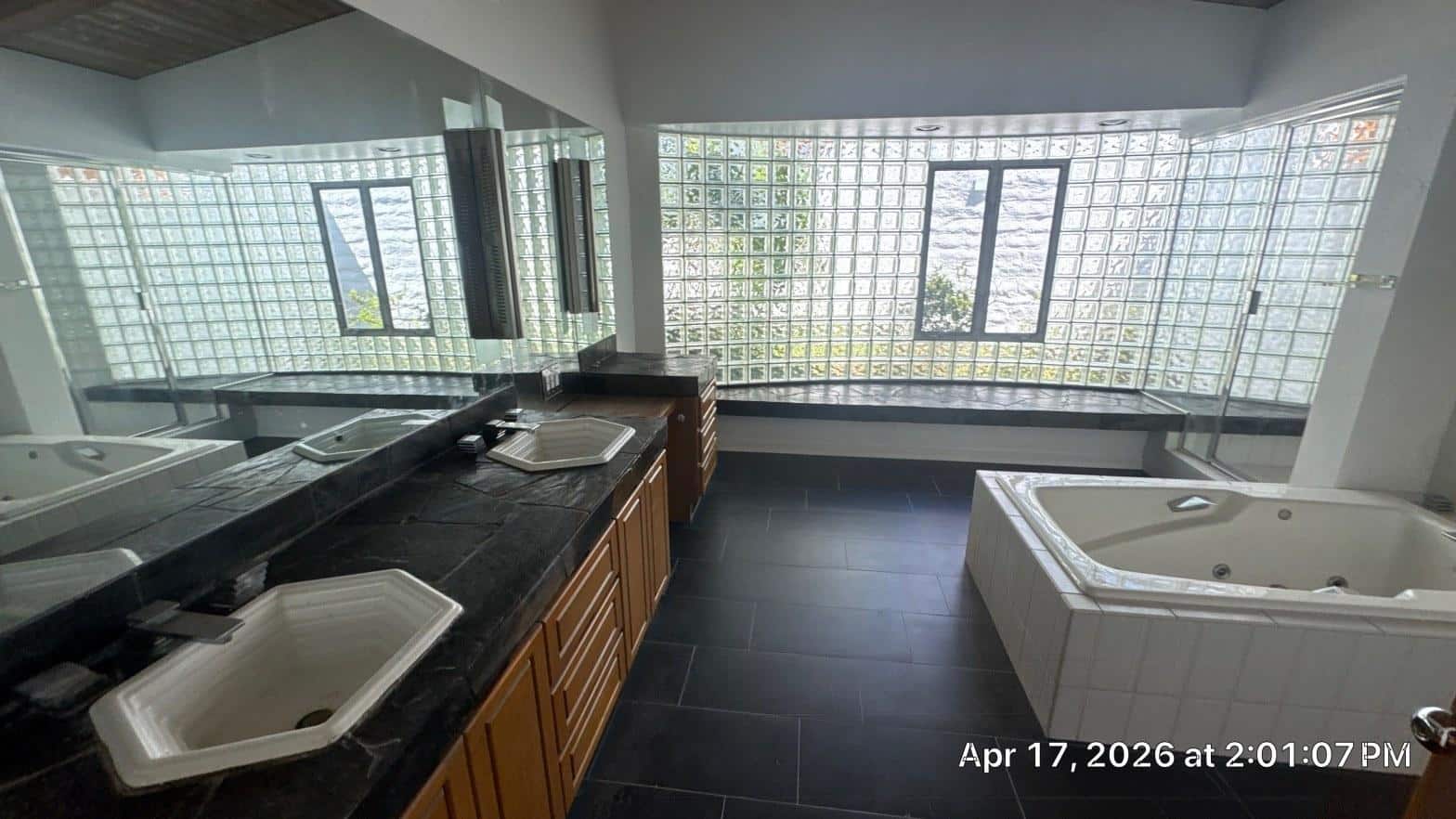
What Permits Does a Bathroom Remodel Require in California?
Most bathroom remodels in California require at least one permit — and projects that move plumbing, add electrical circuits, or change the ventilation layout typically require three separate permits: plumbing, electrical, and building. Cosmetic work like replacing a vanity, mirror, or flooring in the same footprint often does not require a permit, but any structural or mechanical change does.
California’s permit system is administered at the local jurisdiction level (city or county building department), but the state sets the baseline through the California Building Standards Code (Title 24). That means requirements are consistent in principle but vary in processing time and fee structure by location.
Common permit triggers in a bathroom remodel include:
- Moving or adding plumbing lines: Relocating a toilet, shower, or sink drain requires a plumbing permit and inspection.
- Adding a GFCI circuit or outlet: Any new electrical work near water requires an electrical permit under the California Electrical Code.
- Installing a new exhaust fan: If ducting is added or rerouted, a mechanical permit is often required.
- Structural wall changes: Removing or altering a wall — even a non-load-bearing one — typically triggers a building permit.
- Water heater or tankless unit upgrades: If the remodel includes a new water heater, a separate permit is usually required.
Permit fees in California typically range from $150 to $1,200 depending on the jurisdiction and project valuation. Processing times vary widely — some cities offer over-the-counter approval in one to two days, while others take two to six weeks. Factor permit lead time into your overall project schedule from the start.
Our team pulls permits on roughly 90 percent of the bathroom projects we complete across the region. The remaining 10 percent are purely cosmetic swaps — new fixtures, paint, and hardware — that fall below the permit threshold.
How Much Does a Bathroom Remodel Cost in California?
In the California market, a basic bathroom remodel typically ranges from $8,000 to $15,000, a mid-range full remodel runs $15,000 to $35,000, and a high-end or primary suite renovation can reach $50,000 to $80,000 or more. Scope, materials, and labor rates in your specific county are the biggest cost drivers.
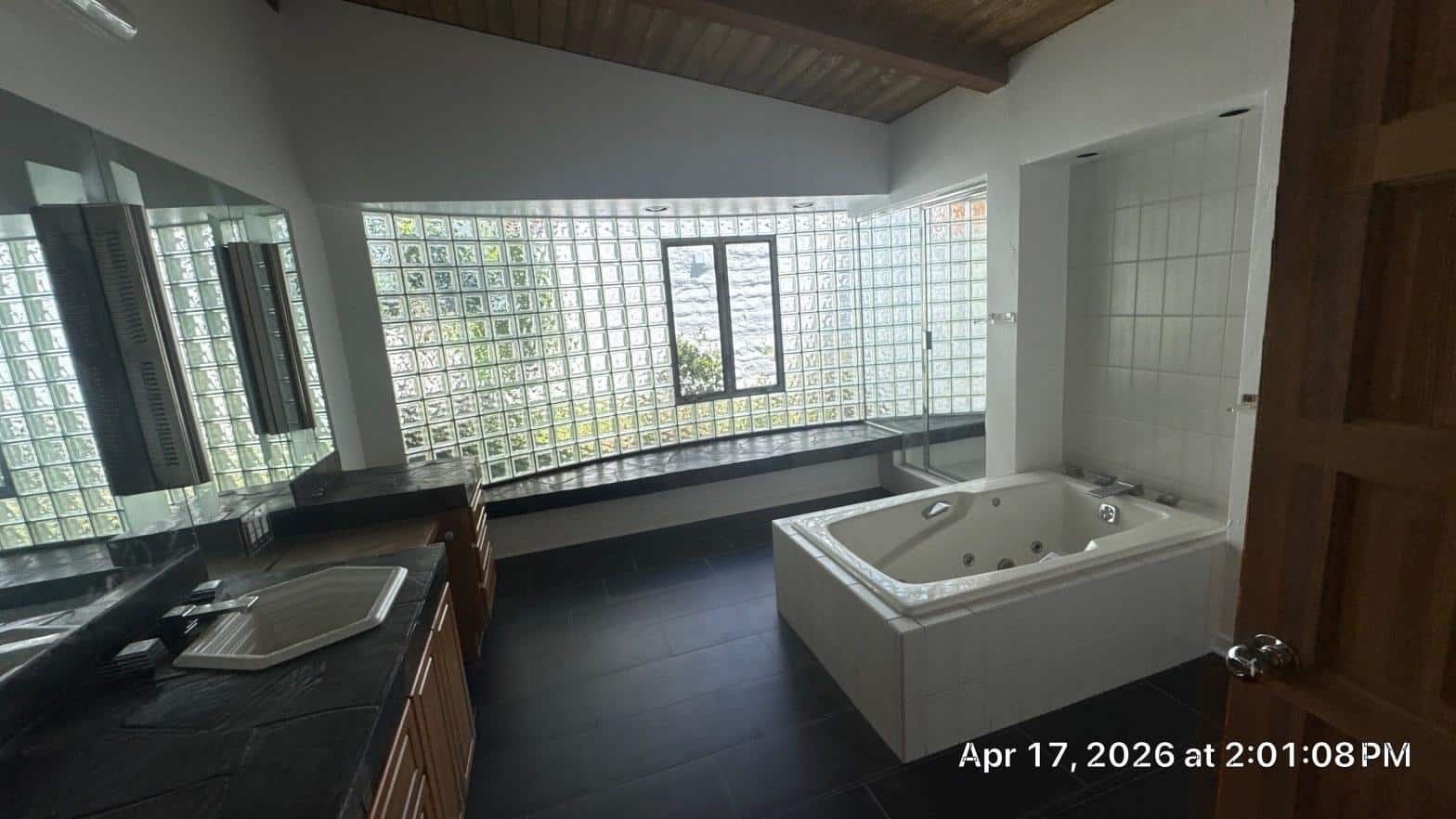
The table below breaks down the typical cost tiers and what each generally includes in the California market:
| Remodel Tier | Typical CA Market Range | What It Generally Includes |
|---|---|---|
| Basic / Cosmetic | $8,000 – $15,000 | New vanity, toilet, fixtures, paint, flooring (same layout) |
| Mid-Range Full Remodel | $15,000 – $35,000 | New tile shower, updated plumbing and electrical, new layout possible |
| High-End / Primary Suite | $35,000 – $80,000+ | Custom tile, walk-in shower, freestanding tub, heated floors, full layout change |
Key factors that push costs higher in California specifically include:
- Labor rates: California labor costs are among the highest in the country. Expect licensed plumber and tile-setter rates of $85 to $150 per hour in most metro areas.
- Permit fees and inspection delays: These add both direct cost and indirect cost through extended project timelines.
- Water-efficient fixture requirements: California’s plumbing code requires low-flow toilets (1.28 gallons per flush or less) and low-flow showerheads under state water conservation standards. Compliant fixtures are widely available but add a line item if you were planning to reuse older hardware.
- Waterproofing standards: California inspectors enforce strict waterproofing requirements for shower surrounds. Cutting corners here leads to failed inspections and costly rework.
The ENERGY STAR certification on water heaters and fixtures can also qualify California homeowners for the Inflation Reduction Act federal tax credit of up to 30 percent on qualifying energy-efficient upgrades, which can meaningfully offset project costs.
Always request a written, itemized quote before any work begins. Call (818) 264-1955 to get a custom quote from Hollywood Contractor Corp.
How Do You Design a Bathroom That Works for Your Space?
Good bathroom design balances three things: the physical footprint you have, the fixtures and storage you need, and the California code requirements you must meet. Most bathrooms fall into one of three size categories — half bath (under 20 sq ft), full bath (40 to 60 sq ft), or primary suite bath (60 to 120 sq ft or larger) — and each has its own design logic.
Start with layout before you start with aesthetics. Moving the toilet or shower drain even 12 inches can add $1,500 to $3,000 in plumbing labor. If you can work with the existing drain locations, you save money and time. If a layout change genuinely improves function, it is often worth the added cost — just budget for it from the start.
Moving the toilet or shower drain even 12 inches can add $1,500 to $3,000 in plumbing labor.
Design decisions that have the biggest impact on both livability and resale value:
- Shower vs. tub: Walk-in showers are the most requested upgrade in California remodels. However, homes with young children or buyers in family markets often benefit from keeping at least one tub.
- Storage: Recessed medicine cabinets and built-in niches add storage without consuming floor space — critical in smaller California bathrooms.
- Tile selection: Large-format tiles (24×24 inches or bigger) reduce grout lines and look modern, but they require a flatter substrate and more skilled installation. Budget accordingly.
- Lighting: California’s Title 24 energy standards require that at least 90 percent of bathroom lighting wattage come from high-efficacy (LED) sources. Plan your lighting layout around this rule from the start.
- Ventilation: California Building Code requires mechanical ventilation in bathrooms without an operable window. A properly sized exhaust fan (measured in CFM for the room’s square footage) is not optional.
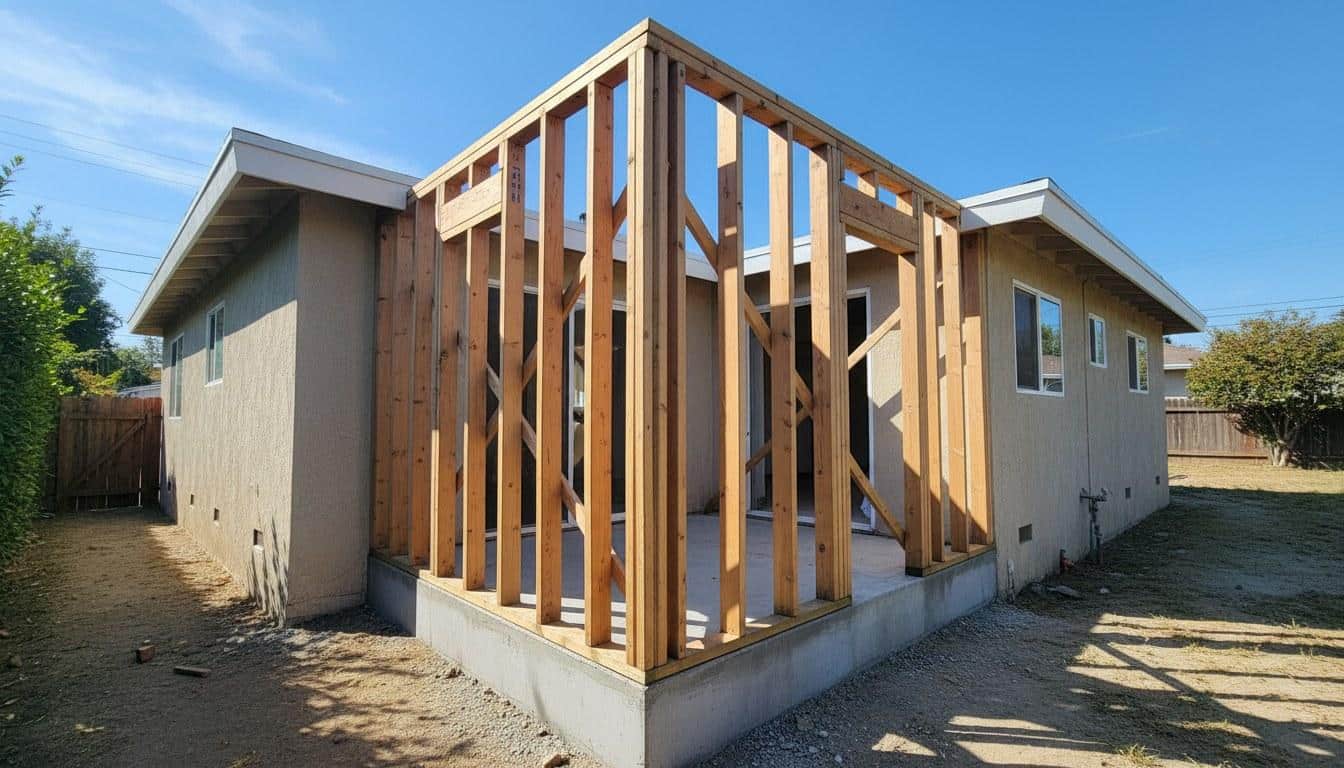
If you are planning an ADU (accessory dwelling unit) with a bathroom, note that ADU bathroom requirements in California follow the same Title 24 standards as the main dwelling. ADU projects in communities across Los Angeles County and surrounding regions have surged since California’s 2020 ADU law changes, making bathroom planning within ADUs a common project type.
How Do You Choose the Right Contractor for a California Bathroom Remodel?
Every contractor doing bathroom remodel work in California must hold a valid license issued by the California Contractors State License Board (CSLB) — typically a B (General Building) or C-36 (Plumbing) license, depending on the scope. Hiring an unlicensed contractor voids your homeowner’s insurance coverage for that work and leaves you with no recourse if something goes wrong.
Here is what to verify before signing any contract:
- CSLB license number: Verify it at cslb.ca.gov. The license should be active and in good standing with no disciplinary actions.
- Workers’ compensation insurance: Required by California law for any contractor with employees. Ask for the certificate of insurance directly.
- General liability insurance: Protects your home if something is damaged during the project. A minimum of $1,000,000 per occurrence is standard.
- Written contract: California law requires a written contract for any home improvement project over $500. It must include a start date, completion date, payment schedule, and a description of all work.
- References and portfolio: Ask for at least three references from bathroom remodel projects completed in the past 12 months.
Get at least three bids. If one bid is dramatically lower than the others — more than 20 to 25 percent below the median — that is a red flag. It usually means the contractor is planning to cut corners, use lower-grade materials, or is not accounting for permit costs.
If one bid is dramatically lower than the others — more than 20 to 25 percent below the median — that is a red flag.
Across our project history, we find that homeowners who skip the reference-check step are roughly 3 times more likely to report mid-project contractor disputes than those who vet at least two prior clients before signing.
What Is the Step-by-Step Timeline for a Bathroom Remodel?
A full bathroom remodel in California follows a predictable sequence of 8 stages, and understanding that sequence helps you set realistic expectations and avoid costly schedule errors. The total elapsed time from planning to final inspection typically runs 6 to 14 weeks, with permit processing accounting for much of the variation.
- Define scope and budget (Week 1-2): Decide what you are changing, set your budget with a 20 percent contingency, and identify your must-haves versus nice-to-haves.
- Design and material selection (Week 2-4): Choose tile, fixtures, vanity, lighting, and layout. Order any special-order items now — lead times on some tiles and fixtures run 4 to 8 weeks.
- Hire contractor and finalize contract (Week 3-5): Get three bids, verify CSLB licenses, and sign a written contract that includes a detailed scope of work and payment schedule.
- Pull permits (Week 4-8): Your contractor submits permit applications to the local building department. Timeline varies by jurisdiction — budget 2 to 6 weeks for approval in most California cities.
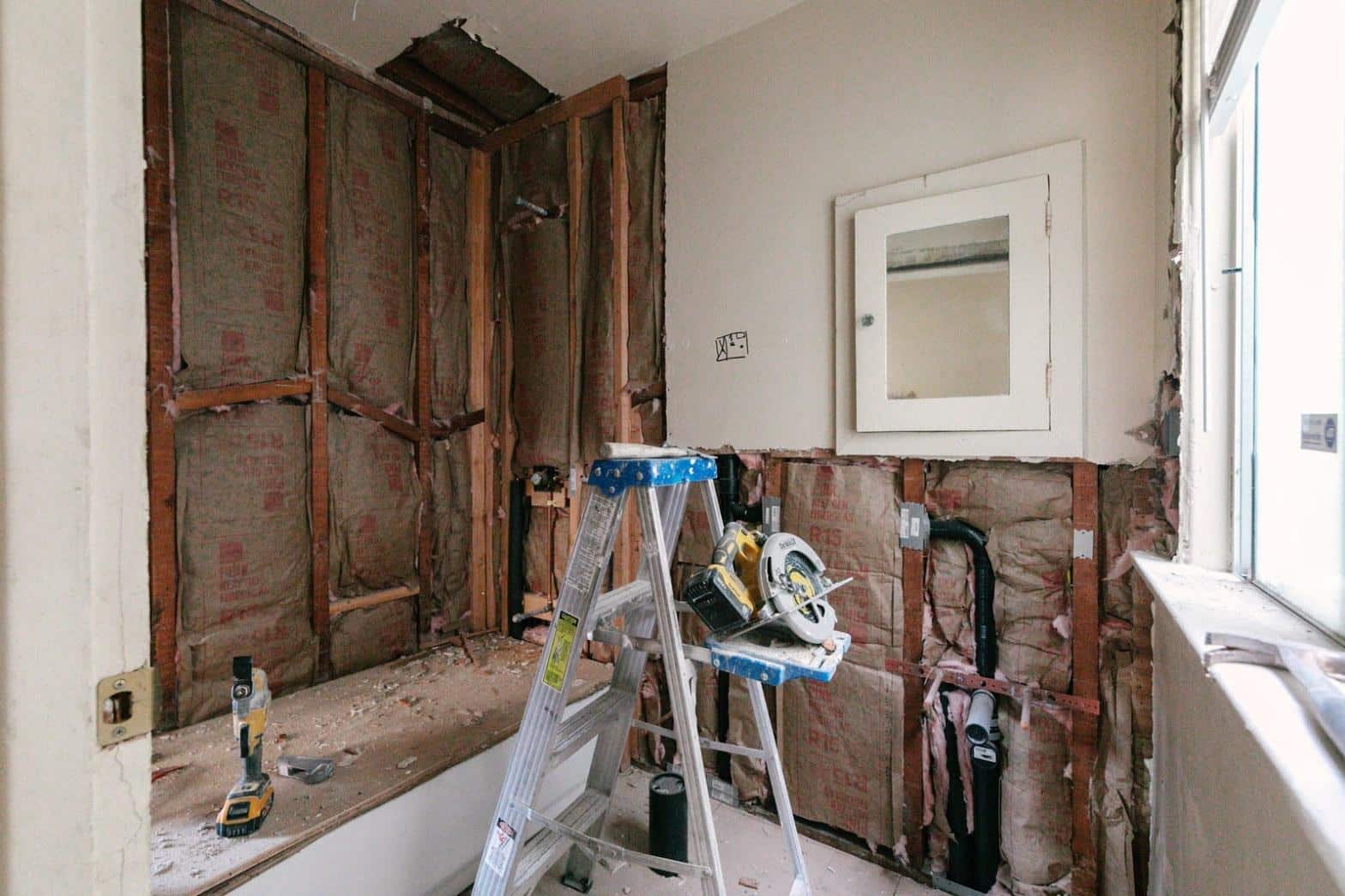
- Demolition (Day 1-3 of construction): Existing tile, fixtures, and drywall are removed. This is when hidden problems — rot, mold, outdated wiring — are discovered. Your contingency budget exists for this moment.
- Rough work: plumbing, electrical, framing (Week 1-2 of construction): New pipes, wiring, and any structural changes are completed before walls are closed. Rough inspections happen at this stage.
- Waterproofing, tile, and finishes (Week 2-4 of construction): Shower waterproofing membrane, tile installation, drywall, paint, and cabinetry are completed in sequence. Tile work alone can take 5 to 10 days for a full shower surround.
- Fixture installation and final inspection (Week 4-6 of construction): Toilet, vanity, mirrors, lighting, and accessories are installed. The building department conducts a final inspection and issues a certificate of completion.
If you are learning how to plan a bathroom remodel in California for the first time, the single most important scheduling tip is this: order your tile and fixtures before permits are approved. Permit processing and material lead times often overlap, and running them in parallel can shave 3 to 4 weeks off your total project timeline.
Ready to Start Your Bathroom Remodel?
Planning a bathroom remodel in California takes more steps than most homeowners expect — but with the right sequence and a licensed contractor, the process is manageable and the results are long-lasting.
Hollywood Contractor Corp helps homeowners across Southern California navigate every step of the bathroom remodeling process, from initial scope and permit applications through final inspection. Whether you are planning a straightforward cosmetic refresh or a full primary suite renovation, the team is ready to walk you through your options with a clear, written quote.
Call (818) 264-1955 to schedule a consultation or request a custom project quote. Get a written estimate before any work begins — no pressure, no commitment required.
Explore our full range of General Contracting services.
Frequently Asked Questions
How much does a bathroom remodel usually cost in California?
In the California market, a basic bathroom remodel typically costs between $8,000 and $15,000, while a full mid-range remodel runs $15,000 to $35,000. High-end primary suite renovations can reach $50,000 to $80,000 or more. The biggest cost drivers are labor rates, permit fees, tile and fixture choices, and whether you are changing the existing plumbing layout. Request a custom quote from a licensed contractor to get a number specific to your project.
Do I need a permit for a bathroom remodel in California?
Yes, most bathroom remodels in California require at least one permit. Any work that involves moving plumbing lines, adding electrical circuits, installing new ventilation ductwork, or making structural changes requires permits from your local building department. Purely cosmetic work — like swapping a vanity or replacing flooring in the same footprint — often does not require a permit, but when in doubt, check with your local jurisdiction before starting work.
How long does a bathroom remodel take from start to finish?
A full bathroom remodel in California typically takes 6 to 14 weeks from the planning stage to final inspection. Construction itself usually runs 3 to 6 weeks, but permit processing can add 2 to 6 weeks depending on your local building department. Special-order tile or fixtures can also add lead time, so order materials early to avoid delays.
How do I find a licensed bathroom remodel contractor in California?
Every contractor doing bathroom remodel work in California must hold a valid license from the California Contractors State License Board (CSLB). You can verify any contractor's license status for free at cslb.ca.gov. Always ask for proof of general liability insurance and workers' compensation coverage, get at least three written bids, and make sure your contract is in writing — California law requires it for any home improvement project over $500.
What is the most expensive part of a bathroom remodel?
Labor is typically the largest single cost in a California bathroom remodel, often accounting for 40 to 50 percent of the total project budget. Within materials, custom tile work and shower enclosures tend to be the highest-cost line items. Moving plumbing drains or adding electrical circuits also adds significant cost because it requires licensed subcontractors and separate permit inspections.