

Slab Leaks & Foundation Damage: The Urgency Timeline
Slab Leaks & Foundation Damage: Southern California’s Urgency Timeline
Southern California homeowners often don’t realize that a hidden plumbing leak beneath their slab foundation can trigger catastrophic structural damage within months, not years. The window between first detection and irreversible foundation compromise is surprisingly narrow, especially in Southern California’s clay-heavy soils that expand and contract with moisture. Acting quickly separates a manageable repair from a six-figure foundation overhaul that threatens your home’s resale value and structural integrity. This guide walks through the critical timeline, detection methods, and repair sequencing that matter most when slab leaks threaten your foundation.
📋 In This Guide
1. Understand Why Slab Leaks Spiral Into Foundation Crisis So Fast
A slab leak doesn’t just waste water—it saturates the soil beneath your foundation with pressurized moisture that never stops flowing. Unlike a roof leak or a wall burst that you can see immediately, a slab leak operates invisibly, pumping gallons daily into compacted soil beneath your home’s concrete base. In Southern California’s neighborhoods, where many homes sit on clay subgrades, this moisture causes the soil to swell unevenly, pushing one section of your foundation up while leaving others to settle. This differential movement creates foundation cracks, wall separation, and bowing that compromise structural load-bearing capacity. The damage accelerates because wet soil loses bearing strength—it can’t support the weight it once did—so the foundation sinks and shifts faster with each passing week. Water pooling under your slab also creates ideal conditions for mold growth inside wall cavities and crawl spaces, adding health risks beyond the structural problem itself.
2. Spot the Warning Signs Before Foundation Damage Becomes Visible
Your water bill is often the first alarm bell. If your monthly usage jumps 25–40% without explanation—no new landscaping, no extra residents, no obvious leaks—a slab leak is the leading suspect. Check your meter: turn off every water source inside and outside your home, wait 15 minutes, and look at the meter dial. If it’s still spinning, water is flowing somewhere you can’t see. Next, walk your foundation perimeter and interior concrete slabs for telltale warm spots. Use your bare foot or an infrared thermometer to detect areas warmer than surrounding concrete—hot water lines under slabs create these thermal signatures. You might also notice a sudden patch of grass that’s greener or soggier than the rest of your lawn, or soft spots in concrete or hardscape where water has saturated the soil below. Inside your home, listen for the hiss or whisper of running water in walls when all fixtures are off—this sound typically means a pressurized line is actively leaking. Don’t ignore small foundation cracks appearing horizontally near corners or door frames; they often precede larger settlement issues caused by slab leaks. If your home’s doors or windows are suddenly sticky or won’t close smoothly, foundation shifting from subsurface moisture may be the culprit.
3. Know the Detection Methods a Licensed Contractor in Southern California Will Use
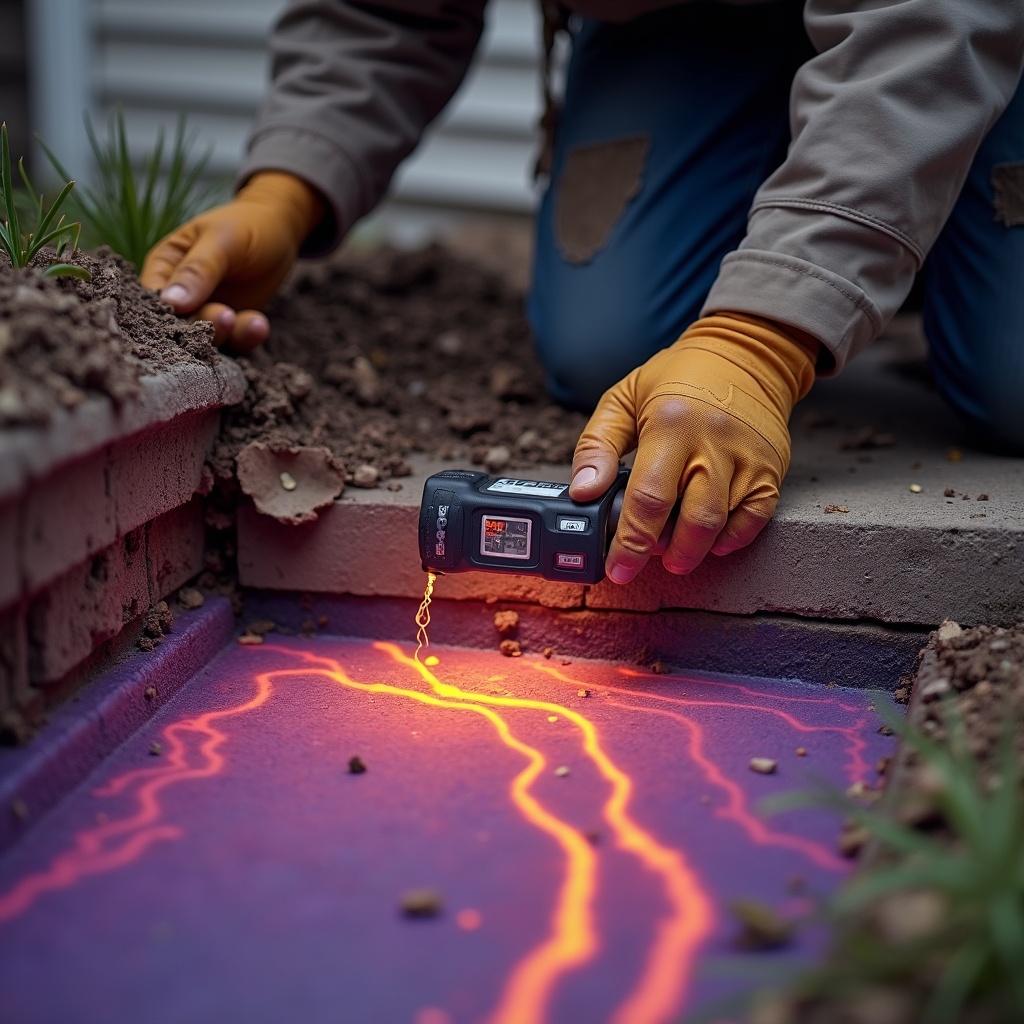
Professional slab leak detection combines multiple technologies because no single method catches every leak. Acoustic detection uses sensitive microphones to listen for the sound of pressurized water escaping from copper or PVC lines—it’s fast and non-invasive but requires trained ears to distinguish leak sounds from normal plumbing noise. Thermal imaging (infrared cameras) reveals temperature differences in concrete or soil, pinpointing warm water line leaks within inches. A licensed contractor in Southern California will also use moisture meters to measure soil saturation beneath your foundation—elevated readings indicate water intrusion. Tracer gas detection involves introducing a harmless gas (typically nitrogen) into your water lines; if it escapes through a breach, a handheld detector locates the leak. For cases where the leak location remains unclear, dye testing can be used: food-grade dye is released into the water system, and contractors observe where colored water emerges from the foundation or soil surface. The most definitive method is a pressure test of individual water lines—plumbers isolate sections of your plumbing and pressurize them to confirm which line is failing. A thorough diagnosis typically combines three or four of these methods, giving you a high-confidence location before any demolition or repair begins. This precision matters because unnecessary excavation under your foundation creates secondary structural risk.
4. Act Fast: The Damage Timeline from First Leak to Foundation Crisis
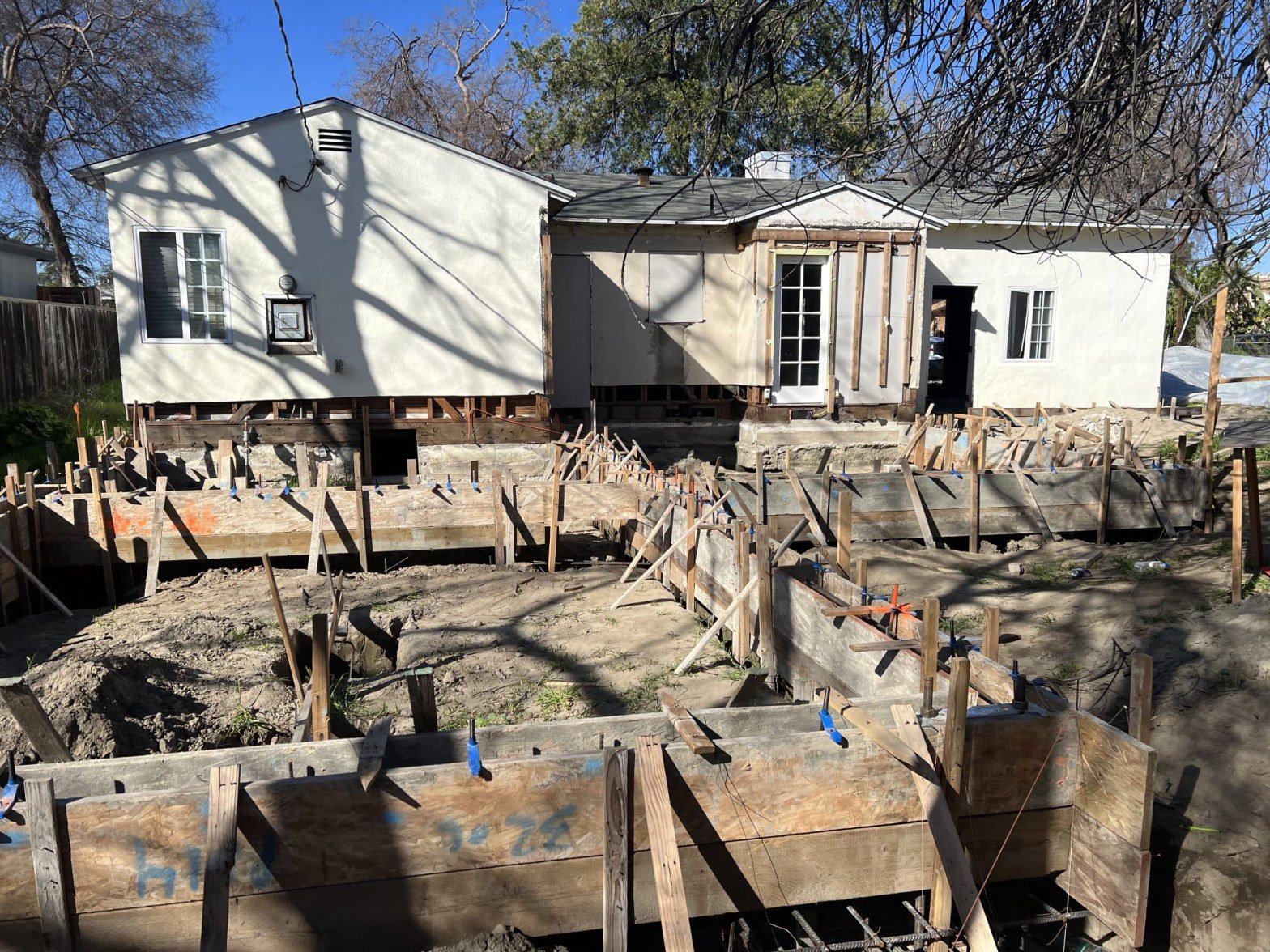
The first 2–4 weeks of a slab leak are deceptive—foundation damage is already beginning, but it’s invisible. Water penetrates soil voids and begins altering bearing capacity beneath your slab. By week 4–8, differential soil movement becomes pronounced in clay-heavy Southern California soils. You may see the first hairline cracks in interior drywall or notice doors beginning to stick. Between weeks 8–16, foundation settlement becomes visible: wider cracks in concrete slabs, displaced tile or grout, and wall separation from framing. Stair-step cracking in brick or block veneer appears. At 16+ weeks of continuous leak exposure, you’ve reached the critical zone where foundation underpinning may become necessary—a process that requires temporary shoring, hydraulic jacks, and deep piering to restore structural support. A leak that costs $2,000–$3,500 to repair in week 3 may cost $15,000–$25,000 in foundation stabilization by month 4. In extreme cases where the leak has gone undetected for 6+ months, total foundation replacement or major underpinning can reach six figures. The window to prevent escalating damage is narrow: if you suspect a slab leak, scheduling a professional inspection within 7–10 days is not an overreaction—it’s the difference between a contained repair and structural catastrophe. Southern California’s older neighborhoods (Old Town, San Rafael area) often have homes built on older clay subgrades that degrade faster under prolonged moisture exposure, making urgency even more critical for these properties.
5. Repair Sequence Matters: Fix the Leak Before the Foundation
This is critical: you cannot stabilize a foundation while the water source continues. Any foundation repair attempted before the slab leak is sealed is temporary at best and wasteful at worst. The correct sequence is always leak repair first, then foundation assessment and repair. Slab leak repair typically involves one of three approaches: spot repair (if the leak is accessible and located near the edge of the slab), re-routing (running new water lines above the slab or through walls to bypass the damaged section entirely), or epoxy pipe coating (a trenchless method that seals the interior of existing pipes without excavation). The chosen method depends on leak location, the age and material of your plumbing, and how much of your slab would need to be excavated. After the leak is sealed and verified repaired, your contractor will monitor the foundation for 2–3 weeks. If cracks stop widening and doors/windows begin closing smoothly again, soil beneath the slab is drying and regaining bearing capacity—you may need only crack injection or monitoring. If settlement continues, underpinning or piering systems become necessary. This staged approach protects your investment: you’re not pouring money into foundation work that becomes irrelevant the moment water resumes flowing beneath your home. A qualified foundation repair specialist will coordinate both the plumbing and structural work, ensuring the leak repair is verified before foundation stabilization begins.
6. Understand Insurance Coverage and Timeline for Concurrent Repairs
Most standard homeowners insurance policies do not cover slab leak repairs—they’re classified as maintenance failures rather than sudden, accidental damage. However, foundation damage caused by the leak may have limited coverage if you can prove the leak was the direct cause. This distinction matters for your timeline and budget. Insurance companies typically require professional documentation of the leak, repair records, and engineering assessment showing the causal link between water intrusion and foundation movement. Filing a claim often delays repair start by 2–4 weeks during investigation and adjuster visits. Given this, many Southern California homeowners choose to proceed with slab leak repair immediately (without waiting for insurance assessment) to stop active water damage, then pursue foundation repair coverage separately if needed. This decision should be made with your insurance agent and contractor together. Some policies cover water damage to interior structures (drywall, flooring, insulation) caused by the leak, which can offset total out-of-pocket costs. The timeline implication is significant: if you wait for insurance approval before repairing the leak, you’re extending active damage by weeks. The cost-benefit almost always favors immediate leak repair to stop the bleeding, followed by foundation work and insurance claims. Contact your agent before the leak is repaired to understand what documentation they’ll require for a potential claim on the foundation damage itself.
7. Plan for Post-Repair Monitoring and Long-Term Foundation Health
After your slab leak is sealed and foundation repairs are complete, your work isn’t finished. A home contractor in Southern California should provide a monitoring schedule: foundation cracks should be marked with tape and dated, then checked monthly for 6 months to confirm they’re not re-opening. Doors and windows should be documented (photographs of gaps, ease of closure) and re-checked quarterly. Your soil’s moisture content should normalize over 8–12 weeks as the foundation dries out. Interior humidity should return to normal levels (40–55%) once the leak is gone. If cracks widen, new cracks appear, or doors become sticky again after 3 months, contact your contractor immediately—it may indicate incomplete leak repair or deeper structural issues requiring additional work. Beyond the repair period, proactive drainage management prevents future slab leaks and foundation problems. Ensure gutters and downspouts direct water at least 5 feet away from your foundation. Grade your landscaping so water slopes away from your home, not toward it. Avoid planting large trees within 10 feet of your foundation—roots seek moisture and can damage both plumbing and structural integrity. If you live in a Southern California neighborhood with a history of foundation issues (common in areas with expansive clay soils), consider a professional foundation inspection every 3–5 years as preventive maintenance. Early detection of new cracks or soil movement prevents another urgent crisis.
Comparison: Slab Leak Detection Methods and Their Effectiveness
| Detection Method | Speed | Accuracy Range | Best For |
|---|---|---|---|
| Acoustic Detection | Very Fast (15–30 min) | Within 3–5 feet | Active hot water line leaks with clear sound signature |
| Thermal Imaging | Fast (10–20 min) | Within 1–2 feet of line | Hot water lines; visible on concrete surface |
| Moisture Meter Testing | Moderate (20–40 min) | Identifies wet zones; less precise location | Confirming soil saturation under slab |
| Pressure/Isolation Testing | Slow (30–60 min per line) | Isolates which line; pinpoint accuracy | Confirming exact line failure before repair |
| Tracer Gas Detection | Moderate (30–45 min) | Within 6 inches at exit point | Pinpointing exact breach location in complex layouts |
Get Professional Help Before Your Timeline Runs Out
If you’ve noticed an unexplained spike in water bills, warm spots on your foundation, or new cracks appearing in your home’s concrete or walls, the clock is running. A slab leak won’t resolve itself—it will only worsen, pulling your foundation into progressive damage that becomes exponentially more costly to repair. Hollywood Contractor Corp serves Southern California homeowners with professional slab leak detection, plumbing repair, and foundation stabilization coordinated as a single project. Our team understands the urgency timeline unique to Southern California’s clay soils and older neighborhoods, and we combine acoustic detection, thermal imaging, and pressure testing to locate leaks with certainty. We then manage the full repair sequence—from stopping the water source to stabilizing your foundation—ensuring no step is skipped and no timeline is wasted. The difference between calling today and waiting another month could be $10,000 or more in additional foundation work. Contact us at (818) 264-1955 or visit our contact page to schedule a free inspection. Your home’s structural integrity depends on moving fast.