

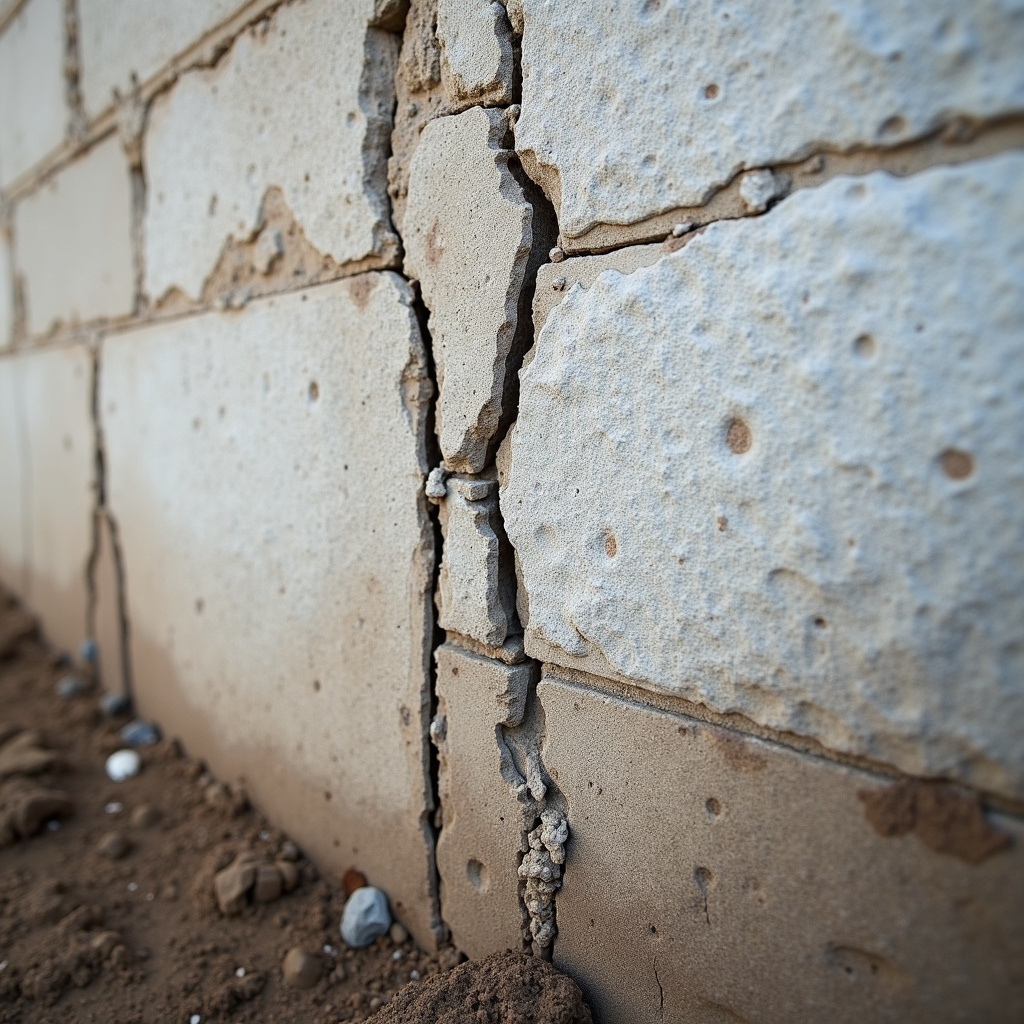
Foundation Cracks in Southern California: Repair or Cosmetic?
Southern California’s older housing stock and unique clay-heavy soil conditions create an ideal environment for foundation movement and cracking. Many homeowners in this tight-knit community panic when they spot the first hairline crack in their basement wall or notice a stair-step pattern in their exterior foundation, assuming catastrophic failure is imminent. The reality is far more nuanced. Some cracks are genuinely cosmetic surface damage that poses no structural risk, while others signal serious foundation problems requiring immediate professional intervention. This checklist-based guide cuts through the confusion with a practical framework to assess your foundation and determine whether you’re facing a quick cosmetic fix or a genuine structural concern.
📋 In This Guide
Myth #1: All Foundation Cracks Are Structural Emergencies
This is perhaps the most damaging myth homeowners hold. Not every crack demands a structural engineer’s report or foundation repair. The key distinction lies in crack patterns, width, and location. Hairline cracks—those thinner than a credit card—in concrete slabs or foundation walls are often simply the natural result of concrete curing and seasonal expansion-contraction cycles common in Southern California’s climate. These superficial cracks rarely indicate structural compromise.
What actually matters is whether the crack is active (still moving) or static (dormant). A crack that hasn’t changed in five years is unlikely to suddenly become dangerous. Static hairline cracks are cosmetic. They can be sealed for water-tightness but don’t require structural repair. Dynamic cracks—those that grow visibly over weeks or months—signal ongoing foundation movement and do warrant professional evaluation. Southern California homeowners should monitor new cracks photographically over a 30-day period; if width or length don’t change, you’re likely dealing with a cosmetic issue.
Myth #2: Vertical Cracks Are Safe; Horizontal Cracks Are Deadly
This oversimplified rule leads homeowners to ignore dangerous vertical cracks while losing sleep over minor horizontal ones. The truth is far more specific. Crack orientation reveals the underlying stress pattern, and severity depends on width, location, and progression—not orientation alone.
Vertical Cracks: Not Always Safe
Vertical and near-vertical cracks often indicate settling or lateral pressure from soil, but width matters enormously. A hairline vertical crack in your foundation wall is cosmetic. A vertical crack wider than 1/8 inch that’s actively growing signals foundation settlement and needs professional assessment. Stepped vertical cracks—those that follow mortar joints in a staircase pattern—are especially concerning because they indicate shear stress and uneven settling across the foundation.
Horizontal Cracks: The Real Red Flag
Horizontal cracks are genuinely more serious and should always trigger professional evaluation. These indicate lateral pressure from soil or water pushing against the foundation wall. Even narrow horizontal cracks can signal bowing walls or inadequate drainage—problems that worsen over time if ignored. A home contractor in Southern California will immediately prioritize horizontal cracks during any inspection because they often precede wall failure.
Stair-Step Patterns: Active Settling
Diagonal cracks following a stair-step pattern through brick or block foundations are red alerts. This pattern indicates differential settling—some parts of the foundation moving faster or farther than others. This is never cosmetic and always requires professional structural assessment.
Myth #3: Cracks in Southern California Homes Are Just Soil Settlement—Nothing to Worry About
Southern California sits on clay-rich soil prone to expansion and contraction with seasonal moisture changes. This is true, and yes, minor settling over decades is normal. But this myth dangerously conflates normal settlement with structural failure. The question isn’t whether settling occurs—it does—but whether it’s uniform or differential.
Uniform settling affects the entire foundation equally and rarely causes structural issues. Differential settling—where one corner or wall sinks faster than others—creates stress, cracks, and eventually bowing walls or stepped foundations. Southern California’s clay soil can absolutely cause both types. Without professional evaluation, you cannot distinguish between them based on visual inspection alone. A structural engineer can assess whether cracks indicate stable, completed settlement (cosmetic outcome) or active, problematic movement (requires repair).
Myth #4: Small Cracks Can’t Lead to Water Intrusion or Mold
This myth is dangerous because it ignores the cascading damage pathway. Even hairline cracks become water entry points during heavy rain or during Southern California’s occasional wet seasons. Water seeping through a crack may not cause immediate visible damage, but it creates ideal conditions for mold growth inside wall cavities, degradation of structural wood elements, and eventual moisture damage to framing or finishes.
The 1/8-inch threshold is practical here: cracks smaller than 1/8 inch can still admit water over time, especially if your home sits on a slope (common in Southern California’s neighborhoods like Crescenta Highlands). Water intrusion is cumulative damage. A crack sealed properly today prevents ten years of hidden moisture damage. This isn’t structural repair—it’s preventive maintenance. Any visible crack, regardless of size, should be sealed with a flexible caulk or injection sealant to prevent water entry.
Myth #5: You Can Always Tackle Foundation Cracks with DIY Sealant
Surface caulking works for true cosmetic cracks (hairline, non-expanding, non-water-producing), but fails on active cracks or those showing water infiltration. The problem: DIY sealants applied to a moving crack simply re-crack within months. Professional foundation repair uses epoxy or polyurethane injection systems that flex with foundation movement and permanently seal the crack from inside—not just the surface.
If a crack is actively leaking water, growing, or associated with other foundation symptoms (stuck doors, sloping floors, visible bowing walls), sealant alone is cosmetic band-aid. You need structural intervention. This is when contacting a licensed structural engineer and a qualified contractor becomes non-negotiable.
Your Foundation Crack Assessment Framework
Use this step-by-step checklist to determine urgency and next steps:
- Measure the crack width. Use a metal ruler or crack-width gauge. Hairline (less than 1/16 inch) to thin (1/16 to 1/8 inch) cracks are typically cosmetic. Wider than 1/8 inch requires professional evaluation.
- Document the crack’s orientation. Is it vertical, horizontal, diagonal, or stair-stepped? Horizontal and stair-step patterns demand immediate professional assessment. Vertical cracks warrant evaluation if wider than 1/8 inch.
- Check for water seepage. Is water actively leaking from or around the crack? Any water seepage—even minor—indicates the crack needs repair. This is not cosmetic.
- Monitor for active movement. Take a photo of the crack and mark its endpoints with a marker or tape. Check weekly for 30 days. If the crack grows noticeably or new ones appear, the foundation is actively settling and needs professional evaluation.
- Look for associated symptoms. Do doors or windows stick? Do floors slope? Are there other cracks appearing? Multiple symptoms indicate systemic foundation issues, not cosmetic damage.
- Assess location and age. A hairline crack that appeared last year and hasn’t changed is likely cosmetic. A new crack that’s growing, or one associated with water or doors sticking, is structural.
If any item triggers concern—water seepage, active growth, horizontal/stair-step pattern, or multiple symptoms—contact a structural engineer. If the crack is hairline, vertical, static, and dry, it’s cosmetic and can be sealed for water-tightness and aesthetics.
When to Call a Structural Engineer and Professional Contractor
Southern California’s clay soil, older housing stock (many homes built 1950s–1980s), and hillside topography create specific foundation stress patterns. A structural engineer evaluates not just the crack but the soil beneath, drainage conditions, and building age to determine root cause. Hollywood Contractor Corp’s Southern California specialists work alongside engineers to implement repairs that address the underlying problem—not just cosmetic patching.
Contact our team at (818) 264-1955 for a free foundation assessment. We’ll identify whether your cracks are cosmetic or structural and outline repair options if needed. For Southern California homeowners, early professional assessment prevents small cosmetic cracks from becoming expensive structural failures.