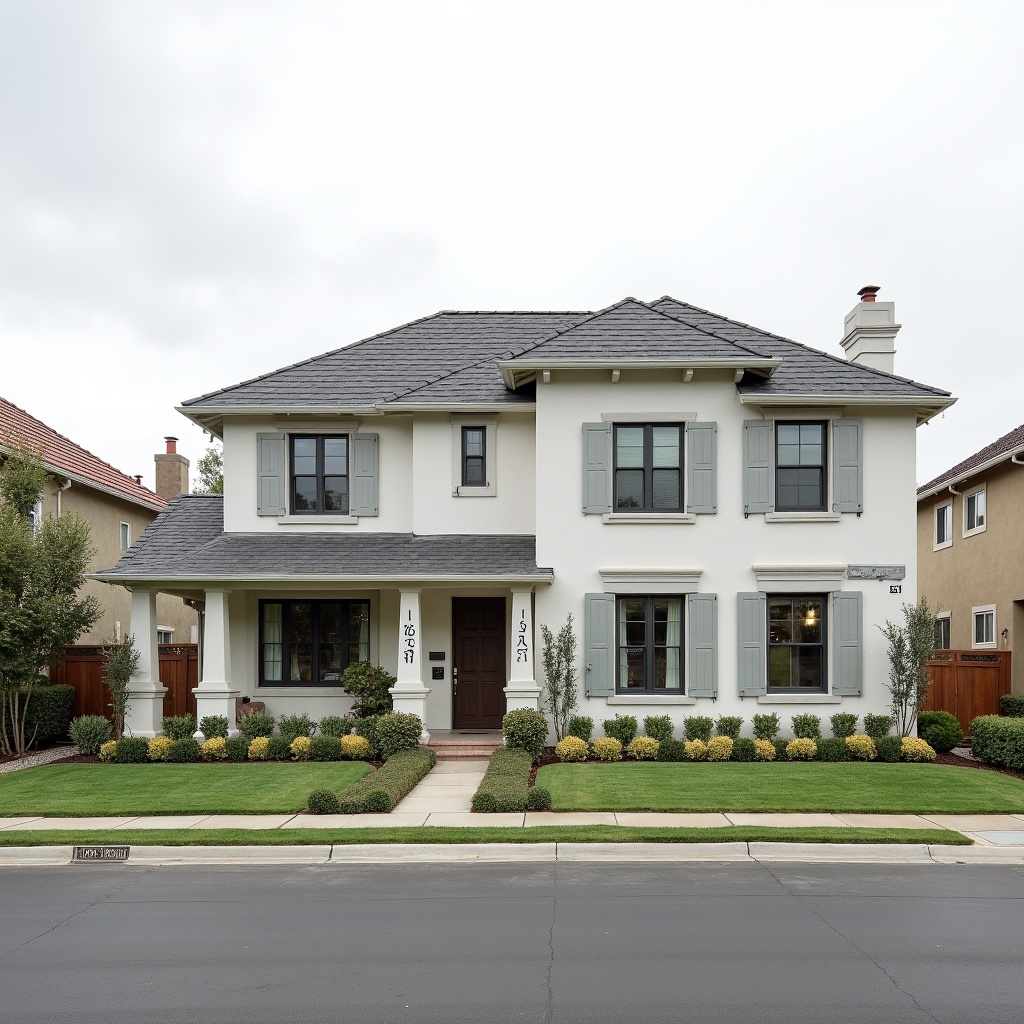
Should You Choose a Modular or Site-Built Home Addition in Burbank?
Homeowners in Burbank facing a home addition decision often ask this fundamental question: Is a modular (prefabricated) addition faster and cheaper than building on-site, or will custom site-built construction deliver better results for my specific home? The answer depends on your timeline, budget flexibility, design complexity, and how a new addition must integrate with Burbank’s established neighborhoods and varying architectural styles. Both approaches have genuine advantages, distinct limitations, and measurable trade-offs that directly affect your project’s success, your home’s resale value, and how seamlessly the addition feels as part of your existing residence.
📋 In This Guide
How Timeline Speed Differs Between Modular and Site-Built
The Modular Construction Timeline Advantage
Modular home additions typically complete 40–60% faster than traditional site-built construction because factory fabrication happens simultaneously with foundation preparation and permitting on your Burbank property. While your foundation is being prepared, the modular units are being precision-built in a climate-controlled facility, eliminating weather delays and material shortages that plague on-site work. A typical modular addition can move from permit approval to on-site installation in 8–12 weeks, whereas a comparable site-built project often requires 16–24 weeks. For Burbank homeowners in the media, entertainment, or high-income professional sectors—where temporary disruption to daily life carries real cost—this speed advantage translates to minimal impact on family routines and business operations.
Site-Built Flexibility at the Cost of Duration
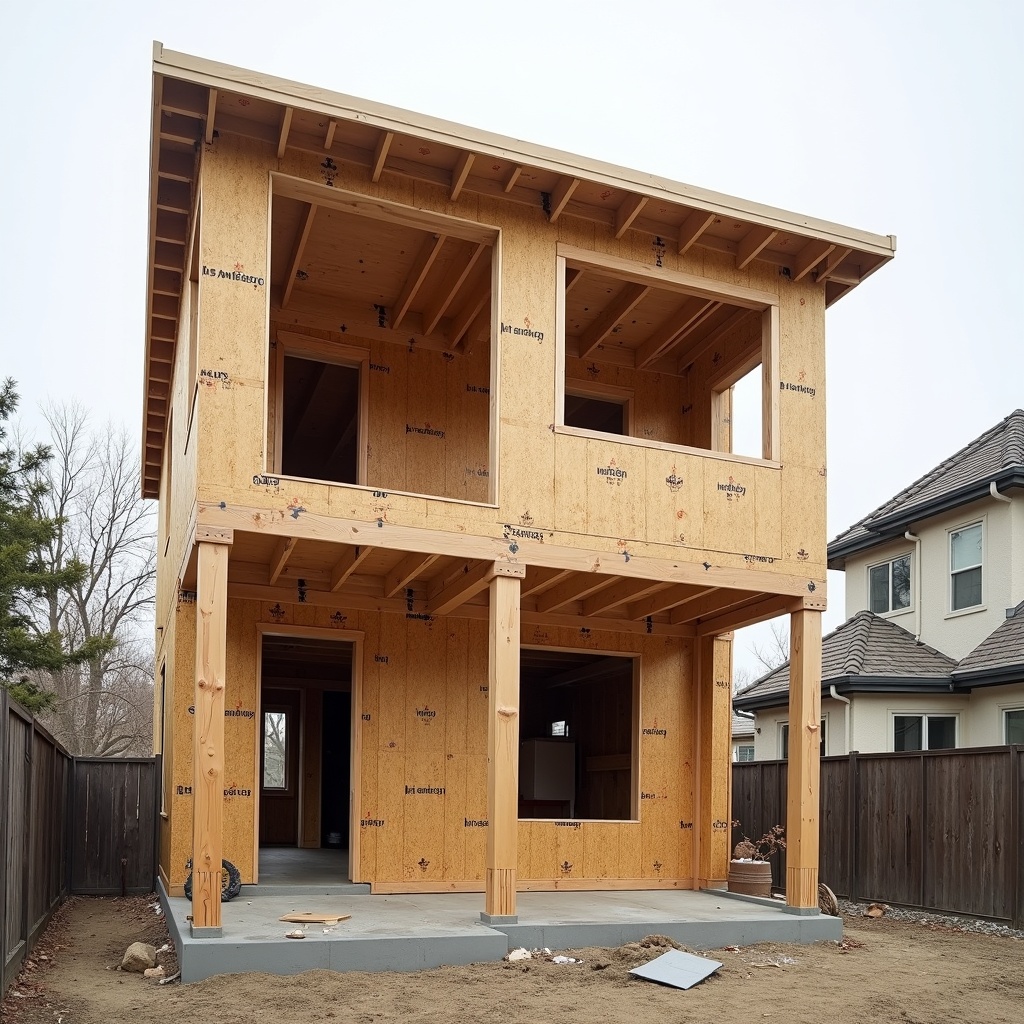
Traditional stick-built additions take longer because construction happens sequentially: framing, then mechanical rough-in, then drywall, then finishing. However, this phased approach allows on-site adjustments when unforeseen structural issues emerge—a critical advantage in Burbank’s mix of 1950s–1970s homes and newer construction, where existing foundations and load-bearing walls vary significantly. Site-built work also adapts to lot constraints, complex architectural details, and custom design changes mid-project without the rigid factory deadlines that govern modular production. For homeowners pursuing intricate second-story additions or expansions that must match historical architectural character in older Burbank neighborhoods like Downtown Burbank or Magnolia Park, the extended timeline often yields superior aesthetic integration.
Quality Control: Factory Standards Versus On-Site Craftsmanship
The modular manufacturing process enforces consistent quality through climate-controlled factory settings, standardized assembly lines, and real-time inspection at each fabrication stage. Every electrical connection, plumbing joint, and structural detail is built to exact specifications before modules leave the facility. This controlled environment eliminates weather-related material damage, worker variability, and the quality inconsistencies that can emerge when site conditions fluctuate. Modular additions also ship with integrated utility connections, reducing on-site assembly errors and accelerating final hookup.
Site-built additions depend on the skill, attention to and reliability of your construction crew, site conditions, and real-time decision-making by your home contractor in Burbank. The best site-built work—particularly from experienced local remodeling companies familiar with Burbank’s building code enforcement and neighborhood preferences—delivers customization and problem-solving that factory production cannot replicate. When existing structures have settling issues, moisture problems, or unusual load-bearing conditions, site-built crews can immediately adapt framing, flashing, and integration details. For additions in Burbank’s rental-heavy neighborhoods, this responsiveness often prevents costly post-project remediation.
Design Flexibility and Customization Capabilities
Modular additions ship with predetermined exterior materials, window styles, roof pitches, and interior finishes—all selected from a manufacturer’s catalog. Customization exists, but within boundaries: you might choose between three roof pitches, five siding colors, and preset window configurations. This standardization cuts manufacturing costs and ensures factory quality, but it can force compromises when your vision demands specific architectural details, non-standard ceiling heights, or precise material matching to a 60-year-old Burbank home.
Site-built construction offers unlimited design freedom. Custom roof lines, architectural details, materials matching your home’s existing aesthetic, and layouts tailored to your lot’s unique conditions all become feasible. If your Burbank home features Spanish Colonial Revival details, mid-century modern lines, or other distinctive period styles, site-built work by a licensed contractor allows seamless integration rather than obvious factory-standard additions that read as retrofitted afterthoughts.
Structural Integration and Foundation Requirements
Modular Installation Dependencies
Modular additions demand a precisely prepared foundation meeting exacting specifications: level surfaces, exact dimensions, and proper drainage integration. Factory modules are designed for specific foundation types—either concrete pads, stem walls, or engineered pier systems. Your Burbank lot’s soil conditions, grading, and proximity to neighboring properties all affect whether the factory-standard foundation design works without modification. Delivery also requires crane access and adequate turning radius for the delivery truck; homes on narrow Burbank streets, cul-de-sacs, or properties with mature landscaping may face logistical challenges that increase installation costs or require expensive lot modifications.
Site-Built Foundation Adaptability
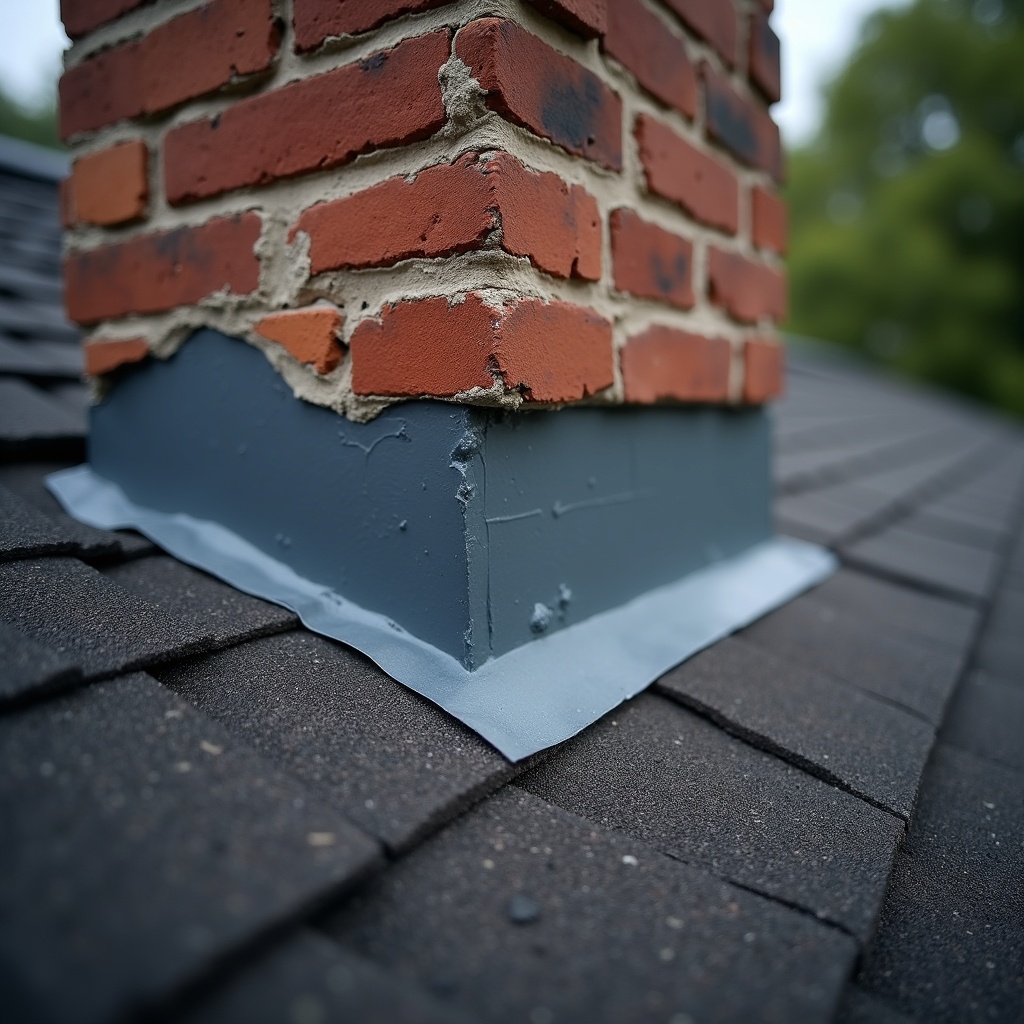
Site-built additions integrate with existing foundations through careful structural engineering, proper flashing details, and methods designed to prevent settling, moisture infiltration, and structural separation over time. Skilled foundation work ensures that new additions properly connect to existing footings without creating weak points or moisture barriers that fail during Burbank’s occasional heavy rains or the temperature fluctuations that stress building seams. Site-built crews can adapt to difficult lot access, mature trees, neighbors’ shared walls, and other constraints that would complicate or prevent modular installation entirely.
Cost Realities: Where Modular and Site-Built Differ
| Cost Factor | Modular Addition | Site-Built Addition |
|---|---|---|
| Base Construction | 10–20% lower due to factory efficiency | Higher labor and material costs on-site |
| Customization | Limited—catalog-based options only | Unlimited—costs vary with complexity |
| Foundation Prep | Precise requirements; may require lot work | Adapts to existing conditions |
| Delivery/Install | Crane and logistics; access issues cost extra | No special delivery; standard crew work |
| Timeline Impact | Faster completion = lower financing costs | Longer duration = higher carrying costs |
| Finishing Work | Minimal; mostly hookups and trim | More extensive final work on-site |
Modular’s cost advantage emerges primarily from factory efficiency—standardized production, bulk material purchasing, and labor economies of scale reduce per-square-foot construction costs compared to on-site work. For Burbank homeowners balancing quality with value, this 10–20% savings on base construction is real. However, that advantage can evaporate if your lot requires crane access over neighbors’ properties, additional foundation modifications, or custom finishes to match your existing home’s aesthetic. Site-built costs scale with design complexity, site challenges, and material selections, but they include no surprise logistics fees or inflexible factory specifications.
For Burbank’s middle-income homeowners earning around the median household income of $82,000, the initial cost difference may drive the modular decision. However, resale value and long-term satisfaction depend more on how well the addition integrates with your home and neighborhood—often favoring site-built quality and customization for properties in established Burbank neighborhoods valued around $880,000.
California Building Codes and Permitting Differences
Both modular and site-built additions must meet California Building Code standards, but they navigate compliance differently. Modular units are manufactured under state HCD (Department of Housing and Community Development) oversight, which certifies factory construction before modules ever leave the plant. This pre-certification accelerates Burbank permit approval because inspectors validate factory quality documentation rather than inspecting every framing detail on-site. Site-built additions require traditional building permits, multiple on-site inspections (foundation, framing, mechanical, final), and closer coordination with Burbank’s building department—a slower but more transparent process that allows design adjustments before and during construction.
A licensed contractor in Burbank familiar with local code enforcement understands these approval pathways and can guide you toward the approach that aligns with your timeline and preferences. Both methods ultimately deliver code-compliant, safe additions; the difference lies in inspection timing and paperwork flow.
Choosing the Right Approach for Your Burbank Home
Modular Excels When
Choose modular if your timeline is tight, your lot has excellent crane access, your design tolerates standardized specifications, and you prioritize speed and cost predictability. Quick completions reduce living disruption—valuable for families or rental-property owners managing occupied homes. Modular also minimizes weather-related delays, important during Burbank’s occasional rainy seasons when site conditions can halt outdoor work. If your addition is a straightforward garage conversion, detached room expansion, or second-story unit where architectural matching is less critical, modular’s factory quality and faster delivery make strong financial and practical sense.
Site-Built Excels When
Choose site-built when your addition requires custom architectural detailing to match your home’s existing character, your lot presents access challenges, your design includes non-standard features, or you need flexibility to adapt to discovered structural conditions. Homes in Burbank’s Downtown, Magnolia Park, and other historic neighborhoods benefit from site-built work that preserves character and integrates seamlessly. If your lot lacks crane access or your design vision demands custom materials, layouts, or finishes unavailable through modular catalogs, site-built construction—despite longer timelines—delivers the quality and customization that protects your $880,000 investment and resale appeal.
Hollywood Contractor Corp specializes in both modular and site-built additions for Burbank homeowners. Our team evaluates your specific lot, design goals, timeline, and budget to recommend the approach that delivers maximum value and satisfaction. Whether you need a modular solution for speed or site-built expertise for complex integration, we handle all local permitting, structural engineering, and quality oversight. Contact us at (818) 264-1955 to discuss your project and receive a free, detailed assessment of which construction method best serves your goals.
Warranty, Resale Perception, and Long-Term Value
Modular additions come with manufacturer warranties covering factory-built components—typically 1–10 years depending on the manufacturer and specific systems. On-site finishing work and integration details may carry separate labor warranties from your contractor. Site-built additions generate warranties from the contractor and individual subcontractors, with total warranty protection varying by builder reputation and contract terms. For Burbank buyers, perceived quality matters: homes with seamlessly integrated, site-built additions often command slight premiums because they read as intentional designs rather than retrofitted expansions. However, well-executed modular additions with quality finishes show no resale disadvantage if the integration and finishing work is professional.
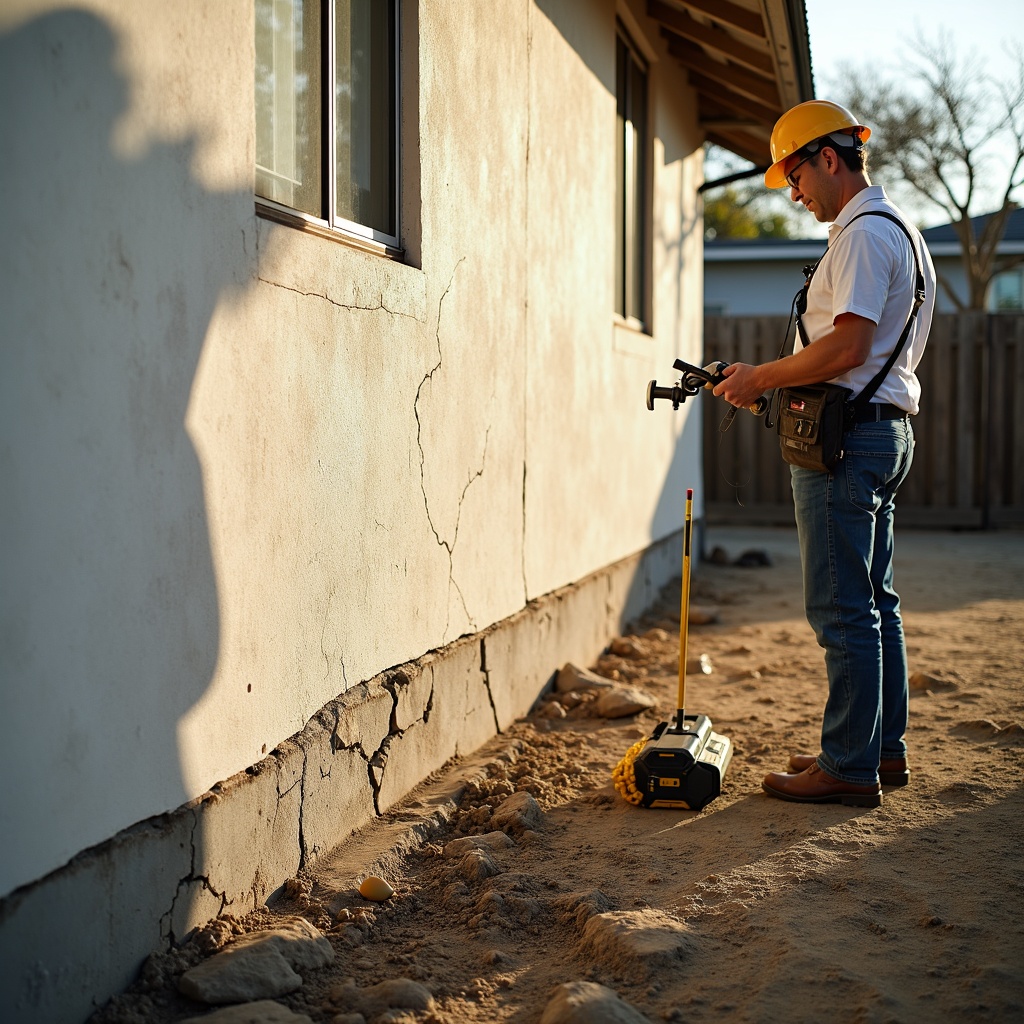
The real long-term value question is durability: Does the addition develop moisture infiltration, settling cracks, or finish degradation over 10–20 years? Both approaches succeed when properly executed—modular factory construction prevents many defects, while site-built quality depends entirely on your contractor’s skill and attention to flashing, drainage, and structural integration. Choosing a reputable, established contractor matters more than choosing modular or site-built.

Adolfo Ramos is the owner and founder of Hollywood Contractor Corp, serving the San Fernando Valley with comprehensive remodeling and roofing services. With over fifteen years of hands-on construction experience, he has built a reputation for quality craftsmanship and reliable service throughout Burbank, La Crescenta, Pasadena, and North Hollywood. Adolfo takes pride in transforming homes while maintaining the highest standards of safety and customer satisfaction.
❓ Frequently Asked Questions
How much faster is a modular home addition than site-built construction?
Modular additions typically complete 40–60% faster than site-built because factory fabrication happens simultaneously with on-site foundation preparation and permitting. A modular project may take 8–12 weeks from permit to installation, while a comparable site-built addition often requires 16–24 weeks due to sequential framing, mechanical, and finishing phases.
Can modular additions match the architectural style of older Burbank homes?
Modular additions offer limited customization within manufacturer catalogs—typically three to five options for roof pitch, siding color, and window styles. If your Burbank home has distinctive period architecture (Spanish Colonial, mid-century modern), site-built construction provides greater flexibility to match existing details and create seamless visual integration.
What should I know about delivery and installation of a modular addition?
Modular units require precise foundation preparation, crane access for positioning, and clear turning radius for delivery trucks. Homes on narrow Burbank streets, cul-de-sacs, or properties with mature landscaping may face logistical challenges that increase installation costs or require lot modifications Hollywood Contractor Corp can assess your specific site conditions.
Does a modular or site-built addition affect my home's resale value in Burbank?
Both approaches succeed when professionally executed; perceived quality matters more than construction method. Site-built additions in established Burbank neighborhoods may command slight premiums because they read as intentional designs, but well-finished modular additions show no resale disadvantage if properly integrated and finished with quality materials.
📖 More Tips for Burbank
-
 Which Roof Material Is Right for Your Burbank Home?
Choosing between asphalt shingles, metal, or tile roofing? This Burbank-specific guide compares materials across cost, lifespan, energy efficiency,…
-
 Foundation Repair Methods: Helical Piers vs Push Piers vs
Foundation problems in Burbank homes demand the right repair solution—not all methods work equally for every situation. This…
-
 Waterproof Flooring for Burbank Homes: LVP, Tile & More
Most 'waterproof' flooring isn't actually waterproof—at least not the way you think. Learn which materials truly protect Burbank…
-
 Will Your Burbank ADU Foundation Fail? Clay, Drainage &
Burbank's expansive clay soils and hillside terrain demand engineered ADU foundations that cost significantly more than standard slabs—and…