

Foundation Crack Repair
Seal cracks, stop water intrusion, and stabilize your home with licensed foundation crack repair experts (Lic. #1092628) serving Southern California.
Expert Foundation Crack Repair
Not every foundation crack is a problem, and telling the difference is most of the job. Hairline shrinkage cracks are normal in concrete. Cracks wider than about a quarter inch, ones that are still growing, running diagonally from a corner, or offset so one side sits proud of the other are structural — something underneath is moving. Hollywood Contractor Corp is a licensed general contractor (CSLB #1092628) inspecting and repairing foundation cracks throughout Los Angeles County. We look at the crack, the soil, the drainage, and the rest of the structure before recommending anything, then seal what only needs sealing and properly repair what is genuinely structural — so you are not paying for work your home does not need. Explore our foundation repair services.
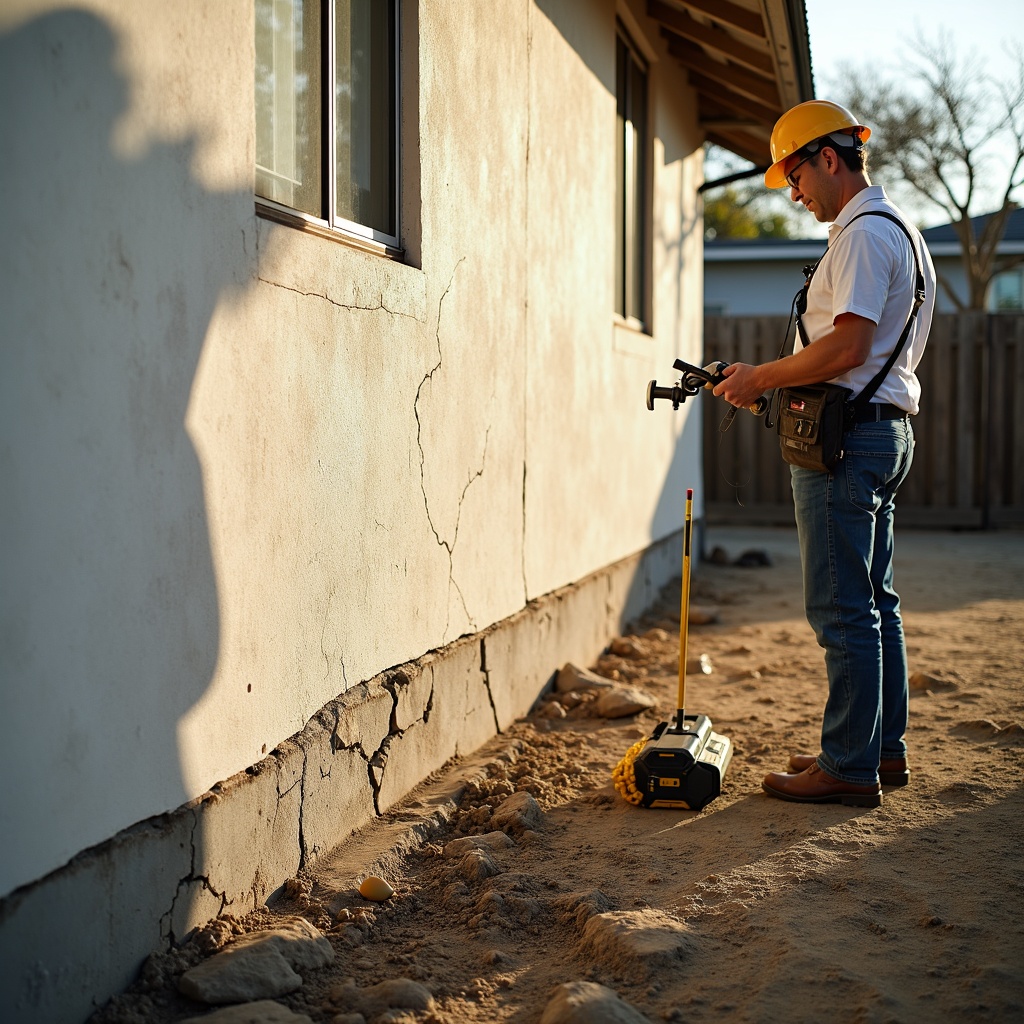
Is Your Foundation Crack Serious?
Not every crack is an emergency — but some are. Knowing the difference protects your home and your budget. Thin vertical hairlines are often cosmetic, while horizontal, widening, or stair-step cracks usually point to structural movement that needs prompt attention. Not sure which you have? Our guide on whether a crack is cosmetic or structural breaks it down.
- Horizontal cracks in foundation or basement walls
- Stair-step cracks in brick or block
- Cracks wider than about 1/4 inch or still growing
- Doors and windows that stick or won’t latch
- Uneven, sloping, or bouncy floors
- Water seeping in through the crack
What Causes Foundation Cracks in LA Homes
Southern California is uniquely hard on foundations. Our expansive clay soils swell when wet and shrink when dry, and seismic activity adds constant stress. Sealing a crack without addressing the cause only buys time — so we always treat the source first.
- Expansive clay soil that swells and shrinks seasonally
- Earthquakes and ongoing seismic movement
- Poor drainage, gutter runoff, and plumbing leaks
- Soil erosion and washout around footings
- Natural settling and concrete shrinkage over time
- Tree roots and changing moisture levels
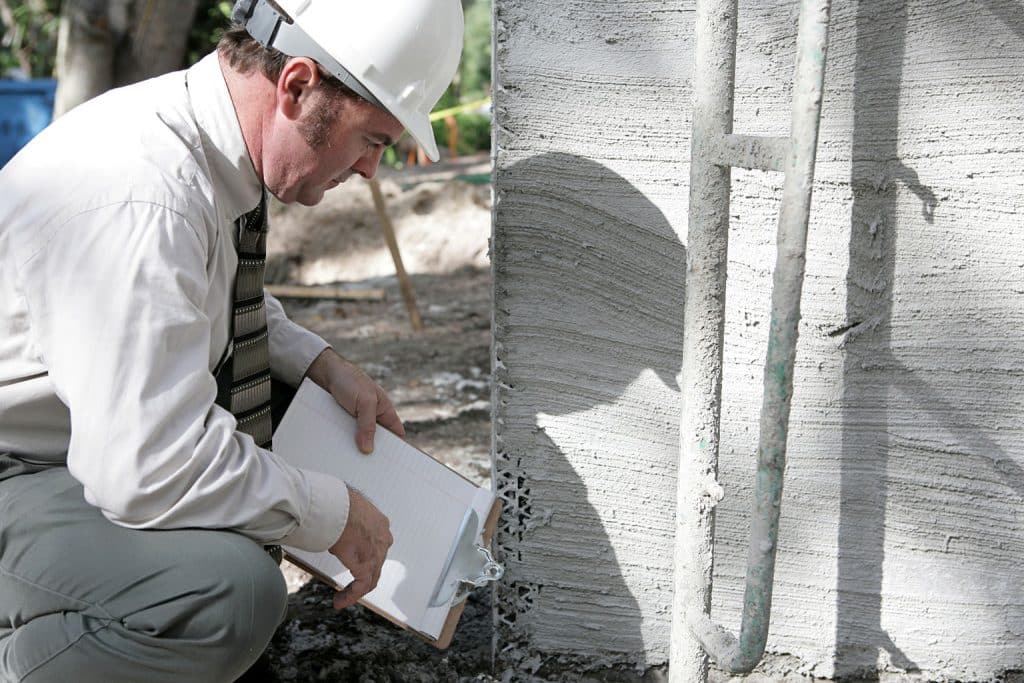

Proven Crack Repair Methods
There is no one-size-fits-all fix. We match the repair to the crack and the cause, using professional-grade systems that restore strength and keep water out for good. See how we choose between different foundation repair methods.
- Epoxy injection — structurally bonds and seals cracks in poured concrete
- Polyurethane injection — stops active water leaks with a flexible seal
- Carbon-fiber straps & staples — reinforce walls and stop cracks from widening
- Crack stitching & patching — for masonry and block foundations
- Piering & underpinning — when settlement is the root cause
- Drainage correction — to prevent water from coming back
Types of Foundation Cracks We Repair
Not every crack means the same thing — and identifying the type is the first step to the right repair. Here are the foundation cracks we see most often in local homes and what each one usually signals.
- Hairline & shrinkage cracks — thin surface cracks from concrete curing; usually cosmetic, but worth monitoring.
- Vertical cracks — run straight up and down; commonly from normal settling and typically sealed with injection.
- Diagonal cracks — angle across the wall; often a sign of differential settlement that needs evaluation.
- Horizontal cracks — run sideways across the wall; the most serious, signaling soil or water pressure pushing the wall inward.
- Stair-step cracks — zig-zag along mortar joints in block or brick; a classic sign of foundation movement.
- Wide or growing cracks — anything wider than about 1/4 inch, or still expanding, should be assessed right away.
Our Crack Repair Process
A clear, predictable process means no surprises — just a crack that’s properly diagnosed, repaired, and guaranteed.
Free Inspection
We examine the crack, measure movement, and check the surrounding soil and drainage.
Diagnosis & Quote
You get a clear explanation of the cause and a written, fixed-price repair plan.
Repair & Reinforce
We seal the crack with the right system and stabilize the structure as needed.
Final Check & Warranty
We verify the repair, clean up, and back the work with a workmanship warranty.
Why Homeowners Choose Hollywood Contractor Corp
When something is wrong with your foundation, you want a contractor who shows up, explains the problem in plain language, and fixes it for good. Here’s what sets our crack repairs apart.
- Licensed, bonded & insured (Lic. #1092628)
- Free, no-pressure on-site inspections
- Transparent, fixed-price quotes
- Root-cause repairs, not quick patches
- Professional-grade epoxy & polyurethane systems
- Local crews who know LA soil and codes
- Hundreds of completed LA-area projects
- Workmanship warranty on every repair
Foundation Crack Repair FAQs
How much does foundation crack repair cost?
Most minor crack-sealing and injection repairs in the local area range from about $500 to $1,500, depending on the length, width, and number of cracks. Cracks caused by settlement or structural movement cost more because they require stabilization such as piering or carbon-fiber reinforcement. We always provide a free on-site assessment and a clear, written quote before any work begins.
Are foundation cracks serious, or just cosmetic?
Thin, vertical hairline cracks are often cosmetic shrinkage cracks. However, horizontal cracks, stair-step cracks in block or brick, cracks wider than about 1/4 inch, or cracks paired with sticking doors and uneven floors can signal structural movement and should be inspected right away. When in doubt, have it evaluated — early repair is far less expensive than waiting.
What causes foundation cracks in local homes?
The most common causes in the LA area are expansive clay soils that swell and shrink with moisture changes, seismic activity, poor drainage and plumbing leaks, soil erosion, and natural settling over time. Because Southern California soil moves seasonally, sealing the crack alone isn’t enough — we identify and address the underlying cause.
How do you repair a foundation crack?
The method depends on the crack. We use low-pressure epoxy injection to structurally bond and seal cracks in poured concrete, polyurethane injection to stop active water leaks, and carbon-fiber straps or staples to reinforce walls and prevent cracks from widening. When settlement is the cause, we stabilize the foundation with piering or underpinning before sealing.
Will the crack come back after it’s repaired?
A properly injected crack itself won’t reopen, but new cracks can appear if the underlying cause isn’t fixed. That’s why we treat the root cause — drainage, soil movement, or settlement — not just the visible crack, and back our work with a workmanship warranty.
How long does foundation crack repair take?
Most epoxy or polyurethane injection repairs are completed in a single day. Repairs involving carbon-fiber reinforcement, drainage correction, or foundation stabilization may take several days depending on the scope. We’ll give you an exact timeline with your quote.
Does a foundation crack mean my house is sinking?
Not always. Many cracks come from minor settling or concrete shrinkage and aren’t a sign of active sinking. But cracks that are widening, horizontal, or paired with uneven floors and sticking doors can point to ongoing settlement — which is why we measure movement and check the soil before recommending a repair.
Are foundation cracks covered by homeowners insurance?
It depends on the cause. Most policies exclude damage from gradual settling, soil movement, or poor drainage, but may cover cracks caused by a sudden covered event such as a burst pipe. We’ll document the damage and its likely cause to help with your claim — but always confirm coverage directly with your insurer.
Can I sell my house if it has foundation cracks?
Yes, but unrepaired foundation cracks almost always surface during the buyer’s inspection and can lower offers or delay closing. Repairing and documenting the work beforehand — ideally with a transferable warranty — protects your sale price and gives buyers confidence.
How do I tell a structural crack from a cosmetic one?
As a rule of thumb, thin vertical hairline cracks are usually cosmetic, while horizontal cracks, stair-step cracks, cracks wider than about 1/4 inch, or cracks that keep growing are more likely structural. The only sure way to know is a professional inspection — we measure the crack and check for related movement before giving you a straight answer.
What Our Customers Say
Don’t just take our word for it — here’s what homeowners say about working with Hollywood Contractor Corp.
Worried About a Crack in Your Foundation?
Schedule a free, no-pressure inspection. We’ll find the cause, explain your options in plain language, and give you a clear plan to protect your home.
Other Services We Offer
Foundation Crack Repair Across Los Angeles County
Local crews, local permit knowledge. These communities have a dedicated page covering the work we do there.
We serve 34 cities across the greater Los Angeles area. View all service areas →