

Foundation Leveling
Correct uneven, sinking, and settling foundations and restore your home to level with licensed foundation leveling experts (Lic. #1092628) serving Southern California.
Expert Foundation Leveling
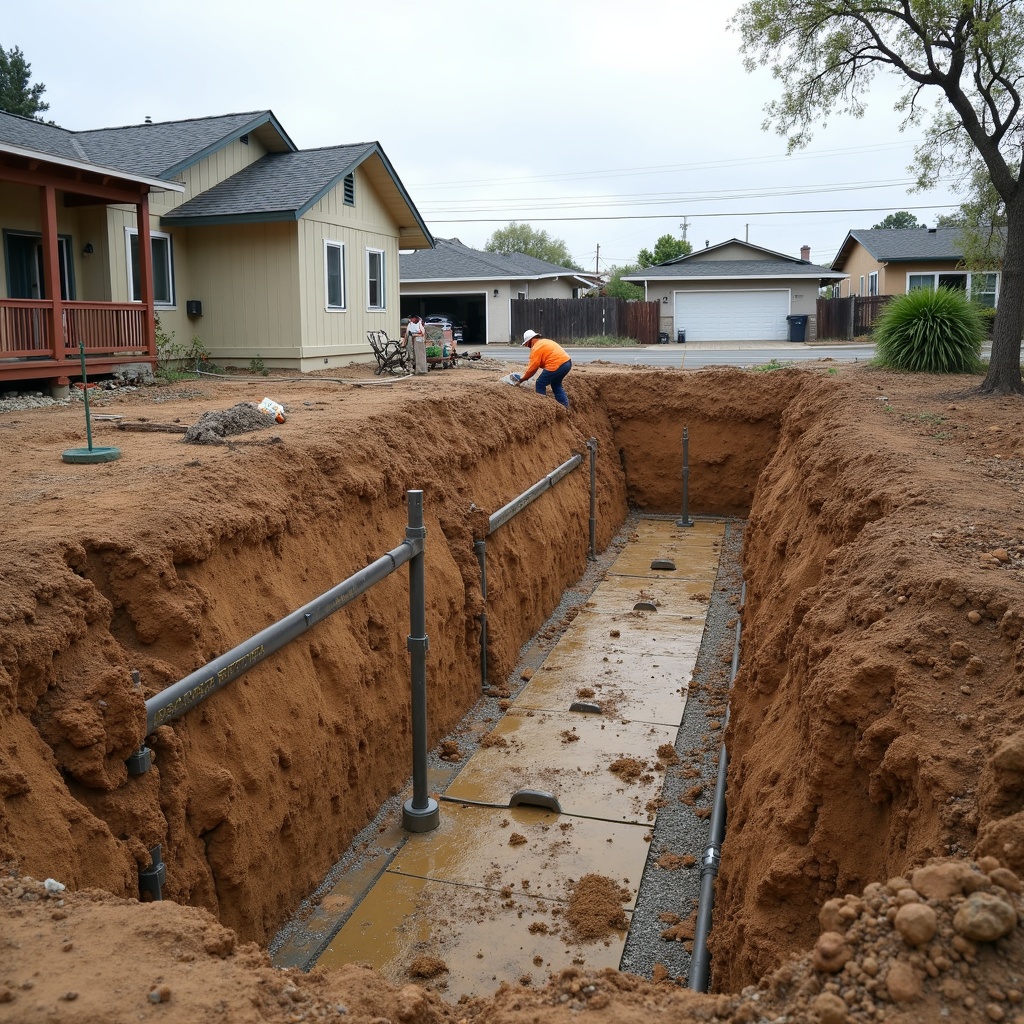
A foundation that has settled unevenly puts the whole house out of alignment, and you feel it before you see it: floors sloped enough to roll a marble, doors that swing open on their own, cracks that reopen after every patch. Los Angeles soils make this common — clay that moves with the seasons, hillside lots that creep downhill, and older homes on supports never engineered for today’s loads. Hollywood Contractor Corp is a licensed general contractor (CSLB #1092628) leveling homes in Burbank, Glendale, Pasadena, La Crescenta, and the surrounding communities. We measure actual elevations across the structure, lift it back toward level in controlled stages, and stabilize the supports so it stays there. Part of our full foundation repair services.

Signs You Need Foundation Leveling
Foundation settlement rarely happens all at once — it shows up in small, everyday frustrations first. If you notice several of these signs together, it’s time for a professional elevation check.
- Sloping, uneven, or bouncy floors
- Doors and windows that stick or won’t latch
- Cracks in drywall, especially above doorways
- Gaps between walls, floors, or trim and the ceiling
- Visible dips or a foundation that looks lower on one side
- Cracks in the slab or exterior foundation
What Causes a Foundation to Settle in LA
Southern California soil is tough on foundations. Most settlement traces back to how the ground beneath your home moves — which is why we always treat the cause, not just the symptom.
- Expansive clay soil that swells when wet and shrinks when dry
- Poorly compacted or improperly placed fill soil
- Seasonal moisture changes and drought cycles
- Plumbing leaks and poor drainage washing out soil
- Soil erosion and slope movement on hillside lots
- Earthquakes and ongoing seismic activity
Why Address Settling Sooner Than Later
Settlement only gets worse with time, and so does the cost to fix it. Leveling your foundation early protects your home’s structure, your safety, and its resale value. Learn how we choose between push piers, helical piers, and slab jacking.
- Small dips become major structural damage over time
- Early leveling costs far less than a full rebuild
- Protects plumbing lines that crack as the slab moves
- Restores doors, windows, and floors to normal
- Prevents water intrusion through widening gaps
- Keeps your home safe, comfortable, and sellable
Foundation Leveling Methods Explained
There’s no single way to level a home — the right method depends on your foundation type, how far it has settled, and the soil underneath. Here are the proven methods we use.
- Slab jacking (mudjacking) — pumps a cement slurry beneath a sunken slab to raise it back to level.
- Polyurethane foam jacking — injects expanding foam to lift slabs precisely with minimal mess and fast cure times.
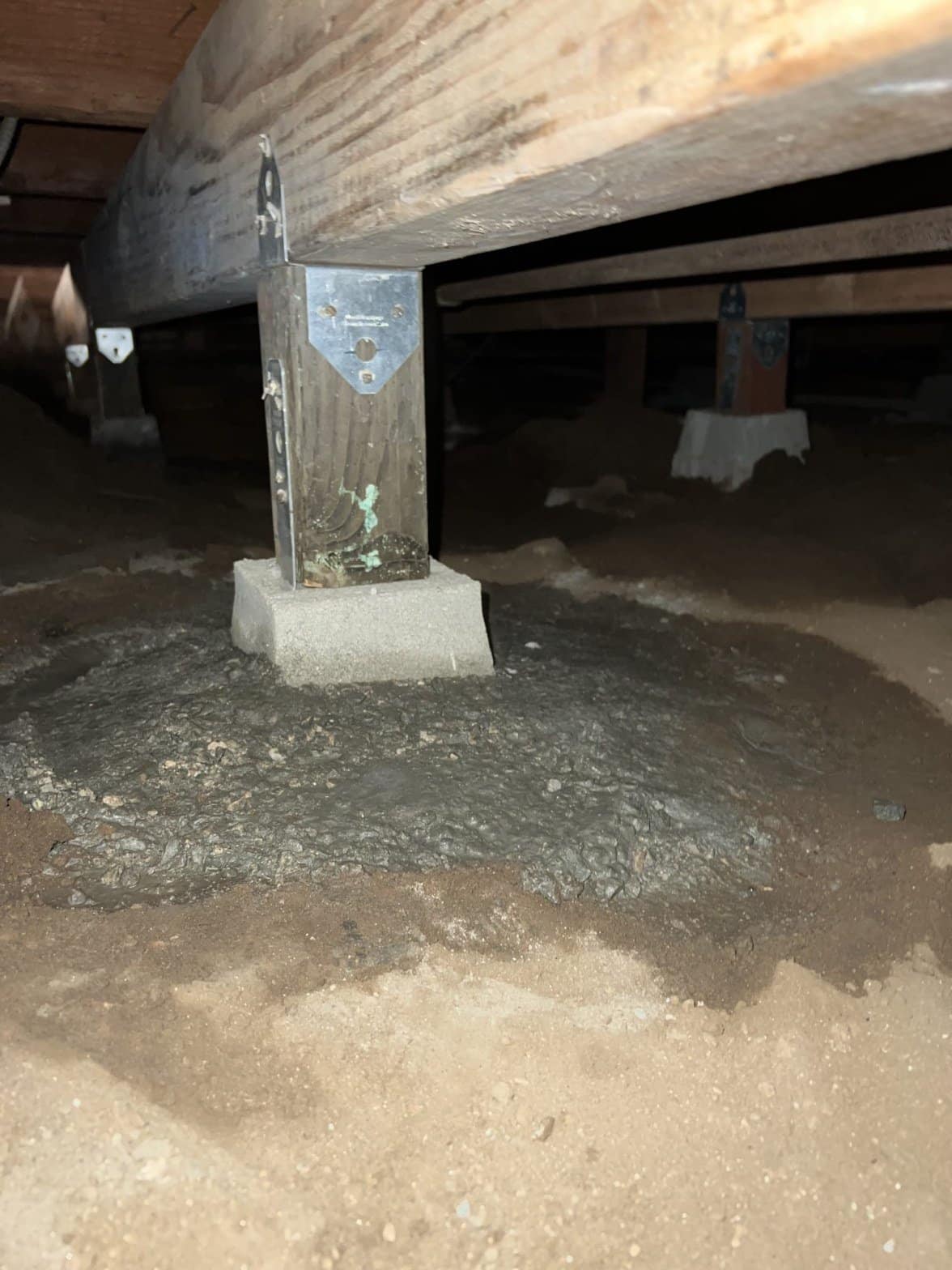
- Pier & beam shimming — re-shims and adjusts the posts and beams under raised-foundation homes.
- Push piers — hydraulically driven to load-bearing soil to lift and permanently stabilize heavier structures.
- Helical piers — screwed deep into stable soil; ideal for lighter loads and weak surface soils.
- Drainage correction — fixes the water and soil problems that caused the settling in the first place.
Our Foundation Leveling Process
A clear, predictable process means no surprises — just a foundation that’s measured, lifted, and stabilized the right way.
Inspection & Elevation Survey
We measure your floors and foundation to map exactly how much it has settled and why.
Custom Leveling Plan
You get a clear explanation and a written, fixed-price plan for the right lifting method.
Lift & Level
We raise the foundation back to level with piers or jacking and stabilize the soil.
Final Check & Warranty
We re-measure, confirm everything is level, clean up, and back the work with a warranty.
Why Homeowners Choose Hollywood Contractor Corp
When your home is settling, you want a contractor who measures carefully, explains the fix in plain language, and levels it for good. Here’s what sets our foundation leveling apart.
- Licensed, bonded & insured (Lic. #1092628)
- Free on-site inspection & elevation survey
- Transparent, fixed-price quotes
- Root-cause leveling, not temporary patches
- Slab jacking, foam, and steel pier systems
- Local crews who know LA soil and codes
- Hundreds of completed LA-area projects
- Workmanship warranty on every job
Foundation Leveling FAQs
How much does foundation leveling cost?
It depends on the method and how far the foundation has settled. Minor slab jacking or polyurethane foam leveling often runs about $1,500 to $6,000, while extensive pier installation on a settled home can range from roughly $10,000 to $25,000 or more, depending on the number of piers and the depth to stable soil. We provide a free on-site elevation survey and a clear, written, fixed-price quote before any work begins.
How long does foundation leveling last?
When the underlying cause is addressed, foundation leveling lasts a very long time. Steel push and helical piers reach load-bearing soil and provide permanent support, while slab jacking and foam leveling are long-lasting as long as drainage and soil issues are corrected. We back our work with a workmanship warranty.
What are the signs my foundation needs leveling?
The most common signs are sloping or uneven floors, doors and windows that stick or won’t latch, new cracks in drywall or the slab, and gaps opening between walls, floors, and trim. If you notice several of these together, it’s worth a professional elevation check before the settlement gets worse.
What methods do you use to level a foundation?
We match the method to your home and soil: slab jacking (mudjacking) and polyurethane foam jacking lift sunken concrete slabs, push piers and helical piers lift and permanently stabilize settled structures, and shimming re-levels pier-and-beam homes. We also correct the drainage and soil conditions that caused the settling.
Is foundation leveling permanent?
Pier-based leveling is permanent because the piers transfer your home’s weight down to stable, load-bearing soil. Slab jacking and foam leveling are very durable as well, provided the drainage and soil movement that caused the settlement are corrected at the same time.
How long does foundation leveling take?
Most residential leveling jobs are completed in one to three days. Slab jacking and foam injection are often finished in a single day, while larger pier installations on significantly settled homes can take longer. We’ll give you an exact timeline with your quote.
Can I stay in my home during foundation leveling?
In most cases, yes. Foundation leveling is typically done from the exterior or crawl space with minimal disruption, so you can usually remain in your home throughout the project. We’ll let you know in advance if any part of the work calls for temporary adjustments.
Will leveling fix my cracks and sticking doors?
Leveling addresses the root cause — the settlement — so many sticking doors, windows, and hairline cracks improve or close once the home is back to level. Some cosmetic cracks may still need patching or paint afterward, which we’re happy to handle.
Do you level both slab and pier-and-beam foundations?
Yes. For concrete slab foundations we use slab jacking, foam injection, or steel piers; for raised pier-and-beam homes we re-shim and adjust the supports and add piers where needed. We’ll recommend the right approach for your foundation type after the inspection.
Is foundation settlement covered by homeowners insurance?
Usually not. Most policies exclude damage from gradual settling, soil movement, and poor drainage, though they may cover sudden damage from a covered event such as a burst pipe. We’ll document the cause to help with any claim, but always confirm coverage directly with your insurer.
What Our Customers Say
Don’t just take our word for it — here’s what homeowners say about working with Hollywood Contractor Corp.
Is Your Floor Uneven or Sinking?
Schedule a free, no-pressure inspection and elevation survey. We’ll measure the settlement, explain your options in plain language, and give you a clear plan to get your home back to level.
Foundation Leveling Across Los Angeles County
Local crews, local permit knowledge. These communities have a dedicated page covering the work we do there.
We serve 34 cities across the greater Los Angeles area. View all service areas →