What Does a General Contractor Actually Do? A Complete Guide for California Homeowners
Wondering what a general contractor does in California? This guide breaks down their role, responsibilities, costs, and how to choose the right one for your remodel.
What Does a General Contractor Do in California?
A general contractor in California coordinates every moving part of a construction or remodeling project — from the first permit application to the final walk-through. They hire and schedule subcontractors, order materials, manage the job site, and make sure the work meets California’s building codes. If you have ever wondered what does a general contractor do california, the short answer is: they are the project manager, problem-solver, and legal point of accountability all in one.
On a bathroom remodeling project, for example, a GC brings in a licensed plumber, a tile setter, an electrician, and a drywall crew — then sequences their work so each trade shows up at the right time. Without that coordination, trades collide, timelines blow up, and costs spiral.
California law sets a clear threshold: any single project valued at $500 or more in combined labor and materials requires a contractor licensed by the California Contractors State License Board (CSLB). That rule protects homeowners from unlicensed operators who may cut corners on safety or disappear mid-job.
What Types of Projects Does a General Contractor Handle?
General contractors handle a wide range of residential and commercial projects — from kitchen and bathroom remodels to room additions, exterior remodeling, full gut renovations, and new construction. If it involves multiple trades or requires a building permit, a GC is almost always the right hire.
Here is a breakdown of the most common project categories a residential GC manages in California:
- Kitchen remodels: Cabinetry, countertops, plumbing relocations, electrical upgrades, and flooring — all requiring coordinated scheduling across at least three trades.
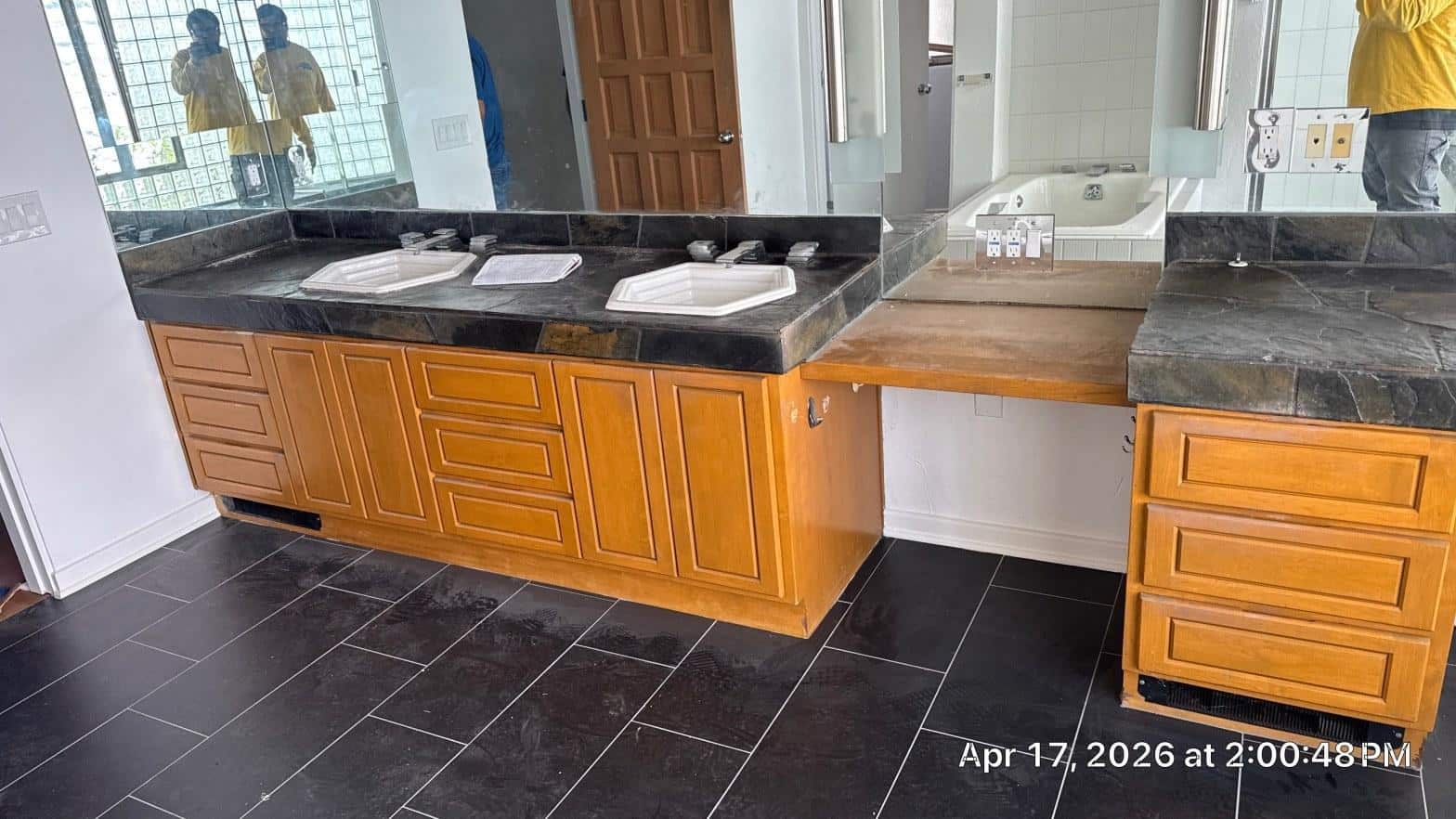
- Bathroom remodeling: Tile work, fixture replacement, waterproofing, ventilation, and sometimes structural changes to walls or floors. Bathroom remodeling in areas like the San Fernando Valley and Los Angeles Basin is among the most requested residential projects.
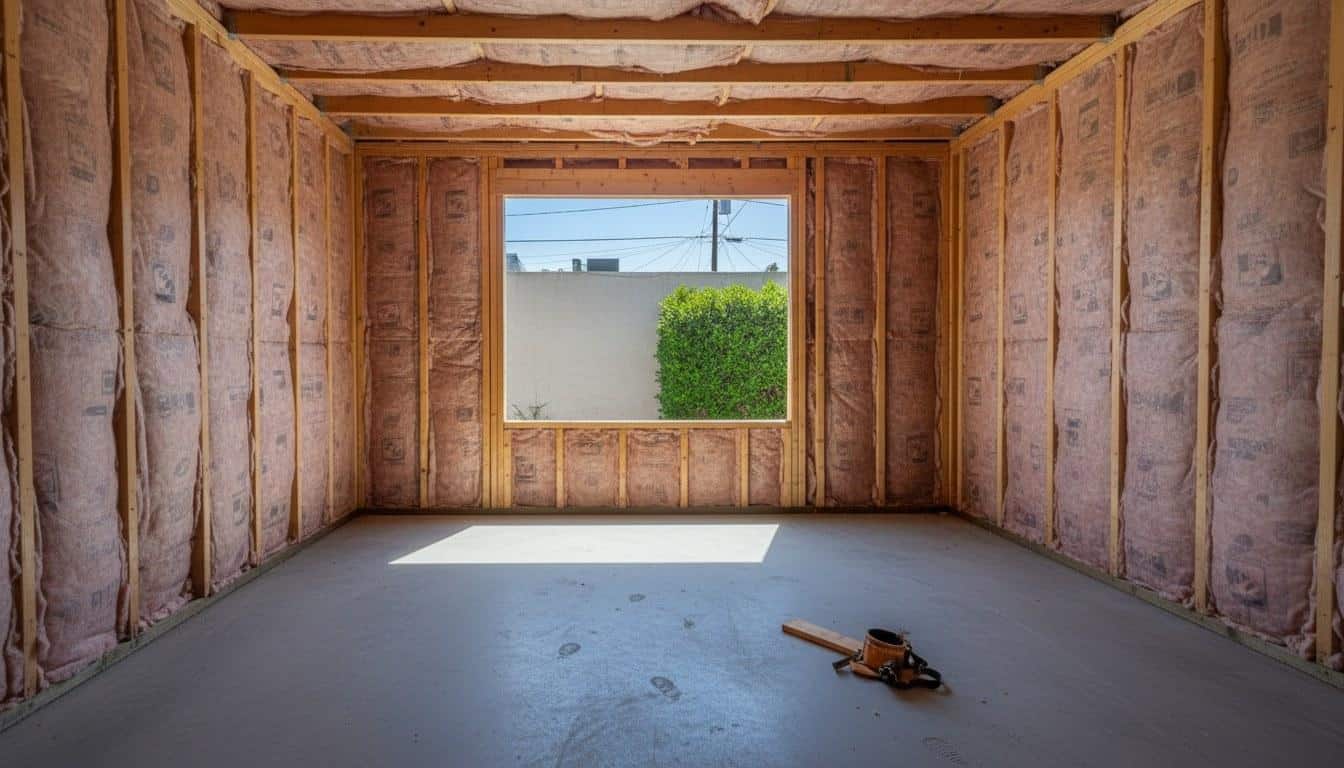
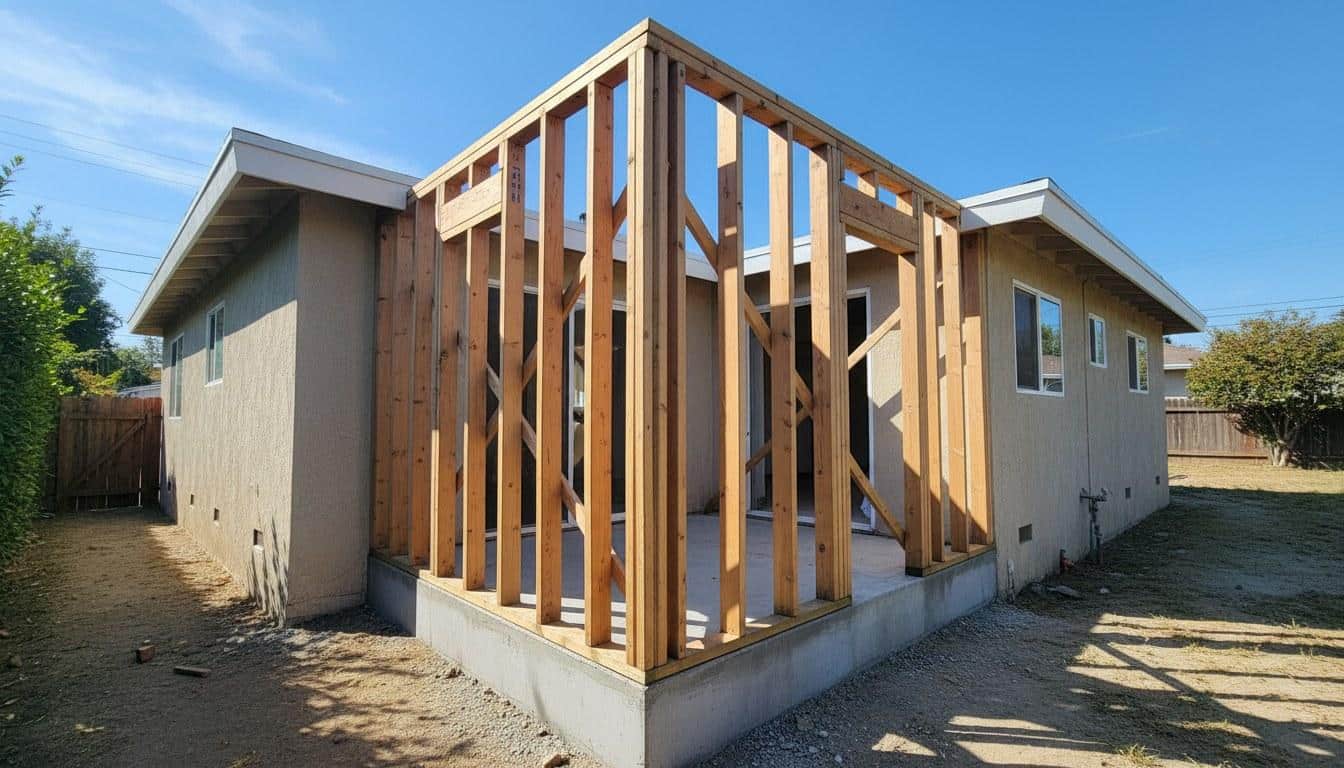
- Room additions: Foundation work, framing, roofing tie-ins, insulation, and finishing — these almost always require a structural engineer and multiple permit sets.
- Exterior remodeling: Siding replacement, window and door upgrades, stucco repair, deck construction, and exterior painting. Exterior remodeling in older neighborhoods often surfaces hidden rot or outdated sheathing that must be addressed under California’s building codes.
- ADU (accessory dwelling unit) construction: California’s ADU laws have made these one of the fastest-growing project types since the 2020 state law changes that streamlined approvals.
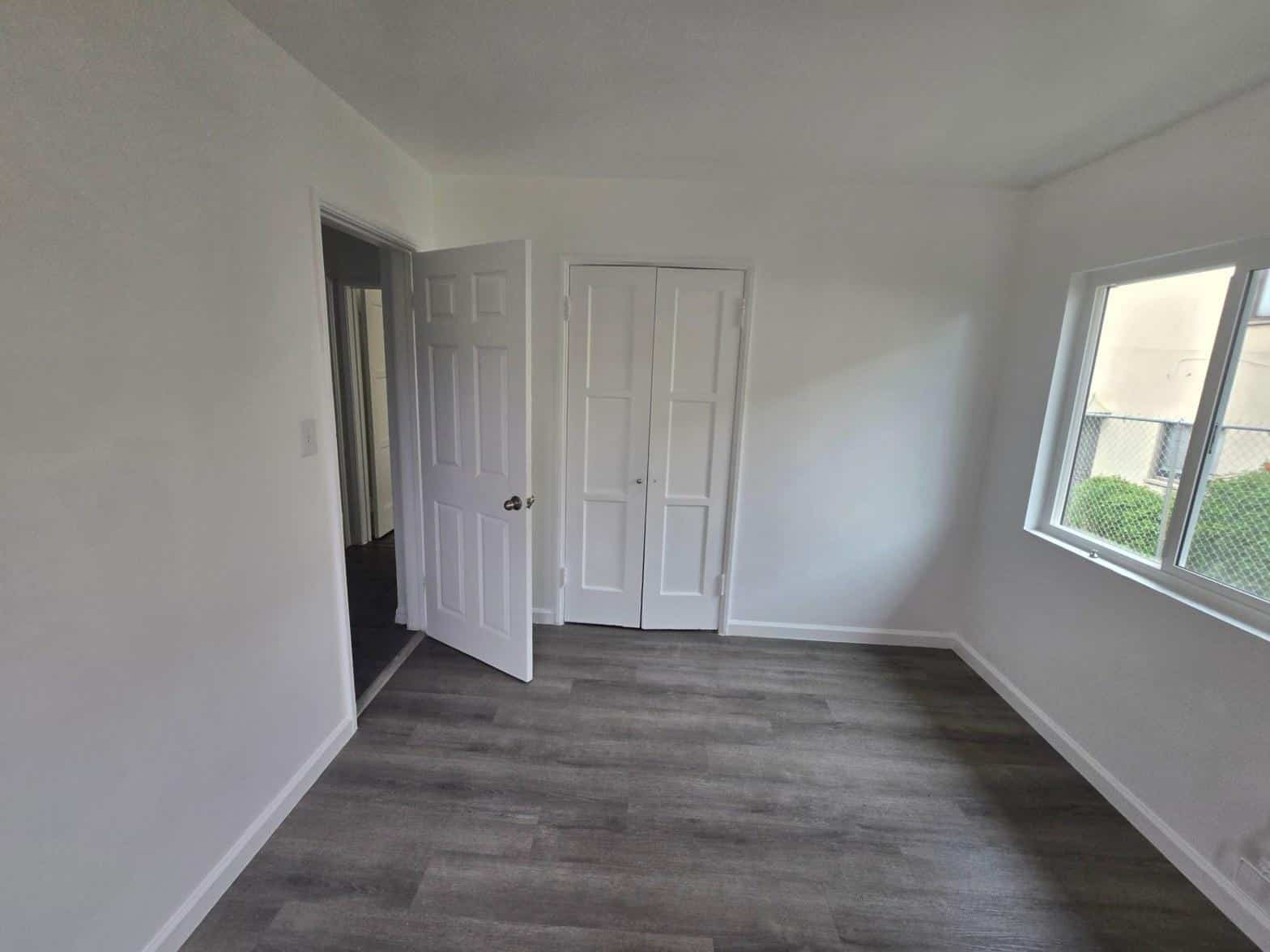
- Full home renovations: Gut-and-rebuild projects that touch every system in the house — electrical, plumbing, HVAC, insulation, and finishes.
- Commercial tenant improvements: Office buildouts, retail spaces, and mixed-use properties where ADA compliance and occupancy codes add complexity.
Our team has seen bathroom remodeling projects in the Los Angeles area grow roughly 40% in scope over the past three years, with more homeowners combining a bathroom gut with adjacent hallway or closet work once the walls are already open.
How Much Does a General Contractor Cost in California?
In the California market, general contractors typically charge either a fixed fee, a cost-plus percentage (usually 10–25% above actual costs), or a time-and-materials rate. The total cost of a remodel depends heavily on project scope, materials selected, local permit fees, and the complexity of the existing structure.
Here are typical regional market ranges for common residential projects in Southern California. These are market context figures — not quotes from any single contractor:
| Project Type | Typical Market Range (Southern CA) | Key Cost Drivers |
|---|---|---|
| Bathroom remodel (standard) | $15,000 – $35,000 | Tile selection, fixture grade, plumbing relocation |
| Bathroom remodel (high-end) | $35,000 – $80,000+ | Custom tile, steam shower, radiant floor, structural changes |
| Kitchen remodel (mid-range) | $40,000 – $75,000 | Cabinet quality, countertop material, appliance package |
| Room addition (per sq ft) | $250 – $500 per sq ft | Foundation type, roofline complexity, finish level |
| Exterior remodeling | $10,000 – $60,000 | Siding material, window count, structural repairs found |
| Full home renovation | $100,000 – $400,000+ | Square footage, systems age, permit complexity |
The GC markup on subcontractor labor and materials typically runs between 10% and 20% on larger projects. That markup covers the contractor’s overhead — insurance, licensing fees, project management time, and warranty liability.
Homeowners financing a remodel should know that the Inflation Reduction Act federal tax credit offers up to 30% back on qualifying energy-efficiency improvements installed through 2032, including insulation, windows, and certain HVAC upgrades. That can meaningfully offset the cost of a renovation that touches those systems.
For a custom quote on your specific project, call Hollywood Contractor Corp at (818) 264-1955 — pricing varies by scope and site conditions.
What Licenses and Permits Does a California GC Need?
A legitimate general contractor in California must hold an active license from the California Contractors State License Board (CSLB) — typically a Class B General Building Contractor license for residential remodeling work. You can verify any contractor’s license status, bond, and insurance in real time at the CSLB license check portal.
Beyond the contractor’s own license, most remodeling projects in California require one or more building permits from the local jurisdiction. Common permit types include:
- Building permit: Required for structural work, additions, and most gut remodels.
- Electrical permit: Required any time a licensed electrician adds circuits, upgrades a panel, or moves outlets.
- Plumbing permit: Required for pipe relocations, water heater replacements, and fixture additions.
- Mechanical permit: Required for HVAC work, ductwork changes, and ventilation upgrades.
- Demolition permit: Required in many jurisdictions before walls or structures are removed.
California’s Title 24 building energy standards also apply to most permitted remodels. This means new windows, insulation, and lighting installed during a renovation must meet current efficiency minimums — not just the standards in place when the home was originally built.
A licensed GC pulls all required permits in their name, which means they are legally responsible for ensuring inspections pass. If you hire an unlicensed operator who skips permits, you as the homeowner can be held liable for code violations — and unpermitted work can complicate a future home sale or insurance claim.
How Do You Choose the Right General Contractor for Your Remodel?
The single most important step is verifying the contractor’s CSLB license, active bond, and general liability insurance before signing anything. After that, a structured vetting process protects you from the most common hiring mistakes.
Follow these steps when evaluating any GC for a California remodel:
- Verify the CSLB license: Look up the license number at cslb.ca.gov. Confirm it is active, the bond is current, and no disciplinary actions are on file.
- Get at least three written bids: Bids should itemize labor, materials, permit fees, and the GC’s markup separately. Vague lump-sum bids make it impossible to compare apples to apples.
- Check references from similar projects: Ask for two or three references from projects completed in the last 24 months that are similar in scope to yours — not just the contractor’s best showpiece job.
- Review the contract carefully: A proper California construction contract should include a project start date, a substantial completion date, a payment schedule tied to milestones (not calendar dates), a change-order process, and a lien waiver clause.
- Confirm subcontractor licensing: Ask who the GC uses for plumbing, electrical, and HVAC. Those trades must each hold their own California specialty contractor license.
- Evaluate communication style: A GC who takes 48 hours to return a call during the sales process will not suddenly become responsive once your walls are open.
California law requires contractors to provide homeowners with a copy of the CSLB’s “Notice to Owner” before any contract is signed on projects over $500. If a contractor skips this step, that is a red flag.

What Are the Most Common Mistakes Homeowners Make When Hiring a GC?
The most costly mistake is choosing a contractor based on the lowest bid without verifying credentials or understanding what the bid actually includes. A low number that excludes permits, demo disposal, or finish materials will balloon well past a higher bid that covered everything upfront.
Here are the mistakes that most consistently derail California remodeling projects:
- Paying too much upfront: California law caps initial deposits at 10% of the contract price or $1,000 — whichever is less — for home improvement contracts. Any contractor demanding 30–50% upfront is violating state law.
- Skipping the permit process: Unpermitted work is not just a code violation — it can void your homeowner’s insurance coverage for damage related to that work and must be disclosed in a sale.
- Signing a vague contract: Contracts that say “allowances” for tile or fixtures without a dollar figure leave you exposed to large upcharges when you actually select materials.
- Not building in a contingency: Experienced remodelers budget 10–15% of the project cost as a contingency reserve. Older California homes frequently hide surprises — asbestos in pre-1980 popcorn ceilings, galvanized plumbing, or knob-and-tube wiring — that only appear once demolition begins.
- Ignoring the change-order process: Every scope change should be documented in a signed written change order with a price and schedule impact before work continues. Verbal agreements are nearly impossible to enforce.
- Hiring based on a recommendation alone: A neighbor’s great experience with a contractor on a deck build does not automatically mean that GC is qualified for a complex bathroom remodeling or structural addition.
Across projects we have managed in the Los Angeles area, roughly 1 in 3 older homes opened up for a bathroom remodel revealed at least one hidden condition — most commonly outdated supply lines or subfloor moisture damage — that required a documented change order to address properly.
Ready to Start Your California Remodel?
Understanding what does a general contractor do california is the first step toward a successful remodel — the second step is choosing a licensed, experienced team you can trust. Whether you are planning a bathroom remodel, an exterior renovation, a room addition, or a full home renovation across Los Angeles County or the surrounding region, having the right GC makes the difference between a smooth project and a costly ordeal.
Hollywood Contractor Corp is licensed by the California Contractors State License Board (CSLB) and serves homeowners across Southern California. Call (818) 264-1955 to schedule a consultation and get a detailed written estimate for your project. No vague allowances, no surprise upcharges — just a clear scope and a team that pulls every required permit.
Explore our full range of General Contracting services.
Frequently Asked Questions
How much does it cost to completely remodel a home in California?
A full home remodel in Southern California typically ranges from $100,000 to $400,000 or more, depending on the home's size, the age of its systems, and the finish level you choose. Older homes often add 10–20% to the base estimate once hidden conditions like outdated wiring or galvanized plumbing are discovered during demolition. Building in a 10–15% contingency reserve from the start is standard practice. Call (818) 264-1955 for a detailed estimate from Hollywood Contractor Corp.
How do I pay for a home remodel in California?
Common financing options include home equity loans, home equity lines of credit (HELOCs), cash-out refinancing, and personal renovation loans. Some energy-efficiency upgrades installed during a remodel may qualify for the Inflation Reduction Act federal tax credit of up to 30%, which can offset a portion of the project cost. Your lender will typically require a licensed contractor's signed contract and a detailed scope of work before releasing funds. Always confirm the payment schedule in your contract ties to completed milestones, not calendar dates.
Do I need a permit for a bathroom remodel in California?
Yes, most bathroom remodels in California require at least a building permit, and often separate plumbing and electrical permits as well. Work that moves walls, relocates pipes, adds circuits, or changes ventilation almost always triggers a permit requirement under California's building codes. Skipping permits can void your homeowner's insurance coverage for related damage and must be disclosed when you sell the home. A licensed general contractor will pull all required permits in their name as part of the project.
How long does a typical home remodel take in California?
A standard bathroom remodel typically takes 3 to 6 weeks once permits are approved. A kitchen remodel generally runs 6 to 12 weeks. A room addition or full home renovation can take 4 to 12 months depending on permit processing times, which vary by jurisdiction across California. Permit approval alone can add 2 to 8 weeks to the schedule in many Los Angeles County cities, so planning ahead is critical.
How do I verify a general contractor's license in California?
You can check any contractor's license status for free at the California Contractors State License Board website at cslb.ca.gov. The lookup shows whether the license is active, what classifications it covers, whether the bond is current, and whether any complaints or disciplinary actions are on file. Always verify before signing a contract — an expired or suspended license means the contractor cannot legally perform work over $500 in California.