Planning an ADU in California? This guide covers permits, zoning rules, build timelines, and how to choose the right contractor for your project.
What Is an ADU and What Types Can You Build?
An accessory dwelling unit (ADU) is a secondary housing unit built on the same lot as a primary single-family or multi-family home. California state law allows most residential lots to add at least one ADU and one junior ADU (JADU) by right. That means local cities cannot simply deny your application if your project meets state minimums.
Understanding the different ADU types is the first step in any adu contractor guide. Each type has its own cost profile, permit pathway, and construction timeline.
- Detached ADU: A fully separate structure in the backyard or side yard. Maximum size is generally 1,200 square feet under California state law. This type offers the most privacy and rental value.
- Attached ADU: Built as an addition to the existing home, sharing at least one wall. Costs can run lower than detached because no new foundation footprint is required.
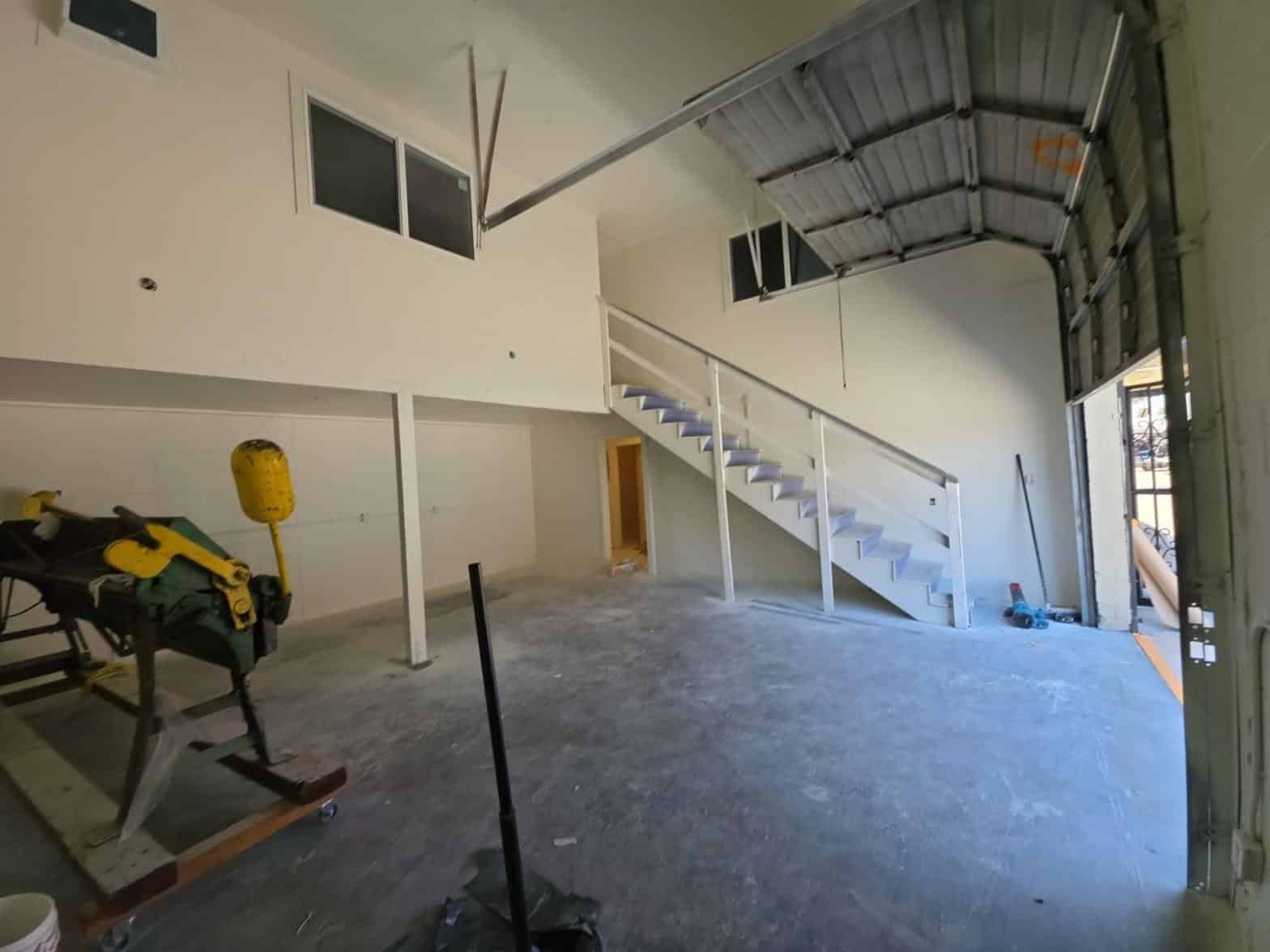
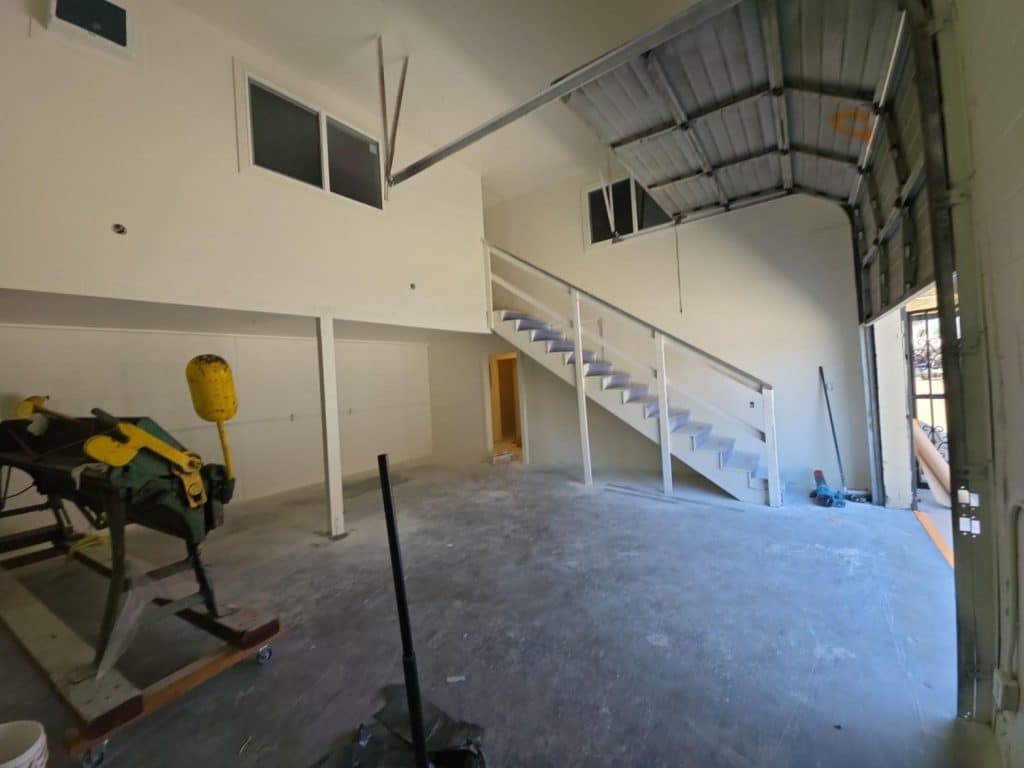
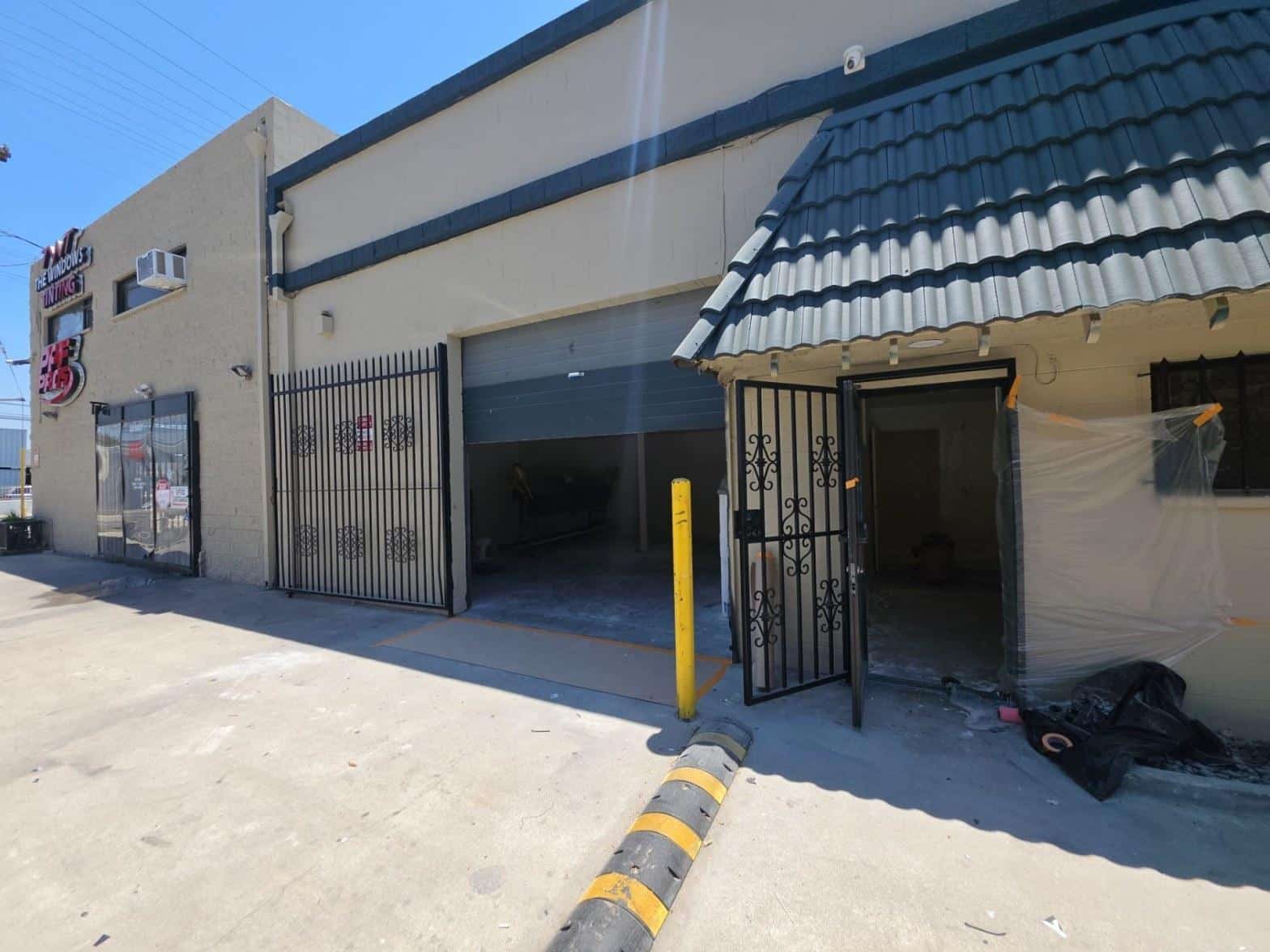
- Garage Conversion ADU: An existing attached or detached garage converted into living space. One of the fastest permit pathways in most California jurisdictions.
- Junior ADU (JADU): Created entirely within the existing home’s walls, capped at 500 square feet. JADUs require an owner-occupancy agreement and a separate entrance but share some systems with the main house.
- Above-Garage ADU: A new unit built on top of an existing garage. Requires structural engineering review but can maximize lot use where yard space is limited.
Most homeowners in Los Angeles County start by evaluating a garage conversion or detached backyard unit because those two types cover the widest range of budgets and lot configurations.
What Are the Zoning and Size Rules for ADUs in California?
California’s ADU reform laws — AB 68, AB 881, and SB 9, enacted between 2020 and 2022 — require cities to allow ADUs on virtually every residential lot, with streamlined approval timelines of 60 days or less for complete applications. Local ordinances can add specific design standards, but they cannot reduce state minimum allowances.
Here are the key statewide baseline rules every homeowner should know before hiring a contractor:
- Minimum lot size: California eliminated minimum lot size requirements for ADUs at the state level. Check your local ordinance for any remaining setback or coverage rules.
- Maximum height: Detached ADUs can be up to 16 feet tall in most zones. ADUs located within half a mile of public transit can reach up to 18 feet under AB 2221 (effective 2023).
- Setbacks: A 4-foot rear and side setback applies to most detached ADUs statewide. Garage conversions are exempt from setback requirements.
- Parking: No replacement parking is required when a garage is converted to an ADU if the property is within half a mile of a transit stop.
- Owner occupancy: The state suspended owner-occupancy requirements for standard ADUs through 2025. JADUs still require owner occupancy.
- Utility connections: ADUs under 750 square feet are exempt from connection or capacity fees in most California jurisdictions.
Local cities like those in Los Angeles County may layer additional design review, fire sprinkler thresholds, or energy compliance rules on top of state minimums. Always confirm the specific local ordinance with your contractor before finalizing a design. California’s Department of Housing and Community Development (HCD) publishes a free ADU handbook that outlines statewide standards in plain language.
What Does the ADU Permit Process Actually Look Like?
Most California ADU projects move through five permit stages: pre-application review, plan check submission, permit issuance, construction inspections, and final certificate of occupancy. The full process typically spans 3 to 6 months for permit approvals alone, before a single nail is driven.
Our team processes ADU permit packages regularly across Los Angeles County and sees plan check corrections add 4 to 8 weeks to projects where structural or energy compliance details are missing from the initial submittal. Getting those details right the first time is the single biggest schedule lever a contractor controls.
- Pre-application research: Confirm zoning, setbacks, utility capacity, and any HOA restrictions. Some cities offer free pre-application meetings that can shorten plan check time significantly.
- Design and engineering: Hire an architect or designer to produce construction documents. Structural engineering is required for new foundations and above-garage units. A Manual J load calculation is required for HVAC sizing under California’s Title 24 building energy standards.
- Plan check submission: Submit to the local building department. Many cities now accept digital submissions. State law requires cities to act on a complete ADU application within 60 days.
- Permit issuance: Once approved, permits are issued. Fees vary widely by city and unit size. Impact fee exemptions for units under 750 square feet can save homeowners several thousand dollars.
- Construction inspections: Inspections are required at foundation, framing, rough mechanical/electrical/plumbing, insulation, and final stages. Missing a required inspection can require costly work to be exposed and re-inspected.
- Certificate of occupancy: The final inspection sign-off makes the unit legally habitable and rentable. Without it, your ADU cannot be legally leased or used as collateral for refinancing.
How Much Does It Cost to Build an ADU in Southern California?
In the Southern California regional market, ADU construction typically ranges from $150,000 to $400,000 or more for a detached unit, and $80,000 to $180,000 for a garage conversion, depending on size, finishes, and site conditions. These are market ranges — not quotes — and actual project costs depend on a wide set of factors.
| ADU Type | Typical Market Range (SoCal) | Key Cost Drivers |
|---|---|---|
| Garage Conversion | $80,000 – $180,000 | Existing structure condition, HVAC, plumbing rough-in |
| Attached ADU Addition | $120,000 – $250,000 | Foundation tie-in, shared wall work, entry design |
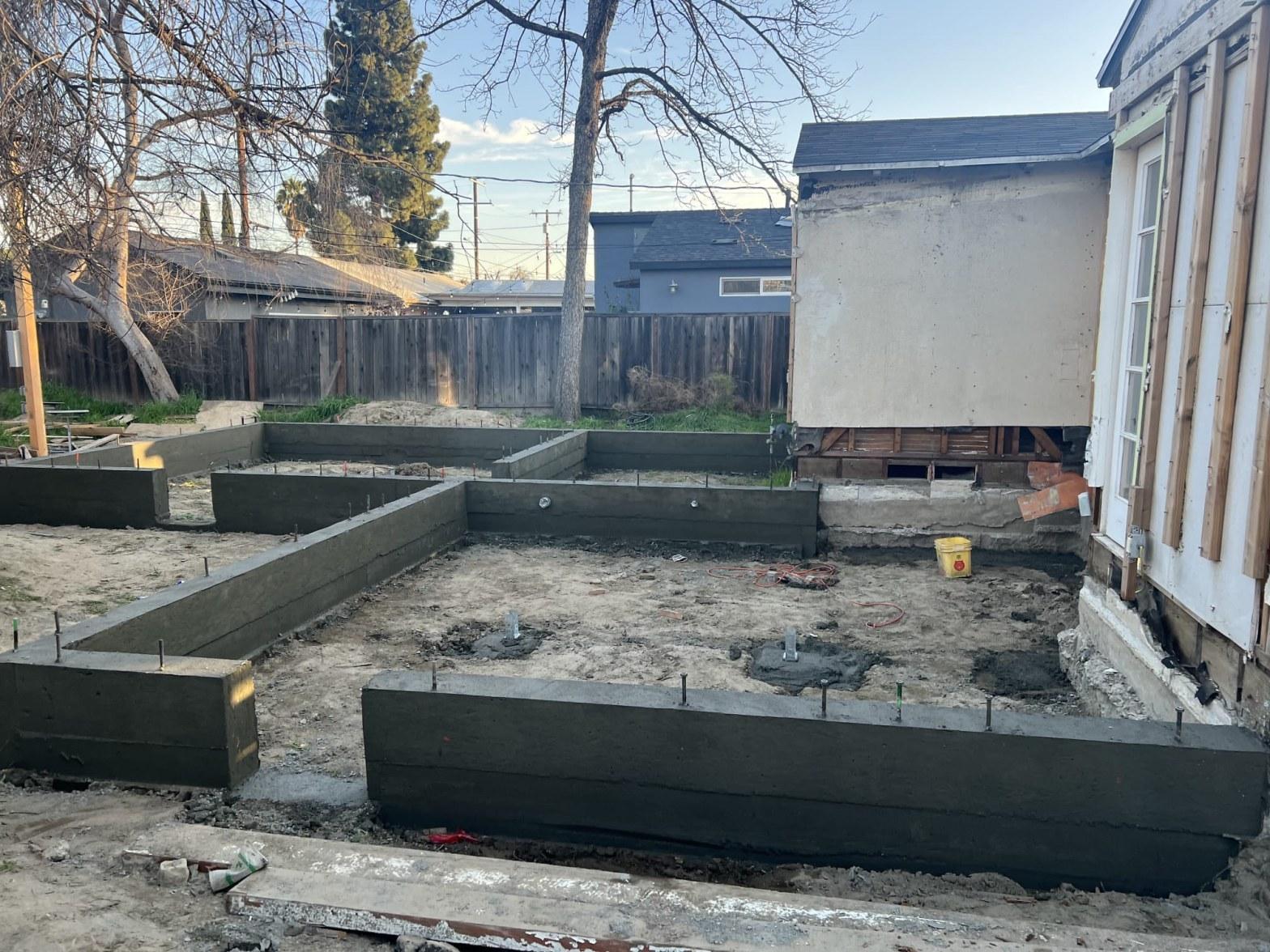
| Detached ADU (under 600 sq ft) | $150,000 – $280,000 | New foundation, utility trenching, site prep |
| Detached ADU (600–1,200 sq ft) | $220,000 – $400,000+ | Size, finish level, solar requirement, structural complexity |
| JADU (within existing home) | $40,000 – $100,000 | Kitchen rough-in, separate entry, bathroom addition |
Several factors move costs up or down significantly:
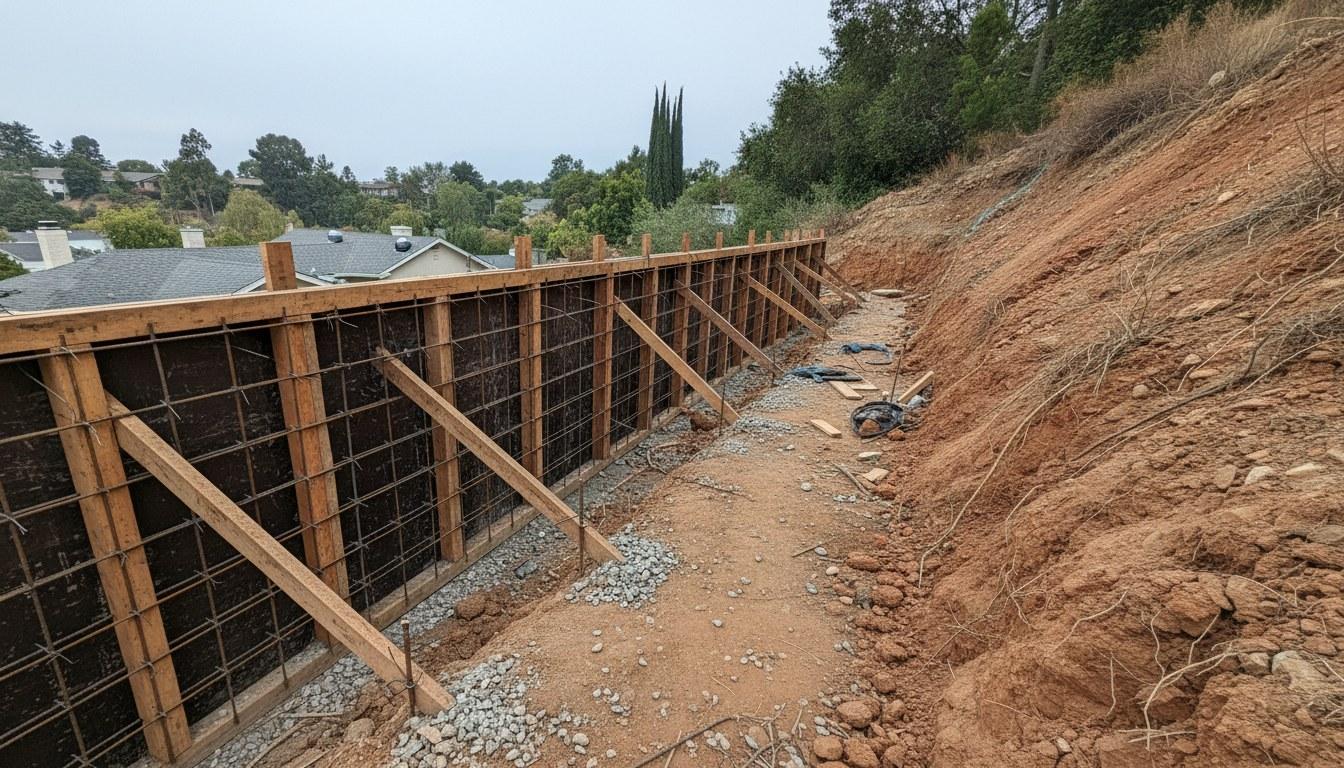
- Soil and grading: Sloped lots or expansive soils require deeper foundations and more engineering, adding $10,000 to $40,000 or more.
- Utility upgrades: An older main panel may need upgrading to 200 amps to support the new unit. Panel upgrades typically run $3,000 to $8,000 in this market.
- Title 24 compliance: California’s Title 24 building energy standards require insulation, window performance, and often solar-ready conduit on new construction. These add cost but reduce long-term energy bills.
- Finishes: Luxury kitchen and bathroom finishes can add $20,000 to $60,000 over builder-grade selections.
- Permit and impact fees: Fees vary by city. Units under 750 square feet are exempt from most impact fees under state law.
The Inflation Reduction Act federal tax credit may apply to energy-efficient upgrades — such as heat pump HVAC systems and insulation — installed as part of an ADU project. Consult a tax professional and visit energy.gov for current credit details. For a precise project estimate, request a custom quote from Hollywood Contractor Corp before committing to a design or budget.
How Do You Use This ADU Contractor Guide to Choose the Right Builder?
The most important credential to verify is an active California Contractors State License Board (CSLB) license — specifically a Class B General Building Contractor license, which covers the full scope of ADU construction including framing, concrete, and finish work. You can verify any contractor’s license status in seconds at the CSLB’s online lookup tool.
Beyond licensing, here is what separates a qualified ADU contractor from a general remodeler who has never navigated the ADU permit process:
- ADU-specific permit history: Ask how many ADU permits the contractor has pulled in the past 24 months. A contractor who has completed 10 or more ADU projects will know the local plan checker’s common correction notes and avoid them on your submittal.
- In-house design coordination: The best ADU contractors either employ a designer or have a standing relationship with one. Disconnected design-build teams are a leading cause of plan check delays.
- Subcontractor relationships: ADUs require licensed plumbers, electricians, and HVAC contractors. Ask whether subs are pre-vetted and whether the general contractor carries workers’ compensation insurance covering all subs on site.
- Written contract with milestone schedule: A professional ADU contractor provides a detailed scope of work, payment schedule tied to construction milestones, and a realistic timeline broken into permit, construction, and inspection phases.
- References from completed ADU projects: Ask for 2 to 3 references from ADU clients specifically — not just general remodeling customers. A bathroom remodeling project and an ADU build are very different in permit complexity.
Homeowners across Los Angeles County increasingly use Burbank home improvement contractors and general contractors with ADU experience because those builders already understand LA County’s inspection culture and utility coordination requirements. That local permit knowledge is worth as much as any individual trade skill.
What Are the Most Common ADU Mistakes — and How Do You Avoid Them?
The three most expensive ADU mistakes are starting construction before permits are issued, underestimating utility upgrade costs, and hiring a contractor without verified ADU permit experience. Each of these can add months and tens of thousands of dollars to a project.
Across our ADU and home remodeling projects in Los Angeles County, we see unpermitted work — especially partial garage conversions done by prior owners — show up in roughly 1 in 4 properties we inspect before starting a new ADU build. Legalizing that prior work adds an average of 6 to 10 weeks and $8,000 to $20,000 in remediation costs before the new project can even begin.
- Skipping a title report: Easements, CC&Rs, or deed restrictions can block an ADU entirely. Pull a title report before spending money on design.
- Choosing design before confirming setbacks: A design that violates the 4-foot setback rule will be rejected at plan check, wasting 6 to 12 weeks and design fees.
- Ignoring fire sprinkler thresholds: Some California cities require fire sprinklers in ADUs over 500 square feet. Confirm the local threshold early — adding sprinklers mid-design is costly.
- Underestimating soft costs: Design, engineering, permit fees, soils reports, and energy compliance documentation together typically add 10% to 15% to the hard construction cost. Budget for them upfront.
- Paying large deposits upfront: California law limits contractor deposit requests to 10% of the contract price or $1,000, whichever is less. Requests for 30% to 50% upfront are a red flag.
- Not confirming ENERGY STAR appliance eligibility: Specifying ENERGY STAR-rated appliances and systems in the design can qualify the project for California Energy Commission rebates and federal tax credits.
Working with a licensed general contractor in Burbank or elsewhere in Los Angeles County who has completed multiple ADU projects is the most reliable way to avoid these pitfalls. That contractor will catch problems at the design stage, not after concrete is poured.
Ready to Build? Get Expert Help from Hollywood Contractor Corp
Building an ADU is one of the highest-return investments a California homeowner can make — but only when the permit process, zoning rules, and construction sequence are handled correctly from the start. This adu contractor guide covers the framework, but every lot and project is different.
Hollywood Contractor Corp is licensed by the California Contractors State License Board (CSLB) and handles ADU projects across Southern California — from initial zoning review and design coordination through final inspection and certificate of occupancy. Whether you are planning a detached backyard unit, a garage conversion, or a JADU within your existing home, the team brings full-service general contracting experience to every phase.
Call (818) 264-1955 to schedule a project consultation. Get a written scope and timeline before any work begins — and build with confidence knowing your ADU is permitted, code-compliant, and built to last.
Explore our full range of General Contracting services.
Frequently Asked Questions
How long does it take to build an ADU in California from start to finish?
Most ADU projects in California take 6 to 18 months from initial design to final certificate of occupancy. The permit approval phase alone typically takes 3 to 6 months. Construction on a detached ADU usually runs 4 to 8 months after permits are issued, depending on size and site complexity.
Do I need a general contractor to build an ADU or can I owner-build?
California allows owner-builders to pull their own permits, but ADU projects involve structural engineering, Title 24 energy compliance, and multiple trade inspections that are difficult to coordinate without experience. Most homeowners save time and avoid costly mistakes by hiring a licensed general contractor with verified ADU permit experience. Look for a CSLB Class B license and a track record of completed ADU projects.
Can I build an ADU if my property has an HOA?
California law (Civil Code Section 4751) prohibits HOAs from outright banning ADUs, but HOAs can still enforce reasonable design standards such as exterior finish materials and colors. Pull a title report and review your CC&Rs before starting design to identify any restrictions your contractor will need to work around.
What is a JADU and how is it different from a regular ADU?
A junior ADU (JADU) is created entirely within the existing walls of the primary home and is capped at 500 square feet. Unlike a standard ADU, a JADU requires an owner-occupancy agreement and shares some systems — like a kitchen area — with the main house. JADUs are typically the lowest-cost ADU option because no new foundation or major addition is needed.
Are there any financial incentives or rebates for building an ADU in California?
Yes. Units under 750 square feet are exempt from most local impact fees under state law, which can save several thousand dollars. The Inflation Reduction Act federal tax credit applies to qualifying energy-efficient upgrades like heat pump HVAC systems installed as part of the project. Some utility programs and the TECH Clean California initiative also offer rebates for efficient systems in new ADU construction. Confirm current program availability with your contractor and a tax professional.